
Posts Tagged ‘homes for sale Victoria BC’
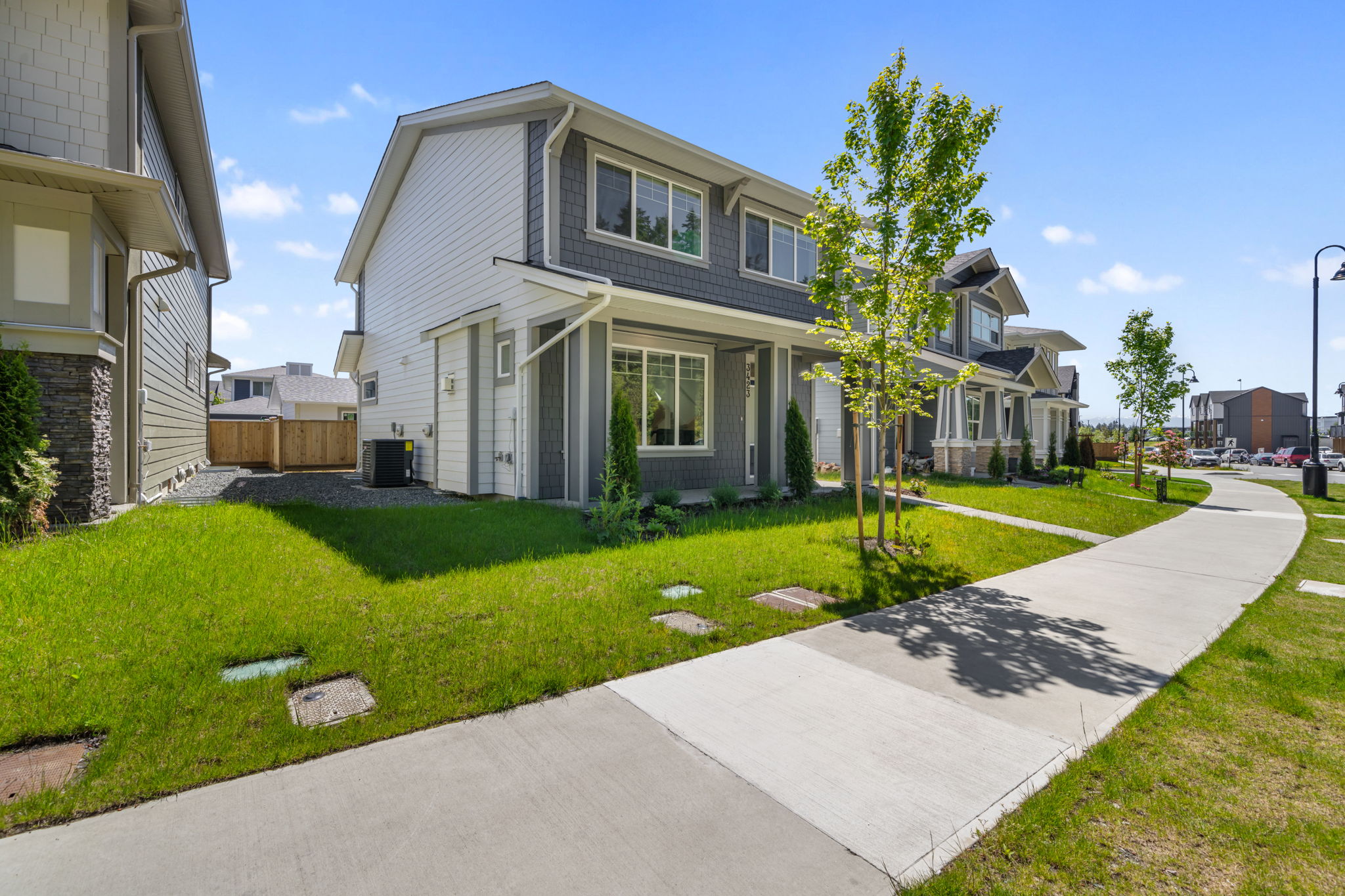
A seller might consider a lower offer when the listing has been on the market longer than expected, has had limited buyer activity, or is priced above recent comparable sales. A seller might consider a lower offer for several reasons, but buyers need to understand the full picture before assuming there is room to negotiate. In real estate, a lower offer is not just about picking a number below asking price. It is about understanding motivation, market conditions, property history, and the seller’s position. The more context you have, the better your offer strategy will be. Days on Market Can Tell a Story One of the first signs to watch is how long the home has been listed. If a property has been on the market longer than similar homes nearby, the seller may become more open to negotiation. This does not always mean they are desperate. It may simply mean the home has not found the right buyer yet. A longer listing period can happen because of: An ambitious asking price Slower buyer demand in that price range Property condition concerns Layout or location limitations Strong competition from nearby listings Limited showing activity However, days on market should never be viewed alone. A luxury home, acreage property, unique character home, or higher-priced listing may naturally take longer to sell than a more typical property. Price Reductions Are a Strong Clue A price reduction often signals that the seller understands the original asking price was not generating enough interest. If a home has already had one or more price adjustments, the seller may be more realistic about where the market sits. That can create an opportunity for buyers, especially if the home is still sitting after the latest adjustment. Still, a price reduction does not automatically mean the seller will accept any offer. Sometimes a price change brings the home closer to market value, and the seller may expect renewed interest before negotiating further. The key question is whether the new price matches recent comparable sales. Comparable Sales Matter More Than Opinion A lower offer should be supported by market evidence. Buyers often say, “I think the home is overpriced,” but sellers respond better to facts than feelings. Recent comparable sales help show whether the asking price lines up with similar homes that have actually sold. Good comparable sales should consider: Property type Neighbourhood Size and layout Lot size Condition Age of major systems Renovations or updates Suite potential Parking Strata details, if applicable If similar homes sold for less, that may support a lower offer. If similar homes sold close to the asking price, the seller may have less reason to move. Competing Listings Can Create Pressure Sellers pay attention to competition. If there are several similar homes available, buyers have more choice. This can give buyers more negotiating power, especially if competing homes offer better condition, better presentation, or stronger value. For example, a seller may be more flexible if another nearby home has: A lower asking price A better floor plan Recent updates A suite More parking Better outdoor space Lower strata fees A stronger location In a market with more choice, buyers compare carefully. Sellers who understand this may be more willing to negotiate if they want to stay competitive. Property Condition Can Affect Negotiation Condition is another important factor. A home that needs visible repairs, older systems, or immediate upgrades may leave more room for negotiation than a move-in ready home. Buyers should look beyond cosmetic finishes and think about the real cost of ownership. Common condition concerns include: Older roof Aging windows Dated electrical Older plumbing Drainage concerns Deferred maintenance Worn flooring Old heating systems Strata repairs or upcoming levies A lower offer may make sense when the purchase price does not reflect these future costs. However, buyers should be careful. Some sellers have already priced condition into the listing. In that case, a very low offer may not be received well. Empty Homes Can Sometimes Signal Flexibility A vacant home may suggest the seller has already moved, is carrying costs, or wants a cleaner timeline. That does not always mean they will accept less. However, ongoing costs such as mortgage payments, taxes, insurance, utilities, and strata fees can add pressure over time. A vacant home may create more room to discuss: Price Completion date Included items Subject terms Deposit timing Possession flexibility Sometimes the best negotiation is not only about price. Terms can matter too. Motivation Is Not Always Visible Buyers often want to know if the seller is motivated. The honest answer is that motivation is not always clear from the listing. Some sellers need to sell quickly. Others are testing the market. Some have already bought another home. Others will only sell if they receive the right price. A good buyer strategy looks for signals, but it does not rely on guesses. Your REALTOR® can ask questions through the listing agent and gather context before you decide how to write the offer. Useful questions may include: Has the seller received any offers? Has there been strong showing activity? Are they flexible on dates? Are there any preferred terms? Has the home been reduced? Is the seller looking for a specific completion timeline? The answers can help shape a smarter offer. A Lower Offer Still Needs to Be Strategic There is a difference between a lower offer and a careless offer. A thoughtful lower offer explains the buyer’s position through price, terms, and supporting market logic. A careless offer can make the seller defensive and reduce the chance of productive negotiation. A strong lower offer may include: A reasonable deposit Clear subject clauses Flexible dates A clean set of terms Comparable sales support Respectful communication A realistic price based on the market The goal is not to “win” by offering as little as possible. The goal is to create a deal that makes sense for both sides. When a Lower Offer May Not Work Not every listing has room to negotiate. A seller may reject a lower offer if the home is new to market, priced well, receiving strong activity, or located in a high-demand segment. Some sellers also have a firm bottom line and may prefer to wait. A lower offer may be less effective when: The home just listed The asking price matches comparable sales There are multiple interested buyers The seller has no urgency The property is rare or hard to replace The offer includes weak terms The price is too far below market value In these cases, buyers may need to decide whether the home is worth competing for or whether another opportunity offers better value. Final Thoughts Knowing when a seller might consider a lower offer comes down to reading the market, not guessing. Days on market, price reductions, comparable sales, competing listings, property condition, and seller flexibility all help tell the story. For buyers, the best approach is to stay prepared, respectful, and strategic. A lower offer can work, but only when it is backed by evidence and written in a way that keeps the conversation moving. If you are thinking about buying in Greater Victoria and want to understand whether a listing has room to negotiate, contact Faber Real Estate Group for local advice, current market insight, and a clear offer strategy. Elel P., 5-Star Review, via Google “Months of looking then a listing came up to our liking. We were out of town so Scott did a virtual viewing for us. We gave an offer even without viewing it personally because of this crazy market we have. Offer got accepted a couple hours after!” Faber Real Estate Group Royal LePage Coast Capital Realty 📞 250-244-3430 📧 [email protected] ℹ️ Scott Faber Personal Real Estate Corporation ℹ️ Cal Faber Personal Real Estate Corporation Vanessa Wood, Zachary Parsons, and Sophie Taylor “Building Lasting Relationships, One Home at a Time.”
Read more
Pets are part of the family, but when it comes time to sell, they can change how buyers experience your home. Preparing a home with pets does not mean hiding the fact that animals live there. It means making sure buyers focus on the space, layout, condition, and lifestyle instead of odours, fur, scratches, noise, or distractions. For many buyers, pets are not a problem. In fact, plenty of buyers have pets themselves. However, when someone walks through a listing, they are quietly asking one question the entire time: “Can I see myself living here?” A strong showing helps them answer yes. Start With Odour Before Anything Else Pet odour is one of the fastest ways to shift a buyer’s impression. Even a clean home can carry subtle smells that the owner no longer notices. Before listing, focus on: Washing pet beds, blankets, and soft toys Deep cleaning carpets, rugs, and upholstery Replacing or professionally cleaning heavily used area rugs Cleaning litter boxes, crates, and feeding areas daily Opening windows before showings when weather allows Avoiding heavy air fresheners that can feel like they are covering something up A fresh home feels cared for. A heavily scented home can make buyers wonder what they are not seeing. Repair the Small Signs of Wear Pets can leave behind small clues that buyers notice quickly. Scratched doors, chewed trim, worn flooring, damaged screens, stained carpet, and marked baseboards can all create the impression that the home has been harder used than it really has. Before photos and showings, look closely at: Door frames and trim Baseboards Flooring near entryways and feeding areas Backyard lawn damage Patio doors and window screens Carpet stains Scratches on hardwood or laminate Not every mark needs a major repair. However, small fixes can help buyers see the home as well maintained rather than worn down. Reduce Visual Pet Clutter Pet items are practical, but they can create visual noise in photos and during showings. Buyers are often trying to understand room size, storage, flow, and natural light. Too many beds, toys, bowls, gates, crates, and scratching posts can make spaces feel smaller. Before listing photos, remove or minimize: Extra pet beds Food and water bowls Litter boxes Leashes and harnesses near the entry Large crates Pet toys Scratching posts Pet gates You do not need to erase all signs of a pet. The goal is to simplify the space so buyers can focus on the home. Have a Showing Plan for Your Pets The best option during showings is usually to remove pets from the home. This protects the buyer experience and keeps your pets safe and less stressed. Consider: Taking dogs for a walk during showings Arranging daycare for busy showing days Asking a friend or family member to help Using a secure off-site option during open houses Creating a clear plan for short-notice showings Even friendly pets can distract buyers. Some people are nervous around animals, some have allergies, and some simply find it hard to concentrate when a pet is present. Do Not Forget the Yard For detached homes, townhomes, and ground-level units, outdoor space matters. If pets use the yard, make sure it feels clean, functional, and ready for the next owner. Before showings: Pick up waste daily Repair lawn patches where possible Store pet toys out of sight Clean patios and deck areas Check fencing for obvious damage Remove strong odours from artificial turf or pet areas A well-kept yard helps buyers picture relaxing, entertaining, gardening, or letting their own pets enjoy the space. Be Thoughtful With Strata and Pet Rules If you are selling a condo or townhouse, pet policies can matter to buyers. Some buildings have restrictions around size, number of pets, types of animals, or rental-related pet rules. Have key information ready, including: Pet bylaws Number of pets allowed Size or weight limits, if applicable Any breed or animal restrictions Common area rules Move-in and elevator rules for pet owners Clear answers reduce uncertainty. For buyers with pets, this information can affect whether the home feels like a real option. Make the Home Feel Easy to Maintain Buyers are not only looking at how a home looks today. They are also thinking about future upkeep. If they see pet damage, strong odours, or clutter, they may assume the home will need more work after possession. That can affect: Perceived value Buyer confidence Offer strength Inspection concerns How emotionally connected buyers feel during the showing Preparing a home with pets is really about removing doubt. When the home feels clean, calm, and well cared for, buyers can focus on what matters. Final Thought Pets do not have to hurt your sale. With the right preparation, a pet-friendly home can still show beautifully, photograph well, and make buyers feel comfortable from the moment they walk in. If you are preparing a home with pets and want advice on what to clean, repair, remove, or adjust before listing, reach out to Faber Real Estate Group for practical guidance before you go to market. Justin V., 5-Star Review, via Google “Scott and Cal were absolutely phenomenal! From the moment we met them, we knew we were in good hands. Their in-depth knowledge of the Victoria market was impressive, and they guided us through the entire home selling and buying process with expertise and patience. They were always available to answer our questions, and their negotiation skills were top-notch. Thanks to their hard work, we found our dream home! We highly recommend The Faber Group to anyone looking to buy or sell a property.” Faber Real Estate GroupRoyal LePage Coast Capital Realty📞 250-244-3430📧 [email protected]ℹ️ Scott Faber Personal Real Estate Corporationℹ️ Cal Faber Personal Real Estate CorporationVanessa Wood, Zachary Parsons, and Sophie Taylor“Building Lasting Relationships, One Home at a Time.”
Read more
The Greater Victoria real estate market continued to show signs of stability and steady activity in February 2026. According to the Victoria Real Estate Board, 465 properties sold across the region, representing a 37.2 percent increase from January, though still 11.9 percent lower than February 2025. While year-over-year comparisons show some moderation, the strong month-to-month growth indicates that buyers are returning to the market as we move toward the spring season. Inventory is also expanding, giving buyers more options than they have seen in recent years. Active listings rose to 2,903 properties, up 10.6 percent from January and 10.4 percent higher than the same time last year. For many buyers and sellers, this signals a shift toward a more balanced real estate environment where neither side holds a dramatic advantage. Local REALTOR® Scott Faber notes that the Victoria market continues to behave differently than many larger Canadian markets. “There’s a lot of noise coming out of Vancouver and Toronto,” Scott Faber says. “However, our market here is very stable and resilient compared to other markets across Canada.” Insights for Buyers For buyers entering the market this spring, the increased inventory is creating more breathing room to explore options and make thoughtful decisions. With nearly three thousand active listings available, buyers can take time to compare homes, neighbourhoods, and property types more carefully than they could during the intense competition of previous years. Scott Faber explains that condominiums may offer particular opportunity right now. “If you’re a buyer looking for a condo this spring, this is definitely a good time to explore those options,” Scott Faber says. “Especially for downsizers or first-time homebuyers, there’s a lot of choice available and mortgage rates have come down significantly compared to last year.” However, the single-family home segment remains competitive in certain price ranges. Scott Faber notes that homes under $1.2 million with suites are attracting strong demand, particularly in areas like Saanich and Langford. “One of our listings had 18 showings within two weeks,” Scott Faber says. “And we’ve been in multiple-offer situations on several homes under a million dollars, some with suites and some without.” Because of this continued competition in certain segments, preparation remains critical. “If you’re looking for a single-family home, get prepared with a mortgage pre-approval and talk to your real estate professional so you’re ready to act,” Scott Faber advises. Insights for Sellers For sellers considering entering the market this spring, the February activity provides an important takeaway: preparation and presentation matter more than ever. While buyers have more inventory to choose from, homes that are properly priced and move-in ready are still attracting strong interest and selling quickly. Properties that are not show-ready, however, may take longer to move in a market where buyers have more choice. Scott Faber sees this trend clearly when working with clients. “When a home is priced to sell and it’s move-in ready, buyers are moving quickly,” Scott Faber says. “But the homes that aren’t show-ready or require significant updates tend to sit longer because buyers simply have more options right now.” For sellers, this makes professional strategy essential. “I always recommend choosing a professional real estate team that understands how to position your home properly in today’s market,” Scott Faber says. “If your home is well-appointed, marketed correctly, and priced appropriately, you’re going to have a good experience selling.” Market Outlook Looking ahead to the spring market, Greater Victoria appears to be entering a period of stability rather than volatility. The benchmark price for a single-family home in the Victoria Core is now $1,307,400, a modest 0.9 percent decrease from last year, though prices have increased since January. Condominiums show a similar pattern, with a benchmark value of $545,600, down slightly year-over-year but rising month-over-month. Scott Faber believes these numbers reflect a market that is finding its balance. “What we’re seeing right now is a balanced market,” Scott Faber says. “We’re not seeing the large supply increases that some people expected, and when the market is balanced it creates great opportunities for both buyers and sellers.” As the spring market approaches, activity is expected to continue building. Buyers will likely benefit from increased inventory, while sellers who prepare their homes properly can still capture strong demand. Final Thoughts February’s data and on-the-ground experience point to a clear conclusion: the Greater Victoria real estate market remains steady, resilient, and balanced. Buyers now have more options and greater confidence as prices stabilize and inventory expands. Sellers, meanwhile, can still achieve excellent results when their homes are positioned correctly in the marketplace. For those considering a move this year, understanding these local dynamics is critical. If you are thinking about buying or selling in Greater Victoria, connect with Scott Faber and the Faber Real Estate Group for personalized guidance and expert insight into today’s market opportunities. Scott L., 5-Star Review, via Google “I had the pleasure of working with the Faber Group to sell my house, and I couldn't be more pleased with the experience. Cal and Scott from the Faber Group provided exceptional service from start to finish. Their expertise and guidance were instrumental in preparing my home for sale, ensuring it was presented in the best possible light for maximum return on investment. They demonstrated a deep understanding of the market, strategically timing the listing to attract the right buyers. Faber Real Estate Group Royal LePage Coast Capital Realty 📞 250-244-3430 📧[email protected] ℹ️ Scott Faber Personal Real Estate Corporation ℹ️ Cal Faber Personal Real Estate Corporation Vanessa Wood, Zachary Parsons, and Sophie Taylor “Building Lasting Relationships, One Home at a Time.”
Read more