
Posts Tagged ‘home value Victoria BC’
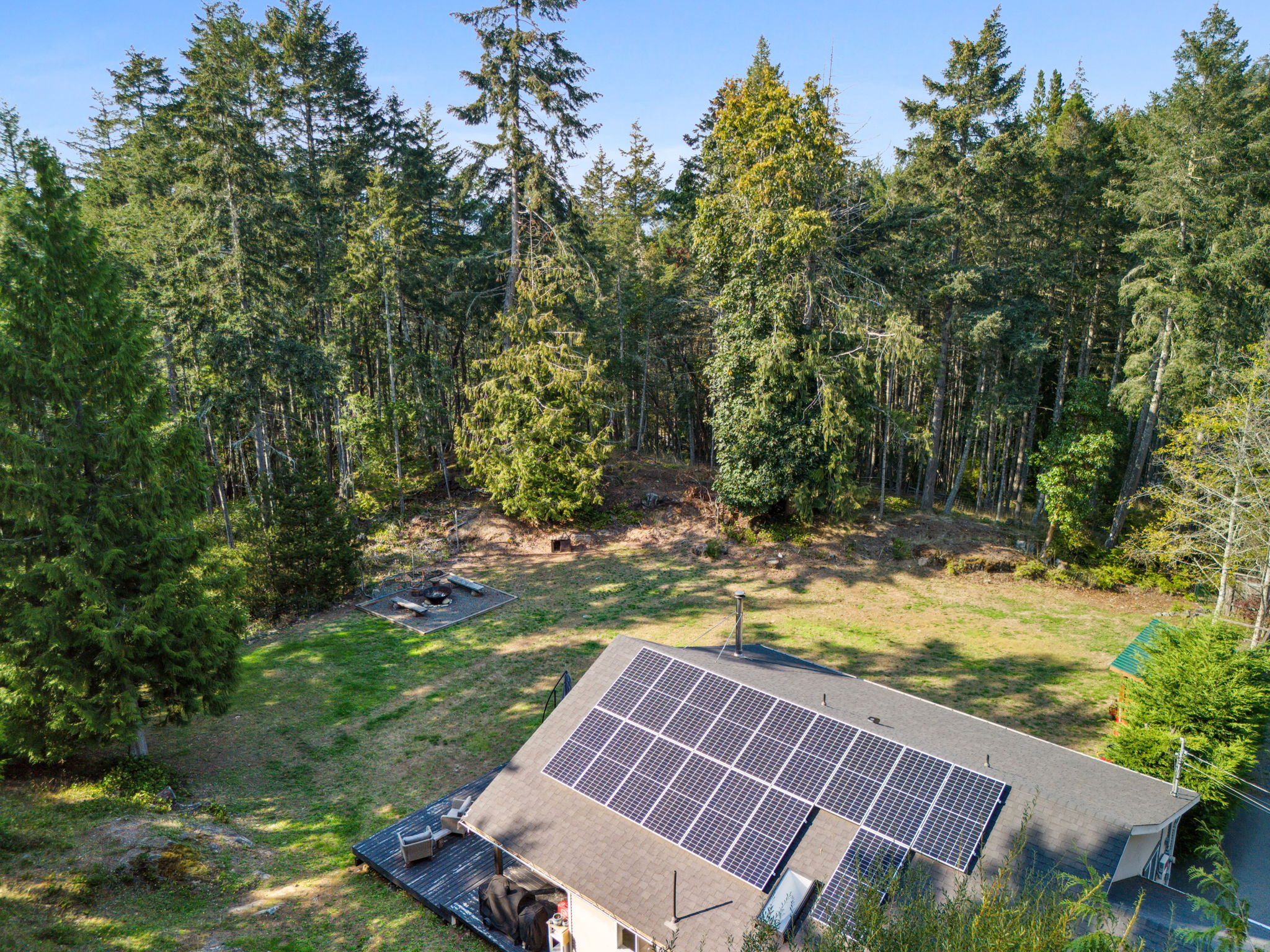
More space without leaving Greater Victoria is one of the most common goals for buyers whose current home no longer fits. That may mean an extra bedroom, a larger yard, a garage, a home office, suite potential, or simply a layout that feels easier to live in. For many buyers, the challenge is not wanting to leave the region. They still want access to work, schools, family, recreation, and the lifestyle that makes Greater Victoria such a desirable place to call home. The good news is that there are still practical options. The key is understanding where your budget goes further, what trade-offs each area involves, and what type of space actually matters most to your lifestyle. Why Buyers Start Looking for More Space Most people do not wake up one day and suddenly decide they need a bigger home. Usually, the need builds slowly. A condo starts to feel tight. A townhouse no longer has enough storage. A growing family needs another bedroom. Remote work makes a proper office more important. Pets, kids, hobbies, tools, bikes, guests, or extended family can all change how a home functions. At that point, the question becomes less about wanting more square footage and more about wanting a home that supports daily life better. That is where a thoughtful move-up strategy matters. The First Question Is Not Size. It Is Trade-Off. When buyers start searching for more space, they often focus on square footage first. That makes sense, but it is not the only thing that matters. In Greater Victoria, more space usually comes from one of three trade-offs: Moving farther from the downtown core Choosing an older home with more potential Prioritizing land, layout, or suite flexibility over newer finishes A newer home in Langford may offer more bedrooms, a garage, and a functional family layout. An older home in Saanich West may offer a larger lot, renovation potential, and a more central location. A property in Sooke may offer land, privacy, and outdoor space that would be difficult to find closer to town. None of these options are automatically better. The right choice depends on what problem you are trying to solve. Langford Langford is often one of the first areas buyers consider when they want more space without leaving Greater Victoria. The appeal is practical. Buyers can often find newer single-family homes, townhomes, duplexes, and family-oriented communities with more interior space than they may find in Victoria, Oak Bay, or central Saanich at a similar price point. Langford also offers strong everyday convenience. Shopping, restaurants, recreation, schools, trails, lakes, and transit connections have made it one of the most active move-up markets in the region. For many buyers, Langford offers a useful balance between space, amenities, and long-term livability. Colwood Colwood can be a strong option for buyers who want more space with a quieter residential feel. Areas around Royal Bay, Olympic View, Wishart, and Lagoon offer a mix of newer homes, established neighbourhoods, schools, parks, and access to the ocean. Buyers who value outdoor space, community planning, and proximity to beaches may find Colwood especially appealing. Compared with some core neighbourhoods, Colwood may offer more flexibility for families looking for an extra bedroom, a garage, a yard, or a more functional layout. View Royal View Royal is worth considering for buyers who want more space but do not want to feel too far removed from Victoria. Its location between the core and the Westshore makes it a strong middle-ground option. Buyers have access to Thetis Lake, the Galloping Goose Trail, Victoria General Hospital, shopping, schools, and major commuter routes. View Royal includes a mix of older single-family homes, townhomes, strata communities, and larger properties depending on the neighbourhood. For buyers who want both space and convenience, it can be a smart area to watch. Saanich West Saanich West is often overlooked by buyers who are focused on either central Victoria or the Westshore. That can create opportunity. Neighbourhoods around Tillicum, Glanford, Strawberry Vale, Royal Oak, Interurban, and Carey may offer single-family homes, larger lots, established streets, parks, and convenient access to town. Some homes may need updating, but that can be part of the long-term value. For buyers who are open to improving a home over time, Saanich West can offer more flexibility than trying to buy a fully renovated property in a more expensive neighbourhood. Sooke Sooke is a strong option for buyers who want more land, more privacy, or more access to nature. The trade-off is usually commute time. For buyers working in downtown Victoria, Saanich, or even parts of Langford, that can be a major consideration. But for those who work remotely, have flexible schedules, or value lifestyle space more than central convenience, Sooke can be a practical fit. Buyers may find larger lots, newer homes, suite options, ocean views, rural settings, and access to trails and beaches. For the right person, Sooke offers a kind of space that is difficult to replicate closer to town. Metchosin and the Highlands Metchosin and the Highlands offer a different version of space. These areas appeal to buyers looking for privacy, acreage, workshops, gardens, rural character, or a quieter lifestyle. They are not always the easiest fit for every buyer because larger properties can come with more maintenance, wells, septic systems, and unique home styles. For buyers who want land and separation, these communities can offer something rare within Greater Victoria. The key is to look beyond the appeal of acreage and understand the responsibility that comes with it. More land can be an incredible lifestyle choice, but it should be matched with the right budget, time, and expectations. The Peninsula Central Saanich, North Saanich, and Sidney can also be worth exploring for buyers who want more space without leaving Greater Victoria. Central Saanich and North Saanich may appeal to buyers looking for larger lots, rural surroundings, established homes, and a calmer pace. Sidney offers more walkability, services, restaurants, shops, and waterfront access, although larger detached homes can come at a premium. The Peninsula works well for buyers who want to stay connected to Greater Victoria but prefer a quieter setting outside the busier urban core. Older Homes Can Be a Smart Path to More Space More space does not always mean buying the newest home. In many established neighbourhoods, older homes may offer larger lots, better renovation potential, suite possibilities, mature landscaping, and more flexible layouts. They may also come with maintenance needs, so it is important to understand the roof, windows, perimeter drains, electrical, plumbing, heating, and overall condition. For buyers with a longer-term mindset, an older home in the right location can be a strategic move. You may not get every finish you want on day one, but you may gain land, layout, and future flexibility. Layout Matters More Than Square Footage A bigger home is not always a better home. A well-designed 1,900 square foot home can feel more functional than a poorly laid out 2,400 square foot home. Before focusing only on size, it helps to define what kind of space you actually need. Ask yourself: Do you need more bedrooms? Do you need a second living room? Do you need a proper office? Do you need storage? Do you need a garage or workshop? Do you need a yard for kids or pets? Do you need suite potential? Do you need separation for teenagers, guests, or extended family? The clearer you are on the real need, the easier it becomes to compare homes properly. A large home with the wrong layout may not solve your problem. A slightly smaller home with the right layout might. Do Not Forget the Cost of the Move When moving up, the purchase price is only one part of the decision. Buyers should also consider: Property transfer tax Legal fees Moving costs Renovations or repairs Utility costs Insurance Commuting costs Strata fees, if applicable Long-term maintenance A home that looks more affordable on paper may become less affordable if it requires major work. On the other hand, a slightly more expensive home with better systems, layout, and condition may be easier to manage over time. This is where strategy matters. The goal is not just to buy more space. The goal is to buy more usable space without creating unnecessary financial pressure. Final Thoughts Finding more space without leaving Greater Victoria is possible, but it often requires a flexible mindset. For some buyers, the right move may be Langford, Colwood, View Royal, or Sooke. For others, it may be Saanich West, the Peninsula, Metchosin, the Highlands, or an older home with more potential. The best choice is not always the biggest home or the newest home. It is the home that gives you the right balance of space, location, lifestyle, budget, and long-term value. If your current home no longer fits, it may be time to look at your options with a clear plan. A thoughtful move-up strategy can help you understand where your budget goes further, which areas fit your lifestyle, and what trade-offs are actually worth making. Devon M., 5-Star Review, via Google “Scott was very patient with us as we started our family and took about a year to decide on place we thought would be fit for our home. He went above and beyond and still continues to this day to keep in touch and periodically checks in to see how we are doing. I highly recommend him to anyone looking for a realtor to either sell or buy their home.” Faber Real Estate Group Royal LePage Coast Capital Realty 📞 250-244-3430 📧 [email protected] ℹ️ Scott Faber Personal Real Estate Corporation ℹ️ Cal Faber Personal Real Estate Corporation Vanessa Wood, Zachary Parsons, and Sophie Taylor “Building Lasting Relationships, One Home at a Time.”
Read more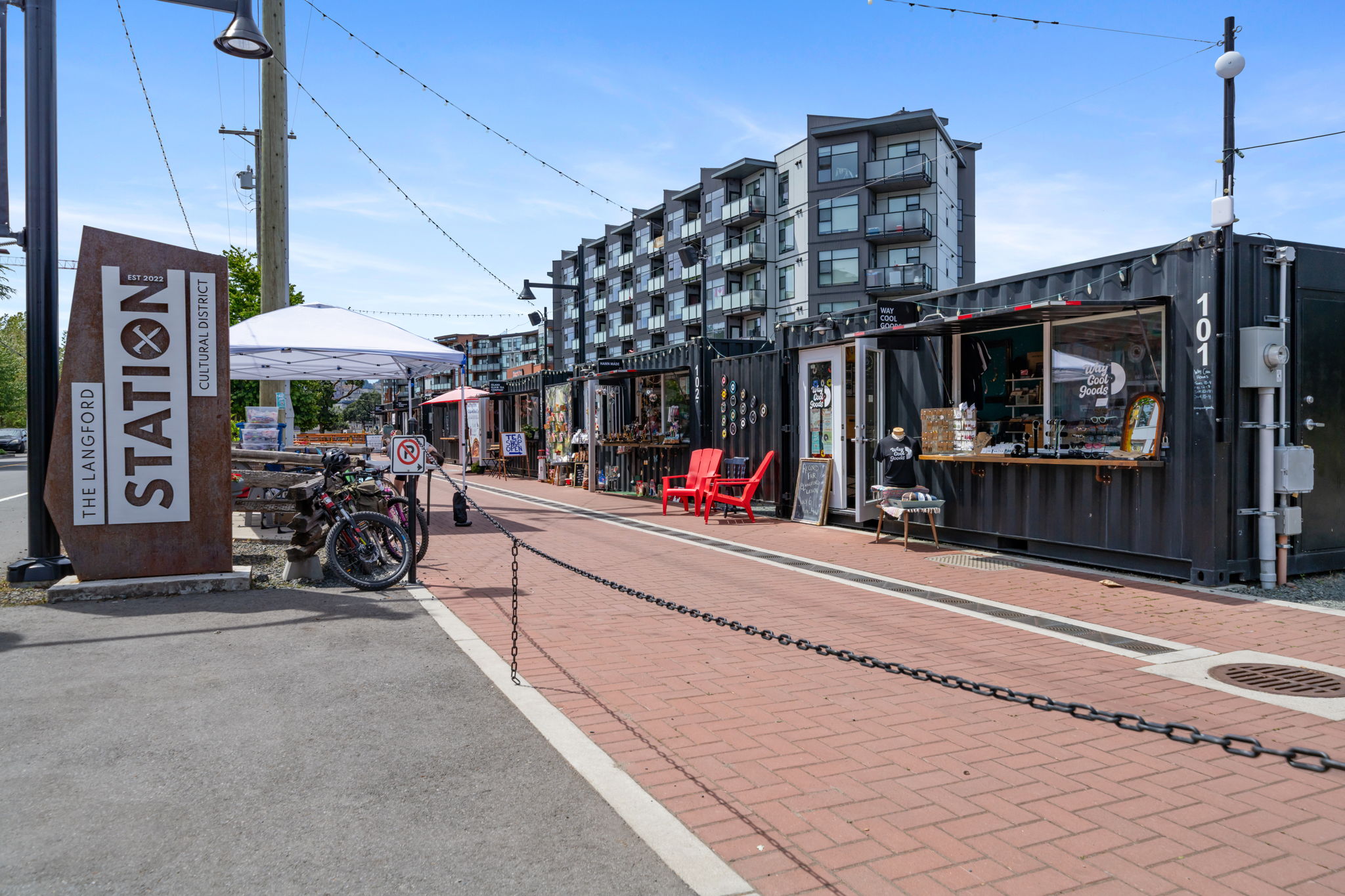
Walkability in Greater Victoria can add real value, but it does not mean the same thing in every neighbourhood. In some areas, walkability means being steps from coffee shops, restaurants, and daily errands. In others, it means easy access to trails, parks, schools, or the waterfront. That difference matters for buyers and sellers. A walkable home is not valuable simply because it has sidewalks nearby. It becomes more valuable when the walkability matches what buyers in that neighbourhood actually want. Walkability Is Not One-Size-Fits-All Many buyers say they want a walkable neighbourhood, but they may mean very different things. For one buyer, walkability means being able to leave the car parked and walk to groceries, restaurants, and services. For another, it means walking the dog on quiet streets, reaching a school safely, or being close to beaches and parks. This is why walkability in Greater Victoria needs local context. A home near Cook Street Village offers a different kind of walkable lifestyle than a home near Royal Oak, Sidney, Fernwood, Esquimalt, or central Langford. Each area creates value in a different way. Urban Walkability Adds Convenience Value In more urban neighbourhoods, walkability often supports daily convenience. Areas close to village centres, downtown amenities, cafés, transit, fitness studios, and restaurants can appeal to buyers who want a lifestyle with less driving. This can be especially attractive to first-time buyers, downsizers, professionals, and people who value access over square footage. In these areas, buyers may pay more for location because the neighbourhood becomes part of the living space. A smaller home or condo can feel more functional when daily life extends beyond the front door. Village Walkability Adds Lifestyle Value Neighbourhoods with village-style walkability often create emotional value. Places like Cook Street Village, Fernwood, Oak Bay Village, Cadboro Bay, and Sidney can feel established, social, and easy to enjoy. Buyers are not only looking at the home. They are imagining morning coffee, evening walks, local shops, parks, and a stronger sense of community. That lifestyle can create strong buyer interest, especially when the home itself has character, natural light, outdoor space, or an easy-care layout. For sellers, this means the marketing should not only describe the property. It should describe how daily life feels in that location. Family Walkability Looks Different For families, walkability often means safety and practicality. Proximity to schools, playgrounds, parks, sports fields, recreation centres, and quieter streets can matter more than restaurants or nightlife. In neighbourhoods such as Gordon Head, Lakehill, Royal Oak, and parts of the Westshore, buyers may care more about the ease of daily routines than the ability to walk to dinner. This kind of walkability can still affect value, but it is usually tied to function. Can children walk to school? Is there a park nearby? Are errands manageable? Is the route safe and comfortable? Those details can make a home feel more livable. Trail and Nature Walkability Can Be a Major Advantage In some neighbourhoods, walkability is less about shops and more about nature. Access to the Galloping Goose, the E&N Rail Trail, Thetis Lake, the Gorge Waterway, Dallas Road, beaches, parks, and waterfront paths can be a major selling feature. Buyers may value the ability to walk, run, cycle, or spend time outside without needing to drive. This type of walkability often appeals to active buyers, pet owners, downsizers, and people moving to Greater Victoria for lifestyle reasons. It may not show up the same way on a simple map score, but it can strongly influence buyer emotion. Walkability Can Offset Smaller Space In some neighbourhoods, buyers may accept less interior space if the location gives them more lifestyle outside the home. This is common with condos, townhomes, and smaller detached homes near village centres or strong amenity corridors. A smaller kitchen, limited yard, or compact floor plan may feel more acceptable if the buyer can walk to coffee, groceries, parks, restaurants, and transit. That does not mean space no longer matters. It means the buyer is weighing space against convenience. For sellers, this is important. If the home is smaller but the location is highly usable, the listing should clearly explain the lifestyle benefit. Walkability Can Also Create Trade-Offs Walkability is not always a simple positive. Some highly walkable areas may come with more traffic, less parking, smaller lots, more noise, or higher density. Buyers may love the access but still hesitate if the property feels too exposed, too busy, or too difficult for day-to-day parking. In quieter neighbourhoods, buyers may trade walkability for privacy, yard space, or a larger home. The key is to understand which trade-off fits the buyer profile for that area. Sellers Should Market Walkability With Specifics A vague phrase like “close to amenities” does not say enough. Stronger marketing explains what is actually nearby and why it matters. For example: Walk to coffee, groceries, and restaurants Minutes to parks, schools, and recreation Easy access to bike trails and transit Close to the waterfront or beach paths Daily errands without relying on the car Quiet streets with practical family routes The more specific the walkability story, the easier it is for buyers to picture themselves living there. Buyers Should Ask What Kind of Walkability They Want Before paying a premium for location, buyers should think carefully about what walkability means to them. Helpful questions include: Do I want to walk for errands or recreation? Do I need schools, parks, or transit nearby? Am I comfortable with more density or traffic? Will I still need a car for most daily routines? Does the neighbourhood feel walkable year-round? Will this location appeal to future buyers? A walkable location is only valuable if it fits the way you actually live. The Bottom Line Walkability in Greater Victoria affects value differently from one neighbourhood to the next. In some areas, it creates convenience. In others, it creates lifestyle, family function, outdoor access, or long-term resale appeal. The strongest locations are not always the ones with the highest walk scores. They are the ones where the walkability matches the buyer’s needs and the neighbourhood’s identity. For sellers, walkability should be marketed with clarity. For buyers, it should be evaluated with real daily life in mind. For advice on how walkability affects value in your Greater Victoria neighbourhood, contact Faber Real Estate Group for local guidance before you buy or sell. Don S., 5-Star Review, via Google “I would recommend them to anyone buying real estate on the Vancouver Island. The team is very knowledgeable, courteous and professional, adding a personal touch to building a strong relationship.” Faber Real Estate Group Royal LePage Coast Capital Realty 📞 250-244-3430 📧 [email protected] ℹ️ Scott Faber Personal Real Estate Corporation ℹ️ Cal Faber Personal Real Estate Corporation Vanessa Wood, Zachary Parsons, and Sophie Taylor “Building Lasting Relationships, One Home at a Time.
Read more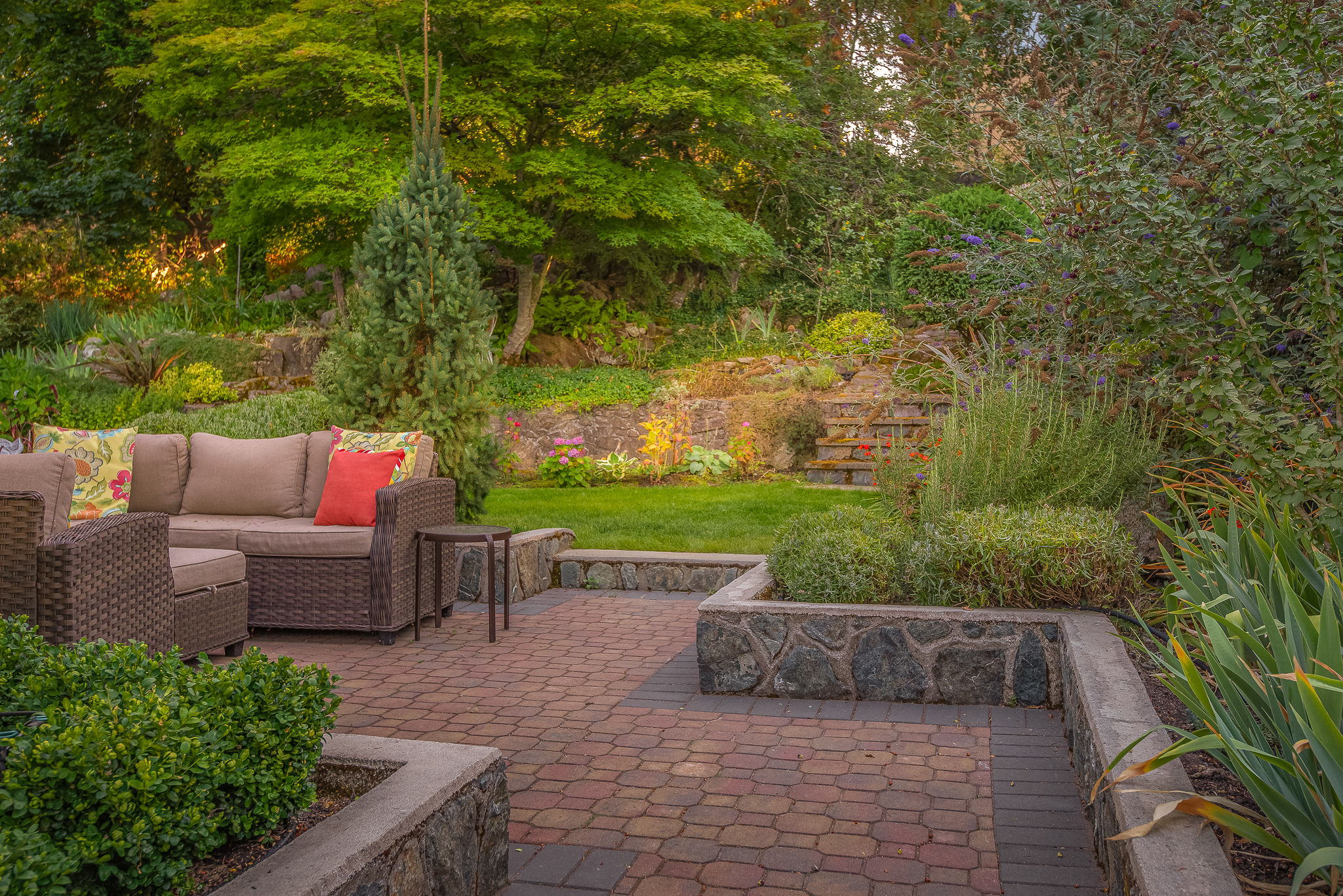
Outdoor space in Greater Victoria homes carries real value because it affects how people live, not just how a property looks. In a region where mild weather, gardens, ocean air, trails, and neighbourhood walkability are part of daily life, a usable outdoor area can make a home feel larger, calmer, and more complete. For buyers, outdoor space is often more than a bonus. It can become the place where kids play, pets roam, friends gather, vegetables grow, and quiet mornings begin. For sellers, that means outdoor areas should not be treated as an afterthought. Outdoor Space Extends the Home One reason outdoor space matters so much is simple: it adds usable living area. A patio, deck, balcony, garden, or fenced yard can make a home feel larger without changing the square footage. This is especially important in Greater Victoria, where many buyers compare smaller homes, townhomes, and condos against higher price points. A well-designed outdoor area can offer: A second dining space A quiet reading area A place for pets Room for children to play Garden space Entertaining space A stronger connection to nature Even a smaller patio can add value if it feels private, sunny, and functional. Greater Victoria Buyers Care About Lifestyle Buyers in Greater Victoria often choose the area for lifestyle as much as location. They may be drawn to the climate, parks, beaches, trails, gardens, and slower pace compared with larger urban centres. Because of that, outdoor space often supports the reason they want to live here in the first place. A buyer may not just see a backyard. They may imagine summer dinners, morning coffee, raised garden beds, family time, or a quiet place to unwind after work. That emotional connection can make a property more memorable. Privacy Matters More Than Size Outdoor space does not need to be large to be valuable. In many cases, privacy matters more than size. A small, well-screened patio can feel more appealing than a larger yard that feels exposed. Mature hedges, fencing, trees, thoughtful landscaping, and good orientation can all make an outdoor area feel more comfortable. Buyers often respond well to outdoor spaces that feel: Private Easy to maintain Sunny or well-positioned Quiet Safe for pets or children Connected to the main living area A usable space usually beats a large space that feels awkward or neglected. Outdoor Space Helps Different Buyer Groups Outdoor space appeals to buyers for different reasons. For families, a fenced yard can be a major priority. Parents often want space for children, pets, play equipment, gardening, or family gatherings. For downsizers, a smaller patio or garden can offer the enjoyment of outdoor living without the burden of maintaining a large property. For condo buyers, a balcony or ground-level patio can make a unit feel less confined, especially if it has light, privacy, and room for seating. For investors, outdoor space may help a rental stand out, particularly when tenants value fresh air, pets, and flexible living areas. The value depends on the buyer, but the appeal is broad. Low-Maintenance Outdoor Space Is Often More Attractive Not every buyer wants a large yard. In fact, some buyers see a high-maintenance property as a burden. This is especially true for busy professionals, retirees, and downsizers. They may want outdoor space, but they do not necessarily want constant upkeep. That is why simple, practical outdoor design can be so effective. Features that often appeal include: Easy-care landscaping Defined patio areas Durable decking Raised garden beds Irrigation Storage for tools or bikes Clean fencing Clear pathways Native or drought-tolerant plants The best outdoor spaces feel enjoyable, not overwhelming. Orientation and Light Can Change Everything In Greater Victoria, light and exposure can make a major difference. A south-facing patio, sunny garden, or bright balcony can carry strong appeal. Buyers often notice how natural light moves through both the home and the outdoor space. However, full sun is not always the only advantage. Some buyers may prefer partial shade, especially for outdoor dining or gardening comfort. What matters most is whether the space feels usable throughout the year. Sellers should help buyers understand: Where the sun lands during the day Which areas are best for seating How the garden changes seasonally Whether the space works for entertaining, pets, or quiet use Small details can help buyers picture themselves living there. Outdoor Space Can Support Resale Value Outdoor space in Greater Victoria homes can also support long-term resale appeal. A home with a functional yard, private patio, usable balcony, or garden area may attract a wider range of future buyers. This can matter when it is time to sell. That does not mean every outdoor upgrade creates equal return. A highly personal design may not appeal to everyone. However, clean, flexible, and well-maintained outdoor areas usually help a property show better. Good resale-friendly improvements may include: Improving privacy Cleaning up overgrown landscaping Creating a defined seating area Repairing decks or railings Adding simple lighting Improving drainage Making the yard safer and easier to use The goal is not to overbuild. The goal is to make the space feel easy to enjoy. Sellers Should Stage Outdoor Areas Too Many sellers focus on the inside of the home and forget the exterior. That can be a missed opportunity. Outdoor areas should be prepared with the same care as kitchens, living rooms, and entryways. Before listing, sellers should consider: Power washing patios and walkways Cleaning outdoor furniture Trimming hedges and shrubs Removing clutter Refreshing planters Mowing and edging lawns Repairing loose boards or railings Adding simple seating where appropriate Buyers should not have to work hard to understand how the space can be used. Final Thoughts Outdoor space in Greater Victoria homes carries value because it supports the way people want to live here. It offers more than extra room. It creates privacy, flexibility, comfort, and connection to the natural setting that makes this region so appealing. For buyers, the key is to look beyond size and consider usability, privacy, light, upkeep, and long-term fit. For sellers, the opportunity is to make outdoor space feel intentional, cared for, and easy to imagine using. If you are buying or selling a home in Greater Victoria and want advice on how outdoor space affects value, contact Faber Real Estate Group for local guidance. Annie R., 5-Star Review, via Google “Vanessa Wood is the best realtor I've ever worked with. We had an excellent accepted offer within 11 days of listing! Vanessa is a great communicator and salesperson, organized and very hard working. She's also warm and was incredibly helpful as I was selling the house in Victoria while living on the Sunshine Coast. She and the Faber Group team went the extra mile on more than one occasion! I highly recommend Vanessa and her team.” Faber Real Estate GroupRoyal LePage Coast Capital Realty📞 250-244-3430📧 [email protected]ℹ️ Scott Faber Personal Real Estate Corporationℹ️ Cal Faber Personal Real Estate CorporationVanessa Wood, Zachary Parsons, and Sophie Taylor “Building Lasting Relationships, One Home at a Time.”
Read more
Comparable sales in real estate are one of the most common tools used to estimate value. Buyers use them to decide what to offer. Sellers use them to decide how to price. Appraisers, lenders, and REALTORS® also rely on them to understand what similar homes have recently sold for. However, comparable sales in real estate can also be misleading when they are used too quickly or without enough context. A sold price tells you what one buyer was willing to pay for one property at one moment in time. It does not automatically tell you what your home is worth, what another buyer should offer, or how today’s market will respond to a new listing. That is where the real analysis begins. Not Every Similar Home Is Truly Comparable At first glance, two homes may seem almost identical. They may be in the same neighbourhood, have similar square footage, and offer the same number of bedrooms. But small differences can create very different values. Important differences may include: Lot size and usable yard space Sun exposure and privacy Renovation quality Deferred maintenance Layout and flow Suite potential Parking Street noise Views Strata condition Age of major systems Proximity to schools, parks, or busy roads A home on a quiet cul-de-sac may sell differently than a similar home on a busier street. A renovated kitchen may help, but if the roof, perimeter drains, or windows need attention, buyers may still discount the price. The details matter because buyers do not purchase square footage alone. They buy the full experience of the property. Sold Prices Reflect the Market Conditions at That Time Comparable sales are historical data. That means they are useful, but they are always looking backward. A sale from three months ago may not reflect today’s buyer activity, inventory levels, interest rate environment, or local competition. In a fast-moving market, even a sale from a few weeks ago can lose some relevance. This matters for both buyers and sellers. For sellers, relying too heavily on older high sales can lead to overpricing. For buyers, relying too heavily on older lower sales can lead to offers that do not compete. The better question is not simply, “What did similar homes sell for?” It is, “What has changed since those homes sold?” Condition Can Change the Entire Conversation Condition is one of the biggest reasons comparable sales can mislead people. Two homes may look similar online, but one may be move-in ready while the other needs major updates. Photos can hide a lot. A home may photograph beautifully but still have concerns with moisture, electrical, plumbing, roofing, windows, or overall maintenance. On the other hand, a home that looks dated may be extremely well cared for and structurally strong. This is why condition needs to be reviewed carefully, not assumed from listing photos. Buyers should avoid thinking, “That home sold for less, so this one should too,” without asking why. Sellers should avoid thinking, “My neighbour got that price, so I should too,” without comparing condition honestly. The Best Comparable May Not Be the Closest One Many people assume the best comparable sale is the one closest to the property. Sometimes it is. But proximity alone does not make a sale useful. In Greater Victoria, small location differences can change buyer demand quickly. A few blocks can affect walkability, school catchments, views, noise, lot usability, and overall appeal. A better comparable might be farther away but more similar in style, size, condition, and buyer profile. For example, a well-maintained 1970s family home in one part of Saanich may compare better with a similar home in another nearby pocket than with a brand-new build down the street. The goal is not to find the nearest sale. The goal is to find the most relevant sale. List Price and Sold Price Tell Different Stories A sold price matters, but the story behind it matters too. A home may sell over asking because it was intentionally priced low to attract multiple offers. Another home may sell under asking because it started too high and sat on the market. A third home may sell quickly at full price because it was priced accurately from the start. Without context, the numbers can create the wrong impression. Buyers may think every home is overpriced because they see price reductions. Sellers may think every home should attract competing offers because they saw one sale go over asking. Both can be wrong. The better analysis looks at: Original list price Final list price Sold price Days on market Price reductions Number of competing listings Property condition Buyer activity Offer terms The price is only one part of the story. Unique Properties Are Harder to Compare Some homes are easier to price than others. A standard condo in a large building with several recent sales may have clear comparable data. A custom home, acreage, waterfront property, view property, character home, or rural property is much harder to compare. Unique properties require more interpretation because there may not be a perfect match. In these cases, value often depends on buyer depth. How many buyers are looking for that specific type of property? How often do similar homes become available? How much are buyers willing to pay for rare features? This is why unusual homes need a more careful pricing strategy. The wrong comparable can create the wrong expectation. Buyers Can Use Comparables Too Aggressively Buyers sometimes use comparable sales as a negotiation weapon. They may find the lowest recent sale and treat it as the only number that matters. But if that sale had poor condition, an awkward layout, a motivated seller, or a less desirable location, it may not support a lower offer on a better property. A strong buyer strategy is not about forcing every home to fit the cheapest comparable. It is about understanding fair value, then deciding what the property is worth to you based on condition, competition, and long-term fit. The best buyers stay disciplined without ignoring context. Sellers Can Use Comparables Too Optimistically Sellers can make the opposite mistake. They may focus on the highest sale in the area and assume their home should match or exceed it. But the highest sale may have had better renovations, better timing, stronger presentation, a larger lot, or more motivated buyers. This can lead to a pricing problem. When a home starts too high, it can lose early momentum. Buyers may compare it to better-priced alternatives and move on. Over time, the listing may need a price adjustment, and the final result may be weaker than if it had launched with a sharper strategy. A good pricing conversation should include both the best-case sale and the realistic competition. Active Listings Matter Too Comparable sales show what has already happened. Active listings show what buyers can choose from right now. This is especially important in a market where buyers have more selection. A seller may feel confident because a similar home sold well last month, but if several competing homes are now available, buyers may have more leverage. For buyers, active listings help explain why one home may still attract strong interest. If the property is the best option in its price range, older comparable sales may not fully capture current demand. Pricing should consider both past sales and present competition. The Most Useful Comparables Need Adjustment A comparable sale is rarely perfect. That is why adjustments matter. A REALTOR® may look at a comparable and adjust for differences such as: Larger or smaller lot Better or worse condition Renovations Basement suite Garage or parking View Location Strata fees Building condition Outdoor space Timing of the sale The goal is not to make the numbers look exact. The goal is to understand the range of reasonable value. Real estate pricing is part data, part interpretation, and part buyer psychology. What Buyers Should Ask Before relying on a comparable sale, buyers should ask: How similar is the property really? Was the condition better or worse? Did it sell in a different market environment? Was it priced low to create competition? How many similar homes are available now? Would today’s buyers view this home as better or worse? These questions help buyers avoid overpaying or losing a good property because they relied on the wrong sale. What Sellers Should Ask Before using a comparable to set a price, sellers should ask: Is my home honestly in similar condition? Does my home have the same buyer appeal? Was the other sale an outlier? What competition will buyers compare us against? Are we pricing for attention or testing the market? What happens if we do not receive strong activity in the first two weeks? These questions help sellers build a pricing strategy instead of chasing a number. Final Thoughts Comparable sales in real estate are useful, but they are not automatic answers. They need context, adjustment, and honest interpretation. For buyers, comparables can help you understand value and avoid emotional overpaying. For sellers, they can help you price with confidence and avoid unrealistic expectations. But in both cases, the best results come from looking beyond the sold price and understanding the full story behind the sale. If you are buying or selling in Greater Victoria and want help understanding what comparable sales really mean for your next move, contact Faber Real Estate Group for clear, local advice. Tatiana S., 5-Star Review, via Google “Absolutely phenomenal service from start to finish! Scott took the time to really get to know us and understand our likes and dislikes, what were dealbreakers and what really sold us in finding our perfect first home! Being first time homebuyers, he was extremely patient with all of our questions and very thorough when it came down to the finer details. Without a doubt, I would recommend him to everyone!” Faber Real Estate GroupRoyal LePage Coast Capital Realty📞 250-244-3430📧 [email protected]ℹ️ Scott Faber Personal Real Estate Corporationℹ️ Cal Faber Personal Real Estate CorporationVanessa Wood, Zachary Parsons, and Sophie Taylor “Building Lasting Relationships, One Home at a Time.”
Read more
Many homeowners hear the terms market value, assessed value, and appraised value used almost interchangeably. They sound similar, but they do not mean the same thing. Understanding the difference matters because each number serves a different purpose, and relying on the wrong one can lead to poor pricing decisions. If you are buying or selling real estate in Greater Victoria, knowing how market value vs assessed value vs appraised value works can help you interpret pricing more clearly and avoid confusion. Why these values are often misunderstood One of the biggest mistakes sellers make is assuming their BC Assessment value is the same as what their home should list for. Buyers can also get stuck on appraisal numbers without understanding how they fit into the bigger picture. The truth is simple: these three values are created in different ways, by different parties, for different reasons. What is market value? Market value is what a buyer is willing to pay and a seller is willing to accept in the current market, under normal conditions. This is the number most people care about when they are preparing to list or make an offer. Market value is shaped by real-time conditions such as: Recent comparable sales Current competition Location Property condition Upgrades and layout Buyer demand Interest rates and market sentiment Market value changes with the market. A home’s market value today may be different from what it was six months ago, even if the home itself has not changed. What is assessed value? Assessed value is the value assigned to a property by the provincial assessment authority for property tax purposes. In BC, that is generally the number homeowners see on their annual BC Assessment notice. This figure is useful, but it has limitations. It is not designed to be a precise pricing tool for an active listing. Why? Because assessed value is based on a valuation date from the previous year and is created for taxation, not for current market strategy. That means assessed value may be: Lower than current market value Higher than current market value Fairly close to market value in some cases It depends on how the market has moved since the valuation date and how your specific property compares to broader assessment models. What is appraised value? Appraised value is a professional opinion of value prepared by a licensed appraiser. This is often ordered by a lender during the financing process, but it can also be requested privately by a homeowner, buyer, or legal representative. The purpose of an appraisal is usually to support financing, estate matters, separation, taxation issues, or other formal decisions. An appraiser looks at factors such as: Comparable sales Property condition Size and layout Location Improvements Current market trends Appraised value is more specific than assessed value, but it still has a defined purpose. In a financing situation, the lender uses it to confirm the property supports the loan amount. The simplest way to think about it A practical way to understand these three terms is this: Market value is what the market is likely willing to pay now Assessed value is a tax-based estimate from the assessment authority Appraised value is a formal opinion of value prepared by an appraiser Each can be helpful, but they should not be treated as identical. Why these numbers can all be different It is very common for market value, assessed value, and appraised value to differ. Here is why: The market changes over time Assessments are not created for listing strategy Appraisals are done for a specific purpose on a specific date Individual buyer demand can affect what someone is willing to pay Unique features may not be reflected equally in every valuation method For example, a home with excellent updates, views, or a highly desirable layout may attract stronger market interest than its assessed value suggests. On the other hand, a seller who relies only on assessment data may price too aggressively and miss the market. Which value matters most when selling? When selling, market value is usually the most important number. That is because your list price and marketing strategy should be based on current buyer behaviour, competing listings, and recent comparable sales. Assessed value can provide context. An appraisal can also provide useful support in some situations. But neither automatically tells you what the market will do right now. The best pricing strategy looks at the full picture, then uses current market evidence to position the property properly. Which value matters most when buying? For buyers, market value still matters most in terms of deciding what a home is worth to you in the current market. However, appraised value can become very important if financing is involved. If a lender’s appraisal comes in below the agreed purchase price, a buyer may need to increase their down payment, renegotiate, or reconsider the purchase depending on the contract and financing terms. Assessed value can be useful for general context, but it should not be the main reason to decide whether a property is priced fairly. A common mistake sellers make A lot of sellers say, “My assessed value is this, so my home must be worth more than that.” Sometimes that is true. Sometimes it is not. A better question is: what are buyers comparing my home to right now? That shift in thinking usually leads to better pricing, better early activity, and a better chance of a successful sale. Final thought Understanding market value vs assessed value vs appraised value can help you make better real estate decisions and avoid using the wrong number for the wrong purpose. If you are planning to buy or sell in Greater Victoria and want help understanding how your home should be valued in today’s market, contact Faber Real Estate Group for clear advice tailored to your property and goals. Cindy H., 5-Star Review, via Google “The Faber team go above and beyond! Scott is wonderful to deal with and has a great attitude. I definitely recommend.” Faber Real Estate Group Royal LePage Coast Capital Realty 📞 250-244-3430 📧[email protected] ℹ️ Scott Faber Personal Real Estate Corporation ℹ️ Cal Faber Personal Real Estate Corporation Vanessa Wood, Zachary Parsons, and Sophie Taylor “Building Lasting Relationships, One Home at a Time.”
Read more