
Posts Tagged ‘home resale value’

When comparing homes, buyers naturally look at square footage. However, floor plan matters more than square footage when the goal is finding a home that actually works for everyday life. Two homes can have nearly identical square footage and feel completely different. One may have open living areas, useful storage, well-sized bedrooms, and very little wasted space. Meanwhile, the other may lose valuable square footage to hallways, awkward corners, oversized entrances, or rooms that are difficult to furnish. Square footage tells you how much space exists. The floor plan tells you how useful that space actually is. The Short Answer A well-designed smaller home can feel more functional than a larger home with an inefficient layout. When comparing floor plans, consider: How much space is actually usable Bedroom size and placement Storage Hallways and circulation space Kitchen functionality Furniture placement Natural light Privacy between rooms Flexibility for future needs Resale appeal Instead of asking only, “How many square feet is it?” ask, “How well does this home use the square footage it has?” Not All Square Footage Works the Same Imagine two condos that are both 900 square feet. The first has an open kitchen and living area, two well-proportioned bedrooms, a walk-in closet, useful entry storage, and a compact hallway. The second has a long entrance corridor, awkward corners, limited closets, and a large primary bedroom that leaves the living room feeling tight. On paper, they are the same size. In practice, they may feel completely different. That difference becomes especially important with condos and townhomes, where every square foot has to work harder. Watch for Wasted Space Some floor plans dedicate a surprising amount of space to areas that have limited everyday use. Long hallways are one example. Oversized entryways, unusual angles, dead corners, and poorly positioned doors can also reduce how much of the home feels usable. Of course, circulation space is necessary. The goal is not to eliminate hallways entirely. Instead, look at how efficiently the home connects one area to another. A 750-square-foot condo with an efficient layout may offer more practical living space than an 850-square-foot condo with significant wasted space. Room Dimensions Matter A floor plan can also reveal something the total square footage cannot: where the space actually went. For example, a larger condo may have most of its additional square footage concentrated in the primary bedroom or entrance. That extra space may not help a buyer who wants a larger living room or home office. Therefore, look beyond the total. Consider whether individual rooms can comfortably accommodate the furniture you already own or expect to use. Ask yourself: Can the bedroom fit a queen or king bed comfortably? Is there space for bedside tables? Can the living room accommodate a sofa without blocking doors? Is there a practical place for a dining table? Can a desk fit somewhere without taking over another room? These details often determine whether the home feels comfortable after move-in. Furniture Placement Can Change Everything Staging can make a home look functional. Your furniture may tell a different story. Windows, doors, fireplaces, kitchen islands, baseboard heaters, and patio entrances all affect where furniture can go. As a result, a large living room may provide surprisingly few options for placing a sofa and television. Meanwhile, a smaller rectangular living room may be much easier to furnish. Before buying, imagine the room empty. Then think about how your furniture would actually fit. Measurements can be far more useful than relying on how large a room appears during a showing. Storage Is Part of the Floor Plan Storage does not always receive enough attention during a home search. Yet storage can dramatically change how spacious a home feels. A slightly smaller property with a proper entry closet, pantry, bedroom closets, linen storage, in-suite storage, or a dedicated locker may function better than a larger home where everyday belongings need to occupy living space. This becomes even more important when moving from a detached home into a condo or townhome. The question is not simply how much space you have. It is where everything will go. Bedroom Placement Affects Privacy The location of rooms matters too. For instance, bedrooms positioned on opposite sides of a condo may work well for roommates, guests, or someone working from home. Alternatively, families with young children may prefer bedrooms closer together. Similarly, a bedroom directly beside a living room or kitchen may experience more noise than one located down a hallway. Neither arrangement is automatically better. However, the layout should fit the way you plan to use the home. Natural Light Can Change How Large a Home Feels Square footage measures floor area, but it does not measure how a room feels. Natural light can make a smaller space feel brighter and more open. Window placement, ceiling height, exposure, and sightlines through the home can all influence that feeling. By comparison, a larger home with limited windows or darker interior rooms may feel more confined. Therefore, buyers should consider both measurable space and perceived space. Both affect how enjoyable the home may be to live in. Open Concept Is Not Always Better Open layouts remain popular, but openness should not automatically be confused with functionality. An open kitchen and living room may create better flow and make a smaller home feel larger. However, some buyers value separation. A dedicated office, defined dining space, separate kitchen, or second living area may be more useful depending on the household. The better floor plan is not necessarily the most open. It is the one that creates the right balance between connection and separation for the people living there. Think About How Your Needs Could Change A good floor plan should work today. Ideally, it also offers some flexibility for tomorrow. A den might become an office, nursery, guest room, or additional storage space. Likewise, a second bedroom might serve several purposes over the years. Flexible space can become particularly valuable when moving again would be expensive or inconvenient. As a result, buyers should consider whether the home can adapt as work, family, hobbies, or lifestyle needs change. A Bigger Home Can Still Feel Smaller This is why floor plan matters more than square footage in many buying decisions. More square footage can be valuable, but only when that additional space improves how the home functions. If another 100 square feet consists mostly of hallways, oversized rooms you do not need, or awkward areas you cannot use, it may provide less value than expected. At the same time, buyers should consider the full cost of that additional space. A larger home may mean a higher purchase price, larger strata fees, more furniture, higher utilities, or increased maintenance. Our article on Why Your Monthly Payment Matters More Than the Purchase Price looks at why the overall cost of ownership deserves as much attention as the price itself. Floor Plan Can Affect Resale Too Eventually, future buyers will evaluate the layout as well. Functional floor plans tend to appeal to a broader range of people because they make everyday use easier. Common considerations include: Practical bedroom sizes Useful storage Good natural light Limited wasted space Clear furniture placement Separation between private and living areas Flexible rooms Easy access to outdoor space Buyer preferences will vary. Still, a practical layout is often easier to understand and use than one that requires compromises from the moment someone walks through the door. Compare How the Homes Live, Not Just Their Numbers When deciding between two properties, try comparing them without looking at the total square footage first. Where Would We Spend Most of Our Time? Is enough space allocated to those rooms? Where Does Everything Go? Are storage and closets adequate? Can We Furnish It Properly? Do room dimensions and wall locations work? Does the Layout Fit Our Lifestyle? Consider privacy, entertaining, working from home, children, pets, and guests. Could It Still Work in Five Years? Look for flexibility rather than only today’s needs. Once you have answered those questions, the square footage number has much more context. Final Thoughts Square footage is useful, but it should not decide which home is better. A thoughtful floor plan can make a smaller property feel comfortable, practical, and surprisingly spacious. On the other hand, inefficient design can make a larger home feel tighter than expected. That is why buyers should compare how each home actually functions. Look at the room sizes. Consider furniture placement. Check the storage. Think about natural light, privacy, and flexibility. The best home is not necessarily the one with the most square footage. It is the one that uses its space in a way that fits your life. Comparing homes with similar square footage but very different layouts? Faber Real Estate Group can help you look beyond the numbers and compare functionality, location, monthly costs, resale considerations, and the trade-offs that may matter most over the years you own the home. Nilo M., 5-Star Review, via Google “This group have a high level of commitment to help and to put thier client’s need ahead of their personal gain. They deal and engage with integrity and wisdom on how it will work for both the seller and the clients. I experienced it first hand in this crazy and difficult season. We just bought a home at Glanford area, and they are always there for us, every step of the way. They are real and can be trusted.” Faber Real Estate Group Royal LePage Coast Capital Realty 📞 250-244-3430 📧 [email protected] ℹ️ Scott Faber Personal Real Estate Corporation ℹ️ Cal Faber Personal Real Estate Corporation Vanessa Wood, Zachary Parsons, and Sophie Taylor “Building Lasting Relationships, One Home at a Time.”
Read more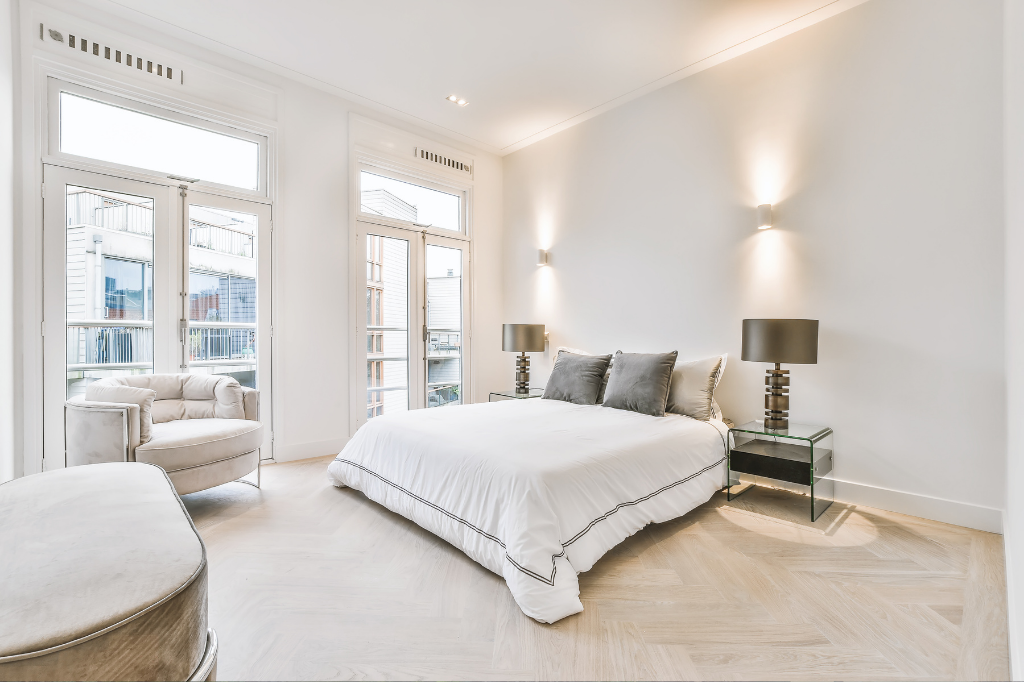
Cosmetic updates before selling can have a bigger impact than many homeowners expect. Buyers often decide how they feel about a home within the first few minutes, and those early impressions usually come from what they can see, touch, and understand quickly. That does not always mean a seller needs to take on a major renovation. In many cases, smaller updates can make a home feel cleaner, brighter, better cared for, and easier to imagine living in. Buyers React to Condition First Most buyers are not walking through a home with a contractor’s mindset. They are trying to answer a simpler question: Can I see myself living here? Cosmetic details help shape that answer. Fresh paint, clean flooring, updated lighting, tidy landscaping, and simple hardware changes can make a home feel more inviting without changing the floor plan or structure. A large renovation may improve value, but it can also be expensive, time-consuming, and risky if the design choices do not match what buyers want. Big Renovations Do Not Always Return Dollar for Dollar Major renovations can be worthwhile when a home has serious functional issues. But not every renovation produces a strong return when selling. A seller might spend heavily on a kitchen, bathroom, or flooring project, only to find that buyers still want to make their own changes. Personal taste matters. What feels modern to one person may feel too specific to another. Cosmetic updates tend to work because they reduce friction. They do not ask buyers to pay a premium for someone else’s dream renovation. They simply help the home feel move-in ready. Small Changes Can Make a Home Feel Better Maintained Buyers often use visible condition as a clue for overall care. Peeling paint, dated light fixtures, worn trim, stained carpet, or cluttered rooms can make buyers wonder what else has been neglected. Simple updates can send a better message. Helpful cosmetic improvements may include: Fresh interior paint in neutral colours Updated light fixtures New cabinet hardware Clean carpets Pressure washing exterior surfaces Fresh mulch or tidy garden beds Touch-ups on trim, doors, and baseboards Decluttering and simplifying furniture Replacing worn blinds or curtains Improving entryway presentation These updates are not about making a home look perfect. They are about helping buyers feel comfortable. Presentation Supports Better Marketing Most buyers see a home online before they ever book a showing. That means photos, video, and first impressions carry a lot of weight. Cosmetic updates can help a listing photograph better. Brighter rooms, cleaner lines, and fewer visual distractions make it easier for buyers to understand the space. This matters because strong presentation can increase showing interest, especially when buyers have more choice. A home does not need to be fully renovated to stand out. It needs to feel clear, cared for, and easy to evaluate. When Bigger Renovations May Not Make Sense Before starting a major project, sellers should ask a few practical questions: Will this renovation clearly increase market value? Will buyers in this price range expect this upgrade? Can the work be completed professionally before listing? Will the renovation delay the sale too long? Could a buyer prefer to renovate in their own style? Is there a simpler update that solves the same concern? Sometimes the smartest move is restraint. A clean, well-presented home with honest pricing can outperform a home with expensive upgrades that miss the mark. The Best Strategy Depends on the Home Cosmetic updates before selling are not a one-size-fits-all solution. A newer condo, an older character home, and a family property in the Westshore may all need different preparation. The right strategy depends on: Property type Age and condition Buyer expectations Neighbourhood competition Price point Timeline Budget Current market conditions The goal is not to spend the most. The goal is to spend where buyers will notice. The Bottom Line for Sellers Cosmetic updates can matter more than big renovations because they improve the way buyers experience the home. They can reduce objections, support stronger listing photos, and make a property feel better maintained without creating the cost or risk of a major project. Before renovating, sellers should focus on what will help buyers feel confident. Often, the best pre-listing improvements are simple, visible, and strategic. For advice on preparing your home for sale in Greater Victoria, contact Faber Real Estate Group for clear, local guidance before deciding which updates are worth your time and money. Randy S., 5-Star Review, via Google “Working with Cal is an absolute pleasure! His communication is very clear and proactive. Cal is very patient and understanding and very knowledgeable with his work. He is also a skilled negotiator! Cal and his team are very professional, honest, and will go the extra mile to meet all your needs! If you are looking to buy or sell your home, I would without hesitation recommend the Faber Group!” Faber Real Estate Group Royal LePage Coast Capital Realty 📞 250-244-3430 📧 [email protected] ℹ️ Scott Faber Personal Real Estate Corporation ℹ️ Cal Faber Personal Real Estate Corporation Vanessa Wood, Zachary Parsons, and Sophie Taylor “Building Lasting Relationships, One Home at a Time.”
Read more
Resale value when buying a home matters because life can change faster than expected. Even if you plan to stay for years, your future needs may look different. Jobs change. Families grow. Interest rates move. Renovation plans shift. A home that works today should also give you options later. Thinking about resale does not mean you are planning to leave. It means you are buying with your future in mind. In Greater Victoria, where affordability is tight and every purchase needs careful thought, resale value when buying a home should be part of the decision from the beginning. Resale Is About Flexibility Many buyers focus on whether a home works for their current life. That matters. However, the strongest purchase decisions also consider how the home may appeal to future buyers. A home with strong resale value may be easier to: Sell Rent Refinance Renovate strategically Hold long-term Adapt as life changes A home with limited resale appeal may still be worth buying. However, the price should reflect that risk. The goal is not to find a perfect property. The goal is to understand how easy or difficult the property may be to move on from later. Most Buyers Do Not Know Their Exact Timeline It is common for buyers to say, “We will be here for at least ten years.” Sometimes that happens. Sometimes it does not. Plans can change because of: Job relocation Growing family needs Downsizing Health changes School priorities Relationship changes Financial pressure Renovation fatigue A better opportunity elsewhere This is why resale matters, even when your intentions are long-term. A home should work for today, but it should not limit your options tomorrow. Location Still Carries the Most Weight Location is one of the biggest drivers of resale value. You can update paint, flooring, appliances, lighting, and landscaping. You cannot change where the property sits. Strong resale locations often have: Good access to amenities Reasonable commute options Nearby schools Parks and trails Transit access Walkability Lower noise exposure Consistent buyer demand In Greater Victoria, location can change block by block. A few minutes can affect walkability, views, traffic noise, school access, and long-term appeal. That is why buyers should avoid choosing a home based only on price, square footage, or bedroom count. Layout Matters More Than Buyers Realize A home’s layout can have a major impact on resale. Some homes look great online but feel awkward in person. Others may not photograph perfectly, yet they live very well. Future buyers usually respond well to: Functional main living areas Good natural light Practical bedroom placement Useful storage Clear entry space Indoor-outdoor flow A workable kitchen layout Enough bathrooms for the home size Flexible space for work, guests, or hobbies Choppy layouts, small bedrooms, steep stairs, low ceilings, and awkward additions can shrink the buyer pool later. A strange layout is not always a deal-breaker. Still, it should be reflected in the price. Avoid Buying Only for Your Current Lifestyle It is easy to fall in love with a home that fits one specific season of life. That could be: A downtown condo with no parking A rural property with a long commute A home with too many stairs A steep driveway A tiny yard A layout that only works for one lifestyle These homes can still be the right choice. However, buyers should understand how future buyers may view the same features. Before buying, ask: Who else would want this home? Would a young family consider it? Would downsizers consider it? Would first-time buyers consider it? Would investors consider it? Would future buyers see the same benefits I see? A broader buyer pool usually supports stronger resale. Condition Affects Future Value A home does not need to be fully renovated to have good resale appeal. In fact, a dated home can be a great purchase if the fundamentals are strong. However, buyers should be careful with major condition concerns. Pay attention to: Roof age Drainage Foundation concerns Windows Heating system Electrical updates Plumbing Moisture concerns Exterior maintenance Decks and retaining walls Signs of unpermitted work Cosmetic issues may create opportunity. Major unresolved problems can make the home harder to sell later. Condos and Townhomes Need Resale Review Too Condo and townhome buyers should think about resale just as carefully as detached home buyers. Future value depends on more than the unit itself. Buyers should review: Building reputation Strata fee levels Contingency reserve fund health Depreciation report planning Insurance history Special levy risk Pet bylaws Rental bylaws Parking Storage Noise transfer Natural light Unit layout A cheaper condo may not be the better long-term purchase if the building has weak planning, high fees, or poor resale demand. On the other hand, a well-run building with a practical layout can hold strong appeal, even if the finishes are not brand new. Future Supply Can Affect Resale Buyers should also think about what may be built nearby. This matters in growing areas such as Langford, Colwood, Saanich, and parts of Victoria. New supply can be positive. It can bring more amenities, better services, and more neighbourhood energy. However, it can also create competition if many similar homes come to market at the same time. For condos, ask: How many similar units are nearby? Are more buildings planned? Is this unit meaningfully different? Does it have better parking, views, layout, or outdoor space? Would future buyers choose this resale unit over new construction? When future supply is high, uniqueness matters more. Resale Should Influence What You Pay A property with weaker resale appeal may still be worth buying at the right price. The problem happens when buyers pay a premium for a home with limited future demand. Resale concerns may include: Busy road exposure Poor layout Limited parking Weak natural light High strata fees Special levy concerns Awkward access Too many stairs Unusual design choices Over-improvement for the neighbourhood A limited buyer pool None of these issues automatically make a home a bad purchase. They simply mean the buyer should price the risk properly. The Best Homes Give You Options A strong purchase gives you choices. It may allow you to: Stay long-term Sell without major difficulty Rent the property if needed Renovate over time Refinance with confidence Appeal to multiple future buyer groups That is the real reason resale matters. You are not just buying a place to live. You are buying flexibility. Questions to Ask Before Writing an Offer Before committing to a home, ask: Who is the likely future buyer for this property? What features will help it stand out later? What features may limit demand? Is the location likely to remain desirable? Is the layout broadly functional? Are there future repairs that may affect resale? Is the price fair given the resale strengths and weaknesses? Is there too much similar supply nearby? Could this home still work if my plans change? These questions do not remove emotion from the process. Instead, they help balance emotion with strategy. Final Thoughts Thinking about resale before you buy is not negative. It is responsible. The right home should work for your life today while still giving you options in the future. In Greater Victoria, where pricing, neighbourhoods, inventory, and buyer demand can vary widely, resale should be part of every serious purchase decision. A home does not need to be perfect to be a good buy. However, buyers should understand what will help or hurt future demand before they write an offer. If you are trying to decide whether a property is a strong long-term fit, contact Faber Real Estate Group for local advice before you make your next move. Ana V., 5-Star Review, via Google “Working with Scott to find a home has been a positive experience. He took the time to understand what I was looking for and was always patient and responsive navigating through the process. He was always available to answer questions, provide honest insights, and guide me through every step. I highly recommend Scott to anyone looking for a dedicated and reliable realtor.” Faber Real Estate Group Royal LePage Coast Capital Realty 📞 250-244-3430 📧 [email protected] ℹ️ Scott Faber Personal Real Estate Corporation ℹ️ Cal Faber Personal Real Estate Corporation Vanessa Wood, Zachary Parsons, and Sophie Taylor “Building Lasting Relationships, One Home at a Time.”
Read more