
Posts Tagged ‘home pricing strategy’
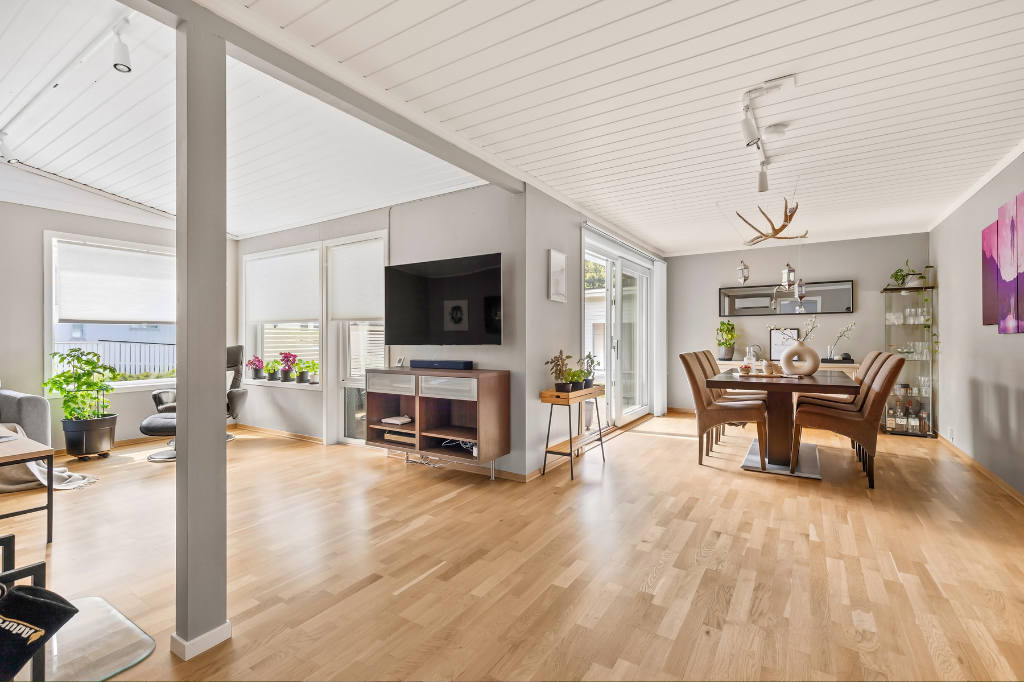
When selling a home, competing listings can tell you almost as much as recent sales. Sold properties show what buyers have already accepted. Active listings show what buyers are comparing your home against right now. That distinction matters. A seller may have a strong property, a fair price, and good marketing. However, if nearby homes offer more space, better presentation, stronger updates, or a sharper price, buyers will notice. They may not say it out loud, but they are comparing options in real time. Buyers Do Not View Your Home in Isolation Most buyers are not looking at one home. They are looking at a group of homes within a price range, neighbourhood, property type, and lifestyle need. That means your home is judged against: Similar homes currently for sale Recent price reductions Properties with better presentation Homes with stronger layouts or updates Listings that appear to offer better value Even if your home is priced based on past sales, competing listings can change how buyers respond today. Active Listings Show Current Buyer Choice Recent comparable sales are useful, but they are historical. They tell you what happened under a specific set of conditions. Active listings show the current choice buyers have. If there are only a few similar homes available, your property may stand out more easily. If there are many similar homes on the market, buyers may take longer, compare more carefully, and negotiate harder. This does not always mean a seller needs to lower the price. It does mean the listing strategy needs to be realistic. Presentation Can Shift the Comparison Competing listings are not only about price. Presentation plays a major role. A home that is clean, bright, well photographed, and easy to understand online can often create more interest than a similar home that feels cluttered or poorly presented. Buyers compare photos before they book a showing. They compare layouts before they walk through the door. They compare condition, finishes, outdoor space, storage, parking, and maintenance concerns. Small improvements can help your listing compete more strongly, especially when buyers have options. Price Adjustments Often Start With Competition When a listing is not getting enough showings or interest, sellers often look first at the price. That is fair, but the better question is: What else can buyers choose instead? If a nearby property is priced lower, recently reduced, better staged, or offering more useful space, that listing becomes part of the decision. Your home may still be worth the asking price, but buyers need to clearly understand why. This is where strategy matters. Sometimes the answer is a price adjustment. Sometimes it is improved photos, better wording, stronger feature emphasis, or a clearer explanation of the home’s value. Competing Listings Help Sellers Stay Objective Selling a home can feel personal. For many homeowners, the property carries years of memories, improvements, and emotional value. Buyers see it differently. They are trying to decide which home gives them the best fit, value, and confidence. Looking honestly at competing listings helps sellers step outside their own attachment and see the home through a buyer’s eyes. That perspective can make the difference between waiting and adjusting with purpose. What Sellers Should Review Before Listing Before going live, sellers should review the current competition with their real estate team. Key questions include: How many similar homes are currently for sale? Which listings are getting attention? Which homes have reduced their price? How does our presentation compare? What does our home offer that others do not? Where might buyers hesitate? Is our pricing strategy clear and defensible? These questions help shape a stronger launch. The Bottom Line Competing listings are not something sellers should fear. They are information. They help sellers understand buyer choice, pricing pressure, presentation standards, and market positioning. The goal is not to copy the competition. The goal is to know where your home fits, where it stands out, and where strategy may need to change. In a market where buyers compare carefully, sellers who understand competing listings are better prepared to price, present, and adjust with confidence. For advice on how your home compares to competing listings in Greater Victoria, contact Faber Real Estate Group for a clear, local selling strategy. Doug M., 5-Star Review, via Google “For us, selling our first home of 15 years brought up a lot of emotion and the process felt daunting. We had a challenging tenant and lived off island. In rode the Fabers, like knights on white horses! Always there, supporting, guiding every step of the way, connecting with confidence and kindness. Fluid communication and success on every level. Truly a God send, we can’t imagine having done it without them! A pleasure indeed.” Faber Real Estate Group Royal LePage Coast Capital Realty 📞 250-244-3430 📧 [email protected] ℹ️ Scott Faber Personal Real Estate Corporation ℹ️ Cal Faber Personal Real Estate Corporation Vanessa Wood, Zachary Parsons, and Sophie Taylor “Building Lasting Relationships, One Home at a Time.”
Read more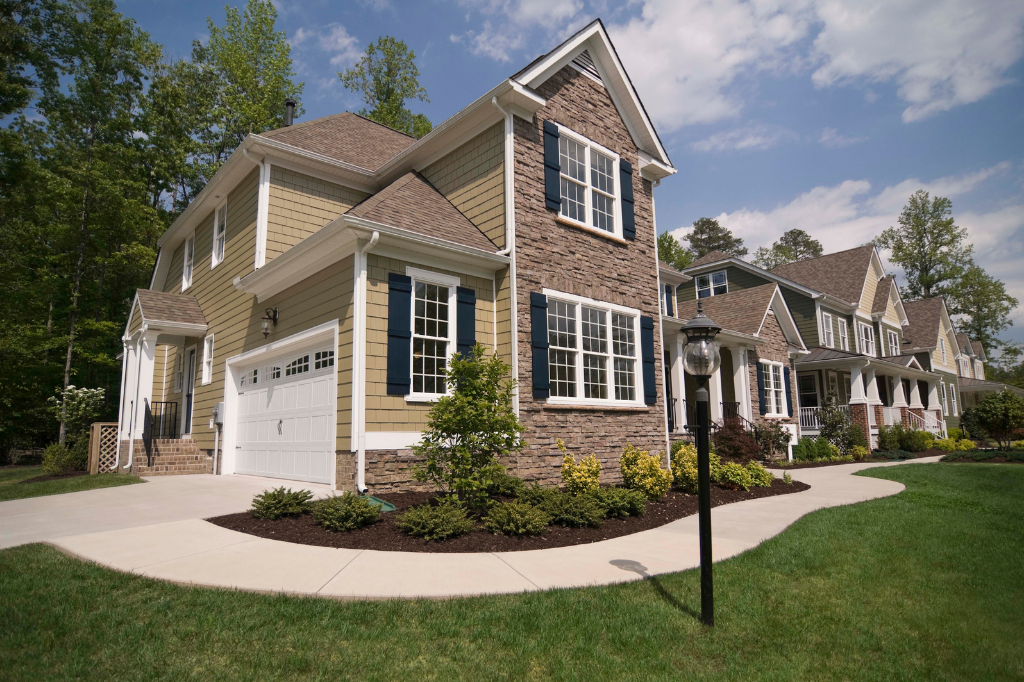
Buyers and sellers market perspective can be completely different, even when both are looking at the same listings, the same sales, and the same local conditions. A buyer may feel prices are still too high. A seller may feel they are already being realistic. A buyer may see more choice and expect negotiation. A seller may remember what homes sold for last year and expect a similar result. Both sides can be partly right. That is what makes real estate emotional. The market is the same, but the experience is different depending on which side of the transaction you are on. In Greater Victoria, where micro-markets can shift by property type, neighbourhood, price range, and condition, understanding this difference can help buyers and sellers make better decisions. Buyers Focus on What They Can Choose Today Buyers usually judge the market based on what is available right now. They compare active listings, price reductions, days on market, condition, location, and value. If they have more homes to choose from, they often feel more patient. They may book several showings, compare options closely, and wait to see if sellers adjust. Buyers tend to ask: What else can I buy for this price? Has this home been sitting? Are there better options nearby? Can I negotiate? Will another listing come up soon? Is this worth the monthly payment? What repairs or upgrades will I need to pay for? A buyer’s view is shaped by choice. If they see multiple homes that feel similar, urgency drops. If they see one rare property that fits their needs perfectly, urgency rises. Sellers Focus on What They Own Sellers see the market through a different lens. They know the work they have put into the home. They remember the renovations, repairs, family milestones, neighbourhood improvements, and the price they were told the home might be worth. Sellers often ask: What did nearby homes sell for? What have we invested into the property? How much do we need for our next move? Why is our home not getting more attention? Why are buyers being so cautious? Are buyers undervaluing the property? Should we wait for a better offer? A seller’s view is shaped by attachment, timing, and financial goals. That does not mean sellers are unrealistic. It means they are emotionally and financially connected to the property in a way buyers are not. Buyers Compare Options. Sellers Compare Outcomes. This is one of the biggest differences. Buyers compare available options. Sellers compare expected outcomes. A buyer may look at three similar homes and choose the one that feels like the best value. A seller may look at a recent sale nearby and believe their home should sell for the same amount. Both comparisons matter, but they are not the same. Sold data shows what buyers were willing to pay in the recent past. Active competition shows what buyers are considering today. If the market has changed, relying only on past sales can create pricing problems. If buyers ignore recent sales completely, they may underestimate fair market value. The best strategy looks at both. Sellers Remember the Peak. Buyers Feel the Payment. Sellers often remember the highest values they heard about during stronger market periods. Buyers often focus on current affordability. This creates tension. A seller may think, “Homes like mine were selling for more before.” A buyer may think, “With today’s mortgage payment, this price does not feel affordable.” Neither side is necessarily wrong. They are just measuring value differently. Sellers often think in terms of price. Buyers often think in terms of monthly cost, repairs, risk, and future flexibility. That is why a home can seem reasonably priced to a seller and still feel expensive to a buyer. More Inventory Changes Buyer Behaviour When buyers have more options, they usually become more selective. They may expect: Better presentation Sharper pricing More complete information Cleaner homes Flexible showing access Stronger negotiation room More time to make decisions For sellers, this can feel frustrating. A seller may think the home should sell because it is good enough. But buyers may compare it against several other homes that are also good enough. In a market with more choice, average homes can get overlooked unless they are clearly priced, presented, and marketed well. Sellers Feel Time Differently Than Buyers Time feels different depending on which side of the transaction you are on. For buyers, time can feel helpful. More time means more listings, more comparison, and less pressure. For sellers, time can feel stressful. More days on market can create doubt, reduce momentum, and make buyers wonder whether something is wrong. This difference affects negotiation. A buyer may think, “The longer it sits, the more leverage we have.” A seller may think, “We just need the right buyer.” Sometimes both are true. But the longer a listing sits without meaningful activity, the more important it becomes to re-evaluate pricing, presentation, and competition. Condition Looks Different to Each Side Sellers often see improvements. Buyers often see future costs. A seller may think about the renovated bathroom, newer flooring, or updated appliances. A buyer may notice the older roof, aging windows, dated electrical panel, or drainage concerns. This is not because buyers are trying to be difficult. Buyers are calculating what ownership will cost after completion. They may be thinking about: Immediate repairs Insurance Renovation costs Maintenance Strata fees Future resale Monthly affordability Emergency savings A seller may see pride of ownership. A buyer may see a list of upcoming expenses. Good marketing and preparation help close that gap by showing buyers what has been done, what is in good condition, and what value the home offers. Buyers Price in Risk Buyers often reduce what they are willing to pay when they sense uncertainty. That uncertainty may come from: Limited property information Deferred maintenance Unclear permits Weak strata documents High strata fees Poor inspection results Awkward layout Busy road exposure Future development nearby Longer days on market Sellers may see these as small issues. Buyers may see them as reasons to negotiate. This is why transparency matters. When buyers understand a property clearly, they can make stronger decisions. When they feel uncertain, they usually either discount the price or walk away. Sellers Price in Emotion Sellers naturally attach meaning to their home. They remember what the home has meant to them, not just what it offers to the next buyer. That emotional connection can make it harder to accept market feedback. A buyer’s lower offer may feel insulting. A showing with no feedback may feel personal. A price reduction may feel like losing value. But the market is not judging the seller’s memories. It is judging the property’s current appeal compared with other options. That distinction is important. A home can be loved and still need a price adjustment. Negotiation Feels Different on Each Side Buyers often see negotiation as risk management. Sellers often see negotiation as value protection. A buyer may ask for a lower price because they see repairs, uncertainty, or competing options. A seller may resist because they feel the home is worth more or because they need a certain number for their next step. This can create a gap. The best negotiations focus on facts: Comparable sales Active competition Property condition Inspection results Days on market Buyer demand Seller timing Terms beyond price When both sides move away from emotion and toward evidence, the conversation becomes more productive. A Balanced Market Can Feel Different to Everyone A balanced market does not mean every buyer and seller feels balanced. A seller with a highly desirable home in a low-supply neighbourhood may still experience strong demand. A buyer shopping in a competitive price range may still face pressure. A seller with a dated home competing against newer options may feel the market is slow. A buyer shopping a higher price point with more inventory may feel they have leverage. This is why broad market labels can be misleading. There is no single Greater Victoria market experience. There are many smaller markets happening at the same time. Why Expectations Matter Many real estate problems begin with mismatched expectations. Sellers may expect: More showings Faster offers Less negotiation Higher prices Buyers to overlook minor issues Buyers may expect: Big discounts Perfect condition Sellers to negotiate quickly More leverage than they actually have Every listing to be overpriced Both sides can misread the market when they rely on assumptions instead of evidence. The better approach is to ask, “What is the current market telling us?” What Sellers Can Do Sellers can improve their position by focusing on what they can control. That includes: Pricing based on current competition Preparing the home properly Making showings easy Using strong photography and marketing Reviewing feedback honestly Responding quickly when activity slows Understanding buyer affordability Separating personal attachment from market value A seller does not need to give the home away. But they do need to compete with the homes buyers can choose today. What Buyers Can Do Buyers can improve their position by staying realistic. That includes: Understanding recent comparable sales Watching active competition Knowing when a home is truly well priced Avoiding low offers without a strategy Getting financing ready early Considering resale value Understanding repair costs Acting decisively when the right home appears More choice does not mean every seller is desperate. A buyer still needs to recognize quality when it appears. The Market Does Not Care Who Is Right Real estate decisions get better when buyers and sellers stop trying to prove who is right and start looking at what the market is actually doing. If a listing is getting strong showings and offers, the market is responding. If buyers are not booking showings, the market is hesitating. If similar homes are selling and yours is not, the market is making a comparison. If a buyer keeps losing homes, the market may be stronger than they think. The market gives feedback. The best decisions come from listening to it. Final Thoughts Buyers and sellers see the same market differently because they are experiencing different pressures. Buyers are trying to protect affordability, avoid risk, and choose wisely. Sellers are trying to protect value, manage timing, and move forward with confidence. Neither side is wrong for seeing the market through their own lens. But the best results happen when both sides understand the other perspective and make decisions based on evidence, not emotion. If you are buying or selling in Greater Victoria and want a clearer view of what the market is really saying, contact Faber Real Estate Group for practical advice tailored to your next move. Scott L., 5-Star Review, via Google “I had the pleasure of working with the Faber Group to sell my house, and I couldn't be more pleased with the experience. Cal and Scott from the Faber Group provided exceptional service from start to finish. Their expertise and guidance were instrumental in preparing my home for sale, ensuring it was presented in the best possible light for maximum return on investment. They demonstrated a deep understanding of the market, strategically timing the listing to attract the right buyers." Faber Real Estate Group Royal LePage Coast Capital Realty 📞 250-244-3430 📧 [email protected] ℹ️ Scott Faber Personal Real Estate Corporation ℹ️ Cal Faber Personal Real Estate Corporation Vanessa Wood, Zachary Parsons, and Sophie Taylor “Building Lasting Relationships, One Home at a Time.”
Read more
Setting the right price has always mattered, but the cost of overpricing your home in Victoria BC is higher in a market where buyers have more choice and more time to compare options. In February 2026, the Victoria Real Estate Board reported 2,903 active listings, up 10.4 per cent from a year earlier, while sales were down 11.9 per cent year over year. VREB also described the market as balanced after sitting near the threshold of a buyer’s market. That matters because balanced markets are less forgiving of aspirational pricing. Buyers do not need to rush into a listing that feels overpriced when there are other homes to consider. Why overpricing hurts more now When inventory rises, buyers become more selective. They compare value faster, watch price history more closely, and often skip listings that seem out of line with recent comparable sales. VREB’s February 2026 numbers show prices in the Victoria Core have been relatively steady rather than surging, with the benchmark single-family home at $1,307,400, down 0.9 per cent year over year, and the benchmark condo at $545,600, down 0.7 per cent. In a steady market, overpricing is less likely to be rescued by fast appreciation. The first few days of a listing matter the most. That is when your property is fresh, buyer alerts are strongest, and interest is easiest to convert into showings and offers. If the price causes hesitation at launch, the listing can lose momentum before it has a real chance to compete. What sellers usually do not see right away Overpricing rarely fails all at once. It usually shows up in stages: Fewer showings than expected Buyers saving the listing but not booking appointments Feedback that the home is nice, but feels high for the area Competing listings selling while yours sits Pressure to reduce later, after the home has lost its freshness That is the hidden cost. The issue is not only extra time on market. It is also the shift in perception. Once a home lingers, buyers start asking what is wrong with it, even when the real problem is simply price. A longer time on market can weaken your leverage Many sellers assume starting high gives them room to negotiate. In practice, it often does the opposite. A well-priced home can create stronger early interest and sometimes competition. An overpriced home can lead to low urgency, smaller buyer pools, and offers that come in below where the seller likely could have landed with a sharper launch strategy. BCFSA also encourages sellers to understand the proposed market value and pricing strategy before signing a listing contract. That is a useful reminder: pricing is not just a number. It is part of the full marketing plan. The emotional cost is real too Overpricing does not just affect statistics. It affects decision-making. When a home sits longer than expected, sellers often feel one of three things: Frustration because activity is lower than promised Doubt about the home, the market, or the strategy Pressure to make reactive decisions instead of measured ones That is when small adjustments turn into larger corrections. Price drops made too late can attract bargain hunters instead of the strongest early buyers. What smarter pricing looks like Smart pricing is not about being the cheapest option. It is about being the best-positioned option for the buyers most likely to act. A stronger pricing strategy usually includes: Recent comparable sales, not just current competition Adjustments for condition, location, layout, and updates An honest view of buyer demand in your segment A launch price designed to generate interest, not test the market In a balanced market, the goal is not to “leave room.” The goal is to create confidence. The bottom line The cost of overpricing your home in Victoria BC is usually not measured only in dollars off the list price. It also shows up in lost momentum, fewer showings, weaker leverage, and more stressful decisions later in the process. In today’s market, accurate pricing is not conservative. It is strategic. If you want a pricing strategy built around current Victoria market conditions, buyer behaviour, and your home’s real position in the market, contact Faber Real Estate Group for advice before you list. Sue S., 5-Star Review, via Google “I was so impressed with Cal and Scott, a father and son team. They make you feel so cared for. They went out of their way to help get my moms house ready to sell. It was hard to let the family home go but Cal and Scott helped to make the process go smooth. They sold my mom's house in 2 days for over the listing price. Faber Real Estate Group Royal LePage Coast Capital Realty 📞 250-244-3430 📧[email protected] ℹ️ Scott Faber Personal Real Estate Corporation ℹ️ Cal Faber Personal Real Estate Corporation Vanessa Wood, Zachary Parsons, and Sophie Taylor “Building Lasting Relationships, One Home at a Time.”
Read more