
Posts Tagged ‘home layout’
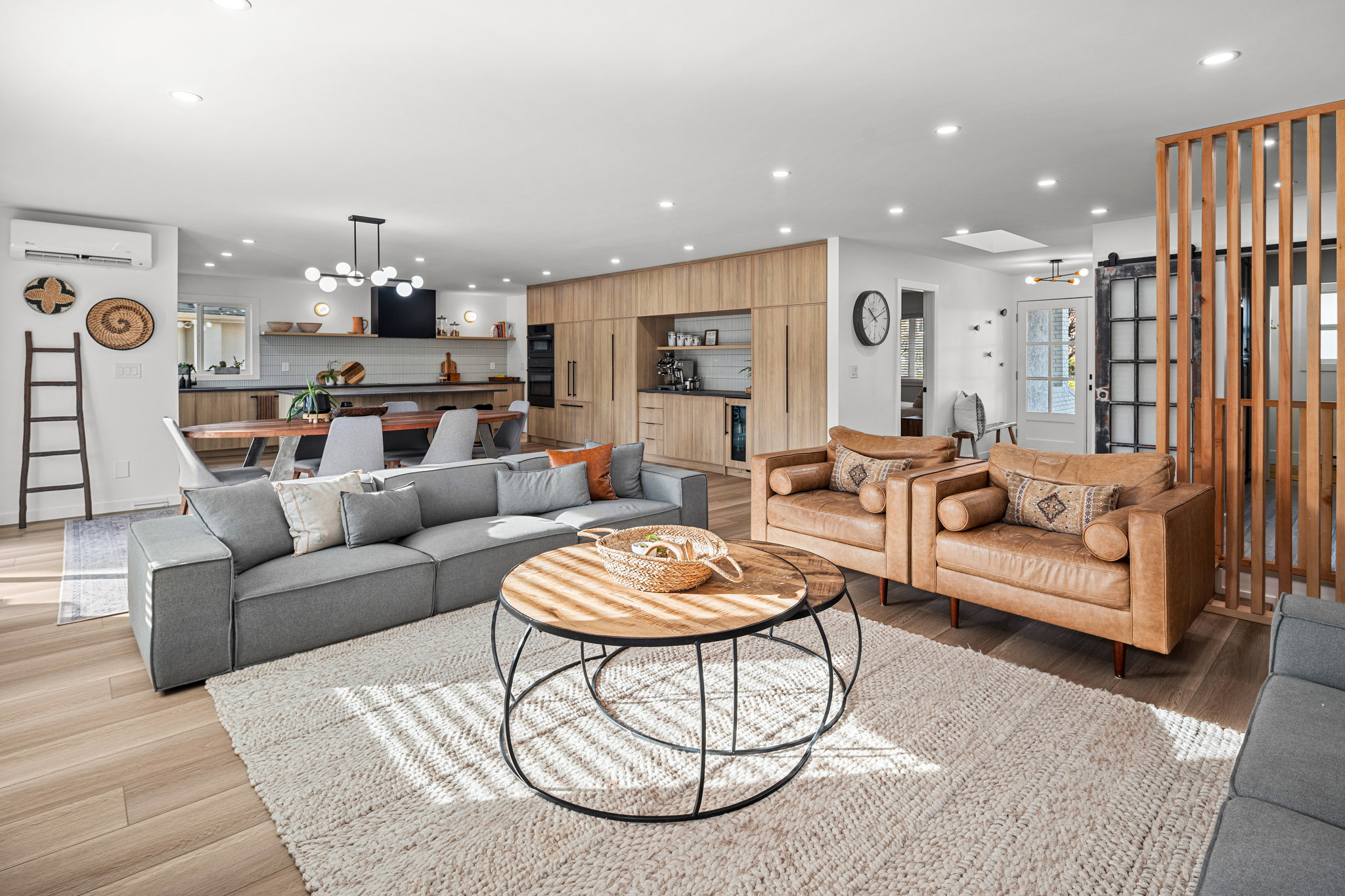
When comparing homes, buyers naturally look at square footage. However, floor plan matters more than square footage when the goal is finding a home that actually works for everyday life. Two homes can have nearly identical square footage and feel completely different. One may have open living areas, useful storage, well-sized bedrooms, and very little wasted space. Meanwhile, the other may lose valuable square footage to hallways, awkward corners, oversized entrances, or rooms that are difficult to furnish. Square footage tells you how much space exists. The floor plan tells you how useful that space actually is. The Short Answer A well-designed smaller home can feel more functional than a larger home with an inefficient layout. When comparing floor plans, consider: How much space is actually usable Bedroom size and placement Storage Hallways and circulation space Kitchen functionality Furniture placement Natural light Privacy between rooms Flexibility for future needs Resale appeal Instead of asking only, “How many square feet is it?” ask, “How well does this home use the square footage it has?” Not All Square Footage Works the Same Imagine two condos that are both 900 square feet. The first has an open kitchen and living area, two well-proportioned bedrooms, a walk-in closet, useful entry storage, and a compact hallway. The second has a long entrance corridor, awkward corners, limited closets, and a large primary bedroom that leaves the living room feeling tight. On paper, they are the same size. In practice, they may feel completely different. That difference becomes especially important with condos and townhomes, where every square foot has to work harder. Watch for Wasted Space Some floor plans dedicate a surprising amount of space to areas that have limited everyday use. Long hallways are one example. Oversized entryways, unusual angles, dead corners, and poorly positioned doors can also reduce how much of the home feels usable. Of course, circulation space is necessary. The goal is not to eliminate hallways entirely. Instead, look at how efficiently the home connects one area to another. A 750-square-foot condo with an efficient layout may offer more practical living space than an 850-square-foot condo with significant wasted space. Room Dimensions Matter A floor plan can also reveal something the total square footage cannot: where the space actually went. For example, a larger condo may have most of its additional square footage concentrated in the primary bedroom or entrance. That extra space may not help a buyer who wants a larger living room or home office. Therefore, look beyond the total. Consider whether individual rooms can comfortably accommodate the furniture you already own or expect to use. Ask yourself: Can the bedroom fit a queen or king bed comfortably? Is there space for bedside tables? Can the living room accommodate a sofa without blocking doors? Is there a practical place for a dining table? Can a desk fit somewhere without taking over another room? These details often determine whether the home feels comfortable after move-in. Furniture Placement Can Change Everything Staging can make a home look functional. Your furniture may tell a different story. Windows, doors, fireplaces, kitchen islands, baseboard heaters, and patio entrances all affect where furniture can go. As a result, a large living room may provide surprisingly few options for placing a sofa and television. Meanwhile, a smaller rectangular living room may be much easier to furnish. Before buying, imagine the room empty. Then think about how your furniture would actually fit. Measurements can be far more useful than relying on how large a room appears during a showing. Storage Is Part of the Floor Plan Storage does not always receive enough attention during a home search. Yet storage can dramatically change how spacious a home feels. A slightly smaller property with a proper entry closet, pantry, bedroom closets, linen storage, in-suite storage, or a dedicated locker may function better than a larger home where everyday belongings need to occupy living space. This becomes even more important when moving from a detached home into a condo or townhome. The question is not simply how much space you have. It is where everything will go. Bedroom Placement Affects Privacy The location of rooms matters too. For instance, bedrooms positioned on opposite sides of a condo may work well for roommates, guests, or someone working from home. Alternatively, families with young children may prefer bedrooms closer together. Similarly, a bedroom directly beside a living room or kitchen may experience more noise than one located down a hallway. Neither arrangement is automatically better. However, the layout should fit the way you plan to use the home. Natural Light Can Change How Large a Home Feels Square footage measures floor area, but it does not measure how a room feels. Natural light can make a smaller space feel brighter and more open. Window placement, ceiling height, exposure, and sightlines through the home can all influence that feeling. By comparison, a larger home with limited windows or darker interior rooms may feel more confined. Therefore, buyers should consider both measurable space and perceived space. Both affect how enjoyable the home may be to live in. Open Concept Is Not Always Better Open layouts remain popular, but openness should not automatically be confused with functionality. An open kitchen and living room may create better flow and make a smaller home feel larger. However, some buyers value separation. A dedicated office, defined dining space, separate kitchen, or second living area may be more useful depending on the household. The better floor plan is not necessarily the most open. It is the one that creates the right balance between connection and separation for the people living there. Think About How Your Needs Could Change A good floor plan should work today. Ideally, it also offers some flexibility for tomorrow. A den might become an office, nursery, guest room, or additional storage space. Likewise, a second bedroom might serve several purposes over the years. Flexible space can become particularly valuable when moving again would be expensive or inconvenient. As a result, buyers should consider whether the home can adapt as work, family, hobbies, or lifestyle needs change. A Bigger Home Can Still Feel Smaller This is why floor plan matters more than square footage in many buying decisions. More square footage can be valuable, but only when that additional space improves how the home functions. If another 100 square feet consists mostly of hallways, oversized rooms you do not need, or awkward areas you cannot use, it may provide less value than expected. At the same time, buyers should consider the full cost of that additional space. A larger home may mean a higher purchase price, larger strata fees, more furniture, higher utilities, or increased maintenance. Our article on Why Your Monthly Payment Matters More Than the Purchase Price looks at why the overall cost of ownership deserves as much attention as the price itself. Floor Plan Can Affect Resale Too Eventually, future buyers will evaluate the layout as well. Functional floor plans tend to appeal to a broader range of people because they make everyday use easier. Common considerations include: Practical bedroom sizes Useful storage Good natural light Limited wasted space Clear furniture placement Separation between private and living areas Flexible rooms Easy access to outdoor space Buyer preferences will vary. Still, a practical layout is often easier to understand and use than one that requires compromises from the moment someone walks through the door. Compare How the Homes Live, Not Just Their Numbers When deciding between two properties, try comparing them without looking at the total square footage first. Where Would We Spend Most of Our Time? Is enough space allocated to those rooms? Where Does Everything Go? Are storage and closets adequate? Can We Furnish It Properly? Do room dimensions and wall locations work? Does the Layout Fit Our Lifestyle? Consider privacy, entertaining, working from home, children, pets, and guests. Could It Still Work in Five Years? Look for flexibility rather than only today’s needs. Once you have answered those questions, the square footage number has much more context. Final Thoughts Square footage is useful, but it should not decide which home is better. A thoughtful floor plan can make a smaller property feel comfortable, practical, and surprisingly spacious. On the other hand, inefficient design can make a larger home feel tighter than expected. That is why buyers should compare how each home actually functions. Look at the room sizes. Consider furniture placement. Check the storage. Think about natural light, privacy, and flexibility. The best home is not necessarily the one with the most square footage. It is the one that uses its space in a way that fits your life. Comparing homes with similar square footage but very different layouts? Faber Real Estate Group can help you look beyond the numbers and compare functionality, location, monthly costs, resale considerations, and the trade-offs that may matter most over the years you own the home. Nilo M., 5-Star Review, via Google “This group have a high level of commitment to help and to put thier client’s need ahead of their personal gain. They deal and engage with integrity and wisdom on how it will work for both the seller and the clients. I experienced it first hand in this crazy and difficult season. We just bought a home at Glanford area, and they are always there for us, every step of the way. They are real and can be trusted.” Faber Real Estate Group Royal LePage Coast Capital Realty 📞 250-244-3430 📧 [email protected] ℹ️ Scott Faber Personal Real Estate Corporation ℹ️ Cal Faber Personal Real Estate Corporation Vanessa Wood, Zachary Parsons, and Sophie Taylor “Building Lasting Relationships, One Home at a Time.”
Read more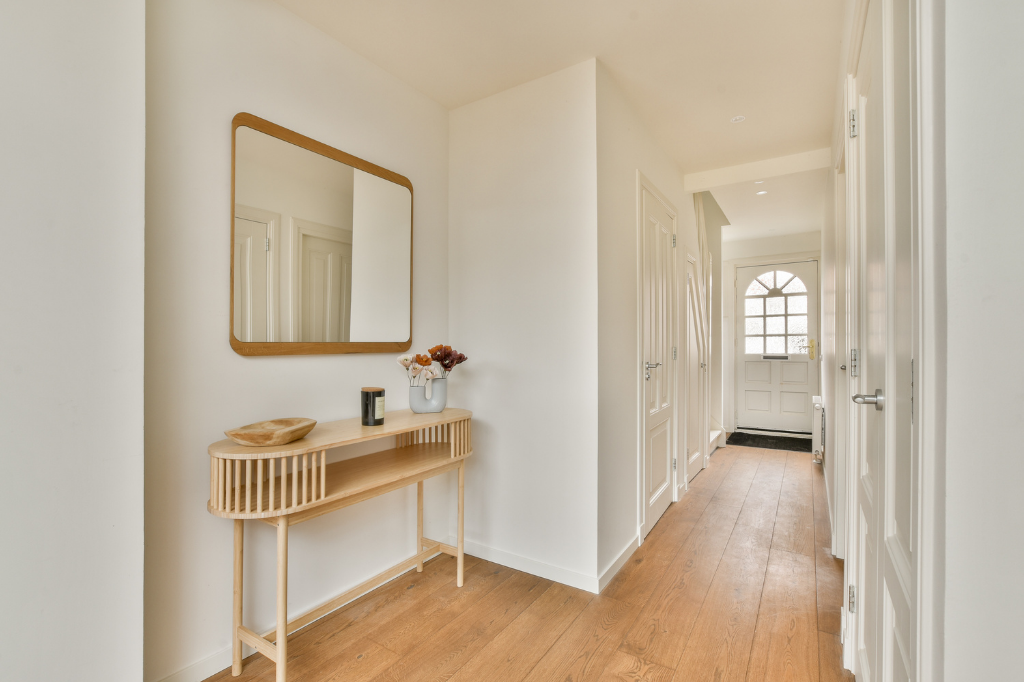
Storage when buying a home is easy to overlook. Buyers often focus on bedrooms, bathrooms, finishes, views, and location first. Those details matter, but storage can shape how well a home works once daily life begins. A home can look beautiful during a showing and still feel frustrating six months later if there is nowhere practical to put coats, bikes, tools, seasonal items, sports gear, cleaning supplies, or family keepsakes. Storage is not just a convenience. It is part of long-term livability. Storage Affects How a Home Feels Day to Day Good storage helps a home feel calm, organized, and easier to live in. Poor storage can make even a larger home feel cluttered. Buyers should think beyond square footage and ask how the space will actually function. Important areas to check include: Entry closet or mudroom space Bedroom closets Pantry storage Linen closets Laundry storage Garage or carport space Crawlspace or attic access Bike storage Outdoor storage Strata storage locker Room for tools, hobbies, or sports equipment A home does not need endless storage. It needs the right storage for how you live. Square Footage Does Not Tell the Full Story Two homes can have the same square footage but feel completely different. One may have smart closets, built-ins, a garage, and a practical laundry area. Another may have larger rooms but very little usable storage. On paper, they look similar. In real life, they function very differently. This is especially important in Greater Victoria, where buyers may compare condos, townhomes, older character homes, and newer detached homes. Each property type handles storage differently. Condo Buyers Should Pay Close Attention For condo buyers, storage can be a major part of the ownership experience. Some condos include a separate storage locker. Others have limited in-suite storage. Some buildings offer bike rooms, kayak storage, workshop areas, or extra rentable lockers. Others do not. Before buying a condo, buyers should confirm: Whether a storage locker is included Whether the locker is assigned, limited common property, or separately titled Whether bike storage is available Whether storage areas are secure Whether there are rules about what can be stored Whether extra lockers can be rented or purchased Whether parking stalls include any additional storage options These details matter because storage in a condo building is not always flexible after purchase. Storage Matters More for Downsizers Downsizers often focus on reducing space, but storage can make or break the transition. Moving from a detached home to a condo or townhome may mean losing a garage, basement, shed, crawlspace, or spare room. Even when the new home feels large enough, the storage difference can be significant. This does not mean downsizing is a bad move. It means buyers should plan carefully. The best downsizing properties often offer a balance between simpler living and enough storage to keep important belongings accessible. Families Need Flexible Storage For families, storage needs change over time. Young children may need space for strollers, toys, bikes, sports equipment, and seasonal clothing. Teenagers may need gear for school, hobbies, and activities. Parents may need room for tools, holiday items, extra food storage, or outdoor equipment. A home that works today should also work through the next stage of life. When viewing family homes, buyers should ask: Where will everyday items go? Is there space near the entry for shoes, coats, and bags? Can seasonal items be stored easily? Is the garage functional or already full? Is there room for bikes, tools, and outdoor gear? Will this storage still work in three to five years? A layout that supports real life often has more value than one that only looks good online. Lack of Storage Can Affect Resale Storage can also influence future resale. Buyers notice when a home feels functional. They also notice when every closet is full, the garage is overloaded, or there is no obvious place for practical items. A lack of storage may not stop every buyer, but it can create hesitation. It may make the home feel smaller, less practical, or harder to grow into. Strong storage can support resale because it helps the home feel easier to live in. Storage Should Be Compared With Your Lifestyle The right amount of storage depends on the buyer. A minimalist condo buyer may need very little. A family with bikes, skis, tools, and camping gear may need much more. A downsizer may need fewer rooms but better storage design. Before buying, it helps to make a simple list of what needs to be stored: Daily items Seasonal items Sports and recreation gear Tools and maintenance supplies Holiday decorations Sentimental items Kids’ items Work-from-home supplies Outdoor furniture or gardening equipment Then compare that list to the home. This makes the decision more practical and less emotional. The Bottom Line for Buyers Storage should be part of your buying decision because it affects how a home functions long after the excitement of the purchase fades. Good storage supports comfort, organization, flexibility, and long-term livability. When comparing homes in Greater Victoria, do not only ask whether the home has enough bedrooms or the right finishes. Ask whether it has enough practical space for real life. A home that stores your life well often feels better to live in, easier to maintain, and more comfortable over time. For advice on buying a home in Greater Victoria and evaluating long-term livability, contact Faber Real Estate Group for clear, local guidance before making your next move. Tyler F., 5-Star Review, via Google “I have worked with Scott a few times now, always great communication, respectful and punctual. Look forward to working with him in the future” Faber Real Estate Group Royal LePage Coast Capital Realty 📞 250-244-3430 📧 [email protected] ℹ️ Scott Faber Personal Real Estate Corporation ℹ️ Cal Faber Personal Real Estate Corporation Vanessa Wood, Zachary Parsons, and Sophie Taylor “Building Lasting Relationships, One Home at a Time.”
Read more