
Posts Tagged ‘home inspection Victoria’

A good deal vs cheap house can look similar at first. Both may have a lower price, attract attention, and feel like an opportunity. However, in real estate, the cheapest home is not always the smartest buy. For buyers in Greater Victoria, this difference matters. A lower price can help with affordability, but it can also hide risk. Before you move forward, you need to understand the full picture. The goal is not to buy the cheapest home. The goal is to buy the right home at the right price. A Cheap House Starts With Price A cheap house usually stands out because it costs less than similar homes. That may happen because of: Major repairs An awkward layout A weaker location Deferred maintenance Limited parking Financing concerns Insurance concerns Low buyer demand Sometimes, a cheap house is a real opportunity. Other times, the price simply reflects the risk. So, before assuming it is a bargain, ask why the property is cheaper. A Good Deal Starts With Value A good deal is different. A good deal means the home offers strong value for the price and risk involved. It may not be perfect, but the trade-offs should be clear and manageable. A good deal may include: A fair or below-market price A strong location Manageable repairs Good resale appeal A practical layout Solid building fundamentals Less buyer competition This is where the good deal vs cheap house distinction becomes important. A low price gets attention. Strong value protects you. Cheap Can Become Expensive A lower purchase price can feel like a win. However, major repairs can quickly change the numbers. Buyers should look closely at: Roof age Drainage Plumbing Electrical systems Foundation concerns Oil tank risk Water ingress Strata documents Upcoming special levies For example, saving money on the purchase price may not help if the home needs expensive repairs right away. This is especially true with older homes in Greater Victoria. Some have been well maintained. Others may need more work than buyers expect. Location Still Matters A cheaper home in the wrong location may not be the better deal. Location affects: Resale demand Walkability Commute times School access Noise Rental appeal Future buyer interest You can update flooring, paint, and cabinets. You cannot move a home away from a busy road, poor exposure, or limited access. As a result, a well-priced home in a stronger location can be a better long-term decision than a cheaper home with location challenges. Potential Is Not the Same as Value Many buyers see a dated home and think, “This has potential.” Sometimes, that is true. Cosmetic issues can create an opportunity if the home has good bones. However, cosmetic work is very different from serious risk. Be careful with homes that may have: Structural issues Moisture problems Poor renovations Old wiring Plumbing concerns Permit issues Building envelope problems A good deal has problems you can understand and price properly. A cheap house often has problems buyers underestimate. The Home Still Needs to Fit Your Life A home can be affordable and still be the wrong fit. Before buying, ask: Will the commute work? Does the layout fit your lifestyle? Can you afford the repairs? Do you have time for renovations? Will the home still work in five years? Are you choosing it because it is right, or because it is cheaper? A cheap house can become stressful if it forces too many compromises. Therefore, the right deal should support your life, not just your budget. Inspections Help Clarify Risk A home inspection does not make a property good or bad. Instead, it helps you understand what you are buying. After inspection, separate issues into three groups: Normal maintenance Negotiation items Serious risks Normal maintenance may include small repairs or aging finishes. Negotiation items may affect price or terms. Serious risks may involve safety, financing, insurance, structure, or moisture. If the issues are manageable, the home may still be a good deal. If the repair list grows quickly, the cheap price may not tell the full story. Strata Buyers Need Extra Caution For condos and townhomes, price can be misleading. A lower-priced strata property may come with: High strata fees Weak contingency planning Upcoming special levies Insurance concerns Rental restrictions Pet restrictions Deferred maintenance Poor resale appeal Because of this, a cheap condo is not automatically a good entry point into the market. A strong condo deal should include a fair price, sound building management, reasonable fees, a practical floor plan, and healthy resale demand. Final Thoughts The difference between a good deal and a cheap house is simple. A cheap house has a low price. A good deal has strong value. Before writing an offer, look beyond the list price. Consider the location, condition, repair costs, financing, lifestyle fit, and resale potential. That is how buyers make better decisions in Greater Victoria’s real estate market. If you are trying to decide whether a home is a true opportunity or just a cheaper property with hidden problems, contact Faber Real Estate Group for advice before you write an offer. Michael B., 5-Star Review, via Google “Excellent experience with Faber group! Zach is an amazing young professional, he is very knowledgeable and explained everything to me (a first time buyer) very well. Towards the end I got to work with Cal as well who was also very kind and professional. I would certainly recommend Faber group.” Faber Real Estate GroupRoyal LePage Coast Capital Realty📞 250-244-3430📧 [email protected]ℹ️ Scott Faber Personal Real Estate Corporationℹ️ Cal Faber Personal Real Estate CorporationVanessa Wood, Zachary Parsons, and Sophie Taylor“Building Lasting Relationships, One Home at a Time.”
Read more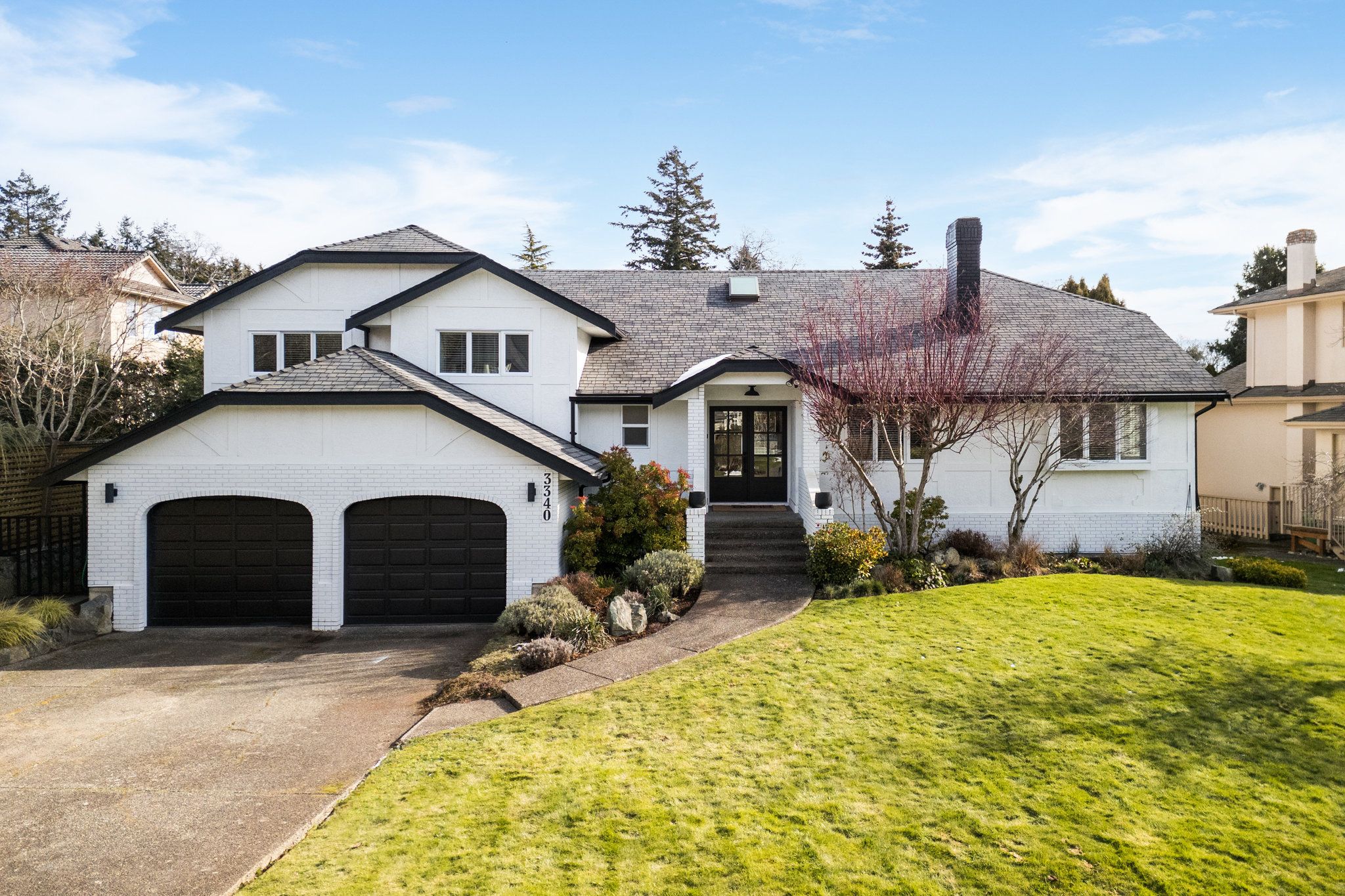
After many years working with buyers across Victoria and the Westshore, we can tell you that the biggest shock rarely comes from the purchase price but from everything else that gets layered on top. New buyers tend to focus on the mortgage payment alone, but the real financial picture includes closing costs, maintenance, taxes, and lifestyle adjustments. If you want to feel comfortable and confident in your first year of ownership, it’s essential to budget for more than just the loan. Legal Fees and Title Costs Every home purchase in British Columbia requires a lawyer or notary to complete the deal. For most properties in Greater Victoria, legal fees typically fall between $1,400 and $2,500 depending on the complexity of the transfer, whether you’re purchasing a condo, and whether your lender has extra requirements. This is non-negotiable. Your lawyer or notary will handle title transfer, mortgage registration, trust funds, and coordinate with your bank and the seller’s legal team. Property Transfer Tax (PTT) This is the one that surprises buyers the most, especially those relocating from provinces with different rules. In BC, the Property Transfer Tax is: 1% on the first $200,000 of the purchase price 2% on the portion from $200,000 to $2 million 3% above $2 million If you’re not a first-time buyer and you buy a $900,000 home, the tax alone is thousands of dollars due at closing. Some exemptions exist for qualified first-time buyers and for certain new construction properties, but those apply in fewer cases than people expect. It’s critical to verify your eligibility before you shop. Inspections and Due Diligence Even though inspections aren’t legally required, skipping them is a costly gamble in Victoria’s market. Older homes, especially in areas like Oak Bay, Fernwood, or parts of Saanich, may have aging infrastructure, knob-and-tube wiring, or perimeter drains that haven’t been touched since the 1980s. A typical inspection ranges from $500 to $800, more if you add sewer scope, mold testing, or specialized assessments. It is one of the best investments you can make. Insurance: Annual Premiums and Lender Requirements Before a lender will release funds, you must carry home insurance. In Victoria, premiums vary widely based on the age of the home, proximity to the ocean, heating type, and whether you have a mortgage helper or short-term rental. A safe estimate is $1,200 to $2,500 annually. Condos require strata insurance, and owners must also carry their own contents and liability policy. Do not assume the building coverage protects you as it rarely covers your unit or deductible. Strata Fees and Special Assessments If you purchase a condo or townhome, monthly strata fees cover shared areas, building insurance, landscaping, and long-term maintenance funds. Newer buildings may have higher fees if they include amenities like gyms or pools. What many buyers fail to budget for is special assessments. These are extra charges levied for major repairs, such as elevator replacements, roofing projects, or exterior remediation. We always advise reviewing strata documents, depreciation reports, and meeting minutes before you write an offer. You’re not only purchasing the unit itself, you’re also investing in the financial condition of the entire building. Maintenance and Repairs Homeownership comes with the responsibility of ongoing upkeep. Even well-maintained properties need regular service: heat pumps, gutters, roof moss removal, appliance replacements, driveway sealing, and routine landscaping. A general rule is to have 1–2% of the home’s value set aside annually for maintenance. In Victoria, where moisture and mild winters accelerate wear and tear, buyers who skip this category are often caught off guard. Moving and Lifestyle Changes The final cost most people overlook is the one that impacts their daily life. Moving expenses, furniture purchases, strata move-in fees, utility deposits, or landscaping for a bigger yard. If you’re moving for lifestyle reasons, expect costs you may not have planned for. Living in View Royal or Metchosin could mean longer commute times, a downtown condo might require paid parking, and a property near the shoreline often needs added protection from salt air exposure. The Bottom Line The mortgage is just one piece of a much larger picture. Successful homeowners budget realistically, not optimistically. They prepare for legal fees, taxes, inspections, maintenance, insurance, and the rhythms of real life after the keys change hands. Fortunately, with proper planning, these expenses can be manageable. As a team that has guided Victoria buyers through every type of purchase from heritage homes to brand-new condos, our best advice is simple: understand the full financial journey, not just the monthly payment. Liam Grigg, 5-Star Review, via Google “The real estate market felt daunting, especially when it was our first time entering it. But, working with Scott made the whole process so much easier. He was really excellent at asking questions, showing us a variety of places, and helping us narrow down exactly what we were looking for. Scott was flexible, never pushy, and I really felt supported by him throughout! He made a big difference in helping us find THE place and we couldn’t do it without him. I can’t wait to work with Scott again in the future.” Faber Real Estate Group Royal LePage Coast Capital Realty 📞 250-244-3430 📧[email protected] ℹ️ Scott Faber Personal Real Estate Corporation ℹ️ Cal Faber Personal Real Estate Corporation Vanessa Wood & Zachary Parsons “Building Lasting Relationships, One Home at a Time.”
Read more