
Posts Tagged ‘home inspection Victoria BC’
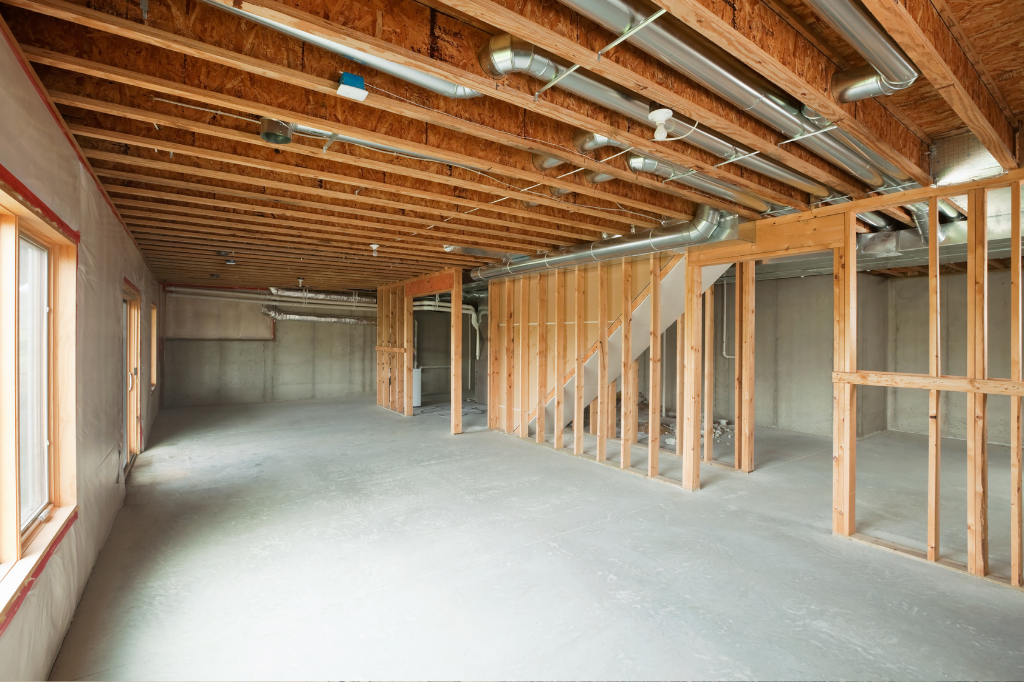
The cheapest home may cost more over time when the lower purchase price hides repairs, poor layout, location compromises, or resale challenges. For many buyers, especially in a high-cost market like Greater Victoria, the lowest price can feel like the safest choice. But the true cost of a home is not only what you pay on completion day. It is what you spend, fix, tolerate, and potentially lose when it is time to sell. A good purchase is not always the cheapest option. It is the home that fits your budget today while protecting your flexibility tomorrow. The Lowest Price Can Hide Bigger Repairs Some homes are priced lower for a reason. They may need a roof, perimeter drain work, windows, electrical updates, plumbing repairs, or heating system improvements. These costs can arrive quickly after possession, especially if the home has been under-maintained. A lower purchase price may still make sense if the buyer understands the work required. The risk comes when buyers stretch to purchase the home, then discover they do not have enough room left in the budget for repairs. Before choosing the cheaper option, buyers should ask: What repairs are urgent? What can wait? What might affect insurance or financing? What will this home likely need over the next five years? A home inspection is not just about finding problems. It helps buyers understand the cost of ownership. Location Trade-Offs Can Add Up A cheaper home may be farther from work, schools, transit, shops, or daily routines. At first, that trade-off can feel manageable. Over time, extra commuting, fuel, parking, and time can change the value equation. In Greater Victoria, small location differences can have a major effect on lifestyle. A home that saves money upfront may cost more if it adds stress to your daily schedule or makes future resale harder. This does not mean every buyer needs to live in a central neighbourhood. It means location should be measured beyond price. Convenience, commute, school catchments, walkability, and access to services all shape long-term value. Layout Problems Are Harder to Fix Than Paint Cosmetic issues are often easier to solve than functional ones. Paint, flooring, lighting, and hardware can change how a home feels. A poor layout is different. A home may be cheaper because it has awkward bedrooms, limited storage, poor natural light, low ceilings, too many stairs, or a kitchen that does not work well for daily life. These issues can affect enjoyment and resale. Buyers sometimes focus on what they can change and overlook what they cannot change easily. Before buying the cheapest home, consider whether the home’s layout supports how people actually live. Monthly Costs Matter More Than Purchase Price Alone The cheapest home may cost more if the ongoing expenses are higher. Older homes can come with higher heating bills, more maintenance, and larger repair needs. Some strata properties may have lower prices but higher monthly fees, upcoming special levies, or deferred maintenance. A smart comparison looks at the full monthly picture: Mortgage payment Property taxes Insurance Strata fees, if applicable Utilities Repairs and maintenance Commuting and parking costs Short-term and long-term improvement needs A slightly more expensive home with better condition, stronger efficiency, and fewer surprise costs may be more affordable over time. Resale Value Should Be Part of the Decision Most buyers do not want to think about selling before they have even moved in. But resale matters. Life changes. Jobs change. Families grow. Timelines shift. A home with limited buyer appeal may be harder to sell later. This can include unusual layouts, difficult access, poor parking, high noise exposure, major deferred maintenance, or a location with a smaller buyer pool. The goal is not to buy only for the next owner. The goal is to avoid buying something that solves today’s budget problem while creating tomorrow’s exit problem. When the Cheapest Home Does Make Sense Sometimes the cheapest home is the right choice. It may be a strong opportunity if the location is good, the inspection is reasonable, the layout works, and the buyer has budget room for improvements. The key is clarity. A lower price should come with a clear plan, not wishful thinking. The cheapest home may cost more when buyers overlook the real reason it is cheaper. But when the risks are understood, priced properly, and matched to the buyer’s goals, a lower-priced home can still be a smart move. The Bottom Line Price is only one part of value. The better question is not “What is the cheapest home I can buy?” It is “Which home gives me the best balance of affordability, condition, location, lifestyle, and resale confidence?” In Greater Victoria, where every neighbourhood and property type can behave differently, that kind of decision deserves careful advice. Before choosing the lowest-priced option, take time to understand the full cost of owning it. For guidance on comparing homes, reviewing trade-offs, or understanding long-term value in the Greater Victoria market, contact Faber Real Estate Group for advice or information. Carmel S., 5-Star Review, via Google “Cal Faber was our realtor for buying our house in Brentwood Bay. Subsequently he was our realtor for buying a business property for us as well along with help from his son Scott Faber. I have had more interaction with Cal and Scott and so I will say with enthusiasm that Cal was excellent in addressing our concerns, finding out details about our properties, he went beyond the call of duty to support us as new owners, both Cal and his son are conscientious, quick to respond with concerns, very kind and thoughtful and wonderful to work with. It would be hard to find more knowledgable and helpful realtors.” Faber Real Estate Group Royal LePage Coast Capital Realty 📞 250-244-3430 📧 [email protected] ℹ️ Scott Faber Personal Real Estate Corporation ℹ️ Cal Faber Personal Real Estate Corporation Vanessa Wood, Zachary Parsons, and Sophie Taylor “Building Lasting Relationships, One Home at a Time.”
Read more
Drainage and moisture in Victoria homes should be part of every buyer’s due diligence. A home may look warm, updated, and well-kept during a showing, but water management tells a deeper story about how the property performs through the wet season. Victoria is known for a milder climate, but rain still matters. The City of Victoria explains that stormwater systems collect runoff from hard surfaces like roads and roofs and move it away from homes and businesses to help prevent flooding. That simple idea applies at the property level too: water needs somewhere reliable to go. (victoria.ca) Why Drainage Matters So Much Water is one of the most important things to understand before buying a home. Poor drainage can affect: Foundations Basements Crawlspaces Siding Decks and balconies Landscaping Retaining walls Driveways Interior air quality Long-term maintenance costs A home does not need to be perfect, but buyers should understand how water moves around the property. The goal is to know whether the home is managing moisture well or whether there are signs of future risk. Victoria Homes Can Have Unique Moisture Considerations Greater Victoria has a wide range of housing types and land conditions. Buyers may be comparing older character homes, hillside properties, strata complexes, rural homes, low-lying lots, newer builds, and homes with crawlspaces or basement suites. Each type can carry different drainage questions. For example: Older homes may have aging perimeter drains Homes on slopes may receive water from uphill properties Low-lying lots may hold water longer after rain Crawlspaces may show signs of dampness or poor ventilation Basement suites may be more vulnerable if drainage is weak Retaining walls may suggest grading or water-pressure issues Strata properties may rely on shared drainage systems and maintenance planning This is why two homes in the same price range can carry very different long-term risk. Start Outside the Home Good drainage usually begins outside. During a showing, buyers should look at how the land slopes, where downspouts discharge, and whether water appears to be directed away from the foundation. Practical things to look for include: Gutters that are clean and properly connected Downspouts that discharge away from the home Soil or hardscaping sloped away from the foundation Low spots where water may pool Moss or staining near exterior walls Cracks in walkways or patios Retaining walls that lean or show staining Soft or soggy areas in the yard Drain grates, catch basins, or sump systems Evidence of past drainage work A buyer does not need to diagnose the issue during the showing. They just need to notice what deserves further review. Check Basements and Crawlspaces Carefully Basements and crawlspaces often reveal moisture concerns before the main living areas do. Buyers should pay attention to: Musty smells Staining on concrete or framing Efflorescence on foundation walls Standing water Damp insulation Rust on metal components Soft subfloor areas Dehumidifiers running constantly Fresh paint that may be covering old staining Stored items lifted off the floor Some moisture signs may be minor or manageable. Others may point to larger drainage, ventilation, or foundation concerns. A home inspection is especially important when a property has a crawlspace, basement suite, below-grade living area, or signs of past water entry. Roofs, Gutters, and Downspouts Matter Drainage is not only about the ground. Roof water can create major problems if it is not managed properly. Buyers should look at: Roof age and condition Missing or damaged shingles Clogged gutters Leaking gutter joints Short downspout extensions Water dumping near the foundation Overflow marks on siding Fascia or soffit staining Moss buildup Poor roof drainage on flat or low-slope sections A functioning roof and gutter system helps move water away from the home before it becomes a foundation or interior moisture issue. Moisture Can Affect More Than Repairs Drainage and moisture problems are not just about repair bills. They can affect how a home feels and functions. Moisture may contribute to: Odours Mold concerns Poor indoor air quality Damage to finishes Rot in structural components Pest issues Insurance questions Resale hesitation Future renovation limits Even when a buyer is comfortable taking on some work, they should understand the size and urgency of the issue before removing conditions. Ask the Right Questions When drainage or moisture concerns appear, buyers should ask direct questions. Useful questions include: Have the perimeter drains been replaced or repaired? When were the gutters and roof last maintained? Has there ever been water entry? Are there receipts or records for drainage work? Is there a sump pump, and how often does it run? Has the basement or crawlspace been professionally assessed? Does water pool anywhere on the property after heavy rain? Are there known issues with neighbouring runoff? Have any insurance claims been made for water damage? Are there strata minutes discussing drainage, leaks, or building-envelope concerns? For strata properties, drainage and moisture concerns may appear in meeting minutes, engineering reports, depreciation reports, or insurance documentation. Use the Inspection Period Wisely A general home inspection can identify visible signs of moisture, but buyers may need further review if something raises concern. Depending on the property, that may include: Drainage contractor review Perimeter drain scope Roof inspection Foundation assessment Sewer or storm line inspection Building envelope review Mold or indoor air quality assessment Strata document review Engineering advice for retaining walls or slopes The right level of due diligence depends on the age, condition, and complexity of the property. Do Not Panic Over Every Moisture Sign Moisture concerns should be taken seriously, but they should not automatically end the purchase. Some issues are routine maintenance. Others are manageable with proper repairs. A clogged gutter is different from chronic basement water entry. Poor downspout placement is different from foundation movement. The key is to separate small maintenance items from larger risk. Buyers should focus on: Cause Cost Urgency Repair history Professional advice Impact on future resale Whether the issue fits their budget and comfort level Clarity matters more than fear. The Bottom Line for Buyers Drainage and moisture in Victoria homes matter because water issues can affect comfort, maintenance, insurance, resale, and long-term ownership costs. A home may look excellent on the surface, but buyers should understand how it handles rain, runoff, and seasonal moisture. Before buying, look outside, check lower levels carefully, ask about past water issues, review documents, and use the inspection period to get the right professional advice. For buyers in Greater Victoria, strong due diligence is not about finding a perfect home. It is about understanding the home clearly before making a long-term decision. For advice on buying a home in Greater Victoria and reviewing property condition before subject removal, contact Faber Real Estate Group for clear, local guidance before making your next move. Lou N., 5-Star Review, via Google “Scott is a knowledgeable, professional, dedicated and thorough expert in his field. Excellent at what he does and we couldn't have found a better realtor to guide us through one of the most important decisions in our lives.” Faber Real Estate Group Royal LePage Coast Capital Realty 📞 250-244-3430 📧 [email protected] ℹ️ Scott Faber Personal Real Estate Corporation ℹ️ Cal Faber Personal Real Estate Corporation Vanessa Wood, Zachary Parsons, and Sophie Taylor “Building Lasting Relationships, One Home at a Time.”
Read more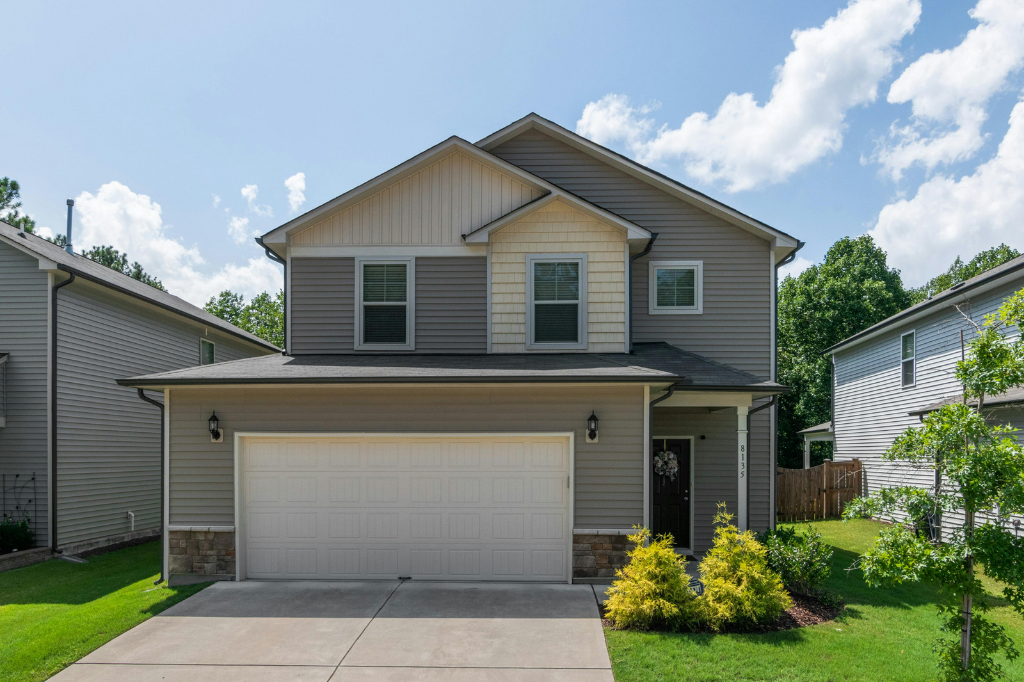
Waiving conditions in real estate can make an offer look stronger, but it can also create serious risk for buyers. In a competitive market, buyers may feel pressure to remove subjects so their offer stands out. That may help win the home, but it can also leave less room to confirm financing, review documents, inspect the property, or walk away safely. A subject-free offer is not always a bad idea. However, it should never be treated casually. The better question is not, “Will waiving conditions help me win?” The better question is, “What risk am I accepting if I remove this protection?” What Does Waiving Conditions Mean? In a real estate offer, conditions are clauses that must be satisfied before the buyer becomes fully committed to completing the purchase. Common buyer conditions include: Financing approval Home inspection Insurance confirmation Strata document review Title review Sale of the buyer’s current home Legal review Property disclosure review Once a buyer waives conditions, or writes an offer with no subjects, the offer becomes firmer from the beginning. That can appeal to a seller because it reduces uncertainty. For the buyer, it may also reduce options if a problem appears later. Why Buyers Waive Conditions Buyers usually waive conditions because of competition. If several buyers want the same property, a seller may prefer a cleaner offer with fewer conditions, even if another offer is close in price. A subject-free offer can feel faster, simpler, and less likely to collapse. Buyers may consider waiving conditions when: The market is competitive There are multiple offers The property is rare Due diligence has already been completed Financing is strong The buyer understands the risk However, pressure is not the same as preparation. A buyer should not waive conditions simply because they are tired of losing offers. The Financing Risk The financing condition is one of the most important protections in an offer. A mortgage pre-approval is helpful, but it is not final approval for a specific property. Lenders still need to review the home, appraisal, borrower details, insurance, and other risk factors. If a buyer waives financing and the lender later declines the file, lowers the approved amount, or raises concerns about the property, the buyer may still be expected to complete the purchase. That can lead to: Losing the deposit Being sued for seller losses Needing emergency financing Paying higher borrowing costs Being unable to complete on time Before waiving a financing condition, buyers should speak with their mortgage broker or lender about the exact property and the full risk. The Inspection Risk A home inspection condition gives buyers time to understand the physical condition of the property. Without that condition, buyers may accept unknown issues. This matters because even well-presented homes can have hidden problems behind walls, below grade, or in older systems. Inspection concerns may include: Roof age Drainage issues Electrical concerns Plumbing problems Moisture or mould Heating system age Oil tank risk Structural issues Unpermitted renovations In Greater Victoria, many homes have been renovated, expanded, or updated over several decades. A home can look beautiful and still carry expensive repair risk. The Strata Document Risk For condos and townhomes, waiving conditions before reviewing strata documents can be risky. Strata documents can reveal issues that a showing cannot, including: Depreciation reports Insurance concerns Special levies Building repairs Bylaws Financial statements Contingency reserve fund levels Litigation or major building concerns Pet, rental, smoking, parking, and storage rules If buyers waive the strata document condition too early, they may later discover issues that affect affordability, lifestyle, or resale value. The Insurance Risk Insurance is easy to overlook, but it matters. Some properties may be harder or more expensive to insure because of age, condition, location, prior claims, building systems, or strata insurance issues. For detached homes, buyers may need to confirm coverage for older wiring, oil tanks, wood stoves, water damage history, roofing condition, or rural and waterfront exposure. For strata properties, buyers should understand both the strata corporation’s insurance and their own unit owner’s policy. If insurance cannot be secured, financing may also be affected. The Title and Legal Risk Title review helps buyers understand whether anything is registered against the property. These may include: Easements Covenants Rights of way Building schemes Encroachments Charges Access issues Some items may be minor. Others can affect future renovations, development plans, property use, or enjoyment of the home. The Home Buyer Rescission Period Is Not a Replacement for Conditions In BC, the Home Buyer Rescission Period gives buyers a limited right to rescind many residential purchase contracts within three business days after acceptance. However, it is not the same as having normal buyer conditions. If a buyer uses the rescission right, they must pay the seller a rescission fee equal to 0.25% of the purchase price. On a $900,000 purchase, that fee would be $2,250. The rescission period may provide limited time to reconsider, but it does not replace proper due diligence. It also may not apply to every type of transaction, so buyers should confirm the rules before relying on it. When Waiving Conditions May Be More Reasonable Waiving conditions may be less risky when the buyer has already completed meaningful preparation. For example: Financing has been reviewed in detail The lender understands the property type A pre-inspection has been completed Strata documents have already been reviewed Insurance has been confirmed Title has been checked The buyer has cash reserves The risks have been clearly discussed Even then, risk remains. The goal is not to eliminate risk completely. The goal is to avoid making a blind decision. When Buyers Should Be Very Cautious Waiving conditions can be especially risky when: The home is older There is visible deferred maintenance The buyer is close to their maximum budget Financing is high-ratio The property has unauthorized work The property is tenanted The home is rural, waterfront, or on septic There may be an oil tank Strata documents are not available The purchase depends on selling another property Winning the property is not the same as making a smart purchase. Strong Offers Do Not Always Mean No Conditions A buyer can still write a strong offer with conditions. Strength can also come from: A fair price A larger deposit Short but realistic condition dates Flexible completion and possession dates Clear communication Pre-approved financing A clean contract Strong supporting documentation Sometimes the best strategy is not to waive everything. It is to keep the right conditions and make the rest of the offer as clean as possible. Questions to Ask Before Waiving Conditions Before writing a subject-free offer, buyers should ask: Have we spoken with our mortgage broker about this exact property? Do we understand the appraisal risk? Have we reviewed the strata documents? Have we confirmed insurance availability? Do we understand the likely repair risks? Have we reviewed title or key documents? Do we have enough cash if something unexpected appears? Can we still complete if financing changes? Are we making this decision because it is smart, or because we feel pressured? If the answer is unclear, the buyer may not be ready to waive conditions. Final Thoughts Waiving conditions in real estate can help a buyer compete, but it should never be treated as a simple offer tactic. Conditions exist for a reason. They give buyers time to confirm that the property, financing, documents, insurance, and legal details are acceptable before becoming fully committed. The goal is not just to win the home. The goal is to win the right home on terms you understand. If you are thinking about waiving conditions or writing a competitive offer in Greater Victoria, contact Faber Real Estate Group for guidance before you take on unnecessary risk. Lena N., 5-Star Review, via Google “I have worked with Scott and Zach on my listing and it has been a pleasure to work with both diligent and professional agents. They have been communicative and friendly. Hope to do more collaboration and deals with you both in the near future!” Faber Real Estate GroupRoyal LePage Coast Capital Realty📞 250-244-3430📧 [email protected]ℹ️ Scott Faber Personal Real Estate Corporationℹ️ Cal Faber Personal Real Estate CorporationVanessa Wood, Zachary Parsons, and Sophie Taylor “Building Lasting Relationships, One Home at a Time.”
Read more