
Posts Tagged ‘home buying budget’
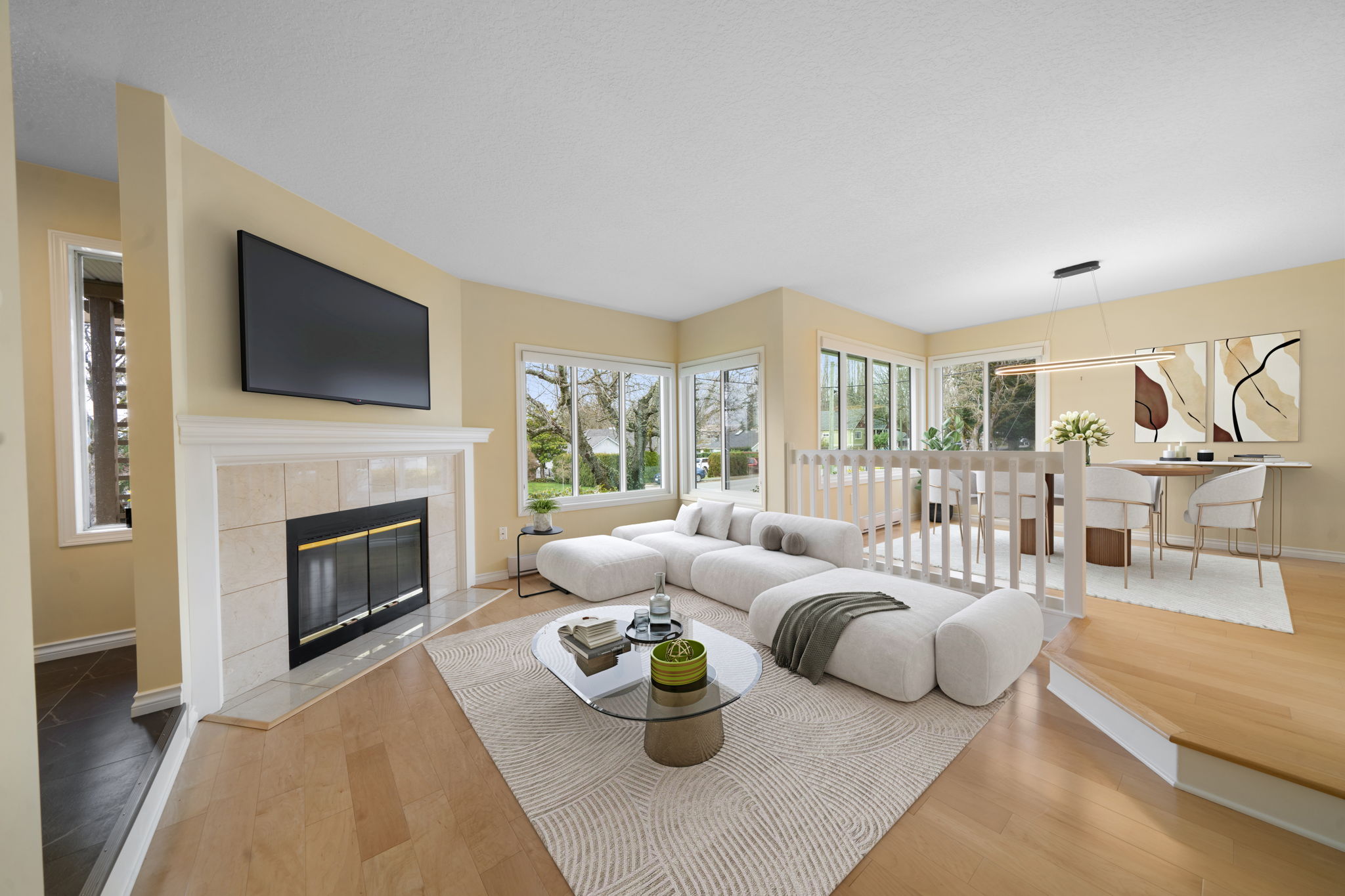
For many buyers, monthly payment matters more than purchase price because the purchase price does not show how comfortably a home will fit into everyday life. A home may fall within your approved price range and still place too much pressure on your monthly budget. Another home may cost slightly more but have lower strata fees, better energy efficiency, fewer immediate repairs, or features that reduce other household expenses. The better question is not simply, “How much can I buy?” It is, “What will this home cost me each month, and does that payment leave enough room for the rest of my life?” The Short Answer The purchase price tells you what the home costs to buy. The monthly payment tells you what it costs to own and live in. A realistic home-buying budget should consider: Mortgage principal and interest Property taxes Home insurance Strata fees, when applicable Utilities Maintenance and repairs Parking or storage costs Transportation and commuting expenses Looking at these costs together gives you a much clearer picture of affordability. Your Mortgage Approval Is Not Your Budget A lender may approve you for a certain mortgage amount, but that does not mean you need to spend the full amount. Your approval is based on financial qualification standards. It does not fully account for your preferred lifestyle, savings goals, travel plans, childcare expenses, renovations, hobbies, or how much financial breathing room helps you feel comfortable. Before setting your search range, decide what monthly housing payment feels manageable. This can help you avoid becoming house-poor - owning a home you technically qualify for while having little room left for savings, emergencies, or everyday enjoyment. Our guide on building a better home search plan can help you define your budget and priorities before viewing properties. A Lower Purchase Price Does Not Always Mean a Lower Monthly Cost Consider two condominiums. The first is priced $30,000 lower but has a monthly strata fee that is $300 higher. The second costs more upfront but has lower strata fees and includes parking, storage, hot water, or other services. That additional $300 per month equals $3,600 per year. Over five years, that is $18,000 before accounting for future fee increases. The lower-priced home may still be the better choice, but the list price alone does not provide enough information. Buyers should compare the full monthly ownership cost and understand what each expense includes. This is especially important when comparing older and newer strata properties, where fees, maintenance expectations, insurance costs, amenities, and upcoming building work can vary significantly. Interest Rates Can Change the Math The same purchase price can produce a very different mortgage payment depending on: Your down payment The mortgage rate The amortization period Whether the mortgage is fixed or variable The length of the mortgage term A small change in the interest rate can affect your monthly payment more than a modest change in purchase price. Your mortgage professional can help you compare payment scenarios before you begin viewing homes. Asking for several examples - rather than one maximum approval amount - can help you set a more comfortable search range. It is also worth considering how the payment could change when the mortgage comes up for renewal. Include the Costs That Do Not Appear in the Listing Price Two similarly priced homes can create very different monthly budgets. For example, one property may require: A longer daily commute Higher heating costs Immediate repairs or upgrades Separate parking expenses More regular exterior maintenance Higher insurance premiums Another home may have a higher price but include efficient heating, newer systems, lower maintenance needs, or a location that reduces transportation costs. Affordability is not only about the mortgage. It is about the complete cost of the lifestyle connected to the property. When comparing neighbourhoods, our guide to what $800,000 may buy across Greater Victoria explains how property type, location, space, and trade-offs can change within the same general budget. Leave Room for Ownership A comfortable monthly payment should leave room for more than the basic bills. Homeowners also need to prepare for: Routine maintenance Appliance replacement Insurance deductibles Strata fee increases Special assessments Property tax increases Unexpected repairs Buying at the top of your approval range can make these expenses more stressful. A slightly lower monthly payment can provide flexibility to build savings, make improvements, handle repairs, or adjust when other household costs rise. Comfort Matters More Than Maximum Buying Power The most expensive home you can qualify for is not automatically the best home for you. A better purchase is one that supports your priorities without placing unnecessary pressure on your finances. That may mean choosing a different neighbourhood, buying a smaller property, increasing your down payment, or reconsidering features that add significant monthly costs. Some compromises are practical. Others may create ongoing frustration or financial strain. Our post on buyer compromises versus red flags can help you tell the difference. Build Your Search Around the Monthly Number When monthly payment matters more than purchase price, your property search becomes more focused. Instead of viewing every home near your maximum approval, you can compare properties based on: Total estimated monthly cost Future maintenance requirements Included services and amenities Location-related expenses Long-term flexibility How the payment fits your actual lifestyle The goal is not simply to buy a home. It is to buy a home you can enjoy without feeling that every other part of your budget has been stretched too far. For help creating a Greater Victoria home search based on your preferred monthly budget, priorities, and long-term plans, learn more about how we support buyers through our Buy With Us page. Mark G., 5-Star Review, via Google “One of the best experiences I’ve had with a realtor. Above all, it seems that i have gained a great relationship and i appreciate that more than feeling like just a transaction. I will definitely be going back for my next big purchase!” Faber Real Estate Group Royal LePage Coast Capital Realty 📞 250-244-3430 📧 [email protected] ℹ️ Scott Faber Personal Real Estate Corporation ℹ️ Cal Faber Personal Real Estate Corporation Vanessa Wood, Zachary Parsons, and Sophie Taylor “Building Lasting Relationships, One Home at a Time.”
Read more
The emotional side of buying a home is often stronger than buyers expect. The emotional side of buying a home can show up as excitement, fear, pressure, comparison, frustration, or second-guessing, sometimes all in the same week. That is normal. Buying a home is not just a financial decision. It is personal. You are thinking about your lifestyle, your future, your family, your monthly payments, and whether the home in front of you is the right one. In a market like Greater Victoria, where price, location, and property type can vary widely, it is easy for emotions to take the lead. The goal is not to remove emotion from the process. The goal is to stay grounded enough to make a clear decision. Why Buying a Home Feels So Emotional A home represents more than walls and square footage. For many buyers, it connects to security, independence, family plans, lifestyle goals, and long-term financial stability. That is why a showing can feel exciting one moment and overwhelming the next. Buyers are often asking themselves: Can I really afford this? Am I making the right decision? What if something better comes up? What if I wait and prices rise? What if I buy and regret it? What if there are hidden problems? What if I lose the home to another buyer? These questions are not signs that something is wrong. They are signs that the decision matters. Excitement Can Make You Move Too Quickly Excitement is part of the process. When a home feels right, it can be tempting to rush. Maybe the layout works. Maybe the light is better than expected. Maybe the location feels right. Maybe you can already picture your furniture, your morning routine, or your first summer in the backyard. That emotional connection matters, but it should not replace due diligence. Before moving forward, buyers should still review: Recent comparable sales Monthly carrying costs Inspection concerns Strata documents, if applicable Property condition Neighbourhood fit Resale considerations Offer terms Financing comfort A home can feel right and still need careful review. Fear Can Make You Freeze Fear can push buyers in the opposite direction. Some buyers hesitate even when a home fits their needs. They worry about interest rates, market timing, repairs, resale value, or whether they are overpaying. In some cases, fear protects buyers from a poor decision. In other cases, it causes them to miss a good opportunity. The key is to separate useful caution from decision paralysis. Useful caution sounds like: “Let’s review the documents before we decide.” Decision paralysis sounds like: “I need certainty before I do anything.” Real estate rarely offers perfect certainty. A grounded buyer learns how to make a decision with enough information, not perfect information. Comparison Can Create Confusion The more homes you see, the easier it becomes to compare everything. One home has the better kitchen. Another has more parking. Another has a better yard. Another has lower strata fees. Another is closer to work. Soon, every option starts to feel incomplete. This is where buyers can lose focus. Before viewing too many homes, it helps to separate needs from preferences. Needs may include: Budget Location range Number of bedrooms Parking Accessibility Pet rules Commute Financing requirements Preferences may include: Finish style Paint colours Flooring Yard size View Extra storage Renovation level Specific street or building When buyers are clear on the difference, it becomes easier to make decisions. Your Budget Should Be a Boundary, Not a Suggestion One of the best ways to stay grounded is to know your real budget before falling in love with a property. That means understanding more than your pre-approval amount. A lender may approve you for one number, but your comfort level may be lower. Buyers should consider: Mortgage payment Property taxes Insurance Utilities Strata fees, if applicable Repairs and maintenance Moving costs Furniture or appliances Emergency savings Lifestyle costs after moving A home should not only be affordable on paper. It should still allow you to live your life. For more on this, you may find our post on from rent payments to mortgage payments: is buying right for you? helpful. Do Not Let One Showing Control the Whole Decision A strong first impression can be powerful. So can a weak one. Some buyers dismiss homes too quickly because of paint, furniture, clutter, lighting, or staging. Others overlook serious concerns because the home feels warm and inviting. Try to look at each property in layers. First, ask whether the home fits your life. Then ask whether the numbers work. Then ask what needs to be investigated. Then ask whether the concerns are manageable or deal-breaking. This approach slows the emotional swing and gives you a clearer way to evaluate each property. Be Careful With Outside Opinions Friends and family often want to help. Their input can be valuable, especially if they know construction, financing, or the neighbourhood. However, too many opinions can make the process harder. Someone who is not buying the home may focus on different priorities. They may compare the property to a market from years ago, a different city, or their own personal preferences. Outside opinions should support your decision, not replace it. A good question to ask is: “Does this feedback relate to my goals, my budget, and this market?” If not, it may be noise. Understand Your Risk Tolerance Every buyer has a different comfort level. Some buyers are comfortable renovating. Others want move-in ready. Some are open to older homes. Others prefer newer construction. Some are willing to stretch for location. Others value monthly comfort more than anything else. There is no universal right answer. The best purchase is the one that fits your actual tolerance for risk, cost, work, and uncertainty. Before writing an offer, ask yourself: Can I handle repairs if they come up? Am I comfortable with this monthly payment? Do I understand the trade-offs? Would I still want this home if another buyer was not interested? Am I making this decision from clarity or pressure? The answers can help you slow down and think clearly. Have a Clear Offer Strategy Emotions often rise when it is time to write an offer. This is where preparation matters. A strong offer strategy should consider the property, the seller’s position, comparable sales, market activity, competing interest, conditions, deposit, dates, and your own comfort level. The goal is not always to win at any cost. The goal is to write an offer you can stand behind. A grounded buyer knows: Their maximum price Their preferred terms Their walk-away point Their required conditions Their financing comfort Their reason for choosing the home This makes the offer process less reactive. You may also want to read our post on how to tell if a seller might consider a lower offer for more negotiation context. Give Yourself Time to Process, But Not Forever Buying a home requires both patience and decisiveness. You should have enough time to think, ask questions, and review the details. But waiting too long can create its own pressure, especially if the right home is well priced and other buyers are interested. A helpful rule is to process with structure. After a showing, ask: Does this home fit my needs? What are the trade-offs? What questions do I still have? What would I need to confirm before offering? Would I be disappointed if someone else bought it? These questions help move the decision from emotion to clarity. Work With People Who Keep You Grounded The right support matters. A good REALTOR® should not push you into a decision. They should help you understand the market, compare options, review risks, and make a clear plan. The same is true for your mortgage broker, inspector, lawyer, and other professionals involved in the process. A grounded process includes: Clear expectations Honest market context Strong property research Budget discipline Calm offer strategy Careful document review Practical next steps Buying a home will always carry emotion. Good guidance helps make sure emotion does not take over. Final Thoughts The emotional side of buying a home is real. Excitement, fear, doubt, pressure, and comparison can all shape how buyers feel during the process. The key is not to ignore those emotions. The key is to recognize them, slow the decision down, and return to the facts: budget, needs, location, condition, risk, and long-term fit. A grounded buyer is not emotionless. A grounded buyer is prepared. If you are thinking about buying a home in Greater Victoria and want a clear, steady approach, contact Faber Real Estate Group for local advice, current market insight, and a strategy that helps you move forward with confidence. Raman B., 5-Star Review, via Google “Faber group is a power house team with motivation, drive and a desire to exceed your needs. This family based business excels in the Victoria real estate market and goes to great lengths to find the perfect property that suits you. I would highly recommend them, 5 out of 5 stars!!” Faber Real Estate Group Royal LePage Coast Capital Realty 📞 250-244-3430 📧 [email protected] ℹ️ Scott Faber Personal Real Estate Corporation ℹ️ Cal Faber Personal Real Estate Corporation Vanessa Wood, Zachary Parsons, and Sophie Taylor “Building Lasting Relationships, One Home at a Time.”
Read more