
Posts Tagged ‘Greater Victoria real estate’
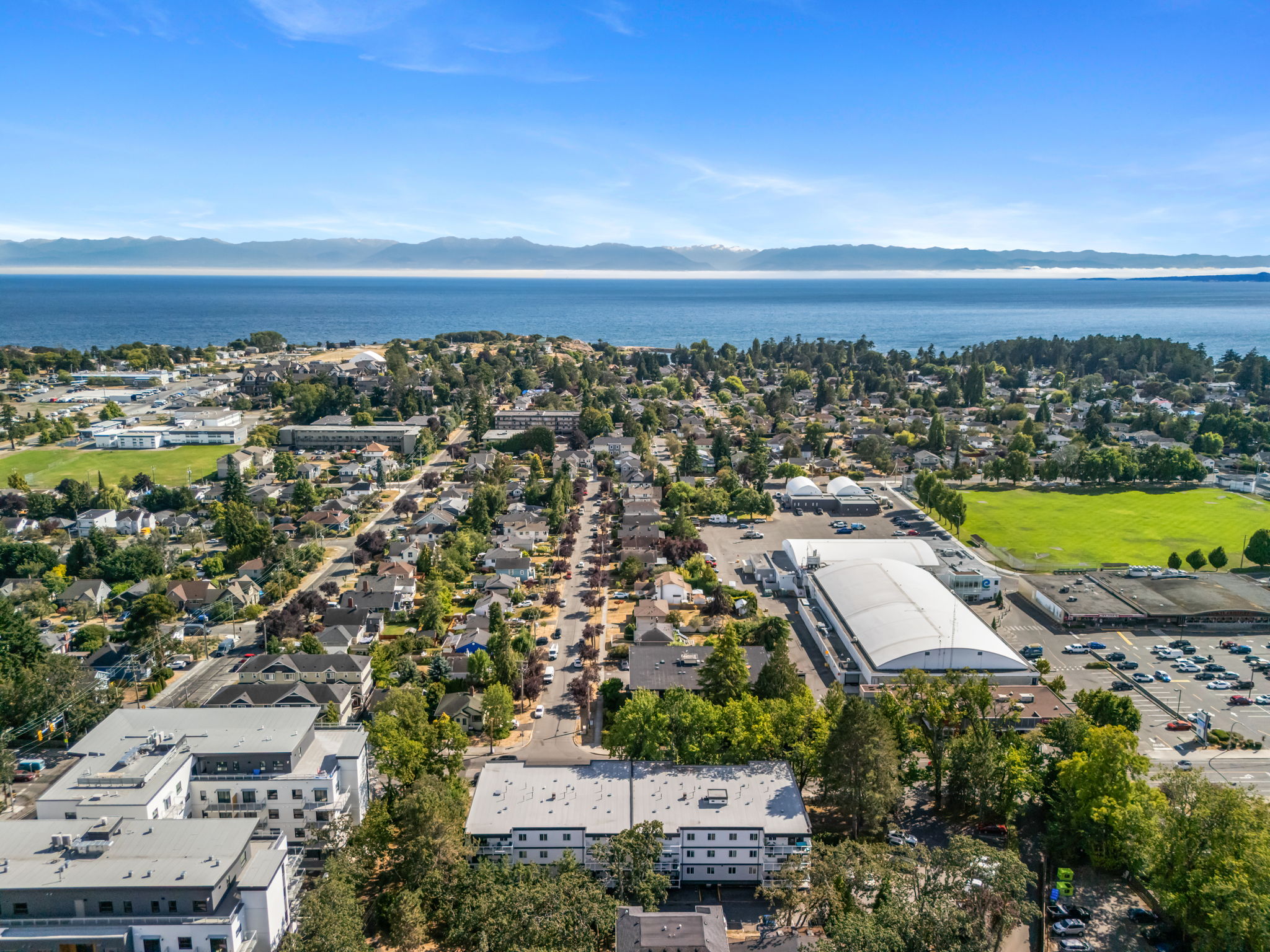
Walkability in Victoria neighbourhoods is not just about being close to a coffee shop. It affects how people live day to day, how much they rely on a car, how connected they feel to their community, and how future buyers may value the home. In Greater Victoria, two homes can look similar on paper but feel completely different once you consider what is nearby. A home close to groceries, schools, parks, transit, medical services, restaurants, and waterfront paths may offer a very different lifestyle than a larger home where every errand requires driving. That is why walkability in Victoria neighbourhoods matters more in some areas than others. Walkability Changes Daily Life A walkable neighbourhood can make ordinary routines easier. Instead of planning every errand around traffic and parking, residents can walk to the grocery store, meet a friend for coffee, take the dog out, or get to a bus stop without much effort. This matters for many types of buyers: First-time buyers who want convenience and lower transportation costs Downsizers who want less driving and easier access to services Families who value parks, schools, and recreation nearby Retirees who want long-term independence Professionals who want an easier commute Investors who want locations with broad rental appeal The City of Victoria notes that walking, rolling, cycling, and public transit all support a more vibrant and sustainable city. As of 2022, 32% of trips by residents in the region to, from, and within the City were made by walking, cycling, or rolling, up from 26% in 2017. That tells us something important. Many buyers are not just shopping for a house. They are shopping for a daily routine. Walkability Matters More in Urban Neighbourhoods In neighbourhoods such as James Bay, Fairfield, Fernwood, Downtown, Vic West, Cook Street Village, and parts of Oak Bay, walkability is often part of the value. Buyers in these areas may expect to walk to cafes, parks, schools, shopping, transit, and community amenities. In these locations, a less walkable property may feel like it is missing one of the main reasons people choose the area in the first place. For example, a buyer looking in James Bay may place high value on being close to the Inner Harbour, Beacon Hill Park, grocery options, restaurants, and downtown. A buyer looking in Fairfield may care about Cook Street Village, Dallas Road, schools, parks, and the ability to live with less reliance on a car. In these neighbourhoods, walkability is not a bonus. It is often part of the lifestyle promise. Walkability May Matter Less When Buyers Prioritize Space In other parts of Greater Victoria, buyers may place more weight on lot size, square footage, garage space, privacy, newer construction, or affordability. Areas of Langford, Colwood, View Royal, Saanich, Central Saanich, and Sooke may attract buyers who are willing to drive more if they can get a larger home, a newer property, more outdoor space, or better value for their budget. That does not mean walkability does not matter. It simply means buyers may weigh it differently. A family buying in the Westshore may care more about: Bedroom count Yard space School catchment Parking Recreation access Newer construction Suite potential Commuting routes However, even in more car-oriented areas, pockets with better access to schools, trails, shops, transit, and recreation often stand out. The Best Neighbourhoods Balance Convenience and Comfort Walkability is not only about distance. It is also about comfort. A home may technically be close to services, but the route may feel unpleasant if it involves busy roads, poor sidewalks, steep hills, limited crossings, or heavy traffic. Good walkability usually includes: Safe sidewalks Comfortable crossings Nearby parks or trails Access to daily services Transit options Lower-traffic residential streets A sense of connection between homes and amenities The City of Victoria describes its transportation vision as “clean, seamless mobility for everyone” and notes that the city is working to provide safe, comfortable, and reliable transportation options for a growing number of residents, visitors, and workers. That is why buyers should think beyond a map search. A five-minute walk on a quiet tree-lined street feels very different from a five-minute walk beside fast-moving traffic. Walkability Can Affect Resale Demand When a property appeals to more people, it often has stronger long-term demand. Walkable homes can attract a wider buyer pool because they work for different stages of life. A young professional, a downsizer, a retiree, or a small family may all see value in being close to daily amenities. This is especially important in Victoria, where many buyers are lifestyle-driven. They are not only comparing bedrooms and bathrooms. They are asking: Can I walk to coffee? Can I get to the ocean or a park easily? Can I live here as I age? Will this location still appeal to future buyers? Can I reduce how often I use my car? Does this neighbourhood feel connected? The stronger the answer, the easier it can be for buyers to understand the value. Walkability Can Also Reduce Hidden Costs A less walkable home may offer more space or a lower purchase price, but buyers should consider the full lifestyle cost. More driving can mean: Higher fuel costs More vehicle wear More parking needs Longer commute times Less convenience Greater dependence on multiple vehicles For some households, those tradeoffs are worth it. For others, they slowly become a frustration. This is especially important for buyers comparing a smaller home in a central location against a larger home farther from services. The larger home may win on space, but the central home may win on time, convenience, and future flexibility. Sellers Should Understand Their Walkability Advantage For sellers, walkability should be part of the marketing story when it is a real strength. Instead of only listing nearby amenities, strong marketing should explain how those amenities improve daily life. For example: “Walk to Cook Street Village for coffee, groceries, and dining.” “Steps from parks, schools, and transit.” “Close to downtown without needing to live in the downtown core.” “Easy access to trails, recreation, and daily services.” “A practical location for buyers wanting less car dependency.” The goal is not to exaggerate. The goal is to help buyers picture the lifestyle. Buyers Should Match Walkability to Their Real Routine Before choosing a neighbourhood, buyers should think carefully about how they actually live. Ask: Where do I go every week? Do I want to walk to groceries, coffee, parks, or the ocean? How often do I commute? Will this location still work in five or ten years? Do I want more space, or more convenience? Would I rather have a larger home or an easier daily routine? The right answer is personal. Some buyers feel happiest in a central, walkable neighbourhood. Others prefer a quieter area with more space and do not mind driving. The mistake is assuming one is always better than the other. Final Thoughts Walkability matters more in some Victoria neighbourhoods because it is tied directly to lifestyle, convenience, resale demand, and long-term flexibility. In central areas, walkability often forms a major part of the neighbourhood’s appeal. In more suburban areas, buyers may prioritize space, privacy, and value, but walkable pockets can still stand out. The best choice is not always the most walkable home. It is the home where location, lifestyle, budget, and future resale value work together. For advice on comparing Victoria neighbourhoods and choosing the right location for your lifestyle, contact Faber Real Estate Group for local guidance before you buy or sell. Rosabianca Q., 5-Star Review, via Google “Zach is awesome, he is very patient and helpful with us. He walked us through the whole processing time. We are grateful with this group. Thank you” Faber Real Estate GroupRoyal LePage Coast Capital Realty📞 250-244-3430📧 [email protected]ℹ️ Scott Faber Personal Real Estate Corporationℹ️ Cal Faber Personal Real Estate CorporationVanessa Wood, Zachary Parsons, and Sophie Taylor“Building Lasting Relationships, One Home at a Time.”
Read more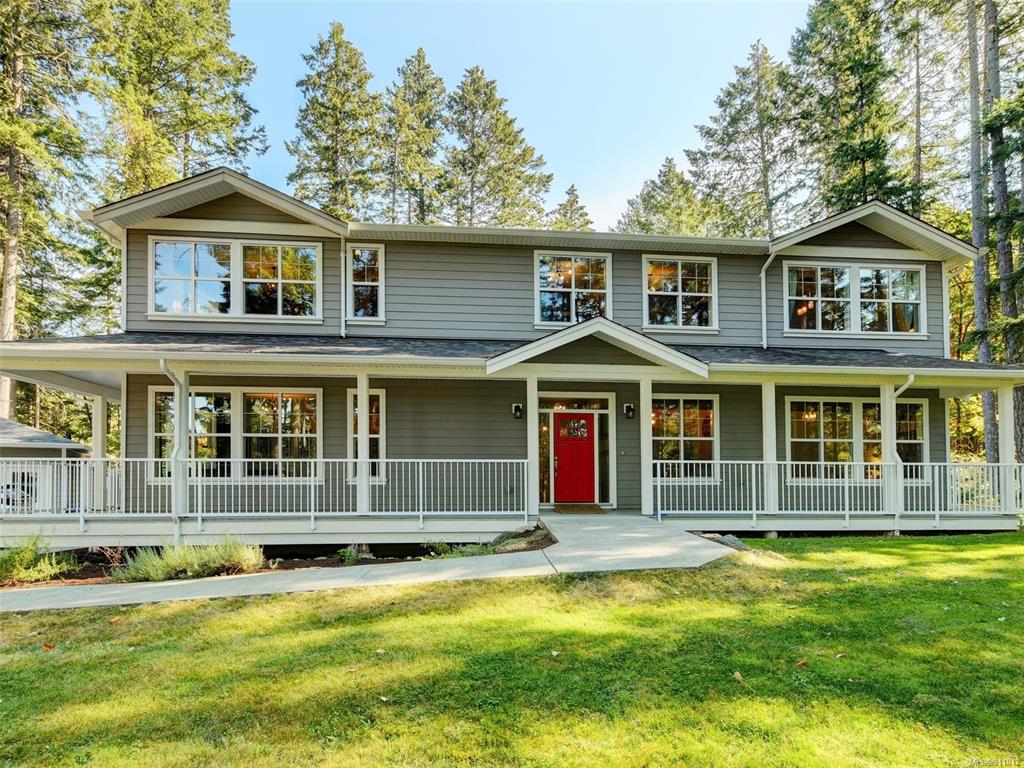
Trying to compare two homes can feel harder than expected when both seem like strong options. One may have the better layout. The other may have the better location. One might feel more emotional, while the other makes more practical sense. That is where buyers can get stuck. The goal is not always to find the “perfect” home. Often, the better goal is to decide which home supports your lifestyle, budget, and long-term plans with the fewest unnecessary compromises. Start With Your Daily Life, Not the Listing Photos A home can show beautifully and still not fit how you actually live. Before comparing finishes, square footage, or staging, ask how each home would affect your normal routine. Think about your commute, school drop-offs, grocery trips, parking, pets, hobbies, guests, work-from-home needs, and weekend lifestyle. A good home should not just impress you during a showing. It should make everyday life easier. Ask yourself: Which home fits our daily routine better? Which location will we appreciate more six months from now? Which home solves the problems we were trying to fix by moving? Which compromises will become annoying over time? Sometimes the better home is not the one that feels more exciting. It is the one that reduces friction in your life. Separate Emotional Value From Market Value Emotion matters in real estate. You are not buying a spreadsheet. You are buying the place where your life will happen. However, emotion should not be the only deciding factor. When you compare two homes, look at each one through three lenses: Personal valueHow well does it fit your lifestyle, needs, and future plans? Market valueDo recent comparable sales support the price? Risk valueAre there repairs, strata concerns, location issues, layout problems, or resale limitations? A home that scores well in all three areas is usually a stronger choice than one that only wins emotionally. Compare the Trade-Offs Clearly Every home has trade-offs. The mistake is pretending they do not exist. One home may offer more space but a longer commute. Another may offer a better neighbourhood but less yard. One may be move-in ready, while the other may need updates but offer better long-term upside. Write the trade-offs down side by side. Compare: Location Price Monthly carrying costs Condition Layout Outdoor space Parking Storage Renovation needs Strata rules, if applicable Future resale appeal Neighbourhood growth or change This helps shift the decision from “Which one do I like more?” to “Which one makes more sense for the life I am trying to build?” Think About Resale Before You Buy Even if you plan to stay for years, resale should still matter. Life changes. Jobs change. Families grow. Priorities shift. A home that works today should also have broad appeal later. When comparing two homes, consider which one future buyers may prefer. Look at location, layout, natural light, parking, school catchments, walkability, noise, strata health, outdoor space, and renovation potential. A quirky feature may feel charming now, but could narrow your buyer pool later. A slightly less exciting home with stronger fundamentals may be easier to sell when the time comes. Do Not Let Small Differences Distract From Big Ones Buyers often get caught comparing details that can be changed, while overlooking things that cannot. Paint colour, light fixtures, cabinet hardware, and landscaping can usually be improved. Location, lot position, natural light, ceiling height, parking, and layout are harder to change. When two homes feel close, separate the fixed features from the flexible ones. Fixed features matter more because they shape long-term value and livability. Use the “Regret Test” This is one of the simplest ways to compare two homes. Ask yourself: “If we bought Home A and Home B sold to someone else, how would we feel?” Then reverse the question. “If we bought Home B and Home A sold to someone else, how would we feel?” Your answer may reveal which home you are more attached to. However, take it one step further. Ask whether that attachment is based on practical fit or short-term emotion. The right choice should feel both exciting and grounded. Know When to Walk Away From Both Sometimes two good options still do not mean either one is the right option. If both homes require you to stretch too far, ignore major concerns, or compromise on your true needs, it may be better to pause. More choice can create pressure, but pressure should not replace good judgement. A disciplined buyer is not just someone who knows when to act. A disciplined buyer also knows when to wait. Final Thoughts When you compare two homes, the best decision usually comes from slowing the process down and looking at lifestyle, value, risk, and resale with clear eyes. The right home should not only feel good during the showing. It should support your life after possession day, protect your budget, and make sense for your long-term plans. If you are deciding between two homes and want a clear second opinion, contact Faber Real Estate Group for advice tailored to your goals, budget, and preferred neighbourhoods. Bokz V., 5-Star Review, via Google “Thank you Cal and Scott for helping us to find our home. Excellent service highly recommended.” Faber Real Estate GroupRoyal LePage Coast Capital Realty📞 250-244-3430📧 [email protected]ℹ️ Scott Faber Personal Real Estate Corporationℹ️ Cal Faber Personal Real Estate CorporationVanessa Wood, Zachary Parsons, and Sophie Taylor “Building Lasting Relationships, One Home at a Time.”
Read more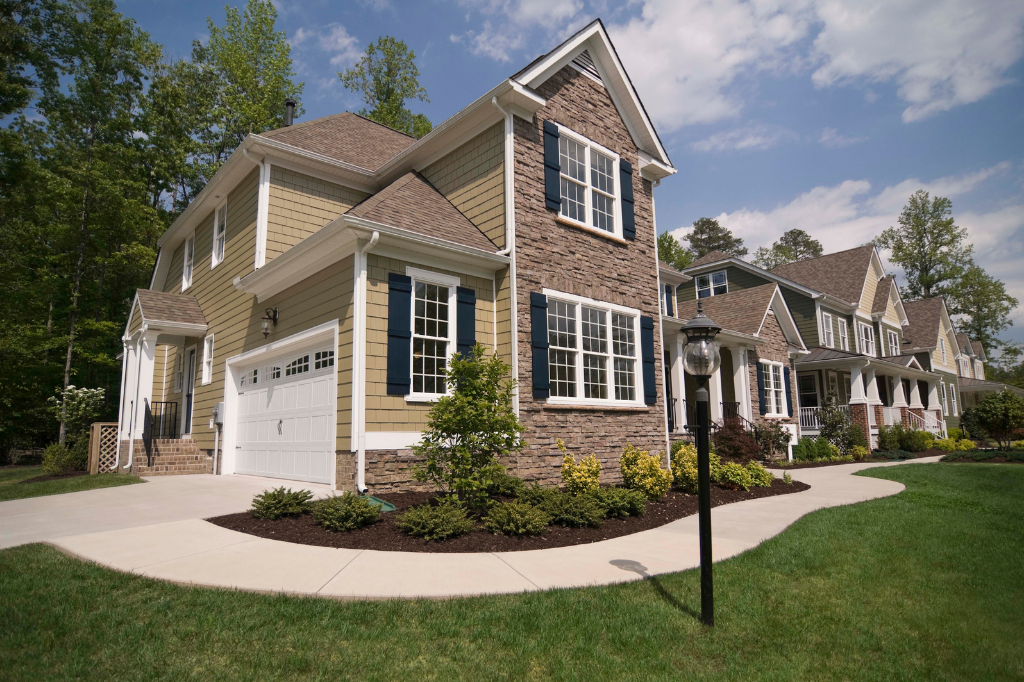
Buyers and sellers market perspective can be completely different, even when both are looking at the same listings, the same sales, and the same local conditions. A buyer may feel prices are still too high. A seller may feel they are already being realistic. A buyer may see more choice and expect negotiation. A seller may remember what homes sold for last year and expect a similar result. Both sides can be partly right. That is what makes real estate emotional. The market is the same, but the experience is different depending on which side of the transaction you are on. In Greater Victoria, where micro-markets can shift by property type, neighbourhood, price range, and condition, understanding this difference can help buyers and sellers make better decisions. Buyers Focus on What They Can Choose Today Buyers usually judge the market based on what is available right now. They compare active listings, price reductions, days on market, condition, location, and value. If they have more homes to choose from, they often feel more patient. They may book several showings, compare options closely, and wait to see if sellers adjust. Buyers tend to ask: What else can I buy for this price? Has this home been sitting? Are there better options nearby? Can I negotiate? Will another listing come up soon? Is this worth the monthly payment? What repairs or upgrades will I need to pay for? A buyer’s view is shaped by choice. If they see multiple homes that feel similar, urgency drops. If they see one rare property that fits their needs perfectly, urgency rises. Sellers Focus on What They Own Sellers see the market through a different lens. They know the work they have put into the home. They remember the renovations, repairs, family milestones, neighbourhood improvements, and the price they were told the home might be worth. Sellers often ask: What did nearby homes sell for? What have we invested into the property? How much do we need for our next move? Why is our home not getting more attention? Why are buyers being so cautious? Are buyers undervaluing the property? Should we wait for a better offer? A seller’s view is shaped by attachment, timing, and financial goals. That does not mean sellers are unrealistic. It means they are emotionally and financially connected to the property in a way buyers are not. Buyers Compare Options. Sellers Compare Outcomes. This is one of the biggest differences. Buyers compare available options. Sellers compare expected outcomes. A buyer may look at three similar homes and choose the one that feels like the best value. A seller may look at a recent sale nearby and believe their home should sell for the same amount. Both comparisons matter, but they are not the same. Sold data shows what buyers were willing to pay in the recent past. Active competition shows what buyers are considering today. If the market has changed, relying only on past sales can create pricing problems. If buyers ignore recent sales completely, they may underestimate fair market value. The best strategy looks at both. Sellers Remember the Peak. Buyers Feel the Payment. Sellers often remember the highest values they heard about during stronger market periods. Buyers often focus on current affordability. This creates tension. A seller may think, “Homes like mine were selling for more before.” A buyer may think, “With today’s mortgage payment, this price does not feel affordable.” Neither side is necessarily wrong. They are just measuring value differently. Sellers often think in terms of price. Buyers often think in terms of monthly cost, repairs, risk, and future flexibility. That is why a home can seem reasonably priced to a seller and still feel expensive to a buyer. More Inventory Changes Buyer Behaviour When buyers have more options, they usually become more selective. They may expect: Better presentation Sharper pricing More complete information Cleaner homes Flexible showing access Stronger negotiation room More time to make decisions For sellers, this can feel frustrating. A seller may think the home should sell because it is good enough. But buyers may compare it against several other homes that are also good enough. In a market with more choice, average homes can get overlooked unless they are clearly priced, presented, and marketed well. Sellers Feel Time Differently Than Buyers Time feels different depending on which side of the transaction you are on. For buyers, time can feel helpful. More time means more listings, more comparison, and less pressure. For sellers, time can feel stressful. More days on market can create doubt, reduce momentum, and make buyers wonder whether something is wrong. This difference affects negotiation. A buyer may think, “The longer it sits, the more leverage we have.” A seller may think, “We just need the right buyer.” Sometimes both are true. But the longer a listing sits without meaningful activity, the more important it becomes to re-evaluate pricing, presentation, and competition. Condition Looks Different to Each Side Sellers often see improvements. Buyers often see future costs. A seller may think about the renovated bathroom, newer flooring, or updated appliances. A buyer may notice the older roof, aging windows, dated electrical panel, or drainage concerns. This is not because buyers are trying to be difficult. Buyers are calculating what ownership will cost after completion. They may be thinking about: Immediate repairs Insurance Renovation costs Maintenance Strata fees Future resale Monthly affordability Emergency savings A seller may see pride of ownership. A buyer may see a list of upcoming expenses. Good marketing and preparation help close that gap by showing buyers what has been done, what is in good condition, and what value the home offers. Buyers Price in Risk Buyers often reduce what they are willing to pay when they sense uncertainty. That uncertainty may come from: Limited property information Deferred maintenance Unclear permits Weak strata documents High strata fees Poor inspection results Awkward layout Busy road exposure Future development nearby Longer days on market Sellers may see these as small issues. Buyers may see them as reasons to negotiate. This is why transparency matters. When buyers understand a property clearly, they can make stronger decisions. When they feel uncertain, they usually either discount the price or walk away. Sellers Price in Emotion Sellers naturally attach meaning to their home. They remember what the home has meant to them, not just what it offers to the next buyer. That emotional connection can make it harder to accept market feedback. A buyer’s lower offer may feel insulting. A showing with no feedback may feel personal. A price reduction may feel like losing value. But the market is not judging the seller’s memories. It is judging the property’s current appeal compared with other options. That distinction is important. A home can be loved and still need a price adjustment. Negotiation Feels Different on Each Side Buyers often see negotiation as risk management. Sellers often see negotiation as value protection. A buyer may ask for a lower price because they see repairs, uncertainty, or competing options. A seller may resist because they feel the home is worth more or because they need a certain number for their next step. This can create a gap. The best negotiations focus on facts: Comparable sales Active competition Property condition Inspection results Days on market Buyer demand Seller timing Terms beyond price When both sides move away from emotion and toward evidence, the conversation becomes more productive. A Balanced Market Can Feel Different to Everyone A balanced market does not mean every buyer and seller feels balanced. A seller with a highly desirable home in a low-supply neighbourhood may still experience strong demand. A buyer shopping in a competitive price range may still face pressure. A seller with a dated home competing against newer options may feel the market is slow. A buyer shopping a higher price point with more inventory may feel they have leverage. This is why broad market labels can be misleading. There is no single Greater Victoria market experience. There are many smaller markets happening at the same time. Why Expectations Matter Many real estate problems begin with mismatched expectations. Sellers may expect: More showings Faster offers Less negotiation Higher prices Buyers to overlook minor issues Buyers may expect: Big discounts Perfect condition Sellers to negotiate quickly More leverage than they actually have Every listing to be overpriced Both sides can misread the market when they rely on assumptions instead of evidence. The better approach is to ask, “What is the current market telling us?” What Sellers Can Do Sellers can improve their position by focusing on what they can control. That includes: Pricing based on current competition Preparing the home properly Making showings easy Using strong photography and marketing Reviewing feedback honestly Responding quickly when activity slows Understanding buyer affordability Separating personal attachment from market value A seller does not need to give the home away. But they do need to compete with the homes buyers can choose today. What Buyers Can Do Buyers can improve their position by staying realistic. That includes: Understanding recent comparable sales Watching active competition Knowing when a home is truly well priced Avoiding low offers without a strategy Getting financing ready early Considering resale value Understanding repair costs Acting decisively when the right home appears More choice does not mean every seller is desperate. A buyer still needs to recognize quality when it appears. The Market Does Not Care Who Is Right Real estate decisions get better when buyers and sellers stop trying to prove who is right and start looking at what the market is actually doing. If a listing is getting strong showings and offers, the market is responding. If buyers are not booking showings, the market is hesitating. If similar homes are selling and yours is not, the market is making a comparison. If a buyer keeps losing homes, the market may be stronger than they think. The market gives feedback. The best decisions come from listening to it. Final Thoughts Buyers and sellers see the same market differently because they are experiencing different pressures. Buyers are trying to protect affordability, avoid risk, and choose wisely. Sellers are trying to protect value, manage timing, and move forward with confidence. Neither side is wrong for seeing the market through their own lens. But the best results happen when both sides understand the other perspective and make decisions based on evidence, not emotion. If you are buying or selling in Greater Victoria and want a clearer view of what the market is really saying, contact Faber Real Estate Group for practical advice tailored to your next move. Scott L., 5-Star Review, via Google “I had the pleasure of working with the Faber Group to sell my house, and I couldn't be more pleased with the experience. Cal and Scott from the Faber Group provided exceptional service from start to finish. Their expertise and guidance were instrumental in preparing my home for sale, ensuring it was presented in the best possible light for maximum return on investment. They demonstrated a deep understanding of the market, strategically timing the listing to attract the right buyers." Faber Real Estate Group Royal LePage Coast Capital Realty 📞 250-244-3430 📧 [email protected] ℹ️ Scott Faber Personal Real Estate Corporation ℹ️ Cal Faber Personal Real Estate Corporation Vanessa Wood, Zachary Parsons, and Sophie Taylor “Building Lasting Relationships, One Home at a Time.”
Read more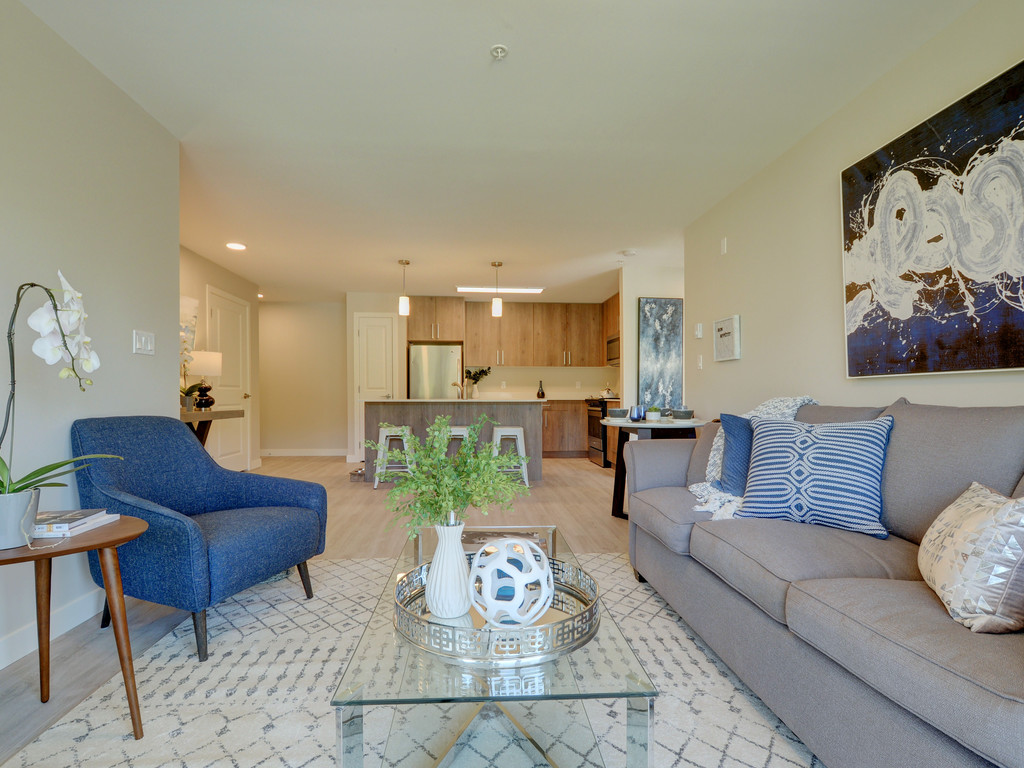
A home with rental income potential can be one of the smartest ways to improve affordability and build long-term wealth. For many buyers in Greater Victoria, a suite, carriage home, or rentable space can help offset mortgage costs while creating future flexibility. However, not every property advertised as a “mortgage helper” is equal. Some generate strong income. Others create headaches, vacancy risk, or renovation costs. Before buying, it helps to evaluate the property like both a homeowner and an investor. 1. Start With the Real Rental Income Do not rely only on optimistic listing comments. Instead, ask: What similar suites are actually renting for nearby? Is the rental market stronger for one-bedroom, two-bedroom, or furnished units? What utilities are included? Is there parking? Is the area attractive to students, professionals, or families? In areas near University of Victoria or Camosun College, rental demand may differ from suburban family-focused areas. 2. Confirm If the Suite Is Legal or Existing Non-Conforming This is one of the biggest issues buyers miss. A suite may be: Fully permitted and legal Existing but not currently compliant Unauthorized Added without permits Missing fire separation or safety requirements That matters for insurance, financing, resale, and future renovations. Always review municipal zoning, permits, and disclosures carefully. 3. Look at Separate Access and Privacy The best rental setups work well for both owner and tenant. Strong layouts often include: Private entrance Separate laundry or clear laundry access Sound separation Dedicated parking Outdoor space separation Good bedroom window placement If the owner and tenant feel like they live on top of each other, turnover can be higher. 4. Understand Monthly Carrying Costs A home with rental income potential should be measured by net benefit, not gross rent. Review: Mortgage payment difference Property taxes Insurance premiums Utilities Maintenance reserves Vacancy allowance Property management if needed Sometimes an extra $2,000 in rent feels strong until real carrying costs are included. 5. Evaluate Tenant Demand by Location Not every area rents equally. Generally stronger rental demand can come from proximity to: Transit routes Employment centres Schools and universities Shopping and services Hospitals Downtown access A beautiful suite in an inconvenient location may underperform. 6. Think About Future Flexibility Rental income is useful, but life changes. Ask: Could parents use the suite later? Could adult children live there? Could it become a home office? Would the next buyer value the same setup? The best income properties often have multiple future uses. 7. Review Noise, Construction Quality, and Livability Tenants pay rent monthly. They also leave monthly if the space feels poor. Watch for: Low ceilings Poor natural light No storage Weak soundproofing Moisture issues Limited heating or cooling Good tenant experience often equals better long-term income. Smart Buyer Question to Ask Instead of asking: “How much rent can I get?” Also ask: “How stable, legal, and sustainable is this income?” That question protects buyers. Final Thought A home with rental income potential can reduce ownership costs and improve buying power, but only if the numbers, layout, legality, and location make sense. The best mortgage helper is not just extra income. It is income that remains dependable and adds resale value later. If you are considering a suite property or investment-focused purchase in Greater Victoria, contact Faber Real Estate Group for strategic local guidance. Hendri E., 5-Star Review, via Google “We had a fantastic experience working with Cal and Scott. They provided a truly personalized service, taking the time to understand exactly what our needs were and guiding us through every step of the process. What really stood out was how they went above and beyond—we felt fully supported from start to finish. Highly recommended!” Faber Real Estate GroupRoyal LePage Coast Capital Realty📞 250-244-3430📧 [email protected]ℹ️ Scott Faber Personal Real Estate Corporationℹ️ Cal Faber Personal Real Estate CorporationVanessa Wood, Zachary Parsons, and Sophie Taylor“Building Lasting Relationships, One Home at a Time.”
Read more
For many buyers, living outside of town can feel like the practical answer. Prices may be lower, homes may be larger, and the pace can feel calmer. However, the pros and cons of living outside of town deserve a closer look before making the move. A home is not only a purchase price. It is also a daily lifestyle choice. The Pros of Living Outside of Town 1. More Space for the Money Buyers often look farther from the core because they can find more home, more yard, or a newer property within the same budget. This can be especially appealing for families, pet owners, remote workers, or anyone who wants extra room to grow. 2. A Quieter Lifestyle Outside-town living can offer more privacy, less traffic noise, and a slower pace. For some buyers, that peace is worth more than being close to downtown. 3. Better Access to Nature Many communities outside the urban core offer easier access to trails, lakes, beaches, parks, and outdoor recreation. That lifestyle can be a major reason people choose areas like the Westshore, Sooke, Metchosin, or the Peninsula. 4. Strong Long-Term Appeal As Greater Victoria grows, some outside-town areas continue to attract buyers who want space and relative affordability. If infrastructure, amenities, and transportation improve, long-term demand can strengthen. The Cons of Living Outside of Town 1. Longer Commutes The biggest trade-off is usually time. A longer drive can affect mornings, evenings, childcare, school routines, and overall flexibility. Even if the commute seems manageable during showings, it may feel different after several months. 2. Higher Transportation Costs Living farther out can increase fuel costs, vehicle wear and tear, insurance use, parking needs, or the need for a second vehicle. A lower mortgage payment may not feel as low once transportation costs are included. 3. Fewer Nearby Amenities Some areas have fewer restaurants, shops, medical services, recreation options, or transit routes nearby. That does not matter to every buyer, but it can affect day-to-day convenience. 4. Resale Can Depend on Market Conditions When the market is active, buyers may stretch farther for space. When the market slows, some buyers refocus on convenience, walkability, and commute time. That means resale demand can vary more by location, property type, and local amenities. The Smart Way to Decide Before buying outside of town, compare the full lifestyle cost, not just the purchase price. Ask yourself: How often will I commute? Will we need another vehicle? How close are schools, parks, stores, and services? Will this location still work in five years? How broad will the resale buyer pool be? Final Thought The pros and cons of living outside of town come down to trade-offs. You may gain space, privacy, and value, but you may give up time, convenience, and some resale flexibility. The right choice is not about town versus outside town. It is about which location supports your life, budget, and long-term plans best. If you are comparing neighbourhoods across Greater Victoria and want help weighing lifestyle, commute, and resale value, contact Faber Real Estate Group for local guidance. Doug F., 5-Star Review, via Google “The way the sale/transaction/personal service of this Firm is 100%. They returned calls promptly, got me information when asked and even helped me move heavy furniture with a smile.” Faber Real Estate GroupRoyal LePage Coast Capital Realty📞 250-244-3430📧 [email protected]ℹ️ Scott Faber Personal Real Estate Corporationℹ️ Cal Faber Personal Real Estate CorporationVanessa Wood, Zachary Parsons, and Sophie Taylor“Building Lasting Relationships, One Home at a Time.”
Read more
Resale value when buying a home matters because life can change faster than expected. Even if you plan to stay for years, your future needs may look different. Jobs change. Families grow. Interest rates move. Renovation plans shift. A home that works today should also give you options later. Thinking about resale does not mean you are planning to leave. It means you are buying with your future in mind. In Greater Victoria, where affordability is tight and every purchase needs careful thought, resale value when buying a home should be part of the decision from the beginning. Resale Is About Flexibility Many buyers focus on whether a home works for their current life. That matters. However, the strongest purchase decisions also consider how the home may appeal to future buyers. A home with strong resale value may be easier to: Sell Rent Refinance Renovate strategically Hold long-term Adapt as life changes A home with limited resale appeal may still be worth buying. However, the price should reflect that risk. The goal is not to find a perfect property. The goal is to understand how easy or difficult the property may be to move on from later. Most Buyers Do Not Know Their Exact Timeline It is common for buyers to say, “We will be here for at least ten years.” Sometimes that happens. Sometimes it does not. Plans can change because of: Job relocation Growing family needs Downsizing Health changes School priorities Relationship changes Financial pressure Renovation fatigue A better opportunity elsewhere This is why resale matters, even when your intentions are long-term. A home should work for today, but it should not limit your options tomorrow. Location Still Carries the Most Weight Location is one of the biggest drivers of resale value. You can update paint, flooring, appliances, lighting, and landscaping. You cannot change where the property sits. Strong resale locations often have: Good access to amenities Reasonable commute options Nearby schools Parks and trails Transit access Walkability Lower noise exposure Consistent buyer demand In Greater Victoria, location can change block by block. A few minutes can affect walkability, views, traffic noise, school access, and long-term appeal. That is why buyers should avoid choosing a home based only on price, square footage, or bedroom count. Layout Matters More Than Buyers Realize A home’s layout can have a major impact on resale. Some homes look great online but feel awkward in person. Others may not photograph perfectly, yet they live very well. Future buyers usually respond well to: Functional main living areas Good natural light Practical bedroom placement Useful storage Clear entry space Indoor-outdoor flow A workable kitchen layout Enough bathrooms for the home size Flexible space for work, guests, or hobbies Choppy layouts, small bedrooms, steep stairs, low ceilings, and awkward additions can shrink the buyer pool later. A strange layout is not always a deal-breaker. Still, it should be reflected in the price. Avoid Buying Only for Your Current Lifestyle It is easy to fall in love with a home that fits one specific season of life. That could be: A downtown condo with no parking A rural property with a long commute A home with too many stairs A steep driveway A tiny yard A layout that only works for one lifestyle These homes can still be the right choice. However, buyers should understand how future buyers may view the same features. Before buying, ask: Who else would want this home? Would a young family consider it? Would downsizers consider it? Would first-time buyers consider it? Would investors consider it? Would future buyers see the same benefits I see? A broader buyer pool usually supports stronger resale. Condition Affects Future Value A home does not need to be fully renovated to have good resale appeal. In fact, a dated home can be a great purchase if the fundamentals are strong. However, buyers should be careful with major condition concerns. Pay attention to: Roof age Drainage Foundation concerns Windows Heating system Electrical updates Plumbing Moisture concerns Exterior maintenance Decks and retaining walls Signs of unpermitted work Cosmetic issues may create opportunity. Major unresolved problems can make the home harder to sell later. Condos and Townhomes Need Resale Review Too Condo and townhome buyers should think about resale just as carefully as detached home buyers. Future value depends on more than the unit itself. Buyers should review: Building reputation Strata fee levels Contingency reserve fund health Depreciation report planning Insurance history Special levy risk Pet bylaws Rental bylaws Parking Storage Noise transfer Natural light Unit layout A cheaper condo may not be the better long-term purchase if the building has weak planning, high fees, or poor resale demand. On the other hand, a well-run building with a practical layout can hold strong appeal, even if the finishes are not brand new. Future Supply Can Affect Resale Buyers should also think about what may be built nearby. This matters in growing areas such as Langford, Colwood, Saanich, and parts of Victoria. New supply can be positive. It can bring more amenities, better services, and more neighbourhood energy. However, it can also create competition if many similar homes come to market at the same time. For condos, ask: How many similar units are nearby? Are more buildings planned? Is this unit meaningfully different? Does it have better parking, views, layout, or outdoor space? Would future buyers choose this resale unit over new construction? When future supply is high, uniqueness matters more. Resale Should Influence What You Pay A property with weaker resale appeal may still be worth buying at the right price. The problem happens when buyers pay a premium for a home with limited future demand. Resale concerns may include: Busy road exposure Poor layout Limited parking Weak natural light High strata fees Special levy concerns Awkward access Too many stairs Unusual design choices Over-improvement for the neighbourhood A limited buyer pool None of these issues automatically make a home a bad purchase. They simply mean the buyer should price the risk properly. The Best Homes Give You Options A strong purchase gives you choices. It may allow you to: Stay long-term Sell without major difficulty Rent the property if needed Renovate over time Refinance with confidence Appeal to multiple future buyer groups That is the real reason resale matters. You are not just buying a place to live. You are buying flexibility. Questions to Ask Before Writing an Offer Before committing to a home, ask: Who is the likely future buyer for this property? What features will help it stand out later? What features may limit demand? Is the location likely to remain desirable? Is the layout broadly functional? Are there future repairs that may affect resale? Is the price fair given the resale strengths and weaknesses? Is there too much similar supply nearby? Could this home still work if my plans change? These questions do not remove emotion from the process. Instead, they help balance emotion with strategy. Final Thoughts Thinking about resale before you buy is not negative. It is responsible. The right home should work for your life today while still giving you options in the future. In Greater Victoria, where pricing, neighbourhoods, inventory, and buyer demand can vary widely, resale should be part of every serious purchase decision. A home does not need to be perfect to be a good buy. However, buyers should understand what will help or hurt future demand before they write an offer. If you are trying to decide whether a property is a strong long-term fit, contact Faber Real Estate Group for local advice before you make your next move. Ana V., 5-Star Review, via Google “Working with Scott to find a home has been a positive experience. He took the time to understand what I was looking for and was always patient and responsive navigating through the process. He was always available to answer questions, provide honest insights, and guide me through every step. I highly recommend Scott to anyone looking for a dedicated and reliable realtor.” Faber Real Estate Group Royal LePage Coast Capital Realty 📞 250-244-3430 📧 [email protected] ℹ️ Scott Faber Personal Real Estate Corporation ℹ️ Cal Faber Personal Real Estate Corporation Vanessa Wood, Zachary Parsons, and Sophie Taylor “Building Lasting Relationships, One Home at a Time.”
Read more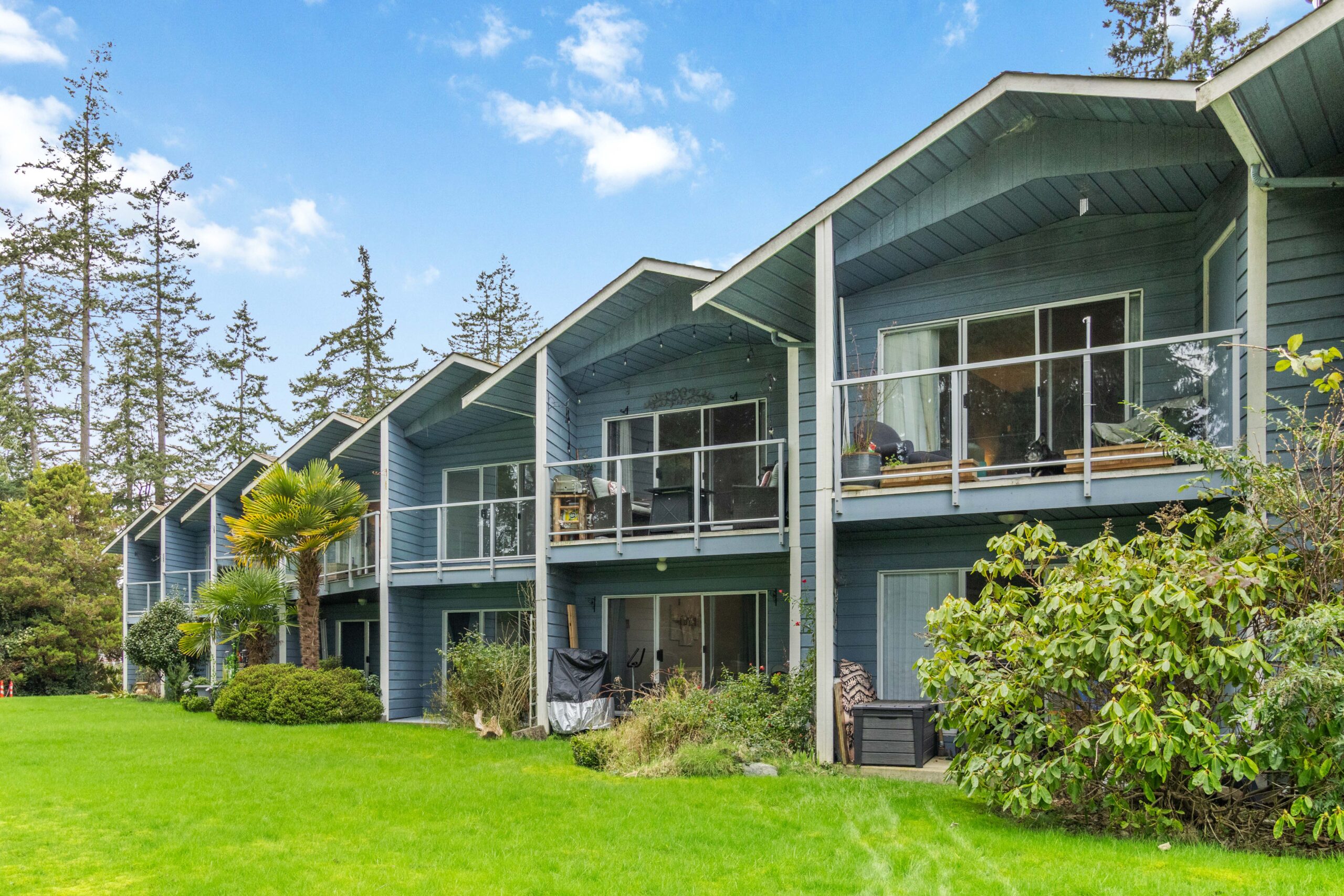
A good deal vs cheap house can look similar at first. Both may have a lower price, attract attention, and feel like an opportunity. However, in real estate, the cheapest home is not always the smartest buy. For buyers in Greater Victoria, this difference matters. A lower price can help with affordability, but it can also hide risk. Before you move forward, you need to understand the full picture. The goal is not to buy the cheapest home. The goal is to buy the right home at the right price. A Cheap House Starts With Price A cheap house usually stands out because it costs less than similar homes. That may happen because of: Major repairs An awkward layout A weaker location Deferred maintenance Limited parking Financing concerns Insurance concerns Low buyer demand Sometimes, a cheap house is a real opportunity. Other times, the price simply reflects the risk. So, before assuming it is a bargain, ask why the property is cheaper. A Good Deal Starts With Value A good deal is different. A good deal means the home offers strong value for the price and risk involved. It may not be perfect, but the trade-offs should be clear and manageable. A good deal may include: A fair or below-market price A strong location Manageable repairs Good resale appeal A practical layout Solid building fundamentals Less buyer competition This is where the good deal vs cheap house distinction becomes important. A low price gets attention. Strong value protects you. Cheap Can Become Expensive A lower purchase price can feel like a win. However, major repairs can quickly change the numbers. Buyers should look closely at: Roof age Drainage Plumbing Electrical systems Foundation concerns Oil tank risk Water ingress Strata documents Upcoming special levies For example, saving money on the purchase price may not help if the home needs expensive repairs right away. This is especially true with older homes in Greater Victoria. Some have been well maintained. Others may need more work than buyers expect. Location Still Matters A cheaper home in the wrong location may not be the better deal. Location affects: Resale demand Walkability Commute times School access Noise Rental appeal Future buyer interest You can update flooring, paint, and cabinets. You cannot move a home away from a busy road, poor exposure, or limited access. As a result, a well-priced home in a stronger location can be a better long-term decision than a cheaper home with location challenges. Potential Is Not the Same as Value Many buyers see a dated home and think, “This has potential.” Sometimes, that is true. Cosmetic issues can create an opportunity if the home has good bones. However, cosmetic work is very different from serious risk. Be careful with homes that may have: Structural issues Moisture problems Poor renovations Old wiring Plumbing concerns Permit issues Building envelope problems A good deal has problems you can understand and price properly. A cheap house often has problems buyers underestimate. The Home Still Needs to Fit Your Life A home can be affordable and still be the wrong fit. Before buying, ask: Will the commute work? Does the layout fit your lifestyle? Can you afford the repairs? Do you have time for renovations? Will the home still work in five years? Are you choosing it because it is right, or because it is cheaper? A cheap house can become stressful if it forces too many compromises. Therefore, the right deal should support your life, not just your budget. Inspections Help Clarify Risk A home inspection does not make a property good or bad. Instead, it helps you understand what you are buying. After inspection, separate issues into three groups: Normal maintenance Negotiation items Serious risks Normal maintenance may include small repairs or aging finishes. Negotiation items may affect price or terms. Serious risks may involve safety, financing, insurance, structure, or moisture. If the issues are manageable, the home may still be a good deal. If the repair list grows quickly, the cheap price may not tell the full story. Strata Buyers Need Extra Caution For condos and townhomes, price can be misleading. A lower-priced strata property may come with: High strata fees Weak contingency planning Upcoming special levies Insurance concerns Rental restrictions Pet restrictions Deferred maintenance Poor resale appeal Because of this, a cheap condo is not automatically a good entry point into the market. A strong condo deal should include a fair price, sound building management, reasonable fees, a practical floor plan, and healthy resale demand. Final Thoughts The difference between a good deal and a cheap house is simple. A cheap house has a low price. A good deal has strong value. Before writing an offer, look beyond the list price. Consider the location, condition, repair costs, financing, lifestyle fit, and resale potential. That is how buyers make better decisions in Greater Victoria’s real estate market. If you are trying to decide whether a home is a true opportunity or just a cheaper property with hidden problems, contact Faber Real Estate Group for advice before you write an offer. Michael B., 5-Star Review, via Google “Excellent experience with Faber group! Zach is an amazing young professional, he is very knowledgeable and explained everything to me (a first time buyer) very well. Towards the end I got to work with Cal as well who was also very kind and professional. I would certainly recommend Faber group.” Faber Real Estate GroupRoyal LePage Coast Capital Realty📞 250-244-3430📧 [email protected]ℹ️ Scott Faber Personal Real Estate Corporationℹ️ Cal Faber Personal Real Estate CorporationVanessa Wood, Zachary Parsons, and Sophie Taylor“Building Lasting Relationships, One Home at a Time.”
Read more
Showings slowing down can feel discouraging, especially if your home launched with strong activity and then suddenly went quiet. For sellers, fewer showings often raise the same question: is something wrong with the listing, the price, the market, or the home itself? The answer depends on timing. A slow week does not always mean your listing is failing. But if showing activity drops and stays low, it is usually a signal that buyers are hesitating. The key is to understand why before making the wrong adjustment. In Greater Victoria, where buyers can be selective when inventory gives them more choice, sellers need to respond with strategy, not panic. First, Do Not Overreact to One Quiet Week Every listing has a natural rhythm. The first week or two often brings the most attention because the property is new. Active buyers, agents, and saved searches notice it right away. After that first wave, activity may slow. That does not automatically mean the home is overpriced. Showings can be affected by: Weather Long weekends School schedules Interest rate news Competing new listings Buyer fatigue Seasonal timing Local events Poor showing availability A sudden increase in similar inventory Before making a major change, look at the pattern. One quiet stretch is different from three weeks of steady decline. Understand What Slower Showings Usually Mean When showings slow down, the market may be sending one of several messages. It may mean: Buyers think the price is high The listing photos are not creating enough interest The home is competing against stronger options The property is not easy to show The location or layout narrows the buyer pool The home needs better presentation Buyers are waiting for a price adjustment The listing has lost new-listing momentum The mistake is assuming every slowdown has the same cause. Sometimes the price needs to change. Sometimes the marketing needs to improve. Sometimes the home needs better preparation. Sometimes the listing simply needs a fresh strategy to reach the right buyers. Review the Price Against Today’s Competition Pricing is not only about what your home is worth in theory. It is also about what else buyers can choose right now. If showings slow down, review your active competition. Ask: What else is available in the same price range? Are similar homes offering more space, better updates, or stronger locations? Have competing listings reduced their price? Are buyers choosing newer homes, better layouts, or better condition? Is your home priced against sold data from a stronger market? Are you competing with homes that have sat and already adjusted? Sellers often focus on what recently sold. Buyers focus on what they can buy today. That difference matters. Look at the Listing Through a Buyer’s Eyes When you live in a home, you see its memories, improvements, and potential. Buyers see comparison. They ask: Is this worth the price? What work does it need? How does it compare to the next home? Can I move in comfortably? Will I need to spend money right away? Does the home feel better in person than online? Is there a reason this has not sold yet? If showings are slowing down, step back and look at the listing the way a buyer would. Not emotionally. Practically. The goal is not to criticize the home. The goal is to understand the buyer’s hesitation. Study Online Engagement Before buyers book a showing, they usually interact with the listing online. If online views are strong but showings are low, buyers may be interested but not convinced enough to visit. If online views are weak, the issue may be exposure, presentation, price positioning, or the listing’s ability to stand out. Review: Listing views Saves or favourites Click-through activity Showing requests Open house traffic Agent inquiries Time on market compared with similar listings A listing can fail quietly online before it ever fails in person. If the photos, headline, description, or price do not create enough urgency, buyers may simply move on. Pay Close Attention to Showing Feedback Showing feedback is not perfect, but patterns matter. One buyer’s opinion may not mean much. Five buyers saying the same thing should get your attention. Look for repeated comments about: Price Condition Layout Odour Lighting Privacy Noise Parking Stairs Yard usability Needed updates Strata fees Competing options Feedback can be uncomfortable, but it is useful. Buyers are not always right, but they are the market. If the same concern keeps coming up, your strategy should respond to it. Make the Home Easier to Show Sometimes showings slow down because the home is difficult to access. Buyers may skip a property if showing windows are too limited, notice requirements are too long, tenants are difficult to coordinate with, or the home is not available during peak times. If your home is on the market, convenience matters. Consider: Allowing more flexible showing times Reducing unnecessary notice requirements Keeping the home showing-ready Making open houses easier to host Avoiding too many blocked-out times Ensuring pets are managed during showings Making access instructions simple The easier a home is to show, the more chances it has to sell. A great listing can lose momentum if buyers cannot get in when they are ready. Refresh the Presentation If activity slows, small presentation changes can help. This does not always mean major staging or expensive renovations. Often, the goal is to remove friction and make the home feel easier to imagine. Consider: Decluttering key rooms Improving lighting Cleaning windows Touching up paint Removing worn mats or tired decor Improving curb appeal Rearranging furniture Adding simple staging pieces Reducing personal items Making storage areas feel organized Buyers do not need perfection. They need confidence. A home that feels clean, cared for, and easy to move into can regain attention. Revisit the Photos and Listing Description Sometimes the home is better than the listing makes it look. If showings slow down and feedback from visitors is positive, the issue may be the online presentation. Ask: Do the photos show the strongest features first? Is the floor plan easy to understand? Is the lighting flattering? Are outdoor spaces shown clearly? Does the description explain the lifestyle and value? Are important upgrades mentioned? Does the listing sound generic? Are the best features buried too low? A listing needs to create a reason for buyers to book a showing. If the home has strong features but they are not obvious online, refresh the marketing before assuming the market is rejecting the property. Consider a New Marketing Angle Not every property should be marketed the same way. If the first wave of buyers does not respond, your listing may need a sharper message. For example: A family home should highlight layout, schools, storage, yard, and daily function A condo should highlight building strength, strata health, parking, storage, and lifestyle A downsizer-friendly home should highlight main-level living, low maintenance, and convenience An investor-friendly property should highlight rental potential, flexibility, and location A renovation opportunity should highlight lot, layout, location, and upside Sometimes the issue is not the home. It is that the wrong buyer story is being told. Know When a Price Adjustment Is the Right Move Price reductions can work when they are strategic. They should not be treated as a failure. In a market where buyers have options, price adjustments are often part of aligning with current demand. A price change may be worth considering if: Showings have dropped significantly Feedback repeatedly mentions price Similar homes are selling while yours sits Competing listings offer more value Online views are high but showing requests are low The home has been passed over by active buyers There are no serious second showings or offers The original price was based on optimistic expectations The goal of a price adjustment is not just to lower the price. The goal is to reposition the listing where buyers take action. A small reduction may not be enough if it does not change how buyers see the home. Do Not Chase the Market Down Slowly One of the biggest seller mistakes is making small, hesitant adjustments after the market has already moved. If a home sits too long, buyers may start to assume there is a problem. The listing can become stale. A late reduction may not create the same excitement it would have created earlier. If a price adjustment is needed, it should be meaningful enough to create renewed attention. The question should be: “What price will make buyers reconsider this property?” Not: “What is the smallest reduction we can tolerate?” Compare Against Sold Listings and Active Listings A strong pricing review should look at both sides of the market. Sold listings show what buyers recently accepted. Active listings show what buyers are comparing you against now. Pending listings, when available, can also help reveal where demand is actually moving. Your pricing strategy should consider: Similar homes that sold Similar homes that did not sell Current active competition Recent price reductions Days on market Condition differences Location differences Buyer feedback Showing trends Pricing is not static. It must respond to what buyers are doing now. Avoid Blaming Buyers When showings slow down, it is easy to say buyers are unrealistic. Sometimes buyers do have high expectations. But if multiple buyers are choosing other homes or not booking showings, the listing needs to adjust to the market. That adjustment may be price, presentation, access, marketing, or expectations. The seller’s job is not to convince every buyer. It is to position the property so the right buyer sees the value. What Not to Do When Showings Slow Down Avoid these common mistakes: Ignoring feedback Waiting too long to adjust Making tiny price reductions with no strategy Refusing to improve presentation Assuming more time will solve everything Comparing only to the highest recent sale Blaming the market without studying the competition Making showings difficult Changing marketing without reviewing price Reducing price without improving presentation A slow listing needs diagnosis, not guesswork. A Simple Seller Checklist If showings slow down, review the following: Has the market changed since launch? What new competition has appeared? Are similar homes selling? What feedback keeps repeating? Are showings easy to book? Does the home show well in person? Does the online listing create enough interest? Is the price aligned with today’s options? Is the marketing speaking to the right buyer? Would a buyer choose this home over the competition? This checklist helps sellers move from emotion to action. Final Thoughts When showings slow down, the worst response is to do nothing and hope the market changes. The best response is to diagnose the issue clearly. Sometimes the solution is a price adjustment. Sometimes it is better presentation, improved access, stronger marketing, or a clearer buyer story. In many cases, it is a combination of several small changes that help the listing regain momentum. A slower showing pattern is not always bad news. It is information. Used properly, that information can help sellers make smarter decisions and improve their chances of a successful sale. If your home is listed and showings have slowed down, contact Faber Real Estate Group for a practical review of your pricing, presentation, and marketing strategy. David M., 5-Star Review, via Google “Scott was a fantastic realtor—hardworking, knowledgeable, and truly dedicated to his clients. His expertise and great connections made the entire process smooth and stress-free. He went above and beyond to ensure everything was taken care of, and I couldn’t be happier with the results. I highly recommend Scott to anyone looking for a realtor.” Faber Real Estate Group Royal LePage Coast Capital Realty 📞 250-244-3430 📧 [email protected] ℹ️ Scott Faber Personal Real Estate Corporation ℹ️ Cal Faber Personal Real Estate Corporation Vanessa Wood, Zachary Parsons, and Sophie Taylor “Building Lasting Relationships, One Home at a Time.”
Read more
Langford density has become one of the biggest real estate conversations on the Westshore. For some people, the growth feels exciting. More housing, more restaurants, more services, and more energy. For others, it feels like the city is changing faster than the roads, schools, parks, and infrastructure can keep up. The real answer is not simply yes or no. Langford is becoming denser. The better question is whether that density is being added in the right places, with enough planning to protect livability. That is the part buyers, sellers, and long-term homeowners should pay attention to. Langford Has Been Growing Quickly Langford has been one of the fastest-growing communities in British Columbia. Statistics Canada reported that Langford’s population reached 46,584 in the 2021 Census, up 31.8% from 2016. That made Langford the fastest-growing municipality in BC and one of the fastest-growing communities in Canada at the time. That level of growth changes a city. It affects traffic, schools, parks, parking, neighbourhood feel, housing types, and buyer expectations. A city that was once viewed mainly as a more affordable alternative to Victoria is now becoming a major urban centre in its own right. That shift creates opportunity, but it also creates tension. Why Density Is Happening Density is not happening by accident. Langford is responding to the same pressures seen across Greater Victoria: housing affordability, population growth, limited land, infrastructure costs, climate planning, and changing provincial housing policy. The City’s Official Community Plan refresh was designed around planning for a future population of 100,000 residents, while addressing affordability, housing, climate change, social equity, rising infrastructure costs, and transportation options. In simple terms, Langford is trying to grow up rather than only grow out. That means more condos, townhomes, mixed-use buildings, urban centres, and housing near services and transit routes. For buyers, this creates more options. For existing homeowners, it can feel like the character of certain areas is changing quickly. Both reactions are valid. Is More Density Automatically Bad? No. Good density can make a community stronger. It can support: More housing choice Better restaurants and local businesses More walkable areas Improved transit demand More efficient land use Greater housing affordability compared with large-lot-only development More options for first-time buyers, downsizers, and investors A city made only of detached homes can become difficult for many people to afford. It can also spread growth over a wider area, which often increases car dependence and infrastructure costs. Density, when planned well, can help create a more complete community. The issue is not density itself. The issue is poorly planned density. What Residents Are Worried About Many concerns around Langford density are practical, not political. People are asking fair questions: Can the roads handle more residents? Are schools keeping up? Is there enough parking? Are parks and public spaces growing with the population? Will traffic continue to get worse? Are neighbourhoods losing their character? Is new construction adding affordability or just more expensive units? Will infrastructure costs show up in property taxes? The City’s OCP engagement process acknowledged that some residents raised concerns about overcrowding, traffic congestion, limited green space, affordability, and financial impacts such as potential property tax increases. The City says those concerns were considered alongside technical analysis and expert recommendations. That is important because the debate should not be framed as growth versus no growth. The real issue is whether growth feels supported. Where Density Makes the Most Sense Density usually works best when it is placed near services, transit, shopping, employment areas, and existing infrastructure. Langford’s updated planning direction focuses growth toward the City Centre, Corridors, and Urban Centres, where infrastructure, transit, walking, rolling, and cycling options are considered more viable. That approach makes sense in theory. Higher density is easier to justify near: Downtown Langford Transit routes Shopping areas Schools and recreation Employment centres Areas already planned for mixed-use growth It becomes more controversial when density feels disconnected from infrastructure, parking, road capacity, or neighbourhood context. A six-storey building may make sense in one location and feel completely out of place in another. What the New Official Community Plan Signals Langford adopted a new Official Community Plan in June 2025, marking the first major update since 2008. The City described the new plan as a more predictable approach to growth, building height, and density. It also noted that while tall buildings remain possible in select strategic locations, the plan emphasizes more mid-rise and ground-oriented housing choices. That is a meaningful shift. It suggests Langford is trying to move away from a more reactive growth model and toward clearer rules about where density belongs. For homeowners and buyers, this matters because future value will depend partly on how well each neighbourhood absorbs growth. Some areas may benefit from new amenities and services. Others may feel pressure if growth arrives before infrastructure improves. How Density Affects Buyers For buyers, Langford density creates more choice. A buyer who may not be able to afford a detached home in Victoria or Saanich may find more options in Langford through condos, townhomes, duplexes, and newer communities. That can be positive. But buyers should still think carefully about location within Langford. Not all density is equal, and not every building or neighbourhood will perform the same over time. Buyers should ask: Is the home close to services or still car-dependent? Is the surrounding area still changing? Are there future development sites nearby? How much construction is planned around the property? Is parking adequate? Is the building well managed? Is the area becoming more walkable or simply busier? Will future supply compete with this property at resale? The right Langford property can be a smart purchase. But buyers should not assume all growth automatically means all properties benefit equally. How Density Affects Sellers For sellers, density can be both a benefit and a challenge. On one hand, growth can bring more buyer attention, more amenities, and stronger long-term demand. If your property is in a well-located area, increased density may support future value. On the other hand, more supply can create more competition. If a seller owns a condo or townhome in an area with many similar new units coming to market, buyers may have more choice. That means presentation, pricing, strata health, parking, layout, and building quality become even more important. For detached homeowners, density may create different questions: Is there redevelopment potential? Could zoning changes affect future value? Is the lot more valuable because of location? Are buyers paying for the home, the land, or future flexibility? Will nearby development affect privacy, traffic, or appeal? Sellers should not rely on broad Langford growth headlines. They need neighbourhood-specific pricing advice. The Difference Between Density and Livability A dense community can still be very livable. The best examples usually include: Good sidewalks Safe crossings Parks and trails Useful transit Local shops Schools and childcare Public gathering spaces Thoughtful building design Enough parking where needed A mix of housing types Density becomes frustrating when people experience more buildings without better daily life. If residents see more traffic but not better transit, more people but not more parks, or more construction but not more affordability, they understandably question the direction of growth. That is why Langford’s next chapter will be judged less by how many homes are built and more by whether the city feels easier or harder to live in. Is Langford Losing Its Character? This depends on the neighbourhood. Langford is not one single market. Bear Mountain, Happy Valley, Westhills, downtown Langford, Florence Lake, Thetis Heights, and South Langford all feel different. Some areas are designed around newer, denser growth. Others still have a more suburban or semi-rural feel. As density increases, buyers will become more selective about which version of Langford they want. Some will want walkability and newer buildings close to amenities. Others will want space, privacy, trails, and a quieter residential feel. That split may actually make Langford more segmented over time, with different neighbourhoods appealing to different lifestyles. What This Means for Long-Term Value Density can support long-term value when it creates a stronger, more convenient community. It can hurt perceived value when it creates congestion, uncertainty, or too much similar supply at once. For real estate, the strongest areas are often those that balance growth with livability. That means: Good access Strong amenities Thoughtful planning Housing variety Parks and recreation Reliable infrastructure A clear sense of neighbourhood identity Langford has many of these ingredients. The question is execution. If growth is well managed, Langford can continue to mature into a more complete urban centre. If growth feels faster than infrastructure, some buyers may become more cautious. So, Is Langford Becoming Too Dense? Langford is becoming denser, but that does not automatically mean it is becoming too dense. A better answer is this: some parts of Langford are absorbing density better than others. Density near services, transit, shops, schools, and recreation can make sense. Density that feels disconnected from infrastructure can create frustration. For buyers, the opportunity is to choose carefully. For sellers, the priority is to understand how your specific property fits into Langford’s changing market. The future of Langford will not be defined only by how many homes are built. It will be defined by whether those homes help create a community that still feels practical, connected, and livable. Final Thoughts Langford’s growth is not slowing down in the bigger picture. The city is planning for more people, more housing, and a more urban future. That creates real opportunity, especially for buyers who want newer homes, Westshore amenities, and relative value compared with Victoria’s core. But it also requires more thoughtful decision-making. If you are buying or selling in Langford, do not look at density as simply good or bad. Look at where it is happening, what infrastructure supports it, and how it affects the specific property you are considering. For advice on buying, selling, or understanding how Langford’s growth may affect your property value, contact Faber Real Estate Group for local guidance tailored to your goals. Thiago D., 5-Star Review, via Google “Their ready availability, communication, and support were key to getting our new place. I cannot recommend Scott and his team more.” Faber Real Estate GroupRoyal LePage Coast Capital Realty📞 250-244-3430📧 [email protected]ℹ️ Scott Faber Personal Real Estate Corporationℹ️ Cal Faber Personal Real Estate CorporationVanessa Wood, Zachary Parsons, and Sophie Taylor “Building Lasting Relationships, One Home at a Time.”
Read more
Buying a probate home can be a good opportunity, but it often requires more patience, more due diligence, and a clearer understanding of the legal timeline. In Greater Victoria, estate sales can include anything from well-maintained family homes to properties that have not been updated for decades. The opportunity may be real, but so are the extra layers of complexity. A probate or estate sale is not automatically a bargain. It is simply a different type of transaction. The key is knowing what makes the process different before you write an offer. What Is a Probate or Estate Sale? An estate sale happens when a property is being sold as part of someone’s estate after they have passed away. Probate is the legal process that may confirm the validity of a will and give the executor authority to deal with the estate. If there is no will, or no executor able to act, a grant of administration may be required instead. The Government of British Columbia explains that a grant of probate may be needed when there is a will, while a grant of administration may be needed when there is no will or no executor. For buyers, the main point is this: the person selling the home must have the proper legal authority to enter into and complete the sale. That is why legal advice matters in estate transactions. BCFSA notes that if a grant of probate or letters of administration have not been obtained, the executor or administrator may not have legal authority to sign a listing agreement or enter into a Contract of Purchase and Sale on behalf of the estate. Why Buyers Look at Estate Sales Estate properties can attract buyers for several reasons. Some buyers see potential in an older home that needs renovation. Others are looking for a larger lot, an established neighbourhood, or a property that has been held by the same family for many years. In Greater Victoria, estate sales may appeal to buyers looking for: Original homes in mature neighbourhoods Larger lots with long-term potential Renovation opportunities Homes in areas with limited turnover Properties that may not be heavily staged or modernized A chance to create value over time However, opportunity should not replace caution. An estate sale may come with less information, more unknowns, and a longer path to completion. The Timeline Can Be Less Predictable One of the biggest differences with buying a probate home is timing. In a typical resale purchase, the seller is usually alive, available, and able to sign documents directly. In an estate sale, the transaction may depend on court documents, executor authority, estate lawyers, beneficiaries, and the status of probate. This can affect: When an offer can be accepted Whether the sale can complete How long conditions should remain open Whether possession timing is realistic How quickly documents can be reviewed Whether delays are possible before closing A buyer may find a property they love, negotiate acceptable terms, and still need to wait for estate-related steps before the transaction can fully move forward. That does not mean buyers should avoid estate sales. It means they should build flexibility into the offer. The Seller May Not Know Everything About the Property In many estate sales, the executor may not have lived in the home. That matters because the seller may have limited knowledge of: Past renovations Permits Age of systems Water issues Electrical updates Foundation repairs Oil tanks Drainage history Roof age Insurance claims Neighbourhood issues This is not necessarily a red flag. It is simply a reason for stronger due diligence. A regular seller may be able to answer detailed questions about the home’s history. An executor may only be able to disclose what they know from records, family knowledge, or visible evidence. Buyers should not assume missing information means the property has a problem. They should assume missing information needs to be investigated. Inspections Matter Even More A home inspection is important in most purchases, but it becomes especially valuable during an estate sale. Many estate properties have been owned for a long time. Some have been carefully maintained. Others may have deferred maintenance that only becomes obvious once a buyer looks deeper. Buyers should pay close attention to: Roof condition Drainage and grading Foundation concerns Electrical systems Plumbing materials Heating systems Windows Insulation Moisture or mould Underground oil tank risk Decks, stairs, and exterior structures Signs of unpermitted work Depending on the property, buyers may also want additional inspections beyond a standard home inspection. That could include sewer scope, oil tank scan, structural review, septic inspection, or contractor estimates. The goal is not to scare yourself out of the property. The goal is to understand what you are actually buying. Estate Sales Are Often Sold “As Is, Where Is” Many estate properties are marketed with limited representations from the seller. That can mean the estate is not prepared to make repairs, provide detailed warranties, or negotiate around every small issue. This is why buyers need to separate cosmetic problems from material risk. Old carpet, dated kitchens, and wallpaper may be manageable. Knob-and-tube wiring, major drainage problems, failing retaining walls, or structural issues require a very different level of planning. A home can still be a good purchase with problems, but only if the price, terms, and buyer expectations reflect those problems. Financing Should Be Discussed Early If the property needs significant work, financing may become more complicated. A lender may have concerns if the home is not easily insurable, not fully habitable, or has major deficiencies. Buyers using insured financing may face different restrictions than buyers with larger down payments or renovation funds. Before writing an offer, buyers should speak with their mortgage broker or lender about: Property condition requirements Appraisal risk Insurance requirements Renovation financing options Completion timelines Whether lender approval depends on inspection results This is especially important if the buyer is planning a major renovation after completion. A property with potential is only a good fit if the financing can support the plan. Beneficiaries Can Add Complexity In some estate situations, there may be multiple beneficiaries. That does not always affect the buyer directly, but it can influence how the seller responds to offers, pricing, timelines, and negotiations. An executor may need to act in the best interest of the estate. That can make negotiations feel more formal or slower than a typical sale. The seller may be less emotionally attached to the property, but they may also have a responsibility to justify the sale price and process. For buyers, this means low offers are not always handled the same way they would be in a typical negotiation. If the estate needs to demonstrate fair market value, the seller may rely heavily on comparable sales, appraisal input, or market exposure before accepting an offer. Price Is Not Always the Only Winning Factor Buyers often assume estate sales are all about price. Price matters, but terms can matter just as much. A strong offer on a probate or estate property may include: Realistic dates Clear conditions Flexible completion timing A reasonable deposit Fewer unnecessary complications Proof of financing strength Patience around probate-related timing Respectful communication through the process Estate transactions can involve grief, family responsibility, and legal obligations. A clean, well-structured offer can be more attractive than an aggressive offer full of uncertainty. What Buyers Should Watch For Buying a probate home can be a smart move, but buyers should be careful with these common risks: Assuming the sale will be quick Ignoring probate or authority issues Skipping inspections because the home looks simple Underestimating renovation costs Assuming the executor knows the full property history Failing to confirm financing on an older or dated home Not checking permits or title details Overpaying because of perceived potential Forgetting that “as is” can limit post-sale options A good purchase is not just about finding a lower price. It is about understanding the property, the process, and the risk before committing. How to Make a Smart Offer When buying an estate or probate property, the offer should be written with care. Buyers should consider conditions that allow time for: Home inspection Financing approval Insurance confirmation Title review Property Disclosure Statement review, if available Oil tank scan, if appropriate Permit or municipal file review, if relevant Legal review, especially where probate timing is involved The right conditions depend on the property. A newer strata condo will need different due diligence than a 1950s detached home on a large lot. The key is to make the offer strong without making it careless. Is Buying a Probate Home Worth It? It can be. A probate or estate sale may offer access to a property that has not been available for many years. It may provide renovation potential, a good location, or a chance to buy into an established neighbourhood. But the value is not automatic. The best estate sale purchases usually happen when the buyer has three things: Patience with the timeline Clear due diligence A realistic budget for repairs or updates When those pieces are in place, buying a probate home can be a smart long-term decision. Final Thoughts Buying a probate home or estate sale property requires a different mindset. The process may move slower, the seller may have limited information, and the property may require more investigation before a buyer can feel confident. That does not make it a bad option. It simply means the buyer needs the right guidance, the right conditions, and the right expectations from the start. If you are considering buying a probate or estate sale property in Greater Victoria, contact Faber Real Estate Group for advice on how to assess the opportunity, protect your interests, and move forward with confidence. Grymyko J., 5-Star Review, via Google “Scott and Cal were a pleasure to work with. Thank you Guys for negotiating a good deal for us. We will definitely work with them again in the future!” Faber Real Estate GroupRoyal LePage Coast Capital Realty📞 250-244-3430📧 [email protected]ℹ️ Scott Faber Personal Real Estate Corporationℹ️ Cal Faber Personal Real Estate CorporationVanessa Wood, Zachary Parsons, and Sophie Taylor “Building Lasting Relationships, One Home at a Time.”
Read more