
Posts Tagged ‘Greater Victoria housing market’

The Victoria fall real estate market 2026 is shaping up to be active but balanced. August sales were stronger than a year ago, inventory remains healthy, and buyers continue to have enough choice to be selective. That combination matters. We are seeing more activity, but not the conditions that would suggest a return to the highly competitive market of a few years ago. If current trends continue, this fall could create opportunities on both sides: buyers should continue to have selection, while properly priced and well-presented homes can still attract strong interest. What Are Current Victoria Real Estate Trends Telling Us? According to the Victoria Real Estate Board’s August 2026 market report, 591 properties sold across Greater Victoria in August, 12.6% more than August 2025. Single-family home sales increased 15.3% year over year, while condominium sales increased 15.1%. At the same time, there were 3,662 active listings at the end of August. That was 1.7% more than a year earlier, even after inventory declined 4.8% from July. VREB described current conditions as a stable, balanced market. The important part is the combination: Sales are stronger than last year Inventory remains relatively healthy Buyers still have choices Good properties are selling Overpriced listings can still sit That gives us a useful starting point for what the fall market may look like. Will the Victoria Fall Real Estate Market 2026 Be Busier? We expect September and October to remain active, particularly if the momentum from August carries forward. Fall often brings buyers and sellers back into the market after summer travel and vacations. This year, that seasonal shift is starting from a stronger sales base than we saw at the same time last year. However, stronger activity does not automatically mean a seller's market. With more than 3,600 active listings at the end of August, buyers still have alternatives. That means the better description may be: More activity, without widespread urgency. Earlier this summer, we looked at this decision from the buyer's perspective in Should Victoria Buyers Buy Now or Wait Until Fall?. The same principle still applies: waiting only makes sense if something about your personal situation or the available market is likely to improve. Buyers Should Still Have Good Selection Inventory has been one of the defining features of the 2026 Victoria market. Buyers have considerably more opportunity to compare properties than they did during the extremely tight markets of previous years. That means buyers can spend more time comparing: Location Price Property condition Floor plan Strata fees Parking and storage Renovation requirements Days on market Recent comparable sales More inventory does not mean every property is negotiable. However, it does mean buyers often have an alternative if one seller's price or terms do not make sense. For buyers trying to establish a realistic budget before shopping this fall, our guide on how much income you need to buy a home in Victoria breaks down several common Greater Victoria price points and mortgage qualification scenarios. Well-Priced Homes Could Still Sell Quickly One of the biggest misconceptions about a balanced market is that everything sells slowly. That is not what we are seeing. A well-priced home in a desirable location can still generate strong activity, particularly when it compares favourably with competing listings. Consider two similar properties. One launches at a price supported by recent comparable sales, is professionally presented, and is easy for buyers to view. The other enters the market above recent sales because the seller wants to "leave room to negotiate." Buyers now have enough inventory to recognize the difference. Instead of negotiating with the overpriced seller, they may simply buy the better-valued property. This is why the Victoria fall real estate market 2026 could feel competitive for some sellers and slow for others at exactly the same time. Do We Expect Victoria Home Prices to Rise This Fall? A major short-term price increase is not the trend we would plan around. Current conditions point more toward relative price stability than either a rapid increase or significant correction. Healthy inventory limits some of the pressure that normally drives prices quickly higher. At the same time, stronger year-over-year sales suggest there is still meaningful demand in the market. That creates a middle ground. Rather than focusing on whether "Victoria prices" are moving up or down, buyers and sellers should pay closer attention to their specific segment. A detached home in Oak Bay can behave differently from: A downtown Victoria condo A Langford townhouse A new-build condo A family home in Colwood An older Saanich property requiring renovations Greater Victoria is not one market. It is a collection of smaller markets that can behave differently at the same time. Could Condos See More Activity This Fall? Condos are one segment worth watching closely. VREB reported 175 condominium sales in August, up 15.1% from August 2025. That does not guarantee the condo market will strengthen throughout the fall, but the year-over-year improvement is encouraging. Condo buyers are still able to compare similar listings based on factors such as: Strata fees Building condition Depreciation reports Parking Storage Orientation Floor plan Building age Upcoming assessments Location As a result, individual units can perform very differently even within the same building. A good floor plan, desirable exposure, parking, storage, reasonable strata fees, and competitive pricing can matter more than broad condo-market headlines. What Do Interest Rates Mean for the Fall Market? Interest rates remain another important piece of the fall outlook. On September 2, the Bank of Canada held its policy interest rate at 2.25%. The rate has remained at that level since late 2025. For buyers, that provides more stability than a market where borrowing costs are changing rapidly. However, economic uncertainty has not disappeared. The Bank of Canada continues to monitor inflation, economic growth, tariffs, energy prices, and broader global conditions. That means buyers should be careful about building their purchase strategy around predictions of significantly lower mortgage rates. A better approach is to buy based on a monthly payment you can comfortably manage today. What Does BCREA Expect From the B.C. Housing Market? The broader provincial outlook also supports the idea of a gradual market recovery rather than a dramatic surge. In its 2026 Third Quarter Housing Forecast, the British Columbia Real Estate Association forecast B.C. MLS® residential sales to decline 1.2% overall in 2026 before increasing 7.5% in 2027. That forecast reinforces an important point. The market does not need to boom for conditions to improve. A period of stable prices, healthy inventory and gradually improving sales activity can create a healthier environment for both buyers and sellers. Expect More Negotiation on Listings That Have Been Sitting Fall could provide good negotiating opportunities, but buyers need to know where to look. A new listing that is priced correctly may leave very little room for negotiation. A property that has been on the market for 40, 60 or 90 days may be a different conversation. Buyers should look for: Longer days on market Previous price reductions Vacant properties Sellers with specific timing needs Listings competing against several similar homes Properties requiring renovations or updates Price is also not the only part of an offer worth negotiating. Our guide to what buyers should negotiate beyond the purchase price looks at deposits, subjects, possession dates, included items, due diligence periods and other terms that can materially affect a purchase. What Could Change the Victoria Fall Real Estate Market 2026? There are three major trends we will be watching throughout the fall. 1. Inventory If sales remain strong while fewer new listings reach the market, conditions could gradually become more competitive. Inventory also typically declines as we move toward winter, so the relationship between new listings and sales will matter more than either number on its own. 2. Interest Rates Mortgage affordability will continue to influence buyer purchasing power. Even modest changes in mortgage rates can affect monthly payments and the price range buyers are comfortable considering. 3. Buyer Confidence Real estate decisions are not based on numbers alone. Employment, economic uncertainty, trade conditions, inflation and consumer confidence can all affect whether buyers decide to move forward or wait. These forces are one reason we prefer using current market evidence rather than making aggressive predictions about where prices will be several months from now. What Should Buyers Expect This Fall? For buyers, this fall could offer a useful balance between selection and activity. There should still be opportunities to compare listings, conduct proper due diligence and negotiate when a property has been sitting. However, buyers should not assume every listing will eventually reduce its price. When a well-priced home appears in a desirable location, being prepared matters. Before actively shopping, buyers should ideally have: Financing organized A comfortable monthly budget established Target neighbourhoods identified Clear priorities An understanding of recent comparable sales A strategy for writing an offer if the right property appears You can also explore our current Greater Victoria developments if new construction or pre-sale opportunities are part of your search. What Should Sellers Expect This Fall? Sellers may benefit from increased fall activity, but buyers are unlikely to overlook poor positioning simply because more people are searching. Before listing, sellers should understand: What is currently for sale nearby What recently sold Which competing listings reduced their prices How their home compares in condition Which price range reaches the largest buyer pool Whether similar homes are selling or sitting The first few weeks of a listing remain extremely important. A seller who starts too high may spend the strongest period of buyer attention chasing the market downward later. Our Victoria Fall Real Estate Market 2026 Outlook Based on the trends available today, we expect the fall market to be characterized by: Steady sales activity Healthy buyer selection Relatively stable prices Continued buyer selectiveness Strong activity around well-priced homes More negotiating power on stale or overpriced listings Gradually declining inventory as winter approaches Significant differences between neighbourhoods and property types The strongest signal from the current market is not that buyers or sellers clearly have the upper hand. Instead, the advantage increasingly belongs to whoever understands the specific property and micro-market better. Planning a Move in Greater Victoria This Fall? Market statistics are a useful starting point, but they do not tell you whether a specific home in Langford, Saanich, Oak Bay, Victoria, Colwood or View Royal is priced correctly. If you are considering buying or selling this fall, our team can break the market down by neighbourhood, property type, price range, recent comparable sales and current competition. You can also learn more about our approach on our Buy With Us page or Sell With Us page. The fall market may create opportunities, but the best strategy is not trying to predict every move the market will make. It is understanding today's conditions well enough to recognize a good decision when it appears. Cammie J., 5-Star Review, via Google “I can’t say enough good things about working with Scott and Sophie at Faber Real Estate Group. Their communication was fantastic from start to finish, and they patiently worked with us for six months while we looked for a very specific type of house in a specific area of town. We found our perfect house because Scott knew it was coming on the market, which speaks to their experience and local knowledge. They were professional, responsive, informed, and always followed through. They also continued to support us after the sale, helping with contacts, moving-day details, paperwork, and making sure everything went smoothly. They made the whole experience feel positive and well supported. I cannot recommend Scott and Sophie enough.!” Faber Real Estate Group Royal LePage Coast Capital Realty 📞 250-244-3430 📧 [email protected] ℹ️ Scott Faber Personal Real Estate Corporation ℹ️ Cal Faber Personal Real Estate Corporation Vanessa Wood, Zachary Parsons, and Sophie Taylor “Building Lasting Relationships, One Home at a Time.”
Read more
The Victoria real estate market in August 2026 is entering the second half of summer with plenty of inventory, steady buyer activity, and more room for negotiation in certain parts of the market. July gave us a useful starting point. A total of 673 properties sold across the Victoria Real Estate Board region, while 3,847 active listings remained available at the end of the month. Sales slowed slightly from June, but buyers remained active. So, what could August bring? The most likely scenario is not a dramatic market shift. Instead, we expect many of the trends seen through early summer to continue: buyers remaining selective, inventory gradually tightening, and properly priced homes continuing to outperform listings that miss the market. August Market Outlook at a Glance Based on July's market conditions, August could bring: Slightly fewer new listings as summer continues Continued selection for buyers across many property types More negotiation opportunities on homes that have been sitting Stronger activity around well-priced and well-presented properties Continued competition among condo sellers Relatively stable financing conditions heading into September August is also likely to remain highly dependent on the individual neighbourhood, property type, and price range. Inventory Could Begin to Tighten One number worth watching closely is inventory. Greater Victoria ended July with 3,847 active listings, down from the 4,054 listings available at the end of June. That does not mean buyers are suddenly running out of options. However, it may signal the beginning of the normal late-summer shift as fewer homeowners choose to launch listings during vacation season. If new listings slow while buyers remain active, some of the best properties could face stronger competition. For buyers waiting for significantly more selection later in August, there is no guarantee that will happen. Buyers May Continue to Have Negotiating Room More inventory has changed the way many buyers approach the market. Rather than feeling pressure to make an offer simply because a suitable home becomes available, buyers can often compare multiple properties and determine where the strongest value exists. That can create opportunities to negotiate beyond the purchase price, including: Possession dates Included items Repairs Subject periods Deposits Closing timelines However, negotiation power depends heavily on the property. A home that has been sitting for several weeks with limited activity may offer considerably more flexibility than a well-priced property that has just reached the market. Internal link: What Buyers Should Negotiate Beyond the Purchase Price The Best Homes Could Still Sell Quickly More inventory does not automatically mean every home will sit on the market. One of the clearest patterns we continue to see is the difference between properties that are positioned properly and those that are not. Buyers have more choices, which means they can quickly compare price, condition, location, layout, and overall value. Homes that check several of those boxes can still generate strong interest. Meanwhile, an overpriced property may sit even when similar homes nearby are selling. Condo Sellers May Face More Competition The condo market remains one area worth watching closely in August. July saw 209 condo sales, down 7.1% from July 2025. By comparison, single-family home sales increased year over year. That difference does not mean condos are performing poorly everywhere. Instead, buyers often have more comparable options available within the same building, neighbourhood, or price range. For condo sellers, small differences can matter. Floor plan, orientation, parking, storage, strata condition, fees, building reputation, and asking price can all influence which unit a buyer chooses. Internal link: Why Condos Are Facing More Competition in Victoria Right Now Prices Are Likely to Remain Relatively Stable The Victoria Core benchmark price for a single-family home was $1,311,000 in July, down from $1,326,500 in June. The benchmark condo price reached $548,600, compared with $549,200 in June. Those movements point toward a market experiencing some price pressure rather than a sharp correction. For August, buyers and sellers should pay more attention to recent comparable sales than broad regional headlines. Greater Victoria is made up of many smaller markets. A detached home in Saanich East can behave differently from a condo in downtown Victoria or a townhouse in Langford. Interest Rates Should Provide Some Stability Financing will continue to influence buyer confidence. The Bank of Canada held its policy interest rate at 2.25% on July 15, and there is no scheduled rate announcement during August. The next decision is scheduled for September 2, 2026. That does not mean mortgage rates cannot change during August, since fixed mortgage rates are influenced by bond markets rather than directly following the Bank of Canada overnight rate. Still, the absence of a Bank of Canada decision during the month removes one potential source of uncertainty for buyers actively shopping now. What August Means for Buyers August could be a useful window for buyers who are prepared but patient. There is still enough inventory in many parts of Greater Victoria to compare options, while some sellers who listed earlier in the summer may become more open to negotiating. The key is separating a genuine opportunity from a property that is simply priced poorly. Before making an offer, look at: Recent comparable sales Current competing listings Days on market Previous price adjustments Property condition Monthly ownership costs Potential upcoming repairs Long-term resale considerations The goal is not simply to get a discount. It is to buy the right property at terms that make sense. What August Means for Sellers For sellers, August is less about waiting for the market to do the work and more about positioning your property correctly. Buyers currently have enough selection to recognize when something feels overpriced. A strong August listing strategy should consider the homes currently competing for the same buyer, not simply what similar properties sold for several months ago. Presentation also matters. When buyers have choices, photography, condition, floor plan, maintenance, staging, and pricing all contribute to the first impression. Should You Buy or Sell in August? There is no universal answer. August may make sense for a buyer who finds the right property and has room to negotiate. It may also be a strong time for a seller whose home faces limited direct competition. For someone with flexibility, waiting for the fall market may offer different opportunities as more buyers and sellers return after summer. The better question is not whether August is a good month for real estate. It is whether current conditions are favourable for your particular property, price range, neighbourhood, and goals. Internal link: Should Victoria Buyers Act Now or Wait for the Fall Market? Planning a Move This August? If you are considering buying or selling in Greater Victoria this month, we can look beyond the regional numbers and break down what is happening in your specific market. Whether you are comparing listings, deciding when to make an offer, or trying to determine how your home should be positioned against current competition, having current neighbourhood-level information can make the decision much clearer. Darcy M., 5-Star Review, via Google ⭐⭐⭐⭐⭐ “I highly recommend the Faber Group and particularly Zach Parsons to anyone looking to buy or sell a home in the Victoria area. Over the past year, Zach has helped my wife and I purchase two homes, and both experiences were exceptional from start to finish. Zach is obviously knowledgeable about the Greater Victoria area, and his knowledge of the Victoria real estate market is a testament to dedication to his job and his clients." Faber Real Estate Group Royal LePage Coast Capital Realty 📞 250-244-3430 📧 [email protected] ℹ️ Scott Faber Personal Real Estate Corporation ℹ️ Cal Faber Personal Real Estate Corporation Vanessa Wood, Zachary Parsons, and Sophie Taylor “Building Lasting Relationships, One Home at a Time.”
Read more
The Victoria real estate market in July 2026 continued to give buyers plenty of choice while still producing a solid level of sales activity. A total of 673 properties sold across the Victoria Real Estate Board region in July, just 1% fewer than July 2025 and 6.4% fewer than June. At the same time, 3,847 active listings remained on the market at month-end - 3.9% more than one year earlier. (Victoria Real Estate Board) The takeaway is not that Greater Victoria has suddenly become a slow market. Instead, buyers have more options, sellers have more competition, and individual properties are behaving very differently depending on location, property type, condition, and price. July 2026 Market at a Glance According to the Victoria Real Estate Board: 673 total sales - down 1% year over year 331 single-family home sales - up 4.1% year over year 209 condo sales - down 7.1% year over year 82 townhouse sales - down 15.5% year over year 3,847 active listings - up 3.9% year over year, but down 5.1% from June Victoria Core single-family benchmark: $1,311,000 Victoria Core condo benchmark: $548,600 Victoria Core townhouse benchmark: $857,300 VREB also noted that July sales finished above the five-year average for the month, despite the greater amount of inventory available to buyers. (Victoria Real Estate Board) More Choice Is Changing Buyer Behaviour The biggest story continues to be selection. While active inventory eased from June, buyers still had more properties available than they did at the same point last year. That gives many buyers more time to compare homes rather than feeling pressured to act immediately. However, more inventory does not mean every seller is highly negotiable. Well-priced homes in desirable locations can still attract attention quickly. The difference is that buyers now have more alternatives when a property feels overpriced, needs substantial work, or does not compare favourably with competing listings. This is especially noticeable in the condo market. Condo sales fell 7.1% from July 2025, while detached home sales actually increased 4.1%. That difference reinforces why looking at Greater Victoria as one single market can be misleading. (Victoria Real Estate Board) For a closer look at this segment, read Why Condos Are Facing More Competition in Victoria Right Now. Read the condo market article Prices Continued to Soften in the Victoria Core The MLS® HPI benchmark for a single-family home in the Victoria Core reached $1,311,000 in July, down 2.8% from $1,348,400 one year earlier and down from $1,326,500 in June. For condos, the July benchmark was $548,600, down 2.2% year over year and only slightly below June's $549,200 benchmark. (Victoria Real Estate Board) These numbers suggest some price pressure, but they should not be interpreted as meaning every home has dropped by the same amount. A renovated family home in Saanich, a downtown condo, an Oak Bay character home, and a newer Langford townhouse can all face very different levels of competition. That is why understanding your specific micro-market matters more than relying on one regional number. Why Greater Victoria Real Estate Is So Micro-Market Specific What July's Market Means for Buyers For buyers, the Victoria real estate market in July 2026 offered something valuable: time to compare. In many segments, buyers can look more closely at: Recent comparable sales Competing active listings Property condition and upcoming maintenance Strata documents and financials Monthly ownership costs Days on market Price reductions Offer terms and possession dates Long-term resale potential The opportunity is not simply to negotiate the lowest price. It is to use the additional selection to find the property offering the strongest combination of price, condition, location, and long-term fit. What July's Market Means for Sellers For sellers, additional inventory means your home needs a clear reason for buyers to choose it. Pricing based solely on what a neighbour sold for six months ago can create problems. Today's buyers are comparing your property with what else they can purchase right now. Strong results are still possible, but three factors matter considerably: 1. Pricing Your asking price needs to reflect current competing inventory and recent sales. 2. Presentation When buyers have several options, condition, photography, maintenance, layout, cleanliness, and overall presentation can influence which homes make the shortlist. 3. Positioning Every property has different strengths. The goal is to understand which buyer is most likely to value those strengths and build the marketing strategy around them. The Bottom Line July was not an inactive month. 673 sales and activity above the five-year July average show that buyers are still making moves. What has changed is how much choice they have while making those decisions. (Victoria Real Estate Board) For buyers, that can create better opportunities to compare, complete due diligence, and make thoughtful decisions. For sellers, it raises the importance of competitive pricing and strong presentation from the moment the property reaches the market. Most importantly, Greater Victoria remains a collection of individual micro-markets. Whether conditions favour you depends far more on your neighbourhood, property type, price range, and competition than on a single regional headline. Wondering What July's Market Means for Your Move? If you are considering buying or selling in Greater Victoria, we can break the July numbers down to the level that actually matters - your neighbourhood, property type, price range, and current competition. Contact Faber Real Estate Group for a current market analysis and a strategy based on the homes buyers and sellers are competing with today. Nicholas D., 5-Star Review, via Google ⭐⭐⭐⭐⭐ “Scott is an awesome realtor and real estate advisor. He got me all the information I needed incredibly quick and helped me make an informed buying decision. Couldn’t have done it without him and 10/10 will be recommending him to my friends and family! There are thousands of realtors on the island, but Scott and his team are by far the best” Faber Real Estate Group Royal LePage Coast Capital Realty 📞 250-244-3430 📧 [email protected] ℹ️ Scott Faber Personal Real Estate Corporation ℹ️ Cal Faber Personal Real Estate Corporation Vanessa Wood, Zachary Parsons, and Sophie Taylor “Building Lasting Relationships, One Home at a Time.” Market statistics sourced from the Victoria Real Estate Board's August 4, 2026 July market report. VREB cautions that market statistics show broader trends and do not establish the value of an individual property. (Victoria Real Estate Board)
Read more
The emotional side of buying a home is often stronger than buyers expect. The emotional side of buying a home can show up as excitement, fear, pressure, comparison, frustration, or second-guessing, sometimes all in the same week. That is normal. Buying a home is not just a financial decision. It is personal. You are thinking about your lifestyle, your future, your family, your monthly payments, and whether the home in front of you is the right one. In a market like Greater Victoria, where price, location, and property type can vary widely, it is easy for emotions to take the lead. The goal is not to remove emotion from the process. The goal is to stay grounded enough to make a clear decision. Why Buying a Home Feels So Emotional A home represents more than walls and square footage. For many buyers, it connects to security, independence, family plans, lifestyle goals, and long-term financial stability. That is why a showing can feel exciting one moment and overwhelming the next. Buyers are often asking themselves: Can I really afford this? Am I making the right decision? What if something better comes up? What if I wait and prices rise? What if I buy and regret it? What if there are hidden problems? What if I lose the home to another buyer? These questions are not signs that something is wrong. They are signs that the decision matters. Excitement Can Make You Move Too Quickly Excitement is part of the process. When a home feels right, it can be tempting to rush. Maybe the layout works. Maybe the light is better than expected. Maybe the location feels right. Maybe you can already picture your furniture, your morning routine, or your first summer in the backyard. That emotional connection matters, but it should not replace due diligence. Before moving forward, buyers should still review: Recent comparable sales Monthly carrying costs Inspection concerns Strata documents, if applicable Property condition Neighbourhood fit Resale considerations Offer terms Financing comfort A home can feel right and still need careful review. Fear Can Make You Freeze Fear can push buyers in the opposite direction. Some buyers hesitate even when a home fits their needs. They worry about interest rates, market timing, repairs, resale value, or whether they are overpaying. In some cases, fear protects buyers from a poor decision. In other cases, it causes them to miss a good opportunity. The key is to separate useful caution from decision paralysis. Useful caution sounds like: “Let’s review the documents before we decide.” Decision paralysis sounds like: “I need certainty before I do anything.” Real estate rarely offers perfect certainty. A grounded buyer learns how to make a decision with enough information, not perfect information. Comparison Can Create Confusion The more homes you see, the easier it becomes to compare everything. One home has the better kitchen. Another has more parking. Another has a better yard. Another has lower strata fees. Another is closer to work. Soon, every option starts to feel incomplete. This is where buyers can lose focus. Before viewing too many homes, it helps to separate needs from preferences. Needs may include: Budget Location range Number of bedrooms Parking Accessibility Pet rules Commute Financing requirements Preferences may include: Finish style Paint colours Flooring Yard size View Extra storage Renovation level Specific street or building When buyers are clear on the difference, it becomes easier to make decisions. Your Budget Should Be a Boundary, Not a Suggestion One of the best ways to stay grounded is to know your real budget before falling in love with a property. That means understanding more than your pre-approval amount. A lender may approve you for one number, but your comfort level may be lower. Buyers should consider: Mortgage payment Property taxes Insurance Utilities Strata fees, if applicable Repairs and maintenance Moving costs Furniture or appliances Emergency savings Lifestyle costs after moving A home should not only be affordable on paper. It should still allow you to live your life. For more on this, you may find our post on from rent payments to mortgage payments: is buying right for you? helpful. Do Not Let One Showing Control the Whole Decision A strong first impression can be powerful. So can a weak one. Some buyers dismiss homes too quickly because of paint, furniture, clutter, lighting, or staging. Others overlook serious concerns because the home feels warm and inviting. Try to look at each property in layers. First, ask whether the home fits your life. Then ask whether the numbers work. Then ask what needs to be investigated. Then ask whether the concerns are manageable or deal-breaking. This approach slows the emotional swing and gives you a clearer way to evaluate each property. Be Careful With Outside Opinions Friends and family often want to help. Their input can be valuable, especially if they know construction, financing, or the neighbourhood. However, too many opinions can make the process harder. Someone who is not buying the home may focus on different priorities. They may compare the property to a market from years ago, a different city, or their own personal preferences. Outside opinions should support your decision, not replace it. A good question to ask is: “Does this feedback relate to my goals, my budget, and this market?” If not, it may be noise. Understand Your Risk Tolerance Every buyer has a different comfort level. Some buyers are comfortable renovating. Others want move-in ready. Some are open to older homes. Others prefer newer construction. Some are willing to stretch for location. Others value monthly comfort more than anything else. There is no universal right answer. The best purchase is the one that fits your actual tolerance for risk, cost, work, and uncertainty. Before writing an offer, ask yourself: Can I handle repairs if they come up? Am I comfortable with this monthly payment? Do I understand the trade-offs? Would I still want this home if another buyer was not interested? Am I making this decision from clarity or pressure? The answers can help you slow down and think clearly. Have a Clear Offer Strategy Emotions often rise when it is time to write an offer. This is where preparation matters. A strong offer strategy should consider the property, the seller’s position, comparable sales, market activity, competing interest, conditions, deposit, dates, and your own comfort level. The goal is not always to win at any cost. The goal is to write an offer you can stand behind. A grounded buyer knows: Their maximum price Their preferred terms Their walk-away point Their required conditions Their financing comfort Their reason for choosing the home This makes the offer process less reactive. You may also want to read our post on how to tell if a seller might consider a lower offer for more negotiation context. Give Yourself Time to Process, But Not Forever Buying a home requires both patience and decisiveness. You should have enough time to think, ask questions, and review the details. But waiting too long can create its own pressure, especially if the right home is well priced and other buyers are interested. A helpful rule is to process with structure. After a showing, ask: Does this home fit my needs? What are the trade-offs? What questions do I still have? What would I need to confirm before offering? Would I be disappointed if someone else bought it? These questions help move the decision from emotion to clarity. Work With People Who Keep You Grounded The right support matters. A good REALTOR® should not push you into a decision. They should help you understand the market, compare options, review risks, and make a clear plan. The same is true for your mortgage broker, inspector, lawyer, and other professionals involved in the process. A grounded process includes: Clear expectations Honest market context Strong property research Budget discipline Calm offer strategy Careful document review Practical next steps Buying a home will always carry emotion. Good guidance helps make sure emotion does not take over. Final Thoughts The emotional side of buying a home is real. Excitement, fear, doubt, pressure, and comparison can all shape how buyers feel during the process. The key is not to ignore those emotions. The key is to recognize them, slow the decision down, and return to the facts: budget, needs, location, condition, risk, and long-term fit. A grounded buyer is not emotionless. A grounded buyer is prepared. If you are thinking about buying a home in Greater Victoria and want a clear, steady approach, contact Faber Real Estate Group for local advice, current market insight, and a strategy that helps you move forward with confidence. Raman B., 5-Star Review, via Google “Faber group is a power house team with motivation, drive and a desire to exceed your needs. This family based business excels in the Victoria real estate market and goes to great lengths to find the perfect property that suits you. I would highly recommend them, 5 out of 5 stars!!” Faber Real Estate Group Royal LePage Coast Capital Realty 📞 250-244-3430 📧 [email protected] ℹ️ Scott Faber Personal Real Estate Corporation ℹ️ Cal Faber Personal Real Estate Corporation Vanessa Wood, Zachary Parsons, and Sophie Taylor “Building Lasting Relationships, One Home at a Time.”
Read more
Selling in the Greater Victoria summer market can be a strong opportunity, but it requires the right strategy. The Greater Victoria summer market often brings motivated buyers, better curb appeal, longer days, and more flexibility for showings. However, it can also bring more competition and a slower decision cycle as buyers balance house hunting with travel, family plans, and summer schedules. For sellers, the key is not just listing because the weather is good. The key is understanding how buyers behave during this part of the year and positioning your home accordingly. Summer Buyers Can Be Motivated, But Selective Summer buyers are often serious. Many want to make a move before the fall, especially families hoping to settle before the next school year or buyers relocating for work. Longer days also make it easier for people to view homes after work and attend weekend open houses. However, today’s buyers are also more careful. With more inventory available across Greater Victoria, buyers have more options to compare. They may take longer to make decisions, revisit properties, review recent sales more closely, and pay attention to details that could affect value. This means sellers need to be realistic from the beginning. A strong first impression matters, but so does pricing, preparation, and market positioning. Pricing Needs to Match the Market One of the most important parts of selling in the summer is getting the price right. A home can show beautifully, have strong marketing, and attract plenty of online attention, but if the price feels too high compared with similar listings, buyers may wait. In a market with more choice, buyers are less likely to rush into an offer just because they like the home. Pricing should be based on: Recent comparable sales Current competing listings Property condition Location and neighbourhood demand Buyer activity in your specific price range A strong pricing strategy does not mean underpricing your home. It means entering the market at a number that feels supported, explainable, and competitive. This helps create confidence for buyers and gives your listing a better chance of building momentum early. Presentation Carries More Weight in the Summer Summer can make a home look its best. Gardens are fuller, natural light is stronger, patios feel more inviting, and outdoor spaces become a bigger part of the buyer experience. That also means expectations are higher. Before listing, sellers should focus on the details that help the home feel cared for and easy to imagine living in. Simple improvements can make a meaningful difference, especially when buyers are comparing several homes in the same price range. Focus on: Fresh landscaping and clean outdoor spaces Pressure washing patios, walkways, and siding Clean windows to maximize natural light Light seasonal staging Decluttering garages, sheds, and storage areas Highlighting patios, decks, yards, and garden areas Buyers do not need everything to be perfect, but they do need the home to feel well-maintained. In summer, outdoor spaces are part of the showing, not an afterthought. Showings May Need More Flexibility Summer schedules can be less predictable. Buyers may be away on weekends, working around travel, or trying to fit showings into evenings. Sellers who are flexible with access can have an advantage. This is especially important during the first two weeks on market. That early window is when the listing is fresh, buyer interest is highest, and online attention is strongest. If possible, make showings easy to book and avoid overly limited access. A serious buyer may only have one short window to view the property. If the home is difficult to see, they may move on to another option. The First Impression Starts Online Most buyers will see your home online before they ever step through the door. In the summer market, strong visuals are especially important because buyers are often scrolling through listings quickly and comparing multiple homes at once. Professional photography, clear descriptions, floor plans, video, and thoughtful marketing can help your home stand out. The goal is not just to show the home. The goal is to help buyers understand why it is worth viewing. Your listing should clearly communicate: The lifestyle the home offers Recent updates or improvements Outdoor space and seasonal features Neighbourhood benefits Walkability, schools, parks, transit, and nearby amenities Parking, storage, suites, strata details, or flexible spaces A good listing answers questions before buyers ask them. That can help reduce hesitation and encourage stronger showing activity. Competition Still Matters Even in a season with good buyer activity, your home does not sell in isolation. It competes against other listings nearby, similar properties in the same price range, and homes that may offer better condition, more updates, or stronger value. Before listing, sellers should look closely at what buyers will be comparing their home against. Ask: What else can a buyer purchase at this price? How does our home compare in condition? Are we priced ahead of the market, behind it, or in line with it? Does the listing clearly explain the value? What concerns might buyers notice during a showing? This type of thinking helps sellers make better decisions before going live. It can also prevent unnecessary price reductions later. Summer Timing Can Work Well With the Right Plan Summer can be a good time to sell in Greater Victoria, but timing alone is not the strategy. A successful sale depends on preparation, pricing, exposure, and how well the home meets current buyer expectations. Some homes will benefit from launching early in the season when buyer activity is strong. Others may need a little more preparation before hitting the market. In some cases, waiting a few weeks to improve presentation, complete small repairs, or build the right marketing package can create a stronger result. The best timing depends on the home, the neighbourhood, the price range, and the seller’s goals. Final Thoughts The Greater Victoria summer market can offer real opportunity for sellers, but it rewards preparation. Buyers are active, but they are also comparing carefully. They want homes that feel well-presented, properly priced, and aligned with current market value. For sellers, the best approach is simple: understand the competition, prepare the home properly, price with confidence, and make the listing easy for buyers to engage with. If you are thinking about selling this summer, start with a clear understanding of your home’s position in today’s market. The right strategy can help you attract stronger interest, reduce buyer hesitation, and move forward with more confidence. Gemma Kemp, 5-Star Review, via Google “Super professional and will go out of his way to help! Not only the best realtor but also the sweetest! We felt so taken care of every step of the way! Thank you Scott for all you do and thank you Faber Group - I highly recommend!!!!” Faber Real Estate Group Royal LePage Coast Capital Realty 📞 250-244-3430 📧 [email protected] ℹ️ Scott Faber Personal Real Estate Corporation ℹ️ Cal Faber Personal Real Estate Corporation Vanessa Wood, Zachary Parsons, and Sophie Taylor “Building Lasting Relationships, One Home at a Time.”
Read more
The Greater Victoria real estate market in June 2026 is likely to continue the trend we saw in May: more inventory, steady buyer activity, and a market that rewards strategy over urgency. This does not mean the market is weak. It means buyers and sellers are becoming more thoughtful. After several years of tight inventory and fast-moving conditions, May 2026 gave buyers more choice than they have had in a long time. If that pattern continues into June, buyers may have more room to compare properties, while sellers will need to be more precise with pricing, presentation, and timing. A Look Back at May 2026 Before predicting the Greater Victoria real estate market June 2026, it helps to look at where the market ended in May. In May 2026, 713 properties sold across the Victoria Real Estate Board region. Sales were down from May 2025, but up from April 2026, showing that the spring market remained active. The biggest story was inventory. There were 4,029 active listings at the end of May, which was the highest inventory level Greater Victoria had seen in 11 years. That matters because inventory changes behaviour. When buyers have more options, they become more selective. When sellers have more competition, pricing and presentation become more important. What We Expect in June 2026 June will likely remain active, but selective. Many buyers who started searching in spring may still be in the market. Some may feel more confident because they have more properties to compare. Others may remain cautious because of affordability, mortgage payments, strata fees, insurance costs, and broader economic uncertainty. For sellers, June may still offer a good opportunity, especially before the slower summer mindset begins. However, simply being listed will not be enough. Buyers are comparing homes carefully, and they are more likely to pause when a property feels overpriced or poorly prepared. The most likely June pattern is steady activity, moderate price sensitivity, and continued competition between listings. Prediction 1: Inventory Will Remain the Main Story Inventory is expected to remain a major factor in June 2026. If listings continue to build, buyers will have more choice across Greater Victoria. This could create a more balanced market, especially in segments where several similar homes are competing for the same buyer pool. For buyers, this means more opportunity. For sellers, this means more pressure to stand out. A home that is priced well, marketed clearly, and presented properly can still attract strong interest. A home that launches too high may sit longer than expected, especially if buyers can find similar options nearby. Prediction 2: Buyers Will Be More Patient In June 2026, buyers are likely to continue taking a more measured approach. Instead of rushing into the first available home, many buyers will compare price, condition, location, strata fees, layout, outdoor space, parking, storage, and future maintenance. This is especially true for condos and townhomes, where buyers are looking closely at monthly ownership costs. For buyers, patience can be helpful. But waiting too long can also mean missing the right property. The best strategy is to be prepared, informed, and ready to act when a home clearly fits your needs. Prediction 3: Sellers Will Need Stronger Pricing Strategy June 2026 will likely reward sellers who price accurately from the start. In a market with more listings, buyers can quickly identify when a property feels out of step with recent sales and active competition. Overpricing can lead to fewer showings, weaker urgency, and longer days on market. That does not mean sellers need to underprice. It means sellers need to understand the market they are actually competing in. A detached home in Saanich, a condo in Victoria, a townhome in Langford, and a downsizer-friendly property in Sidney may all behave differently. Pricing should be based on property type, location, condition, recent comparable sales, and current active listings. Prediction 4: Condos Will Stay Value-Sensitive The condo market will likely remain active, but value-sensitive in June. Condos continue to appeal to first-time buyers, downsizers, investors, and people who want walkability or lower-maintenance living. However, buyers are paying close attention to the full monthly cost of ownership. That includes mortgage payments, strata fees, property taxes, insurance, parking, storage, and potential future building costs. In Victoria, Saanich, Sidney, and the Westshore, the strongest condo listings will likely be the ones that offer a clear value story. This may include good layout, strong building maintenance, reasonable strata fees, secure parking, usable outdoor space, and a convenient location. Prediction 5: Westshore Will Remain Active The Westshore will likely continue to be one of the most active parts of Greater Victoria in June 2026. Langford, Colwood, View Royal, Sooke, Metchosin, and surrounding areas continue to attract buyers looking for more space, newer housing, and relative value compared to the core. This area may remain especially attractive to first-time buyers, young families, and move-up buyers who want more home for their budget. That said, the Westshore also has more direct competition between similar homes. Sellers should pay close attention to nearby active listings, especially in newer condo, townhome, and family-home segments. Prediction 6: Saanich Will Continue to Attract Long-Term Buyers Saanich will likely remain steady in June because of its established neighbourhoods, schools, parks, transit access, and central location. Buyers in Saanich often think long-term. They may be looking for family homes, suite potential, larger lots, walkability to schools, or access to key commuter routes. However, Saanich is not one single market. A renovated home in Gordon Head may attract a different buyer than an original-condition home in Lakehill or a townhome near Royal Oak. In June, neighbourhood-level pricing will matter more than broad assumptions. Prediction 7: Victoria Will Continue to Be Driven by Lifestyle and Walkability Victoria and Victoria West will likely continue to attract buyers who want walkability, convenience, and access to downtown amenities. The core market may remain especially relevant for condos, smaller homes, and lifestyle-focused buyers. However, buyers will likely continue to look closely at strata documents, insurance deductibles, building condition, parking, storage, noise exposure, and total monthly costs. In June, the best-performing Victoria listings will likely be the ones that make the ownership picture easy to understand. Prediction 8: Sidney Will Remain Lifestyle-Focused Sidney will likely continue to attract buyers looking for a quieter Peninsula lifestyle. Walkability, waterfront access, local shops, cafes, services, and a community feel remain key draws. This market often appeals to downsizers, retirees, and buyers looking for convenience without being in the centre of Victoria. For sellers, this means lifestyle positioning matters. Buyers are not just buying square footage. They are buying ease, comfort, walkability, and long-term livability. What Buyers Should Do in June 2026 Buyers should use the additional inventory to make better decisions, not slower decisions. A strong buyer strategy in June includes: Getting fully pre-approved before shopping Understanding your maximum monthly payment Comparing recent sales and active listings Reviewing strata documents carefully Asking about insurance, maintenance, and future costs Staying patient with overpriced homes Being ready to move on well-priced homes The best buyers in June will be calm, prepared, and clear on what matters most. What Sellers Should Do in June 2026 Sellers should focus on strategy before going live. A strong seller strategy in June includes: Reviewing recent comparable sales Studying active competition Preparing the home before photos Pricing based on current market conditions Highlighting the strongest features clearly Making the home easy to understand online Responding quickly to showing feedback Adjusting if the market sends a clear signal In a market with more inventory, sellers need to give buyers a reason to choose their home over the next one. The Bottom Line for June 2026 The Greater Victoria real estate market June 2026 is likely to be active, but more balanced than many recent spring markets. Buyers should have more choice. Sellers should expect more competition. Well-priced homes will still attract interest, but buyers may be less willing to chase listings that feel too high for the market. Westshore should remain active because of value and growth. Saanich should stay steady because of its established neighbourhoods. Victoria should continue to attract lifestyle-focused buyers. Sidney should remain appealing for walkability and Peninsula living. The biggest takeaway is simple: June will likely be a market for strategy, not guesswork. If you are thinking about buying or selling in Greater Victoria, contact Faber Real Estate Group for local advice, neighbourhood insight, and a clear plan for your next move. Wilson, 5-Star Review, via Google “Amazing people there! They will help you through the entire process and will always make you feel like family. For those first time home buyers, don't be intimidated entering the market because they will explain every process and guide you through.” Faber Real Estate Group Royal LePage Coast Capital Realty 📞 250-244-3430 📧 [email protected] ℹ️ Scott Faber Personal Real Estate Corporation ℹ️ Cal Faber Personal Real Estate Corporation Vanessa Wood, Zachary Parsons, and Sophie Taylor “Building Lasting Relationships, One Home at a Time.”.
Read more
The Greater Victoria real estate market May 2026 showed a clear shift toward more choice, more careful decision-making, and stronger competition between listings. After several years of tighter inventory, buyers now have more options across many parts of the region. That does not mean the market is slow. It means buyers are taking more time, comparing properties more closely, and paying attention to price, condition, location, and overall value. For sellers, the Greater Victoria real estate market May 2026 was still active, but it rewarded preparation. Homes that were priced well, presented clearly, and positioned properly continued to attract interest. Homes that missed the mark had more competition to work against. What Happened in the Greater Victoria Market in May 2026? According to the Victoria Real Estate Board, 713 properties sold across the region in May 2026. That was down 5.9% compared to May 2025, but up 10.9% from April 2026. This shows that the spring market was active, but not overheated. The larger story was inventory. At the end of May 2026, there were 4,029 active listings on the Victoria Real Estate Board MLS®. That was the highest inventory level the region had seen in 11 years. More inventory changes the feel of the market. Buyers have more room to compare. Sellers have more competition. Both sides need a stronger strategy. Key May 2026 Market Numbers Here are the main Greater Victoria market numbers from May 2026: 713 total properties sold Sales were down 5.9% from May 2025 Sales were up 10.9% from April 2026 385 single-family homes sold 188 condominiums sold 98 townhomes sold 4,029 active listings at month-end Inventory was up 8.6% from April 2026 Inventory was up 8.4% from May 2025 The benchmark value for a single-family home in the Victoria Core was $1,339,000 in May 2026. That was up 0.3% from May 2025 and almost unchanged from April 2026. The benchmark value for a condominium in the Victoria Core was $551,400 in May 2026. That was down 1.9% from May 2025 and down from April 2026. What This Means for Buyers For buyers, May 2026 created more breathing room. More listings mean buyers may have more time to view homes, compare options, review documents, and make decisions without the same pressure seen in hotter markets. That said, good homes are still moving. Buyers should not assume every property will sit or that every seller will negotiate heavily. The best opportunities still require preparation. Buyers should focus on: Getting pre-approved before viewing homes Understanding full monthly costs Comparing recent sales, not just list prices Reviewing strata documents carefully Looking at building condition, insurance, and future maintenance Being patient, but ready when the right property appears In a market with more choice, the advantage goes to buyers who know exactly what they are looking for. What This Means for Sellers For sellers, May 2026 was a reminder that pricing matters. When inventory rises, buyers can be more selective. They are no longer forced to rush toward the first suitable option. They can compare similar homes, neighbourhoods, finishes, floor plans, strata fees, outdoor space, parking, and overall condition. This does not mean sellers cannot do well. It means the first impression matters more. Sellers should focus on: Pricing based on current comparable sales Understanding active competition Preparing the home before photos and showings Highlighting the strongest features clearly Avoiding overpricing at launch Adjusting quickly if market feedback is clear The homes that stood out in May were the ones that felt well-positioned from day one. Westshore Real Estate Market: More Choice and Practical Value The Westshore continued to be one of the most active areas in Greater Victoria. Langford, Colwood, View Royal, Sooke, Metchosin, and the surrounding communities remain important markets for buyers looking for more space, newer housing, and relative value compared to the core. The Westshore appeals to a wide range of buyers, including first-time buyers, young families, move-up buyers, and people looking for newer condos or townhomes. With more inventory available, buyers in the Westshore had more options to compare. This made pricing and presentation especially important for sellers. A well-priced home in a strong location can still attract serious attention, but buyers are more likely to compare it against other similar listings nearby. Saanich Real Estate Market: Established Neighbourhoods Still Matter Saanich remained a steady and desirable part of the Greater Victoria market in May 2026. Saanich East and Saanich West continue to attract buyers who value established neighbourhoods, schools, parks, transit access, larger lots, and central convenience. Areas such as Gordon Head, Lakehill, Broadmead, Royal Oak, Tillicum, and surrounding neighbourhoods can perform differently depending on property type and condition. A renovated family home, an original-condition home, a suite-potential property, and a townhome will each attract a different buyer pool. For buyers, Saanich remains a market where neighbourhood knowledge matters. For sellers, it is important to price based on the specific pocket, not just the broader municipality. Victoria Real Estate Market: Walkability and Condos Remain Important Victoria and Victoria West continued to play an important role in the May 2026 market. The core remains attractive to buyers who value walkability, transit, restaurants, employment areas, shopping, parks, and lifestyle convenience. Condos are a major part of this market, especially for first-time buyers, downsizers, investors, and people who want to live close to downtown amenities. However, buyers are looking beyond the unit itself. In May 2026, buyers were paying close attention to: Strata fees Parking Storage Building maintenance Insurance deductibles Depreciation reports Contingency reserve funds Rental and pet bylaws Walkability and noise exposure In the Victoria condo market, the building often matters as much as the unit. Sidney Real Estate Market: Lifestyle, Walkability, and Downsizing Demand Sidney continued to attract buyers looking for lifestyle, walkability, and a quieter pace. The Sidney market is often driven by people who value access to the waterfront, local shops, cafes, services, marinas, and a more relaxed Peninsula lifestyle. It can appeal strongly to downsizers, retirees, and buyers who want convenience without being in the centre of Victoria. For sellers in Sidney, presentation and pricing are important because buyers tend to compare long-term livability very carefully. Floor plan, building quality, parking, storage, outdoor space, and walkability can all influence value. For buyers, Sidney can offer a strong lifestyle fit, but it is still important to compare property types and understand the long-term costs of ownership. Detached Homes, Condos, and Townhomes: Different Markets Under One Roof One of the most important things to understand about Greater Victoria is that there is not one single market. There are several smaller markets moving at the same time. Detached homes may perform differently than condos. Townhomes may attract different demand than older apartments. A family home in Saanich may have a different buyer pool than a downtown Victoria condo or a Langford townhome. That is why broad headlines can be misleading. The question is not just, “What is the market doing?” The better question is, “What is the market doing for this property type, in this area, at this price point, right now?” Why Inventory Matters So Much Inventory gives buyers choice. When inventory is low, buyers often have to act quickly and compete harder. When inventory rises, buyers can slow down, compare options, and be more selective. For sellers, rising inventory means their home needs to stand out. Price, presentation, marketing, condition, and timing all matter. In May 2026, Greater Victoria had the most inventory the market had seen in 11 years. That does not automatically make it a buyer’s market, but it does create a more strategic environment. Buyers have more opportunities. Sellers have more competition. The Bottom Line for May 2026 The Greater Victoria real estate market May 2026 was active, but more balanced and selective than many recent spring markets. Buyers had more choice and more time to make decisions. Sellers could still succeed, but they needed to be realistic, prepared, and well-positioned. Westshore continued to offer practical value and strong activity. Saanich remained steady because of its established neighbourhoods and central convenience. Victoria continued to appeal to buyers looking for walkability and lifestyle. Sidney remained attractive for those seeking a quieter, community-focused Peninsula lifestyle. The biggest takeaway is simple: strategy matters. In a market with more inventory, buyers need clarity and sellers need precision. If you are thinking about buying or selling in Greater Victoria, contact Faber Real Estate Group for local advice, neighbourhood insight, and a clear strategy based on your goals. Wilson, 5-Star Review, via Google “Amazing people there! They will help you through the entire process and will always make you feel like family. For those first time home buyers, don't be intimidated entering the market because they will explain every process and guide you through.” Faber Real Estate Group Royal LePage Coast Capital Realty 📞 250-244-3430 📧 [email protected] ℹ️ Scott Faber Personal Real Estate Corporation ℹ️ Cal Faber Personal Real Estate Corporation Vanessa Wood, Zachary Parsons, and Sophie Taylor “Building Lasting Relationships, One Home at a Time.”.
Read more
The $800K to $1M range feels competitive in Greater Victoria because it attracts several buyer groups at once. First-time buyers stretching their budget, move-up buyers looking for more space, downsizers wanting comfort, and investors watching long-term value can all end up looking at similar properties. That does not mean every home in this price range receives multiple offers. It means the best homes often attract focused attention quickly, especially when they are well priced, well located, and easy to move into. Why This Price Range Matters In Greater Victoria, the $800K to $1M range can represent very different options depending on the neighbourhood. In some areas, it may mean a larger condo or townhome. In others, it may open the door to an older detached home, a smaller family home, or a property that needs updates. This is why buyers in this price range often feel like they are comparing very different trade-offs. They may be asking: Do we choose location or more space? Do we buy newer and smaller, or older with more potential? Should we stay closer to Victoria, or look further into the Westshore? Is it better to accept renovation work, or pay more for move-in-ready condition? Those questions create competition because many buyers are trying to solve the same affordability problem in different ways. More Inventory Does Not Mean Every Home Is Easy to Buy Greater Victoria has offered buyers more choice recently, but that does not remove competition from every segment. A balanced market can still feel competitive when many buyers focus on the same price band. This is especially true for homes that check the most common boxes. Buyers tend to respond quickly when a home offers a good layout, practical parking, manageable maintenance, strong location, outdoor space, and a price that feels fair compared to recent sales. That type of property is easier to understand. It also feels easier to justify. The Best Homes Still Stand Out Buyers today are more selective, but they are not inactive. When a home feels fairly priced and does not require a long list of compromises, it can still move quickly. In the $800K to $1M range, competition often comes down to quality. A home with good presentation, a functional floor plan, and fewer obvious future costs can stand out against properties that feel dated, awkward, or overpriced. This explains why some listings sit while others receive strong interest right away. The market is not treating every property the same. Detached Homes Create Extra Pressure For many buyers, this price range is where detached home ownership may still feel possible in parts of Greater Victoria. That makes the segment more emotional and more competitive. A buyer may not be comparing one detached home to another. They may be comparing several different lifestyles at once. Common options include: A detached home farther from town A townhome in a more central location A larger condo with lower maintenance An older home with renovation potential A newer home with less outdoor space When detached inventory appears in this price range, buyers often look closely. There may not be many options that fit both their budget and lifestyle goals. Townhomes Can Be Just as Competitive Townhomes in this range often appeal to a wide group of buyers. They can offer more space than a condo, less upkeep than a detached home, and a layout that works for families, downsizers, and professionals. That broad appeal creates demand. A well-located townhome with parking, storage, outdoor space, and reasonable strata fees can attract buyers from several directions. Some may be priced out of detached homes. Others may prefer lower maintenance without giving up too much space. This overlap is one reason the $800K to $1M range can feel tighter than the overall market suggests. Buyers Are Competing on Certainty, Not Just Price In a competitive segment, the highest offer does not always win by price alone. Sellers also look at confidence, timing, conditions, deposit strength, and how clean the offer is. That does not mean buyers should waive important protections without understanding the risk. It means preparation matters. Before writing an offer, buyers should be clear on: Financing comfort Deposit availability Inspection strategy Subject removal timeline Recent comparable sales The property’s likely resale appeal What they are willing to compromise on Strong preparation helps buyers move with confidence instead of reacting under pressure. Sellers Still Need to Be Careful For sellers, the $800K to $1M range can be a strong segment, but success is not automatic. Buyers have more information, more listings to compare, and less patience for ambitious pricing. A seller who assumes competition will solve everything can miss the mark. Presentation, pricing, and condition still matter. The strongest results often come from making the home easy to understand, easy to view, and easy to compare against recent sales. When buyers can quickly see the value, they are more likely to act. The Bottom Line The $800K to $1M range feels competitive because it captures many of the most practical buyer needs in Greater Victoria. It is where lifestyle, affordability, space, and long-term value often meet. For buyers, the key is preparation. For sellers, the key is positioning. In both cases, success comes from understanding the micro-market, not relying on broad headlines. If you are buying or selling in this price range, contact Faber Real Estate Group for advice on pricing, strategy, and how to make confident decisions in the Greater Victoria market. Justine D., 5-Star Review, via Google “Cal and Scott treated us like family. We had only 5 days to find a home and Cal cleared his schedule to make himself available to us. Cal guided us in the purchase of our home, as if we were a member of his family asking for advice. I knew we could trust Cal. His service to us did not stop with the purchase of our home…he helped us find trades people and provided information about rental incomes in the area. We were new to the Island and I honestly felt that Cal adopted us and has made sure we had everything we needed. We did not just gain a realtor, but a friend. If you are looking for a realtor you can TRUST, and will look out for YOUR interests— then Cal and Scott are IT!!! I would recommend them to anyone looking to buy a home on the Island. I should also mention that Cal negotiated an amazing price on the purchase of our home and made sure if something was not right when we took possession that it would be taken care of. Cal and Scott and realtors with integrity and kindness..” Faber Real Estate Group Royal LePage Coast Capital Realty 📞 250-244-3430 📧 [email protected] ℹ️ Scott Faber Personal Real Estate Corporation ℹ️ Cal Faber Personal Real Estate Corporation Vanessa Wood, Zachary Parsons, and Sophie Taylor “Building Lasting Relationships, One Home at a Time.”
Read more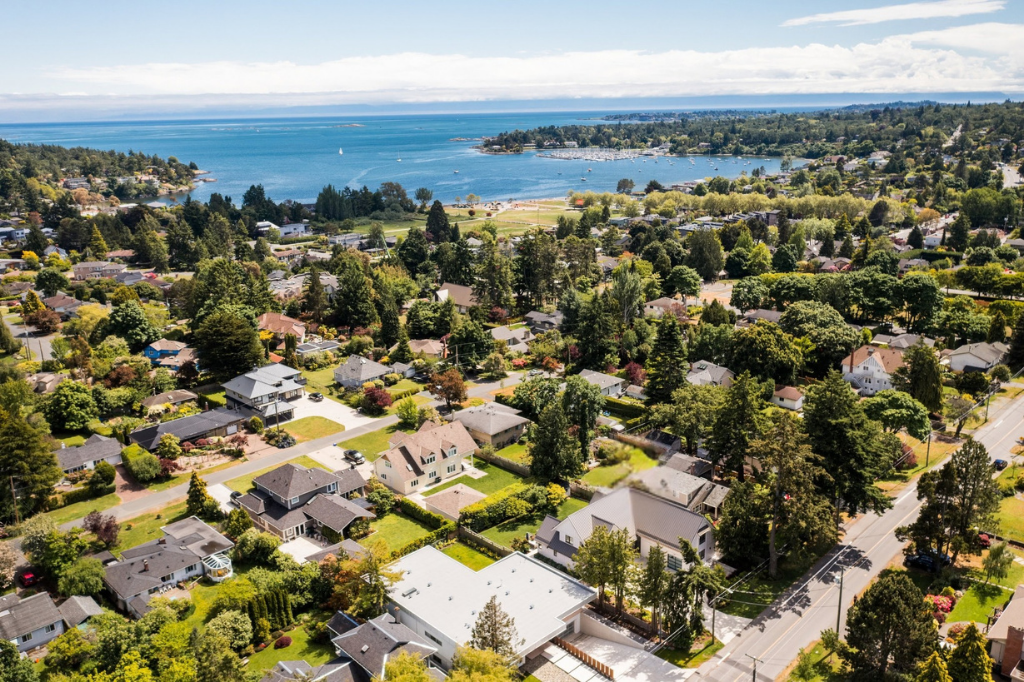
Greater Victoria real estate micro-markets can feel confusing because the region does not move as one single market. A condo in downtown Victoria, a family home in Gordon Head, a townhome in Langford, and a character home in Oak Bay can all respond differently to the same interest rate environment, inventory level, or buyer mood. That is why broad market headlines can only tell part of the story. According to the Victoria Real Estate Board, there were 3,710 active listings on the MLS® at the end of April 2026, up 8.3% from April 2025. The Board also described the overall market as balanced, while noting that buyer and seller experiences can vary depending on property type and location. That last point matters most. A Balanced Market Does Not Mean Every Area Feels Balanced When people hear that the market is balanced, they often assume every neighbourhood is moving at the same pace. That is rarely true. One area may have strong demand for detached homes because families want school access, yard space, and long-term livability. Another area may have slower condo activity because buyers have more choice, higher strata scrutiny, or stronger price sensitivity. A balanced regional market can still contain: Competitive pockets Slower-moving property types Price-sensitive segments High-demand neighbourhoods Listings that need sharper pricing to stand out This is why Greater Victoria real estate micro-markets require more than a regional average. Property Type Changes Everything A detached home, townhouse, condo, acreage property, and new-build unit can all behave differently. For example, buyers comparing condos may focus on strata fees, depreciation reports, insurance, amenities, parking, and building age. Buyers looking at detached homes may care more about lot size, renovation history, suite potential, roof condition, schools, and outdoor space. Even within the same neighbourhood, two property types can have very different buyer pools. A well-priced townhouse in a walkable area may attract strong interest, while a nearby condo with high strata fees may move more slowly. A dated detached home may sit if it needs major work, while a well-maintained home nearby may sell quickly because buyers value certainty. Neighbourhood Lifestyle Drives Buyer Demand Greater Victoria is not just a collection of price points. It is a collection of lifestyles. Buyers are often choosing between very different versions of daily life: Walkability in Fairfield, James Bay, Cook Street Village, or Fernwood Space and newer homes in Langford, Colwood, or View Royal Quiet residential streets in Gordon Head, Cordova Bay, or Oak Bay Waterfront access in Sidney, Saanich Peninsula, or Esquimalt Rural privacy in Metchosin, Central Saanich, or parts of Highlands These choices are emotional as much as financial. A buyer who wants cafés, transit, and walkability may accept less square footage. A buyer who wants a garage, yard, and newer construction may look further from the core. A downsizer may prioritize elevator access, storage, and a quiet building over a larger floor plan. That is why two homes at the same price can feel completely different in value. Price Brackets Create Their Own Markets Price point is another reason local real estate behaves differently. A home listed around a first-time buyer budget may attract a very different buyer group than a home listed above $1.5 million. Financing, affordability, insurance, strata fees, renovation costs, and property transfer tax considerations can all influence how active buyers feel at each level. In some price ranges, buyers may move quickly because quality options are limited. In others, they may compare more carefully because there are more listings to choose from. For sellers, this means pricing cannot rely only on what the neighbour sold for. It needs to consider: The current competition Buyer affordability at that price point Days on market for similar homes Recent comparable sales Property condition How much choice buyers have today The right pricing strategy depends on the specific buyer pool, not just the address. Condition Matters More When Buyers Have Choice When inventory rises, buyers tend to become more selective. In April 2026, Greater Victoria had more active listings than the previous year, giving buyers more options across many parts of the region. That does not mean every buyer has endless choice, but it does mean sellers need to understand how their home compares in real time. In a market with more selection, buyers often look closely at: Roof age Windows Heating systems Strata documents Depreciation reports Drainage Electrical updates Renovation quality Storage and parking Long-term maintenance costs A home does not need to be perfect. It needs to be clearly positioned. A well-maintained home gives buyers confidence. A home with unclear maintenance history may create hesitation, even if the price seems reasonable. Buyers and Sellers Need Local Context, Not Just Market Averages Averages can help explain the direction of the market. They do not tell you what to offer on one specific home or how to price one specific listing. For buyers, local context helps answer better questions: Is this home priced fairly for this neighbourhood? How much competition is there for this property type? Are buyers moving quickly here or taking their time? Is this location likely to support long-term resale demand? What trade-offs are normal at this price point? For sellers, local context helps avoid two common mistakes: Overpricing based on old market momentum Underestimating buyer demand in a strong pocket Good strategy starts with the micro-market, not the headline. What This Means If You Are Buying When buying in Greater Victoria, it helps to compare homes by lifestyle, property type, and long-term fit rather than price alone. A condo in the core may offer walkability and convenience. A townhouse in the Westshore may offer more space and newer construction. A detached home in Saanich may offer long-term flexibility, but may also come with higher maintenance needs. The better question is not simply, “Is this a good deal?” A better question is, “Is this the right trade-off for the way I want to live, the budget I have, and the resale value I want to protect?” What This Means If You Are Selling When selling, the goal is not to price for the entire region. The goal is to price for the buyers most likely to choose your home. That means looking closely at: Your neighbourhood Your property type Your condition level Your competition Your timing Your likely buyer profile A strong listing strategy should explain why your home makes sense in its specific market. That may mean highlighting walkability, updates, outdoor space, suite potential, strata strength, school proximity, or lifestyle convenience. The more specific the positioning, the easier it is for the right buyer to understand the value. The Bottom Line Greater Victoria real estate micro-markets matter because buyers are not shopping the region in one uniform way. They are comparing neighbourhoods, lifestyles, building types, costs, risks, and long-term fit. That is why the best advice is rarely generic. Whether you are buying or selling, the real value comes from understanding the specific market you are in, not just the market everyone is talking about. For advice on how your neighbourhood, property type, or price range is performing in today’s Greater Victoria real estate market, contact Faber Real Estate Group. Darren L., 5-Star Review, via Google “Fabulous job from Cal, Scott and Vanessa. They were professional, have strong negotiating skills and had a proactive strategy as the house sold very quickly (within a day the offer was accepted) and for the asking price. We were at ease with Cal and the team once we decided to go with them after interviewing other realty groups. It was definitely a smooth experience to say the least. Highly recommending the Faber Group if you’re buy or selling. Truly a group that is there to put the client first and foremost.” Faber Real Estate Group Royal LePage Coast Capital Realty 📞 250-244-3430 📧 [email protected] ℹ️ Scott Faber Personal Real Estate Corporation ℹ️ Cal Faber Personal Real Estate Corporation Vanessa Wood, Zachary Parsons, and Sophie Taylor “Building Lasting Relationships, One Home at a Time.”
Read more
Victoria housing needs will likely shape far more than new construction. They will influence buyer expectations, seller strategy, neighbourhood growth, affordability pressure, and the types of homes that become more common across the region. The City of Victoria’s 2024 Interim Housing Needs Report estimates the city will need about 8,254 new homes over the next 20 years, while Langford has projected a 20-year need of about 17,000 new homes as it plans for major population growth. That means the next decade will not only be about building more homes. It will be about building the right mix of homes in the right locations. Housing Demand Is No Longer One Simple Problem For years, the conversation around housing was often reduced to one idea: Victoria needs more homes. That is still true. However, the next phase is more complex. Greater Victoria needs more rental housing, more family-sized options, more attainable ownership opportunities, more downsizer-friendly homes, more accessible housing, and more homes close to transit, services, and employment. This matters because different buyers need different solutions. A first-time buyer may need a well-priced condo near transit. A growing family may need a townhouse with storage and outdoor space. A downsizer may want a low-maintenance strata home close to shops and medical services. A senior may need accessible living without leaving their community. If the region does not add enough variety, buyers will continue competing for the same limited options. More Density Will Likely Become Normal Over the next 10 years, many Victoria neighbourhoods may see more townhomes, multiplexes, small apartment buildings, infill housing, and purpose-built rentals. This does not mean every street will change overnight. However, the direction is clear. Provincial housing targets are pushing municipalities to increase supply, and Saanich has been given a mandated five-year target of 4,610 net new completed homes. For homeowners, this creates both opportunity and uncertainty. More density may bring: New housing choices More rental options Better support for local businesses Stronger demand near transit and amenities Changes to neighbourhood character More construction activity New questions around parking, infrastructure, and public space For buyers, it means location research will become even more important. A quiet street today may look different in five or 10 years depending on zoning, transportation planning, and nearby redevelopment potential. Affordability Will Keep Driving Buyer Behaviour Even if more homes are built, affordability will likely remain one of Victoria’s biggest challenges. Higher construction costs, land values, interest rates, municipal fees, and limited land supply all affect what gets built and what buyers can afford. More supply can help, but it does not automatically make every home affordable. This is why buyers may continue to make trade-offs between: Size and location Age and efficiency Outdoor space and walkability Condo convenience and detached-home privacy Core neighbourhoods and Westshore affordability Move-in-ready homes and renovation potential The next decade may reward buyers who are flexible. Instead of searching for the perfect home, many will need to focus on the best long-term fit. Purpose-Built Rentals Could Change the Ownership Market Victoria has already seen more attention on purpose-built rental housing. The City of Victoria reported that purpose-built rentals had exceeded its 1,900-unit target as part of its housing strategy milestones, contributing to the city’s highest vacancy rate in more than a decade. This could affect the ownership market in several ways. More rental supply may give some renters more time before buying. It may also reduce pressure on some entry-level ownership options if renters have more stable choices. However, if ownership remains expensive, many households may rent longer than previous generations did. For investors, this could mean stronger competition from newer rental buildings. Older rental-style condos or secondary suites may need to stand out through location, condition, layout, or pricing. Sellers Will Need to Think More Strategically In a market with more housing choice, sellers cannot assume that limited supply will do all the work. As inventory grows, buyers compare more carefully. In April 2026, the Victoria Real Estate Board reported 3,710 active listings at month-end, up 8.3% from April 2025 and up 13.8% from March 2026. That kind of choice changes seller strategy. Sellers may need to focus more on: Accurate pricing Strong presentation Maintenance records Energy efficiency Flexible showing access Clear strata documents Neighbourhood positioning Transparent upgrade history If more new or newer homes come to market over time, older homes will need to compete on more than location alone. Condition, layout, livability, and future costs will matter. Neighbourhood Identity May Shift Housing needs will not affect every area equally. Langford may continue to absorb a large share of regional growth because of land availability, development patterns, and infrastructure planning. The City of Langford has stated it is planning for a population of 100,000 residents, nearly double its current population of about 58,000. Meanwhile, Victoria, Saanich, Esquimalt, View Royal, Colwood, Sidney, and Oak Bay will each face different pressures. Some neighbourhoods may become more walkable. Others may become denser around transit corridors. Some may see more infill. Others may hold value because they offer larger lots, established streets, or limited redevelopment potential. For buyers, this means the question is not just, “Do I like this neighbourhood today?” The better question is, “How might this neighbourhood change over the next 10 years?” What Buyers Should Watch Buyers should pay attention to more than current listings and recent sales. Over the next decade, smart buying decisions may depend on: Local zoning changes Transit access Nearby development applications School capacity Infrastructure upgrades Walkability Strata fees and building age Energy efficiency Long-term maintenance costs Resale demand by property type A home can be a good fit today and still face future trade-offs. The more buyers understand those trade-offs early, the more confident their decisions become. What Sellers Should Watch Sellers should think about how future housing supply may affect their property’s position in the market. A well-maintained detached home in a walkable area may continue to attract strong interest. A dated condo may face more competition if newer rental or condo supply gives buyers better alternatives. A townhouse with family-friendly space may stand out if demand grows for homes between condos and detached houses. Sellers should ask: What makes this home hard to replace? What buyer problem does it solve? How does it compare to newer options? What future costs might buyers notice? Which improvements would matter most before listing? In a changing market, the best listings will make the value clear. The Bigger Picture Victoria’s housing needs will shape the next 10 years through density, affordability, infrastructure, rental supply, and changing lifestyle expectations. For buyers, the opportunity is to think beyond today’s price and focus on long-term livability. For sellers, the opportunity is to understand where their home fits as more choice enters the market. Housing growth will not remove every challenge. However, it will change the way people compare homes, evaluate neighbourhoods, and plan their next move. For local guidance on how Victoria housing needs could affect your buying or selling strategy, contact Faber Real Estate Group for advice before making your next real estate decision. Demetrios T., 5-Star Review, via Google “Scott and Cal Faber were exceptional to work with. They were professional, patient, and incredibly informative throughout the entire process. They took the time to walk me through every step, which made the typically stressful experience of moving so much easier. Their knowledge of real estate is second to none, and their guidance gave me complete confidence in my decisions. I highly recommend both Scott and Cal to anyone looking for trusted, knowledgeable, and supportive realtors.” Faber Real Estate GroupRoyal LePage Coast Capital Realty📞 250-244-3430📧 [email protected]ℹ️ Scott Faber Personal Real Estate Corporationℹ️ Cal Faber Personal Real Estate CorporationVanessa Wood, Zachary Parsons, and Sophie Taylor“Building Lasting Relationships, One Home at a Time.”
Read more