
Posts Tagged ‘Greater Victoria housing market’
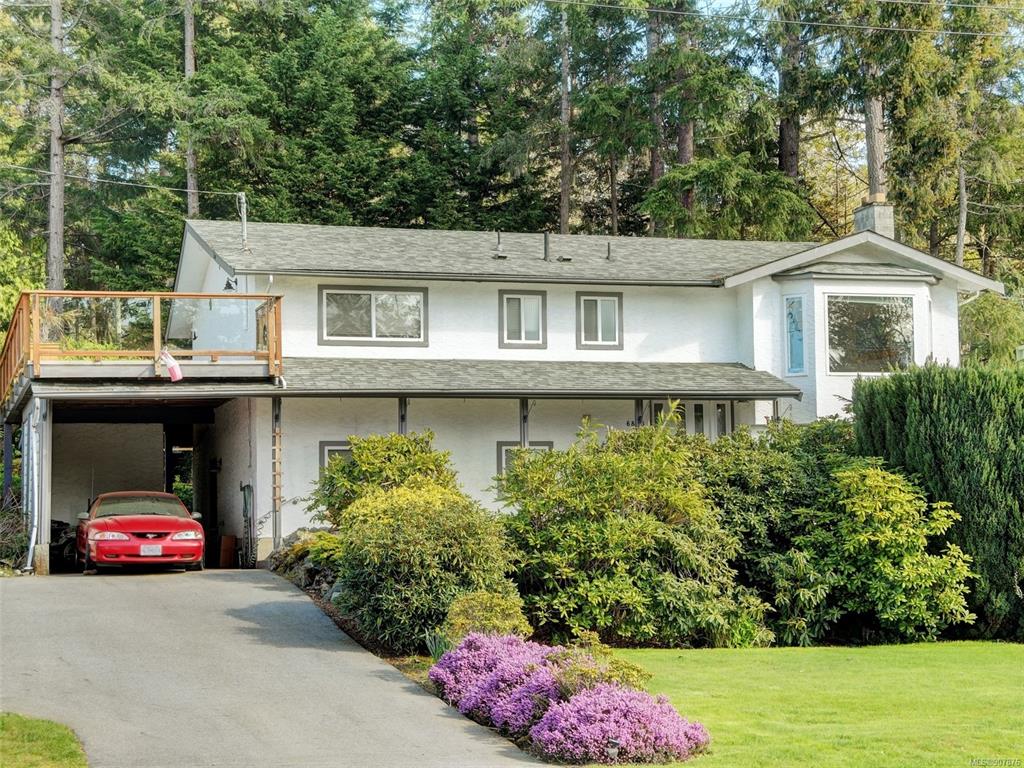
If you are considering Gordon Head real estate, this neighbourhood guide will help you evaluate whether it fits your goals. Located in Victoria, Gordon Head offers strong appeal for families and steady fundamentals for investors. With excellent schools, proximity to the university, and access to beaches and parks, Gordon Head real estate continues to attract long-term demand. Where Is Gordon Head? Gordon Head sits northeast of downtown Victoria, bordered by oceanfront parks and established residential streets. It is minutes from University of Victoria, which significantly shapes the local housing market. The neighbourhood features primarily detached homes, along with townhomes and secondary suites. Many properties sit on larger lots, and some offer ocean views. Why Families Choose Gordon Head Gordon Head has long been a top choice for families. Here is why: 1. Strong Schools The area includes well-regarded public schools such as: Gordon Head Middle School Lambrick Park Secondary School Access to quality education remains a key driver of Gordon Head real estate demand. 2. Parks and Outdoor Access Families benefit from nearby green space and waterfront access, including: Mount Douglas Park Cadboro-Gyro Park These amenities support an active lifestyle and add long-term value to properties in the area. 3. Safe, Established Streets Gordon Head is primarily residential, with quiet roads and mature landscaping. Many homes were built between the 1960s and 1990s, offering functional layouts and renovation potential. Why Investors Target Gordon Head From an investment standpoint, Gordon Head real estate offers several advantages. 1. University-Driven Rental Demand Proximity to the University of Victoria creates consistent demand for rental housing. Investors often purchase homes with suites or convert existing space to maximize rental income. 2. Stable Property Values Gordon Head has historically demonstrated resilient pricing compared to more volatile condo-heavy areas. Detached homes on larger lots tend to hold value well during market shifts. 3. Redevelopment and Upside Potential As housing demand increases across Greater Victoria, larger lots in established neighbourhoods become more attractive. Buyers seeking long-term appreciation often prioritize areas like Gordon Head for this reason. Housing Types and Price Considerations Most of the housing stock consists of: Detached single-family homes Homes with secondary suites Townhouses near main corridors Entry price points are typically higher than condo-focused neighbourhoods, but rental potential and lot value often justify the investment. For families, this means space and long-term stability. For investors, it means diversified income opportunities. Is Gordon Head Right for You? If you are seeking strong schools, outdoor amenities, and long-term property stability, Gordon Head real estate deserves serious consideration. Families benefit from community infrastructure, while investors gain access to reliable rental demand tied to the university. If you would like to explore current Gordon Head real estate opportunities or discuss whether this neighbourhood aligns with your goals, reach out to start the conversation. Michael F., 5-Star Review, via Google “We recently had the pleasure of working with Cal and Scott Faber, a remarkable father-son real estate team, to sell our premium family home and purchase a smaller, downsized property in an awesome neighbourhood. Their experience and guidance were invaluable in both pricing and strategizing the timing of our sale. The professionalism of their photography and marketing video team was unparalleled, making us feel like celebrities on an episode of MTV Cribs, they showcased our home in the best possible light at different times of the day. This attention to detail truly highlighted the features we loved about our home and revealed the value to our buyers..” Faber Real Estate Group Royal LePage Coast Capital Realty 📞 250-244-3430 📧[email protected] ℹ️ Scott Faber Personal Real Estate Corporation ℹ️ Cal Faber Personal Real Estate Corporation Vanessa Wood, Zachary Parsons, and Sophie Taylor “Building Lasting Relationships, One Home at a Time.”
Read more
The Westshore vs Saanich East debate is becoming more common as buyers explore Greater Victoria’s suburban options. Both areas offer strong lifestyle benefits, established amenities, and access to nature, but they appeal to different priorities and budgets. Understanding how Colwood and the broader Westshore compare to Saanich East can help buyers make confident real estate decisions. Lifestyle and Community Feel When comparing Westshore vs Saanich East, lifestyle is often the biggest deciding factor. The Westshore, including Colwood, Langford, and View Royal, tends to offer a newer suburban feel. Many neighbourhoods feature modern developments, growing commercial hubs, and easy access to parks, lakes, and oceanfront spaces. Communities like Royal Bay and Olympic View emphasize outdoor living, family-friendly planning, and newer infrastructure. The Westshore is especially attractive to buyers looking for newer homes, expanding amenities, and a slightly more relaxed suburban atmosphere. Saanich East offers a more established and mature neighbourhood experience. Areas such as Gordon Head, Cadboro Bay, and Mt. Douglas feature tree-lined streets, established schools, and proximity to the University of Victoria. Many buyers are drawn to Saanich East for its strong sense of community, long-standing neighbourhood character, and central location within Greater Victoria. Housing Prices and Property Types Housing costs remain a major factor in the Westshore vs Saanich East comparison. The Westshore generally provides more attainable entry points into the market. Buyers often find newer condos, townhomes, and detached houses at lower average price points compared to Saanich East. Larger homes, newer construction, and family-oriented developments are often more accessible in Colwood and Langford, making the Westshore popular with first-time buyers and move-up families. Saanich East typically commands higher price points due to its established neighbourhoods, proximity to downtown Victoria, and strong school catchments. Many homes in Saanich East are older but situated on larger, mature lots. Buyers often choose Saanich East for long-term stability, central convenience, and neighbourhood prestige. Amenities and Convenience Amenities play a significant role when evaluating Westshore vs Saanich East living. The Westshore continues to expand its commercial and recreation offerings. Belmont Market, Westshore Town Centre, and the Royal Bay Commons development provide growing retail, dining, and service options. Recreation opportunities are abundant, including hiking, beaches, golf courses, and lakes. The Westshore is also seeing increased mixed-use developments that integrate housing with everyday amenities. Saanich East benefits from long-established infrastructure and highly regarded public services. Residents enjoy close access to the University of Victoria, Camosun College, and several major recreation centres. Cadboro Bay Village and Broadmead Village provide boutique shopping and community-focused services. Saanich East also offers quicker access to downtown Victoria and Oak Bay, which appeals to buyers prioritizing central convenience. Commute and Accessibility Commute time is another major consideration in the Westshore vs Saanich East decision. Westshore residents commuting into downtown Victoria or Saanich East typically face longer travel times, particularly during peak traffic hours. However, continued road improvements and expanding local employment opportunities are helping reduce reliance on commuting for many residents. Saanich East offers shorter and more predictable commute times to downtown Victoria, major employment centres, and post-secondary institutions. This central positioning is often a major advantage for professionals and university staff or students. Long-Term Investment and Market Trends Both regions offer strong long-term real estate potential. The Westshore continues to benefit from population growth, new construction, and expanding infrastructure. These factors support steady demand and long-term appreciation potential. Saanich East remains one of Greater Victoria’s most stable and consistently desirable housing markets. Limited land availability and strong neighbourhood reputation help support property values and long-term resale strength. Which Suburb Is Right for You? Choosing between The Westshore vs Saanich East debate is becoming more common as buyers explore Greater Victoria’s suburban options. Both areas offer strong lifestyle benefits, established amenities, and access to nature, but they appeal to different priorities and budgets. Understanding how Colwood and the broader Westshore compare to Saanich East can help buyers make confident real estate decisions. Lifestyle and Community Feel When comparing Westshore vs Saanich East, lifestyle is often the biggest deciding factor. The Westshore, including Colwood, Langford, and View Royal, tends to offer a newer suburban feel. Many neighbourhoods feature modern developments, growing commercial hubs, and easy access to parks, lakes, and oceanfront spaces. Communities like Royal Bay and Olympic View emphasize outdoor living, family-friendly planning, and newer infrastructure. The Westshore is especially attractive to buyers looking for newer homes, expanding amenities, and a slightly more relaxed suburban atmosphere. Saanich East offers a more established and mature neighbourhood experience. Areas such as Gordon Head, Cadboro Bay, and Mt. Douglas feature tree-lined streets, established schools, and proximity to the University of Victoria. Many buyers are drawn to Saanich East for its strong sense of community, long-standing neighbourhood character, and central location within Greater Victoria. Housing Prices and Property Types Housing costs remain a major factor in the Westshore vs Saanich East comparison. The Westshore generally provides more attainable entry points into the market. Buyers often find newer condos, townhomes, and detached houses at lower average price points compared to Saanich East. Larger homes, newer construction, and family-oriented developments are often more accessible in Colwood and Langford, making the Westshore popular with first-time buyers and move-up families. Saanich East typically commands higher price points due to its established neighbourhoods, proximity to downtown Victoria, and strong school catchments. Many homes in Saanich East are older but situated on larger, mature lots. Buyers often choose Saanich East for long-term stability, central convenience, and neighbourhood prestige. Amenities and Convenience Amenities play a significant role when evaluating Westshore vs Saanich East living. The Westshore continues to expand its commercial and recreation offerings. Belmont Market, Westshore Town Centre, and the Royal Bay Commons development provide growing retail, dining, and service options. Recreation opportunities are abundant, including hiking, beaches, golf courses, and lakes. The Westshore is also seeing increased mixed-use developments that integrate housing with everyday amenities. Saanich East benefits from long-established infrastructure and highly regarded public services. Residents enjoy close access to the University of Victoria, Camosun College, and several major recreation centres. Cadboro Bay Village and Broadmead Village provide boutique shopping and community-focused services. Saanich East also offers quicker access to downtown Victoria and Oak Bay, which appeals to buyers prioritizing central convenience. Commute and Accessibility Commute time is another major consideration in the Westshore vs Saanich East decision. Westshore residents commuting into downtown Victoria or Saanich East typically face longer travel times, particularly during peak traffic hours. However, continued road improvements and expanding local employment opportunities are helping reduce reliance on commuting for many residents. Saanich East offers shorter and more predictable commute times to downtown Victoria, major employment centres, and post-secondary institutions. This central positioning is often a major advantage for professionals and university staff or students. Long-Term Investment and Market Trends Both regions offer strong long-term real estate potential. The Westshore continues to benefit from population growth, new construction, and expanding infrastructure. These factors support steady demand and long-term appreciation potential. Saanich East remains one of Greater Victoria’s most stable and consistently desirable housing markets. Limited land availability and strong neighbourhood reputation help support property values and long-term resale strength. Which Suburb Is Right for You? Choosing between Westshore vs Saanich East ultimately depends on your priorities. Buyers seeking newer homes, family-focused planning, and more attainable pricing often gravitate toward Colwood and the Westshore. Buyers prioritizing central location, established neighbourhoods, and long-term neighbourhood stability often prefer Saanich East. Both communities offer exceptional lifestyle benefits and strong real estate fundamentals. The right choice comes down to how you balance commute, budget, home style, and neighbourhood character. If you are considering buying in either the Westshore or Saanich East, contact us to discuss your options and find the neighbourhood that best fits your lifestyle and home search goals. Shannon R., 5-Star Review, via Google It was a pleasure to work with Scott Faber and Faber Real Estate Group. When I started looking for my first home in August 2021, I had some pretty specific requirements. Scott is a really knowledgeable Agent who also took the time to understand what I was looking for. I never felt pressured into making a decision that wasn't my own, but always valued his honest opinion and guidance when needed. It took close to 9 months, but we found a great place that checked all the boxes, that I'm excited to call home.. I appreciate the whole team's effort, support and patience throughout this journey and as a first time home buyer I could not be happier with my experience with Faber Real Estate Group.” Faber Real Estate Group Royal LePage Coast Capital Realty 📞 250-244-3430 📧[email protected] ℹ️ Scott Faber Personal Real Estate Corporation ℹ️ Cal Faber Personal Real Estate Corporation Vanessa Wood, Zachary Parsons, and Sophie Taylor “Building Lasting Relationships, One Home at a Time.”
Read more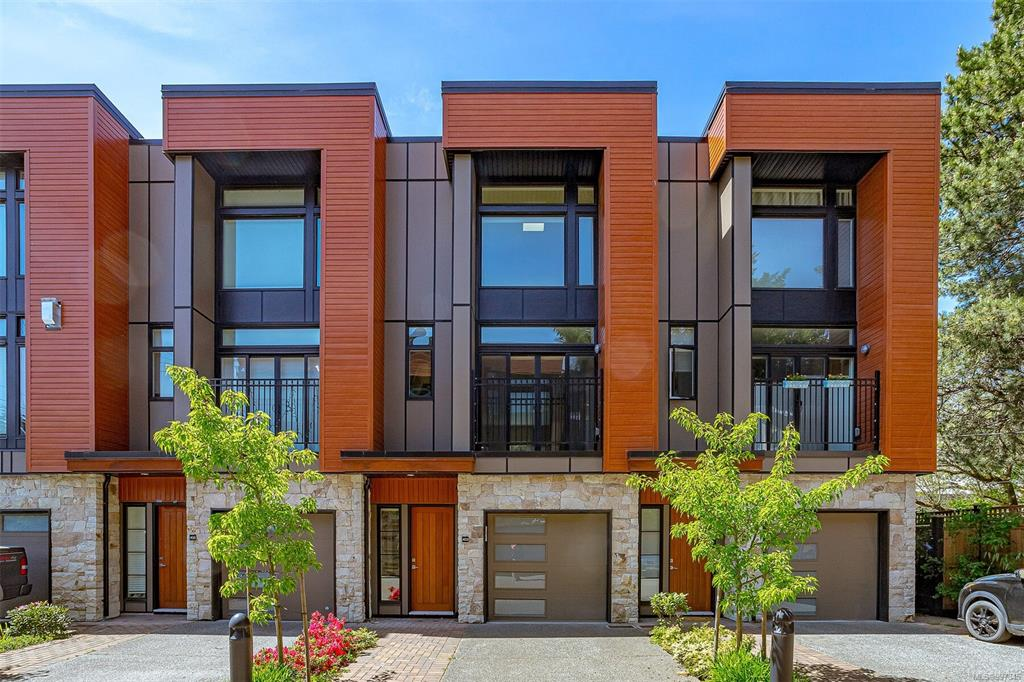
Greater Victoria continues to evolve as population growth, housing demand, and infrastructure investment shape how the region develops. Understanding where future growth is planned can help buyers, homeowners, and investors make informed long term decisions. Westshore Communities The Westshore remains one of the primary growth areas in Greater Victoria. Langford and Colwood continue to see new residential communities, mixed use developments, and commercial expansion. Planned infrastructure improvements, additional schools, and expanding amenities support continued population growth while improving livability. These areas attract buyers seeking newer housing options, relative affordability, and access to both urban convenience and outdoor recreation. Urban Core and Transit Oriented Growth In the City of Victoria and surrounding core municipalities, growth is increasingly focused on higher density development near major transit routes and employment centres. Condos, purpose built rentals, and mixed use projects are planned to support housing demand while limiting urban sprawl. Transit oriented growth helps improve walkability, reduce commute times, and create complete communities where residents can access daily needs without relying heavily on vehicles. Saanich and Established Neighbourhood Intensification Saanich plays a key role in Greater Victoria’s future growth through targeted intensification rather than large scale expansion. Development is often focused along major corridors, village centres, and underutilized commercial areas. This approach allows established neighbourhoods to evolve gradually while preserving community character and improving access to housing close to schools, services, and parks. Infrastructure and Employment Hubs Future growth is closely tied to infrastructure investment and employment centres. Improvements to transportation networks, health care facilities, post secondary institutions, and commercial districts influence where housing demand will remain strong. Areas that combine residential growth with nearby employment opportunities tend to offer stronger long term stability and reduced commuting pressure. Long Term Planning and Livability Across Greater Victoria, growth is guided by official community plans that emphasize sustainability, housing diversity, and livability. Green space preservation, improved transportation options, and community amenities are key priorities as municipalities plan for the future. Understanding these long term plans helps buyers choose areas that align with both lifestyle goals and future value. Brett Hayward, 5-Star Review, via Google “I can’t suggest how to make Fabers better at being good realtors. They’re already congenial, trustworthy, informed, experienced, and thorough. Cal listened and advised, and somewhere in the middle he said what the condo would sell for and he was right on. Thanks!” Faber Real Estate Group Royal LePage Coast Capital Realty 📞 250-244-3430 📧[email protected] ℹ️ Scott Faber Personal Real Estate Corporation ℹ️ Cal Faber Personal Real Estate Corporation Vanessa Wood & Zachary Parsons “Building Lasting Relationships, One Home at a Time.”
Read more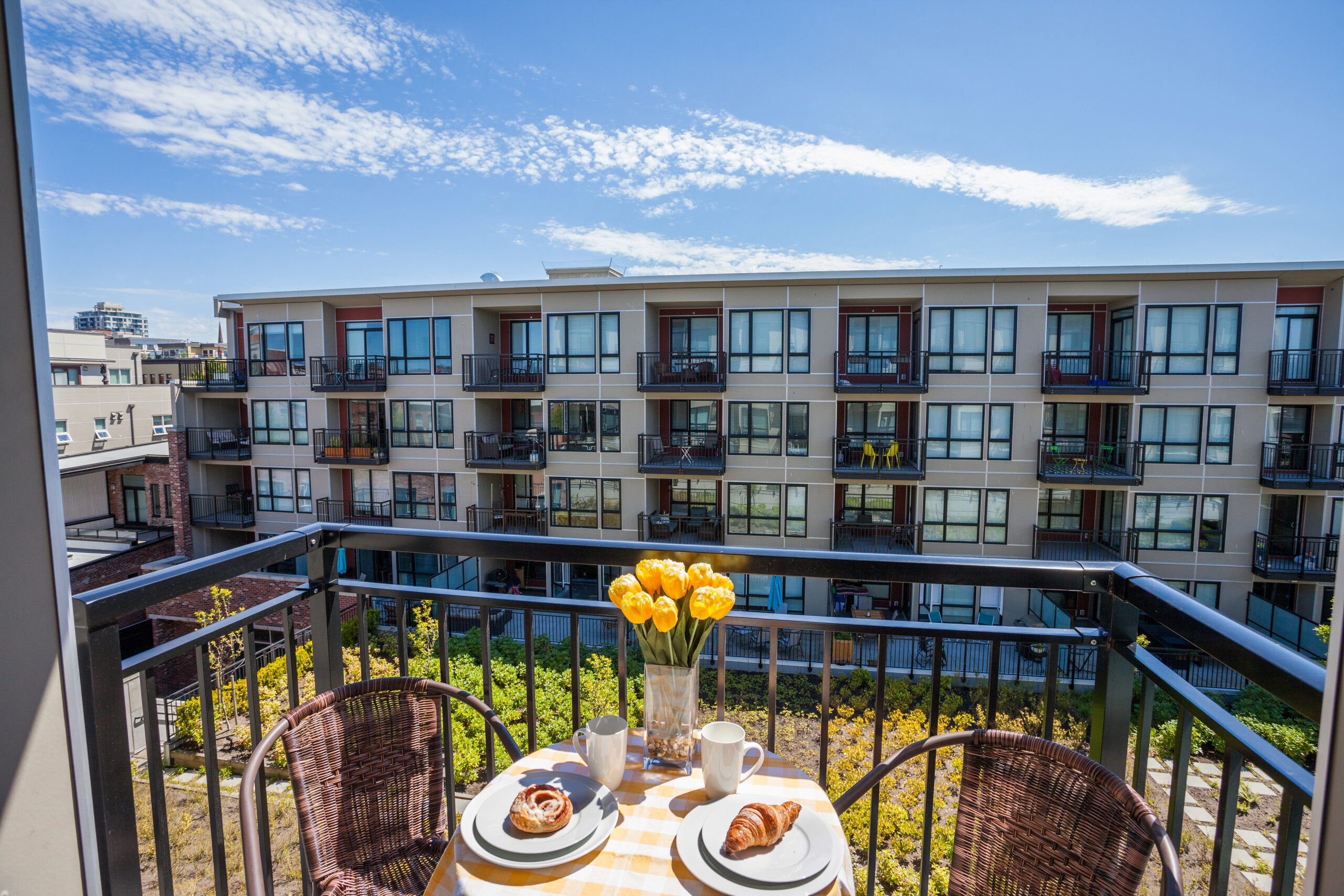
The 2026 Greater Victoria real estate market entered the year in a noticeably more balanced position. Inventory is higher year-over-year, sales remain seasonally soft, and prices are largely stable, with variation by neighbourhood and property type. Buyers have real choice again. Sellers who price realistically are still seeing solid outcomes. January 2026 Snapshot (VREB) Sales: 339 properties sold region-wide 19.7% fewer than January 2025 7.6% fewer than December 2025, consistent with winter trends Active Listings: 2,624 at month-end Up 3.1% from December Up 9.6% year-over-year Market Balance: Sitting on the line between balanced and buyer-friendly, depending on the neighbourhood Benchmark Prices at a Glance Victoria Core Single-family: $1,265,500 Down 2.5% year-over-year Slight uptick from December, signalling price stability Condos: $537,800 Down 1.5% year-over-year The most stable segment in the market Westshore Single-family benchmarks are not broken out monthly Langford, Colwood, and View Royal posted modest gains through 2025 Relative affordability and newer housing stock continue to support demand Saanich (East & West) Generally stable pricing Family-oriented neighbourhoods like Gordon Head, Broadmead, and Royal Oak are holding value well Data source: VREB MLS® Home Price Index, February 2026 release What This Means So Far The broader trend from 2025 into early 2026 is clear. Core Victoria single-family homes softened modestly over the past year. The Westshore posted small gains, supported by family demand and newer inventory. Saanich continues to act as the steady middle ground. What Buyers Can Expect in 2026 More selection, especially early in the yearInventory levels are the highest seen in several years. Expect more choice and slightly longer days on market across most areas. Stable pricing with room to negotiateCore Victoria single-family benchmarks are holding in the $1.25M to $1.3M range. The Westshore continues to offer the best value for buyers seeking detached homes. Condos remain buyer-friendlyCondos are still the most accessible entry point for first-time buyers and downsizers, with stable pricing and ample selection. Westshore continues to lead for growth and valueLangford, Colwood, View Royal, Westhills, and Royal Bay offer newer builds, family amenities, and long-term upside. Saanich delivers lifestyle and schoolsNeighbourhoods like Gordon Head, Cadboro Bay, Broadmead, and Royal Oak continue to command premiums. Inventory is tighter, so well-prepared homes still sell quickly when priced correctly. Rates and external factors matter, but less dramaticallyMortgage rate stability or modest Bank of Canada cuts would support confidence. The market has returned to normal seasonal patterns rather than urgency-driven behaviour. Bottom Line for 2026 The 2026 Greater Victoria real estate market is healthy and sustainable. Buyers have more choice than at any point since 2021, prices are not falling sharply, and demand remains steady in well-located neighbourhoods. If you are planning to buy this year, the first half of 2026 offers one of the strongest windows we have seen in recent years, particularly in the Westshore and select areas of Saanich. If you would like to discuss your options or explore opportunities in your target neighbourhood, feel free to reach out anytime. Noel A., 5-Star Review, via Google “My partner and I had a great experience with Scott and the Fabers with our first home purchase. Scott answered all questions we had and helped guide us to make the right purchase that fit our lifestyle. Would highly recommend the Fabers!” Faber Real Estate Group Royal LePage Coast Capital Realty 📞 250-244-3430 📧[email protected] ℹ️ Scott Faber Personal Real Estate Corporation ℹ️ Cal Faber Personal Real Estate Corporation Vanessa Wood, Zachary Parsons, and Sophie Taylor “Building Lasting Relationships, One Home at a Time.”
Read more
Victoria remains a top destination for people relocating to British Columbia in 2026. Mild weather, ocean views, and a relaxed pace draw families, professionals, and retirees. The city blends urban amenities with natural beauty, and balanced market conditions make settling in more approachable than peak boom years. Interprovincial migration continues to fuel growth. Many arrive from Alberta, Ontario, and other provinces seeking better quality of life and milder climates. Military Moves: CFB Esquimalt and Beyond CFB Esquimalt serves as a major hub for the Royal Canadian Navy on the West Coast. Thousands of military personnel, families, and civilians relocate here each year through postings or career moves. Key perks include: On-base housing options or priority access to local rentals Support services like the Military Family Resource Centre Proximity to schools, healthcare, and recreation tailored for families Many choose neighbourhoods like Esquimalt, View Royal, or nearby Saanich for shorter commutes. Real estate agents familiar with military relocations (like Cal Faber) can help navigate timelines, allowances, and buyer programs. Interprovincial Migration Trends Canadians from across the country keep moving to Vancouver Island. Lower housing pressure compared to Vancouver, combined with job growth in tech, government, healthcare, and defence, supports this flow. Newcomers often cite: Affordable options in suburbs like Langford or Colwood Strong schools and family-friendly communities Access to outdoor activities year-round In 2026, the market offers more inventory than recent years, giving buyers better negotiation room. Lifestyle Perks That Make Victoria Special Victoria delivers a high quality of life. Enjoy: Temperate weather with average highs around 15-22°C in summer and mild winters Walkable downtown, Inner Harbour, and vibrant food scene Nearby parks, beaches, hiking trails, and cycling paths Cultural events, festivals, and proximity to UVic and Camosun College Outdoor enthusiasts love whale watching, kayaking, and golfing. Families appreciate safe neighbourhoods and excellent public schools. Housing and Cost Considerations Single-family homes and townhomes continue to be in high demand across the region. While benchmark prices in some core neighbourhoods dipped modestly last year, buyer interest remains strong in family-oriented areas. For many newcomers, condos and townhomes still offer the most accessible entry points into the market. Rental conditions remain competitive, although vacancy rates have improved slightly. Expect higher costs in sought-after neighbourhoods such as Oak Bay or Fairfield, but more affordable options can be found in growing areas like the Westshore. To avoid surprises, use official resources to review school catchments and zoning requirements early in your search. Final Thoughts Relocating to Victoria, BC offers a rewarding change. Military families benefit from CFB Esquimalt support, interprovincial movers find welcoming communities, and everyone enjoys the island lifestyle. Start by researching neighbourhoods that match your needs. Feel free to reach out to our team for current listings, market insights, and personalized guidance. Victoria welcomes newcomers and rewards those who make the move. Brett Hayward, 5-Star Review, via Google “I can’t suggest how to make Fabers better at being good realtors. They’re already congenial, trustworthy, informed, experienced, and thorough. Cal listened and advised, and somewhere in the middle he said what the condo would sell for and he was right on. Thanks!” Faber Real Estate Group Royal LePage Coast Capital Realty 📞 250-244-3430 📧[email protected] ℹ️ Scott Faber Personal Real Estate Corporation ℹ️ Cal Faber Personal Real Estate Corporation Vanessa Wood, Zachary Parsons, and Sophie Taylor “Building Lasting Relationships, One Home at a Time.”
Read more
A first showing is often about first impressions. A second home showing, however, is where buyers gain clarity. This visit allows you to move past surface appeal and focus on whether the home truly works for you. How the Home Really Functions At a second showing, buyers tend to slow down. You notice room flow, storage, and how spaces connect. This is the time to picture daily routines, furniture placement, and whether the layout supports your lifestyle. Details You May Have Missed Small issues often stand out on a return visit. Look closely at finishes, windows, doors, and flooring. You may also notice signs of wear, moisture, or deferred maintenance that were easy to overlook the first time. Light, Noise, and Neighbourhood Feel Seeing the home at a different time of day can change your perspective. Pay attention to natural light, street noise, nearby activity, and privacy. These factors affect comfort long after move in day. Questions and Follow Ups A second home showing is ideal for asking targeted questions about age of systems, upgrades, utilities, or strata details. It also helps confirm whether the property still feels right once emotions settle. A second home showing provides confidence. It helps buyers confirm their decision, identify concerns early, and move forward with an offer based on clarity rather than impulse. Michael F., 5-Star Review, via Google “Cal and Scott exceeded our expectations in every way. They were always available to answer our questions and address any concerns immediately, providing exceptional support throughout the entire process. Their dedication and expertise made the selling and buying experience seamless and stress-free. ” Faber Real Estate Group Royal LePage Coast Capital Realty 📞 250-244-3430 📧[email protected] ℹ️ Scott Faber Personal Real Estate Corporation ℹ️ Cal Faber Personal Real Estate Corporation Vanessa Wood, Zachary Parsons, and Sophie Taylor “Building Lasting Relationships, One Home at a Time.”
Read more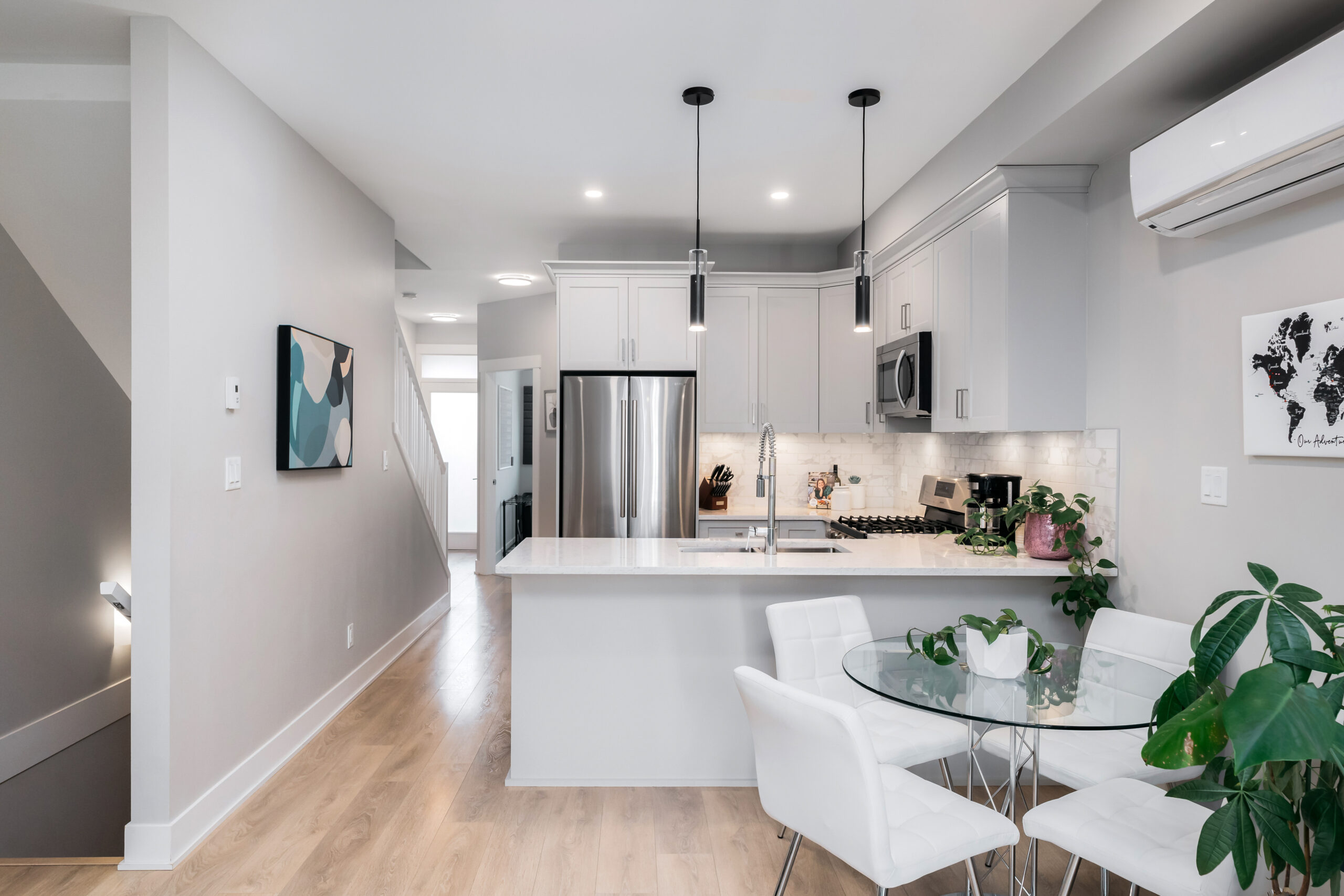
Low-maintenance living has become a growing priority for today’s home buyers. Whether driven by lifestyle changes, aging in place, or a desire for simplicity, more people are choosing homes that reduce upkeep and free up time. This shift is influencing both housing design and buying decisions across many markets. Why Buyers Are Prioritizing Low-Maintenance Living Many buyers want to spend less time on chores and more time on work, travel, family, or hobbies. Larger yards, older systems, and constant repairs no longer appeal to everyone. Instead, buyers are looking for homes that offer convenience, efficiency, and predictability in ongoing costs. Low-maintenance living is especially appealing to downsizers, busy professionals, and retirees. However, it is also gaining traction with younger buyers who value flexibility and a lock-and-leave lifestyle. Popular Low-Maintenance Housing Options Several property types support low-maintenance living. Condos and townhomes remain top choices due to exterior maintenance and landscaping often being handled by strata or homeowners’ associations. Newer builds also attract buyers because they typically include modern materials, updated systems, and energy-efficient features that require fewer repairs. Smaller single-family homes with compact yards are another option. These homes provide privacy without the burden of extensive outdoor maintenance. Design Features That Reduce Upkeep Homes designed for low-maintenance living often include durable flooring, simple landscaping, and energy-efficient windows and appliances. Open floor plans can also reduce cleaning time and make spaces easier to manage. As a result, functionality often takes priority over excess space. How This Trend Is Shaping the Market The demand for low maintenance living is influencing both developers and sellers. Builders are focusing on practical layouts and long-lasting materials, while sellers are highlighting ease of upkeep as a key selling feature. In competitive markets, low-maintenance living can give a property a clear advantage. Is Low Maintenance Living Right for You? Choosing low-maintenance living depends on your priorities and long-term plans. If flexibility, predictable expenses, and reduced responsibility matter to you, this lifestyle may be a strong fit. As housing preferences continue to evolve, low-maintenance living is likely to remain an important trend for buyers at every stage of life. Demetrios T., 5-Star Review, via Google “Scott and Cal Faber were exceptional to work with. They were professional, patient, and incredibly informative throughout the entire process. They took the time to walk me through every step, which made the typically stressful experience of moving so much easier. Their knowledge of real estate is second to none, and their guidance gave me complete confidence in my decisions. I highly recommend both Scott and Cal to anyone looking for trusted, knowledgeable, and supportive realtors.” Faber Real Estate Group Royal LePage Coast Capital Realty 📞 250-244-3430 📧[email protected] ℹ️ Scott Faber Personal Real Estate Corporation ℹ️ Cal Faber Personal Real Estate Corporation Vanessa Wood, Zachary Parsons, and Sophie Taylor “Building Lasting Relationships, One Home at a Time.”
Read more
The return of conditional offers is a sign of a more balanced market. In Greater Victoria, increased inventory, longer Days on Market, and more price-sensitive buyers have changed negotiation dynamics. Buyers are no longer feeling the same pressure to remove all conditions immediately. Instead, they are taking time to evaluate value, financing, and risk before committing. What Is a Conditional Offer A conditional offer is an offer to purchase that includes specific conditions the buyer must satisfy before the sale becomes firm. Common conditions include financing, home inspection, strata document review, or the sale of another property. During highly competitive markets, conditional offers often disappear as buyers compete to make firm offers. As the market shifts, conditions tend to return, giving buyers more room to perform due diligence. What This Means for Sellers For sellers, conditional offers do not mean the market is weak. They indicate a shift toward more thoughtful and structured negotiations. Sellers may notice: Fewer firm offers More inspection and financing conditions Longer conditional periods Understanding this shift helps sellers respond strategically rather than emotionally. How Conditional Offers Impact Negotiations Conditional offers create additional negotiation points beyond price. Terms and conditions now matter more than ever. Key areas of negotiation often include: Length of the condition period Deposit amount and timing Price adjustments based on inspections Flexibility around completion dates A clean offer with reasonable conditions can sometimes be stronger than a higher-priced offer with uncertainty. When a Conditional Offer Can Be a Strong Offer Not all conditional offers carry the same risk. Some are well structured and supported by strong buyer preparation. A strong conditional offer often includes: Short condition timelines Larger deposits Limited and specific conditions Evidence of financing preparation Evaluating the quality of the offer is just as important as evaluating the price. Seller Strategies in a Conditional Offer Market Sellers can protect their position while remaining competitive by setting clear expectations. Effective strategies include: Pricing accurately from the start Reviewing pre-listing inspection options Understanding which conditions are reasonable Negotiating backup offers when possible A proactive approach helps maintain leverage during negotiations. The Role of Your Agent in Conditional Negotiations Negotiating conditional offers requires market knowledge and experience. An agent who understands local trends can help assess risk, negotiate terms, and manage timelines. Strong representation ensures that conditions are properly structured, deadlines are enforced, and the seller’s interests remain protected throughout the process. The return of conditional offers reflects a healthier and more balanced real estate market in Greater Victoria. For sellers, success comes from understanding the shift and adapting negotiation strategies accordingly. With the right pricing, preparation, and guidance, sellers can still achieve strong results while navigating conditional offers with confidence.
Read more
Days on Market, often referred to as DOM, measures how many days a property is listed for sale before it sells. The count typically starts on the day the listing becomes active and ends when an accepted offer is in place. For sellers, Days on Market is more than just a number. It is one of the most closely watched indicators of market performance and buyer demand in Greater Victoria. Why Days on Market Matters to Sellers Days on Market directly affects how buyers perceive your home. Properties that sell quickly are often seen as well-priced and desirable. Listings that remain on the market longer can raise questions, even if the home itself is well-maintained. Buyers may assume: The price is too high The home has issues The seller may be more flexible This perception can influence both the number of showings and the strength of offers received. How Days on Market Impacts Pricing Strategy Pricing and Days on Market are closely connected. Homes priced correctly for current market conditions tend to attract interest early, often within the first few weeks. When a listing stays on the market longer than average, sellers may face: Fewer showings Lower offers Pressure to reduce the price In contrast, a well-priced home that generates early activity can create urgency and stronger negotiating positions. Average Days on Market in Greater Victoria Days on Market can vary widely depending on location, property type, and market conditions. Single-family homes, condos, and townhomes often perform differently, and some neighbourhoods move faster than others. For example: Entry-level homes often sell more quickly Well-priced homes in high-demand areas attract faster offers Unique or higher-priced properties may take longer Understanding local averages is essential when setting expectations and strategy. What Longer Days on Market Can Signal A higher Days on Market number does not always mean a home will not sell. However, it can indicate a mismatch between price, condition, or buyer expectations. Common reasons a listing lingers include: Pricing above market value Limited exposure or poor presentation Market shifts during the listing period Addressing these factors early can help reset buyer interest. How Sellers Can Reduce Days on Market Sellers have more control over Days on Market than they may realize. Preparation and strategy play a key role. Steps that often help reduce Days on Market include: Pricing based on current comparable sales Professional photography and marketing Proper staging and presentation Flexible showing availability Working with an agent who understands neighbourhood-level data can make a meaningful difference. Final Thoughts Understanding Days on Market and why it matters allows sellers to make informed decisions and set realistic expectations. In Greater Victoria’s evolving real estate market, success is not just about selling, but about selling efficiently and at the right price. A thoughtful pricing and marketing strategy, paired with local market insight, can help minimize Days on Market and maximize results. Brandon Sharratt, 5-Star Review, via Google “My wife and I sold our condo in View Royal and bought a place in Esquimalt with the help of The Faber Group. Scott helped us to find and buy the perfect home for our growing family in a very competitive market. He got to know our wants and needs and worked within our schedule with a small baby. Once we found the perfect place Scott helped us to get it for under the asking price and sold our condo in one day on the market with multiple offers over asking! We are so grateful that Scott helped us through this process, answering our many questions and alleviating our concerns. Thank you for helping us sell our first home and buy a beautiful house for our family.” Faber Real Estate Group Royal LePage Coast Capital Realty 📞 250-244-3430 📧[email protected] ℹ️ Scott Faber Personal Real Estate Corporation ℹ️ Cal Faber Personal Real Estate Corporation Vanessa Wood & Zachary Parsons “Building Lasting Relationships, One Home at a Time.”
Read more
Monthly real estate headlines often focus on average prices or sales counts, but those numbers rarely tell the full story. When we look more closely at the Victoria Core vs Westshore real estate market, clear differences emerge in pricing, buyer behaviour, and overall momentum. November’s single-family home statistics highlight why understanding sub-markets matters more than ever for both buyers and sellers. Sales Activity: Two Markets Moving at Different Speeds In November, the Victoria Core continued to show steady but cautious activity. Single-family home sales remained consistent, supported by limited inventory and ongoing demand for established neighbourhoods close to downtown, schools, and employment centers. Buyers in this area tend to be move-up purchasers and long-term homeowners who are less sensitive to short-term rate fluctuations. The Westshore, by contrast, saw stronger sales momentum. Communities such as Langford, Colwood, and Sooke benefited from relative affordability and a growing supply of newer homes. First-time buyers and young families were more active here, particularly in neighbourhoods offering newer construction and flexible floor plans. Pricing Trends: Stability vs Opportunity Single-family home prices in the Victoria Core remained relatively stable through November. Limited supply continues to support values, even as buyers take more time to make decisions. Well located homes that are priced appropriately and presented well are still selling, but unrealistic pricing is being met with resistance. The Westshore continues to offer more pricing flexibility. While prices have increased over the long term, November data shows that buyers still have opportunities, particularly in areas with higher inventory levels. Sellers who understand current market conditions and price strategically are seeing solid results, while overpriced listings are taking longer to sell. Days on Market and Buyer Behaviour Days on market remain shorter in the Victoria Core compared to the Westshore, reflecting the ongoing demand for central locations. Buyers here are selective, often focusing on homes that require minimal work or offer unique lot value. In the Westshore, average days on market are slightly longer, giving buyers more negotiating power. Conditions, financing terms, and inspection clauses are more common, which is a notable shift from the peak market years. This environment rewards well-prepared sellers who address deferred maintenance and present homes clearly. Inventory Levels and What They Signal Inventory in the Victoria Core remains constrained, particularly for detached homes under common price thresholds. This continues to limit choice for buyers but supports price stability for sellers. The Westshore has seen a healthier level of new listings, especially in newer subdivisions. This added selection is helping balance the market and reduce pressure on buyers, while still maintaining steady overall activity. What This Means for Buyers and Sellers For buyers, November’s data reinforces the importance of location specific strategy. The Victoria Core requires decisiveness and preparation, while the Westshore allows for more comparison shopping and negotiation. For sellers, understanding your micro market is critical. A pricing strategy that works in Fairfield or Oak Bay may not translate directly to Langford or Colwood. Tailoring your approach to local conditions is key to achieving strong results.
Read more- 1
- 2