
Posts Tagged ‘Greater Victoria homebuyers’
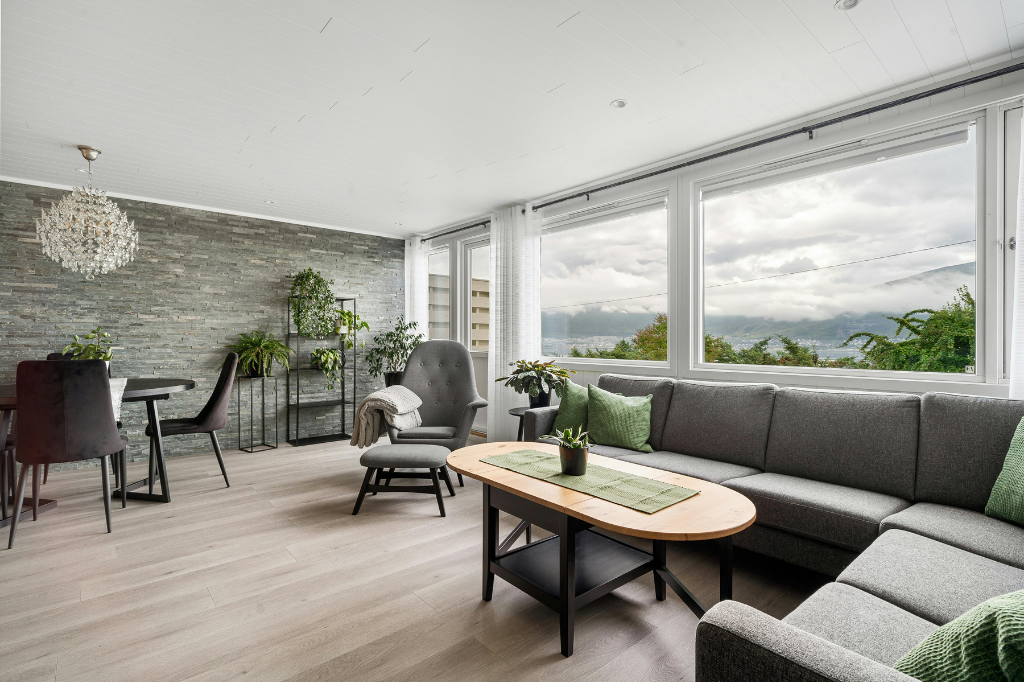
Should you buy now or wait until fall in Victoria? It is a reasonable question, especially when buyers are seeing more listings, hearing mixed opinions about interest rates, and wondering whether better opportunities could appear later in the year. The problem is that waiting only works when something specific is expected to improve. Fall may bring different listings and changing market conditions, but it does not guarantee lower prices, lower mortgage payments, or less competition. The Short Answer Buyers who are financially prepared, understand their monthly costs, and find the right property may have good reasons to act now. Buyers who need more time to strengthen their finances, sell another property, or clarify what they need may benefit from waiting. The decision should depend less on predicting the fall market and more on whether waiting creates a measurable advantage. What the Victoria Market Looks Like Right Now The Greater Victoria market is offering buyers more selection than it did during the low-inventory years. In June 2026: 719 properties sold across the Victoria Real Estate Board region Sales were 5.5% lower than in June 2025 There were 4,054 active listings at the end of the month Active inventory was 7.3% higher than one year earlier VREB described the market as active and balanced, with buyers generally having more time and more options to compare properties. Prices have also varied by property type. In the Victoria Core, the June benchmark was approximately $1,326,500 for a single-family home and $549,200 for a condominium. Both were slightly lower than their June 2025 benchmarks. This does not mean every property is negotiable or that prices are falling evenly across the region. Well-priced homes in desirable locations can still attract strong interest. Why Buying Now May Make Sense You Have More Properties to Compare Higher inventory can give buyers more opportunities to compare: Condition Location Layout Strata fees Parking and storage Renovation requirements Monthly ownership costs Seller motivation More listings do not automatically mean lower prices, but they can reduce the pressure to make a rushed decision. You May Have More Negotiating Room Negotiation is not limited to the purchase price. Depending on the property and seller, buyers may be able to negotiate: Subject conditions Completion and possession dates Included items Repairs Credits or adjustments Deposit timing A price that reflects the home’s condition Properties that have been sitting on the market or competing with several similar listings may give buyers more room to structure favourable terms. The Right Property Is Available Now A home that fits your budget, location, layout, and long-term plans may be more valuable than a hypothetical fall opportunity. Waiting may produce a lower-priced listing. It may also mean losing a home that is unusually well suited to your needs. The goal is not to buy quickly. It is to recognize when the right combination of property, price, and terms becomes available. Why Waiting Until Fall May Make Sense Waiting can be a smart strategy when the extra time improves your position. That may include: Increasing your down payment Paying down debt Improving your credit Confirming employment or income Selling your current home Receiving a clearer mortgage approval Narrowing your preferred neighbourhoods Building a stronger emergency fund In these situations, waiting is not an attempt to time the market. It is a way to become a more prepared buyer. Do Not Assume Mortgage Rates Will Be Lower The Bank of Canada held its policy rate at 2.25% on July 15, 2026. Its next scheduled rate announcement is September 2, 2026. The Bank also emphasized that economic and inflation uncertainty remains elevated. That means buyers should avoid building their plans around an assumed fall rate reduction. BCREA’s June mortgage outlook expected the Bank of Canada to hold its policy rate through the remainder of 2026, while noting that fixed mortgage rates remain sensitive to bond markets and global economic conditions. Rates could improve, remain similar, or move higher. A lower rate could also bring more buyers back into the market, increasing competition for desirable homes. The better approach is to calculate what you can comfortably afford under current conditions and treat any future improvement as a benefit rather than a requirement. Victoria Is Not One Real Estate Market Market timing can look very different depending on what you are buying. A downtown condo does not compete in the same market as a detached home in Saanich. A Langford townhome may face different supply and demand than a character home in Fairfield or a waterfront property on the Peninsula. Your decision should consider: Property type Price range Municipality Strata or freehold ownership Condition New construction versus resale Number of competing listings Recent comparable sales Broader statistics provide context, but the best timing decision comes from studying the specific micro-market where you plan to buy. Four Questions to Ask Before Waiting Before postponing your search until fall, ask: 1. What exactly do I expect to improve? Identify whether you are waiting for better finances, more suitable inventory, lower rates, or lower prices. 2. Is that improvement within my control? Saving more money is within your control. Predicting where home prices or mortgage rates will be in October is not. 3. What happens if conditions do not improve? Consider whether you would still buy in the fall if prices, rates, and inventory remained similar. 4. Would the right home today change my decision? If the answer is yes, it may make sense to remain active while keeping strict criteria rather than pausing your search completely. The Bottom Line Deciding whether to buy now or wait until fall in Victoria is not about choosing the perfect month. Buying now may make sense when: Your finances are ready Your monthly payment is comfortable You expect to remain in the home long enough The right property is available The price and terms reflect the current market Waiting may make sense when: Your financial position will clearly improve Your timeline is flexible Current inventory does not meet your needs You are still uncertain about location or property type Buying now would place too much pressure on your budget A strong buying decision is based on preparation, property-specific value, and personal timing - not the hope that the next season will automatically offer a better deal. Compare Buying Now With Waiting Until Fall If you are unsure whether to act now or pause your search, Faber Real Estate Group can compare current listings, recent sales, monthly ownership costs, and competition within your preferred Victoria neighbourhoods. The goal is not to push your timeline forward. It is to help you understand what waiting could improve, what it could cost, and whether the right opportunity is already available. Douha E., 5-Star Review, via Google “Finding a home can be stressful, but Scott made it easy. He was so patient with us, answered all our questions, and gave us honest advice that helped us find the perfect home. We’re thrilled with the outcome and would 100% recommend Scott to anyone looking to buy. He’s great!” Faber Real Estate Group Royal LePage Coast Capital Realty 📞 250-244-3430 📧 [email protected] ℹ️ Scott Faber Personal Real Estate Corporation ℹ️ Cal Faber Personal Real Estate Corporation Vanessa Wood, Zachary Parsons, and Sophie Taylor “Building Lasting Relationships, One Home at a Time.”
Read more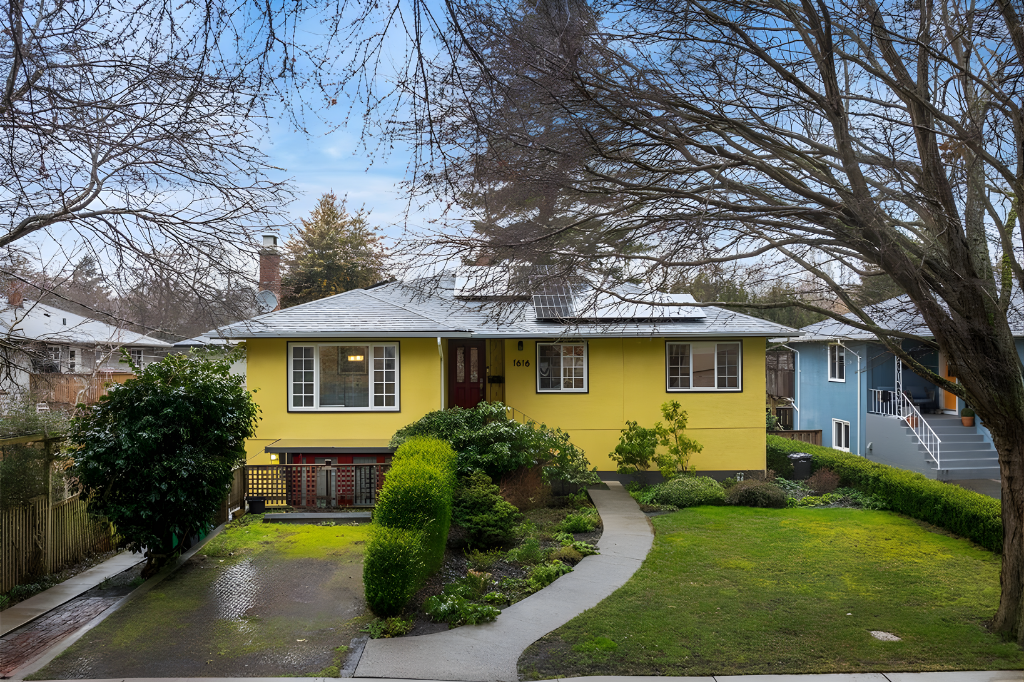
When buyers compare Fernwood vs Fairfield Victoria BC, they are usually not choosing between a good area and a bad one. They are choosing between two strong neighbourhoods that offer very different versions of Victoria living. Both are established, desirable, and close to the urban core, but the day-to-day feel is not the same. The City of Victoria identifies both as distinct neighbourhoods within the city, and both have active community associations and established planning frameworks that shape how they evolve. The real difference is not price alone A lot of buyers start with price, but that usually is not the best first filter. The better question is this: Do you want a neighbourhood that feels a little more eclectic and community-driven, or one that feels more polished, coastal, and traditionally residential? That is where the Fernwood versus Fairfield decision usually becomes clearer. Why Fernwood appeals to so many buyers Fernwood tends to attract buyers who want character, creativity, and a stronger sense of neighbourhood identity. The City-approved Fernwood neighbourhood plan was adopted in July 2022, and the planning work around Fernwood emphasizes housing choice, sustainable transportation, and the role of Fernwood Village as a local centre. The City also describes Fernwood Village as a cluster of well-maintained, intact, and regionally significant heritage buildings centred on Fernwood Avenue and Gladstone Avenue. In practical terms, Fernwood often appeals to buyers who value: heritage character local independent-business energy a community-oriented atmosphere a more urban, artsy, lived-in feel housing with personality rather than polish alone Fernwood also has a strong community identity beyond real estate. Fernwood NRG describes itself as a neighbourhood house run by and for Fernwood residents, which reinforces the area’s reputation for grassroots community involvement. Why Fairfield draws a different type of buyer Fairfield usually attracts buyers who want a quieter residential setting with a more classic Victoria feel. City planning documents for Fairfield identify village nodes such as Fairfield Plaza Village, Five Points Village, and Moss Street Village, and the broader area is closely tied to major outdoor amenities and shoreline access. The City describes Beacon Hill Park as the crowning jewel in Victoria’s park system, with roughly 740,000 square metres of parkland, while Dallas Road Beach is identified by the City as offering beach access, water views, and trails and paths. That usually makes Fairfield attractive to buyers who value: a more established residential feel access to major parks and shoreline walking a quieter streetscape in many pockets a classic South Victoria lifestyle a neighbourhood that often feels more traditional and tucked in Fairfield is often less about edge and more about ease. How the housing feel differs This is where the comparison becomes more useful for serious buyers. Fernwood Fernwood often feels more varied. Buyers will notice a mix of older character homes, smaller lots, converted properties, and a broader blend of housing types as the neighbourhood evolves. Because the neighbourhood plan focuses on housing choice and village-centred growth, Fernwood can feel more dynamic and more layered block to block. Fairfield Fairfield often feels more consistently residential. Even as housing policy changes continue across Victoria, Fairfield has long been associated with traditional residential form, and planning documents continue to frame parts of the area around village nodes within a largely established neighbourhood fabric. That difference matters because some buyers want variety and evolution, while others want consistency and predictability. Lifestyle fit: which one feels more like you? This is usually the fastest way to narrow it down. Fernwood may be the better fit if you want: more character and neighbourhood personality a stronger arts and community vibe a less polished, more organic streetscape easier comfort with mixed housing forms and gradual change a neighbourhood that feels creative and active Fairfield may be the better fit if you want: a calmer, more residential atmosphere close access to major green space and waterfront walking a classic Victoria setting a neighbourhood that feels established and timeless a more traditionally residential day-to-day experience Neither choice is more “correct.” They just serve different buyer priorities. What buyers often miss in this comparison The biggest mistake is assuming the choice is only about prestige or popularity. It is not. The better choice usually comes down to how you want to live Monday through Friday, not just how the area feels on a sunny Saturday afternoon. For example: If you want a neighbourhood with a little more texture and community energy, Fernwood may feel more natural. If you want a calmer residential setting with easier access to landmark outdoor spaces, Fairfield may feel stronger. If you are buying for long-term lifestyle stability, street-by-street fit matters more than broad reputation. That is especially true in Victoria, where neighbourhood transitions can happen quickly over only a few blocks. Which neighbourhood is better for resale? Both can hold strong appeal, but for different reasons. Fernwood often attracts buyers who are drawn to character, walkability, and community identity. Fairfield often attracts buyers who prioritize location stability, park access, and a classic South Victoria feel. In other words, both have strong demand drivers, but the buyer pools are not always identical. This is why resale strength is often more about matching the right property to the right neighbourhood expectation than trying to declare one area universally better. That conclusion is an informed market inference based on the neighbourhood characteristics and planning context above. The bottom line Fernwood and Fairfield are both excellent Victoria neighbourhoods, but they appeal to different instincts. Fernwood tends to suit buyers who want character, culture, and a stronger neighbourhood pulse. Fairfield tends to suit buyers who want a quieter residential setting, classic Victoria appeal, and close access to park and waterfront amenities. The best choice is usually not the one with the strongest reputation. It is the one that fits the way you actually want to live. If you are deciding between Fernwood and Fairfield, contact Faber Real Estate Group for local guidance on which neighbourhood better fits your budget, lifestyle, and long-term goals. Grace C., 5-Star Review, via Google “Zach is very pleasant and professional at all times. He's great to work with. He helped us find a great home for our family. Thank you.” Faber Real Estate Group Royal LePage Coast Capital Realty 📞 250-244-3430 📧[email protected] ℹ️ Scott Faber Personal Real Estate Corporation ℹ️ Cal Faber Personal Real Estate Corporation Vanessa Wood, Zachary Parsons, and Sophie Taylor “Building Lasting Relationships, One Home at a Time.”
Read more