
Posts Tagged ‘first-time home buyers BC’
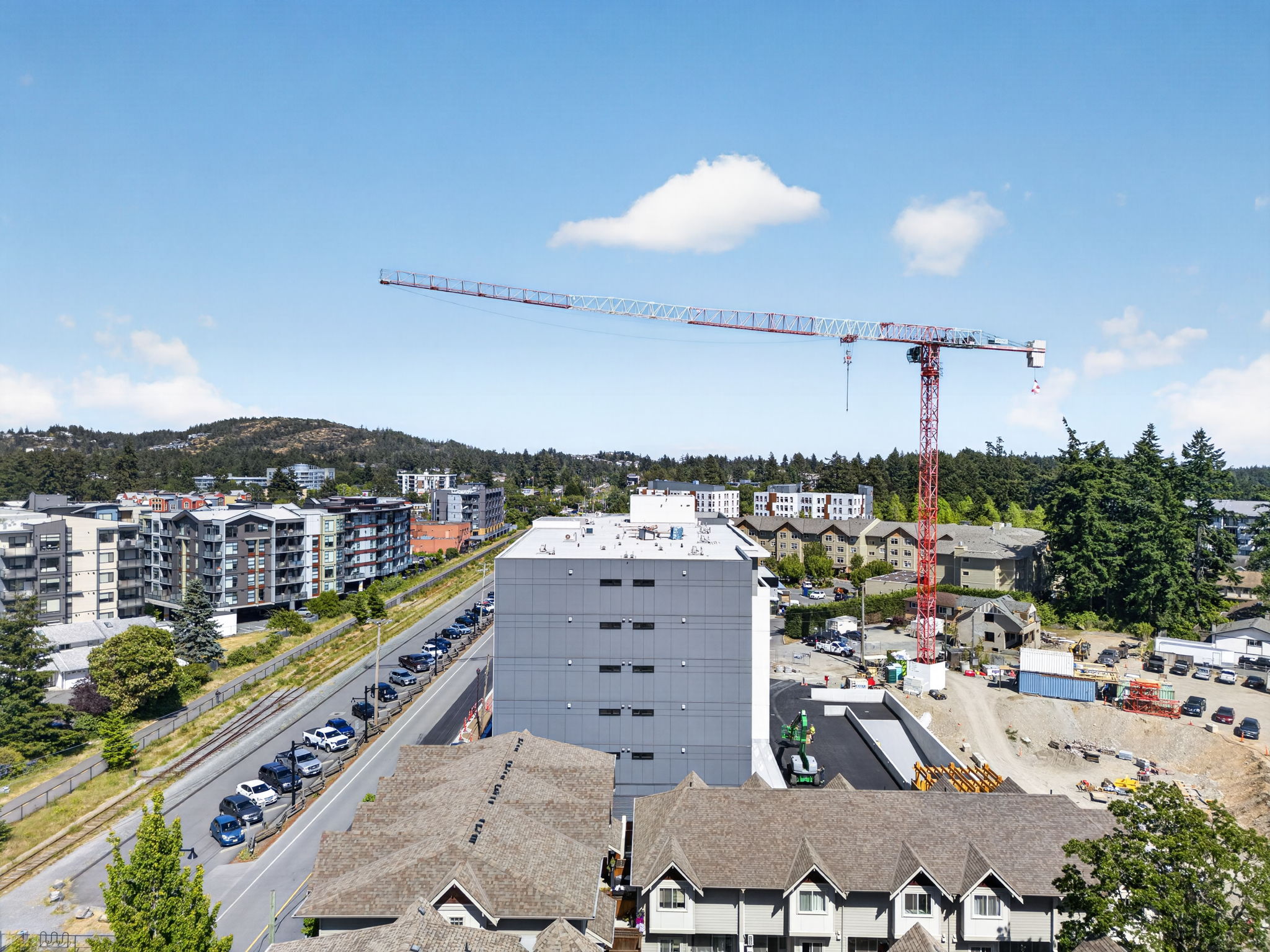
Buying a home before it is built can offer some real advantages, but it also comes with risks that are different from buying an existing home. For buyers considering buying a pre-sale home in Victoria, the biggest benefits can include getting a brand-new home, having more selection early in a development, spreading deposits over time, and potentially qualifying for new-home tax programs. However, buyers also need to consider construction delays, changing market values, financing at completion, contract restrictions, and the fact that the finished home may differ somewhat from the original plans. If you are still determining what price range fits your finances, start with our guide on how much income you need to buy a home in Victoria. What Is a Pre-Sale Home? A pre-sale purchase happens when you agree to buy a home from a developer before construction is complete. Instead of walking through the exact finished home, you may be making your decision based on floor plans, renderings, display suites, specifications, and the developer's disclosure statement. Deposits are typically paid according to the schedule in the contract, with the remaining purchase price due when the home is ready for completion. If you are comparing new construction locally, you can also explore our Greater Victoria developments to see current and upcoming opportunities. What Are the Pros of Buying Pre-Sale? 1. You May Get More Choice Buying earlier in a development can give you a wider selection of: Floor plans Building locations Views Exposure and orientation Parking options Finishing packages This can be particularly valuable when certain layouts or locations within a development are limited. 2. You Are Buying a Brand-New Home New construction generally means newer building systems, modern layouts, current energy-efficiency standards, and less immediate maintenance than an older property. Most qualifying new homes in B.C. are also protected by mandatory 2-5-10 home warranty insurance, which provides different levels of coverage for materials and labour, the building envelope, and structural defects. 3. Your Deposit May Be Spread Over Time Unlike many resale purchases where the deposit is required shortly after acceptance, pre-sale developments often use a staged deposit schedule. That can give buyers more time to build savings before completion, although the exact deposit requirements vary from project to project. The overall timeline is also very different from a typical resale purchase. If you want to better understand the traditional buying process, read our guide on how long it takes to buy a home. 4. You Lock In the Purchase Price Before Completion Your contract establishes a purchase price even though completion may be months or years away. If property values rise before completion, that can work in your favour. However, the reverse is also true, which is why buyers should avoid assuming appreciation will occur. A pre-sale should make financial sense based on your circumstances today, not only on what you hope the property will be worth later. 5. Some Buyers May Qualify for Significant Tax Savings Eligible first-time buyers purchasing qualifying new homes may benefit from federal GST relief, subject to current eligibility rules and purchase-price thresholds. B.C. also offers a Newly Built Home Exemption from property transfer tax for qualifying principal residences. These programs can materially change the cost of purchasing new construction, but eligibility should always be confirmed based on your individual situation. What Are the Cons of Buying Pre-Sale? 1. The Home Is Not Finished Yet Renderings and display suites are helpful, but they are not the same as walking through your actual home. Room dimensions can feel different in person, views can be difficult to judge, and some contracts allow changes to layouts, square footage, materials, or finishes within specified limits. Understanding exactly what the developer is contractually required to deliver matters. 2. Completion Dates Can Change Construction timelines are estimates. Permitting, labour availability, financing, construction costs, weather, and other factors can delay a development. If you need to sell another property, end a lease, or coordinate a move, flexibility becomes important. 3. Your Financing Is Usually Finalized Much Later Getting mortgage approval when you sign a pre-sale contract does not necessarily guarantee financing at completion. Your income, employment, interest rates, lending rules, or the appraised value of the property could change. For example, if you agreed to purchase for $700,000 but the lender later appraises the completed property below that amount, you may need additional cash to close. This is why it is important to understand both your maximum qualification and your comfortable monthly payment before committing. Our article on why your monthly payment matters more than the purchase price can help with that comparison. 4. Market Values Can Move in Either Direction Locking in today's price can be an advantage if values rise. However, if comparable properties are selling for less when your home completes, you are still generally obligated to complete the purchase according to your contract. That is why pre-sale purchasing should not be treated as guaranteed appreciation. 5. Assigning the Contract May Not Be Simple Some buyers assume they can sell their contract before completion if their plans change. That is not always the case. The developer may restrict assignments, require approval, charge an assignment fee, or refuse an assignment altogether. The specific terms are contained in the pre-sale contract. Can You Cancel a Pre-Sale Contract in B.C.? Generally, pre-sale buyers protected under B.C.'s Real Estate Development Marketing Act have a seven-day right to cancel their pre-sale purchase without penalty. The disclosure statement should also be reviewed carefully. It contains important information about estimated construction dates, strata fees, bylaws, parking, contractual rights, and other details about the development. As you get closer to completion, a lawyer or notary will also become part of the process. Our guide on what a real estate lawyer does in the home buying process explains their role. Who Is a Pre-Sale Purchase Best Suited For? Buying pre-sale can make sense for buyers who: Have flexibility around their moving date Want a brand-new home Have stable finances and room for future changes Prefer selecting their unit early Understand that completion dates can move Are comfortable purchasing from plans and specifications Plan to hold the property rather than depend on a quick assignment The best pre-sale is not simply the project with the nicest display suite. It is one where the developer, contract, location, floor plan, pricing, financing plan, and completion timeline all make sense together. Should You Buy Pre-Sale in Greater Victoria? There is no universal answer. For some buyers, a pre-sale provides time to save, access to new construction, strong floor-plan selection, and potential tax advantages. For others, the certainty of purchasing an existing home may be more valuable. Before signing, look beyond the purchase price. Review the disclosure statement, investigate the developer's track record, understand the deposit and assignment terms, confirm the estimated completion timeline, and discuss financing well in advance. You should also compare the pre-sale against resale homes available within the same budget. Buyers deciding between different parts of the region may also find our Westhills vs. Bear Mountain comparison helpful when weighing location, lifestyle, housing type, and long-term plans. Explore Pre-Sale Opportunities in Greater Victoria If you are comparing pre-sale opportunities in Victoria, Langford, Colwood, or elsewhere in Greater Victoria, our team can help you compare the project, contract terms, floor plans, neighbourhood, financing considerations, and available resale alternatives before making a decision. You can explore our current Greater Victoria developments, including Pavilion in Langford, or learn more about how we help buyers through our Buy With Us page. Buying pre-sale can be a great fit for the right buyer, but the details matter. If you are considering a new development and want a second set of eyes before committing, contact our team and we can help you compare the opportunity against the rest of the Greater Victoria market. This article is intended for general information only and is not legal, tax, or financial advice. Buyers should obtain independent professional advice regarding their specific purchase. Lynn L., 5-Star Review, via Google “Purchasing our home with Faber Real Estate Group has been nothing short of fantastic. Scott Faber's attention to detail and personal service is outstanding. His professionalism and friendly personality went a long way for us. We are more than pleased we chose Scott and Faber Real Estate Group as our agent. We wish to extend our heartfelt "Thank You" to Scott and his team. We highly recommend them!” Faber Real Estate Group Royal LePage Coast Capital Realty 📞 250-244-3430 📧 [email protected] ℹ️ Scott Faber Personal Real Estate Corporation ℹ️ Cal Faber Personal Real Estate Corporation Vanessa Wood, Zachary Parsons, and Sophie Taylor “Building Lasting Relationships, One Home at a Time.”
Read more
The psychology of home buying plays a bigger role than many people realize. Buyers may talk about price, bedrooms, location, and square footage, but their final decision is often shaped by emotion, perception, and confidence. Understanding the psychology of home buying helps both buyers and sellers make better decisions. A home purchase is not just a financial transaction. It is also a decision tied to identity, lifestyle, comfort, stress, and future plans. That is why two homes with similar features can create very different reactions. Buyers Start with Logic, Then Decide with Emotion Most buyers begin their search with a practical checklist. They might want three bedrooms, a yard, a certain school catchment, or a shorter commute. That is the logical side of the search. Then something else happens. A buyer walks into one home and immediately feels comfortable. Another home may check more boxes on paper, but it feels cold, awkward, or harder to picture living in. This is where emotion starts to guide the decision. Common emotional drivers include: Feeling safe in the neighbourhood Imagining family life in the space Pride of ownership Comfort and calm Excitement about the future Fear of missing out on a good opportunity The emotional response is often what turns interest into action. First Impressions Carry More Weight Than People Think Buyers make fast judgments. Before they have fully analyzed the layout or the price, they are already forming an opinion based on how the home feels. This includes: Street appeal Cleanliness Smell Natural light Noise levels Layout flow Overall sense of care A home that feels bright, clean, and easy to understand often creates more confidence. A home that feels cluttered, dark, or poorly maintained can make buyers hesitate, even if the issues are minor. This is why presentation matters so much. Buyers are not only evaluating the property. They are also evaluating the risk of choosing it. Buyers Want Confidence More Than Perfection Many sellers assume buyers are looking for a perfect home. In reality, most buyers understand that every property has trade-offs. What they really want is confidence. They want to feel that: The home has been cared for The asking price makes sense The layout works for their life The negatives are manageable They are not missing something important When buyers feel uncertain, they slow down. When they feel clear, they move faster. This is one reason why transparent marketing, clean presentation, and a well-prepared listing can have such a strong effect. The goal is not to make a home look flawless. The goal is to reduce friction and increase trust. Fear Shapes Buyer Behaviour Home buying is exciting, but it is also stressful. Buyers are often managing a mix of hope and fear at the same time. Some of the biggest fears include: Overpaying Buying the wrong location Missing hidden problems Acting too quickly Waiting too long and losing the home Feeling regret after the purchase These fears can lead to very different behaviours. Some buyers rush because they are afraid of losing out. Others delay because they are afraid of making a mistake. This is why strong guidance matters. Good real estate advice does more than open doors. It helps buyers interpret what they are feeling and make decisions with more clarity. Lifestyle Vision Is Often the Real Decision Maker A home is rarely bought just for what it is today. Buyers are usually buying into a picture of the life they want next. They may be thinking about: Hosting family dinners Walking the kids to school Having space for a dog Working from home more comfortably Reducing maintenance Feeling settled in a certain neighbourhood In other words, buyers are often purchasing a future version of their life. That is why homes that help people imagine their next chapter often perform better than homes that simply present features. Features matter, but lifestyle connection is often what makes a listing memorable. Scarcity and Competition Can Change Everything Buyer psychology shifts when there is competition. When inventory feels limited or a home is especially well-positioned, buyers can become more emotionally invested very quickly. Urgency increases. So does the fear of regret. A buyer who was unsure on day one may become far more decisive once they know other people are interested. This does not mean buyers should be pressured. It means market context matters. The same buyer may behave very differently depending on supply, pricing, and how unique the property feels. For sellers, this is a reminder that pricing and presentation influence more than traffic. They influence buyer emotion. The right strategy can make a home feel like an opportunity rather than just another option. The Best Decisions Happen When Emotion and Strategy Work Together Emotion is not the enemy in real estate. It is part of the process. Problems usually happen when emotion takes over without enough structure. The strongest buying decisions usually happen when buyers: Know their budget clearly Understand their non-negotiables Recognize emotional reactions without being controlled by them Compare homes against long-term goals Get advice grounded in market reality A buyer should love the home. They should also understand why it makes sense. That balance is where confidence comes from. What Sellers Can Learn from Buyer Psychology If you are selling, buyer psychology should shape how you prepare and market your home. A few important takeaways: Buyers notice feeling before details Clean, bright, well-organized homes often feel safer to purchase Clear pricing helps reduce hesitation Small signs of neglect can create bigger concerns in a buyer’s mind Marketing should help buyers picture a lifestyle, not just read a feature list The question is not only, “What does this home have?” It is also, “How does this home make a buyer feel?” That question often has a bigger impact on the final result than many sellers expect. Final Thoughts The psychology of home buying is a mix of logic, emotion, fear, confidence, and future vision. Buyers may justify a purchase with numbers, but the decision is often shaped by how a home feels and how clearly they can picture their life in it. Whether you are buying or selling, understanding these patterns can help you make more thoughtful choices and avoid decisions driven only by pressure or impulse. If you want guidance on how buyer psychology could affect your next move in Greater Victoria, contact Faber Real Estate Group for clear advice tailored to your goals. Kushant J.., 5-Star Review, via Google “I have dealt with many real estate agents in the past years but Scott really stood out to me. He pays attention to your personal requirements, is a fountain of knowledge, and overall just an amazing person to communicate with. We have young children and Scott knows exactly how to work with us when it comes to open houses and viewings (very difficult with young children). I will be working with Scott for all of my future real estate needs!” Faber Real Estate Group Royal LePage Coast Capital Realty 📞 250-244-3430 📧[email protected] ℹ️ Scott Faber Personal Real Estate Corporation ℹ️ Cal Faber Personal Real Estate Corporation Vanessa Wood, Zachary Parsons, and Sophie Taylor “Building Lasting Relationships, One Home at a Time.”
Read more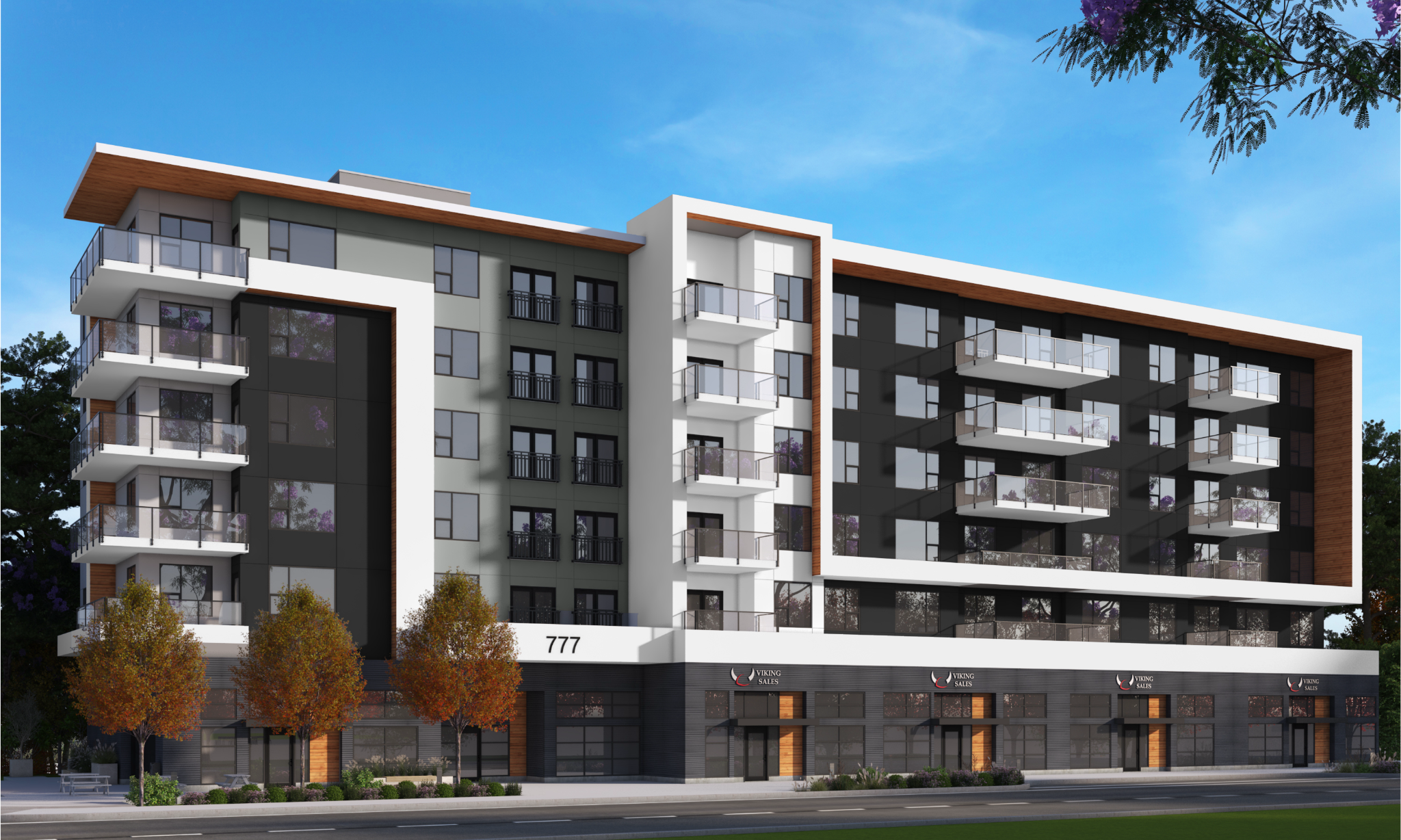
The GST elimination for first-time home buyers has now moved from proposal to reality. On March 12, 2026, the federal government announced that Bill C-4 received Royal Assent, which means the new rebate is officially in law. The measure eliminates the GST for eligible first-time home buyers on new homes priced up to $1 million and reduces the GST on new homes priced between $1 million and $1.5 million. The federal government says this can save buyers up to $50,000, and the Canada Revenue Agency can now begin processing claims. For many buyers, this is one of the most meaningful affordability changes announced in some time. But the fine print matters. What the Rebate Actually Does At a high level, the new federal rebate works like this: 100% of the GST is rebated on eligible new homes valued at $1 million or less The rebate is phased out gradually for eligible new homes priced between $1 million and $1.5 million No rebate applies at $1.5 million or above The federal government gave a helpful example: a $1.25 million eligible new home would qualify for a 50% GST rebate, or up to $25,000. That matters because in many markets, especially where new construction pricing is higher, this is not simply an “all or nothing” program. There is still potential savings above $1 million, just not the full amount. When Does It Apply? This is where timing becomes important. According to the federal news release, the rebate will generally apply to agreements of purchase and sale entered into on or after March 20, 2025, and before 2031. The CRA’s eligibility page also says the purchase agreement must be entered into on or after March 20, 2025 and before 2031, with construction beginning before 2031, substantial completion before 2036, and transfer of ownership before 2036. So while this was just enacted into law in March 2026, the qualifying date window generally reaches back to March 20, 2025. That is an important distinction for buyers who may already have purchased a qualifying new home but were waiting for the legislation to become law. Who Qualifies as a First-Time Home Buyer? Under the federal rules, a qualifying first-time home buyer generally must: be at least 18 years old be a Canadian citizen or permanent resident not have lived in a home they owned, or that their spouse or common-law partner owned, in the calendar year or previous four calendar years not have previously received this rebate, and neither can their spouse or common-law partner That last point is easy to miss. This is not a rebate you can use more than once. What Types of Homes Are Covered? This rebate is aimed at new housing, not resale homes. Eligible situations can include: buying a newly built or substantially renovated home from a builder buying a home on leased land from a builder building, or hiring someone to build, a home on land you own or lease buying shares in a co-op housing corporation tied to a newly built or substantially renovated unit in some cases, certain mobile, modular, or floating homes used as a primary residence In most cases, the home must be intended as your primary place of residence, and you must be the first person to occupy it after construction or substantial renovation. What This Means for Buyers in BC For buyers in British Columbia, this new federal rebate could be especially relevant when comparing: ew condo or townhome options versus resale presale opportunities versus compl neted homes homes just under key pricing thresholds the total cash needed for closing This is where strategy matters. A buyer looking at a qualifying new home around $999,900 may have a very different cost picture than a buyer looking at a comparable home just over the line. Pricing thresholds can shape not only affordability, but also which properties make the most sense to pursue. In BC, first-time buyers may also need to think about Property Transfer Tax separately. The provincial first-time home buyers’ program can exempt PTT on the first $500,000 of a qualifying purchase, with eligibility tied to homes with a fair market value of $835,000 or less, and a reduced exemption up to $860,000. BC also has a separate newly built home exemption, with a full exemption threshold up to $1.1 million and a partial exemption up to $1.15 million for qualifying purchases. That means some buyers may need to look at federal GST rules and provincial PTT rules side by side, because they are not the same program and do not follow the same thresholds. Why This Announcement Matters This change matters for three main reasons. 1. It lowers the upfront cost of buying new For eligible buyers, removing or reducing GST can take a major bite out of the purchase cost. On a new home purchase, that can be one of the largest closing-related savings available. 2. It may shift demand toward new construction Buyers who were on the fence between resale and new construction may now take a closer look at newly built homes, especially when the price falls within the qualifying rebate range. 3. It rewards careful price-point shopping Thresholds matter. A home priced just below a rebate cutoff can create a meaningfully different affordability outcome than a similar home priced just above it. A Few Practical Cautions Before assuming you qualify, it is worth slowing down and checking the details. Keep an eye on: whether the property is truly considered new or substantially renovated whether the home will be your primary residence whether your agreement date falls within the eligible window whether you, or your spouse or common-law partner, owned and lived in a home within the last four calendar years whether you are also trying to rely on separate provincial tax exemptions with different rules This is one of those situations where the headline is simple, but the decision-making is not. Final Thoughts The GST elimination for first-time home buyers is a meaningful federal affordability measure, but the biggest benefit will go to buyers who understand exactly what qualifies, what does not, and how the thresholds affect the real cost of ownership. For some first-time buyers, this could improve the math enough to move sooner. For others, it may simply change which homes are worth targeting. If you are thinking about buying your first home and want help comparing new construction, resale options, and the tax savings that may apply in BC, contact Faber Real Estate Group for clear, practical guidance tailored to your next move. Tatiana S., 5-Star Review, via Google “Absolutely phenomenal service from start to finish! Scott took the time to really get to know us and understand our likes and dislikes, what were dealbreakers and what really sold us in finding our perfect first home! Being first time homebuyers, he was extremely patient with all of our questions and very thorough when it came down to the finer details. Without a doubt, I would recommend him to everyone!” Faber Real Estate Group Royal LePage Coast Capital Realty 📞 250-244-3430 📧[email protected] ℹ️ Scott Faber Personal Real Estate Corporation ℹ️ Cal Faber Personal Real Estate Corporation Vanessa Wood, Zachary Parsons, and Sophie Taylor “Building Lasting Relationships, One Home at a Time.”
Read more