
Posts Tagged ‘first-time home buyer Victoria BC’

Cost of Living in Victoria BC: What It Really Costs to Live Here (2026) Victoria, British Columbia, is known for its mild climate, coastal scenery and access to outdoor recreation. But for anyone considering a move to Vancouver Island, one practical question often comes first: How much does it actually cost to live in Victoria? The answer depends largely on housing. Whether you're renting a downtown apartment, buying your first condo in Langford or purchasing a family home in Saanich, your monthly housing expenses will likely be the biggest factor in your budget. Beyond housing, groceries, transportation, utilities, insurance and everyday activities all contribute to the cost of living. Here's a breakdown of what individuals, couples and families should consider when planning to live in Greater Victoria in 2026. How Much Does It Cost to Live in Victoria, BC, in 2026? A single renter in Victoria could reasonably plan for approximately $3,200 to $4,200 per month in living expenses, while a couple renting together might budget $4,500 to $6,000. Families may need considerably more, depending on housing, childcare and transportation. These are illustrative budgets, not official averages. Actual expenses depend on your housing arrangements, household size, debts and spending habits. Estimated Monthly Cost of Living in Victoria Monthly expense Single renter Couple renting Rent $2,000 $2,600 Utilities $100 $150 Internet and mobile plans $110 $170 Groceries $400 $750 Transportation $200 $450 Tenant insurance $30 $35 Dining and entertainment $200 $350 Personal and miscellaneous expenses $300 $400 Estimated monthly total $3,340 $4,905 These are sample household budgets using rounded planning allowances. Rent assumptions are informed by 2026 Victoria asking-rent data. Other categories are illustrative rather than measured citywide averages. The budgets exclude income taxes, debt repayments, childcare, major travel and long-term savings. Your biggest opportunity to influence these numbers is usually your choice of housing and transportation. 1. Housing Costs in Victoria: Renting vs. Buying Housing is the primary reason Victoria is considered an expensive Canadian city. The region has strong demand for desirable neighbourhoods, geographically limited land and a mix of older housing, condominium developments and newer suburban communities. However, housing costs vary considerably between downtown Victoria, established neighbourhoods like Oak Bay and Gordon Head, and growing communities throughout the Westshore. How Much Is Rent in Victoria, BC? According to Zumper's Victoria rental market data, updated October 7, 2026, advertised rental costs are approximately: Rental type Monthly asking rent Studio apartment $1,700 One-bedroom apartment $1,999 Two-bedroom apartment $2,675 Three-bedroom property $3,522 These figures reflect available rental listings on the platform, rather than the average rent paid by all existing tenants. That's an important distinction. Someone who has rented the same apartment for several years may pay considerably less than a person signing a new lease. The Canada Mortgage and Housing Corporation (CMHC) reported an average two-bedroom rent of $2,120 in Greater Victoria's purpose-built rental market in 2025. That measure includes existing rental tenancies and covers a broader geographic area. You can explore the CMHC Rental Market Report for additional information. How Much Does It Cost to Buy a Home in Victoria? Homeownership introduces additional expenses, but it also offers long-term housing stability and the opportunity to build equity. According to the Victoria Real Estate Board's September 2026 statistics, benchmark home prices in the Victoria Core were: Property type September 2026 benchmark price Single-family detached home $1,280,100 Condominium apartment $547,800 A benchmark price represents the estimated value of a typical home within a defined market segment. It is not the same as the average price or the asking price of an individual property. For buyers considering more affordable alternatives, Langford and other Westshore communities are worth comparing. Read our guide to Comparing Victoria Neighbourhoods at the $800K Price Point to understand how housing options change across Greater Victoria. 2. How Much Does It Cost to Own a Home in Victoria Each Month? A mortgage payment is only one part of homeownership. Buyers also need to account for property taxes, insurance, utilities, maintenance and, for strata properties, monthly strata fees. Example: Owning a $550,000 Condo in Victoria Consider a buyer purchasing a $550,000 resale condo with a 20% down payment. The mortgage would be approximately $440,000 before any financing adjustments. Using an illustrative 4.5% mortgage interest rate and a 25-year amortization, the approximate monthly principal and interest payment would be $2,435. Monthly ownership expense Illustrative amount Mortgage payment $2,435 Strata fees $400 Property taxes $200 Condo insurance $50 Utilities $100 Maintenance and unexpected costs allowance $100 Estimated monthly housing cost $3,285 Example only. The 4.5% interest rate is a calculation assumption, not a current mortgage quote. Actual costs depend on the lender, strata corporation, municipal taxes, insurance and property condition. The estimate excludes the initial down payment, closing costs and opportunity cost of invested savings. Compare that with a typical one-bedroom rental around $2,000 per month, and it's clear why renting can offer lower immediate monthly expenses. However, mortgage payments can also build equity through principal repayment, while homeownership introduces both potential appreciation and the risk of declining property values. The decision to rent or buy should reflect your financial position, expected length of ownership and lifestyle goals. For a clearer picture of the initial expenses involved, read Closing Costs When Buying a Home in Victoria BC and our guide to the home-buying process. 3. Grocery Costs in Victoria, BC Groceries represent another major monthly expense, particularly for families. Your spending depends on household size, dietary preferences, shopping habits and how often you eat outside the home. For budgeting purposes, a reasonable starting point might be: Household Illustrative monthly grocery budget Single adult $350–$500 Couple $650–$900 Family of four $1,100–$1,500 These are suggested planning ranges, not official Victoria-specific averages. Residents have access to grocery options such as Costco, Walmart, Real Canadian Superstore, Save-On-Foods, Thrifty Foods and independent retailers. Shopping at multiple stores, purchasing seasonal produce and preparing meals at home can help manage costs. Victoria also has local markets and farm stands throughout the region, particularly on the Saanich Peninsula. 4. Transportation Costs: Do You Need a Car in Victoria? Not necessarily. Transportation costs depend on where you live and work. Someone living in downtown Victoria, James Bay or near major transit routes may be able to rely primarily on public transportation, walking and cycling. Residents in more suburban or rural communities may find owning a vehicle more practical. How Much Is Public Transportation in Victoria? As of October 2026, BC Transit lists the following adult fares: Transit option Cost Single adult fare $3 DayPASS $6 Adult 30-day pass $85 For someone commuting regularly, public transit can be significantly less expensive than owning and operating a vehicle. What Does It Cost to Own a Car in Victoria? Car ownership expenses may include: ICBC insurance. Fuel or electricity. Scheduled maintenance and repairs. Vehicle financing or lease payments. Parking. Registration and other applicable fees. A driver with a paid-off, fuel-efficient vehicle may spend substantially less than someone financing a newer SUV. For budgeting purposes, a household might allow $400 to $900 or more per month for vehicle expenses, depending on usage, financing and insurance. This is particularly relevant when comparing living in downtown Victoria with communities such as Langford, Colwood and Sooke. A lower housing payment farther from work may not result in lower total monthly expenses once commuting costs are considered. 5. Utilities, Internet and Monthly Household Bills Utility expenses in Greater Victoria vary based on property size, insulation, heating system and the number of occupants. A newer condo with efficient heating may have lower operating costs than an older detached home, particularly during the winter. How Much Do Utilities Cost in Victoria? Expense Illustrative monthly budget Electricity for a condo $50–$120 Electricity for a larger home $120–$250+ Natural gas, where applicable Varies with consumption Internet $60–$110 Mobile phone $35–$80 per line Water, sewer and garbage Varies by municipality and property These amounts are planning allowances rather than published average bills. BC Hydro's residential flat rate is 12.70 cents per kilowatt-hour, plus a daily basic charge of 25 cents, under its published 2026 schedule. Other residential rate plans are available. You can review the BC Hydro residential electricity rates for details. When comparing properties, pay attention to more than just square footage. Heating systems, window quality, insulation and strata inclusions can make a noticeable difference in monthly expenses. A condo with hot water included in the strata fees may have a different utility profile from one where each unit pays separately. For more information, read our article on Energy Efficiency and Retrofitting in Victoria BC. 6. Property Taxes and Home Insurance in Greater Victoria For homeowners, annual property taxes and insurance form an important part of the ongoing cost of living. Property taxes vary by municipality, assessed value, tax classification and available grants. A home in Oak Bay may have a different property tax bill from a similarly priced home in Saanich, Langford or Victoria. Rather than assuming taxes will be consistent throughout the region, buyers should review the actual tax history of properties they're considering. Our article on Municipal Property Tax Comparisons in Greater Victoria explains why these differences matter. Home insurance is another consideration. Detached homeowners generally need coverage for their home and belongings, while strata owners typically need their own unit insurance in addition to the building's strata insurance. Older properties, higher replacement costs and certain coverage requirements can increase premiums. The most useful approach is to obtain insurance estimates before committing to a purchase, particularly for older homes or strata properties with higher deductibles. 7. Entertainment, Restaurants and Lifestyle Costs One reason people choose Victoria is the lifestyle. Beaches, parks, walking trails, waterfront paths and outdoor recreation are accessible throughout Greater Victoria. Many popular activities cost little or nothing, including walking along Dallas Road, visiting public beaches, hiking in regional parks and cycling on the Galloping Goose Trail. Restaurant meals, fitness memberships, organized sports and entertainment can add substantially to a household budget. For planning purposes, an individual might allow $150 to $400 per month for dining and recreation, while a couple or family may spend considerably more. Victoria's lifestyle costs can be relatively manageable for people who enjoy outdoor activities, but frequent restaurant visits and paid entertainment can quickly increase discretionary spending. 8. Is Langford Cheaper Than Victoria? Langford can offer more housing space for the same purchase budget, but that doesn't automatically mean the overall cost of living is lower. The biggest differences often involve housing prices, commuting and property type. According to a Victoria Real Estate Board neighbourhood analysis published in April 2026, average first-quarter home prices were: Property type Langford Victoria Core Single-family home $1,089,718 $1,404,664 Condo $536,875 $674,385 Townhome $768,239 $859,269 Source: Victoria Real Estate Board, Getting to Know Langford, first quarter of 2026. These figures illustrate a meaningful difference in average purchase prices between the two markets during that period. However, housing value should also be measured against daily expenses. For example, a buyer working in downtown Victoria who purchases in Langford should account for commuting time, fuel, parking and vehicle maintenance. Someone working remotely or employed in the Westshore may find the same location considerably more convenient. This is why choosing where to live should involve comparing total household costs rather than purchase price alone. If you're considering the Westshore, explore our guide to Hidden Gem Neighbourhoods in Langford, Colwood and View Royal. 9. What Salary Do You Need to Live Comfortably in Victoria, BC? There isn't one income level that guarantees a comfortable lifestyle in Victoria. A renter with no debt, a short commute and moderate spending habits will have different financial needs from a family carrying a mortgage, childcare expenses and two vehicle payments. One useful benchmark is the local living wage. According to Living Wage BC, the Greater Victoria living wage was calculated at $27.40 per hour in 2025. The living wage represents an estimate of the hourly income required for a specified reference household to meet basic living expenses. It is not the same as the statutory minimum wage, nor is it a universal estimate of what every individual needs to earn. For households considering homeownership, the more useful calculation is often how much income remains after housing, transportation, debt payments, savings and essential living expenses. A household earning $120,000 per year with limited debt may have greater financial flexibility than a household earning more but carrying substantial monthly obligations. 10. Is Victoria, BC, More Affordable in 2026? Victoria remains an expensive housing market, but affordability conditions are not static. The September 2026 Victoria Real Estate Board report recorded 463 property sales, down 16.4% from September 2025, while active listings reached 3,811. The Board indicated that inventory was outpacing sales enough for the market to enter buyer's market territory during September, while cautioning that one month does not establish a long-term trend. For prospective homebuyers, greater inventory can provide more choice and time to compare properties. Rental conditions have also changed. CMHC reported that Greater Victoria's purpose-built rental vacancy rate reached 3.3% in 2025, its highest level since 1999. These developments may improve the options available to some households, but they don't eliminate the wider affordability challenge. Housing payments, everyday expenses and household incomes still determine whether living in Victoria is financially sustainable. Frequently Asked Questions About the Cost of Living in Victoria, BC Is Victoria, BC, expensive to live in? Yes. Victoria is an expensive Canadian city, primarily because of housing costs. Rent, home prices and ownership expenses can represent a significant portion of household income. However, costs vary considerably by neighbourhood, household size and lifestyle. How much does a single person need to live in Victoria? A single person renting a one-bedroom apartment might budget approximately $3,200 to $4,200 per month for housing, groceries, utilities, transportation and personal expenses. Sharing accommodation or reducing vehicle expenses may lower that amount. What is the average rent in Victoria, BC? As of October 2026, Zumper reported approximately $1,999 per month for a one-bedroom apartment and $2,675 for a two-bedroom apartment in Victoria. These are advertised rental figures, not the average paid by existing tenants. Is it cheaper to live in Victoria or Vancouver? Victoria often has lower housing costs than Vancouver, although both are expensive markets. The comparison depends on the neighbourhood, housing type and transportation needs. Vancouver's broader rapid-transit network may also reduce car-related expenses for some residents. Is Langford more affordable than Victoria? Langford has historically offered more affordable homeownership options than many Victoria Core neighbourhoods. However, transportation, insurance, property taxes and commuting costs should be included when comparing overall affordability. Can you live in Victoria without a car? Yes. Many residents living near downtown Victoria or frequent transit routes can manage without a personal vehicle. Walking, cycling and BC Transit can reduce transportation expenses, although convenience depends on your work location and lifestyle. Is buying a home in Victoria better than renting? Neither option is automatically better. Renting may provide greater flexibility and lower immediate monthly costs. Buying allows you to build equity but introduces property taxes, maintenance, insurance and potential market risk. Your long-term plans and financial readiness should guide the decision. Is Living in Victoria Worth the Cost? Victoria offers a combination of coastal living, outdoor recreation and established communities that continues to appeal to people relocating to Vancouver Island. But enjoying the lifestyle also means understanding the financial trade-offs. For some households, living in a smaller condo near downtown and relying on public transportation makes sense. Others may prefer a larger home in Langford or Colwood, even if it means a longer commute. There isn't one right answer. The goal is to find a community and housing arrangement that supports both your lifestyle and your financial priorities. At Faber Real Estate Group, we help buyers compare neighbourhoods, understand local market conditions and make informed real estate decisions throughout Greater Victoria. If you're considering relocating to Victoria, purchasing your first property or moving to a different neighbourhood, we'd be happy to help you explore your options. Connect with Faber Real Estate Group to discuss buying a home in Greater Victoria. Megan W.., 5-Star Review, via Google “As first-time home buyers, we couldn't have asked for a better realtor than Zach Parsons and the Faber Real Estate Group! From day one, Zach made us feel completely supported. He answered every question with patience, gave honest advice, and never made us feel pressured. We put our full trust in him, and he absolutely did not disappoint. Buying your first home can be overwhelming, but Zach and the entire Faber Group made the process feel smooth and stress-free. We always felt like we had someone in our corner and never once felt like we were navigating it alone. Faber Real Estate Group Royal LePage Coast Capital Realty 📞 250-244-3430 📧 [email protected] ℹ️ Scott Faber PREC ℹ️ Cal Faber PREC Vanessa Wood, Zachary Parsons, Sophie Taylor Building Lasting Relationships, One Home at a Time. Information updated October 8, 2026. Housing statistics, rental rates and utility charges are subject to change. Monthly budgets and mortgage calculations are illustrative estimates, not guarantees of individual living expenses or financing terms.
Read more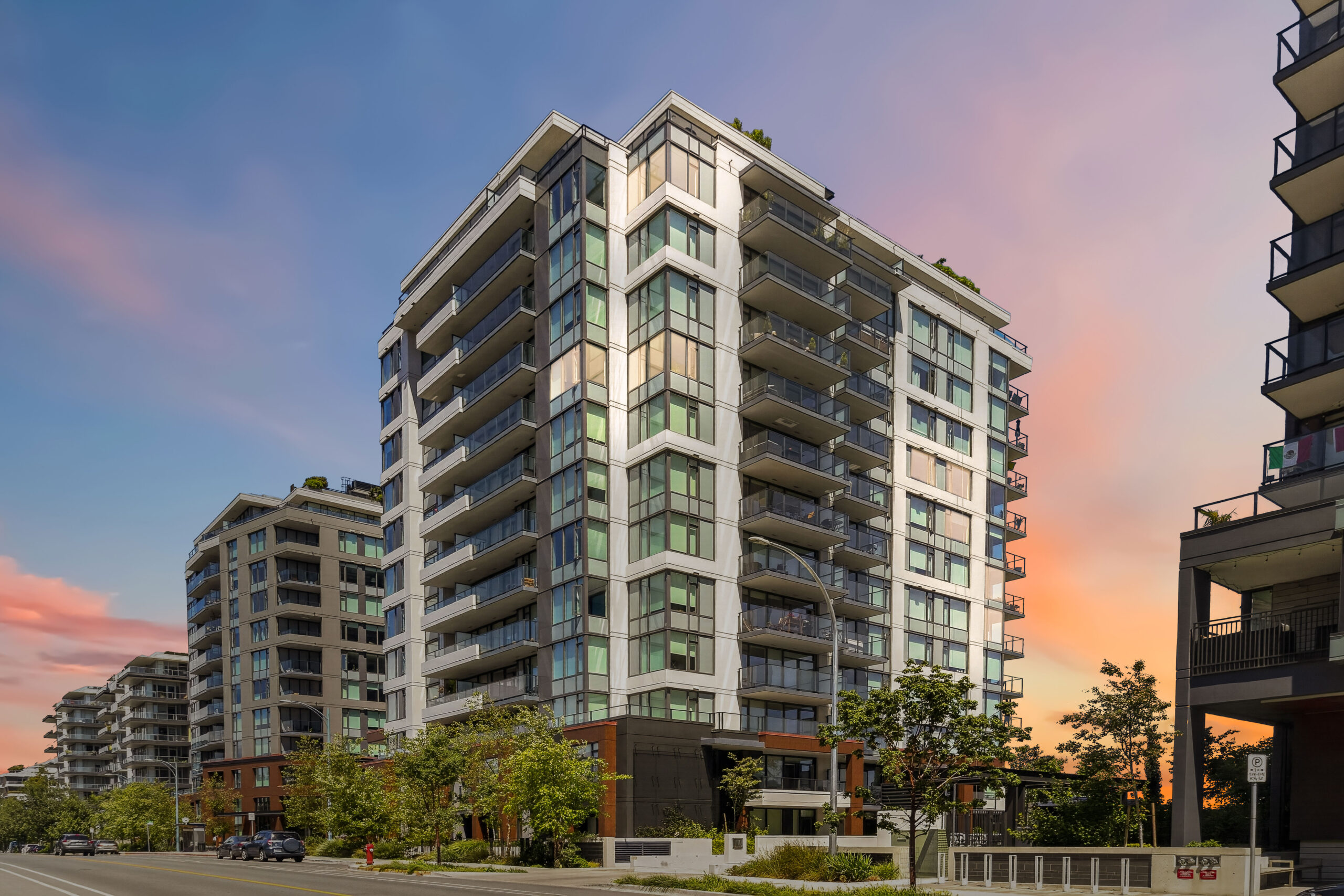
First-Time Home Buyer Victoria: Programs, Rebates, Taxes & Costs Explained (2026) Buying your first home in Victoria, BC, comes with more than just a down payment. Between property transfer taxes, mortgage requirements, legal fees and closing costs, understanding the full financial picture can make a meaningful difference in what you can afford. The good news? Several provincial and federal programs can help first-time buyers reduce their upfront costs, save for a down payment and potentially recover thousands of dollars in taxes. Whether you're considering a condo in downtown Victoria, a townhome in Langford or a new development in Colwood, here's what you need to know before making your first purchase. What programs are available for first-time home buyers in Victoria, BC? First-time home buyers in Victoria may qualify for property transfer tax exemptions, a new-home GST rebate, tax-advantaged savings accounts and federal home-buying incentives. Eligibility depends on the program, your purchase price, ownership history and whether you're buying a new or resale home. Program Potential benefit BC First Time Home Buyers' Program Up to $8,000 off property transfer tax BC Newly Built Home Exemption Full property transfer tax exemption on qualifying new homes up to $1.1 million Federal First-Time Home Buyers' GST Rebate Up to $50,000 in GST relief on qualifying new homes First Home Savings Account (FHSA) $8,000 annual contribution room, $40,000 lifetime limit Home Buyers' Plan (HBP) Withdraw up to $60,000 from an RRSP, subject to repayment rules Home Buyers' Amount Non-refundable federal tax credit worth up to $1,500 These programs have different eligibility requirements. Not every buyer will qualify for every benefit, and some may be used together. 1. BC First Time Home Buyers' Program: How much property transfer tax can you save? British Columbia's First Time Home Buyers' Program helps eligible purchasers reduce the property transfer tax (PTT) payable when buying their first principal residence. In 2026, eligible buyers can receive: A full property transfer tax exemption on homes valued at $500,000 or less. An $8,000 exemption on homes valued above $500,000 and up to $835,000. A reduced exemption on homes valued above $835,000 but below $860,000. At $860,000 or more, the first-time buyer exemption no longer applies. For homes between $500,000 and $835,000, the $8,000 exemption may not eliminate the entire tax bill. How much property transfer tax would a first-time buyer pay in Victoria? Purchase price Regular PTT PTT after first-time buyer exemption $450,000 $7,000 $0 $550,000 $9,000 $1,000 $650,000 $11,000 $3,000 $750,000 $13,000 $5,000 $800,000 $14,000 $6,000 $850,000 $15,000 $11,800 These examples assume the entire property qualifies, the buyer meets all program requirements, and no special property conditions apply. Who qualifies for the BC first-time home buyer exemption? Eligibility generally requires buyers to meet provincial residency or tax-filing conditions, hold Canadian citizenship or permanent resident status, and satisfy the program's previous ownership rules. The property must also become the buyer's principal residence. Additional requirements apply to property size, occupancy timing and continued use of the home. Review the official BC First Time Home Buyers' Program eligibility requirements before relying on the exemption. 2. First-Time Home Buyer GST Rebate: Can you save up to $50,000 on a new home? Yes. Eligible first-time home buyers can receive a rebate of up to $50,000 in federal GST when purchasing a qualifying newly built or substantially renovated home. The 2026 federal program provides: New home purchase price Potential GST rebate Up to $1,000,000 Up to 100% of GST, maximum $50,000 $1,000,001 to $1,499,999 Gradually reduced rebate $1,500,000 or more No first-time buyer GST rebate For example, a qualifying $600,000 newly built condo would ordinarily carry $30,000 in GST at the 5% rate. An eligible first-time buyer may receive a rebate covering the full $30,000. Who qualifies for the new-home GST rebate? For a typical purchase from a builder, important conditions include: The buyer must satisfy the federal first-time buyer definition. The home must be newly constructed or substantially renovated and intended as the buyer's primary residence. The agreement of purchase and sale must generally have been entered into on or after March 20, 2025, and before 2031. Additional construction, occupancy and transfer deadlines must be met. Builders can credit the rebate at closing, or eligible purchasers may apply directly to the Canada Revenue Agency when the builder has not provided the credit. Buyers should confirm whether the advertised purchase price already reflects a rebate. For buyers comparing resale condos with brand-new developments in the Westshore, this can materially change the total purchase cost. Explore new residential developments in Greater Victoria to see how new construction compares with resale opportunities. 3. BC Newly Built Home Exemption: Is property transfer tax waived on new homes? British Columbia also offers a separate property transfer tax exemption for qualifying newly constructed principal residences. Under the BC Newly Built Home Exemption: Qualifying new homes valued up to $1.1 million may receive a full property transfer tax exemption. Homes valued above $1.1 million but below $1.15 million may receive a partial exemption. The exemption phases out at $1.15 million. Unlike the BC First Time Home Buyers' Program, this exemption is not restricted exclusively to first-time purchasers. Can you combine the BC new-home exemption with the federal GST rebate? Yes, a qualifying first-time buyer may benefit from both the provincial newly built home property transfer tax exemption and the federal first-time buyer GST rebate. For example, consider an eligible buyer purchasing a newly built $700,000 condo: Tax or savings Amount Standard BC property transfer tax $12,000 BC newly built home exemption −$12,000 GST at 5% $35,000 Eligible federal first-time buyer GST rebate −$35,000 Combined potential tax savings $47,000 This example assumes full eligibility for both programs. The buyer would still need to cover the down payment and other closing costs. The BC first-time buyer and newly built home PTT exemptions are alternative routes to reducing the same provincial tax, not duplicate refunds of it. 4. First Home Savings Account (FHSA): How can it help you buy in Victoria? The First Home Savings Account is one of the most useful tools available to Canadians preparing to purchase their first home. An FHSA combines two tax advantages: Tax-deductible contributions: Eligible contributions reduce your taxable income. Tax-free qualifying withdrawals: You can withdraw contributions and investment growth tax-free when purchasing a qualifying first home. Under current federal rules, you receive $8,000 of contribution room in the year you open your first FHSA, with a $40,000 lifetime contribution limit. Unused participation room can be carried forward, subject to limits. For example, a first-time buyer contributing $8,000 annually over five years could contribute $40,000 before investment growth. Two eligible partners could potentially contribute a combined $80,000 over that period. Something many buyers overlook: FHSA contribution room begins accumulating only after you open your first account. Opening one early can be beneficial, even if purchasing a home is still a few years away. Learn more through the Canada Revenue Agency's FHSA guide. 5. Home Buyers' Plan: Can you use your RRSP for a down payment? The federal Home Buyers' Plan (HBP) allows eligible buyers to withdraw up to $60,000 from their Registered Retirement Savings Plan (RRSP) to purchase or build a qualifying home. Unlike a qualifying FHSA withdrawal, money withdrawn under the HBP must generally be repaid to your RRSP over 15 years, subject to applicable repayment-start rules. Eligible buyers can also use the Home Buyers' Plan and FHSA for the same home purchase, provided they meet both programs' requirements. For a couple where both buyers qualify, the combined HBP withdrawal limit could be $120,000. This can help bridge the gap between existing savings and the down payment required for a property in Greater Victoria. However, buyers should consider how RRSP withdrawals may affect long-term retirement savings. 6. How much down payment do you need to buy your first home in Victoria? The minimum down payment in Canada depends on the purchase price, not whether you're a first-time buyer. As of 2026, the standard minimum requirements are: Home purchase price Minimum down payment $500,000 or less 5% Above $500,000 but below $1.5 million 5% of the first $500,000, plus 10% of the remainder $1.5 million or more 20% Minimum down payment examples for Victoria buyers Purchase price Minimum down payment $450,000 $22,500 $550,000 $30,000 $650,000 $40,000 $750,000 $50,000 $850,000 $60,000 $1,000,000 $75,000 These are minimum requirements. Mortgage approval also depends on income, existing debt, credit history, qualifying interest rates and lender requirements. Buyers putting down less than 20% typically require mortgage default insurance, which adds to the overall borrowing cost. For a closer look at how your budget may influence location and property type, read our guide to comparing Victoria neighbourhoods at the $800,000 price point. 7. What closing costs should first-time home buyers expect in Victoria? In addition to your down payment, first-time buyers should budget for legal fees, inspections, property transfer tax if applicable, and adjustments on closing. Exact costs depend on the property, financing arrangements and applicable exemptions. Closing expense Typical planning estimate Legal or notary fees and disbursements $1,500–$2,500 Home inspection $500–$900 Property appraisal, if required $300–$600 Property transfer tax Depends on purchase price and exemptions Title insurance, if required Varies by property and lender Property tax and strata adjustments Varies by closing date and property Moving and initial setup Depends on circumstances These are illustrative budgeting ranges rather than quoted service prices. Obtain estimates from the professionals involved before subject removal and closing. For buyers purchasing strata properties in Victoria, Saanich, Langford or Colwood, additional financial considerations include monthly strata fees, insurance deductibles, possible special levies and the building's financial position. Understanding these expenses before writing an offer can help prevent unpleasant surprises later. Our article on what a real estate lawyer does during the home-buying process explains how legal professionals handle transfers, adjustments and closing documentation. 8. First-time buyer example: How much cash do you need for a $600,000 condo in Victoria? Let's compare two buyers purchasing a $600,000 condo: one purchasing a resale property and the other purchasing an eligible newly built home. Both are assumed to qualify for the relevant first-time buyer programs and have the minimum down payment available. Expense Resale condo Eligible new condo Purchase price before GST $600,000 $600,000 Minimum down payment $35,000 $35,000 BC property transfer tax before exemption $10,000 $10,000 Applicable BC PTT exemption −$8,000 −$10,000 PTT payable $2,000 $0 GST before rebate $0 $30,000 Qualifying GST rebate $0 −$30,000 Estimated other closing costs $3,000 $3,000 Estimated cash required $40,000 $38,000 This is an illustrative comparison. It assumes the builder credits the full GST rebate at closing, tax exemptions apply in full, and a $3,000 allowance for other closing costs. Mortgage insurance premiums, applicable taxes on insurance, adjustments and other property-specific expenses are not included. Final down-payment and mortgage calculations must be confirmed with the lender. The takeaway isn't that new construction is always cheaper. It's that purchase price and total purchase cost are not the same thing. A resale property may offer different advantages, such as an established strata corporation, existing amenities or more flexibility around possession. New construction may offer tax savings, warranties and newer building systems. The right decision depends on more than the listing price. 9. Where should first-time buyers consider purchasing in Greater Victoria? Your ideal neighbourhood depends on your budget, commute, lifestyle and the kind of home you want to own. Langford and the Westshore Langford and neighbouring Westshore communities provide a mix of newer condominiums, townhomes and detached houses. Buyers comparing these areas should consider commuting, building age, strata costs and planned growth. Read our guide to hidden-gem neighbourhoods in Langford, Colwood and View Royal. Downtown Victoria and Esquimalt Buyers who prioritize walkability, nearby employment, restaurants and transit may prefer a condominium closer to Victoria's urban core. Compare monthly ownership expenses and building condition alongside the location. Saanich and View Royal These communities offer established residential neighbourhoods, varied housing types and access to different parts of Greater Victoria. Property age, transit access and maintenance requirements can influence overall affordability. You can explore available properties through our Greater Victoria home search. 10. What should you do before buying your first home? Before beginning your property search, take the time to establish your financial position and understand the buying process. Speak with a mortgage professional. Confirm your borrowing capacity, qualifying rate and comfortable monthly payment. Review your eligibility for rebates and exemptions. Consider provincial property transfer tax programs, the federal GST rebate, FHSA and HBP. Establish your complete budget. Include the down payment, closing costs, ongoing expenses and a reserve for unexpected repairs. Compare neighbourhoods and property types. Consider both today's needs and how the home may suit you over the next several years. Understand the conditions in your offer. Financing, inspection and strata document review can play an important role in protecting your interests. For more on what happens after mortgage pre-approval, read The Real Timeline: How Long Does It Take to Buy a Home?. Frequently Asked Questions About Buying Your First Home in Victoria Can you buy a home in Victoria with a 5% down payment? Yes. Eligible buyers purchasing a home for $500,000 or less may qualify with a 5% down payment. Above $500,000 and below $1.5 million, the minimum is 5% on the first $500,000 and 10% on the remainder. Mortgage qualification and insurance requirements still apply. Do first-time home buyers pay property transfer tax in BC? Sometimes. Eligible buyers purchasing a home for $500,000 or less may receive a full exemption. For homes above $500,000 and up to $835,000, the exemption is generally limited to $8,000. A partial exemption is available up to, but not including, $860,000. Do first-time home buyers pay GST on resale homes in Victoria? Generally, no. The sale of a previously occupied residential property is normally exempt from GST. Newly constructed homes are generally subject to GST, although eligible first-time purchasers may qualify for the federal rebate. Can couples combine first-time home buyer programs? Yes, in certain circumstances. Eligible partners may each use their own FHSA contribution room and Home Buyers' Plan withdrawal entitlement. However, provincial property transfer tax exemptions depend on each purchaser's eligibility and ownership interest. Tax credits and rebates also have their own rules. Can you qualify as a first-time home buyer if you previously owned a home? It depends on the program. Some federal programs use a four-calendar-year lookback test, while BC's first-time buyer property transfer tax exemption has different previous ownership requirements. A buyer who qualifies under one program may not qualify under another. How much money should you save before buying a home in Victoria? Your savings should cover the required down payment, closing costs and an emergency reserve. For example, a first-time buyer considering a $600,000 resale condo could need approximately $40,000 in upfront cash under the assumptions outlined earlier. Actual requirements depend on the purchase and financing details. Buying Your First Home in Victoria Starts With a Clear Plan For many first-time buyers, the biggest challenge isn't finding a property. It's understanding how the numbers fit together and knowing which decisions deserve the most attention. A tax exemption might make one property more affordable than another. A new-home GST rebate could change your options. And the right mortgage structure can influence how comfortably you manage ownership costs after moving in. At Faber Real Estate Group, we believe buying your first home should begin with education, not pressure. Whether you're exploring your options or preparing to purchase in the coming months, our team can help you understand the local market, compare properties and build a buying strategy around your goals. Connect with Faber Real Estate Group to discuss buying your first home in Greater Victoria. Scott M.., 5-Star Review, via Google “Scott & Cal and their team were excellent in helping me secure a new condo at the Pavilion- knowledgeable, personable, and great service. Would highly recommend their team if you’re looking for a dynamic realtor in the CRD!” Faber Real Estate Group Royal LePage Coast Capital Realty 📞 250-244-3430 📧 [email protected] ℹ️ Scott Faber PREC ℹ️ Cal Faber PREC Vanessa Wood, Zachary Parsons, Sophie Taylor Building Lasting Relationships, One Home at a Time. Information current to October 8, 2026. Government programs, tax rules and eligibility requirements can change. This article provides general educational information, not personalized tax, legal or mortgage advice. Confirm your eligibility with the relevant government agency and qualified professionals before committing to a purchase.
Read more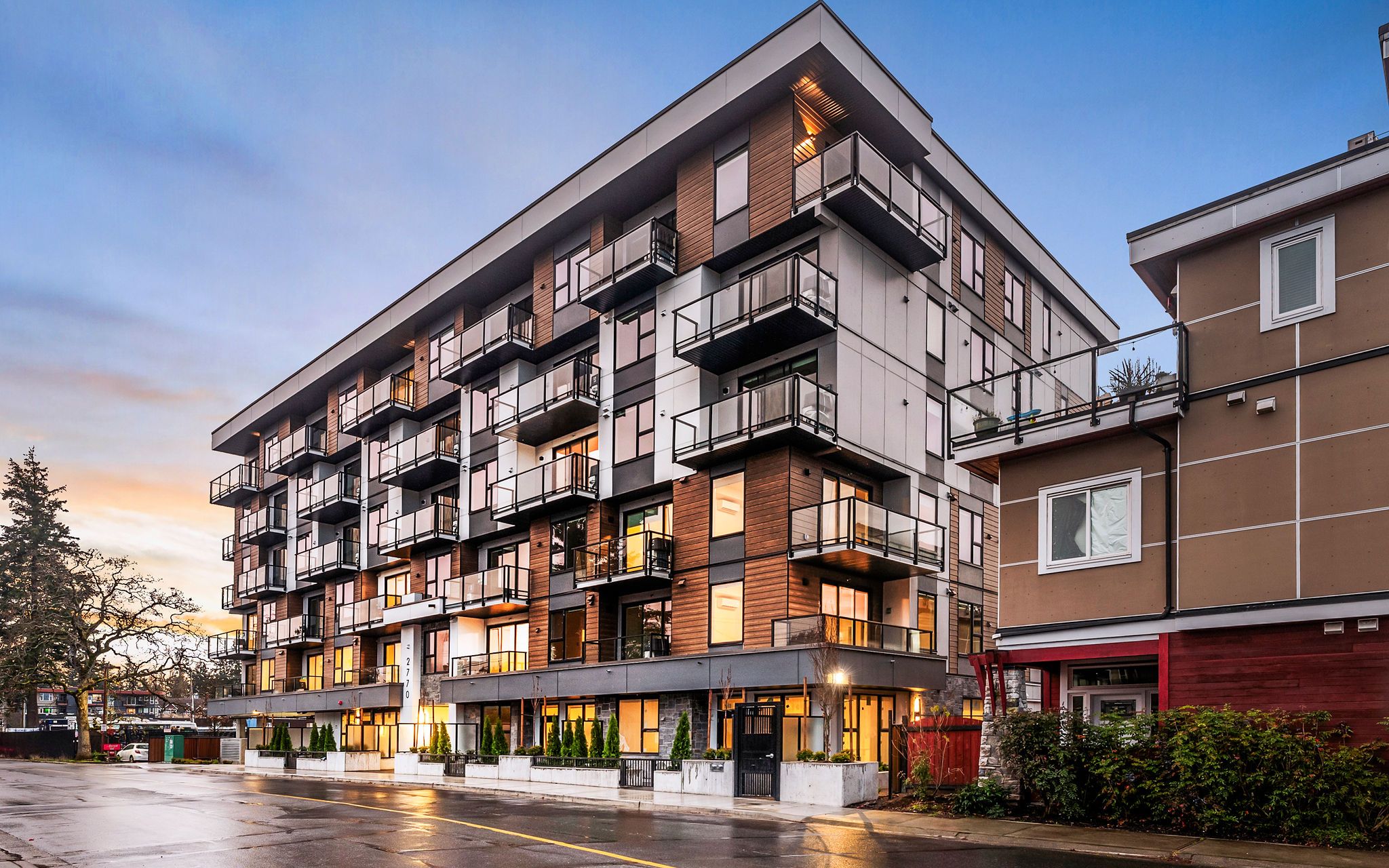
For many people, the question of whether to rent or buy in Victoria BC is not simple. Rent can feel expensive, but homeownership comes with more than just a mortgage payment. There are property taxes, insurance, strata fees, repairs, closing costs, and the responsibility of maintaining a home. At the same time, buying can offer stability, long-term equity, and more control over where and how you live. The right answer depends on your income, savings, lifestyle, timeline, and comfort level with responsibility. The goal is not to rush into the market. The goal is to understand the trade-offs clearly so you can make a confident decision. The Case for Continuing to Rent Renting can make sense, especially if you are still building savings, unsure where you want to live long-term, or need flexibility. When you rent, your monthly housing cost is usually more predictable. You do not have to pay for major repairs, property taxes, strata special levies, or replacing a roof. If your dishwasher breaks, that is usually the landlord’s responsibility. Renting may also give you more freedom to move. This matters if your job, relationship status, family plans, or preferred neighbourhood could change in the next year or two. The Downsides of Renting The challenge with renting is that your monthly payment does not build equity for you. You are helping cover someone else’s mortgage, property taxes, and long-term investment costs. You may also face rent increases, limited control over renovations, and the possibility that the owner decides to sell or move back into the property. In Victoria BC, where land is limited and demand remains steady over the long term, staying on the sidelines can also make it harder to catch up if prices continue to move over time. Renting is not “throwing money away” if it gives you flexibility and financial breathing room. But it can become costly if it keeps you from building a long-term plan. The Case for Buying Buying a home can help turn your monthly housing payment into a long-term asset. Instead of paying rent with no ownership stake, part of your mortgage payment goes toward paying down principal. Over time, this can help build equity, especially if the property increases in value. Homeownership can also provide stability. You are not waiting for a landlord to make decisions about your living situation. You can paint, renovate, adopt a pet, stay long-term, and create a home that fits your lifestyle. For some buyers, the emotional value matters as much as the financial side. There is comfort in knowing your home is yours. The Real Costs of Owning a Home A mortgage payment is only one part of homeownership. Before buying, you need to understand the full monthly and annual cost. Common ownership costs include: Mortgage payment Property taxes Home insurance Utilities Repairs and maintenance Strata fees, if buying a condo or townhome Possible strata special levies Property transfer tax, unless you qualify for an exemption Legal fees, appraisal fees, inspection costs, and moving costs For condos and townhomes, strata fees are especially important. They may cover building insurance, landscaping, maintenance, garbage collection, common area upkeep, amenities, contingency reserve fund contributions, and sometimes water or hot water. Lower strata fees are not always better. A well-funded strata with healthy maintenance planning can be safer than a building with low fees and deferred repairs. Property Taxes Matter Property taxes are an ongoing cost of ownership. They vary depending on the municipality, assessed value, and local tax rates. In Greater Victoria, two similar homes in different municipalities may have different annual property tax bills. Buyers should always review the most recent property tax amount before writing an offer. Many eligible homeowners in BC may also qualify for the Home Owner Grant, which can reduce property taxes on a principal residence. This is worth checking each year because thresholds and eligibility can change. Maintenance Costs Are Real One of the biggest differences between renting and owning is responsibility. When you own a home, maintenance is yours to plan for. A good rule of thumb is to set aside money monthly for future repairs, even if the home feels move-in ready today. For detached homes, this may include: Roof maintenance or replacement Perimeter drains Exterior paint Windows Heating and cooling systems Hot water tank Plumbing and electrical updates Landscaping and fencing For condos, some of these costs may be handled through the strata, but you still need to review the depreciation report, contingency reserve fund, strata minutes, bylaws, insurance deductible amounts, and upcoming projects. Rebates and Programs That May Help First-Time Buyers There are several programs that may help people get into the real estate market, especially first-time buyers. The BC First Time Home Buyers’ Program may reduce or eliminate property transfer tax for eligible buyers on qualifying homes. This can make a meaningful difference because property transfer tax is often one of the largest closing costs. There is also a BC newly built home exemption for qualifying newly constructed homes, which may help reduce property transfer tax on eligible new homes. At the federal level, first-time buyers may also be able to use programs such as the First Home Savings Account and the Home Buyers’ Plan. These can help buyers build or access down payment funds in a more tax-efficient way. First-time buyers purchasing a qualifying new home may also be eligible for GST-related rebates, depending on the property type, purchase price, and program rules. Before relying on any rebate, confirm the details with your mortgage broker, accountant, lawyer, and real estate professional. Eligibility depends on your personal situation and the property you purchase. Tips to Help You Get Into the Market Getting into the Victoria BC real estate market does not always mean buying your dream home first. Often, the smartest move is buying the right first property. Here are practical ways to start: Get a mortgage pre-approval before viewing homes Build a full monthly ownership budget, not just a mortgage budget Compare rent against total ownership costs Consider condos or townhomes as a first step Look at neighbourhoods just outside your first-choice area Review strata documents carefully before buying Keep an emergency fund after closing Avoid stretching your budget to the absolute maximum Ask about rebates and exemptions early Work with a REALTOR® who understands first-time buyer strategy A first home does not need to be perfect. It needs to be financially manageable, livable, and aligned with your next three to five years. Renting vs Buying: The Practical Comparison Renting may be better if you need flexibility, have limited savings, are unsure about your long-term plans, or would feel financially stressed by ownership costs. Buying may be better if you have stable income, plan to stay in the area, have enough savings for closing costs and emergencies, and want to start building equity. The mistake is comparing rent to a mortgage payment only. A better comparison is rent versus the full cost of ownership, including property taxes, strata fees, maintenance, insurance, utilities, and long-term repairs. The Bottom Line Deciding whether to rent or buy in Victoria BC is not just a financial question. It is a lifestyle question, a risk question, and a planning question. Renting can be the right choice when it gives you flexibility and helps you prepare. Buying can be the right choice when it creates stability, builds equity, and supports your long-term goals. The best next step is to look at real numbers. Compare your current rent, savings, income, debt, preferred neighbourhoods, and purchase options. From there, you can decide whether now is the right time to buy, or whether you should keep preparing for the right opportunity. If you are wondering whether it makes more sense to keep renting or start exploring homeownership, our team can help you understand your options clearly and confidently. Start With a Mortgage Pre-Approval For many first-time homebuyers, the hardest part is knowing where to begin. A mortgage pre-approval gives you a clearer picture of your budget, expected monthly payments, and what price range makes sense before you start viewing homes. It also helps you move with more confidence when the right property comes up. To make the first step easier, we have created a simple mortgage pre-approval form where you can start the process and connect with the right support. If you are thinking about buying your first home in Victoria or Greater Victoria, this is a practical place to begin. https://fabergroup.ca/mortgage-pre-approval/ Noel A., 5-Star Review, via Google “My partner and I had a great experience with Scott and the Fabers with our first home purchase. Scott answered all questions we had and helped guide us to make the right purchase that fit our lifestyle. Would highly recommend the Fabers!” Faber Real Estate Group Royal LePage Coast Capital Realty 📞 250-244-3430 📧 [email protected] ℹ️ Scott Faber Personal Real Estate Corporation ℹ️ Cal Faber Personal Real Estate Corporation Vanessa Wood, Zachary Parsons, and Sophie Taylor “Building Lasting Relationships, One Home at a Time.”.
Read more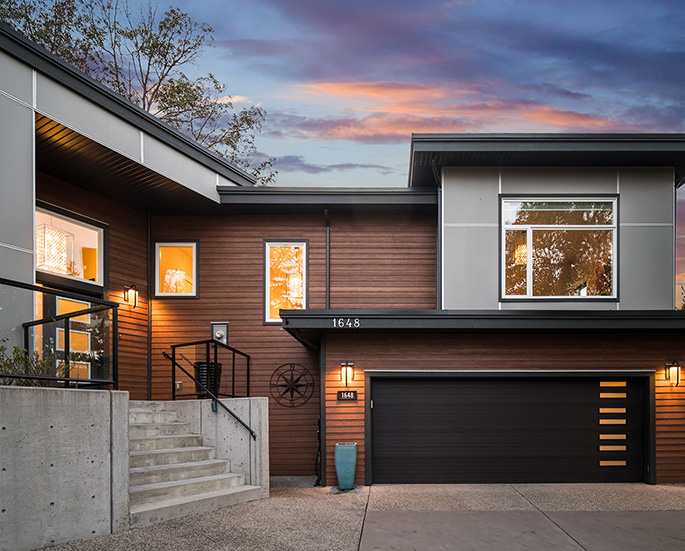
A budget is important, but it should never be the only filter guiding a home search. Many buyers start with a monthly payment or purchase price in mind, then assume the right home will naturally appear within that number. In reality, shopping by budget alone often leads buyers toward the wrong property type, the wrong location, or the wrong compromises. In Greater Victoria’s current market, buyers have more room to compare options and complete due diligence than they did in more competitive years, with 3,261 active listings at the end of March 2026, up 7.9% from March 2025. VREB also noted that today’s market is giving both buyers and sellers more time to make decisions and complete due diligence. The problem is not having a budget. The problem is treating that budget as the full strategy. Mistake 1: Assuming the Cheapest Option Is the Best Value Many buyers focus on finding the most home for the lowest price. On paper, that feels sensible. In practice, it can lead to buying a home that costs less upfront but more over time. A lower-priced property may come with higher strata fees, deferred maintenance, a weaker location, or renovation needs that stretch far beyond the original budget. What looks affordable at first can become more expensive once repairs, updates, insurance, commuting costs, or future resale challenges are factored in. The better question is not, “What is the cheapest home I can buy?” It is, “What gives me the best overall value for how I want to live?” Mistake 2: Ignoring Location to Max Out Square Footage This is one of the most common trade-offs buyers make without fully thinking it through. They chase more bedrooms, a larger yard, or a newer finish, but give up too much in location. That can mean a longer commute, less walkability, fewer nearby amenities, a less suitable school catchment, or a neighbourhood that does not fit their day-to-day life. The home may look better online, but it may feel less practical once real life sets in. In a region made up of many micro-markets, the same budget can buy very different lifestyles depending on whether you are looking in Victoria, Saanich, Langford, or elsewhere. VREB specifically notes that Greater Victoria is a relatively small area made up of many micro-markets with varying conditions and demand. Mistake 3: Shopping at the Top of the Budget With No Cushion Just because a lender approves a certain number does not mean that number is comfortable. Buyers who stretch to the top of their approval range often leave too little room for the rest of ownership. Closing costs, moving expenses, immediate repairs, furniture, utility changes, property taxes, and rising day-to-day expenses can quickly create pressure after possession. A home should support your life, not squeeze it. The strongest buying position is often a budget that still leaves room for flexibility after the keys are in your hand. Mistake 4: Looking Only at Price, Not Monthly Ownership Cost Two homes with the same purchase price can feel completely different financially. A condo may come with strata fees and special assessment risk. A detached home may come with higher utility bills and maintenance costs. An older property may require near-term upgrades. A newer one may reduce maintenance for a while but carry a premium upfront. Buyers who only compare purchase price often miss the real monthly cost of ownership. That is where budget-only shopping starts to break down. Mistake 5: Overlooking Future Resale Appeal When buyers are focused only on what they can afford today, they sometimes forget to ask whether the property will still be attractive when it is time to sell. A home with a challenging layout, limited parking, poor natural light, a busy location, or an unusual strata setup may fit the budget now, but could be harder to move later. Affordability matters, but marketability matters too. This is especially important in a market where buyers have more choice. More inventory means more comparison, which can make weaker listings stand out for the wrong reasons. March 2026 sales in the VREB region were 579, while active listings stood at 3,261, reflecting a market where buyers have selection and can be more selective. Mistake 6: Not Matching the Budget to the Right Property Type Some buyers start with a detached-home goal no matter what their price range supports. Others dismiss condos or townhomes too quickly because they are focused on the biggest possible purchase. That can create frustration and wasted time. In some price points, a well-located condo or townhouse may be the smarter first step than forcing a detached purchase that comes with too many compromises. The right property type depends on your stage of life, timeline, maintenance tolerance, and long-term plan. Budget should inform that decision, but not dominate it. Mistake 7: Treating the Search Like a Spreadsheet Problem Real estate decisions are financial, but they are not only financial. A purely budget-driven search can cause buyers to overlook lifestyle fit, stress level, future plans, and how the home actually functions on a daily basis. The cheapest option is not always the one that creates the most stability or the best next move. Sometimes the smarter buy is smaller, better located, easier to maintain, or more appealing for resale. Sometimes it is not the property that wins the spreadsheet. It is the one that fits your life best. What Buyers Should Do Instead A stronger approach is to build the search around five filters, not just one: budget location property type monthly carrying cost long-term fit When those five pieces are aligned, buyers make clearer decisions and avoid chasing homes that look affordable but are wrong in more important ways. Final Thoughts Budget matters, but it should be the starting point, not the entire plan. The biggest mistakes buyers make when shopping by budget alone usually come down to forgetting that a home is more than a price tag. It is a lifestyle decision, a financial commitment, and a future resale asset all at once. In a market like Greater Victoria, where current conditions are giving buyers more time and more choice, the best results usually come from comparing value more carefully, not just spending more aggressively. If you want help building a search strategy that looks beyond just price, contact Faber Real Estate Group for advice tailored to your budget, lifestyle, and long-term goals. Lindsay R., 5-Star Review, via Google “Scott has been an awesome help finding my condo. He always knew my needs and gave me the right advise every step of the way. Would 10/10 recommend !” Faber Real Estate Group Royal LePage Coast Capital Realty 📞 250-244-3430 📧[email protected] ℹ️ Scott Faber Personal Real Estate Corporation ℹ️ Cal Faber Personal Real Estate Corporation Vanessa Wood, Zachary Parsons, and Sophie Taylor “Building Lasting Relationships, One Home at a Time.”
Read more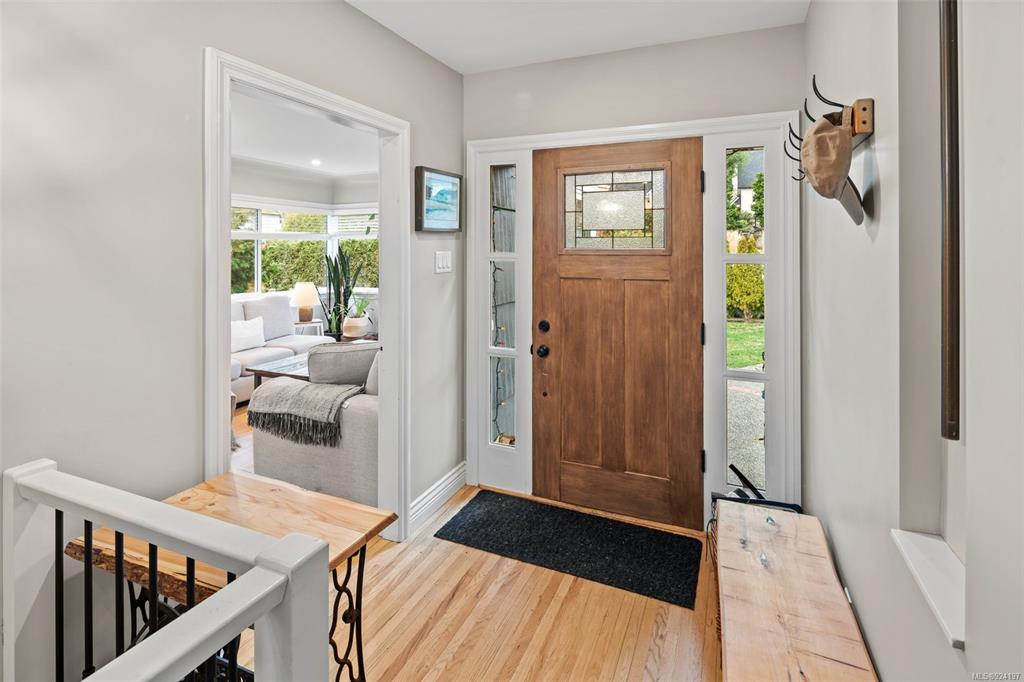
Knowing how to identify red flags during a home showing can protect buyers from unexpected repair costs and long-term maintenance issues. In Victoria’s competitive but balanced market, buyers often have more time to evaluate properties carefully. While many homes show beautifully, some warning signs can indicate hidden problems beneath the surface. Learning what to watch for helps buyers make informed, confident decisions. Unusual Odours Can Signal Hidden Problems Strong air fresheners, candles, or recently opened windows during a showing can sometimes mask underlying issues. Persistent musty smells may indicate moisture intrusion, mould growth, or ventilation problems. Sewer-like odours can point to plumbing or drainage concerns. While not every smell indicates a major defect, consistent or overpowering scents should prompt further investigation. Signs of Water Damage or Moisture Intrusion Water damage remains one of the most expensive issues homeowners face. Buyers should look for staining on ceilings, bubbling paint, warped flooring, or soft drywall. Basements and crawl spaces deserve extra attention, especially in Victoria’s coastal climate where moisture management is critical. Spotting these red flags during a home showing early can help buyers avoid costly remediation later. Fresh Cosmetic Updates That Seem Strategic New paint and updated flooring can enhance a home’s appeal, but buyers should look closely at why renovations were completed. Fresh paint covering only one wall or section of ceiling may conceal past leaks or repairs. Quick cosmetic upgrades without addressing structural or mechanical systems may suggest deferred maintenance. Structural Warning Signs Cracks in walls, uneven floors, or doors that do not close properly can indicate structural movement. Minor settling is normal in many homes, especially older Victoria properties, but large horizontal cracks or significant floor sloping should raise concerns. Structural repairs can be expensive and may require professional evaluation before moving forward. Electrical and Plumbing Irregularities Outdated electrical panels, exposed wiring, or a lack of grounded outlets can signal safety and insurance challenges. Buyers should also check water pressure, drainage speed, and signs of pipe corrosion. These issues are common in older homes and do not automatically eliminate a property from consideration, but they should factor into negotiations and budgeting. Poor Exterior Maintenance The exterior often reveals how well a home has been maintained overall. Peeling paint, damaged roofing, deteriorating siding, or failing gutters can indicate broader upkeep issues. In Victoria’s climate, proper drainage and roof condition play major roles in preventing moisture intrusion. Exterior neglect can suggest future repair costs beyond cosmetic fixes. Neighbourhood and Location Concerns A showing should include evaluating the surrounding area. Excessive traffic noise, nearby commercial activity, or poorly maintained neighbouring properties can impact long-term enjoyment and resale value. Buyers should visit at different times of day to gain a full perspective of the property and community environment. Documentation and Disclosure Gaps Incomplete disclosure statements, missing renovation permits, or unclear strata documentation can be major warning signs. Buyers should review available records carefully and ask questions about past repairs, upgrades, and building maintenance. Proper documentation supports transparency and reduces legal or financial risk. Why Professional Inspections Still Matter Even experienced buyers can miss hidden defects. Home inspections, strata document reviews, and specialist evaluations provide objective assessments of property condition. Identifying red flags during a home showing helps buyers decide whether to proceed, negotiate, or request further inspections before finalising a purchase. Making Smart and Confident Buying Decisions Every property has minor imperfections, but recognising major warning signs helps buyers separate manageable maintenance from serious risk. Victoria’s housing market offers diverse property options, and careful evaluation ensures buyers choose homes that align with both lifestyle goals and financial comfort. Past performance does not dictate future results, but informed due diligence consistently leads to stronger real estate outcomes. If you are planning to view homes in Greater Victoria, reach out to our team to help you evaluate properties, identify potential concerns, and confidently navigate your home search. Matt, 5-Star Review, via Google Professional, knowledgeable and just stand up guys. Would recommend for all your real estate needs! Faber Real Estate Group Royal LePage Coast Capital Realty 📞 250-244-3430 📧[email protected] ℹ️ Scott Faber Personal Real Estate Corporation ℹ️ Cal Faber Personal Real Estate Corporation Vanessa Wood, Zachary Parsons, and Sophie Taylor “Building Lasting Relationships, One Home at a Time.”
Read more
Deciding between renting vs buying in Victoria BC is a major choice for many residents. Victoria’s housing market is moving in two directions at once: rents have been easing, while ownership prices (especially for single family homes) have stayed relatively firm. Using current numbers can help you make a decision based on reality, not headlines. Current Rental Market: Prices and Trends Victoria remains one of the pricier rental markets in Canada, but recent data shows rents have been trending down. Average asking rent (Victoria): about $2,224 across unit types (January 2026). One-bedroom: about $1,942 (January 2026), down 6.7% year-over-year. Two-bedroom: about $2,605 (January 2026), down 5.1% year-over-year. On supply, Greater Victoria is seeing more breathing room than recent years: Greater Victoria vacancy rate: about 3.3% (CMHC 2025 Rental Market Report, cited by the Province). What this means in plain terms: more choice, a bit more leverage for renters, and fewer situations where tenants feel forced to accept the first available unit. Buying in Victoria: Prices and Ownership Landscape On the ownership side, a helpful “apples-to-apples” metric is the MLS HPI benchmark (it tracks a typical home over time, rather than averages that can swing with the mix of what sold). From the Victoria Real Estate Board’s February 2026 market report (Victoria Core): Single family home benchmark: $1,307,400 (February 2026). Condominium benchmark: $545,600 (February 2026). Inventory has been healthier than the tightest years, with 2,903 active listings across the VREB region at the end of February 2026. That usually translates into more selection and a less frantic pace, but affordability still matters because the entry point remains high. Pros and Cons of Renting in Victoria Pros of Renting Lower upfront cost (no down payment or closing costs) Flexibility to relocate without selling No responsibility for major repairs and maintenance Recent rent softening and higher vacancy can improve negotiating position Cons of Renting Monthly payments do not build equity Rent is still expensive relative to local incomes Less control over the home and potential future rent increases Pros and Cons of Buying in Victoria Pros of Buying Builds equity over time More stability and control over your space Predictable payments if you choose a fixed-rate mortgage Cons of Buying High upfront costs (down payment, closing costs, property transfer tax, legal fees) Ongoing costs (maintenance, insurance, property taxes, condo fees if applicable) Market conditions vary by segment, and pricing is not guaranteed to rise year-to-year Making the Decision: What to Consider Your choice between renting vs buying in Victoria BC should match three things: Time horizon: Are you staying put for 3+ years, or is life still in motion? Cash position: Down payment, closing costs, and an emergency fund for ownership surprises Monthly reality: Compare rent to the true cost of ownership (mortgage, taxes, insurance, maintenance, and strata fees) A useful takeaway from the 2026 data is this: renting has become slightly less punishing than it was, while buying still requires a clear financial plan because benchmarks remain high. Final Thoughts Rents are easing and vacancy is up, while benchmark ownership prices in the Victoria Core have stayed relatively steady. That combination can create a “pause-and-plan” moment where renters gain options and buyers gain breathing room. If you want, we can run a simple rent vs buy comparison using your target neighbourhood, down payment, and comfort level with monthly costs, so your decision is grounded in real numbers. David M., 5-Star Review, via Google “Scott was a fantastic realtor—hardworking, knowledgeable, and truly dedicated to his clients. His expertise and great connections made the entire process smooth and stress-free. He went above and beyond to ensure everything was taken care of, and I couldn’t be happier with the results. I highly recommend Scott to anyone looking for a realtor.” Faber Real Estate Group Royal LePage Coast Capital Realty 📞 250-244-3430 📧[email protected] ℹ️ Scott Faber Personal Real Estate Corporation ℹ️ Cal Faber Personal Real Estate Corporation Vanessa Wood, Zachary Parsons, and Sophie Taylor “Building Lasting Relationships, One Home at a Time.”
Read more