
Posts Tagged ‘first time home buyer tips’
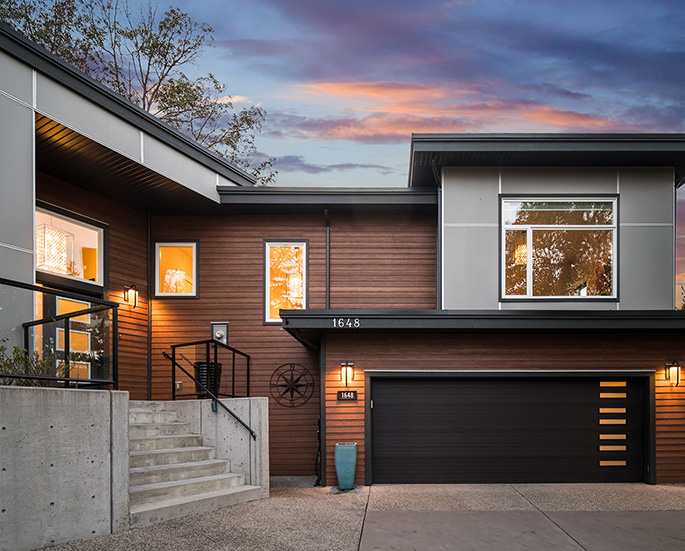
A budget is important, but it should never be the only filter guiding a home search. Many buyers start with a monthly payment or purchase price in mind, then assume the right home will naturally appear within that number. In reality, shopping by budget alone often leads buyers toward the wrong property type, the wrong location, or the wrong compromises. In Greater Victoria’s current market, buyers have more room to compare options and complete due diligence than they did in more competitive years, with 3,261 active listings at the end of March 2026, up 7.9% from March 2025. VREB also noted that today’s market is giving both buyers and sellers more time to make decisions and complete due diligence. The problem is not having a budget. The problem is treating that budget as the full strategy. Mistake 1: Assuming the Cheapest Option Is the Best Value Many buyers focus on finding the most home for the lowest price. On paper, that feels sensible. In practice, it can lead to buying a home that costs less upfront but more over time. A lower-priced property may come with higher strata fees, deferred maintenance, a weaker location, or renovation needs that stretch far beyond the original budget. What looks affordable at first can become more expensive once repairs, updates, insurance, commuting costs, or future resale challenges are factored in. The better question is not, “What is the cheapest home I can buy?” It is, “What gives me the best overall value for how I want to live?” Mistake 2: Ignoring Location to Max Out Square Footage This is one of the most common trade-offs buyers make without fully thinking it through. They chase more bedrooms, a larger yard, or a newer finish, but give up too much in location. That can mean a longer commute, less walkability, fewer nearby amenities, a less suitable school catchment, or a neighbourhood that does not fit their day-to-day life. The home may look better online, but it may feel less practical once real life sets in. In a region made up of many micro-markets, the same budget can buy very different lifestyles depending on whether you are looking in Victoria, Saanich, Langford, or elsewhere. VREB specifically notes that Greater Victoria is a relatively small area made up of many micro-markets with varying conditions and demand. Mistake 3: Shopping at the Top of the Budget With No Cushion Just because a lender approves a certain number does not mean that number is comfortable. Buyers who stretch to the top of their approval range often leave too little room for the rest of ownership. Closing costs, moving expenses, immediate repairs, furniture, utility changes, property taxes, and rising day-to-day expenses can quickly create pressure after possession. A home should support your life, not squeeze it. The strongest buying position is often a budget that still leaves room for flexibility after the keys are in your hand. Mistake 4: Looking Only at Price, Not Monthly Ownership Cost Two homes with the same purchase price can feel completely different financially. A condo may come with strata fees and special assessment risk. A detached home may come with higher utility bills and maintenance costs. An older property may require near-term upgrades. A newer one may reduce maintenance for a while but carry a premium upfront. Buyers who only compare purchase price often miss the real monthly cost of ownership. That is where budget-only shopping starts to break down. Mistake 5: Overlooking Future Resale Appeal When buyers are focused only on what they can afford today, they sometimes forget to ask whether the property will still be attractive when it is time to sell. A home with a challenging layout, limited parking, poor natural light, a busy location, or an unusual strata setup may fit the budget now, but could be harder to move later. Affordability matters, but marketability matters too. This is especially important in a market where buyers have more choice. More inventory means more comparison, which can make weaker listings stand out for the wrong reasons. March 2026 sales in the VREB region were 579, while active listings stood at 3,261, reflecting a market where buyers have selection and can be more selective. Mistake 6: Not Matching the Budget to the Right Property Type Some buyers start with a detached-home goal no matter what their price range supports. Others dismiss condos or townhomes too quickly because they are focused on the biggest possible purchase. That can create frustration and wasted time. In some price points, a well-located condo or townhouse may be the smarter first step than forcing a detached purchase that comes with too many compromises. The right property type depends on your stage of life, timeline, maintenance tolerance, and long-term plan. Budget should inform that decision, but not dominate it. Mistake 7: Treating the Search Like a Spreadsheet Problem Real estate decisions are financial, but they are not only financial. A purely budget-driven search can cause buyers to overlook lifestyle fit, stress level, future plans, and how the home actually functions on a daily basis. The cheapest option is not always the one that creates the most stability or the best next move. Sometimes the smarter buy is smaller, better located, easier to maintain, or more appealing for resale. Sometimes it is not the property that wins the spreadsheet. It is the one that fits your life best. What Buyers Should Do Instead A stronger approach is to build the search around five filters, not just one: budget location property type monthly carrying cost long-term fit When those five pieces are aligned, buyers make clearer decisions and avoid chasing homes that look affordable but are wrong in more important ways. Final Thoughts Budget matters, but it should be the starting point, not the entire plan. The biggest mistakes buyers make when shopping by budget alone usually come down to forgetting that a home is more than a price tag. It is a lifestyle decision, a financial commitment, and a future resale asset all at once. In a market like Greater Victoria, where current conditions are giving buyers more time and more choice, the best results usually come from comparing value more carefully, not just spending more aggressively. If you want help building a search strategy that looks beyond just price, contact Faber Real Estate Group for advice tailored to your budget, lifestyle, and long-term goals. Lindsay R., 5-Star Review, via Google “Scott has been an awesome help finding my condo. He always knew my needs and gave me the right advise every step of the way. Would 10/10 recommend !” Faber Real Estate Group Royal LePage Coast Capital Realty 📞 250-244-3430 📧[email protected] ℹ️ Scott Faber Personal Real Estate Corporation ℹ️ Cal Faber Personal Real Estate Corporation Vanessa Wood, Zachary Parsons, and Sophie Taylor “Building Lasting Relationships, One Home at a Time.”
Read more
Transit changes how people move, but it also changes how neighbourhoods are valued. Buying near transit expansion can be a smart long-term play, and buying near transit expansion can also create risks that are easy to underestimate when buyers focus only on future convenience. The real question is not whether transit is good or bad. It is whether the specific property, location, and timeline make sense for your goals. For some buyers, proximity to future transit means stronger resale potential, easier commuting, and better long-term appeal. For others, it can mean years of construction, more traffic, more density, and a property that feels less private than expected. That is why this decision needs more than optimism. It needs context. Why Transit Expansion Attracts Buyers New or improved transit often signals public investment. That matters because infrastructure tends to reshape buyer behaviour over time. What buyers often like Improved convenienceEasier commuting can make a home more practical for work, school, and daily errands. Broader resale appealHomes near reliable transit often attract a wider buyer pool, especially first-time buyers, downsizers, and households trying to reduce car dependence. Neighbourhood investmentTransit upgrades can bring new retail, public improvements, and more attention to surrounding areas. Potential long-term upsideIf a neighbourhood becomes more connected and more desirable, property values may benefit over time. This is why some buyers actively target areas just outside already-established transit hubs. They are trying to buy before the convenience is fully priced in. Where the Opportunity Can Be Real Buying near planned transit is often most attractive when the area is still in transition but already has strong fundamentals. Signs the opportunity may be stronger The neighbourhood already has schools, shopping, parks, and services Demand exists even without the transit upgrade The property has solid livability today, not just future promise The transit plan is funded and moving forward, not just conceptual Zoning changes may support more housing, amenities, or mixed-use growth nearby A good transit story should be a bonus, not the entire reason a property makes sense. Where the Risk Starts to Show Transit expansion sounds positive in marketing language, but the lived experience can be more complicated. Risks buyers should think through Construction disruptionLarge infrastructure projects can bring noise, dust, detours, and delays for months or years. Uncertain timelinesA planned improvement may take far longer than expected. Buyers who stretch financially based on future convenience can end up disappointed. More density nearbyTransit investment often supports denser development. That can help values, but it can also change the character of a street faster than some owners expect. Noise and privacy concernsBeing near transit is not the same as being on top of it. Properties too close to busy corridors may face ongoing noise, lighting, or activity concerns. Pricing ahead of realitySome homes are marketed as though the benefit is already fully delivered. Buyers can end up paying tomorrow’s premium today. This is where many mistakes happen. Buyers hear “up-and-coming” and assume guaranteed appreciation. Real estate rarely works that neatly. Distance Matters More Than People Think Not every home near transit benefits equally. In many cases, the sweet spot is not the property closest to the line, station, or corridor. The better question to ask Instead of asking, “Is it near transit?” ask: Is it walkable to transit without being directly exposed to the drawbacks? Is the route safe, practical, and appealing year-round? Will the property still feel comfortable if service frequency increases and the area gets busier? Does the location work for your lifestyle even if the expansion is delayed? Often, a home that is a short walk away performs better than one directly beside a major stop or corridor. Buyers and Investors See Transit Differently Your goal should shape how you evaluate the opportunity. If you are buying to live there Focus on: daily convenience noise levels traffic patterns future neighbourhood character whether the home still feels right beyond the investment story If you are buying as an investment Focus on: tenant demand walkability future redevelopment potential holding costs during the transition period whether purchase price already reflects the expected upside A property can be a smart investment and still be the wrong home for an owner-occupier. The reverse is also true. Questions Buyers Should Ask Before Writing an Offer Transit expansion should push buyers to do deeper due diligence, not less. Smart questions to investigate What exactly is being built, improved, or proposed? Is the project funded and approved? What is the expected timeline? Will nearby road patterns, parking, or access change? Is rezoning expected around the corridor or station? How close is the property to the actual source of noise or activity? How has the seller priced the home relative to current conditions, not future speculation? These questions help separate genuine opportunity from optimistic storytelling. A Better Way to Think About It Buying near transit expansion is rarely a simple yes or no. It is more like a trade-off analysis. It may be an opportunity when you are buying in a location with strong fundamentals the property works for you today the transit improvement is credible and funded the price does not overstate the future upside you are positioned to hold long enough to benefit It may be a risk when the value depends heavily on a project that is still uncertain the property is too close to the negative impacts you dislike density, traffic, or neighbourhood change you are stretching your budget based on future assumptions the resale story sounds stronger than the day-to-day livability Final Thoughts Transit expansion can improve convenience, support neighbourhood growth, and create meaningful long-term value. But not every property near a transit corridor is automatically a smart buy. The strongest purchases usually come from balancing infrastructure upside with real-world livability, pricing discipline, and a clear plan for how long you intend to own. If you are weighing the pros and cons of buying near transit expansion in Greater Victoria or the Westshore, contact Faber Real Estate Group for clear advice on which locations offer real opportunity and which ones may carry more risk than reward. Raymond S., 5-Star Review, via Google “Cal and his team at the Faber Real Estate Group went above and beyond in helping us to find a home that would meet our criteria. We always felt as though we were their most important clients. Cal and Scott's negotiating skills helped us to stay within our budget and still fulfill all of our requirements. Besides the teams professionalism and knowledge, we also appreciated their honesty and high standards regarding moral values. Cal and the team helped make buying a home a pleasant experience.” Faber Real Estate Group Royal LePage Coast Capital Realty 📞 250-244-3430 📧[email protected] ℹ️ Scott Faber Personal Real Estate Corporation ℹ️ Cal Faber Personal Real Estate Corporation Vanessa Wood, Zachary Parsons, and Sophie Taylor “Building Lasting Relationships, One Home at a Time.”
Read more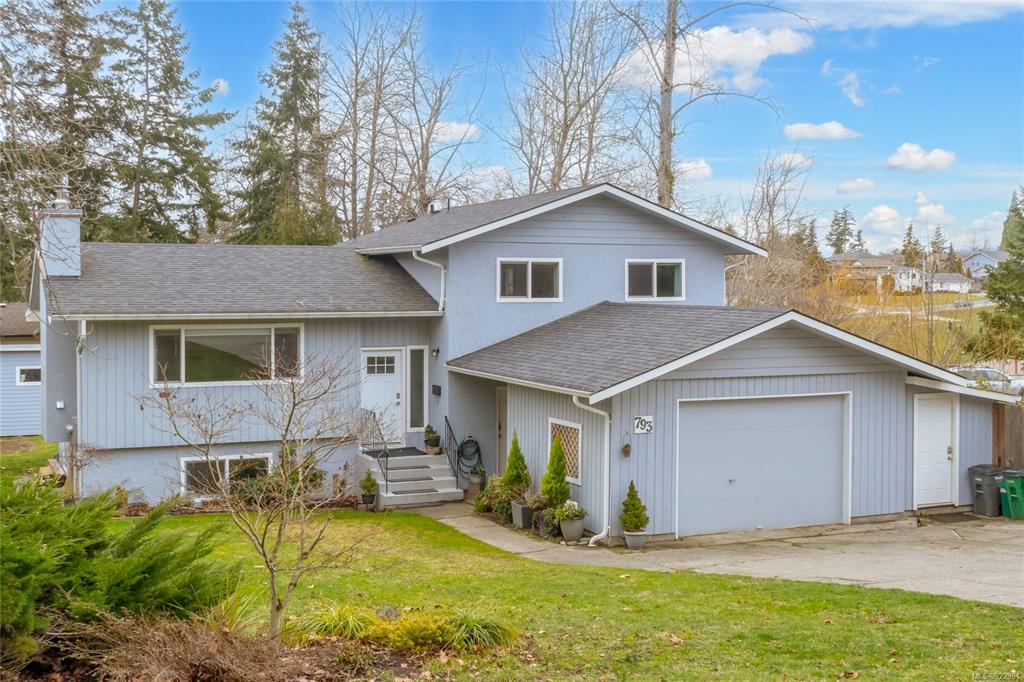
Home equity is the difference between your home’s market value and what you still owe on your mortgage. Understanding home equity is essential for buyers and homeowners because it plays a major role in long-term financial planning and wealth building. Simply put, the more of your home you own outright, the more equity you have. How Home Equity Builds Over Time Home equity typically grows in two ways: Paying down your mortgage with each monthly payment Property value increases over time due to market conditions or improvements For example, if your home is worth $800,000 and your mortgage balance is $500,000, you have $300,000 in home equity. Why Home Equity Matters Home equity provides flexibility and financial leverage. It can be used to: Help fund renovations or upgrades Support future home purchases Assist with major life expenses Increase long-term net worth In markets like Greater Victoria, where home prices have historically trended upward over the long term, equity can become a significant asset. Equity vs. Renting Rent payments build no equity. Once the payment is made, the money is gone. With homeownership, a portion of each mortgage payment contributes to building equity, even during stable or slower markets. This difference is one of the key reasons many buyers choose to purchase when they plan to stay put for several years. How Much Equity Do You Need? There is no universal benchmark, but more equity generally means: Better refinancing options Lower borrowing risk Greater financial security That said, equity takes time to build. It works best as a long-term strategy rather than a short-term gain. Final Thoughts Home equity is not just a number on paper. It represents ownership, stability, and long-term value. Whether you are a first-time buyer or a long-time homeowner, understanding how equity works can help you make more informed real estate decisions in Victoria’s market. If you are curious how much equity you may be able to build, reviewing your options early can make a meaningful difference. Dom L., 5-Star Review, via Google “After months of searching and giving us their honest advice, we finally bought a place while out of town. We only had a virtual tour of the site, but we felt very comfortable making an offer because they understood what we were looking for. I would recommend going to Faber group as they are knowledgeable, professional and resourceful.” Faber Real Estate Group Royal LePage Coast Capital Realty 📞 250-244-3430 📧[email protected] ℹ️ Scott Faber Personal Real Estate Corporation ℹ️ Cal Faber Personal Real Estate Corporation Vanessa Wood, Zachary Parsons, and Sophie Taylor “Building Lasting Relationships, One Home at a Time.”
Read more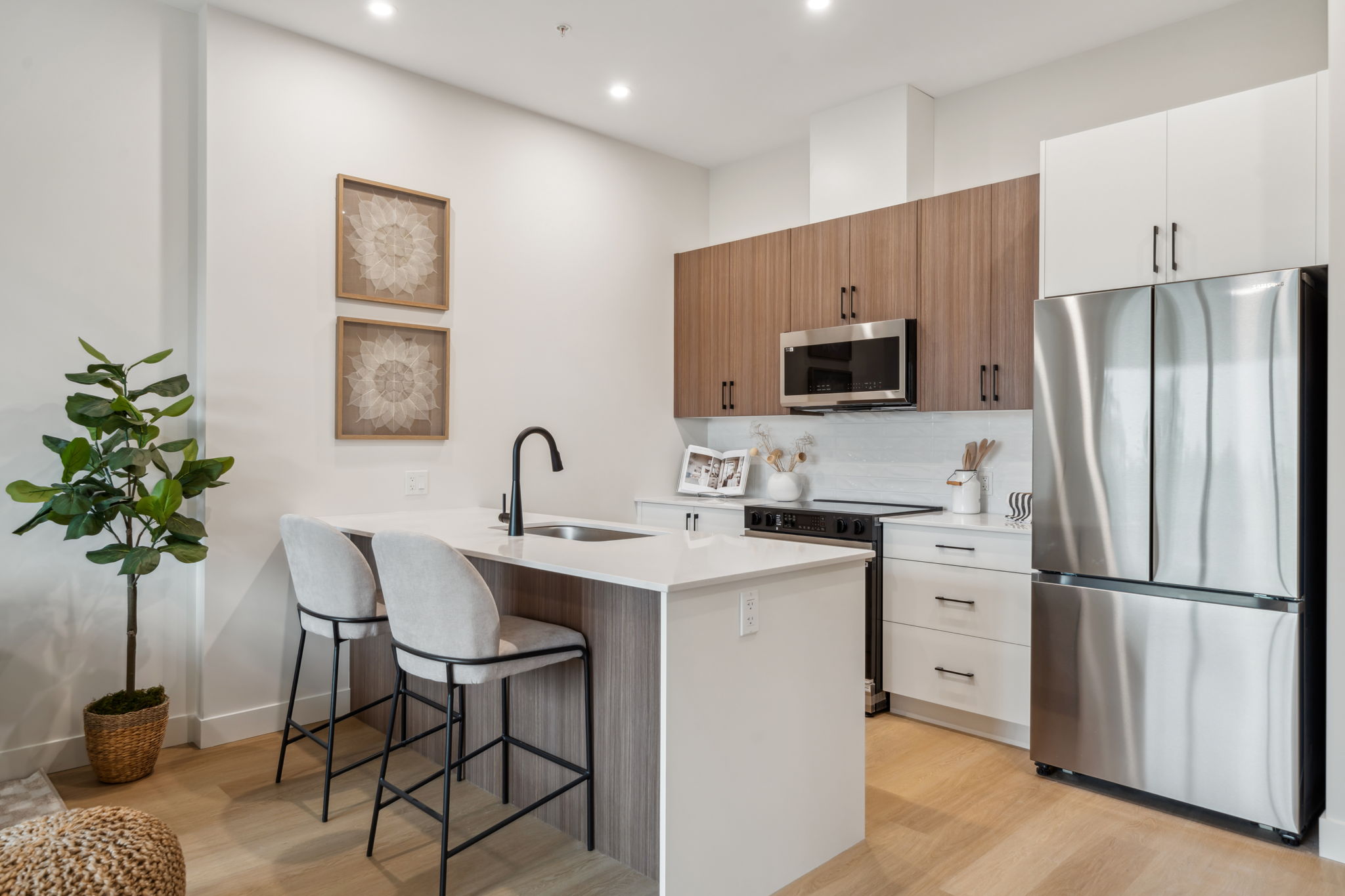
Today’s lending environment is more complex than it was a few years ago. Interest rates are higher than historic lows, and lenders are placing greater emphasis on affordability and borrower stability. For first time buyers, preparation is key. Interest Rates and Affordability Rates continue to influence buying power. Even small rate changes can affect monthly payments, so it is important to understand what you can comfortably afford rather than focusing only on the maximum approval amount. Mortgage Qualification Lenders assess credit score, income stability, debt levels, and employment history. Strong credit and manageable debt can improve both approval odds and interest rates. Down Payment and Costs Most first-time buyers need a minimum down payment, along with funds for closing costs. Planning ahead helps avoid last-minute financial stress. The Mortgage Stress Test Buyers must qualify at a higher rate than their actual mortgage rate. This reduces borrowing power but helps ensure long-term affordability. Fixed vs Variable Rates Fixed rates offer payment certainty, while variable rates can fluctuate over time. Choosing the right option depends on comfort with risk and financial flexibility. Pre-Approval Matters A mortgage pre-approval clarifies your budget and strengthens your offer when you find the right home. Final Thoughts Understanding today’s lending environment helps first time buyers move forward with confidence. With the right preparation and professional guidance, navigating the mortgage process becomes far more manageable. Kerry Parsons, 5-Star Review, via Google “FABER stands for fabulous! Scott and Cal went above and beyond expectations to help us. Unfailingly competent, available, reliable and trustworthy. We were promised that they would find us a home and, in a difficult market with challenging constraints, they delivered what they promised. From start to finish they were with us all the way. These guys set a high bar for the industry. We are grateful and happy to recommend their brand of service to you.” Faber Real Estate Group Royal LePage Coast Capital Realty 📞 250-244-3430 📧[email protected] ℹ️ Scott Faber Personal Real Estate Corporation ℹ️ Cal Faber Personal Real Estate Corporation Vanessa Wood & Zachary Parsons “Building Lasting Relationships, One Home at a Time.”
Read more