
Posts Tagged ‘first-time home buyer BC’
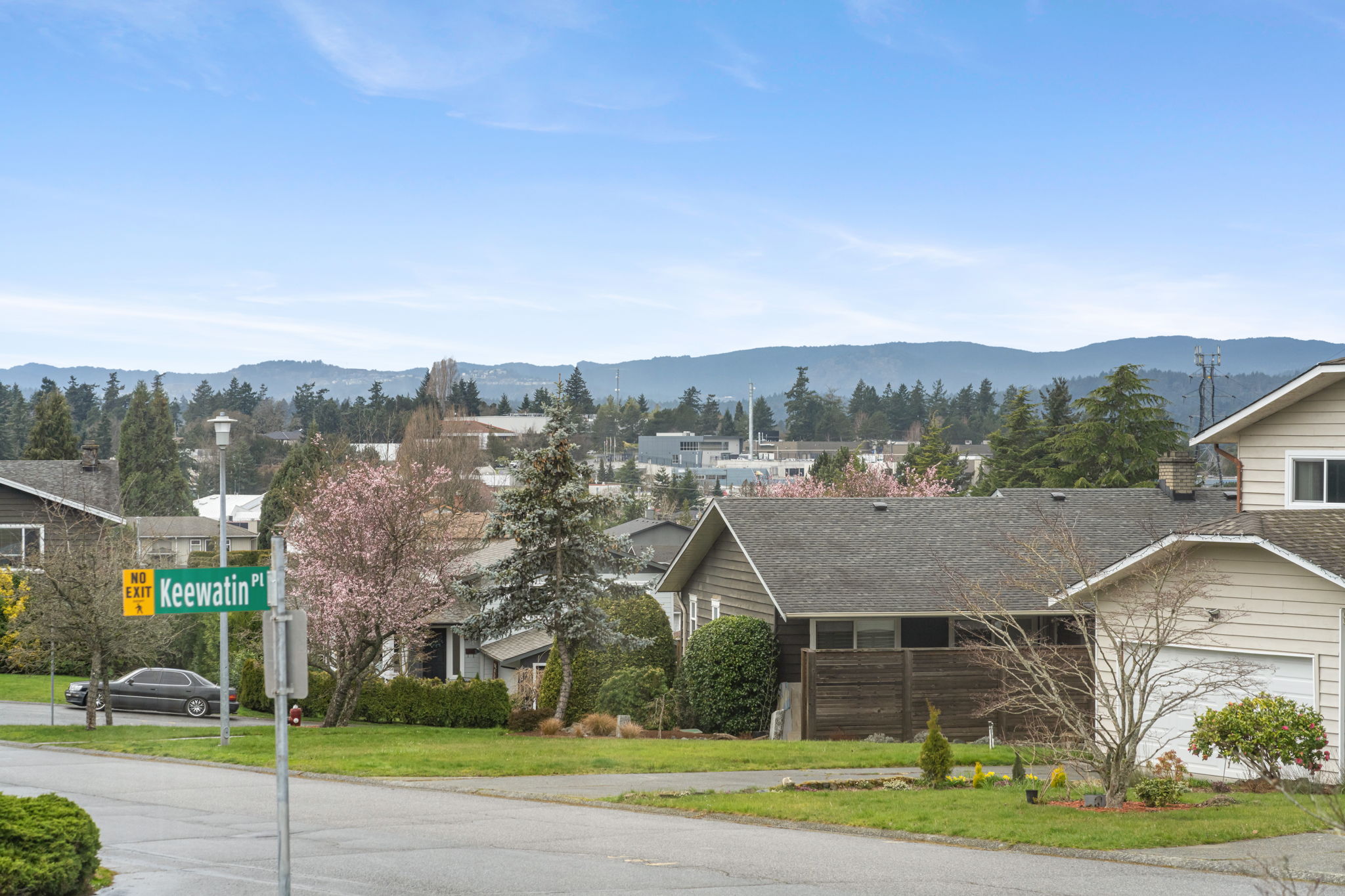
For Saanich house buyers, the biggest story is not one single rule. It is the combination of planning changes, density rules, buyer tax thresholds, and transit-focused growth that could change what is available, where new housing appears, and how buyers think about value in 2026. Saanich is already working under an updated Official Community Plan adopted on May 7, 2024, and the municipality is now moving through more detailed housing and growth implementation steps. The practical takeaway is simple: if you are planning to buy a detached home in Saanich, you now need to think about more than the house itself. You also need to think about the lot, the zoning, proximity to major transit, redevelopment potential nearby, and whether your purchase still fits within current tax exemption thresholds. Those details can affect both your competition today and your resale position later. Why This Matters More in 2026 Saanich has been given a provincial housing target of 4,610 net new completed homes over five years, and the municipality says that target includes tripling permit volume over that period. At the same time, Saanich’s Housing Strategy now runs with a 10-year framework, and its 2026-2028 Priorities Plan lays out the next phase of actions to improve housing outcomes. That means buyers should expect continued pressure for more housing supply, faster approvals, and more change in established neighbourhoods than they may have seen in the past. For buyers, that does not automatically mean lower prices. What it often means first is more variation. One street may still feel mostly unchanged, while another nearby could see townhomes, houseplexes, or higher-density projects become part of the long-term picture. 1) Small-Scale Multi-Unit Housing Is Changing What a “House Lot” Means One of the biggest shifts is B.C.’s small-scale multi-unit housing framework. The Province requires local governments to allow at least: 3 units on parcels 280 m2 or smaller 4 units on parcels larger than 280 m2 6 units on qualifying larger lots near frequent bus service These requirements apply in single-family and duplex zones unless the zone already allows three or more units. For Saanich house buyers, this matters in a few ways: Some detached homes will become more attractive because of future infill potential Nearby lots may hold redevelopment value even if the current home looks modest Buyers may start paying more attention to frontage, lot size, servicing, access, and transit proximity Traditional “single-family feel” may change over time in some areas This does not mean every Saanich block is suddenly turning into a townhouse corridor. It does mean the value of land and the value of a house are separating more clearly in certain pockets. A buyer who understands that distinction can make a much stronger decision than one who shops on cosmetics alone. 2) Transit-Oriented Areas Could Reshape Some Saanich Locations Faster Saanich’s Transit-Oriented Area rules are already in effect. The municipality identifies four provincial transit-oriented areas in Saanich: Uptown exchange, Royal Oak exchange, UVic exchange, and VGH exchange. Within these areas, provincial legislation governs density, height, and residential parking rules. The key details are important: Lands within 200 m and 400 m of prescribed transit stations must be designated as TOAs Within these TOAs, the Province sets minimum density and height requirements Within 400 m, local governments cannot require minimum off-street residential parking, except accessible parking In Saanich, zoning bylaw amendments reflecting these parking changes were adopted on June 10, 2024 For buyers, this could affect value in two opposite ways. First, homes near these areas may benefit from stronger long-term land value and improved convenience. Second, buyers who want a quieter, lower-density setting may need to be more selective about where they buy and how close they are to a transit exchange. A detached house near a major transit node may become more desirable to one buyer and less desirable to another. That is why location analysis in Saanich is becoming more nuanced, not less. 3) The Shelbourne Valley Plan Could Change Buyer Expectations in That Corridor One of the most active planning conversations right now is the Shelbourne Valley Plan. On March 2, 2026, Saanich confirmed that the proposed updated plan is moving to a public hearing later this year. Council moved it forward with three amendments: changing the “Shelbourne Valley Centre” designation to Shelbourne Valley Village reducing the maximum building height in that area from 12 storeys to 6 storeys extending the northern boundary to designate selected properties as Urban Townhomes between Shelbourne Street and Lambrick Park Secondary School strengthening watershed-related guidance and measurable outcomes For buyers looking in or near Shelbourne, Cedar Hill, or UVic-adjacent pockets, this matters because it speaks to where future growth may go and what form that growth may take. In plain terms, the corridor is still moving toward more housing, but the shape of that growth is being refined. Buyers who want to be ahead of change should watch this area closely, especially if they care about future walkability, transit access, redevelopment potential, or neighbourhood character. 4) First-Time Buyer Tax Rules Still Matter, Especially in Saanich Price Ranges Many buyers focus heavily on mortgage rates and monthly payments, but the property transfer tax still matters. In B.C., the first-time home buyers’ exemption currently works like this: if the fair market value is $500,000 or less, an eligible buyer can claim a full exemption equal to the full amount of property transfer tax from over $500,000 to $835,000, the exemption amount is $8,000 from over $835,000 to under $860,000, the exemption is reduced proportionally That matters in Saanich because many detached homes trade well above those thresholds. For some buyers, that means the first-time buyer tax break may be more realistic on a condo, townhome, or smaller entry-level property than on a detached house. In other words, government thresholds can quietly shape what “smart entry point” means. There is also a separate newly built home exemption in B.C. with a full exemption up to $1,100,000 and a phase-out to $1,150,000 for qualifying purchasers. That can make certain new-build options more competitive than buyers assume at first glance. 5) The Home Buyer Rescission Period Still Changes Offer Strategy The Home Buyer Rescission Period is not new in 2026, but it remains an important part of how buyers should approach offers in Saanich and across B.C. BCFSA states that buyers have up to three business days after acceptance to rescind an offer on a home, excluding weekends and holidays. If they rescind, they must pay the seller a fee. This affects buyer behaviour because it changes the psychology of writing an offer. Some buyers feel more protected. Others underestimate the financial consequence of changing course. A rushed decision can still be expensive. In a market where inventory has improved and buyers often have more choice than they did a few years ago, disciplined due diligence still matters more than impulse. 6) Saanich’s Broader Housing Push Could Affect Competition and Opportunity Saanich’s housing work is not just about rezoning. The municipality has also tied its strategy to implementation tools such as the Housing Accelerator Fund. Saanich says it received nearly $15 million over four years through the federal Housing Accelerator Fund and is aiming to permit 1,727 new homes through the program period. That matters because faster approvals and more housing forms can gradually create more choice. For buyers, more choice can mean: less pressure to overreact better ability to compare neighbourhoods and product types more alternatives between condo and detached more emphasis on long-term suitability instead of short-term panic At the same time, added supply rarely arrives all at once. The likely reality is uneven change: some buyers will find better options, while others will still face competition for well-priced detached homes in established Saanich neighbourhoods. 7) Investors and Second-Home Buyers Should Also Watch Tax Changes For investors or buyers considering underused property, the speculation and vacancy tax is another factor to watch. The Province states that for 2026 and subsequent years, the rate is 3% for foreign owners and untaxed worldwide earners, and 1% for Canadian citizens or permanent residents who are not untaxed worldwide earners, where the tax applies. This will not affect every Saanich house buyer. But it can affect some ownership decisions, especially for buyers thinking about part-time use, empty homes, or more complex ownership structures. That matters because rules aimed at unused housing can influence both carrying costs and investment behaviour. What Saanich House Buyers Should Do Now The biggest mistake buyers can make is treating all of Saanich as if it is moving in one direction. It is not. Some pockets are more affected by transit-oriented growth. Some are more exposed to infill change. Others may remain relatively stable in character while still benefiting from broader supply improvements. A stronger approach is to ask five better questions before you buy: Is this property mainly a home value play, a land value play, or both? Is it near a transit-oriented area or frequent bus service that could change future density? Would nearby redevelopment improve convenience or change the feel of the street in ways that matter to me? Am I relying on a tax exemption that may not apply to the property type or price range I want? If I buy here, will this location still make sense for me in five to ten years as Saanich continues to grow? That is the real shift in 2026. Buyers are no longer just choosing between house A and house B. They are choosing between different planning contexts, different long-term neighbourhood trajectories, and different financial trade-offs. Final Thoughts For Saanich house buyers, the upcoming changes are less about one dramatic moment and more about a steady reset in how housing, land, and neighbourhood value will be understood. Provincial density rules, transit-area growth, evolving local plans, and tax thresholds are all shaping the next version of Saanich. Buyers who understand those layers will be in a much better position to buy with confidence instead of reacting late. Hilary M., 5-Star Review, via Google “Scott and the rest of the team at the Faber Real Estate Group are fantastic! Scott went above and beyond to find us the perfect property that checked all the boxes. He was extremely attentive and professional and made the entire process very enjoyable. His extensive experience in the real estate industry helped us to choose a property that suited us and he was able to give us lots of helpful insight throughout our experience. Highly recommend to anyone in need of a trustworthy, knowledgeable real estate agent.” Faber Real Estate Group Royal LePage Coast Capital Realty 📞 250-244-3430 📧[email protected] ℹ️ Scott Faber Personal Real Estate Corporation ℹ️ Cal Faber Personal Real Estate Corporation Vanessa Wood, Zachary Parsons, and Sophie Taylor “Building Lasting Relationships, One Home at a Time.”
Read more
If you are wondering how long does it take to buy a home, the short answer is usually 30 to 90 days. However, the true timeline depends on preparation, financing, market conditions, and the type of property you purchase. In competitive markets like Greater Victoria, preparation often determines whether the process moves quickly or drags out. Below is a clear breakdown of what to expect and why timelines vary. Step 1: Mortgage Pre-Approval Timeframe: 1 to 7 days Before you start shopping, secure a mortgage pre-approval. This step confirms your budget and strengthens your negotiating position. Delays typically happen if income documents, tax returns, or credit issues require clarification. Well-prepared buyers can complete this step in a few days. Step 2: Home Search Timeframe: 1 week to several months This is the most unpredictable stage. Some buyers find the right home within days. Others take months. Why the variation?• Inventory levels• Price range• Property type• Decision-making speed• Competition In a low-inventory market, buyers may need to act quickly. In a balanced market, you may have more time to compare options. Step 3: Offer to Accepted Contract Timeframe: 1 to 3 days Once you find the right property, negotiations can move fast. In competitive situations, offers may be reviewed within 24 hours. In slower markets, negotiations can take a few days. Step 4: Subject Removal Period Timeframe: 5 to 14 days In British Columbia, most offers include subjects such as:• Financing approval• Home inspection• Insurance confirmation• Strata document review if applicable This due diligence period protects the buyer. The complexity of the property affects the timeline. Condos often require additional review time compared to detached homes. Step 5: Closing and Possession Timeframe: 30 to 60 days after subject removal After subjects are removed, the legal and financial work begins. Lawyers or notaries prepare transfer documents, lenders finalize funding, and adjustments are calculated. A typical completion date is about 30 to 60 days after the contract becomes firm. However, this can be shorter or longer depending on seller needs. So, How Long Does It Take to Buy a Home? From pre-approval to possession, most buyers complete the process within 60 to 90 days. If you are already pre-approved and find a home quickly, it can take closer to 30 to 45 days. If you are selling first or waiting for the right property, the timeline extends. What Can Speed It Up? • Full mortgage pre-approval, not just pre-qualification• Flexible availability for showings• Clear decision criteria• Responsive communication• Strong professional guidance What Can Slow It Down? • Financing complications• Waiting for inventory• Conditional sale of your current home• Inspection issues• Delays in document review The Bottom Line The answer to how long does it take to buy a home depends less on the calendar and more on preparation. Buyers who clarify their budget, goals, and must-haves early tend to move efficiently and with confidence. If you are thinking about buying in Greater Victoria and want a personalized timeline based on your situation, reach out to discuss your options and next steps. Rose, 5-Star Review, via Google “Terrific team. Cal and Vanessa were knowledgeable, patient, and listened to what our needs and concerns were. Vanessa was a ray of sunshine in an often grey winter house hunt.” Faber Real Estate Group Royal LePage Coast Capital Realty 📞 250-244-3430 📧[email protected] ℹ️ Scott Faber Personal Real Estate Corporation ℹ️ Cal Faber Personal Real Estate Corporation Vanessa Wood, Zachary Parsons, and Sophie Taylor “Building Lasting Relationships, One Home at a Time.”
Read more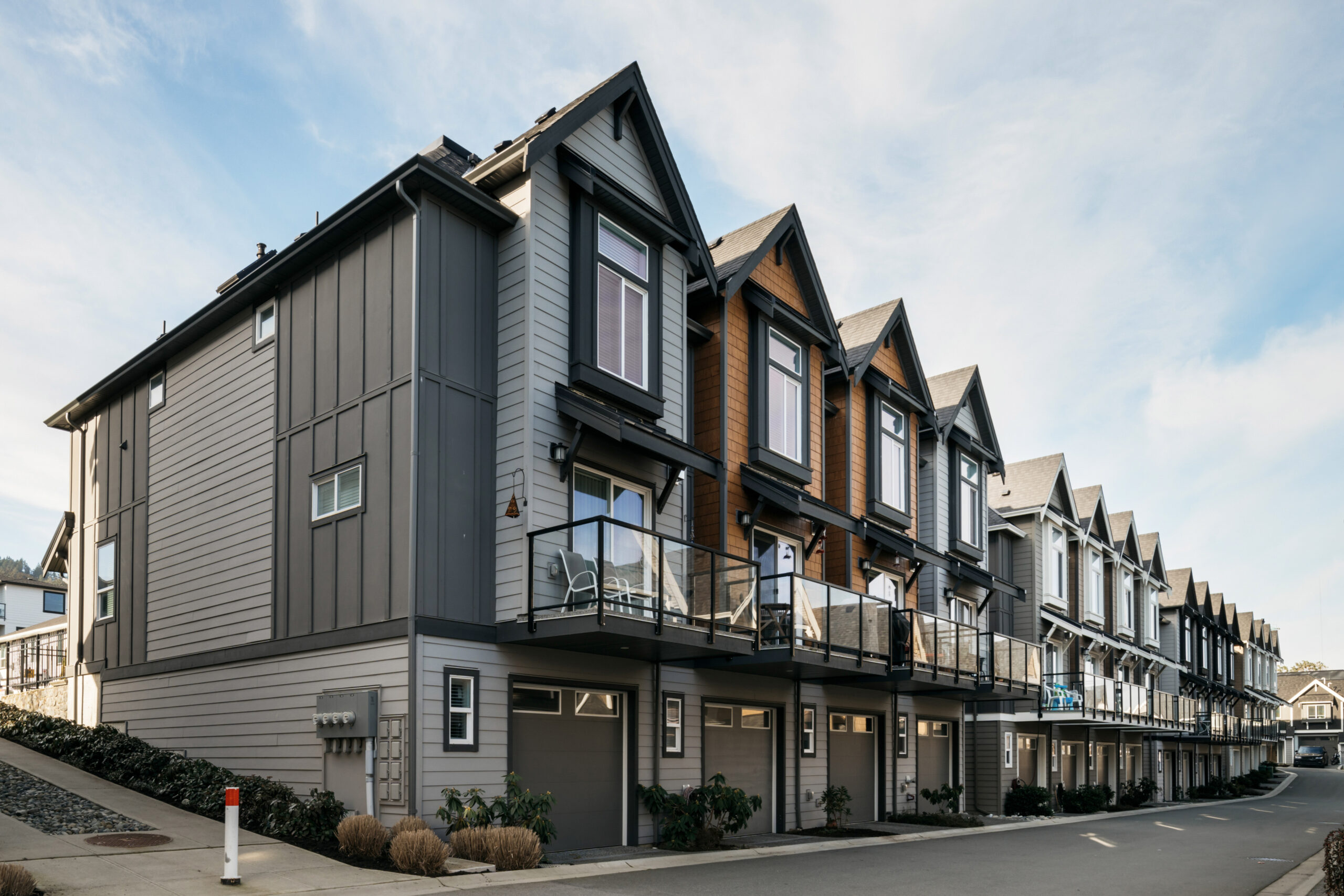
For many buyers entering the market in 2026, the first-time buyer West Shore market continues to stand out. Langford and Colwood offer more attainable price points than many core Victoria neighbourhoods, while still providing strong amenities, transit access, and long-term growth potential. These communities attract first-time buyers who want value without sacrificing lifestyle or resale prospects. Langford: Entry-Level Options With Urban Convenience Langford remains one of the most accessible markets for first-time buyers on the South Island. What buyers can expect: Condominiums and newer townhomes often priced below comparable properties in Victoria proper Walkable pockets near Westshore Town Centre, Belmont Market, and major employers Consistent new construction, which helps maintain supply and choice For a first-time buyer West Shore strategy, Langford offers flexibility. Buyers can often choose between established resale condos or newer builds with modern layouts and warranties. Colwood: Stability, Community, and Long-Term Value Colwood tends to appeal to buyers who prioritize neighbourhood feel and long-term ownership. Key advantages include: Townhomes and older single-family homes that remain more attainable than core Victoria Proximity to schools, parks, and the Esquimalt Lagoon Slower turnover, which supports stable values over time While inventory can be tighter than Langford, Colwood rewards patience, especially for buyers seeking more space at an entry-level price point. Typical Affordable Entry Points in 2026 While market conditions continue to shift, first-time buyers in the West Shore commonly focus on: One- and two-bedroom condos Stacked or traditional townhomes Older single-family homes requiring cosmetic updates Understanding strata fees, future maintenance costs, and neighbourhood development plans is essential when evaluating affordability. Key Tips for First-Time Buyers Get pre-approved early to move quickly when the right property appears Compare total monthly costs, not just purchase price Consider resale potential alongside affordability A thoughtful approach helps first-time buyers balance short-term budget comfort with long-term equity growth. Final Thoughts For buyers entering the market in 2026, the first-time buyer West Shore opportunity remains strong. Langford offers choice and convenience, while Colwood provides community and stability. With the right guidance and preparation, both areas can serve as smart entry points into Greater Victoria real estate. Shauna S., 5-Star Review, via Google “Both Scott and Cal assisted us in selling and purchasing. It was a big move for us but they both assisted us in getting more than we initially expected and getting us into a really great property. They helped us work through some issues on both ends and were very professional and helpful! We recommend them to our friends and family who need an agent.” Faber Real Estate Group Royal LePage Coast Capital Realty 📞 250-244-3430 📧[email protected] ℹ️ Scott Faber Personal Real Estate Corporation ℹ️ Cal Faber Personal Real Estate Corporation Vanessa Wood, Zachary Parsons, and Sophie Taylor “Building Lasting Relationships, One Home at a Time.”
Read more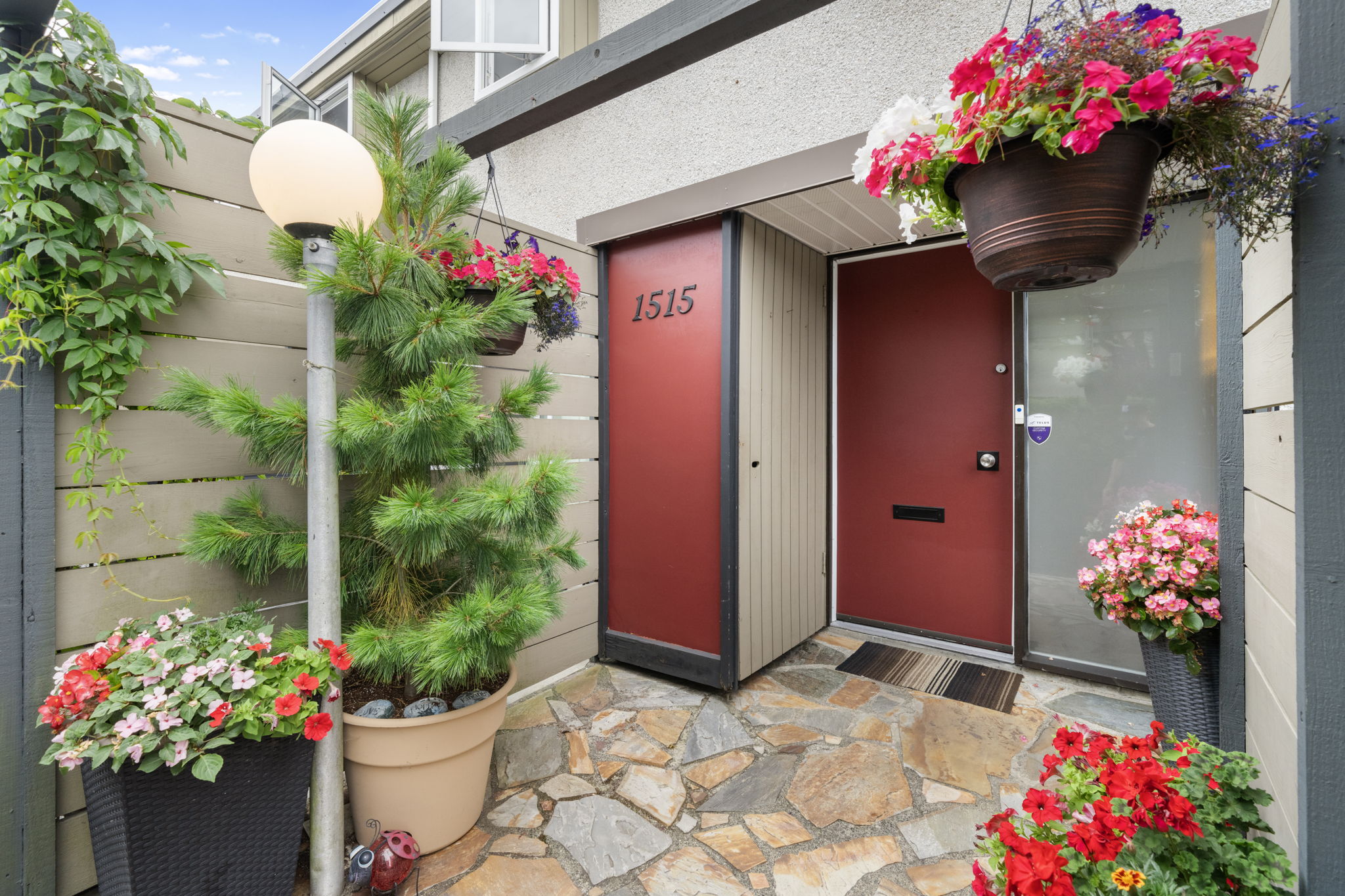
If you are buying real estate in British Columbia, Property Transfer Tax is a cost that often catches buyers by surprise. By understanding how it works, how much you may owe, and whether exemptions apply, you can plan more confidently and avoid last-minute issues. What Is Property Transfer Tax in BC? Property transfer tax in BC is a provincial tax you pay when you register a property purchase at the Land Title Office. You pay this tax at closing, and it is based on the property’s fair market value on the registration date, unless you qualify for an exemption. How Property Transfer Tax Is Calculated In most situations, the tax follows a tiered structure: 1% on the first $200,000 of the property value 2% on the portion between $200,000 and $2,000,000 3% on the portion above $2,000,000 An additional 2% on the residential portion over $3,000,000 Importantly, the province bases the tax on fair market value. This may differ from the purchase price if the sale did not occur on the open market. Example:If a home is valued at $650,000, the property transfer tax totals $11,000. This includes $2,000 on the first $200,000 and $9,000 on the remaining $450,000. Exemptions That May Reduce Your Tax In some cases, exemptions can reduce or eliminate property transfer tax. However, eligibility depends on specific criteria. First-Time Home Buyers’ Program If you qualify as a first-time buyer, you may receive a full or partial exemption. Currently, buyers can receive a full exemption on the first $500,000 of a property’s value and a reduced exemption on homes priced up to $860,000. To qualify, you must meet residency requirements, hold Canadian citizenship or permanent residency, and have never owned a principal residence. In addition, you must intend to live in the home as your primary residence. Newly Built Home Exemption Buyers purchasing a newly built home may also qualify for a property transfer tax exemption. Recent changes increased the price threshold to approximately $1.1 million. As a result, this exemption can significantly reduce closing costs for eligible buyers. Other Exemptions Additional exemptions may apply in specific situations. These include certain transfers between spouses or common-law partners, family transfers, and transactions related to estate planning or court orders. Because these rules vary, you should always confirm eligibility with a legal professional. Why Property Transfer Tax Matters Property transfer tax often represents a significant portion of closing costs. This is especially true in higher-priced markets like Greater Victoria. Therefore, knowing the amount owed and confirming exemptions early can affect affordability and overall purchasing decisions. Should You Seek Professional Advice? Property transfer tax rules can change, and eligibility criteria are often detailed. For that reason, speaking with both a real estate professional and a legal advisor can help ensure accuracy and avoid costly mistakes. If you plan to buy property in British Columbia, understanding how property transfer tax applies to your purchase can make the process smoother and more predictable from the start. Noel A., 5-Star Review, via Google “My partner and I had a great experience with Scott and the Fabers with our first home purchase. Scott answered all questions we had and helped guide us to make the right purchase that fit our lifestyle. Would highly recommend the Fabers!” Faber Real Estate Group Royal LePage Coast Capital Realty 📞 250-244-3430 📧[email protected] ℹ️ Scott Faber Personal Real Estate Corporation ℹ️ Cal Faber Personal Real Estate Corporation Vanessa Wood, Zachary Parsons, and Sophie Taylor “Building Lasting Relationships, One Home at a Time.”
Read more