
Posts Tagged ‘Faber Real Estate Group’
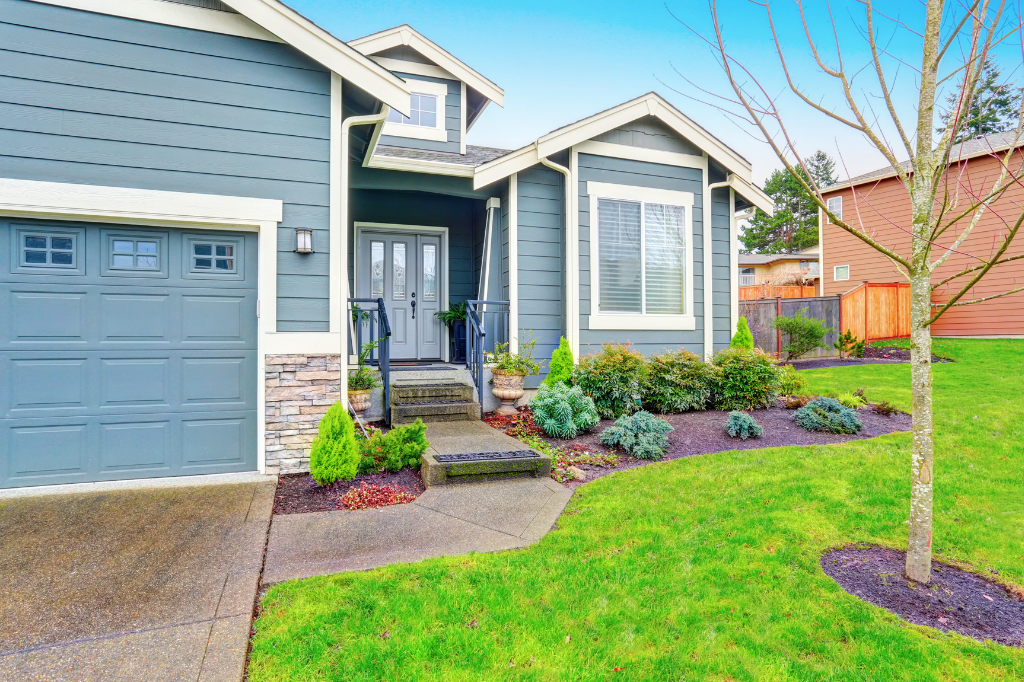
The GST rebate on new homes can make a meaningful difference for eligible first-time buyers, especially when comparing new condos, townhomes, and detached homes in Greater Victoria. The key is not just whether a property qualifies. It is where the rebate has the greatest practical impact on affordability, monthly comfort, and long-term fit. For eligible first-time buyers, the First-Time Home Buyers’ GST/HST Rebate can remove the federal GST on qualifying new homes valued up to $1 million, with a reduced rebate available between $1 million and $1.5 million. The maximum potential federal GST savings is $50,000. Canada’s Bill C-4 received Royal Assent on March 12, 2026, and the CRA notes that qualifying purchase agreements generally need to be entered into with the builder on or after March 20, 2025, and before 2031. Why the Rebate Changes the New Construction Conversation Buying new construction often feels different from buying resale. The price may include GST, the completion timeline may be months away, and buyers need to understand deposits, strata fees, warranty coverage, and what is included in the purchase price. The GST rebate on new homes matters because it can reduce one of the biggest added costs of buying new. For some buyers, that may improve the budget enough to stay in a preferred location. For others, it may help them choose a better floorplan, add parking, or keep more cash available after completion. Still, the rebate should not be the only reason to buy. A lower tax cost helps, but the right property still needs to fit your lifestyle, budget, and resale outlook. Where It Helps Most: New Condos For many first-time buyers in Greater Victoria, new condos may see the clearest benefit from the GST rebate. That is because condos are more likely to fall within the price range where the full rebate can apply. In a market where many buyers are trying to balance affordability with location, the rebate may help make a new condo more competitive against a resale option. New condos may be especially appealing when buyers want: Lower maintenance responsibilities A more walkable location Newer building systems Warranty protection Predictable finishes and modern layouts Access to entry-level ownership without taking on a larger detached home budget The trade-off is space. A condo may offer the strongest tax benefit, but buyers still need to think carefully about storage, parking, strata fees, rental bylaws, pet rules, and long-term livability. Where It Helps Differently: New Townhomes Townhomes often sit in the middle of the conversation. They may offer more space than a condo, but still avoid some of the cost and upkeep of a detached home. This is where the rebate can be useful, but buyers need to watch the price point closely. In some Greater Victoria neighbourhoods, new townhomes may fall under the $1 million mark. In others, they may move into the phase-out range, where the rebate becomes smaller. A new townhome may be a strong fit for buyers who want: More bedrooms or flexible work-from-home space Direct outdoor space A family-friendly layout Less maintenance than a detached home A longer ownership runway For many buyers, this is where the GST rebate can support a better lifestyle choice. The rebate may not always be as clean or complete as it is on a lower-priced condo, but it can still help reduce the gap between “we can afford it” and “this actually works for our next stage of life.” Where It Helps Least: New Detached Homes New detached homes can still benefit from the GST rebate, but this is often where the math becomes more limited. In Greater Victoria, new detached homes are more likely to exceed the $1 million threshold. Once the price moves between $1 million and $1.5 million, the rebate starts to phase out. At $1.5 million and above, the First-Time Home Buyers’ GST/HST Rebate no longer applies. That does not mean new detached homes are the wrong choice. It simply means the rebate may have less influence on the decision. A new detached home may still make sense for buyers who value: More land More privacy Long-term family space Suite potential, where permitted Fewer shared property decisions A longer-term ownership plan The key is to avoid overvaluing the rebate. If the home is already above the strongest rebate range, the decision should lean more on location, carrying costs, future flexibility, and resale strength. A Simple Way to Compare the Three Options The rebate helps most when the home price stays within the strongest eligibility range and the property still meets the buyer’s real needs. In practical terms: New condos may offer the clearest affordability boost. New townhomes may offer the best balance of space and savings. New detached homes may offer the most lifestyle flexibility, but often receive less rebate benefit due to higher pricing. That makes the “best” choice less about property type and more about fit. A condo with the full GST rebate may still be the wrong purchase if it feels too small within two years. A townhome with a partial rebate may be the smarter long-term move if it prevents an early resale. A detached home with little or no rebate may still be the right choice if the buyer has the budget and wants long-term stability. What Buyers Should Confirm Before Relying on the Rebate Before making a decision, buyers should confirm the details carefully with the builder, accountant, mortgage broker, and legal advisor where appropriate. Important questions include: Is GST included in the advertised purchase price? Will the rebate be credited by the builder or claimed after completion? Does the buyer meet the first-time buyer eligibility rules? Is the home intended as a primary residence? Does the agreement date qualify? Is the price within the full rebate, partial rebate, or no rebate range? How does the rebate affect the deposit, mortgage approval, and completion funds? The CRA notes that the rebate can apply in addition to the existing GST/HST new housing rebate where both apply, with the First-Time Home Buyers’ GST/HST Rebate acting as a top-up. The Bigger Picture for Greater Victoria Buyers The GST rebate on new homes can be valuable, but it should support the buying decision, not lead it. For first-time buyers in Greater Victoria, the bigger question is usually this: Does the home still make sense without the rebate? If the answer is yes, the rebate can be a helpful bonus. If the answer is no, the savings may be covering up a poor fit. Buyers still need to think about monthly payments, strata fees, closing costs, commute patterns, lifestyle needs, and how long the home is likely to work for them. The strongest purchase is not always the one with the biggest rebate. It is the one that balances savings, suitability, and long-term confidence. For buyers comparing new condos, townhomes, or detached homes in Greater Victoria, Faber Real Estate Group can help you understand where the GST rebate may help, how each property type compares, and what questions to ask before committing to a new construction purchase. Christina A., 5-Star Review, via Google “We had such a great experience working with Scott Faber during our recent home buying! From the start, Scott made everything super easy and was always there to answer our questions. Scott really listened to what we wanted and helped us find the perfect place. What we appreciated most was how down-to-earth and approachable he was. No matter what came up, Scott was on top of it and kept us in the loop the whole time. We felt like we were in great hands the entire process.” Faber Real Estate Group Royal LePage Coast Capital Realty 📞 250-244-3430 📧 [email protected] ℹ️ Scott Faber Personal Real Estate Corporation ℹ️ Cal Faber Personal Real Estate Corporation Vanessa Wood, Zachary Parsons, and Sophie Taylor “Building Lasting Relationships, One Home at a Time.”
Read more
Sellers need to compete on value when buyers have more options. Price matters, but it is not the only thing buyers compare. They also look at condition, presentation, location, maintenance, layout, documents, flexibility, and how confident the home makes them feel. A lower price can attract attention, but it does not always solve buyer hesitation. In many cases, sellers get better results by making the home easier to understand, easier to trust, and easier to choose. Buyers Do Not Only Ask, “Is It Cheap?” Most buyers are not looking for the lowest-priced home at any cost. They are looking for the best fit within their budget. That means they are often asking: Does this home feel well cared for? Does the price match the condition? Will this home need expensive repairs? Is the layout practical? Are the documents clear? Are there future costs I should worry about? Does this home feel better than the alternatives? When buyers have more listings to compare, value becomes more important than price alone. Price Gets Attention, But Value Builds Confidence A price reduction may bring more eyes to a listing. But once buyers are inside the home, they still need to feel confident. Value comes from the full picture. That can include: A realistic asking price Clean presentation Good photography Strong maintenance records Clear disclosure Practical improvements Organized documents Flexible possession options Strong curb appeal A home that feels easy to live in The best listing strategy is not simply “price lower.” It is to help buyers see why the home makes sense. Presentation Is Part of Value Presentation has a direct effect on perceived value. A clean, bright, well-organized home often feels more cared for. Buyers may not consciously assign a dollar amount to fresh paint, clean windows, tidy landscaping, or thoughtful staging, but those details affect how they feel. Poor presentation can make buyers question the price, even if the price is fair. Sellers should focus on: Decluttering Deep cleaning Improving lighting Touching up paint Fixing small repairs Making storage areas look functional Tidying outdoor spaces Creating clear room purpose These steps do not change the legal size of the home, but they can change how buyers experience it. Condition Can Matter More Than a Small Discount Some buyers would rather pay a fair price for a well-maintained home than chase a cheaper listing with uncertainty. If a home has deferred maintenance, buyers may mentally subtract more than the actual repair cost. They may also worry about the time, stress, and risk involved. This is why condition matters. A seller may create more value by addressing obvious concerns before listing, such as: Minor leaks Damaged trim Burnt-out lights Loose handles Dirty carpets Overgrown landscaping Peeling paint Poor odours Missing documentation Unclear repair history Small issues can create larger doubt. Reducing doubt can protect value. Buyers Compare the Total Cost of Ownership The purchase price is only one part of the decision. Buyers also think about: Mortgage payment Property taxes Insurance Strata fees Utilities Repairs Renovations Maintenance Commuting costs Future resale A home may be priced lower but still feel expensive if it needs work or has unclear future costs. A slightly higher-priced home may feel like better value if it is clean, efficient, well-maintained, and easy to move into. For sellers, the goal is to show why the property is worth choosing, not just why it is worth viewing. Documents and Transparency Add Value Buyers become more confident when they can understand the property clearly. For detached homes, this may include permits, receipts, maintenance records, renovation details, surveys, title information, or inspection history. For strata properties, buyers may review meeting minutes, depreciation reports, Form B, budgets, bylaws, insurance summaries, and contingency reserve fund details. Organized information helps reduce uncertainty. It can also make the transaction feel smoother. A seller who is prepared often feels more credible than a seller who is reactive. Flexibility Can Create Value Value is not always physical. Sometimes it comes from terms. Depending on the buyer, flexibility around possession dates, inclusions, subjects, or access for due diligence can make the home more attractive. For example, a buyer may value: A possession date that matches their move Clear communication Easy showing access A reasonable subject timeline Included appliances or fixtures Early access for measurements or trades A seller who responds quickly Terms do not replace price, but they can make an offer easier to write. Competing on Value Helps Avoid a Race to the Bottom If sellers focus only on price, the strategy can become reactive. One nearby listing reduces, then another follows, and suddenly sellers are competing mainly by discount. That may be necessary in some cases, especially if the original price was too high. But it should not be the only strategy. A better question is: How can this home become the most compelling option in its category? That may involve price, but it may also involve better preparation, better marketing, clearer information, stronger presentation, and fewer buyer objections. The Bottom Line for Sellers Sellers need to compete on value because buyers are comparing more than asking prices. They are comparing confidence, condition, presentation, total cost, risk, and lifestyle fit. A strong listing does not rely on one lever. It brings pricing, preparation, marketing, and negotiation together so buyers understand why the home is worth serious consideration. In Greater Victoria, where every neighbourhood and property type can behave differently, the best strategy is not simply to be cheaper. It is to be clearer, stronger, and easier to choose. For advice on preparing, pricing, and positioning your home for sale in Greater Victoria, contact Faber Real Estate Group for clear, local guidance before making your next move. Dom L., 5-Star Review, via Google “After months of searching and giving us their honest advice, we finally bought a place while out of town. We only had a virtual tour of the site, but we felt very comfortable making an offer because they understood what we were looking for. I would recommend going to Faber group as they are knowledgeable, professional and resourceful.” Faber Real Estate Group Royal LePage Coast Capital Realty 📞 250-244-3430 📧 [email protected] ℹ️ Scott Faber Personal Real Estate Corporation ℹ️ Cal Faber Personal Real Estate Corporation Vanessa Wood, Zachary Parsons, and Sophie Taylor “Building Lasting Relationships, One Home at a Time.”
Read more
Condo fees can feel like an extra monthly cost, especially for buyers trying to keep their budget under control. But condo fees are not always a bad thing. In many cases, they help protect the building, reduce surprise expenses, and make ownership more predictable. The key is not to avoid condo fees altogether. The key is to understand what they cover, how well the strata is managed, and whether the monthly amount matches the condition and services of the building. What Condo Fees Usually Cover Condo fees, also known as strata fees in British Columbia, help pay for the shared costs of the property. These may include: Building insurance Landscaping Garbage and recycling Common area electricity Elevator maintenance Building cleaning Property management Repairs and maintenance Contributions to the contingency reserve fund Amenities such as gyms, guest suites, bike rooms, or lounges In a detached home, many of these costs still exist. They just arrive differently. Instead of paying a monthly strata fee, the owner pays directly when repairs, insurance, landscaping, or maintenance come due. Predictable Costs Can Be a Strength For many buyers, especially first-time buyers and downsizers, predictability matters. A well-managed condo building can turn irregular ownership costs into a more stable monthly expense. That does not mean every fee is good or every building is well-run. It means the fee itself is not the problem. The real question is whether the money is being used responsibly. A lower fee can look attractive at first, but it may also mean the strata is underfunding maintenance. That can lead to larger special levies later. Low Condo Fees Are Not Always Better Buyers often compare condo fees the same way they compare mortgage payments. Lower feels better. But in strata ownership, lower is not always safer. A very low monthly fee may mean: The building has fewer services Maintenance is being delayed The contingency reserve fund may be weak Owners may face larger costs later The building may not be planning ahead A higher fee may be reasonable if the building includes strong services, proper maintenance, good insurance coverage, and healthy reserve fund contributions. The best value is not always the lowest fee. It is the fee that makes sense for the building. What Buyers Should Review Before Judging the Fee Before deciding whether condo fees are reasonable, buyers should look at the larger picture. Important documents may include: Strata minutes Depreciation report Budget Form B Contingency reserve fund balance Insurance summary Bylaws and rules History of special levies Maintenance plans These documents can show whether the strata is proactive, reactive, or falling behind. A building with slightly higher condo fees but strong planning may offer more peace of mind than a building with low fees and repeated emergency repairs. Condo Fees Can Support Long-Term Resale Value Well-maintained buildings tend to feel more secure to buyers. Clean common areas, updated systems, healthy records, and steady maintenance all help build confidence. When a future buyer reviews the strata documents, they are not just looking at the unit. They are looking at the building’s financial health, maintenance habits, and risk level. A condo with responsible fees may be easier to explain, easier to finance, and easier for buyers to trust. When Condo Fees Should Raise Concern Condo fees deserve closer attention when they feel out of step with the building. Warning signs may include: Fees that are unusually high without clear value Fees that are unusually low for an older building Repeated special levies Poor meeting minutes Deferred maintenance Large insurance increases Weak reserve fund contributions Frequent owner disputes Unclear repair planning The fee amount matters, but the story behind the fee matters more. The Bottom Line for Buyers Condo fees are not just an added cost. They are part of how the building operates. A good buyer strategy is to ask three questions: What does the fee cover? Is the building being properly maintained? Does the fee reduce risk or hide future risk? Condo fees are not always a bad thing when they support good management, predictable ownership, and long-term building care. For buyers in Greater Victoria, the goal is not to find the cheapest strata fee. The goal is to find a building where the monthly cost makes sense, the records are clear, and the ownership experience feels sustainable. For advice on buying, selling, or evaluating a condo in Greater Victoria, contact Faber Real Estate Group for clear, local guidance before making your next move. Sue S., 5-Star Review, via Google “I would recommend Cal and Scott, an amazing duo team to sell or purchase any Real Estate.They even came and brought a mirror in to finish off one of the bathrooms in my mom's house. They totally cared and they go above and beyond. nIf you are looking to buy or sell your home give Cal and Scott a call, you will not be disappointed.” Faber Real Estate Group Royal LePage Coast Capital Realty 📞 250-244-3430 📧 [email protected] ℹ️ Scott Faber Personal Real Estate Corporation ℹ️ Cal Faber Personal Real Estate Corporation Vanessa Wood, Zachary Parsons, and Sophie Taylor “Building Lasting Relationships, One Home at a Time.”
Read more
Cook Street Village Victoria has a kind of staying power that many neighbourhoods try to create but few manage to hold. It is not flashy, oversized, or built around one major attraction. Instead, Cook Street Village Victoria works because it combines daily convenience, neighbourhood character, green space, and access to the ocean in a way that feels natural. For buyers, that matters. A great neighbourhood is not only about what is nearby. It is about how easily those places fit into everyday life. It Feels Like a Village Without Feeling Disconnected One of the biggest reasons Cook Street Village continues to appeal to buyers is its balance. You can walk to coffee, groceries, restaurants, bakeries, services, and local shops without feeling like you are living in the middle of downtown. At the same time, downtown Victoria is still close enough for work, dining, shopping, and events. That balance is hard to duplicate. Many buyers want walkability, but they do not always want noise, density, or the constant movement of a busier urban core. Cook Street Village offers a softer version of city living. It feels connected, but still personal. Beacon Hill Park Adds Long-Term Lifestyle Value Proximity to Beacon Hill Park is one of the neighbourhood’s strongest advantages. For buyers, parks are more than a nice extra. They shape lifestyle. They affect how people spend mornings, weekends, dog walks, family time, and quiet moments outside the home. Having Beacon Hill Park nearby gives residents access to: Walking paths Open green space Play areas Gardens Recreation space A natural connection toward Dallas Road and the waterfront This is one of the reasons the area appeals across different buyer groups. First-time buyers, downsizers, families, retirees, and professionals may all value the neighbourhood for different reasons, but green space is a common thread. The Ocean Is Part of the Everyday Experience Cook Street Village also benefits from its connection to Dallas Road and the waterfront. For many Victoria buyers, ocean access is not only about views. It is about lifestyle. Being able to walk toward the water after dinner, take a morning route along Dallas Road, or spend time near the shoreline adds emotional value to the area. That kind of value does not always show up in a feature list, but buyers feel it quickly. A home may have the right number of bedrooms, an updated kitchen, and enough parking, but the neighbourhood experience often becomes the deciding factor. Cook Street Village has that experience built in. The Housing Mix Gives Buyers Options Another reason the area stays appealing is the variety of housing nearby. Around Cook Street Village and Fairfield, buyers may find a mix of: Character homes Heritage-style conversions Condos Townhomes Duplexes Smaller strata properties Larger single-family homes in nearby pockets This variety helps the area remain relevant to different stages of life. A buyer may start with a condo, later look for a townhome, or eventually seek a character home nearby. Downsizers may also be drawn to the area because they can reduce home maintenance without giving up a highly walkable lifestyle. That flexibility supports long-term demand. Character Still Matters Here Some neighbourhoods feel appealing because they are new. Cook Street Village feels appealing because it has depth. The surrounding streets offer mature landscaping, older homes, unique architecture, and a sense of place that does not feel manufactured. For many buyers, that character is part of the draw. This does not mean every buyer wants an older home. In fact, some buyers may prefer a newer condo or updated strata property nearby. But even those buyers often still benefit from the character of the surrounding neighbourhood. The setting helps create the feeling. It Works for Daily Life, Not Just Weekends Some neighbourhoods are enjoyable to visit but harder to live in. Cook Street Village is different because the appeal is practical. The area offers a strong everyday rhythm: Coffee in the morning Groceries nearby Walks through Beacon Hill Park Easy access to the waterfront Local restaurants and services A short trip to downtown Victoria A neighbourhood feel that still supports urban convenience This is where buyers often make a deeper connection. The neighbourhood is not only attractive on a sunny Saturday afternoon. It also works on a regular Tuesday. What Buyers Should Watch For The consistent appeal of Cook Street Village does not mean every property nearby is the right fit. Buyers should still look carefully at the details. Key considerations include: Parking availability Street activity and traffic patterns Strata documents for condos and townhomes Renovation quality in older homes Noise exposure depending on location Storage and outdoor space Long-term maintenance needs Walkability versus privacy In high-demand neighbourhoods, buyers can sometimes focus too much on location and not enough on the property itself. The best purchase balances both. What Sellers Should Understand For sellers near Cook Street Village, the neighbourhood can be a strong part of the marketing story. However, strong location does not replace preparation, pricing, and presentation. Buyers may already understand that the area is desirable, but they still need to see why a specific home is worth choosing. Effective marketing should connect the property to the lifestyle: Morning coffee within walking distance Beacon Hill Park nearby Dallas Road and the ocean close by Downtown access without downtown intensity Character, convenience, and long-term livability The goal is not just to say the home is near Cook Street Village. The goal is to help buyers picture what life there could feel like. Why Cook Street Village Holds Its Appeal Cook Street Village remains consistently appealing because it offers something simple and difficult to recreate: a complete lifestyle in a compact, human-scaled neighbourhood. It has parks, shops, restaurants, character, ocean access, and proximity to downtown. More importantly, these features work together. That is what gives the area its long-term strength. For buyers, it offers convenience without losing warmth. For sellers, it provides a location story that remains easy to understand. For Victoria real estate, it is a reminder that the best neighbourhoods are not always the newest or loudest. Sometimes, they are the ones that make daily life feel easier. If you are considering buying or selling near Cook Street Village, Faber Real Estate Group can help you understand how location, property condition, pricing, and lifestyle value all work together in today’s Victoria market. Grace C., 5-Star Review, via Google “Zach is very pleasant and professional at all times. He's great to work with. He helped us find a great home for our family. Thank you.” Faber Real Estate Group Royal LePage Coast Capital Realty 📞 250-244-3430 📧 [email protected] ℹ️ Scott Faber Personal Real Estate Corporation ℹ️ Cal Faber Personal Real Estate Corporation Vanessa Wood, Zachary Parsons, and Sophie Taylor “Building Lasting Relationships, One Home at a Time.”
Read more
More listings do not always mean lower prices. It can feel that way at first because buyers suddenly have more choice, homes may take longer to sell, and sellers may need to compete harder for attention. But inventory is only one part of the pricing picture. In Greater Victoria, price movement depends on the relationship between supply, demand, property type, location, condition, and seller motivation. More listings can create more balance, but they do not automatically create a falling market. According to the Victoria Real Estate Board, active listings have increased in recent months, while benchmark prices have shown only modest year-over-year changes depending on property type and area. In April 2026, the Victoria Core single-family benchmark was down 1.2% year-over-year, while the condo benchmark was down 0.8% year-over-year. Inventory Gives Buyers More Choice When more homes come to market, buyers usually gain more breathing room. They may have: More properties to compare More time to make decisions More room to negotiate on terms Less pressure to compete on every listing More confidence walking away from homes that do not fit This matters. A market with more listings often feels different from a tight inventory market. Buyers may become more selective, and sellers may need stronger pricing, preparation, and presentation. But more choice does not always mean buyers suddenly have more purchasing power. Demand Still Matters Prices tend to soften when supply rises and demand weakens at the same time. If more listings come to market but buyer demand remains steady, prices may hold. If desirable homes are still limited in certain areas, buyers may continue to compete for the best options. A market can have more total listings while still having limited supply for specific buyer needs, such as: Detached homes in walkable neighbourhoods Well-maintained townhomes Family homes near schools Updated condos in strong buildings One-level homes for downsizers Properties with suites or income potential This is why broad inventory numbers can be misleading. The market may look well supplied overall, while certain segments still feel tight. Not All Listings Compete With Each Other A luxury waterfront home, a downtown condo, a Langford townhome, and a Saanich family home do not all compete for the same buyer. More listings in one category do not automatically affect prices in another. If condo inventory rises, that may not change demand for detached homes in Oak Bay. If rural properties take longer to sell, that does not necessarily mean entry-level townhomes will drop. Greater Victoria is made up of many smaller markets. Price behaviour can change by: Municipality Neighbourhood Property type Price range Condition School catchment Walkability Strata health Renovation level Lot size or development potential This is why local context matters more than the headline number. Sellers Adjust Before Prices Drop When listings increase, the first change is often not price. It is seller behaviour. Sellers may need to: Price more realistically Prepare the home more carefully Improve photos and presentation Respond faster to feedback Be more flexible with dates or terms Adjust expectations around days on market Some sellers will reduce their price if they overshoot the market. Others may hold firm if their property is well-positioned, properly priced, and in a category where demand remains strong. More listings can create pressure. But pressure is not the same as a price drop across the board. Buyers Still Care About Quality In a market with more choice, buyers do not simply buy the cheapest home. They often become more careful. They compare condition, layout, building records, neighbourhood, future maintenance, and resale potential. A well-presented home can still stand out, even when there are more listings available. For sellers, this means preparation matters. A home that feels clean, cared for, and easy to understand may attract stronger interest than a similar home that feels tired or overpriced. For buyers, this means patience helps, but waiting for prices to fall may not be the best strategy if the right home appears and the numbers work. More Listings Can Create a Healthier Market A market with more listings is not always bad news. In many cases, it creates a healthier environment. Buyers can make decisions with less pressure. Sellers get more realistic feedback. Negotiations may become more balanced. Conditional offers may become more common. Everyone has a little more room to think. That can be a positive shift, especially after years where low inventory made the process feel rushed. The Bottom Line More listings do not always mean lower prices because real estate is not one single market. Inventory matters, but it must be weighed against demand, location, property type, condition, price range, and buyer motivation. For buyers, more listings can mean better choice and stronger negotiating conditions. For sellers, it means strategy matters more than assumption. The best results usually come from reading the specific micro-market, not reacting to broad headlines. For advice on buying or selling in Greater Victoria’s current market, contact Faber Real Estate Group for clear, local guidance before making your next move. Raymond S., 5-Star Review, via Google “Cal and his team at the Faber Real Estate Group went above and beyond in helping us to find a home that would meet our criteria. We always felt as though we were their most important clients. Cal and Scott's negotiating skills helped us to stay within our budget and still fulfill all of our requirements. Besides the teams professionalism and knowledge, we also appreciated their honesty and high standards regarding moral values. Cal and the team helped make buying a home a pleasant experience.” Faber Real Estate Group Royal LePage Coast Capital Realty 📞 250-244-3430 📧 [email protected] ℹ️ Scott Faber Personal Real Estate Corporation ℹ️ Cal Faber Personal Real Estate Corporation Vanessa Wood, Zachary Parsons, and Sophie Taylor “Building Lasting Relationships, One Home at a Time.”
Read more
Pre-listing inspections can help sellers understand their home before buyers do. Instead of waiting for a buyer’s inspector to find issues during the conditional period, sellers can identify concerns early, make informed decisions, and reduce the chance of last-minute surprises. That does not mean every seller needs one. However, for many properties, a pre-listing inspection can create more clarity, stronger preparation, and a smoother sale. What Is a Pre-Listing Inspection? A pre-listing inspection is a home inspection completed before the property goes on the market. The inspector reviews many of the same items a buyer’s inspector would typically examine, including: Roof condition Attic and insulation Electrical systems Plumbing Heating and cooling Foundation and structure Windows and doors Drainage and grading Exterior siding and trim Crawlspaces or basements Visible safety concerns The goal is not to make the home look perfect. The goal is to understand the condition of the home so you can make better decisions before listing. Why Sellers Consider a Pre-Listing Inspection Most sellers want fewer unknowns. Once a buyer has an accepted offer, a home inspection can shift the tone of the transaction. If unexpected issues come up, the buyer may ask for repairs, request a price reduction, extend timelines, or walk away if their conditions allow it. A pre-listing inspection can help sellers prepare before that moment. It may help you: Identify issues before buyers discover them Decide which repairs are worth completing Gather quotes for known concerns Price the home with more confidence Reduce renegotiation risk Build buyer trust Create a cleaner disclosure conversation Avoid rushed decisions after an offer is accepted In a market where buyers have more choice, preparation can make a real difference. When a Pre-Listing Inspection Makes the Most Sense A pre-listing inspection can be especially useful when the home is older, unique, heavily renovated, or has known maintenance questions. It may be worth considering if: The home is older There have been past renovations Maintenance records are incomplete The roof, electrical, plumbing, or heating systems are aging There is a basement, crawlspace, or drainage concern The property has been rented The seller has not lived in the home for long The home may attract cautious buyers You want to reduce uncertainty before listing This can be especially helpful with character homes, rural properties, homes with suites, or homes where buyers may already expect more due diligence. When It May Not Be Necessary A pre-listing inspection is not always the right move. It may be less useful if the property is newer, well documented, recently inspected, or part of a strata where major building systems are covered through strata documentation. Even then, sellers should still prepare carefully and gather relevant records. For example, condo sellers may get more value from organizing strata documents, depreciation reports, maintenance records, insurance summaries, and meeting minutes than from a traditional inspection of the unit itself. The right approach depends on the property type and the buyer concerns most likely to come up. The Main Benefit: Fewer Surprises A home sale can become stressful when problems appear late in the process. A buyer may love the home during the showing, but the inspection can change their perception quickly. Small issues can feel bigger when they appear in a formal report. Larger issues can create fear, even when they are manageable. By completing a pre-listing inspection, sellers can address some concerns before buyers see them. That might mean: Repairing minor deficiencies Servicing the furnace or heat pump Cleaning gutters Fixing leaks Updating unsafe electrical items Improving drainage around the home Replacing damaged caulking Getting specialist quotes Preparing receipts and records Even if you do not fix everything, you can make a plan. That plan often creates more confidence than reacting under pressure. Should Sellers Fix Everything? No. Sellers do not need to repair every item in an inspection report. Some issues are minor. Some may not affect marketability. Some repairs may not provide a strong return before selling. Other issues may be better handled through pricing, disclosure, or negotiation. The key is separating problems into categories: Items that affect safety Items that may affect financing or insurance Items that could scare buyers Items that are simple and cost-effective to repair Items that are better disclosed and priced accordingly Items that require specialist evaluation This is where strategy matters. A repair that costs a few hundred dollars may prevent a buyer from questioning the overall care of the home. However, a large renovation right before listing may not always return its full cost. Pre-Listing Inspections Can Support Better Pricing Pricing works best when it reflects both market value and property condition. If a home has strong maintenance records, updated systems, and a clean inspection, that may support a more confident pricing strategy. If the inspection reveals larger issues, the pricing should account for how buyers may react. This does not mean automatically discounting the home. It means understanding the likely buyer objections before the home reaches the market. A good listing strategy should answer: What condition concerns will buyers notice? What concerns are visible versus hidden? What repairs would improve buyer confidence? What should be disclosed clearly? How does the home compare to competing listings? What would a cautious buyer likely ask after inspection? When sellers know the answers early, they are less likely to feel caught off guard later. What About Disclosure? If a seller learns about a material issue, disclosure obligations may apply. That is why sellers should treat a pre-listing inspection seriously and discuss the results with their REALTOR® before deciding how to move forward. Trying to hide problems is not a strategy. Clear disclosure, thoughtful preparation, and accurate pricing usually create a stronger path. Buyers do not always expect perfection. They do expect honesty. Can Buyers Still Do Their Own Inspection? Yes. A pre-listing inspection does not prevent a buyer from arranging their own inspection. Many buyers will still want independent advice. However, a seller-provided inspection can help buyers feel more informed before writing an offer. It can also reduce the chance that the buyer’s inspection reveals something completely unexpected. A pre-listing inspection is not about replacing buyer due diligence. It is about improving transparency and reducing uncertainty. How Sellers Should Use the Report A pre-listing inspection is only useful if it leads to action. Before listing, sellers should review the report and decide: Which items should be repaired Which items need quotes Which items should be disclosed Which records should be gathered Which improvements should be highlighted How the findings affect pricing How the report will be shared with buyers This creates a more organized listing process and helps the seller speak confidently about the home. Final Thoughts Pre-listing inspections are not required for every sale, but they can be a smart tool for the right property. They help sellers understand condition, reduce surprises, prepare better, and approach the market with more confidence. The strongest listings are not always the ones with no issues. They are the ones where the seller understands the property, prepares carefully, and presents it honestly. For advice on whether a pre-listing inspection makes sense before selling your home, contact Faber Real Estate Group for local guidance before you list. Chris, 5-Star Review, via Google “We are so thankful for the team at Faber Group! From the moment we started looking for a new place to call home, the team was understanding, attentive, and driven to find us the perfect place. We worked with Cal, Scott, and Zach and we would be honoured to work with them again in the future. As we are first-time buyers, these gentlemen patiently answered my myriad of 'beginner' questions and made me feel at ease with the whole process. And my my, buying a house IS a process. They were all so kind and knowledgeable! Look no further if you want to work with a team that thrives on providing excellent service and with a heart to see you find that 'perfect place to call home.'” Faber Real Estate GroupRoyal LePage Coast Capital Realty📞 250-244-3430📧 [email protected]ℹ️ Scott Faber Personal Real Estate Corporationℹ️ Cal Faber Personal Real Estate CorporationVanessa Wood, Zachary Parsons, and Sophie Taylor“Building Lasting Relationships, One Home at a Time.”
Read more
Victoria housing needs will likely shape far more than new construction. They will influence buyer expectations, seller strategy, neighbourhood growth, affordability pressure, and the types of homes that become more common across the region. The City of Victoria’s 2024 Interim Housing Needs Report estimates the city will need about 8,254 new homes over the next 20 years, while Langford has projected a 20-year need of about 17,000 new homes as it plans for major population growth. That means the next decade will not only be about building more homes. It will be about building the right mix of homes in the right locations. Housing Demand Is No Longer One Simple Problem For years, the conversation around housing was often reduced to one idea: Victoria needs more homes. That is still true. However, the next phase is more complex. Greater Victoria needs more rental housing, more family-sized options, more attainable ownership opportunities, more downsizer-friendly homes, more accessible housing, and more homes close to transit, services, and employment. This matters because different buyers need different solutions. A first-time buyer may need a well-priced condo near transit. A growing family may need a townhouse with storage and outdoor space. A downsizer may want a low-maintenance strata home close to shops and medical services. A senior may need accessible living without leaving their community. If the region does not add enough variety, buyers will continue competing for the same limited options. More Density Will Likely Become Normal Over the next 10 years, many Victoria neighbourhoods may see more townhomes, multiplexes, small apartment buildings, infill housing, and purpose-built rentals. This does not mean every street will change overnight. However, the direction is clear. Provincial housing targets are pushing municipalities to increase supply, and Saanich has been given a mandated five-year target of 4,610 net new completed homes. For homeowners, this creates both opportunity and uncertainty. More density may bring: New housing choices More rental options Better support for local businesses Stronger demand near transit and amenities Changes to neighbourhood character More construction activity New questions around parking, infrastructure, and public space For buyers, it means location research will become even more important. A quiet street today may look different in five or 10 years depending on zoning, transportation planning, and nearby redevelopment potential. Affordability Will Keep Driving Buyer Behaviour Even if more homes are built, affordability will likely remain one of Victoria’s biggest challenges. Higher construction costs, land values, interest rates, municipal fees, and limited land supply all affect what gets built and what buyers can afford. More supply can help, but it does not automatically make every home affordable. This is why buyers may continue to make trade-offs between: Size and location Age and efficiency Outdoor space and walkability Condo convenience and detached-home privacy Core neighbourhoods and Westshore affordability Move-in-ready homes and renovation potential The next decade may reward buyers who are flexible. Instead of searching for the perfect home, many will need to focus on the best long-term fit. Purpose-Built Rentals Could Change the Ownership Market Victoria has already seen more attention on purpose-built rental housing. The City of Victoria reported that purpose-built rentals had exceeded its 1,900-unit target as part of its housing strategy milestones, contributing to the city’s highest vacancy rate in more than a decade. This could affect the ownership market in several ways. More rental supply may give some renters more time before buying. It may also reduce pressure on some entry-level ownership options if renters have more stable choices. However, if ownership remains expensive, many households may rent longer than previous generations did. For investors, this could mean stronger competition from newer rental buildings. Older rental-style condos or secondary suites may need to stand out through location, condition, layout, or pricing. Sellers Will Need to Think More Strategically In a market with more housing choice, sellers cannot assume that limited supply will do all the work. As inventory grows, buyers compare more carefully. In April 2026, the Victoria Real Estate Board reported 3,710 active listings at month-end, up 8.3% from April 2025 and up 13.8% from March 2026. That kind of choice changes seller strategy. Sellers may need to focus more on: Accurate pricing Strong presentation Maintenance records Energy efficiency Flexible showing access Clear strata documents Neighbourhood positioning Transparent upgrade history If more new or newer homes come to market over time, older homes will need to compete on more than location alone. Condition, layout, livability, and future costs will matter. Neighbourhood Identity May Shift Housing needs will not affect every area equally. Langford may continue to absorb a large share of regional growth because of land availability, development patterns, and infrastructure planning. The City of Langford has stated it is planning for a population of 100,000 residents, nearly double its current population of about 58,000. Meanwhile, Victoria, Saanich, Esquimalt, View Royal, Colwood, Sidney, and Oak Bay will each face different pressures. Some neighbourhoods may become more walkable. Others may become denser around transit corridors. Some may see more infill. Others may hold value because they offer larger lots, established streets, or limited redevelopment potential. For buyers, this means the question is not just, “Do I like this neighbourhood today?” The better question is, “How might this neighbourhood change over the next 10 years?” What Buyers Should Watch Buyers should pay attention to more than current listings and recent sales. Over the next decade, smart buying decisions may depend on: Local zoning changes Transit access Nearby development applications School capacity Infrastructure upgrades Walkability Strata fees and building age Energy efficiency Long-term maintenance costs Resale demand by property type A home can be a good fit today and still face future trade-offs. The more buyers understand those trade-offs early, the more confident their decisions become. What Sellers Should Watch Sellers should think about how future housing supply may affect their property’s position in the market. A well-maintained detached home in a walkable area may continue to attract strong interest. A dated condo may face more competition if newer rental or condo supply gives buyers better alternatives. A townhouse with family-friendly space may stand out if demand grows for homes between condos and detached houses. Sellers should ask: What makes this home hard to replace? What buyer problem does it solve? How does it compare to newer options? What future costs might buyers notice? Which improvements would matter most before listing? In a changing market, the best listings will make the value clear. The Bigger Picture Victoria’s housing needs will shape the next 10 years through density, affordability, infrastructure, rental supply, and changing lifestyle expectations. For buyers, the opportunity is to think beyond today’s price and focus on long-term livability. For sellers, the opportunity is to understand where their home fits as more choice enters the market. Housing growth will not remove every challenge. However, it will change the way people compare homes, evaluate neighbourhoods, and plan their next move. For local guidance on how Victoria housing needs could affect your buying or selling strategy, contact Faber Real Estate Group for advice before making your next real estate decision. Demetrios T., 5-Star Review, via Google “Scott and Cal Faber were exceptional to work with. They were professional, patient, and incredibly informative throughout the entire process. They took the time to walk me through every step, which made the typically stressful experience of moving so much easier. Their knowledge of real estate is second to none, and their guidance gave me complete confidence in my decisions. I highly recommend both Scott and Cal to anyone looking for trusted, knowledgeable, and supportive realtors.” Faber Real Estate GroupRoyal LePage Coast Capital Realty📞 250-244-3430📧 [email protected]ℹ️ Scott Faber Personal Real Estate Corporationℹ️ Cal Faber Personal Real Estate CorporationVanessa Wood, Zachary Parsons, and Sophie Taylor“Building Lasting Relationships, One Home at a Time.”
Read more
Victoria character homes have a special pull. From front porches and original hardwood floors to mature gardens and tree-lined streets, they often offer the kind of warmth that newer homes struggle to recreate. For many buyers, Victoria character homes feel less like a product and more like a place with history. However, charm is only one part of the decision. A home also needs to work for everyday life. That means layout, parking, storage, insulation, heating, maintenance, accessibility, and the amount of time you are willing to spend on upkeep. The right home is not always the one with the most personality. It is the one where the character still fits your lifestyle. Why Character Homes Are So Appealing Many of Victoria’s older homes are found in established neighbourhoods close to shops, schools, parks, transit, and downtown amenities. Areas such as Fairfield, Fernwood, James Bay, Vic West, Oak Bay, and parts of Saanich often attract buyers who want more than square footage. They want: A home with architectural charm A mature neighbourhood feel Walkability and nearby amenities Larger trees and established gardens Unique details that newer builds may not offer A stronger sense of place These homes can feel emotional from the first showing. The challenge is making sure that emotional connection does not overshadow the practical questions. The Convenience Side of the Equation Convenience does not always mean new construction. It means the home supports your day-to-day life with less friction. A more convenient home may offer: A practical floor plan Better storage Off-street parking Modern electrical and plumbing updates Improved insulation and windows Lower maintenance exterior materials A heat pump or efficient heating system Fewer immediate repair concerns Easier access for aging in place For some buyers, these details matter more than original trim, stained glass, or period charm. That does not mean they lack appreciation for character. It means they are thinking about how the home will feel five years from now, not just five minutes after walking in. The Maintenance Reality of Older Homes Character homes often come with older systems, and that can affect both cost and comfort. Buyers should pay close attention to: Roof age Drainage and perimeter drains Foundation condition Oil tanks or past oil tank removal Knob-and-tube or outdated wiring Older plumbing Window condition Insulation levels Chimneys and fireplaces Siding and exterior maintenance Basement moisture None of these issues automatically make a home a bad purchase. In fact, many older homes have been carefully updated over time. The key is understanding what has been done, what still needs attention, and whether the cost fits your long-term plan. Layout Can Matter More Than Charm Some older Victoria homes were built for a different style of living. Smaller kitchens, limited closets, steeper stairs, fewer bathrooms, and compartmentalized rooms can affect how functional the home feels. Before buying, ask yourself: Does the layout work for how we actually live? Is there enough storage? Can the kitchen handle daily use? Are the bedrooms practical? Is there room for guests, work, hobbies, or children? Will stairs become an issue later? Can the home adapt as our needs change? A charming home can still be the right choice. But if the layout creates daily frustration, the romance may wear off quickly. Why Location Often Keeps Character Homes Competitive One major advantage of Victoria character homes is location. Many sit in walkable, established areas where land is limited and neighbourhood appeal stays strong. That location can help support long-term value, especially when the home has been well maintained. Buyers may accept smaller closets, older layouts, or ongoing upkeep if the neighbourhood offers lifestyle benefits that are hard to replace. This is where the trade-off becomes personal. A newer home may offer comfort and efficiency. An older home may offer a more connected, walkable lifestyle. Neither is automatically better. The better choice depends on what you want your daily life to look like. When Character May Be Worth the Trade-Off A character home may be a strong fit if you: Value location and neighbourhood feel Appreciate unique architecture Are comfortable with ongoing maintenance Have budget room for future updates Prefer charm over perfect efficiency Want a home that feels distinct Are willing to improve the home over time For the right buyer, a character home is not just a house. It is a long-term project, a lifestyle choice, and a place with personality. When Convenience May Be the Smarter Choice A more convenient home may be the better fit if you: Want lower maintenance Prefer modern systems and finishes Need functional storage and parking Have a busy lifestyle Want better energy efficiency Are concerned about surprise repair costs Need a more accessible layout Prefer move-in-ready comfort This does not mean settling. It means choosing a home that reduces stress instead of adding projects. The Best Choice Balances Emotion and Practicality The strongest buying decisions usually come from balancing what you love with what you can live with. Before committing to a character home, look beyond the first impression. Review the inspection carefully. Ask about maintenance history. Understand upcoming costs. Compare the home to newer or more updated options in the same price range. A beautiful home still needs to function. A convenient home still needs to feel good. The goal is not to choose charm or practicality in isolation. The goal is to find the point where they work together. Final Thoughts Victoria character homes can offer warmth, history, and neighbourhood appeal that many buyers love. However, convenience has real value too. A home that saves time, reduces stress, and supports your lifestyle can be just as meaningful as one with original details and architectural charm. The right decision comes from knowing what you are truly willing to trade. If you can separate emotional appeal from everyday function, you will be in a much better position to choose a home that feels right now and continues to work well over time. For guidance on comparing Victoria character homes with newer or more convenient options, contact Faber Real Estate Group for local advice before you make your next move. Darcie R., 5-Star Review, via Google “We had the best experience with Scott and the Faber Group team helping us buy our first house! From start to finish it was a positive experience, & Scott went the extra mile every chance he could. Based on our search parameters, we didn’t even come across this house, but using his expertise, he was able to find us our dream home that matched all of our criteria! We are so beyond happy and would absolutely recommend reaching out to Scott if you are looking to buy an amazing home.” Faber Real Estate GroupRoyal LePage Coast Capital Realty📞 250-244-3430📧 [email protected]ℹ️ Scott Faber Personal Real Estate Corporationℹ️ Cal Faber Personal Real Estate CorporationVanessa Wood, Zachary Parsons, and Sophie Taylor“Building Lasting Relationships, One Home at a Time.”
Read more
Esquimalt real estate is getting more attention from buyers who want a location close to downtown Victoria, but with a stronger sense of community, waterfront access, parks, and often more value compared to some neighbouring core areas. For many buyers, Esquimalt feels like one of those places that is no longer being overlooked. That does not mean Esquimalt is the right fit for everyone. However, it does mean buyers are starting to look at it with a different lens. Instead of seeing it as simply “close to Victoria,” they are seeing it as a complete community with its own identity, services, and long-term appeal. Esquimalt Offers a Strong Location Without Feeling Like Downtown One of Esquimalt’s biggest advantages is location. Buyers can be close to downtown Victoria, Vic West, the Inner Harbour, CFB Esquimalt, and major employment areas without necessarily feeling like they are living in the middle of the city. That balance appeals to people who want convenience, but still value quieter residential streets, parks, and access to the water. For many buyers, that creates a practical daily-life advantage: Shorter commute options Easier access to downtown Victoria Nearby parks and waterfront paths A mix of condo, townhome, and detached options A more established neighbourhood feel In a region where affordability and commute time both matter, Esquimalt can be a very logical place to look. Buyers Are Looking for Better Value in the Core Greater Victoria buyers have become more selective. With more inventory available across the region, buyers are comparing neighbourhoods more carefully instead of focusing only on the most familiar names. The Victoria Real Estate Board reported 643 sales in April 2026, nearly flat compared with April 2025, while active listings rose 8.3% year-over-year to 3,710 at month-end. That gives buyers more room to compare locations, property types, and long-term value. This matters for Esquimalt because buyers who may have started their search in Victoria, Saanich, Fairfield, James Bay, or Oak Bay may begin asking a practical question: what else can my budget buy nearby? Esquimalt often enters that conversation because it offers core-area access while still presenting different price points and property styles. The Waterfront and Parks Add Real Lifestyle Value Esquimalt has a lifestyle advantage that buyers are noticing more often. The community offers access to waterfront areas, parks, recreation, trails, and local amenities that make daily life feel more connected to the outdoors. For buyers moving from busier urban areas, that mix can be appealing. This is especially important for: Downsizers who still want walkability and outdoor access First-time buyers looking for a practical entry point near Victoria Young professionals who want proximity to work and lifestyle Buyers who value parks, dog walks, cycling, and waterfront routes Investors watching areas with growing local interest A home’s value is not only about the property itself. It is also about what daily life feels like once you step outside. Esquimalt Has More of a Community Feel Than Some Buyers Expect Some buyers are surprised by how established Esquimalt feels once they spend time there. There are local shops, recreation facilities, schools, parks, residential streets, and waterfront pockets that give the area more identity than buyers may assume from a quick map search. The Township is also reviewing long-term recreation needs through a Recreation Strategic Plan designed to guide services and facilities over the next 15 years as the community grows. That kind of planning matters because buyers are not only purchasing a home. They are buying into a community that will continue to change over time. Growth and Planning Are Changing the Conversation Esquimalt is not standing still. The Township has been updating its Official Community Plan to meet provincial housing requirements and account for 20 years of housing needs. It also maintains a development tracker for current and recently approved development applications, which gives buyers a clearer way to understand what may be changing nearby. For buyers, this creates both opportunity and due diligence. Growth can bring more housing, improved services, better amenities, and stronger long-term neighbourhood awareness. However, it can also mean future construction, changing density, traffic considerations, and different neighbourhood character over time. The key is not to avoid change. The key is to understand it before buying. Property Variety Helps Different Buyer Groups Esquimalt attracts attention because it offers a mix of housing types. Depending on budget and location, buyers may find condos, townhomes, older detached homes, character properties, strata options, and homes with suite potential. That variety creates more entry points than some higher-priced core neighbourhoods. This is useful for buyers who want: A first home close to Victoria A lower-maintenance condo or townhome A detached home without moving too far from the core A property with renovation potential A neighbourhood that may continue gaining attention over time No property type is automatically the right choice. However, Esquimalt gives buyers more ways to match lifestyle, budget, and long-term plans. What Buyers Should Watch Before Buying in Esquimalt Esquimalt has a lot to offer, but buyers should still slow down and look carefully. Before purchasing, consider: Street-by-street differences in noise, views, and traffic Proximity to future development Parking availability Building age and maintenance history Strata documents for condos and townhomes Commute patterns at different times of day Walkability to the specific amenities you care about Long-term resale appeal This is where local guidance matters. Two homes in Esquimalt can offer very different ownership experiences depending on location, building condition, exposure, and future surrounding changes. Esquimalt Is Getting Attention for Practical Reasons Esquimalt real estate is not gaining attention because of one single trend. It is gaining attention because several buyer priorities are meeting in one place. Buyers want proximity, value, lifestyle, community, and long-term potential. Esquimalt checks many of those boxes while still feeling distinct from downtown Victoria and other core neighbourhoods. For the right buyer, Esquimalt can offer a strong mix of convenience and livability. The important part is knowing which streets, buildings, and property types match your goals before making a move. For help deciding whether Esquimalt is the right fit for your next home purchase, contact Faber Real Estate Group for practical, local guidance before you start comparing properties. Dawson H., 5-Star Review, via Google “Working with Scott and Zach made the entire condo purchase process incredibly smooth, even while I was traveling in another country. Their communication was clear, timely, and efficient, which made it easy to navigate every step without feeling stressed or overwhelmed. They handled details behind the scenes with confidence, giving me peace of mind knowing everything was in good hands.” Faber Real Estate GroupRoyal LePage Coast Capital Realty📞 250-244-3430📧 [email protected]ℹ️ Scott Faber Personal Real Estate Corporationℹ️ Cal Faber Personal Real Estate CorporationVanessa Wood, Zachary Parsons, and Sophie Taylor“Building Lasting Relationships, One Home at a Time.”
Read more
Maintenance records for home buyers can make a major difference during the decision-making process. When buyers review a home, they are not only looking at the layout, finishes, and location. They are also trying to understand how well the property has been cared for and what costs may be coming next. A home can show beautifully, but buyers still want proof. Receipts, invoices, warranties, permits, service records, and upgrade timelines help turn a seller’s word into something more concrete. In a market where buyers have more choice, that level of clarity can help a property stand out. Buyers Want Confidence, Not Guesswork Most buyers understand that every home requires maintenance. What creates concern is uncertainty. If a roof looks older, buyers want to know when it was replaced. If there is a heat pump, they want to know whether it has been serviced. If windows, plumbing, drainage, appliances, or electrical work have been updated, they want to see what was done and when. Good records help answer important questions: Has the home been cared for consistently? Were repairs done professionally? Are warranties still available? What major expenses may be coming soon? Has the seller kept track of important work? The more information a buyer has, the easier it becomes for them to make a confident decision. Records Can Reduce Buyer Anxiety Buying a home is a large financial commitment. Even experienced buyers can feel nervous about hidden issues, future repairs, or surprises after possession. Maintenance records help reduce that anxiety because they show a history of care. They tell the buyer that the seller paid attention, addressed issues, and understood the responsibility of ownership. This can be especially helpful for: Older character homes Rural properties Homes with septic systems or wells Condos and townhomes with mechanical upgrades Properties with major renovations Homes with newer systems that may still be under warranty A buyer may still order an inspection, but strong records can make the inspection process feel less uncertain. Maintenance Records Can Support Value Buyers often compare homes quickly. Two homes may have similar size, location, and finishes, but the one with clearer documentation may feel like the safer choice. For example, a seller may say the roof is newer. However, an invoice showing the date, contractor, materials, and warranty gives that claim more weight. The same applies to heat pumps, perimeter drains, hot water tanks, decks, electrical work, and window replacements. That documentation can help buyers understand why one home may be priced higher than another. It does not guarantee a higher sale price. However, it can support the value story and reduce friction during negotiations. Buyers Notice When Records Are Missing Missing records do not always mean something is wrong. Many homeowners simply do not keep organized files. However, from a buyer’s perspective, missing information can create doubt. When buyers cannot verify work, they may: Build in a larger risk cushion Ask more questions Request further inspections Negotiate more aggressively Choose another home with clearer documentation In other words, poor record-keeping can make a well-maintained home feel less certain than it actually is. Records Matter More in a Balanced Market When inventory is tight, buyers may accept more unknowns because they have fewer choices. In a more balanced market, buyers often compare properties more carefully. That means maintenance records for home buyers can become part of the seller’s marketing advantage. They help answer questions before they become objections. Clear records can also help keep a transaction moving after an offer is accepted. If buyers ask for documentation during subject removal, the seller can respond quickly instead of scrambling to find receipts or confirm details. What Sellers Should Keep Sellers do not need a perfect binder, but they should gather the most important records before listing. Useful documents may include: Roof replacement invoices Heating and cooling service records Hot water tank installation details Appliance warranties and manuals Renovation invoices Electrical or plumbing permits Window and door receipts Septic or well records, if applicable Strata documents, depreciation reports, and meeting minutes for strata properties Contractor information for major work Even a simple digital folder can help. The goal is not to overwhelm buyers. The goal is to make the home easier to understand. Presentation Matters A pile of random receipts is better than nothing, but organized records are much more useful. Before listing, sellers can sort documents by category: Exterior and roof Heating and cooling Plumbing and electrical Appliances Renovations Strata or property systems Warranties and manuals This makes it easier for the listing agent, buyer’s agent, inspector, and buyer to find relevant information quickly. It also sends a subtle message: this home has been managed with care. A Well-Documented Home Feels Safer Buyers are not only buying the visible parts of a property. They are also buying its history. Maintenance records help tell that history in a way buyers can trust. They show care, reduce uncertainty, and support the overall value of the home. For sellers, they can make the property feel more transparent and easier to buy. For buyers, they can turn hesitation into confidence. In real estate, trust often comes from clarity. Maintenance records are one of the simplest ways to create it. For help preparing your home for market and organizing the details buyers care about most, contact Faber Real Estate Group for practical, local guidance before you list. Yen-Shang W., 5-Star Review, via Google “As a first-time homebuyer, I honestly had no idea what to expect. But Zach walked me through everything with patience and clarity. He took care of all the little things I wouldn’t have thought of and made what could have been a stressful process feel surprisingly smooth and easy. I’m really grateful for his guidance and professionalism—and most of all, for helping me find a place I can now call home. Thank you so much, Zach!” Faber Real Estate GroupRoyal LePage Coast Capital Realty📞 250-244-3430📧 [email protected]ℹ️ Scott Faber Personal Real Estate Corporationℹ️ Cal Faber Personal Real Estate CorporationVanessa Wood, Zachary Parsons, and Sophie Taylor“Building Lasting Relationships, One Home at a Time.”
Read more