
Posts Tagged ‘energy efficient homes Victoria’

Sun exposure when buying in Victoria matters more than many buyers expect. It can affect how bright a home feels, how warm it gets in summer, how comfortable it feels in winter, how gardens grow, and how much you enjoy patios, balconies, and outdoor spaces. In Greater Victoria, where lifestyle is such a big part of the buying decision, sun exposure is not just a technical detail. It can change how a home feels every single day. Start With How You Actually Live Many buyers ask whether a home is south-facing, but direction alone does not answer the full question. A better question is: when do you want the sun? Someone who works from home may value bright daytime light. A gardener may care about afternoon exposure. A downsizer may want a sunny patio without too much heat. A family may want evening sun in the backyard after school and work. Before judging a home’s orientation, think about your daily routine. Ask yourself: Do you want morning light in the kitchen? Do you want afternoon sun in the yard? Do you prefer cooler bedrooms? Do you work from home during the day? Do you garden or want raised beds? Do you use outdoor space mostly in the morning, afternoon, or evening? Do you want a bright living room in winter? The right sun exposure depends on the way you live, not just the direction on a compass. South-Facing Is Popular, But It Is Not Always Perfect South-facing homes and condos often attract attention because they can feel bright for much of the day. In Victoria, that can be especially appealing during grey winter months when natural light makes a home feel more comfortable. South exposure may be a strong fit if you want: Brighter living areas Better winter light Stronger garden potential A sunnier patio or balcony A warmer interior feel However, south-facing is not automatically better. Large south-facing windows can create more heat in summer, especially in condos, townhomes, and homes with limited shade. BC Hydro notes that more British Columbians now have air conditioning at home, with nearly 70 percent reporting they have it, partly reflecting growing demand for cooling and comfort. If you love a sunny home, also check ventilation, blinds, window quality, overhangs, trees, and whether the home has a heat pump or cooling system. East-Facing Light Works Well for Morning People East-facing exposure brings morning light. This can be a great fit for kitchens, breakfast areas, bedrooms, and patios used early in the day. East-facing homes or units often feel bright in the morning but cooler later in the afternoon. That can be helpful for buyers who want natural light without intense late-day heat. East exposure may work well if you: Like waking up with natural light Use outdoor space in the morning Want a cooler home later in the day Prefer softer afternoon conditions Work away from home during the day The tradeoff is that outdoor areas may feel shaded by late afternoon or evening. If you imagine hosting dinners on a sunny patio after work, east-facing space may not deliver that experience. West-Facing Exposure Can Be Beautiful, But Hot West-facing exposure often brings strong afternoon and evening sun. This can be beautiful, especially if the home has a patio, deck, or view. For some buyers, west-facing light is a major lifestyle feature. It can make evenings feel warmer and more inviting, especially in spring and summer. However, west exposure can also create heat. This matters most in homes with large windows, limited shade, or bedrooms facing west. BC Hydro recommends managing windows, blinds, and doors strategically during hot weather, including closing windows and coverings when outside air becomes warmer than inside air. West exposure may work well if you: Love evening sun Entertain outdoors after work Want sunset light Prefer a warmer patio or balcony It may be less ideal if you are sensitive to heat or if the main bedroom gets strong late-day sun. North-Facing Does Not Always Mean Dark North-facing exposure often gets judged too quickly. While it may not offer the same direct sun as south or west exposure, it can still work well depending on the layout, window size, ceiling height, surrounding trees, and reflected light. North-facing spaces may feel cooler and more consistent. That can suit buyers who prefer softer light, reduced glare, or better temperature control in summer. This can be especially useful for: Bedrooms Home offices Art spaces Buyers sensitive to heat Homes with large windows and open layouts The concern is winter light. A north-facing home with small windows, deep overhangs, or heavy tree cover may feel darker during the colder months. Trees, Hills, and Neighbouring Buildings Matter In Victoria, sun exposure is not only about direction. The surrounding environment can change everything. A south-facing home may still feel shaded if it sits below a hill or behind tall trees. A condo with good orientation may lose light if a nearby building blocks the sun. A backyard may look bright in summer but feel shaded in winter when the sun sits lower in the sky. Buyers should look at: Large trees Neighbouring homes Retaining walls Hillsides Future development nearby Roof overhangs Fence height Condo balcony depth Window placement A compass tells you direction. The property itself tells you the real experience. Think About Winter Sun, Not Just Summer Sun Many buyers view homes in spring or summer and fall in love with natural light. That same home may feel different in December or January. Victoria’s climate is mild compared with many parts of Canada, but winter light still matters. Shorter days, lower sun angles, and cloudy weather can make natural light an important comfort factor. A bright winter living room can make a home feel more inviting. A shaded ground-floor condo may feel cool or dark even if it looks fine on a sunny summer day. When possible, buyers should consider how the property may feel across seasons, not just during one showing. Sun Exposure Can Affect Gardens and Outdoor Living For many Greater Victoria buyers, outdoor space is a major part of the purchase decision. Sun exposure can affect how useful that space really feels. A sunny yard may support vegetable gardens, flowers, and outdoor seating. A shaded yard may feel cooler and more private, but it may limit what you can grow. For condos and townhomes, balcony exposure matters too. A sunny balcony can feel like an extra living area. A shaded balcony may still be useful, but it may not support the same plants or outdoor routine. Before buying, think about how you want to use the outdoor space: Gardening Morning coffee Evening dinners Entertaining Kids and pets Reading Shade and privacy Container plants Outdoor space has more value when it matches your lifestyle. Energy Use and Comfort Are Part of the Decision Sun exposure can also affect heating and cooling needs. A bright home may feel warmer in winter, while a heavily exposed home may need more cooling in summer. This does not mean buyers should avoid sunny homes. It means they should consider the full comfort picture. Look for: Window age and quality Blinds or window coverings Heat pump or cooling system Insulation Airflow Ceiling fans Tree shade Overhangs Patio doors and large glass areas A home with strong sun exposure and good comfort systems may offer the best of both worlds. A home with strong exposure but poor ventilation may feel less comfortable during hot periods. Condo Buyers Should Pay Extra Attention Sun exposure can matter even more in condos because windows and balconies often define how the home feels. A condo with large west-facing windows may feel bright and beautiful, but it may also heat up. A ground-floor north-facing unit may feel private and cool, but it may lack natural light. A south-facing unit may feel cheerful, but nearby buildings could change the actual light. Condo buyers should look beyond the listing description and ask: What direction does the main living area face? Does the balcony get usable sun? Are there buildings blocking light? Could future development affect exposure? Is there cooling or a heat pump? Do strata rules allow blinds, window coverings, or balcony changes? Does the unit feel bright without all the lights on? These details can affect everyday enjoyment and future resale appeal. The Bottom Line Sun exposure when buying in Victoria is about more than whether a home faces south. It affects light, comfort, gardens, outdoor living, energy use, and how the home feels across the seasons. The best exposure depends on the buyer. Some people want bright winter light. Others want cooler bedrooms, morning sun, evening patios, or garden-friendly outdoor space. Before writing an offer, pay attention to how the home feels at the time of day you will use it most. Look at the direction, but also look at trees, hills, buildings, window placement, and comfort systems. If you are comparing homes in Greater Victoria, contact Faber Real Estate Group for local guidance on how sun exposure, layout, and lifestyle fit should factor into your buying decision. Diana W., 5-Star Review, via Google “Excellent service and very efficient. Highly recommend. Very kind and helpful felt well looked after” Faber Real Estate Group Royal LePage Coast Capital Realty 📞 250-244-3430 📧 [email protected] ℹ️ Scott Faber Personal Real Estate Corporation ℹ️ Cal Faber Personal Real Estate Corporation Vanessa Wood, Zachary Parsons, and Sophie Taylor “Building Lasting Relationships, One Home at a Time.”
Read more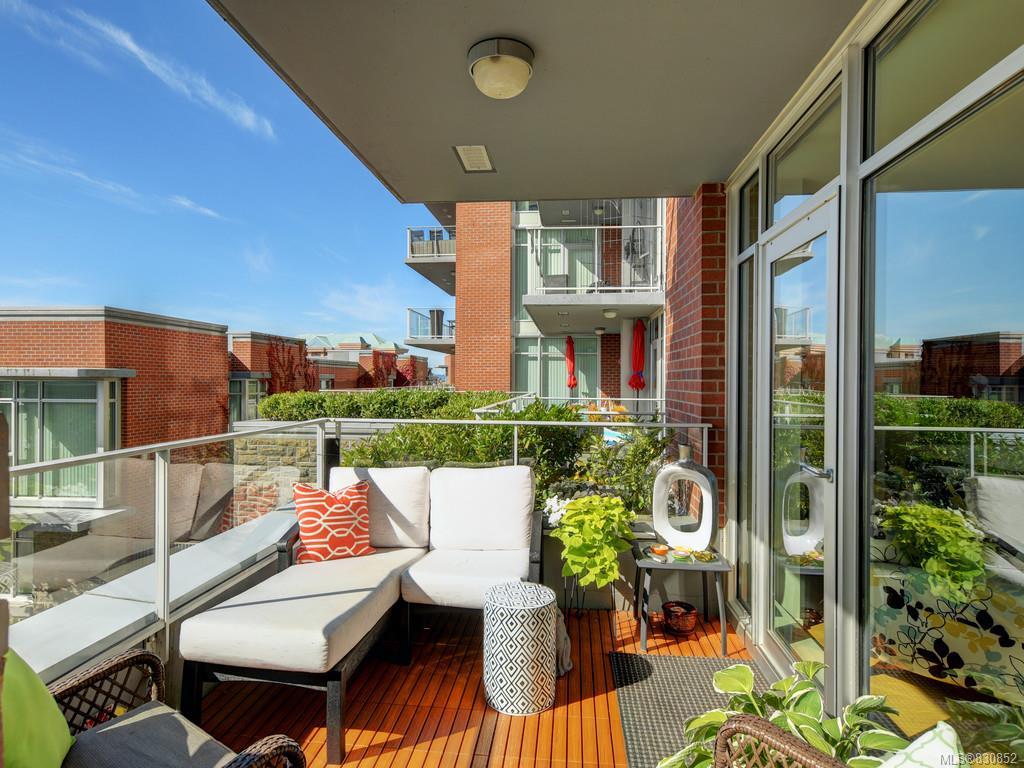
Low-maintenance homes in Greater Victoria are getting more attention because buyers are thinking beyond charm. They are still drawn to character, gardens, mature landscaping, and unique design, but they are also asking a more practical question: what will this home cost me after I move in? In a market where buyers have more choice, the homes that feel easier to own can stand out. The Victoria Real Estate Board has described the Greater Victoria market as balanced, with strong inventory giving buyers more options and time to compare properties. Buyers Are Thinking About the Full Cost of Ownership A buyer may love a beautiful older home, but that excitement can change quickly when they start thinking about: Roof age Windows Heating systems Drainage Exterior maintenance Insurance Energy costs Future repairs Yard upkeep This does not mean older homes or character homes are less desirable. In many Greater Victoria neighbourhoods, they remain highly sought after. However, buyers are becoming more cautious about homes that may require major work soon after purchase. A home that feels manageable can create confidence. That confidence can influence showings, offers, and how strongly a buyer is willing to move forward. Why Sellers Should Pay Attention For sellers, low-maintenance does not always mean new. It means the home feels cared for, organized, and less risky. A seller can help create that feeling by showing buyers that the home has been maintained over time. Simple details can make a big difference, including: Service records for major systems Recent invoices for repairs or upgrades Clear information about the age of the roof, windows, furnace, or heat pump Fresh paint where needed Clean gutters and exterior areas Well-kept landscaping A tidy crawlspace, garage, or mechanical area Buyers do not expect every home to be perfect. However, they do want to understand what they are buying. When a seller can reduce uncertainty, the home often feels easier to choose. Insurance and Repair Costs Are Part of the Conversation Insurance is also becoming a bigger part of buyer decision-making. In British Columbia, rising rebuild costs, repair expenses, and weather-related risk continue to put pressure on insurance costs. That matters because buyers are not only comparing monthly mortgage payments. They are thinking about the full monthly and yearly cost of ownership. A home with an older roof, outdated systems, deferred maintenance, or signs of water issues may raise questions. Even if the home is priced well, buyers may hesitate if they feel future costs are uncertain. Energy Efficiency Can Add Practical Appeal Energy efficiency is another reason low-maintenance homes in Greater Victoria are standing out. Buyers are paying attention to heating systems, insulation, windows, and overall comfort. Programs such as the Home Energy Navigator help Greater Victoria homeowners understand energy-efficient upgrades, available rebates, and planning steps. The Province of BC also notes that eligible households may access rebates for certain energy-efficient renovations. For sellers, this does not mean every home needs major upgrades before listing. Instead, it means energy-related improvements should be clearly explained if they already exist. If the home has a heat pump, improved insulation, newer windows, or other comfort-focused upgrades, those details should be included in the marketing. Buyers may not notice every improvement during a showing, so the listing strategy needs to connect the dots. Outdoor Space Still Matters, But Manageability Matters Too Greater Victoria buyers often value outdoor space. Gardens, patios, mature trees, and private yards can still be major selling features. However, some buyers are now asking whether the outdoor space fits their lifestyle. A large garden may appeal to one buyer and feel overwhelming to another. This is especially true for downsizers, busy professionals, first-time buyers, and people moving from condos or townhomes. They may want outdoor space, but they may not want hours of weekly upkeep. For sellers, the goal is not to remove personality. The goal is to show that the property is enjoyable and manageable. How Sellers Can Position a Home as Low-Maintenance A strong listing strategy should help buyers see both the lifestyle and the practicality of the home. Before listing, sellers should consider: Completing small repairs that may distract buyers Cleaning and organizing utility areas Trimming overgrown landscaping Replacing worn weatherstripping or tired exterior details Touching up paint Gathering maintenance records Highlighting newer systems and upgrades Being clear about what has been done and when Small improvements can help buyers feel that the home has been cared for. That can be especially helpful in a market where buyers are comparing several options at once. Low-Maintenance Does Not Mean Boring One common mistake is thinking low-maintenance means plain or characterless. That is not the case. A home can still have warmth, charm, and personality while also feeling easy to own. In fact, the strongest homes often do both. They offer emotional appeal, but they also give buyers practical confidence. That balance is powerful. A buyer may fall in love with the style of a home, but they often write stronger offers when they also trust the condition, upkeep, and long-term ownership picture. The Bottom Line for Sellers Low-maintenance homes in Greater Victoria are standing out because buyers are thinking more carefully. They want homes that feel comfortable, functional, and financially manageable. For sellers, this creates an opportunity. The right preparation, documentation, and marketing can help buyers see the value behind the home, not just the surface features. If you are thinking about selling, the key is to understand what buyers may notice, what they may worry about, and how to present your home with clarity. For advice on preparing your home for today’s market, contact Faber Real Estate Group for local guidance and a thoughtful selling strategy. Brett H., 5-Star Review, via Google “I can’t suggest how to make Fabers better at being good realtors. They’re already congenial, trustworthy, informed, experienced, and thorough. Cal listened and advised, and somewhere in the middle he said what the condo would sell for and he was right on. Thanks!” Faber Real Estate GroupRoyal LePage Coast Capital Realty📞 250-244-3430📧 [email protected]ℹ️ Scott Faber Personal Real Estate Corporationℹ️ Cal Faber Personal Real Estate CorporationVanessa Wood, Zachary Parsons, and Sophie Taylor“Building Lasting Relationships, One Home at a Time.”
Read more
Spring in Greater Victoria has a way of changing what buyers notice. The longer days, blooming gardens, and brighter natural light all bring certain features to the front. This year, Greater Victoria home trends are less about flashy upgrades and more about comfort, function, and spaces that make everyday life feel easier. Buyers are still paying attention to finishes, layout, and location. However, many are also looking closely at how a home supports real life. They want useful storage, flexible rooms, outdoor space, efficient systems, and homes that feel calm rather than overdone. Outdoor Living Is Still a Major Selling Feature In Greater Victoria, outdoor space carries real emotional weight. A patio, balcony, deck, garden, or sunny sitting area can help a home feel larger and more livable. Buyers are not always looking for a huge yard. In many cases, they want outdoor space that feels easy to use and simple to maintain. Some of the outdoor features buyers are noticing this spring include: Private patios or decks South-facing outdoor areas Low-maintenance landscaping Space for a BBQ or outdoor dining Raised garden beds Fenced yards for pets or children Covered areas that work in more than one season The key is usability. A small, well-planned patio can often feel more valuable than a large yard that looks like a lot of work. Flexible Rooms Are More Important Than Formal Rooms Many buyers are thinking beyond traditional layouts. A formal dining room may still appeal to some people, but flexible space often gets more attention now. Buyers want rooms that can change with their lifestyle. A den, spare bedroom, finished lower level, or loft area can serve different needs over time. A flexible space may work as: A home office A guest room A workout area A nursery A media room A hobby space Storage for seasonal items This trend is especially noticeable with first-time buyers, families, downsizers, and people who work from home part-time. The more adaptable a home feels, the easier it is for buyers to imagine staying there longer. Natural Light Is a Quiet Deal-Maker Spring makes natural light hard to ignore. Buyers often respond quickly to homes that feel bright, warm, and open. Large windows, skylights, light paint colours, and clean window coverings can all help a home feel more inviting. This does not mean every home needs to be fully renovated. Sometimes simple changes make the biggest difference. Cleaning windows, trimming overgrown landscaping, replacing heavy curtains, and using softer interior colours can help light move through the space more naturally. A bright home often feels better before a buyer can explain why. Low-Maintenance Living Is Gaining Appeal More buyers are paying attention to the work a home will require after possession. This is especially true for busy professionals, downsizers, and buyers moving from condos into detached homes. They may love the idea of more space, but they are also thinking carefully about upkeep. Low-maintenance features that can stand out include: Updated windows Durable flooring Clean exterior siding Simple landscaping Newer roofing Efficient heating and cooling Well-organized storage Updated appliances A home does not need to be brand new to feel low-maintenance. It simply needs to feel cared for, practical, and easy to manage. Warm, Natural Finishes Are Replacing Cold Minimalism Buyers are still drawn to clean design, but overly cold spaces can feel less inviting. In many Greater Victoria homes, warmer finishes are becoming more appealing. Wood tones, soft neutrals, textured fabrics, natural stone, and layered lighting can make a space feel comfortable without feeling dated. The current look is less about perfection and more about livability. Think: Soft white or warm neutral walls Natural wood accents Matte finishes Simple cabinetry Comfortable lighting Calm, uncluttered rooms Organic materials where possible This works especially well in Victoria, where homes often blend indoor comfort with West Coast surroundings. Energy Efficiency Is Becoming Part of the Conversation Energy efficiency is no longer only a bonus feature. More buyers are asking practical questions about comfort and operating costs. They may want to know about heating systems, insulation, windows, hot water tanks, heat pumps, and utility bills. Even if a buyer does not lead with energy efficiency, it can influence how confident they feel about the home. Features that may help include: Heat pumps Updated insulation Energy-efficient windows Smart thermostats Modern appliances Electric vehicle charging Well-maintained heating systems For sellers, this means documentation matters. If you have completed upgrades, keeping receipts, permits, manuals, and warranty information organized can help buyers understand the value. Storage Is Getting More Attention Storage is one of those features buyers notice quickly when it is missing. In condos, townhomes, and character homes, smart storage can make a major difference. Buyers want places for bikes, paddleboards, tools, holiday decor, sports equipment, pantry items, and everyday clutter. Helpful storage features include: Built-in shelving Garage storage Pantry space Mudrooms Organized closets Crawlspace storage Bike rooms or secure lockers Laundry room cabinetry A home that feels organized often feels larger, even if the square footage has not changed. Buyers Are Looking for Homes That Feel Ready, Not Perfect One of the clearest Greater Victoria home trends this spring is the shift toward practical readiness. Buyers do not necessarily expect every home to be fully renovated. However, they are paying close attention to whether the home feels clean, maintained, and easy to move into. Before listing, sellers should focus on the details that shape first impressions: Fresh paint where needed Clean windows Tidy landscaping Repaired trim or doors Updated light bulbs Decluttered rooms Clean patios, decks, and balconies Clear maintenance records Small improvements can help buyers focus on the home instead of the to-do list. What This Means for Sellers For sellers, spring is a good time to think about how your home feels, not just how it looks. A buyer may forget the exact countertop material, but they will remember how the kitchen felt in the morning light. They may not need a perfect backyard, but they will notice whether the outdoor space feels peaceful and usable. The best preparation often comes down to three questions: Does the home feel bright? Does it feel easy to live in? Does it feel well cared for? If the answer is yes, buyers are more likely to connect with the property. What This Means for Buyers For buyers, trends can be helpful, but they should not replace good judgment. A stylish home is appealing, but function matters more over time. Before getting caught up in finishes, look closely at layout, storage, maintenance, natural light, outdoor space, and long-term usability. The best home is not always the trendiest one. It is the one that fits your life now and gives you room to grow. Final Thoughts Spring home trends in Greater Victoria are pointing toward comfort, flexibility, outdoor living, and lower-maintenance ownership. Buyers are looking for homes that feel calm, practical, and ready for real life. For sellers, that means preparation should focus on clarity, cleanliness, light, and livability. For buyers, it means looking beyond surface finishes and thinking carefully about how a home will support your day-to-day life. If you are preparing to buy or sell this spring, contact Faber Real Estate Group for local guidance, practical advice, and a clear plan for your next move. Courtenay C., 5-Star Review, via Google “Scott and the team are exceptional to work with! They are knowledgeable, professional, and go above and beyond for their clients :) Scott made our move easy all around. Highly recommend!” Faber Real Estate GroupRoyal LePage Coast Capital Realty📞 250-244-3430📧 [email protected]ℹ️ Scott Faber Personal Real Estate Corporationℹ️ Cal Faber Personal Real Estate CorporationVanessa Wood, Zachary Parsons, and Sophie Taylor “Building Lasting Relationships, One Home at a Time.”
Read more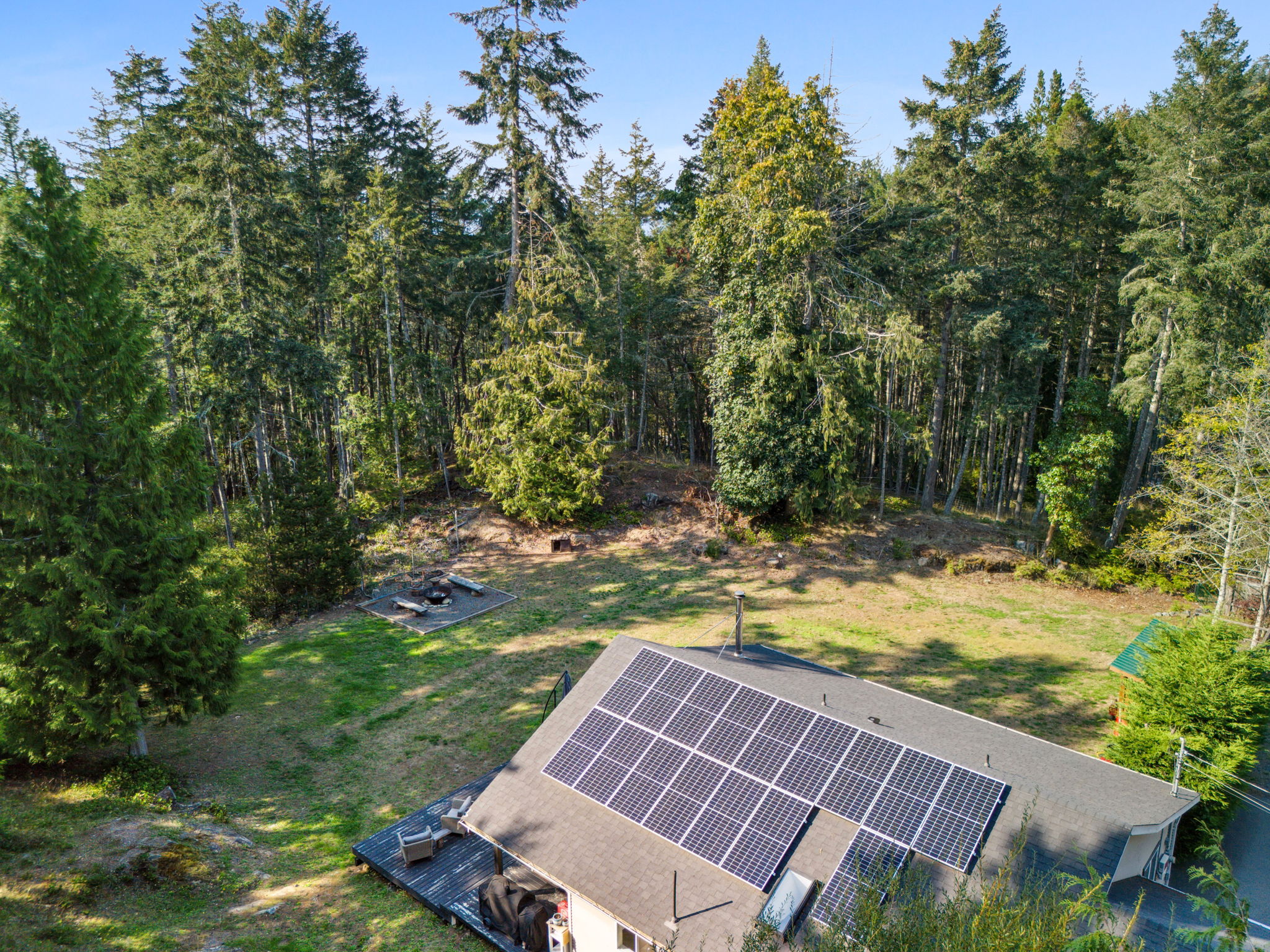
Winter in Greater Victoria brings shorter days, cooler temperatures, and higher energy usage. Homeowners can improve comfort, reduce energy bills, and even increase property value by investing in energy efficiency upgrades. Buyers are increasingly looking for homes that are not only stylish but also cost-effective to run and environmentally responsible. Upgrade Insulation and Weatherproofing Adding insulation to attics, walls, and crawl spaces helps maintain indoor warmth during winter. Sealing drafts around doors, windows, and vents can prevent heat loss, reduce energy bills, and improve indoor comfort. Homes with well-maintained insulation are more attractive to buyers who value efficiency. Replace Windows and Doors Energy-efficient windows and doors prevent heat loss and reduce condensation. Upgrading to double or triple-glazed windows can significantly improve comfort and decrease heating costs, which adds perceived and actual value to your home. Modern Heating Systems High-efficiency furnaces, boilers, or heat pumps are strong selling points in winter. Modern systems not only provide consistent warmth but also use less energy, which appeals to cost-conscious buyers. Regular maintenance of existing systems also boosts efficiency and ensures reliable operation. Smart Home and Thermostat Upgrades Smart thermostats allow homeowners to control heating remotely and schedule energy use efficiently. Buyers increasingly value these upgrades for convenience and savings. Pairing smart thermostats with zoned heating systems can further enhance comfort and efficiency. Water Heating Efficiency Tankless or high-efficiency water heaters save energy and space. Insulating older water heaters and pipes can also reduce heat loss, making the home more efficient and lowering utility costs. Solar Panels and Renewable Options Although less common in Greater Victoria homes, solar panels or solar water heating systems can attract buyers interested in sustainability. Even partial solar adoption can boost market appeal and long-term savings. Lighting and Appliances Upgrading to LED lighting and energy-efficient appliances reduces electricity usage and improves your home’s eco-friendly credentials. Buyers are often willing to pay a premium for homes with modern, efficient appliances. The Value Proposition Energy-efficient upgrades not only make winter living more comfortable but also increase resale value. Homes that are cost-effective, environmentally responsible, and easy to maintain appeal to a broader range of buyers, making them stand out in Greater Victoria’s competitive market. Professional Help If you’re considering upgrades but aren’t sure where to start, reaching out to trusted local professionals can make a big difference. Energy auditors, HVAC specialists, and certified contractors can assess your home and recommend cost-effective improvements that add the most value. Please reach out to us if you need any referrals. Michael F., 5-Star Review, via Google “Cal and Scott exceeded our expectations in every way. They were always available to answer our questions and address any concerns immediately, providing exceptional support throughout the entire process. Their dedication and expertise made the selling and buying experience seamless and stress-free. ” Faber Real Estate Group Royal LePage Coast Capital Realty 📞 250-244-3430 📧[email protected] ℹ️ Scott Faber Personal Real Estate Corporation ℹ️ Cal Faber Personal Real Estate Corporation Vanessa Wood, Zachary Parsons, and Sophie Taylor “Building Lasting Relationships, One Home at a Time.”
Read more
Winter in Victoria may be milder than other parts of Canada, but heavy rain, wind, and occasional freezes can still cause problems if your home isn’t prepared. Taking steps ahead of time helps prevent damage, maintain comfort, and even save on energy costs. Inspect Your Roof and Gutters Check your roof for loose or missing shingles and repair them before winter storms arrive. Clean gutters and downspouts to ensure water drains properly away from your foundation, reducing the risk of leaks and water damage. Seal Drafts and Add Insulation Cold air can sneak in through windows, doors, and gaps in walls. Weatherstripping, caulking, and door sweeps help keep your home warm and energy-efficient. Consider adding insulation to attics, crawl spaces, or exterior walls to further protect your home from chilly temperatures. Protect Your Plumbing Even in Victoria, pipes can freeze during cold snaps. Insulate exposed pipes in garages, crawl spaces, or attics. During extreme cold, letting faucets drip slightly can help prevent freezing. Make sure you know the location of your main water shut-off in case of emergencies. Maintain Heating Systems Have your furnace or boiler serviced and replace filters. Test your thermostat and ensure fireplaces or wood stoves are clean and safe. These steps not only improve efficiency but also reduce the risk of breakdowns during the colder months. Outdoor Maintenance Trim overhanging branches that could fall during storms, secure patio furniture, and ensure outdoor lighting is functioning. Proper drainage around your home helps prevent water pooling during heavy rain. Safety and Emergency Preparedness Test smoke and carbon monoxide detectors and replace batteries if necessary. Keep a supply of flashlights, batteries, bottled water, and non-perishable food in case of power outages. Planning ahead helps ensure your home stays safe, comfortable, and energy-efficient all winter. If you need recommendations for trusted professionals to assist with any of these tasks, don’t hesitate to reach out, we’re happy to connect you with reliable local experts who can help protect your home. Matt C., 5-Star Review, via Google “I would highly recommend not only the Faber group however specifically Scott. He treated us with the utmost respect and looked out for our best interests. Our selling and buying process were seemless with little stress due to Scott handling everything behind the scenes. Furthermore not only did Scott show us exactly what we were looking for he knew what location would best suit our lives.” Faber Real Estate Group Royal LePage Coast Capital Realty 📞 250-244-3430 📧[email protected] ℹ️ Scott Faber Personal Real Estate Corporation ℹ️ Cal Faber Personal Real Estate Corporation Vanessa Wood & Zachary Parsons “Building Lasting Relationships, One Home at a Time.”
Read more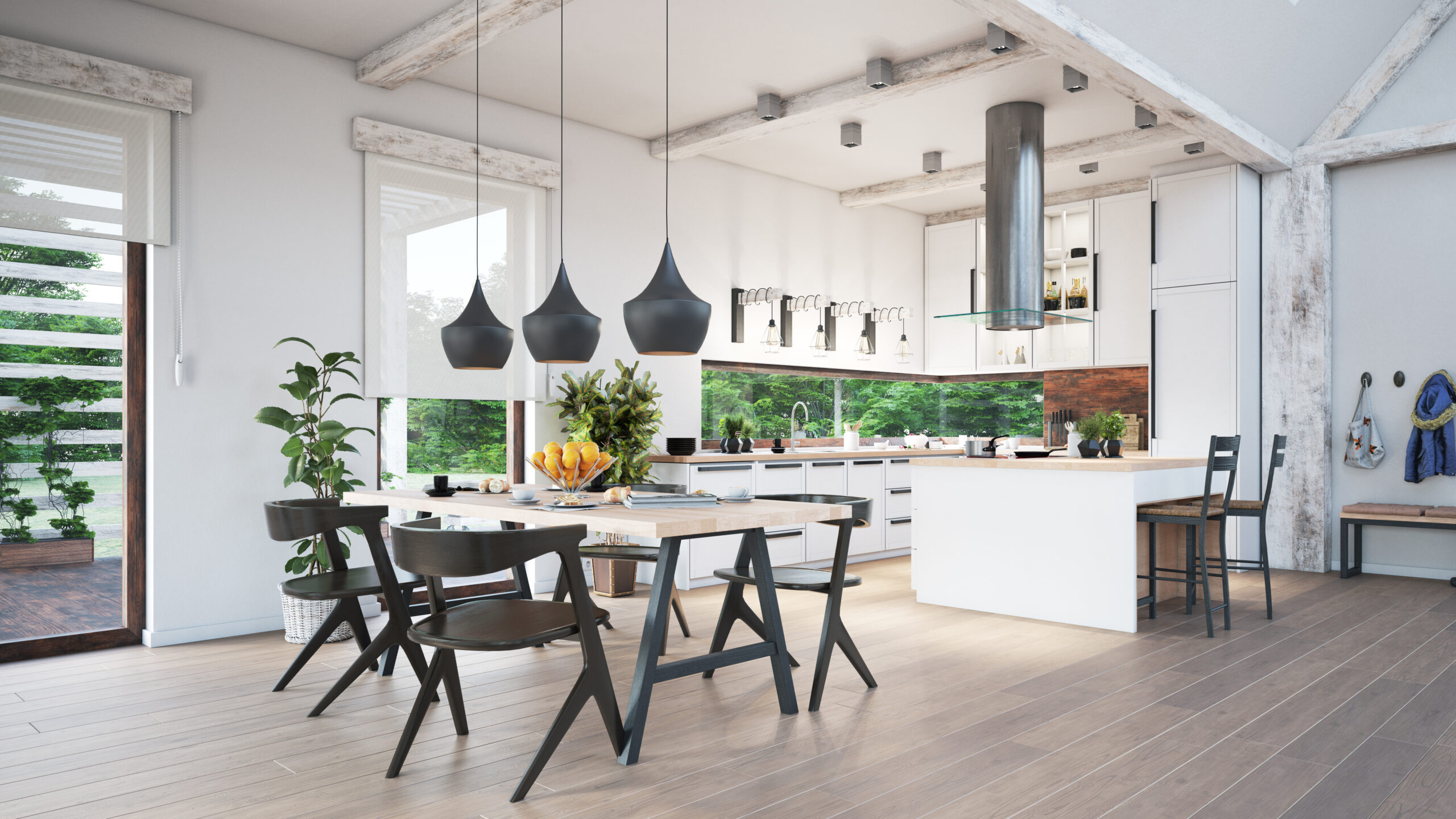
Energy efficiency has become a major priority for homeowners and buyers alike. With many homes in Victoria built before modern energy standards, retrofitting older properties is one of the most effective ways to improve comfort, reduce utility costs, and increase long term value. Understanding the available rebates and the costs associated with these upgrades can help homeowners make informed decisions. Major Rebates and Incentives for Homeowners Provincial and utility programs significantly offset the upfront cost of retrofitting. The most prominent are delivered through the CleanBC Better Homes initiative, in partnership with FortisBC and BC Hydro. CleanBC Better Homes / Home Renovation Rebates: This program provides rebates for a broad range of upgrades, including heat pumps, insulation, windows, and doors. Total rebate amounts can reach up to $14,000 or more, depending on your project's scope and eligibility. Insulation Upgrades: Up to $5,500. Rebate varies by location and type. Heat Pump Systems: Rebates vary widely by heat pump type, with electric heat pumps generally qualifying for higher amounts. Bonus Rebates: The program offers bonuses for completing multiple upgrades, for example, a two-upgrade or three-upgrade bonus. Income-Qualified Programs: CleanBC offers enhanced rebates (up to 95% of upgrade costs, depending on income) through its Energy Savings Program for low- and middle-income households. This can cover major costs like heat pump installation. Canada Greener Homes Grant & Loan: This federal initiative provides grants of up to $5,000 and an interest-free loan of up to $40,000 to cover retrofits recommended by a certified energy advisor. Resource Link: The main hub for all these programs is the CleanBC Better Homes website (Check eligibility and current offers at https://www.betterhomesbc.ca/). Local Support for Victoria Residents Victoria homeowners have access to free local support to simplify the process. Home Energy Navigator: This program offers free, personalized guidance, connecting you with an Energy Concierge who provides support to help you understand available rebates, review quotes, and navigate applications. This service is invaluable when planning extensive upgrades. Resource Link: Learn more about this regional service at the Home Energy Navigator website (Find local support at https://homeenergynav.ca/). Typical Retrofit Costs to Budget For Actual costs vary widely based on your home’s size and condition. Here is a general sense of the pre-rebate investment range for common items: Heat Pump Installation: Costs are typically in the range of $12,000 to $20,000+ for full systems, before rebates. Attic/Wall Insulation: Costs can run from several thousand dollars for attics or walls, depending on accessibility and materials. Window and Door Replacement: Replacement generally ranges from $700 to $1,500+ per unit installed, depending on size and performance ratings. While rebates offset a meaningful portion of these costs, many programs require upfront expenditure with rebates issued after completion and application approval. Early planning, including booking an EnerGuide home evaluation before work begins, is critical to ensuring eligibility for the maximum rebates. Real Estate Value and Homeowner Benefit From a realtor’s perspective, homes with documented energy upgrades attract interest from buyers seeking lower operating costs and long-term sustainability. Energy efficiency improvements often pay dividends beyond rebate dollars in higher sale prices, faster market absorption, and improved buyer confidence. Living the green life in Victoria, BC, is both financially and environmentally sound. Start with a professional energy assessment and plan your upgrades strategically to maximize the available incentives. Spencer Mowat, 5-Star Review, via Google “Where do I begin, the professionalism I've received from my realtor and friend Scott Faber @fabergroup has been a great experience, his knowledge of the market and work ethic is truley impressive. Excacly how it should be when your making one of the biggest purchases of your life!” Faber Real Estate Group Royal LePage Coast Capital Realty 📞 250-244-3430 📧[email protected] ℹ️ Scott Faber Personal Real Estate Corporation ℹ️ Cal Faber Personal Real Estate Corporation Vanessa Wood & Zachary Parsons “Building Lasting Relationships, One Home at a Time.”
Read more