
Posts Tagged ‘character homes Victoria’

Cook Street Village Victoria has a kind of staying power that many neighbourhoods try to create but few manage to hold. It is not flashy, oversized, or built around one major attraction. Instead, Cook Street Village Victoria works because it combines daily convenience, neighbourhood character, green space, and access to the ocean in a way that feels natural. For buyers, that matters. A great neighbourhood is not only about what is nearby. It is about how easily those places fit into everyday life. It Feels Like a Village Without Feeling Disconnected One of the biggest reasons Cook Street Village continues to appeal to buyers is its balance. You can walk to coffee, groceries, restaurants, bakeries, services, and local shops without feeling like you are living in the middle of downtown. At the same time, downtown Victoria is still close enough for work, dining, shopping, and events. That balance is hard to duplicate. Many buyers want walkability, but they do not always want noise, density, or the constant movement of a busier urban core. Cook Street Village offers a softer version of city living. It feels connected, but still personal. Beacon Hill Park Adds Long-Term Lifestyle Value Proximity to Beacon Hill Park is one of the neighbourhood’s strongest advantages. For buyers, parks are more than a nice extra. They shape lifestyle. They affect how people spend mornings, weekends, dog walks, family time, and quiet moments outside the home. Having Beacon Hill Park nearby gives residents access to: Walking paths Open green space Play areas Gardens Recreation space A natural connection toward Dallas Road and the waterfront This is one of the reasons the area appeals across different buyer groups. First-time buyers, downsizers, families, retirees, and professionals may all value the neighbourhood for different reasons, but green space is a common thread. The Ocean Is Part of the Everyday Experience Cook Street Village also benefits from its connection to Dallas Road and the waterfront. For many Victoria buyers, ocean access is not only about views. It is about lifestyle. Being able to walk toward the water after dinner, take a morning route along Dallas Road, or spend time near the shoreline adds emotional value to the area. That kind of value does not always show up in a feature list, but buyers feel it quickly. A home may have the right number of bedrooms, an updated kitchen, and enough parking, but the neighbourhood experience often becomes the deciding factor. Cook Street Village has that experience built in. The Housing Mix Gives Buyers Options Another reason the area stays appealing is the variety of housing nearby. Around Cook Street Village and Fairfield, buyers may find a mix of: Character homes Heritage-style conversions Condos Townhomes Duplexes Smaller strata properties Larger single-family homes in nearby pockets This variety helps the area remain relevant to different stages of life. A buyer may start with a condo, later look for a townhome, or eventually seek a character home nearby. Downsizers may also be drawn to the area because they can reduce home maintenance without giving up a highly walkable lifestyle. That flexibility supports long-term demand. Character Still Matters Here Some neighbourhoods feel appealing because they are new. Cook Street Village feels appealing because it has depth. The surrounding streets offer mature landscaping, older homes, unique architecture, and a sense of place that does not feel manufactured. For many buyers, that character is part of the draw. This does not mean every buyer wants an older home. In fact, some buyers may prefer a newer condo or updated strata property nearby. But even those buyers often still benefit from the character of the surrounding neighbourhood. The setting helps create the feeling. It Works for Daily Life, Not Just Weekends Some neighbourhoods are enjoyable to visit but harder to live in. Cook Street Village is different because the appeal is practical. The area offers a strong everyday rhythm: Coffee in the morning Groceries nearby Walks through Beacon Hill Park Easy access to the waterfront Local restaurants and services A short trip to downtown Victoria A neighbourhood feel that still supports urban convenience This is where buyers often make a deeper connection. The neighbourhood is not only attractive on a sunny Saturday afternoon. It also works on a regular Tuesday. What Buyers Should Watch For The consistent appeal of Cook Street Village does not mean every property nearby is the right fit. Buyers should still look carefully at the details. Key considerations include: Parking availability Street activity and traffic patterns Strata documents for condos and townhomes Renovation quality in older homes Noise exposure depending on location Storage and outdoor space Long-term maintenance needs Walkability versus privacy In high-demand neighbourhoods, buyers can sometimes focus too much on location and not enough on the property itself. The best purchase balances both. What Sellers Should Understand For sellers near Cook Street Village, the neighbourhood can be a strong part of the marketing story. However, strong location does not replace preparation, pricing, and presentation. Buyers may already understand that the area is desirable, but they still need to see why a specific home is worth choosing. Effective marketing should connect the property to the lifestyle: Morning coffee within walking distance Beacon Hill Park nearby Dallas Road and the ocean close by Downtown access without downtown intensity Character, convenience, and long-term livability The goal is not just to say the home is near Cook Street Village. The goal is to help buyers picture what life there could feel like. Why Cook Street Village Holds Its Appeal Cook Street Village remains consistently appealing because it offers something simple and difficult to recreate: a complete lifestyle in a compact, human-scaled neighbourhood. It has parks, shops, restaurants, character, ocean access, and proximity to downtown. More importantly, these features work together. That is what gives the area its long-term strength. For buyers, it offers convenience without losing warmth. For sellers, it provides a location story that remains easy to understand. For Victoria real estate, it is a reminder that the best neighbourhoods are not always the newest or loudest. Sometimes, they are the ones that make daily life feel easier. If you are considering buying or selling near Cook Street Village, Faber Real Estate Group can help you understand how location, property condition, pricing, and lifestyle value all work together in today’s Victoria market. Grace C., 5-Star Review, via Google “Zach is very pleasant and professional at all times. He's great to work with. He helped us find a great home for our family. Thank you.” Faber Real Estate Group Royal LePage Coast Capital Realty 📞 250-244-3430 📧 [email protected] ℹ️ Scott Faber Personal Real Estate Corporation ℹ️ Cal Faber Personal Real Estate Corporation Vanessa Wood, Zachary Parsons, and Sophie Taylor “Building Lasting Relationships, One Home at a Time.”
Read more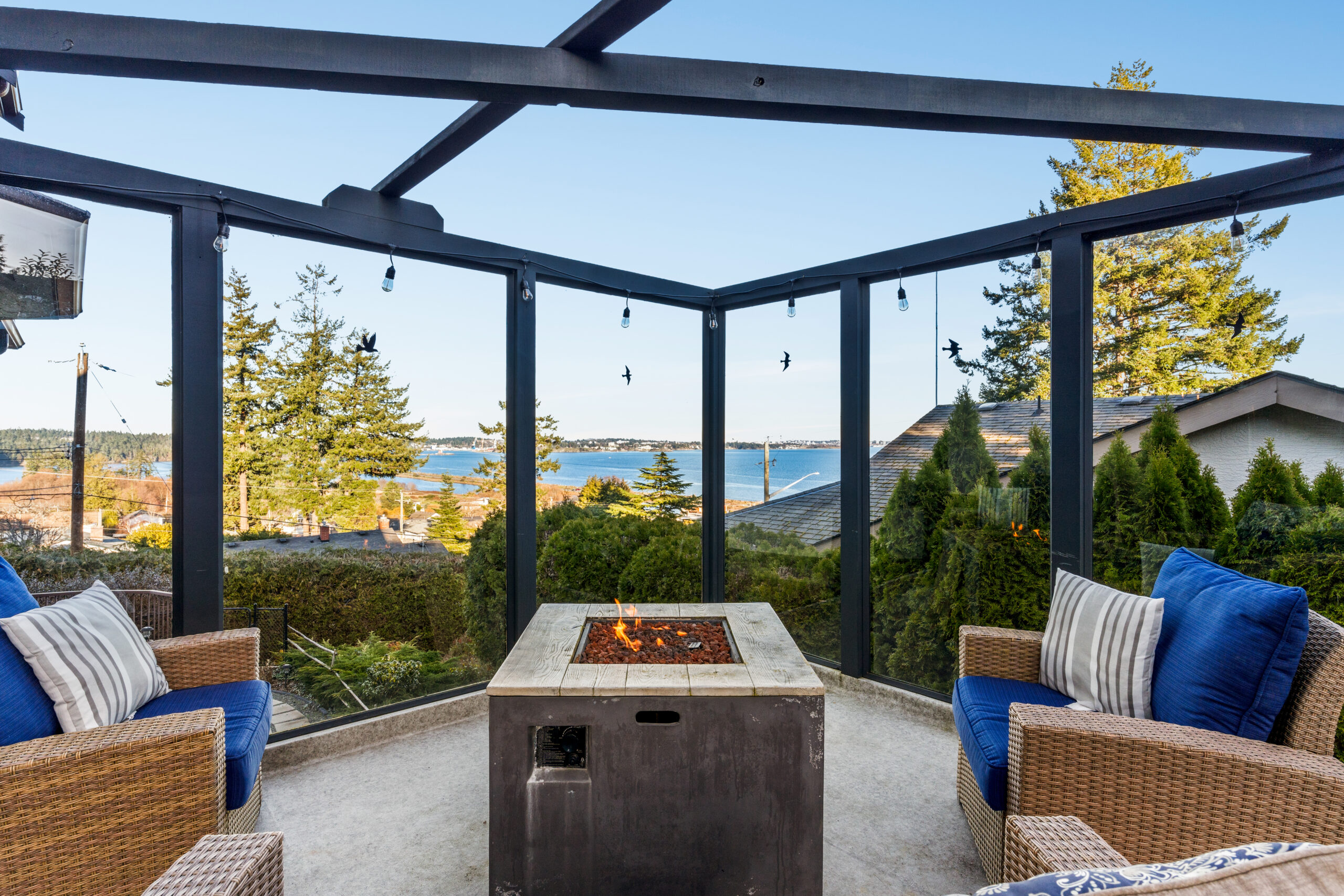
Lifestyle properties in Greater Victoria need more than standard real estate marketing. A typical listing may focus on bedrooms, bathrooms, square footage, and price. However, a lifestyle property sells something deeper: privacy, views, outdoor living, space for hobbies, walkability, waterfront access, gardens, guest accommodation, or a quieter way of living. That means the marketing has to answer a different question. Not just, “What does this home include?” But, “What kind of life could someone imagine here?” What Makes a Lifestyle Property Different? A lifestyle property is not always defined by price. It is defined by the experience it offers. In Greater Victoria, lifestyle properties may include: Waterfront homes Acreage properties View homes Character conversions Rural retreats Equestrian-friendly properties Garden-focused homes Homes near trails, beaches, or villages Properties with studios, workshops, or guest spaces Walkable homes in highly desirable neighbourhoods These homes often attract buyers who are making an emotional decision as much as a practical one. They are not just comparing floor plans. They are comparing futures. Standard Marketing Can Miss the Real Value Basic listing marketing often treats every home the same way. Photos, MLS remarks, room measurements, feature list, brochure, and a sign. That may be enough for a straightforward property. However, lifestyle properties need context. For example: A private acreage should explain what the land allows A waterfront home should highlight access, exposure, outlook, and daily use A walkable character home should connect the home to nearby cafés, parks, shops, and community A view home should show how the view changes from morning to evening A home with gardens should show seasonal beauty, outdoor rooms, and long-term care If the marketing only lists features, buyers may miss why the property is special. The Story Needs to Lead the Strategy Lifestyle property marketing should begin with the story. What is the emotional hook? What will a buyer remember after seeing the home? The story might be: Quiet mornings with ocean views Room for multi-generational living Space to garden, create, or work from home A home that feels private but still close to town A lock-and-leave lifestyle near shops and restaurants A rural setting with practical access to schools and services Once the story is clear, the rest of the marketing becomes stronger. Photos, video, copy, floor plans, social posts, email campaigns, and showing strategy can all support the same message. Photography Should Capture More Than Rooms For lifestyle properties, photography should not only document the home. It should help buyers understand how the property feels. That may include: Morning or evening light Outdoor entertaining areas Garden pathways Views from key rooms Beach, trail, or village proximity Workshop or studio use Privacy from neighbours Driveway approach Natural surroundings Seasonal features A buyer may forget the exact square footage, but they will remember how the property made them feel. Video Is Often More Important Video can be especially useful for lifestyle properties because it shows movement, flow, setting, and atmosphere. A strong lifestyle video can highlight: The arrival experience How indoor and outdoor spaces connect The scale of the land Natural light throughout the day Nearby amenities Privacy and setting Views and outdoor lifestyle The pace of the neighbourhood This matters because lifestyle buyers are often buying a sense of place. Video helps them feel that before they ever book a showing. The Buyer Pool May Be More Specific Lifestyle properties can have a narrower buyer pool. That does not mean the property is less valuable. It means the marketing must reach the right people. A standard home may appeal to a broad range of buyers. A lifestyle home may appeal to someone with a specific dream, such as: Retiring near the ocean Moving from the Lower Mainland for more space Creating a home-based studio Downsizing into a walkable village Moving from a condo to land Finding privacy without losing convenience Building a family lifestyle around trails, beaches, and outdoor space The marketing should speak directly to those motivations. Details Need to Be Explained, Not Assumed Lifestyle properties often come with added complexity. Acreage, waterfront, rural systems, strata rules, heritage elements, easements, zoning, septic, wells, outbuildings, shoreline considerations, and future use all need thoughtful explanation. That does not mean overwhelming buyers. It means helping them understand what matters. Strong marketing should make the property feel special, while strong preparation should make it feel clear. Buyers are more confident when they can understand: What makes the property unique How the lifestyle works day to day What responsibilities come with ownership What questions they should ask What due diligence may be required A confident buyer is more likely to move forward. Pricing Requires a Different Lens Lifestyle properties can be harder to price because comparable sales may not tell the full story. Two homes may have the same square footage, but very different value depending on setting, view, privacy, land use, exposure, outdoor living, renovation quality, or emotional appeal. A pricing strategy should consider: Recent comparable sales Replacement value of unique improvements Land and setting Scarcity Buyer demand Condition and maintenance Property usability Location and access Lifestyle appeal The goal is not to overprice the story. The goal is to price the complete value, not just the structure. Showing Strategy Matters Too Lifestyle properties often need slower, more intentional showings. Buyers may need time to walk the land, sit on the deck, understand the view, explore the gardens, or imagine how the property would support their daily life. Good showing preparation may include: Clean and open outdoor areas Clear access to outbuildings Simple information sheets Highlighted upgrades Utility and system details ready Property maps Neighbourhood or amenity context Flexible showing windows when possible The right showing experience helps buyers connect the marketing story to the real property. Final Thought Lifestyle properties in Greater Victoria need a different marketing strategy because they are not just selling space. They are selling a way of living. The strongest marketing does not simply show what the home has. It explains why the property matters, who it fits, and how it could change a buyer’s everyday life. If you are preparing to sell a lifestyle property in Greater Victoria and want a marketing plan that reflects its full value, reach out to Faber Real Estate Group for practical advice before you list. Noah C., 5-Star Review, via Google “I can’t thank Scott enough for his invaluable help during my recent real estate transaction. He guided me through several properties with a keen eye for detail, pointing out the pros and cons, building qualities and deficiencies, and identifying potential issues. I truly felt that he cared about helping me make the best decision for my needs. His expertise in assessing the buildings, materials, and the overall condition of the properties gave me confidence in my choices. Scott’s deep understanding of the market, combined with his ability to spot potential issues before they arise, provided me with peace of mind, knowing I was making a sound decision. If you’re looking for a knowledgeable, thorough, and trustworthy agent, Scott is the one you want by your side!” Faber Real Estate GroupRoyal LePage Coast Capital Realty📞 250-244-3430📧 [email protected]ℹ️ Scott Faber Personal Real Estate Corporationℹ️ Cal Faber Personal Real Estate CorporationVanessa Wood, Zachary Parsons, and Sophie Taylor“Building Lasting Relationships, One Home at a Time.”
Read more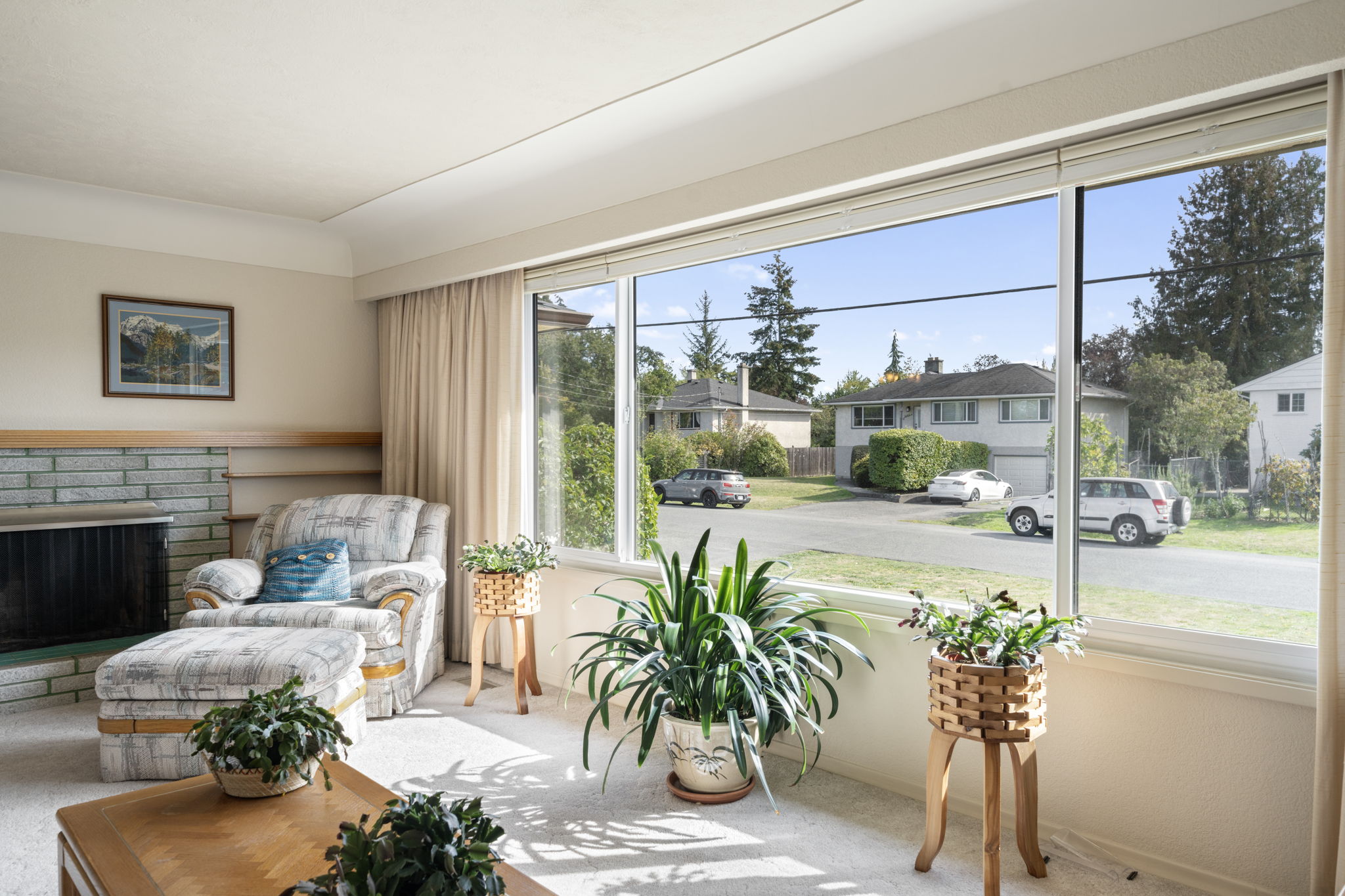
Heritage homes are a defining part of Victoria’s character, offering charm, craftsmanship, and a strong sense of history. From grand early-1900s residences to modest character homes, these properties appeal to buyers who value architectural detail and timeless design. However, owning a heritage home comes with unique responsibilities and considerations. Here is what to know before deciding if a heritage home is the right fit for you. What Is Considered a Heritage Home A heritage home is typically a property that has been recognized for its historical, architectural, or cultural significance. In Greater Victoria, this may include homes listed on a municipal heritage register or protected by a heritage designation. Not all older homes are formally designated, so it is important to understand a property’s specific status. The Appeal of Heritage Homes in Victoria Heritage homes often feature craftsmanship that is difficult to replicate today, including original millwork, wood floors, stained glass, and detailed facades. Many are located in established neighbourhoods close to downtown, parks, and amenities. For buyers who appreciate character and individuality, these homes offer a distinct lifestyle. Restrictions and Renovation Considerations One of the biggest differences with heritage homes is the level of restriction on alterations. Depending on the designation, changes to the exterior and sometimes interior may require special approvals. Renovations must often preserve original features, which can impact timelines and costs. Buyers should review local guidelines carefully before planning updates. Maintenance and Ongoing Costs Older homes generally require more maintenance. Roofing, plumbing, electrical systems, and foundations may need updating or ongoing care. While many heritage homes have been modernized, buyers should budget for higher maintenance costs and invest in thorough inspections before purchasing. Potential Incentives and Tax Benefits Some municipalities offer incentives to help offset the cost of maintaining heritage properties. These may include grants, tax incentives, or flexible zoning options. Availability varies by location, so it is worth exploring what programs may apply to a specific property. Insurance and Financing Factors Insurance premiums for heritage homes can be higher due to replacement costs and specialized materials. Financing may also require additional documentation or inspections. Working with lenders and insurers familiar with heritage properties can make the process smoother. Resale Value and Long-Term Appeal Well-maintained heritage homes often hold strong long-term appeal, especially in character-rich neighbourhoods. While the buyer pool may be more niche, these homes can attract passionate buyers who value history and design, which can support resale value when the home has been properly cared for. Is a Heritage Home Right for You Buying a heritage home is as much a lifestyle choice as a real estate decision. If you value history, are comfortable with ongoing maintenance, and are willing to navigate renovation guidelines, a heritage home can be incredibly rewarding. If flexibility and low maintenance are top priorities, a newer home may be a better fit. Understanding the responsibilities and benefits ahead of time can help you make a confident, informed decision. Annie R., 5-Star Review, via Google “Vanessa Wood is the best realtor I've ever worked with. We had an excellent accepted offer within 11 days of listing! Vanessa is a great communicator and salesperson, organized and very hard working. She's also warm and was incredibly helpful as I was selling the house in Victoria while living on the Sunshine Coast. She and the Faber Group team went the extra mile on more than one occasion! I highly recommend Vanessa and her team.” Faber Real Estate Group Royal LePage Coast Capital Realty 📞 250-244-3430 📧[email protected] ℹ️ Scott Faber Personal Real Estate Corporation ℹ️ Cal Faber Personal Real Estate Corporation Vanessa Wood, Zachary Parsons, and Sophie Taylor “Building Lasting Relationships, One Home at a Time.”
Read more