
Posts Tagged ‘can’t sell house’
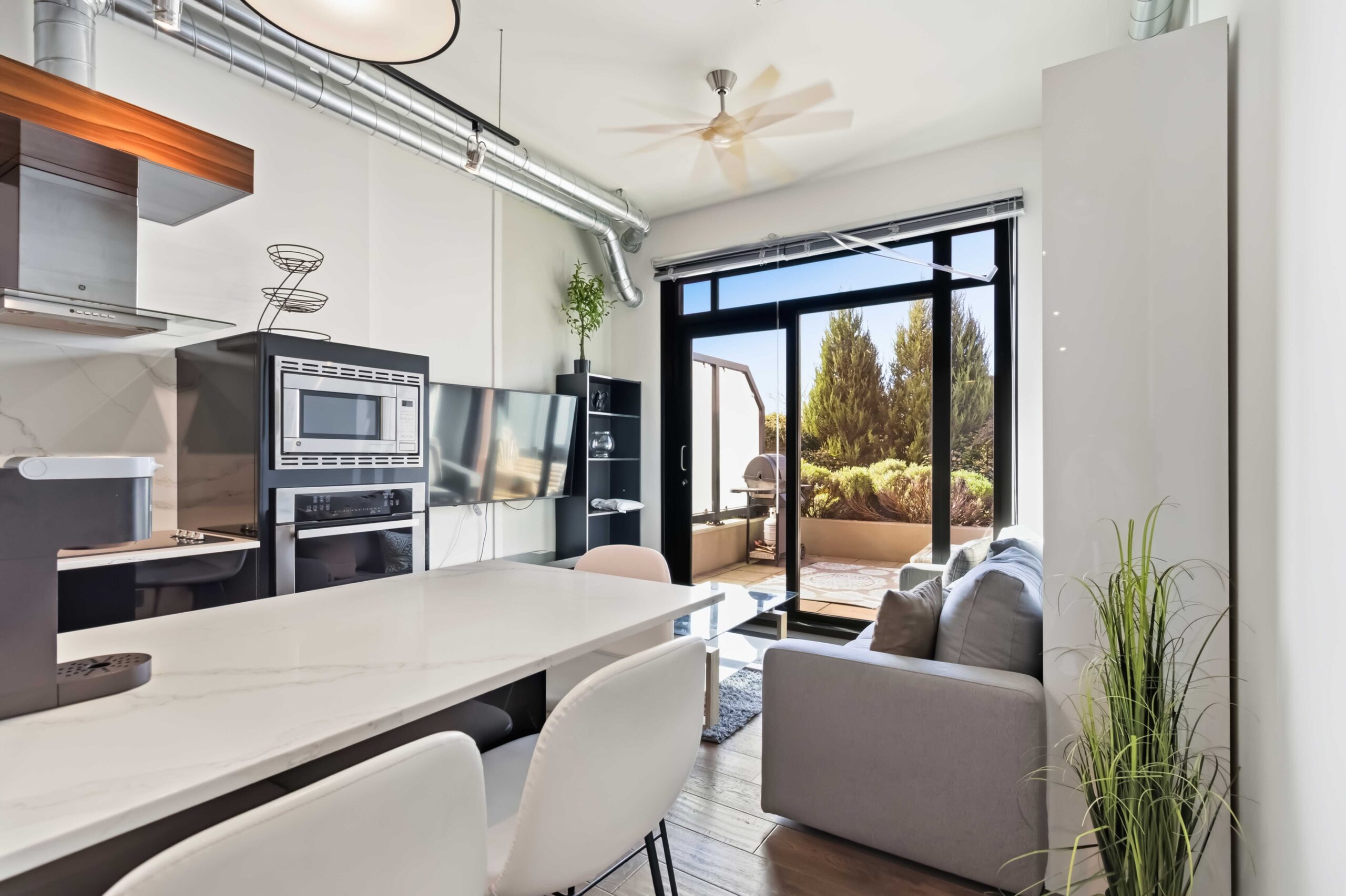
Decluttering for resale is not about making your home look empty or stripping away every sign of personality. It is about helping buyers see the space clearly, understand how it functions, and picture themselves living there. That matters even more in a market where buyers have more options. In Greater Victoria, active listings reached 3,261 at the end of March 2026, up 12.3% from February and 7.9% from March 2025, giving buyers more opportunity to compare homes side by side. When buyers have more choice, presentation matters more. Many sellers think buyers want perfection. What buyers usually want is something simpler: a home that feels clean, cared for, spacious, and easy to understand. Buyers Want to See the Space, Not Your Storage Problem The biggest goal of decluttering is to make the home feel larger and more functional. Buyers do not want to walk into a room and mentally sort through piles of furniture, baskets, toys, papers, or extra décor. They want to immediately understand what the room is for and how it fits their own life. Too much stuff creates visual friction. It makes rooms feel smaller, storage feel tighter, and maintenance feel more questionable. Even a well-kept home can feel overwhelming if every surface is full. Decluttering helps buyers notice the right things: floor space natural light layout storage condition flow from room to room Buyers Want to Picture Their Life There This is where decluttering becomes more than cleaning. According to the National Association of REALTORS® 2025 Profile of Home Staging, 83% of buyers’ agents said staging made it easier for a buyer to visualize the property as a future home. The same report found the living room, primary bedroom, and kitchen were the most important rooms to stage. That insight matters because decluttering and staging are closely connected. A buyer does not need your home to look like a magazine spread. They need it to feel calm enough that they can imagine their own furniture, routine, and future there. If the home feels too personal, too crowded, or too busy, that mental handoff becomes harder. What Buyers Really Want to See 1. Clean Surfaces Buyers respond well to kitchens, bathrooms, and living areas that feel open and manageable. That usually means counters with very little on them, tables with purpose, and shelves that are not overloaded. A nearly empty kitchen counter reads as workspace. A cluttered kitchen counter reads as lack of storage. 2. Clear Room Purpose Every room should make sense at a glance. If a bedroom is doubling as storage, office, gym, and craft room, buyers will remember the confusion more than the square footage. It is better to show one clear use for each space than to show everything the room has ever needed to do. 3. Visible Storage Closets, pantries, mudrooms, and laundry spaces matter more than many sellers realize. Buyers open doors. They look inside cabinets. They notice whether storage feels generous or crammed. One of the easiest wins before listing is reducing what is inside these spaces so they appear usable, not overworked. 4. Good Light and Sightlines Heavy furniture, too many accessories, or excess items near windows can block light and make rooms feel tighter. Buyers want homes that feel bright and open. Decluttering often improves this without any renovation at all. 5. Signs the Home Has Been Cared For Clutter often masks maintenance. Buyers start wondering what is behind the stacks, under the furniture, or hidden in the corners. A decluttered home feels easier to trust because the condition is easier to assess. The Most Important Areas to Declutter First If sellers do not know where to begin, these are usually the highest-impact areas: entryway living room kitchen counters primary bedroom bathrooms closets laundry area Those are the spaces that shape first impressions and influence whether the rest of the home feels calm or chaotic. What Sellers Should Remove Decluttering for resale does not mean removing everything. It means removing what distracts. That often includes: excess furniture family photo walls piles of paperwork crowded bookshelves countertop appliances not used daily seasonal décor toy overflow pet accessories overflowing closet contents bulky items that interrupt flow The rule is simple: if it makes the room feel smaller, busier, or harder to understand, it is probably hurting the presentation. What Sellers Should Keep A home should still feel warm and livable. Buyers do not want sterile. They want simple. Keep: enough furniture to define the room a few tasteful accessories clean linens basic countertop styling practical storage baskets where needed light, neutral touches that make the home feel welcoming The goal is not emptiness. The goal is clarity. Why This Matters More in Today’s Market In a fast-moving seller’s market, buyers sometimes overlook presentation issues because inventory is tight and pressure is high. In a market with more selection, that becomes less likely. VREB said current conditions are creating fewer high-pressure transactions and giving buyers more time to make decisions and complete due diligence. That means buyers have more space to compare not just price and location, but also how each home feels when they walk through it. A decluttered home does not just photograph better. It competes better. Final Thoughts Decluttering for resale is one of the most practical things a seller can do before listing. It helps buyers focus on the features that matter, makes the home feel larger and more functional, and supports stronger first impressions online and in person. Buyers do not need to see your life fully on display. They need to see enough space, calm, and possibility to imagine their own. If you are getting ready to sell and want clear advice on what to remove, what to keep, and how to prepare your home for the market, contact Faber Real Estate Group for strategic guidance tailored to your property. Nicholas D., 5-Star Review, via Google “Scott is an awesome realtor and real estate advisor. He got me all the information I needed incredibly quick and helped me make an informed buying decision. Couldn’t have done it without him and 10/10 will be recommending him to my friends and family! There are thousands of realtors on the island, but Scott and his team are by far the best” Faber Real Estate Group Royal LePage Coast Capital Realty 📞 250-244-3430 📧[email protected] ℹ️ Scott Faber Personal Real Estate Corporation ℹ️ Cal Faber Personal Real Estate Corporation Vanessa Wood, Zachary Parsons, and Sophie Taylor “Building Lasting Relationships, One Home at a Time.”
Read more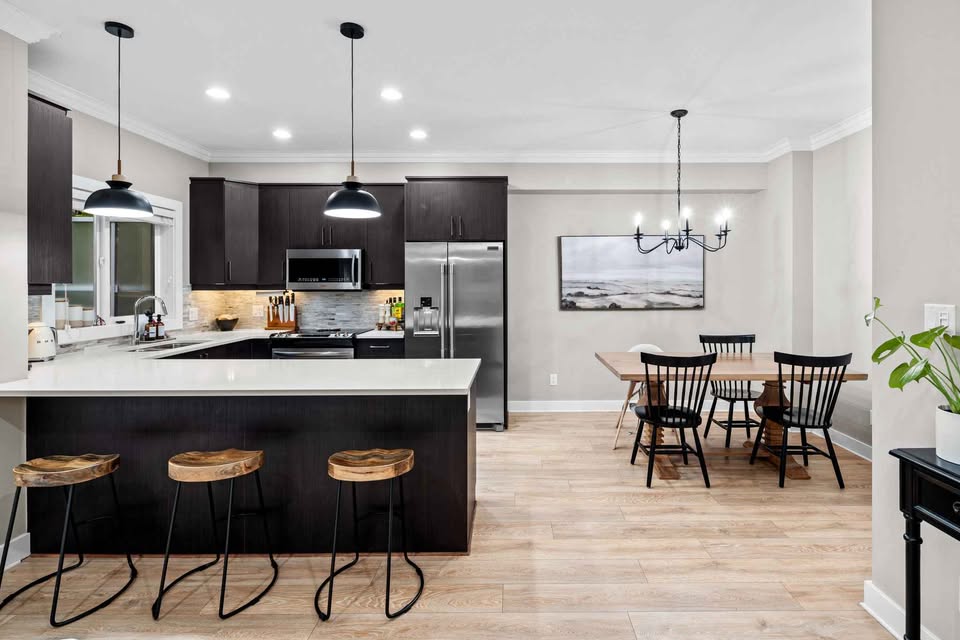
The Greater Victoria real estate market is giving buyers more room to breathe than it did a year ago. The Greater Victoria real estate market is still active, but it is clearly more competitive for sellers. Sales are down from last year, inventory is up, and buyers have more time to compare options, negotiate, and look for value. In March 2026, a total of 579 properties sold through the Victoria Real Estate Board, which was 5.5% lower than March 2025, when 613 properties sold. Detached home sales were down 2.4% year over year, and condo sales were down a sharper 18.8%. At the same time, active listings climbed to 3,261, up 7.9% from March 2025 and 12.3% from February 2026. That matters because it tells us buyers are not competing in the same tight environment they were used to in past markets. What That Means in Plain Terms This is a market with more supply and softer demand than last spring. That does not mean homes are not selling. It means sellers need to adjust their expectations. When inventory rises and sales fall, buyers gain leverage. They can be more selective. They can wait for the right home. They can compare condition, location, layout, and price across more listings. They are also more likely to push for better terms, ask tougher questions, and look for homes they feel are priced well from day one. For sellers, this is not the kind of market where most properties can simply come out high and expect to attract a top-dollar result. The strategy has to be tighter than that. Price, presentation, and timing all matter more when buyers have options. Buyers Are Looking for Deals One of the clearest signals in the current numbers is that buyers are shopping carefully. The Victoria Core benchmark for a single family home in March 2026 was $1,330,200, down 1.1% from March 2025. The benchmark for a condo was $553,800, down 0.8% year over year. Prices have not collapsed, but the direction tells an important story: buyers are resisting overpricing, and values are not rising fast enough to bail out an ambitious list price. That is why today’s buyers are often drawn to homes that feel like strong value. They are not just asking, “Do I like this home?” They are also asking, “Is this priced better than the other five I saw this week?” In a market like this, the overpriced listing often becomes the listing that sits. The Market Is Close to Buyer-Friendly Territory The sales-to-active listings ratio helps explain the tone of the market. In March 2026, there were 550 total residential sales and 3,261 active listings, which works out to roughly 16.9%. VREB notes that for Victoria, a ratio below 17% points to downward pressure on prices, 17% to 28% is considered balanced, and above 28% signals upward pressure on prices. In other words, the market is sitting right on the edge of buyer-friendly conditions. That does not mean every neighbourhood or property type behaves the same way. Greater Victoria is still made up of many micro-markets. A well-priced home in a high-demand pocket can still move quickly. But broadly speaking, sellers are competing harder for attention than they were a year ago. What Sellers Need to Understand Right Now If you are thinking about selling, the message is not “do not sell.” The message is do not sell with last market’s expectations. This market rewards sellers who: price based on current competition, not peak headlines prepare the home properly before it hits the market understand what buyers will compare it against respond quickly when feedback points to price or condition concerns This is especially important because buyers are no longer being rushed into decisions at the same pace. VREB itself noted that the current mix of supply and demand has created fewer high-pressure transactions and has given both sides more time for due diligence and decision-making. That is a major shift from the kind of market where almost any decent listing could rely on urgency to do part of the work. The Bottom Line The current Greater Victoria market is more competitive for sellers than it was last year. Sales are down. Inventory is higher. Buyers have more choice and are looking closely for value. That means top-dollar outcomes are still possible, but they are far less likely to come from overpricing or wishful thinking. They come from accurate pricing, strong preparation, and a strategy built for the market that exists now, not the one sellers remember. For homeowners considering a move, this is the time to be realistic, not reactive. A smart strategy can still produce a strong result, but the market is asking sellers to earn it. If you are thinking about selling and want honest advice on where your home fits in today’s market, contact Faber Real Estate Group for a clear pricing and positioning strategy tailored to your property. Michael F., 5-Star Review, via Google “Cal and Scott exceeded our expectations in every way. They were always available to answer our questions and address any concerns immediately, providing exceptional support throughout the entire process. Their dedication and expertise made the selling and buying experience seamless and stress-free.” Faber Real Estate Group Royal LePage Coast Capital Realty 📞 250-244-3430 📧[email protected] ℹ️ Scott Faber Personal Real Estate Corporation ℹ️ Cal Faber Personal Real Estate Corporation Vanessa Wood, Zachary Parsons, and Sophie Taylor “Building Lasting Relationships, One Home at a Time.”
Read more
The psychology of home buying plays a bigger role than many people realize. Buyers may talk about price, bedrooms, location, and square footage, but their final decision is often shaped by emotion, perception, and confidence. Understanding the psychology of home buying helps both buyers and sellers make better decisions. A home purchase is not just a financial transaction. It is also a decision tied to identity, lifestyle, comfort, stress, and future plans. That is why two homes with similar features can create very different reactions. Buyers Start with Logic, Then Decide with Emotion Most buyers begin their search with a practical checklist. They might want three bedrooms, a yard, a certain school catchment, or a shorter commute. That is the logical side of the search. Then something else happens. A buyer walks into one home and immediately feels comfortable. Another home may check more boxes on paper, but it feels cold, awkward, or harder to picture living in. This is where emotion starts to guide the decision. Common emotional drivers include: Feeling safe in the neighbourhood Imagining family life in the space Pride of ownership Comfort and calm Excitement about the future Fear of missing out on a good opportunity The emotional response is often what turns interest into action. First Impressions Carry More Weight Than People Think Buyers make fast judgments. Before they have fully analyzed the layout or the price, they are already forming an opinion based on how the home feels. This includes: Street appeal Cleanliness Smell Natural light Noise levels Layout flow Overall sense of care A home that feels bright, clean, and easy to understand often creates more confidence. A home that feels cluttered, dark, or poorly maintained can make buyers hesitate, even if the issues are minor. This is why presentation matters so much. Buyers are not only evaluating the property. They are also evaluating the risk of choosing it. Buyers Want Confidence More Than Perfection Many sellers assume buyers are looking for a perfect home. In reality, most buyers understand that every property has trade-offs. What they really want is confidence. They want to feel that: The home has been cared for The asking price makes sense The layout works for their life The negatives are manageable They are not missing something important When buyers feel uncertain, they slow down. When they feel clear, they move faster. This is one reason why transparent marketing, clean presentation, and a well-prepared listing can have such a strong effect. The goal is not to make a home look flawless. The goal is to reduce friction and increase trust. Fear Shapes Buyer Behaviour Home buying is exciting, but it is also stressful. Buyers are often managing a mix of hope and fear at the same time. Some of the biggest fears include: Overpaying Buying the wrong location Missing hidden problems Acting too quickly Waiting too long and losing the home Feeling regret after the purchase These fears can lead to very different behaviours. Some buyers rush because they are afraid of losing out. Others delay because they are afraid of making a mistake. This is why strong guidance matters. Good real estate advice does more than open doors. It helps buyers interpret what they are feeling and make decisions with more clarity. Lifestyle Vision Is Often the Real Decision Maker A home is rarely bought just for what it is today. Buyers are usually buying into a picture of the life they want next. They may be thinking about: Hosting family dinners Walking the kids to school Having space for a dog Working from home more comfortably Reducing maintenance Feeling settled in a certain neighbourhood In other words, buyers are often purchasing a future version of their life. That is why homes that help people imagine their next chapter often perform better than homes that simply present features. Features matter, but lifestyle connection is often what makes a listing memorable. Scarcity and Competition Can Change Everything Buyer psychology shifts when there is competition. When inventory feels limited or a home is especially well-positioned, buyers can become more emotionally invested very quickly. Urgency increases. So does the fear of regret. A buyer who was unsure on day one may become far more decisive once they know other people are interested. This does not mean buyers should be pressured. It means market context matters. The same buyer may behave very differently depending on supply, pricing, and how unique the property feels. For sellers, this is a reminder that pricing and presentation influence more than traffic. They influence buyer emotion. The right strategy can make a home feel like an opportunity rather than just another option. The Best Decisions Happen When Emotion and Strategy Work Together Emotion is not the enemy in real estate. It is part of the process. Problems usually happen when emotion takes over without enough structure. The strongest buying decisions usually happen when buyers: Know their budget clearly Understand their non-negotiables Recognize emotional reactions without being controlled by them Compare homes against long-term goals Get advice grounded in market reality A buyer should love the home. They should also understand why it makes sense. That balance is where confidence comes from. What Sellers Can Learn from Buyer Psychology If you are selling, buyer psychology should shape how you prepare and market your home. A few important takeaways: Buyers notice feeling before details Clean, bright, well-organized homes often feel safer to purchase Clear pricing helps reduce hesitation Small signs of neglect can create bigger concerns in a buyer’s mind Marketing should help buyers picture a lifestyle, not just read a feature list The question is not only, “What does this home have?” It is also, “How does this home make a buyer feel?” That question often has a bigger impact on the final result than many sellers expect. Final Thoughts The psychology of home buying is a mix of logic, emotion, fear, confidence, and future vision. Buyers may justify a purchase with numbers, but the decision is often shaped by how a home feels and how clearly they can picture their life in it. Whether you are buying or selling, understanding these patterns can help you make more thoughtful choices and avoid decisions driven only by pressure or impulse. If you want guidance on how buyer psychology could affect your next move in Greater Victoria, contact Faber Real Estate Group for clear advice tailored to your goals. Kushant J.., 5-Star Review, via Google “I have dealt with many real estate agents in the past years but Scott really stood out to me. He pays attention to your personal requirements, is a fountain of knowledge, and overall just an amazing person to communicate with. We have young children and Scott knows exactly how to work with us when it comes to open houses and viewings (very difficult with young children). I will be working with Scott for all of my future real estate needs!” Faber Real Estate Group Royal LePage Coast Capital Realty 📞 250-244-3430 📧[email protected] ℹ️ Scott Faber Personal Real Estate Corporation ℹ️ Cal Faber Personal Real Estate Corporation Vanessa Wood, Zachary Parsons, and Sophie Taylor “Building Lasting Relationships, One Home at a Time.”
Read more
The UVic influence on Cadboro Bay property is significant. Proximity to the University of Victoria affects rental demand, property values, redevelopment potential, and long-term investment strategy. In short, being near UVic increases both rental desirability and long-term appreciation stability in Cadboro Bay. Where UVic Sits in Relation to Cadboro Bay University of Victoria is located directly adjacent to Cadboro Bay, making the neighbourhood one of the closest residential areas to campus. Cadboro Bay offers: Walking distance access to UVic Direct transit connections Beaches and village-style amenities Established residential streets This unique combination creates steady demand from students, faculty, and professional families. Rental Demand Driven by UVic UVic consistently brings thousands of domestic and international students to Greater Victoria each year. As a result, housing demand in nearby neighbourhoods remains strong. In Cadboro Bay, this often translates to: High demand for shared rental homes Stable occupancy rates Premium rents for proximity Strong demand for basement suites Properties with legal suites or flexible layouts tend to attract investor interest. However, buyers must understand local tenancy regulations and occupancy rules before purchasing for rental purposes. Impact on Property Values The UVic influence on Cadboro Bay property values is generally positive. University-adjacent neighbourhoods often experience: Consistent buyer interest Resilience during market slowdowns Appeal to both investors and end-users In addition, Cadboro Bay’s waterfront and village appeal differentiate it from purely student-driven areas. Many buyers are professional families seeking long-term stability rather than short-term rental yield. Investor Opportunities and Risks Cadboro Bay can work well for investors, but the strategy matters. Potential advantages: Strong rental pool Multi-bedroom home demand Potential suite income Long-term appreciation Risks to consider: Student turnover Wear and tear on larger rental homes Financing constraints if relying heavily on rental income Zoning and occupancy restrictions Investors should analyze not only rental income but also exit strategy and resale appeal to non-investor buyers. Family Demand vs Student Demand One misconception is that Cadboro Bay is “only” a student neighbourhood. In reality, it remains one of the more desirable family areas in Saanich. Families are drawn to: Beach access Established detached homes Quiet streets Strong school catchments This dual demand base provides a floor of stability for property values. Zoning Considerations Cadboro Bay falls within Saanich municipal jurisdiction. Zoning rules determine: Whether suites are permitted Maximum occupancy limits Subdivision potential Redevelopment flexibility With small scale multi unit housing policies evolving across the region, some properties may see increased long-term redevelopment potential. However, site-specific verification is essential. Long-Term Appreciation Outlook University-adjacent properties tend to perform well over long periods due to consistent demand drivers. The UVic influence on Cadboro Bay property creates: A built-in tenant base Faculty and staff buyer demand International student housing needs Ongoing infrastructure support Combined with waterfront proximity, this supports strong long-term desirability. Frequently Asked Questions Does being near UVic increase home value? Generally, yes. Proximity to major institutions often stabilizes demand and supports resale liquidity. Is Cadboro Bay good for student rentals? It can be, especially for multi-bedroom homes. However, investors must follow tenancy laws and zoning regulations. Do families avoid UVic-adjacent areas? Not in Cadboro Bay. The neighbourhood attracts both families and academic professionals. Is cash flow strong in Cadboro Bay? Cash flow depends on purchase price and financing structure. Many investors prioritize appreciation over high cap rates. Final Thoughts The UVic influence on Cadboro Bay property is a powerful market driver. Proximity to the University of Victoria supports rental demand, stabilizes values, and enhances long-term investment potential. However, successful buying in Cadboro Bay requires balancing rental strategy, lifestyle appeal, and zoning awareness. Whether you are investing or purchasing for family use, understanding the university’s impact helps you make a more informed decision. Devon M., 5-Star Review, via Google “Scott was very patient with us as we started our family and took about a year to decide on place we thought would be fit for our home. He went above and beyond and still continues to this day to keep in touch and periodically checks in to see how we are doing. I highly recommend him to anyone looking for a realtor to either sell or buy their home.” Faber Real Estate Group Royal LePage Coast Capital Realty 📞 250-244-3430 📧[email protected] ℹ️ Scott Faber Personal Real Estate Corporation ℹ️ Cal Faber Personal Real Estate Corporation Vanessa Wood, Zachary Parsons, and Sophie Taylor “Building Lasting Relationships, One Home at a Time.”
Read more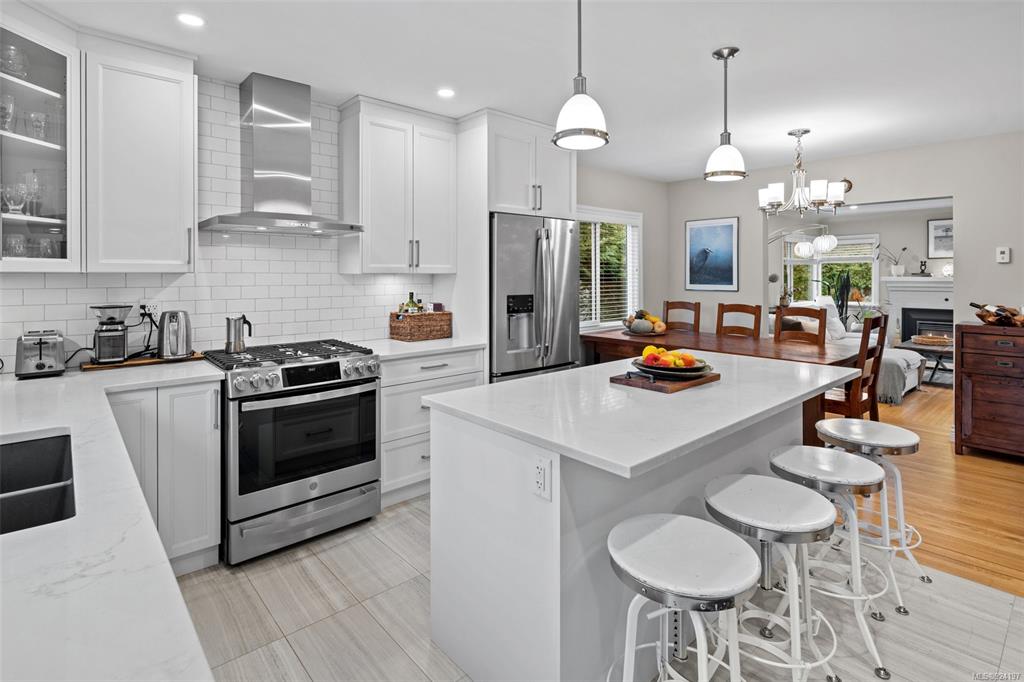
In a hot seller’s market, some homes can get away with ambitious pricing because urgency does a lot of the work. In a balanced market, that changes. Buyers have more options, more time to compare, and more room to negotiate. That means pricing is no longer just a number. It becomes part of the strategy. Greater Victoria is showing the kind of conditions that make smart pricing especially important. The Victoria Real Estate Board reported 3,261 active listings at the end of March 2026, up 12.3 per cent from February, while 579 properties sold in March. VREB described current conditions as offering opportunity for both buyers and sellers, with fewer high-pressure transactions and more time for due diligence. What strategic pricing really means Strategic pricing does not mean pricing low for the sake of creating a bidding war. It also does not mean pricing high just to leave room to negotiate. In a balanced market, both approaches can backfire. Strategic pricing means: Positioning your home where serious buyers see value Using recent comparable sales, current competition, and buyer behaviour together Choosing a price that supports your timing goals as well as your financial goals The goal is simple: create enough confidence that buyers feel your home is worth seeing, worth considering, and worth acting on. The biggest pricing mistake sellers make The most common mistake is treating list price like a wish list instead of a market position. Many sellers look at what they want to net, what a neighbour listed for, or what improvements they made, and build a price from there. The problem is that buyers do not price homes that way. Buyers compare your home against every other option available to them right now. In a balanced market, overpricing usually does not create leverage. It creates hesitation. When a home sits too long, buyers start asking the wrong questions: What is wrong with it? Why has it not sold? Is the seller unrealistic? Should we wait for a price reduction? That is how a home can lose momentum before it ever gets a real chance. What buyers are actually looking at Today’s buyers are rarely judging your home in isolation. They are comparing it to: Recent sold properties that set expectations Current active listings that compete for attention Homes that failed to sell which quietly show where the market rejected pricing That last category matters more than many sellers realize. Expired and stagnant listings are often the clearest warning sign that the market did not agree with the price. A smart pricing strategy studies all three. How to price with the market, not behind it 1. Start with the most relevant comparables The best comparable sales are recent, nearby, and genuinely similar in size, condition, layout, and location. Not every sale in the neighbourhood is helpful. A smaller updated home may outperform a larger dated one. A home on a quiet street may command more than a similar one on a busier road. Pricing strategy starts with knowing which differences matter to buyers and which ones do not. 2. Look at your competition honestly Sold data tells you where the market has been. Active listings tell you what buyers are choosing between today. If your home is similar to two or three competing listings, your price needs to answer a simple question: why would a buyer choose yours? Sometimes the answer is condition. Sometimes it is lot size, layout, updates, or location. Sometimes the answer has to be price. 3. Build in room for buyer psychology Even in a balanced market, buyers still respond to perceived value. A home priced just well enough to stand out can generate stronger early interest than one priced slightly too high. That matters because the first week or two is often when your listing gets the most attention. If that window is wasted, catching back up can be difficult. 4. Match the pricing strategy to your goal Not every seller has the same objective. If timing matters most, pricing closer to the strongest value range may help create faster traction. If maximizing price matters most, the strategy may involve pricing with slightly more patience, but still within a range the market can support. If the home is unique, pricing may require more explanation, stronger presentation, and tighter positioning. Good pricing is never one-size-fits-all. Signs your price is working A strategic price usually creates a pattern: Strong online views and saves Solid showing activity in the first couple of weeks Meaningful buyer feedback Interest from buyers who are properly matched to the home and price point If showings are low and feedback keeps circling back to price, the market is usually giving you an answer early. Signs your price is missing the mark Watch for these warning signs: Plenty of views online but very few showings Showings without second visits or serious follow-up Repeated comments that similar homes offer better value The listing starts to feel stale compared with new inventory In a balanced market, time can quietly become your competition. The longer a listing sits without a clear reason, the more negotiating power tends to shift away from the seller. Why this matters in Victoria right now This is exactly why pricing strategy matters so much in Greater Victoria today. Inventory has been rising, buyers have more breathing room, and VREB has described the market as one with good supply and reasonable demand rather than high-pressure urgency. That means sellers can still succeed, but the homes that stand out are usually the ones that combine good presentation, clear value, and accurate pricing. That answer-first, highly structured approach also matches the blog SEO and AEO direction identified in your site audit, which emphasized stronger clarity, cleaner answer extraction, and more strategic content framing. The bottom line To price your home strategically in a balanced market, think less about pushing the ceiling and more about controlling the outcome. The right price helps attract the right buyers, protects your momentum, and gives you a stronger position when offers come in. A well-priced home does not just sit on the market waiting to be discovered. It gives buyers a reason to act. If you are thinking about selling and want a pricing strategy built around today’s Greater Victoria market, contact Faber Real Estate Group for tailored advice on how to position your home with confidence. Lauren A., 5-Star Review, via Google Excellent and professional real estate service! I referred Scott Faber to my father to sell his house. The process went smoothly, and sold in a very short time frame - OVER the asking price! Highly recommend! Faber Real Estate Group Royal LePage Coast Capital Realty 📞 250-244-3430 📧[email protected] ℹ️ Scott Faber Personal Real Estate Corporation ℹ️ Cal Faber Personal Real Estate Corporation Vanessa Wood, Zachary Parsons, and Sophie Taylor “Building Lasting Relationships, One Home at a Time.”
Read more
The spring market in Victoria, BC is now taking shape, and this year it looks more balanced, more selective, and less rushed than the fast-moving markets many people still remember. March 2026 sales in the Victoria Real Estate Board region rose to 579 properties, up 24.5 per cent from February, while active listings climbed to 3,261. VREB described this as a fairly typical spring pattern that usually builds toward May or June. More Listings Means More Choice One of the clearest themes this spring is inventory. Buyers are seeing more options than they did in many recent spring markets, and that changes the tone of the market. At the end of March 2026, active listings were up 12.3 per cent from February and 7.9 per cent from March 2025. That matters because more selection usually gives buyers more time to compare properties, review documents carefully, and make decisions with less pressure. This trend was already building in February. VREB reported 2,903 active listings at the end of that month, up 10.6 per cent from January and 10.4 per cent from the year before. In other words, spring did not suddenly appear in March. It has been building in stages, with supply steadily improving as more sellers prepare to list. Buyers Should Expect Better Conditions Than Recent Years For buyers, this spring should feel more manageable than the highly competitive conditions of past years. VREB noted that current conditions are creating fewer high-pressure transactions and allowing more time for due diligence. That does not mean every home will sit or every seller will negotiate heavily. Well-priced homes in strong locations can still move quickly. It does mean buyers have a better chance to compare options and make decisions with a plan rather than panic. That fits the broader provincial picture as well. BCREA says inventory across BC is running near its highest level in more than a decade, and it expects markets to remain broadly balanced in 2026, with price growth tempered by higher supply. Sellers Should Expect More Competition For sellers, the spring market still offers opportunity, but not in the same way it did in ultra-tight markets. More listings mean more competition. Buyers have more homes to compare, so pricing, presentation, and strategy matter more. A property that is well prepared and priced in line with today’s market can still attract strong attention. A property that is overpriced or poorly presented may sit longer than expected. This is where many sellers can get caught off guard. Spring brings more buyer activity, but it also brings more competing listings. More activity does not automatically mean more leverage for every seller. In a balanced market, the homes that stand out usually do so because the strategy behind them is stronger, not because the season alone carries them. This matches the current reality that VREB describes as offering opportunities for both buyers and sellers rather than strongly favouring one side. Prices Are Showing Stability More Than Acceleration If you are wondering whether spring 2026 will bring a sharp jump in prices, the current data suggests a steadier pattern. In the Victoria Core, the MLS HPI benchmark for a single-family home was $1,330,200 in March 2026, down 1.1 per cent from March 2025 but up from February 2026. The benchmark for a condo was $553,800, down 0.8 per cent year over year and also up month over month. That tells an important story. Prices are not showing the kind of fast upward pressure that buyers feared in past spring markets, but they are also not collapsing. Instead, we are seeing a market where values are relatively stable, with modest month-to-month improvement as spring demand builds. What This Means for Buyers If you are buying this spring, expect more choice, more time to think, and more room to be strategic. That said, do not confuse a more balanced market with an easy market. Good homes can still attract competition, especially if they are priced well and show well. The advantage for buyers this year is not unlimited negotiating power. It is the ability to be more deliberate. A smart buyer strategy this spring is to get clear on your budget, target neighbourhoods, and must-haves before the right property appears. When the right fit does come up, preparation still matters. The buyers who do best in a balanced spring market are often the ones who are patient first and decisive second. What This Means for Sellers If you are selling this spring, expect buyers to notice value gaps more quickly. They have more listings to compare, and that makes strong pricing and strong presentation more important. Spring can still be an excellent time to list, but it is no longer enough to rely on seasonal momentum alone. Sellers who are realistic from the start often put themselves in a stronger position than those who test the market too high and hope conditions will do the work for them. In this market, preparation, marketing quality, and pricing discipline are what create leverage. The Bottom Line on This Year’s Spring Market The spring market in Victoria, BC looks active, but measured. Sales are rising seasonally, inventory is improving, and the market is giving both buyers and sellers room to make better decisions. That is a healthier environment than the rushed conditions many people associate with spring real estate. It also means strategy matters more than ever. If you are planning to buy or sell this spring, the best next step is not to guess where the market is going. It is to understand how your specific property type, price point, and area fit into today’s conditions. If you want help building the right plan for this spring market, contact Faber Real Estate Group for advice tailored to your move. Leanne D, 5-Star Review, via Google “I would highly recommend the Faber Group this is the second time we have used them and have been over the top happy with their service. They are an honest group of men who all go above and beyond to make your experience perfect!” Faber Real Estate Group Royal LePage Coast Capital Realty 📞 250-244-3430 📧[email protected] ℹ️ Scott Faber Personal Real Estate Corporation ℹ️ Cal Faber Personal Real Estate Corporation Vanessa Wood, Zachary Parsons, and Sophie Taylor “Building Lasting Relationships, One Home at a Time.”
Read more
If you want to prepare your home for listing photos properly, the goal is not perfection. The goal is clarity. Great listing photos help buyers understand the home, picture themselves living there, and decide whether your property is worth seeing in person. Poor photos can do the opposite, even when the home itself is strong. In today’s market, buyers usually see your photos before they read the full description, book a showing, or ask a question. That means your photos are often your first showing, not just a marketing extra. When a home looks clean, bright, and well-prepared online, it creates stronger first impressions and can increase both interest and confidence. Why listing photos matter so much Most buyers begin their search online. They scroll quickly, compare homes side by side, and make decisions in seconds. If the photos feel dark, cluttered, cramped, or inconsistent, many buyers move on before ever learning the property’s real value. Strong photos matter because they help: Increase click-throughs from MLS and listing websites Create better first impressions before a showing Make the home feel more spacious, bright, and cared for Attract more qualified buyers who already like what they see Support stronger marketing across social media, email, and brochures Good real estate photography does not just document the home. It positions it. The biggest mistake sellers make Many sellers assume the photographer will make everything look better. A skilled photographer absolutely helps, but photography cannot fully fix clutter, poor lighting, visible damage, crowded surfaces, or rooms that feel too personal. Photos work best when the home is already showing well in real life. Think of photography as the amplifier. It will amplify what is good, but it can also amplify what feels distracting. What buyers notice in listing photos Buyers may not say it this way, but they are usually asking themselves three questions while looking at photos: 1. Does this home feel well cared for? Visible mess, stains, crowded countertops, and burnt-out bulbs can make buyers assume there are deeper maintenance issues. 2. Does this home feel spacious and functional? Too much furniture, poor room layout, or overloaded shelves can make even a decent room feel smaller than it is. 3. Can I picture myself here? Highly personal items, too many family photos, bold niche décor, and visual clutter can make it harder for buyers to connect emotionally. This is why photo preparation matters. It helps buyers focus on the home, not the distractions. How to prepare your home for listing photos Start with a full clean A clean home always photographs better. Dust, smudges, streaks, pet hair, soap scum, and dirty floors often stand out more in photos than they do in person. Focus on: windows and mirrors kitchen counters and appliances bathroom sinks, tubs, and faucets baseboards and flooring light fixtures and glass surfaces A home does not need to feel sterile, but it should feel fresh. Declutter every room Clutter competes with the features of the home. Buyers should notice the space, layout, and light, not cords, piles, baskets, or too many decorative items. Try to remove: extra items from countertops papers, chargers, and cords oversized or excess furniture laundry hampers and floor mats personal toiletries fridge magnets and notes visible pet items Less visual noise usually makes a room feel larger and calmer. Depersonalise the space You are not trying to remove all warmth. You are trying to create room for the buyer’s imagination. Pack away or reduce: family photos children’s artwork on walls or fridges highly specific collections personalized signs bold or polarizing décor The more universal the space feels, the easier it is for buyers to picture their own life in it. Let in as much light as possible Natural light helps a home feel more open and inviting. Before photos, open blinds and curtains, replace burnt-out bulbs, and make sure every light fixture works. Good lighting can make a major difference in: room size perception colour balance overall mood buyer confidence in the condition of the home Dark rooms often feel smaller online than they do in person. Simplify the kitchen and bathrooms These are two of the most important spaces in listing photos. They should feel clean, functional, and easy to maintain. For kitchens: clear counters as much as possible hide dish soap, sponges, and drying racks remove most small appliances keep only a few simple finishing touches For bathrooms: remove toothbrushes, razors, and products close toilet lids hang fresh, simple towels clear shower shelves and tub edges These rooms tend to show every detail. Make beds and soften bedrooms Bedrooms should feel restful, not busy. Use simple bedding, smooth out wrinkles, and remove extra items from nightstands and dressers. A tidy bedroom helps buyers read the space more clearly and makes the home feel more put together overall. Improve curb appeal for exterior photos Exterior photos often come first in the listing gallery. If the outside feels neglected, it affects how buyers interpret everything that follows. Before exterior photography: sweep walkways and porches move bins and hoses out of sight park vehicles away from the front mow the lawn trim overgrowth remove dead plants clean the front door and entry area You do not need luxury landscaping. You need a tidy and welcoming first impression. Room-by-room photo checklist Entryway remove shoes, jackets, and bags clear the floor keep décor minimal Living room reduce furniture if the room feels tight hide remotes and cords straighten pillows and rugs Kitchen clear counters hide garbage cans if possible polish stainless steel remove clutter from the top of the fridge Dining area keep the table simple remove extra chairs if crowded centre the room visually Bathrooms clear all personal products use clean towels wipe mirrors and glass hide toilet brushes and bins if possible Bedrooms make beds neatly clear surfaces remove bulky storage items from view Laundry room put away detergent and baskets clear machine tops keep it simple and clean Yard and patio tidy furniture remove toys and tools sweep surfaces keep outdoor spaces usable and inviting Why this preparation can affect results Homes that photograph well often create stronger momentum. More clicks can lead to more showings. More showings can lead to better offers and stronger negotiating position. This does not mean photos alone sell the home. Price, condition, timing, and marketing strategy still matter. But photography plays a major role in whether buyers give your home a real chance. Preparation also signals something deeper. It tells buyers the home has been cared for and presented with intention. That can shape how they view value before they ever step through the door. What not to do before listing photos Avoid these common mistakes: leaving too many items on counters and surfaces forgetting to replace burnt-out bulbs keeping curtains closed leaving pet bowls, litter boxes, or beds visible using heavily patterned bedding or towels overdecorating rooms assuming editing will fix everything later The best listing photos usually come from simple preparation, not digital correction. Final thoughts To prepare your home for listing photos, focus on cleanliness, light, simplicity, and removing distractions. Buyers do not need a perfect home. They need a clear, appealing first impression that helps them see the home’s potential. If you want advice on getting your property photo-ready before it hits the market, contact Faber Real Estate Group for practical guidance tailored to your home and selling strategy. Sue S., 5-Star Review, via Google “I loved how they did virtual staging. I didn't have to find furniture etc. to stage the house. Cal and Scott got amazing pictures and made my moms house look like a cozy, beautiful home by placing the furiture etc. into the pictures of the rooms with their furniture. When the house was shown it was empty but Cal and Scott had their computer running so people going through the home could visualize how it could look. I would recommend Cal and Scott, an amazing duo team to sell or purchase any Real Estate.They even came and brought a mirror in to finish off one of the bathrooms in my mom's house. They totally cared and they go above and beyond. If you are looking to buy or sell your home give Cal and Scott a call, you will not be disappointed.” Faber Real Estate Group Royal LePage Coast Capital Realty 📞 250-244-3430 📧[email protected] ℹ️ Scott Faber Personal Real Estate Corporation ℹ️ Cal Faber Personal Real Estate Corporation Vanessa Wood, Zachary Parsons, and Sophie Taylor “Building Lasting Relationships, One Home at a Time.”
Read more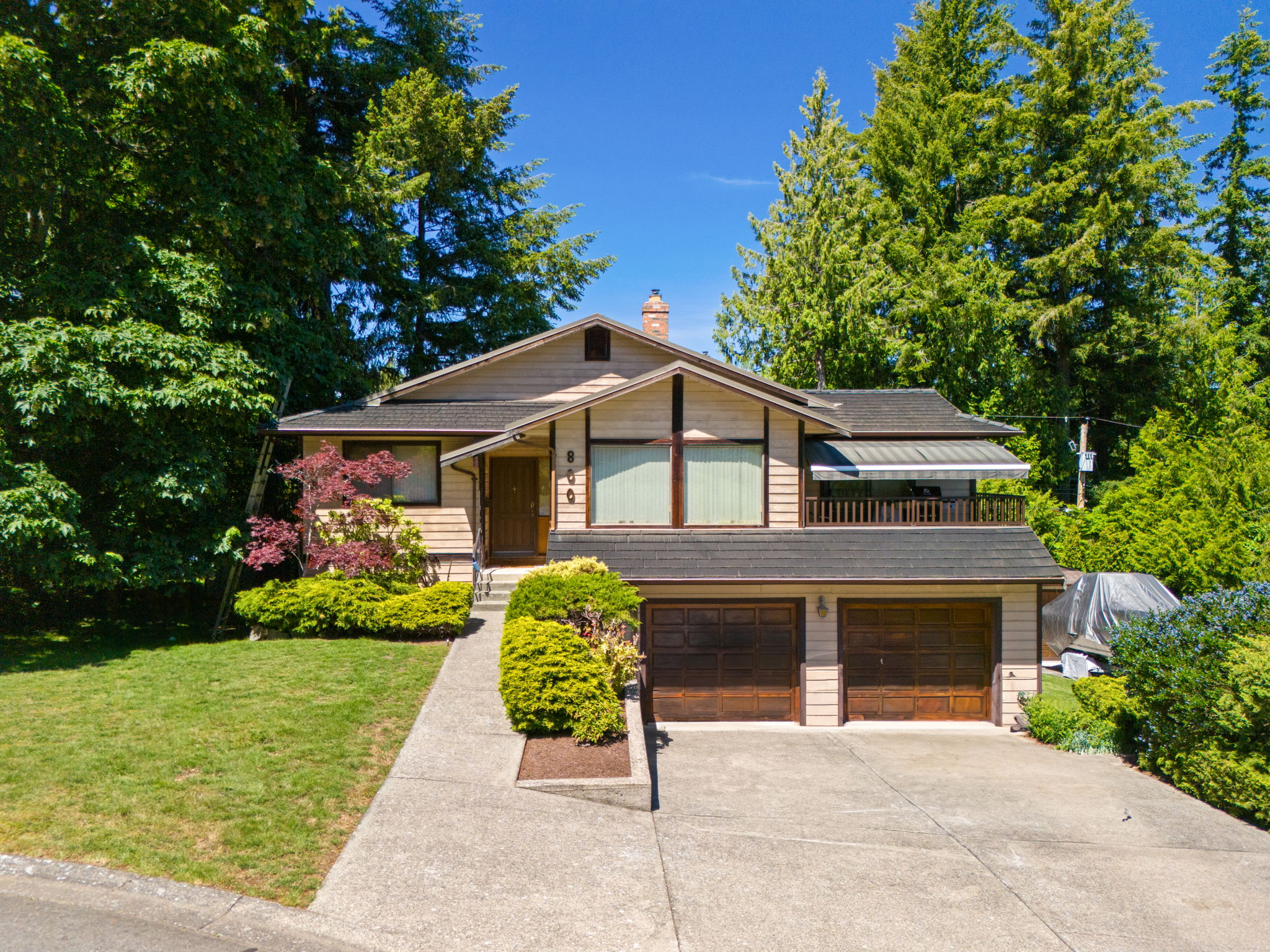
Should you accept the first offer on your home? Many sellers ask this because it feels risky to accept quickly, but it can also feel risky to wait. The truth is that whether you should accept the first offer on your home depends less on timing and more on the quality of the offer, current market conditions, and your overall goals. Many sellers assume the first offer must be low. That is not always true. In fact, the first offer is often one of the strongest because serious buyers are watching new listings closely and are ready to act when the right property appears. Why the First Offer Can Be Strong When a home first hits the market, it gets the most attention. New listings create urgency. Buyers who have been waiting for the right fit often book showings quickly and move fast if the property matches what they want. These buyers are usually well prepared. They may already have financing lined up, understand values in the area, and know they need to act before competition grows. That means the first offer is not always a lowball offer. Sometimes it is the market giving you a direct answer right away. When It Makes Sense to Accept the First Offer The offer is at or near market value If the offer is strong relative to recent comparable sales, it deserves serious attention. Sellers can get into trouble when they reject a very good offer simply because it came too soon. A strong first offer often means: The buyer understands the market Your pricing strategy was effective Your home made a strong first impression If the price and terms align with your goals, waiting just for the sake of waiting may not improve the outcome. The terms are clean and favourable Price is important, but terms matter too. A first offer may be worth accepting if it includes: A solid deposit Reasonable dates Fewer conditions A buyer who appears motivated and qualified Sometimes the best offer is not the highest number. A slightly lower offer with better terms can create a smoother and more certain sale. The market is balanced or slower In a market where buyers have more choice, a strong early offer can be especially valuable. If there are many competing listings, passing on a good offer can mean sitting on the market longer and losing momentum. The longer a listing sits, the more buyers start asking why. Your goals favour certainty Some sellers prioritize predictability over squeezing out every possible dollar. You may want to accept the first offer if: You need to line up another purchase You have a specific move date You want to reduce stress and uncertainty You prefer a clean transaction over extended negotiation In these cases, certainty can be just as valuable as price. When It Makes Sense to Wait Showing activity is strong If you have multiple showings booked, strong open house traffic, or positive feedback right away, there may be reason to hold off briefly and see if more interest turns into stronger offers. This is especially true if the home is newly listed and buyers have not yet had enough time to view it. The offer is clearly below market expectations If the first offer is noticeably below what comparable sales support, waiting may make sense. This is often the case when a buyer is trying to secure the property before other buyers see it. That does not mean you should reject it without thought. It may still be worth countering. However, a weak first offer does not mean it is your best opportunity. Your home is likely to attract competition Some homes naturally generate more demand: Well priced properties Move-in ready homes Properties in sought-after neighbourhoods Homes with unique features or strong presentation If your home fits that description, your agent may recommend setting an offer review date rather than responding immediately. Your pricing strategy was designed to drive urgency Sometimes sellers intentionally list at a sharp, competitive price to attract attention and increase traffic. If that is the strategy, then waiting a short period for broader market response may be part of the plan from the start. In that situation, the first offer is only one part of the bigger picture. Signs the First Offer Deserves Serious Respect Sellers often regret dismissing the first offer too quickly. Here are a few signs that the first offer may actually be your best one: It comes quickly after listing It is close to asking price or above The buyer appears informed and motivated The terms are favourable There is no clear evidence that stronger offers are coming A good offer early on usually means your home connected with the right buyer at the right time. The Risk of Waiting Too Long Waiting can work, but it also has a cost. When a home sits on the market longer than expected, buyers can start to assume: The home is overpriced The seller is difficult Something is wrong with the property There is room to negotiate more aggressively This is why momentum matters. The first week or two on market is often when your listing has the most energy, attention, and leverage. Rejecting a strong first offer without a clear reason can weaken your position later. The Right Question to Ask Instead of asking, “Is it too soon to accept?” the better question is, “How does this offer compare to what the market is likely to deliver?” That shift matters. A strong selling strategy is not built around emotion or timing myths. It is built around: Current comparable sales Level of buyer demand Listing activity in your price range Strength of price and terms Your own timing and priorities Final Thought There is no rule that says you should always accept the first offer, and there is no rule that says you should always wait. The best decision depends on the strength of the offer and the context around it. Sometimes the first offer is the best offer. Sometimes patience pays off. The key is knowing the difference before emotion takes over. If you are planning to sell and want help deciding when to accept the first offer on your home and when to wait, contact Faber Real Estate Group for strategic advice tailored to your property and goals. Thiago D., 5-Star Review, via Google “Their ready availability, communication, and support were key to getting our new place. I cannot recommend Scott and his team more.” Faber Real Estate Group Royal LePage Coast Capital Realty 📞 250-244-3430 📧[email protected] ℹ️ Scott Faber Personal Real Estate Corporation ℹ️ Cal Faber Personal Real Estate Corporation Vanessa Wood, Zachary Parsons, and Sophie Taylor “Building Lasting Relationships, One Home at a Time.”
Read more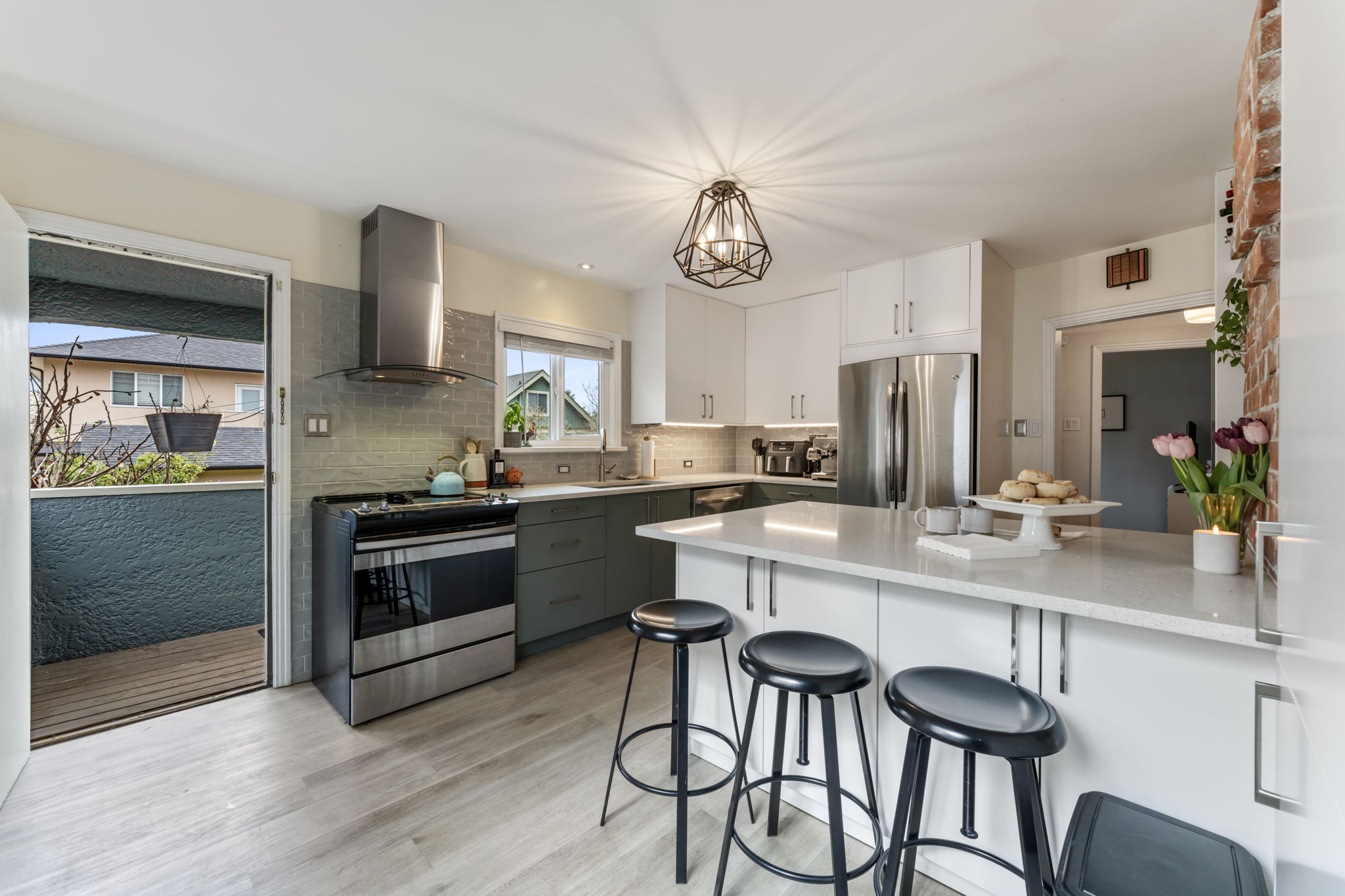
Student rentals in Gordon Head remain one of the most discussed investment strategies in Greater Victoria. Located next to the University of Victoria, Gordon Head attracts consistent rental demand from students, faculty, and young professionals. In simple terms, strong rental demand exists. However, investors must understand zoning rules, tenancy laws, financing realities, and long-term exit strategy before purchasing. Why Gordon Head Attracts Student Renters Gordon Head sits directly adjacent to University of Victoria. Because of this proximity, many properties offer: Walking or biking access to campus Reliable year-over-year student demand Larger homes with multiple bedrooms Established rental patterns When university enrolment remains stable, rental demand typically follows. Rental Income Potential Student rentals in Gordon Head often perform best when structured as room-by-room rentals rather than single-family leases. For example: 6-bedroom home $1,000 per room $6,000 gross monthly income However, gross rent must be balanced against: Higher maintenance Increased turnover Property management needs Vacancy risk during summer Always verify realistic market rents through comparable listings rather than relying on optimistic projections. Zoning and Occupancy Rules Gordon Head falls under the jurisdiction of Saanich. Zoning regulations determine: Legal suite permissions Maximum unrelated occupants Parking requirements Secondary dwelling eligibility Over-occupancy can lead to enforcement issues. Therefore, investors must confirm zoning compliance before structuring a rental model. Financing Considerations Lenders often evaluate student rentals conservatively. Key factors include: Owner-occupied vs non-owner-occupied Rental income qualification Down payment requirements Appraised value vs purchase price Some lenders may not recognize room-by-room income at full value, which affects debt servicing ratios. Investors should consult a mortgage broker early in the process. Maintenance and Management Reality Student rentals require active oversight. Common challenges include: Higher wear and tear Frequent tenant turnover Noise complaints Shared utility disputes Professional property management can reduce stress, but it also reduces net income. An investor must factor realistic maintenance reserves into projections. Exit Strategy Matters Not all buyers want a student rental property. When selling, your buyer pool may include: Other investors Parents buying for children Families converting the home back to owner-occupancy Homes that are well-maintained and legally compliant will have stronger resale liquidity. Properties that were heavily modified or poorly maintained may narrow your buyer pool. Appreciation vs Cash Flow In many cases, student rentals in Gordon Head generate moderate to strong gross income but limited cash flow once financing is applied. Investors often rely on: Long-term appreciation Mortgage principal paydown Strong resale demand Victoria’s constrained land supply historically supports long-term value. However, cash flow projections must remain conservative. Risks to Consider Before investing, evaluate: BC tenancy laws Rent increase restrictions Notice requirements Property tax levels Future zoning changes Student-focused properties can perform well, but they are not passive investments. Frequently Asked Questions Is Gordon Head a good area for student rentals? Yes. Proximity to the University of Victoria creates consistent tenant demand. Are student rentals legal in Gordon Head? They can be, but zoning and occupancy rules must be followed carefully. Do student rentals cash flow in Victoria? It depends on purchase price, financing structure, and rental model. Many rely on appreciation rather than high yield. Is summer vacancy a problem? It can be. Some investors structure 12-month leases to reduce turnover risk. Final Thoughts Student rentals in Gordon Head can offer strong demand stability due to university proximity. However, investors must approach this strategy with realistic numbers, legal compliance, and long-term planning. The opportunity is not simply about gross rent. It is about managing risk, understanding zoning, and protecting resale value. With disciplined analysis and proper oversight, Gordon Head remains one of the more consistent student-driven rental markets in Greater Victoria. Hendri E., 5-Star Review, via Google “We had a fantastic experience working with Cal and Scott. They provided a truly personalized service, taking the time to understand exactly what our needs were and guiding us through every step of the process. What really stood out was how they went above and beyond—we felt fully supported from start to finish. Highly recommended!” Faber Real Estate Group Royal LePage Coast Capital Realty 📞 250-244-3430 📧[email protected] ℹ️ Scott Faber Personal Real Estate Corporation ℹ️ Cal Faber Personal Real Estate Corporation Vanessa Wood, Zachary Parsons, and Sophie Taylor “Building Lasting Relationships, One Home at a Time.”
Read more- 1
- 2