
Posts Tagged ‘buying a home in Victoria BC’
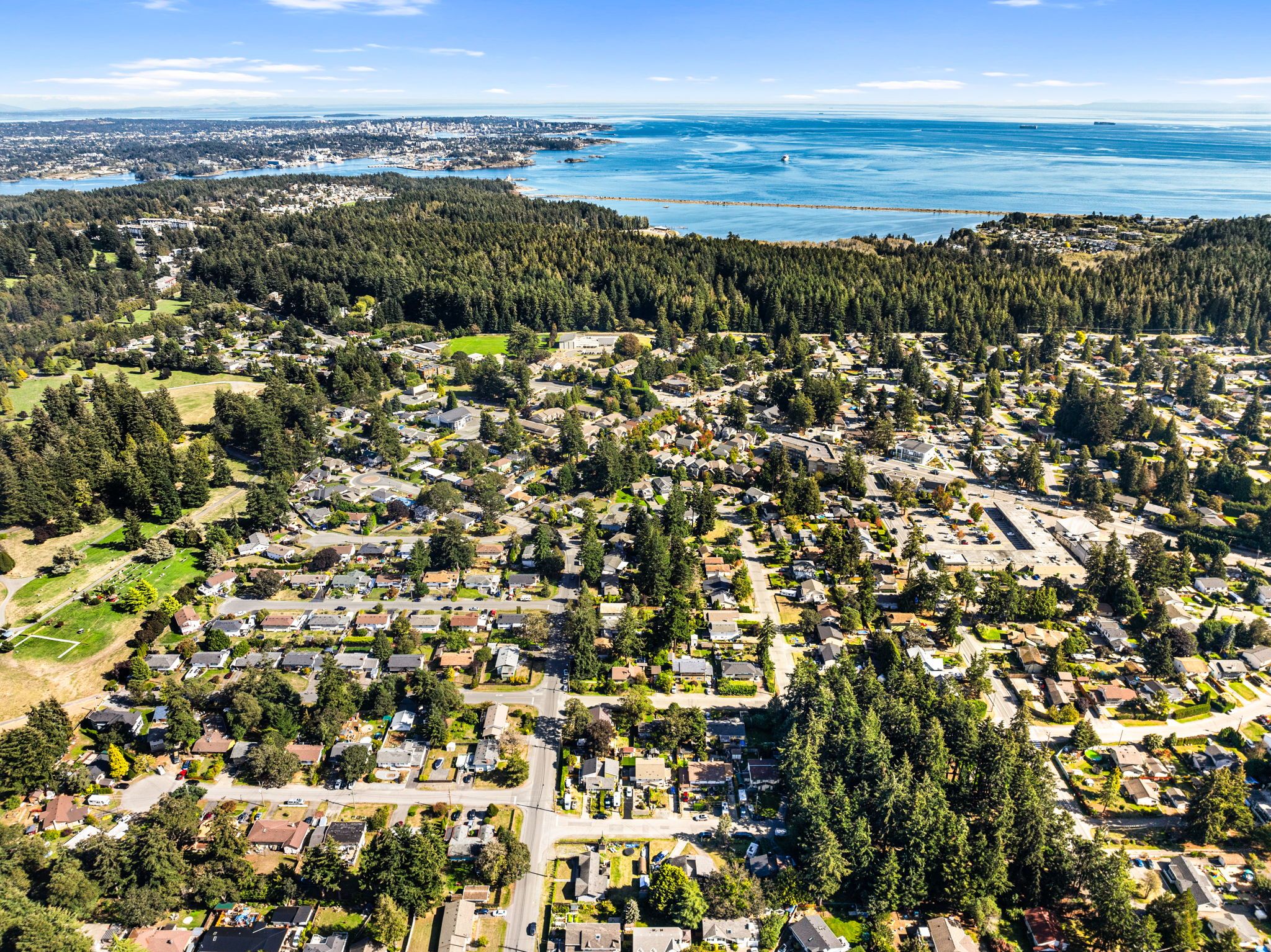
For buyers in Greater Victoria, budget matters, but where you shop matters just as much. The same number can buy a newer condo in one area, an older townhouse in another, or a detached home in a completely different part of the region. That is especially true when comparing Langford, Saanich, and Victoria, where housing stock, neighbourhood feel, and price points can shift quickly from one municipality to the next. The Victoria Real Estate Board reported 3,261 active listings at the end of March 2026, up 7.9% from March 2025, while also noting that Greater Victoria is made up of many micro-markets with different conditions and demand. This is why buyers who only search by price can miss the bigger picture. A $750,000 budget does not mean the same lifestyle in Langford as it does in Saanich or Victoria. In practical terms, your budget is really buying a mix of location, home type, age, condition, and future resale appeal. Langford’s planning direction continues to support a wider range of housing choices, including more mid-rise and ground-oriented homes, while Saanich is actively working to expand housing diversity in established neighbourhoods. Victoria, meanwhile, is made up of 12 distinct neighbourhoods, which helps explain why value can look very different from one pocket to another. Why These Three Areas Feel So Different Langford Langford often gives buyers more square footage and newer construction for the money. Many buyers looking here are trading a longer commute or a different neighbourhood feel for a more modern home, newer strata, or a better chance at ground-oriented living. The city’s current planning framework emphasizes mid-rise and ground-oriented housing choices, which supports that broader range of product. Saanich Saanich tends to sit in the middle. It offers a wide mix of housing, from condos and townhomes to established detached neighbourhoods, but pricing can move up quickly depending on school catchments, lot size, and proximity to key amenities. Its updated planning direction also points toward more housing diversity within existing neighbourhoods. Victoria Victoria usually commands a premium for location, walkability, and lifestyle. Buyers are often paying more for proximity to downtown, the Inner Harbour, Cook Street Village, Fernwood, Fairfield, or other well-known urban neighbourhoods. The City’s neighbourhood structure and evolving housing policy help explain why Victoria often offers less space for the same budget, but stronger lifestyle appeal for buyers who want to be close to the core. What Different Budgets May Buy You Around $500,000 to $650,000 At this level, most buyers are usually focused on condo living. In Langford, this budget can often put you in a newer one-bedroom or two-bedroom condo, sometimes in a more modern building with updated finishes, parking, and better overall building age. In Saanich, this same budget may still work for a condo, but buyers are often choosing between size and age. You may find a larger older suite or a smaller unit in a more desirable pocket. In Victoria, this range often means a condo as well, but the trade-off is usually space. You may buy into a more central and walkable lifestyle, but with less square footage or an older building than you would see in Langford. That lines up with broader market data. In March 2026, the Victoria Core MLS HPI benchmark for a condo was $553,800, while the region-wide average sale price for condo apartments was $634,393. Around $650,000 to $900,000 This is where the comparison starts to get more interesting. In Langford, buyers in this range may start stretching into larger condos, newer townhomes, or older small detached options depending on exact location and condition. In Saanich, this is often townhouse territory, larger condos, or entry-level detached opportunities in select pockets, though detached choices can still be limited. In Victoria, buyers may still be mostly looking at condos, townhomes, or half-duplex style options rather than detached homes, especially if staying close to the urban core is important. Region-wide in March 2026, the average sale price for a row or townhouse was $837,192, which makes this budget range one of the most competitive for buyers trying to move beyond condo living without jumping fully into higher detached-home pricing. Around $900,000 to $1.2 million This is often the transition zone where buyers start deciding between location and home type. In Langford, this budget may open the door to detached homes, including newer or more updated properties, especially when buyers are flexible on exact neighbourhood or lot size. In Saanich, this budget may buy an older detached home, a smaller lot, a home needing updates, or a strong townhouse alternative in a well-established area. In Victoria, this range often still requires compromise for detached housing. Buyers may need to consider smaller homes, more renovation work, duplex options, or moving slightly away from the most sought-after central pockets. That context matters because the Victoria Core single-family benchmark was $1,330,200 in March 2026, while the region-wide average sale price for single-family homes was just over $1.35 million. In other words, a budget around $1 million can still be powerful, but it does not stretch evenly across all three municipalities. Around $1.2 million to $1.6 million Now buyers start seeing a bigger difference in what their money can do. In Langford, this range can often buy a newer detached home with more interior space, a garage, and a family-oriented layout. In Saanich, this may put buyers into an established detached home in a desirable neighbourhood, though age, updates, and lot characteristics still matter a great deal. In Victoria, this budget may buy a detached home in select areas, but many buyers are still choosing between character, condition, parking, and walkability rather than getting all of them at once. This is where buyer strategy becomes more important than headline price. A family focused on space and newer finishings may lean Langford. A buyer focused on long-term neighbourhood stability and central access may prioritize Saanich. A buyer focused on walkability and city lifestyle may still prefer Victoria even if the home itself is smaller or older. Above $1.6 million At this level, all three areas offer more choice, but the type of value still differs. Langford may offer larger and newer detached homes with more modern layouts. Saanich may offer stronger lot value, established streets, and family-oriented neighbourhood appeal. Victoria may offer premium location, character homes, or higher-demand central properties where land and proximity carry more of the value story. For many buyers, this is the budget range where the decision stops being about “Can I buy?” and starts becoming “What kind of life do I want this home to support?” The Real Trade-Off Is Not Just Price The biggest mistake buyers make is assuming that more house always means better value. Sometimes the better move is buying less space in the right location. Sometimes it is buying a newer home with fewer maintenance surprises. Sometimes it is choosing an older home in a strong neighbourhood because the long-term livability is better for your family. The best budget is not the highest one. It is the one that aligns with how you want to live, how long you plan to stay, and how much compromise you are actually comfortable making. Final Thoughts If you are comparing Langford, Saanich, and Victoria, the smarter question is not just what your budget can buy. It is what kind of home, lifestyle, and future flexibility that budget can buy in each area. In today’s market, buyers have more room to compare options and do proper due diligence than they did in more competitive years, but the differences between micro-markets still matter. The right strategy is to compare the same budget across multiple municipalities before committing too early to one path. VREB says current supply and consumer demand have created conditions with less pressure and more time for decision-making, which makes this kind of side-by-side comparison especially worthwhile right now. If you want help comparing what your budget could realistically buy in Langford, Saanich, and Victoria right now, contact Faber Real Estate Group for tailored advice and a clear plan based on your goals. Nilo M., 5-Star Review, via Google “This group have a high level of commitment to help and to put thier client’s need ahead of their personal gain. They deal and engage with integrity and wisdom on how it will work for both the seller and the clients. I experienced it first hand in this crazy and difficult season. We just bought a home at Glanford area, and they are always there for us, every step of the way. They are real and can be trusted.” Faber Real Estate Group Royal LePage Coast Capital Realty 📞 250-244-3430 📧[email protected] ℹ️ Scott Faber Personal Real Estate Corporation ℹ️ Cal Faber Personal Real Estate Corporation Vanessa Wood, Zachary Parsons, and Sophie Taylor “Building Lasting Relationships, One Home at a Time.”
Read more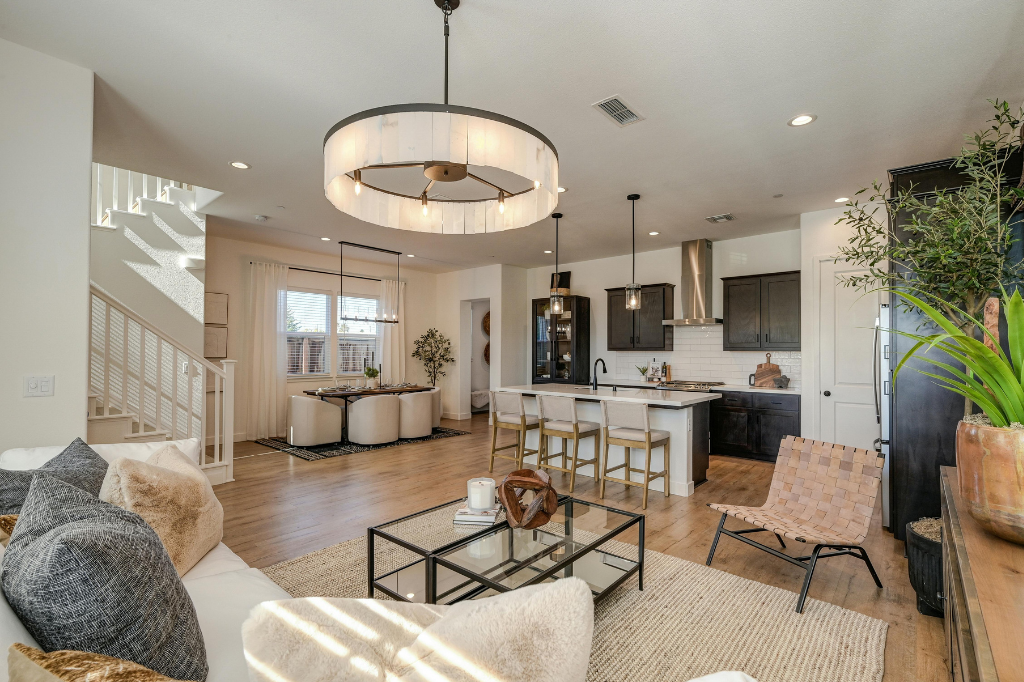
If you are wondering what $1.5 million buys in Greater Victoria, the answer depends less on the number itself and more on where you want to live, what style of home you want, and how much compromise you are willing to make. In today’s market, buyers have more inventory to choose from and more time to compare options, but that does not mean every $1.5 million property offers the same value. In March 2026, the Victoria Real Estate Board reported 579 sales and 3,261 active listings, with Chair Fergus Kyne noting that Greater Victoria is made up of many micro-markets with different conditions and demand. The bigger story is this: $1.5 million can still buy a very good home in Greater Victoria, but the type of home changes sharply by area. That budget sits above the Victoria Core single-family benchmark of $1,330,200, which means buyers are shopping above the benchmark range in some neighbourhoods and below luxury pricing in others. Why $1.5 Million Means Different Things Across Greater Victoria Greater Victoria is not one market. It is a collection of smaller markets, each with its own pricing, lot sizes, housing stock, and buyer demand. VREB’s March 2026 report makes that clear, and it matters a lot when buyers set a budget. At around $1.5 million, buyers are often comparing very different options, such as: an older character home in a prime central location a larger family home in Saanich a newer build in Langford or the Westshore a well-located executive townhome a smaller but premium property in Oak Bay or near the water That is why buyers who focus only on price often miss the bigger question: what kind of lifestyle does that $1.5 million actually buy? In Oak Bay, $1.5 Million Often Buys Location More Than Size In Oak Bay, $1.5 million can buy you into one of Greater Victoria’s most established and desirable neighbourhoods, but it usually does not buy the largest home on the block. Current listings around that price point include a 2-bedroom, 2-bath single-family home on Windsor Road listed at $1.5 million, and another 4-bedroom, 2-bath home on Kinross Avenue listed at $1.399 million. What that tells buyers is simple: in Oak Bay, a big part of the value is tied to the neighbourhood itself. You are often paying for walkability, prestige, established streets, school catchments, and long-term desirability. The trade-off may be less square footage, older construction, or future renovation needs. In Saanich, $1.5 Million Usually Buys More House Move into parts of Saanich and that same budget often stretches further. Around $1.5 million, buyers may find larger family homes with more bedrooms, more updated interiors, or larger lots. For example, a current Cadboro Bay area listing at 2615 Arbutus Road is priced at $1.5 million and offers 4 bedrooms and 4 bathrooms. This is where the $1.5 million price point becomes attractive for move-up buyers. Instead of paying primarily for a marquee postal code, buyers may be able to secure more usable living space, better functionality for families, or a property that works longer term. In Victoria Proper, It Can Mean Character, Centrality, or Flexibility Closer to central Victoria, $1.5 million can buy a home with more urban convenience, access to amenities, and in some cases income or multi-generational potential. One current Jubilee-area listing at 1790 Denman Street is priced at $1.5 million and offers 5 bedrooms and 3 bathrooms. That points to an important theme in this price range: some buyers are not just buying a home, they are buying flexibility. At $1.5 million, a property might offer space for extended family, a home office setup, or room to adapt over time. In neighbourhoods closer to the core, that flexibility can be just as valuable as finishings. In Langford and the Westshore, Buyers Often Get More Modern Features In the Westshore, especially Langford, $1.5 million often buys newer construction, more modern layouts, and more finished square footage compared with older central neighbourhoods. This part of the market tends to appeal to buyers who care about newer systems, open-concept design, energy efficiency, and less immediate maintenance. The trade-off is usually not inside the home. It is location, commute, and lot character. For many buyers, though, that is a trade worth making. If the goal is maximum house for the money, newer inventory, and family-friendly design, this price point can go further in the Westshore than it does in Victoria Core or Oak Bay. Current REALTOR.ca results also show substantial listing inventory in Langford, reflecting that buyers have real choice right now. In Sidney and the Peninsula, It Often Buys Lifestyle and Ease For Peninsula buyers, $1.5 million may buy a smaller but polished home, a well-kept rancher, or a downsizing option in a strong location. In these areas, the appeal often comes from walkability, proximity to the water, a quieter pace, and easy everyday living. This price point can be especially relevant for downsizers selling larger homes elsewhere in Greater Victoria. Instead of chasing maximum square footage, many are using this budget to buy simplicity, quality, and convenience. What Buyers Should Really Expect at This Price Point The mistake many buyers make is assuming $1.5 million guarantees a dream home everywhere. It does not. What it does buy is option value. At this level, buyers can usually choose between: better location more square footage newer condition income potential or flexibility lower-maintenance lifestyle But rarely all five at once. That is the real story behind what $1.5 million buys in Greater Victoria. It is enough to enter a wide range of strong neighbourhoods, but not enough to avoid trade-offs. The smart move is not asking, “What is the best home for $1.5 million?” The better question is, “Which version of $1.5 million fits my life best?” The Market Context Matters Too This is also a useful price point in the current market because inventory has been rising. VREB reported 3,261 active listings at the end of March 2026, up 12.3 per cent from February and 7.9 per cent from March 2025. That gives buyers more room to compare neighbourhoods, property types, and condition before acting. That said, more choice does not automatically make decisions easier. It often creates more second-guessing. Buyers with a $1.5 million budget still need to be clear on what matters most: location, lot, age, layout, schools, rental flexibility, or long-term resale. Final Thoughts If you are trying to understand what $1.5 million buys in Greater Victoria, the answer is not one home. It is a range of possibilities shaped by neighbourhood, property type, and priorities. In some areas, it buys charm and location. In others, it buys size and newer finishings. In others, it buys lifestyle and simplicity. That is why the best buying strategy at this price point starts with clarity, not just budget. If you want help comparing what $1.5 million could buy in different Greater Victoria neighbourhoods, contact Faber Real Estate Group for tailored advice and a clear plan based on your goals. Michael F., 5-Star Review, via Google “If you want the best in town, stop your search – you've found them here in Cal and Scott Faber. We couldn't be happier with the results and highly recommend them to anyone in need of top-notch real estate services. Professional, patient, and caring results guaranteed.” Faber Real Estate Group Royal LePage Coast Capital Realty 📞 250-244-3430 📧[email protected] ℹ️ Scott Faber Personal Real Estate Corporation ℹ️ Cal Faber Personal Real Estate Corporation Vanessa Wood, Zachary Parsons, and Sophie Taylor “Building Lasting Relationships, One Home at a Time.”
Read more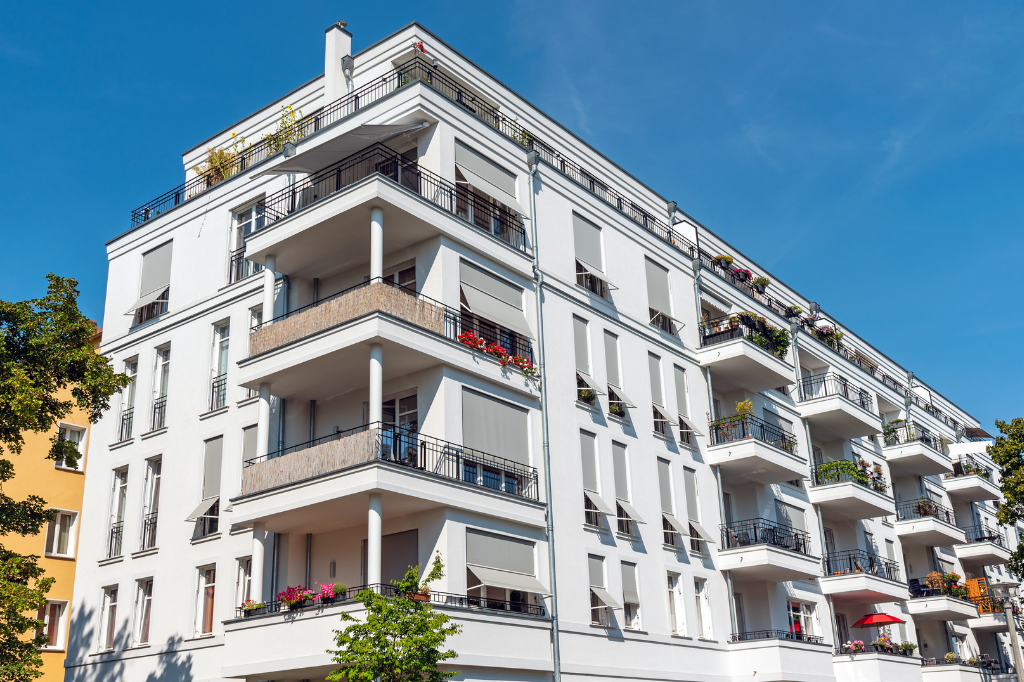
If you are asking what can $800k buy you in Greater Victoria, the answer depends less on the headline market and more on where you want to live, what type of property you want, and how flexible you are on age, size, and condition. In today’s market, $800,000 can still open real options, but it buys very different lifestyles depending on whether you are shopping in the Westshore, core Victoria, or the Saanich Peninsula. That matters because the market is offering buyers more choice than it did a few years ago. In March 2026, the Victoria Real Estate Board reported 579 sales, up 24.5% from February but 5.5% below March 2025, while active listings rose to 3,261, up 12.3% month over month and 7.9% year over year. At the same time, Victoria Core benchmark prices sat at $1,330,200 for a single-family home, $848,500 for a townhome, and $553,800 for a condo. That gives useful context: at $800,000, buyers are generally below the benchmark for detached homes in the core, close to the benchmark for townhomes, and well above the benchmark for many condos. Why $800K Means Different Things in Different Areas Greater Victoria is really a collection of micro-markets. A buyer with an $800,000 budget is not shopping one market. They are choosing between trade-offs. In simple terms: Want more square footage? Westshore usually gives you more. Want walkability and central location? Core Victoria often means condo or older townhome. Want detached potential? You may need to look farther out, accept a smaller home, or take on updates. Want a lower-maintenance lifestyle? This budget is still strong in the condo market. What $800K Usually Buys in Different Parts of Greater Victoria Langford and Westshore This is still one of the strongest areas for value at this price point. Around $800,000, buyers can often find: A newer 2- to 3-bedroom townhome A compact detached home on a smaller lot A larger condo with newer finishes and amenities This is why Langford remains attractive for first-time buyers, upsizers on a budget, and buyers who want newer construction without crossing into core Victoria pricing. Faber Group’s own recent neighbourhood comparison notes that $800,000 in Langford typically buys a newer townhome, a small detached home, or a large modern condo. Esquimalt Esquimalt often sits in an interesting middle ground. At this budget, buyers may find: A well-located townhome A larger condo in a solid building The occasional smaller detached home, half-duplex, or older property needing work For buyers who want to stay close to downtown without paying Fairfield or Oak Bay pricing, Esquimalt can be one of the more practical options. Saanich East and Gordon Head At $800,000, this budget becomes tighter in many East Saanich neighbourhoods. Buyers are more likely to be looking at: Older townhomes Larger condos Smaller detached homes in original condition, when available Faber Group’s local comparison notes that in Gordon Head and Saanich East, $800,000 often means an older townhome, a condo near UVic, or a detached home that needs updates rather than a move-in-ready family house. James Bay and Victoria Core If your goal is walkability, restaurants, downtown access, and a lower-maintenance lifestyle, $800,000 can still go a long way here, just usually not toward detached housing. Typical options may include: A spacious condo in a concrete building A renovated two-bedroom condo Select townhomes, depending on building and location In James Bay especially, this budget often buys lifestyle more than land. That can be a smart trade for downsizers, professionals, or buyers who want to live close to the Inner Harbour and Dallas Road. Fairfield Fairfield is one of those neighbourhoods where $800,000 buys access, not abundance. Buyers are usually looking at: Smaller condos Garden-level or older units Select townhomes or leasehold opportunities Detached character homes in Fairfield generally sit well above this range, so buyers need to be realistic about what the budget is buying here: location, charm, and walkability. Sidney and the Saanich Peninsula In Sidney, $800,000 can still be competitive, but buyers are often choosing between: A quality condo with good square footage A townhome A smaller or older detached option, depending on exact location and condition This area tends to attract downsizers and buyers focused on lifestyle, walkability, and proximity to the waterfront, airport, and ferries. What Buyers Need to Watch at This Price Point An $800,000 budget can create opportunity, but it also creates decision pressure because the options vary so much. The right buy is often less about the list price and more about the full package. Key things to watch: Property type: Condo, townhome, half-duplex, and detached homes each come with different long-term costs. Strata fees: A lower purchase price can be offset by high monthly fees. Condition: Older detached homes may need roof, windows, plumbing, or electrical work. Location trade-offs: More space often means moving farther from the core. Resale strength: Walkability, school catchments, transit, and layout still matter at every price point. The Bigger Picture The current market is giving buyers more breathing room than the high-pressure conditions of recent years. With active listings up and inventory giving people more choice, buyers at the $800,000 price point have room to compare neighbourhoods and think more carefully about the lifestyle they actually want. That said, this is still not a one-size-fits-all budget. In some parts of Greater Victoria, $800,000 buys a very comfortable townhome or condo. In others, it may only buy an entry point. The smartest move is to decide first what matters most to you: space, location, condition, or future upside. Final Thoughts So, what can $800k buy you in Greater Victoria? In most cases, it buys choice, but not the same kind of choice everywhere. In the Westshore, it may mean more home for the money. In core Victoria, it often means a strong lifestyle property. In tighter neighbourhoods, it may mean getting creative on property type or condition. If you want help comparing where $800,000 will stretch the furthest based on your goals, contact Faber Real Estate Group for advice on the best-fit neighbourhoods and current opportunities across Greater Victoria. Rose, 5-Star Review, via Google “Terrific team. Cal and Vanessa were knowledgeable, patient, and listened to what our needs and concerns were. Vanessa was a ray of sunshine in an often grey winter house hunt.” Faber Real Estate Group Royal LePage Coast Capital Realty 📞 250-244-3430 📧[email protected] ℹ️ Scott Faber Personal Real Estate Corporation ℹ️ Cal Faber Personal Real Estate Corporation Vanessa Wood, Zachary Parsons, and Sophie Taylor “Building Lasting Relationships, One Home at a Time.”
Read more
If you have been waiting for the right time to buy, the current Victoria real estate market deserves a closer look. The opportunity right now is not really about chasing a dramatic price drop. It is about something more practical: more choice, more negotiating room, and more time to make careful decisions than buyers have had in years. In Greater Victoria, 579 properties sold in March 2026 while active listings climbed to 3,261, creating a sales-to-active-listings ratio of about 17.8 per cent. That sits at the low end of the Victoria Real Estate Board’s balanced-market range and points to a market that feels far more manageable for buyers than the high-pressure conditions many remember. That matters because the best buying opportunities do not always show up when prices are falling sharply. In Victoria, benchmark prices have stayed relatively steady. The Victoria Core benchmark for a single-family home was $1,330,200 in March 2026, down 1.1 per cent from a year earlier, while the benchmark condo value was $553,800, down 0.8 per cent year over year. Prices have softened only modestly, but the bigger shift is that buyers now have more room to think, compare, and negotiate. More Inventory Changes the Conversation For a long time, many buyers in Greater Victoria felt pushed into fast decisions. Low inventory, tight timelines, and heavy competition created an environment where hesitation could mean missing out. That is not what this market looks like today. Active listings were up 7.9 per cent year over year at the end of March, and the Victoria Real Estate Board described current conditions as offering plentiful opportunity for both buyers and sellers, with fewer high-pressure transactions and more time for due diligence. That shift matters. More inventory does not guarantee a deal on every property, and it does not mean sellers have lost all leverage. What it does mean is that buyers can be more selective about location, layout, condition, and long-term fit. They can compare several options instead of forcing one property to work simply because there are no alternatives. In practical terms, that often leads to better decisions. A Better Buying Setup Does Not Mean an Easy Market Balanced conditions are different from a distressed market. Buyers still need to be realistic about pricing, financing, and the fact that well-positioned homes can attract strong interest. But balanced conditions do create a healthier process. The market is still active, with March sales up 24.5 per cent from February, yet the supply side remains strong enough to reduce some of the urgency that defined earlier years. That combination gives prepared buyers a better chance to move strategically instead of emotionally. This is where many people misread the market. They assume a good time to buy only happens when prices are falling hard or headlines sound negative. In reality, some of the strongest buying windows happen when prices are relatively stable but buyers gain better access to inventory and better negotiating conditions. That is much closer to what Victoria looks like right now. Why Breathing Room Matters So Much The real advantage in today’s market is not that every home is cheap. It is that buyers can act with more discipline. They can book an inspection without feeling rushed. They can review strata documents or title details more carefully. They can negotiate on price, dates, or conditions with more confidence. And they can walk away from the wrong property without feeling like they have lost their only chance. VREB has explicitly noted that current supply and demand levels are allowing both sides of the sale to make decisions and undertake due diligence with less pressure. That breathing room can be especially valuable for first-time buyers, upsizers, downsizers, and anyone trying to buy with a plan rather than from fear of missing out. A more workable market does not remove risk, but it does improve the quality of decision-making. Prepared Buyers Still Have the Advantage A better market for buyers still rewards preparation. The strongest buyers in this environment are the ones who understand their financing, know their comfort level, and have clarity around what matters most in a home. When the right property comes up, they can act decisively. When a property is overpriced or not the right fit, they can step back without panic. That is one of the biggest changes from the urgency-driven market many buyers still have in mind. This market is less about reacting fast and more about recognizing value clearly. Buyers who are organized and informed can use these conditions to make smarter, more confident decisions. A Smart Way to Think About Buying in 2026 Instead of asking whether everything feels perfect right now, a better question is whether conditions are more favourable for buyers than they have been in recent years. In Greater Victoria, the answer is increasingly yes. Inventory remains healthy, prices have been relatively steady, and the market is giving buyers more space to compare options and negotiate thoughtfully. Provincially, BCREA said inventory is running near its highest level in over a decade, with just over 40,000 homes for sale across BC, which should help keep broader market conditions balanced through 2026. That does not mean every buyer should rush into the market. But for people who are financially ready and planning for the long term, this may be one of the more practical buying windows Victoria has offered in a while. Not because the market is weak, but because it is more balanced, more navigable, and less driven by pressure. Final Thoughts The current market will not be the right fit for every buyer. But for those who are prepared, patient, and focused on long-term goals, today’s Victoria market may offer something that has been missing for a long time: more selection, less frenzy, and a better chance to buy with clarity. If you want help building a smart buying plan in today’s market, contact Faber Real Estate Group for advice on where the real opportunities are in Greater Victoria. Wilson, 5-Star Review, via Google “Amazing people there! They will help you through the entire process and will always make you feel like family. For those first time home buyers, don't be intimidated entering the market because they will explain every process and guide you through.” Faber Real Estate Group Royal LePage Coast Capital Realty 📞 250-244-3430 📧[email protected] ℹ️ Scott Faber Personal Real Estate Corporation ℹ️ Cal Faber Personal Real Estate Corporation Vanessa Wood, Zachary Parsons, and Sophie Taylor “Building Lasting Relationships, One Home at a Time.”
Read more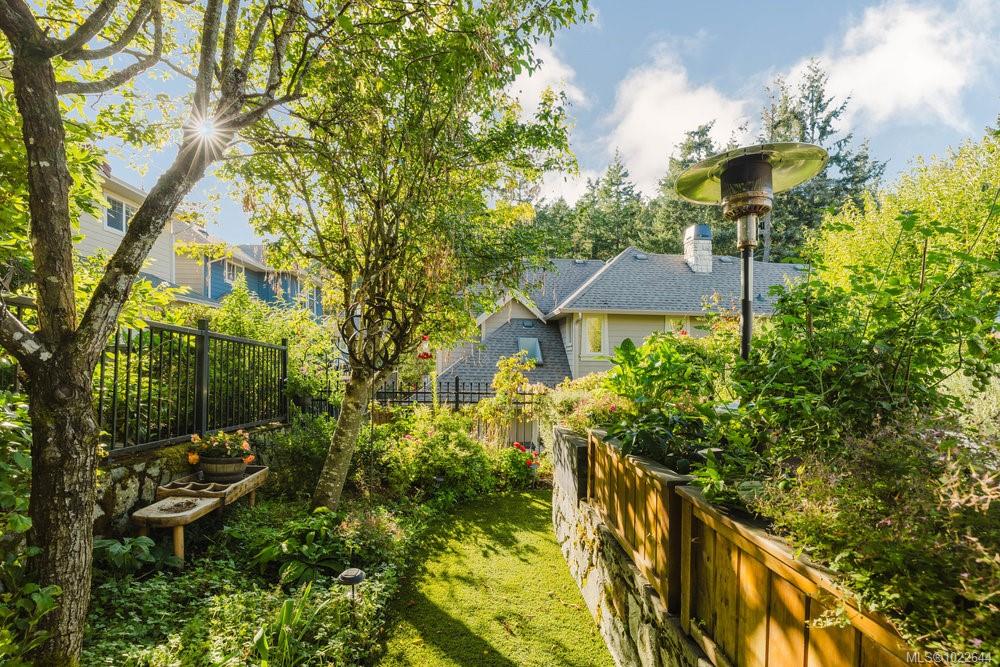
The spring market in Victoria, BC is now taking shape, and this year it looks more balanced, more selective, and less rushed than the fast-moving markets many people still remember. March 2026 sales in the Victoria Real Estate Board region rose to 579 properties, up 24.5 per cent from February, while active listings climbed to 3,261. VREB described this as a fairly typical spring pattern that usually builds toward May or June. More Listings Means More Choice One of the clearest themes this spring is inventory. Buyers are seeing more options than they did in many recent spring markets, and that changes the tone of the market. At the end of March 2026, active listings were up 12.3 per cent from February and 7.9 per cent from March 2025. That matters because more selection usually gives buyers more time to compare properties, review documents carefully, and make decisions with less pressure. This trend was already building in February. VREB reported 2,903 active listings at the end of that month, up 10.6 per cent from January and 10.4 per cent from the year before. In other words, spring did not suddenly appear in March. It has been building in stages, with supply steadily improving as more sellers prepare to list. Buyers Should Expect Better Conditions Than Recent Years For buyers, this spring should feel more manageable than the highly competitive conditions of past years. VREB noted that current conditions are creating fewer high-pressure transactions and allowing more time for due diligence. That does not mean every home will sit or every seller will negotiate heavily. Well-priced homes in strong locations can still move quickly. It does mean buyers have a better chance to compare options and make decisions with a plan rather than panic. That fits the broader provincial picture as well. BCREA says inventory across BC is running near its highest level in more than a decade, and it expects markets to remain broadly balanced in 2026, with price growth tempered by higher supply. Sellers Should Expect More Competition For sellers, the spring market still offers opportunity, but not in the same way it did in ultra-tight markets. More listings mean more competition. Buyers have more homes to compare, so pricing, presentation, and strategy matter more. A property that is well prepared and priced in line with today’s market can still attract strong attention. A property that is overpriced or poorly presented may sit longer than expected. This is where many sellers can get caught off guard. Spring brings more buyer activity, but it also brings more competing listings. More activity does not automatically mean more leverage for every seller. In a balanced market, the homes that stand out usually do so because the strategy behind them is stronger, not because the season alone carries them. This matches the current reality that VREB describes as offering opportunities for both buyers and sellers rather than strongly favouring one side. Prices Are Showing Stability More Than Acceleration If you are wondering whether spring 2026 will bring a sharp jump in prices, the current data suggests a steadier pattern. In the Victoria Core, the MLS HPI benchmark for a single-family home was $1,330,200 in March 2026, down 1.1 per cent from March 2025 but up from February 2026. The benchmark for a condo was $553,800, down 0.8 per cent year over year and also up month over month. That tells an important story. Prices are not showing the kind of fast upward pressure that buyers feared in past spring markets, but they are also not collapsing. Instead, we are seeing a market where values are relatively stable, with modest month-to-month improvement as spring demand builds. What This Means for Buyers If you are buying this spring, expect more choice, more time to think, and more room to be strategic. That said, do not confuse a more balanced market with an easy market. Good homes can still attract competition, especially if they are priced well and show well. The advantage for buyers this year is not unlimited negotiating power. It is the ability to be more deliberate. A smart buyer strategy this spring is to get clear on your budget, target neighbourhoods, and must-haves before the right property appears. When the right fit does come up, preparation still matters. The buyers who do best in a balanced spring market are often the ones who are patient first and decisive second. What This Means for Sellers If you are selling this spring, expect buyers to notice value gaps more quickly. They have more listings to compare, and that makes strong pricing and strong presentation more important. Spring can still be an excellent time to list, but it is no longer enough to rely on seasonal momentum alone. Sellers who are realistic from the start often put themselves in a stronger position than those who test the market too high and hope conditions will do the work for them. In this market, preparation, marketing quality, and pricing discipline are what create leverage. The Bottom Line on This Year’s Spring Market The spring market in Victoria, BC looks active, but measured. Sales are rising seasonally, inventory is improving, and the market is giving both buyers and sellers room to make better decisions. That is a healthier environment than the rushed conditions many people associate with spring real estate. It also means strategy matters more than ever. If you are planning to buy or sell this spring, the best next step is not to guess where the market is going. It is to understand how your specific property type, price point, and area fit into today’s conditions. If you want help building the right plan for this spring market, contact Faber Real Estate Group for advice tailored to your move. Leanne D, 5-Star Review, via Google “I would highly recommend the Faber Group this is the second time we have used them and have been over the top happy with their service. They are an honest group of men who all go above and beyond to make your experience perfect!” Faber Real Estate Group Royal LePage Coast Capital Realty 📞 250-244-3430 📧[email protected] ℹ️ Scott Faber Personal Real Estate Corporation ℹ️ Cal Faber Personal Real Estate Corporation Vanessa Wood, Zachary Parsons, and Sophie Taylor “Building Lasting Relationships, One Home at a Time.”
Read more
Deciding between renting vs buying in Victoria BC is a major choice for many residents. Victoria’s housing market is moving in two directions at once: rents have been easing, while ownership prices (especially for single family homes) have stayed relatively firm. Using current numbers can help you make a decision based on reality, not headlines. Current Rental Market: Prices and Trends Victoria remains one of the pricier rental markets in Canada, but recent data shows rents have been trending down. Average asking rent (Victoria): about $2,224 across unit types (January 2026). One-bedroom: about $1,942 (January 2026), down 6.7% year-over-year. Two-bedroom: about $2,605 (January 2026), down 5.1% year-over-year. On supply, Greater Victoria is seeing more breathing room than recent years: Greater Victoria vacancy rate: about 3.3% (CMHC 2025 Rental Market Report, cited by the Province). What this means in plain terms: more choice, a bit more leverage for renters, and fewer situations where tenants feel forced to accept the first available unit. Buying in Victoria: Prices and Ownership Landscape On the ownership side, a helpful “apples-to-apples” metric is the MLS HPI benchmark (it tracks a typical home over time, rather than averages that can swing with the mix of what sold). From the Victoria Real Estate Board’s February 2026 market report (Victoria Core): Single family home benchmark: $1,307,400 (February 2026). Condominium benchmark: $545,600 (February 2026). Inventory has been healthier than the tightest years, with 2,903 active listings across the VREB region at the end of February 2026. That usually translates into more selection and a less frantic pace, but affordability still matters because the entry point remains high. Pros and Cons of Renting in Victoria Pros of Renting Lower upfront cost (no down payment or closing costs) Flexibility to relocate without selling No responsibility for major repairs and maintenance Recent rent softening and higher vacancy can improve negotiating position Cons of Renting Monthly payments do not build equity Rent is still expensive relative to local incomes Less control over the home and potential future rent increases Pros and Cons of Buying in Victoria Pros of Buying Builds equity over time More stability and control over your space Predictable payments if you choose a fixed-rate mortgage Cons of Buying High upfront costs (down payment, closing costs, property transfer tax, legal fees) Ongoing costs (maintenance, insurance, property taxes, condo fees if applicable) Market conditions vary by segment, and pricing is not guaranteed to rise year-to-year Making the Decision: What to Consider Your choice between renting vs buying in Victoria BC should match three things: Time horizon: Are you staying put for 3+ years, or is life still in motion? Cash position: Down payment, closing costs, and an emergency fund for ownership surprises Monthly reality: Compare rent to the true cost of ownership (mortgage, taxes, insurance, maintenance, and strata fees) A useful takeaway from the 2026 data is this: renting has become slightly less punishing than it was, while buying still requires a clear financial plan because benchmarks remain high. Final Thoughts Rents are easing and vacancy is up, while benchmark ownership prices in the Victoria Core have stayed relatively steady. That combination can create a “pause-and-plan” moment where renters gain options and buyers gain breathing room. If you want, we can run a simple rent vs buy comparison using your target neighbourhood, down payment, and comfort level with monthly costs, so your decision is grounded in real numbers. David M., 5-Star Review, via Google “Scott was a fantastic realtor—hardworking, knowledgeable, and truly dedicated to his clients. His expertise and great connections made the entire process smooth and stress-free. He went above and beyond to ensure everything was taken care of, and I couldn’t be happier with the results. I highly recommend Scott to anyone looking for a realtor.” Faber Real Estate Group Royal LePage Coast Capital Realty 📞 250-244-3430 📧[email protected] ℹ️ Scott Faber Personal Real Estate Corporation ℹ️ Cal Faber Personal Real Estate Corporation Vanessa Wood, Zachary Parsons, and Sophie Taylor “Building Lasting Relationships, One Home at a Time.”
Read more
The Greater Victoria real estate market continued to show signs of stability and steady activity in February 2026. According to the Victoria Real Estate Board, 465 properties sold across the region, representing a 37.2 percent increase from January, though still 11.9 percent lower than February 2025. While year-over-year comparisons show some moderation, the strong month-to-month growth indicates that buyers are returning to the market as we move toward the spring season. Inventory is also expanding, giving buyers more options than they have seen in recent years. Active listings rose to 2,903 properties, up 10.6 percent from January and 10.4 percent higher than the same time last year. For many buyers and sellers, this signals a shift toward a more balanced real estate environment where neither side holds a dramatic advantage. Local REALTOR® Scott Faber notes that the Victoria market continues to behave differently than many larger Canadian markets. “There’s a lot of noise coming out of Vancouver and Toronto,” Scott Faber says. “However, our market here is very stable and resilient compared to other markets across Canada.” Insights for Buyers For buyers entering the market this spring, the increased inventory is creating more breathing room to explore options and make thoughtful decisions. With nearly three thousand active listings available, buyers can take time to compare homes, neighbourhoods, and property types more carefully than they could during the intense competition of previous years. Scott Faber explains that condominiums may offer particular opportunity right now. “If you’re a buyer looking for a condo this spring, this is definitely a good time to explore those options,” Scott Faber says. “Especially for downsizers or first-time homebuyers, there’s a lot of choice available and mortgage rates have come down significantly compared to last year.” However, the single-family home segment remains competitive in certain price ranges. Scott Faber notes that homes under $1.2 million with suites are attracting strong demand, particularly in areas like Saanich and Langford. “One of our listings had 18 showings within two weeks,” Scott Faber says. “And we’ve been in multiple-offer situations on several homes under a million dollars, some with suites and some without.” Because of this continued competition in certain segments, preparation remains critical. “If you’re looking for a single-family home, get prepared with a mortgage pre-approval and talk to your real estate professional so you’re ready to act,” Scott Faber advises. Insights for Sellers For sellers considering entering the market this spring, the February activity provides an important takeaway: preparation and presentation matter more than ever. While buyers have more inventory to choose from, homes that are properly priced and move-in ready are still attracting strong interest and selling quickly. Properties that are not show-ready, however, may take longer to move in a market where buyers have more choice. Scott Faber sees this trend clearly when working with clients. “When a home is priced to sell and it’s move-in ready, buyers are moving quickly,” Scott Faber says. “But the homes that aren’t show-ready or require significant updates tend to sit longer because buyers simply have more options right now.” For sellers, this makes professional strategy essential. “I always recommend choosing a professional real estate team that understands how to position your home properly in today’s market,” Scott Faber says. “If your home is well-appointed, marketed correctly, and priced appropriately, you’re going to have a good experience selling.” Market Outlook Looking ahead to the spring market, Greater Victoria appears to be entering a period of stability rather than volatility. The benchmark price for a single-family home in the Victoria Core is now $1,307,400, a modest 0.9 percent decrease from last year, though prices have increased since January. Condominiums show a similar pattern, with a benchmark value of $545,600, down slightly year-over-year but rising month-over-month. Scott Faber believes these numbers reflect a market that is finding its balance. “What we’re seeing right now is a balanced market,” Scott Faber says. “We’re not seeing the large supply increases that some people expected, and when the market is balanced it creates great opportunities for both buyers and sellers.” As the spring market approaches, activity is expected to continue building. Buyers will likely benefit from increased inventory, while sellers who prepare their homes properly can still capture strong demand. Final Thoughts February’s data and on-the-ground experience point to a clear conclusion: the Greater Victoria real estate market remains steady, resilient, and balanced. Buyers now have more options and greater confidence as prices stabilize and inventory expands. Sellers, meanwhile, can still achieve excellent results when their homes are positioned correctly in the marketplace. For those considering a move this year, understanding these local dynamics is critical. If you are thinking about buying or selling in Greater Victoria, connect with Scott Faber and the Faber Real Estate Group for personalized guidance and expert insight into today’s market opportunities. Scott L., 5-Star Review, via Google “I had the pleasure of working with the Faber Group to sell my house, and I couldn't be more pleased with the experience. Cal and Scott from the Faber Group provided exceptional service from start to finish. Their expertise and guidance were instrumental in preparing my home for sale, ensuring it was presented in the best possible light for maximum return on investment. They demonstrated a deep understanding of the market, strategically timing the listing to attract the right buyers. Faber Real Estate Group Royal LePage Coast Capital Realty 📞 250-244-3430 📧[email protected] ℹ️ Scott Faber Personal Real Estate Corporation ℹ️ Cal Faber Personal Real Estate Corporation Vanessa Wood, Zachary Parsons, and Sophie Taylor “Building Lasting Relationships, One Home at a Time.”
Read more
If you are wondering how long does it take to buy a home, the short answer is usually 30 to 90 days. However, the true timeline depends on preparation, financing, market conditions, and the type of property you purchase. In competitive markets like Greater Victoria, preparation often determines whether the process moves quickly or drags out. Below is a clear breakdown of what to expect and why timelines vary. Step 1: Mortgage Pre-Approval Timeframe: 1 to 7 days Before you start shopping, secure a mortgage pre-approval. This step confirms your budget and strengthens your negotiating position. Delays typically happen if income documents, tax returns, or credit issues require clarification. Well-prepared buyers can complete this step in a few days. Step 2: Home Search Timeframe: 1 week to several months This is the most unpredictable stage. Some buyers find the right home within days. Others take months. Why the variation?• Inventory levels• Price range• Property type• Decision-making speed• Competition In a low-inventory market, buyers may need to act quickly. In a balanced market, you may have more time to compare options. Step 3: Offer to Accepted Contract Timeframe: 1 to 3 days Once you find the right property, negotiations can move fast. In competitive situations, offers may be reviewed within 24 hours. In slower markets, negotiations can take a few days. Step 4: Subject Removal Period Timeframe: 5 to 14 days In British Columbia, most offers include subjects such as:• Financing approval• Home inspection• Insurance confirmation• Strata document review if applicable This due diligence period protects the buyer. The complexity of the property affects the timeline. Condos often require additional review time compared to detached homes. Step 5: Closing and Possession Timeframe: 30 to 60 days after subject removal After subjects are removed, the legal and financial work begins. Lawyers or notaries prepare transfer documents, lenders finalize funding, and adjustments are calculated. A typical completion date is about 30 to 60 days after the contract becomes firm. However, this can be shorter or longer depending on seller needs. So, How Long Does It Take to Buy a Home? From pre-approval to possession, most buyers complete the process within 60 to 90 days. If you are already pre-approved and find a home quickly, it can take closer to 30 to 45 days. If you are selling first or waiting for the right property, the timeline extends. What Can Speed It Up? • Full mortgage pre-approval, not just pre-qualification• Flexible availability for showings• Clear decision criteria• Responsive communication• Strong professional guidance What Can Slow It Down? • Financing complications• Waiting for inventory• Conditional sale of your current home• Inspection issues• Delays in document review The Bottom Line The answer to how long does it take to buy a home depends less on the calendar and more on preparation. Buyers who clarify their budget, goals, and must-haves early tend to move efficiently and with confidence. If you are thinking about buying in Greater Victoria and want a personalized timeline based on your situation, reach out to discuss your options and next steps. Rose, 5-Star Review, via Google “Terrific team. Cal and Vanessa were knowledgeable, patient, and listened to what our needs and concerns were. Vanessa was a ray of sunshine in an often grey winter house hunt.” Faber Real Estate Group Royal LePage Coast Capital Realty 📞 250-244-3430 📧[email protected] ℹ️ Scott Faber Personal Real Estate Corporation ℹ️ Cal Faber Personal Real Estate Corporation Vanessa Wood, Zachary Parsons, and Sophie Taylor “Building Lasting Relationships, One Home at a Time.”
Read more
Buyer’s remorse is a common concern for homebuyers, especially in a market like Victoria, BC where prices remain high even in a balanced 2026 environment. Learning how to avoid buyer’s remorse in Victoria, BC starts with preparation, realistic expectations, and the right guidance. With more inventory available across the Westshore, Oak Bay, and Saanich, buyers now have the opportunity to make confident, well-considered decisions. Get Clear on Your Budget Before You Shop Financial stress is one of the biggest causes of buyer’s remorse. A mortgage pre-approval helps define your true price range and accounts for the stress test. It also locks in your rate for up to 120 days. To stay comfortable long-term: Shop 10 to 20 percent below your maximum approval Budget 1 to 4 percent of the home’s value annually for maintenance Plan for closing costs, which typically run 1.5 to 4 percent in Victoria This buffer gives you flexibility and peace of mind after possession day. Separate Must-Haves From Nice-to-Haves Emotion can creep in quickly during showings. Creating a clear list keeps decisions grounded. Focus on: Bedrooms and layout that fit your lifestyle Commute times and access to schools or transit Outdoor space, storage, or work-from-home needs Features like high-end finishes are appealing, but they should not outweigh long-term functionality. Research the Neighbourhood, Not Just the House Even a great home can lead to regret if the location does not fit your lifestyle. Visit the neighbourhood at different times of day and on weekends. Pay attention to noise, traffic, parking, and overall activity. In Victoria, each area offers a different feel. Fairfield, Langford, Colwood, and Oak Bay all appeal to different buyers. Understanding that difference helps you avoid buyer’s remorse after you move in. Never Skip the Inspection or Rush the Process A home inspection is essential, even in a competitive market. It can uncover issues that affect both your budget and your comfort in the home. Take time to: View the property more than once Ask detailed questions Bring in specialists for older or character homes when needed Rushing often leads to overlooked details and later regret. Work With Experienced Local Professionals A knowledgeable local REALTOR helps you spot red flags, understand value, and negotiate effectively. A good mortgage broker and real estate lawyer also play a critical role in reducing surprises. In a buyer-friendly 2026 market, you can afford to slow down and compare options. If something does not feel right, it is okay to walk away. Quick Tips to Avoid Buyer’s Remorse Get pre-approved early and respect your budget Prioritize needs over cosmetic upgrades Research neighbourhoods thoroughly Always complete a home inspection Take your time and trust the process Avoiding buyer’s remorse in Victoria, BC comes down to clarity, patience, and the right advice. Ready to buy with confidence? Contact us to discuss how these strategies can support your home search and help you feel good about your decision long after you move in. Wilson, 5-Star Review, via Google “Amazing people there! They will help you through the entire process and will always make you feel like family. For those first time home buyers, don't be intimidated entering the market because they will explain every process and guide you through.” Faber Real Estate Group Royal LePage Coast Capital Realty 📞 250-244-3430 📧[email protected] ℹ️ Scott Faber Personal Real Estate Corporation ℹ️ Cal Faber Personal Real Estate Corporation Vanessa Wood, Zachary Parsons, and Sophie Taylor “Building Lasting Relationships, One Home at a Time.”
Read more
Victoria real estate myths can mislead both buyers and sellers. As we move into 2026 in Victoria, British Columbia, market conditions have shifted from the frenzy of earlier years. Here, we address common misconceptions with up-to-date data and practical insights. Myth 1: Prices Always Rise A pervasive belief is that real estate prices in Victoria will only go up. While long-term demographic demand and limited land supply support overall value retention, benchmark prices have not consistently climbed in 2025. Data from late 2025 shows single-family home benchmark prices slightly down year-over-year in the Victoria core and sales slowing, even as detached values remain relatively high. This reflects a stable or mildly softening market rather than unchecked price growth. Pricing is now more balanced, influenced by interest rates, inventory levels and buyers’ ability to act. Expect modest movement rather than guaranteed annual increases in 2026. Myth 2: Condominiums Are Always a Bad Investment Another common idea is that condos are poor investments in Victoria. The condo market did experience significant sales declines in 2025, especially compared to detached homes, and some downtown inventory softened. However, benchmark condo prices have shown mild appreciation in late 2025. Market niche, building quality, location and rental demand all matter for investment outcomes. Victoria’s condo segment can still offer opportunities, particularly where rental returns and future demand align with investor goals. Myth 3: You’ll Always Get Multiple Offers The extreme multiple-offer situations of the early 2020s have largely vanished. In balanced conditions, competitive offers occur but are no longer the norm. Accurate pricing, presentation and a strategic listing approach now drive stronger outcomes — not simply list-and-watch offers flood in. Myth 4: Real Estate Agents Aren’t Needed Anymore With abundant online data, some believe professional representation is optional. In a balanced and nuanced market, expert guidance remains critical for pricing strategy, negotiation and risk management — particularly in Victoria where micro-market variations can be significant. Myth 5: Rental Demand Always Sustains Values The link between rental demand and investment value is not automatic. Broader Canadian trends show rents softening into late 2025 and early 2026, which can temper yield expectations for investors. Conclusion Victoria’s real estate landscape in 2026 is defined by stability and balance, not runaway growth or universal downturns. Dispelling myths with current data helps buyers and investors make informed decisions rather than relying on assumptions rooted in past market behaviour. Raman B., 5-Star Review, via Google “Faber group is a power house team with motivation, drive and a desire to exceed your needs. This family based business excels in the Victoria real estate market and goes to great lengths to find the perfect property that suits you. I would highly recommend them, 5 out of 5 stars!!” Faber Real Estate Group Royal LePage Coast Capital Realty 📞 250-244-3430 📧[email protected] ℹ️ Scott Faber Personal Real Estate Corporation ℹ️ Cal Faber Personal Real Estate Corporation Vanessa Wood, Zachary Parsons, and Sophie Taylor “Building Lasting Relationships, One Home at a Time.”
Read more