


Posts Tagged ‘buyer advice Victoria BC’
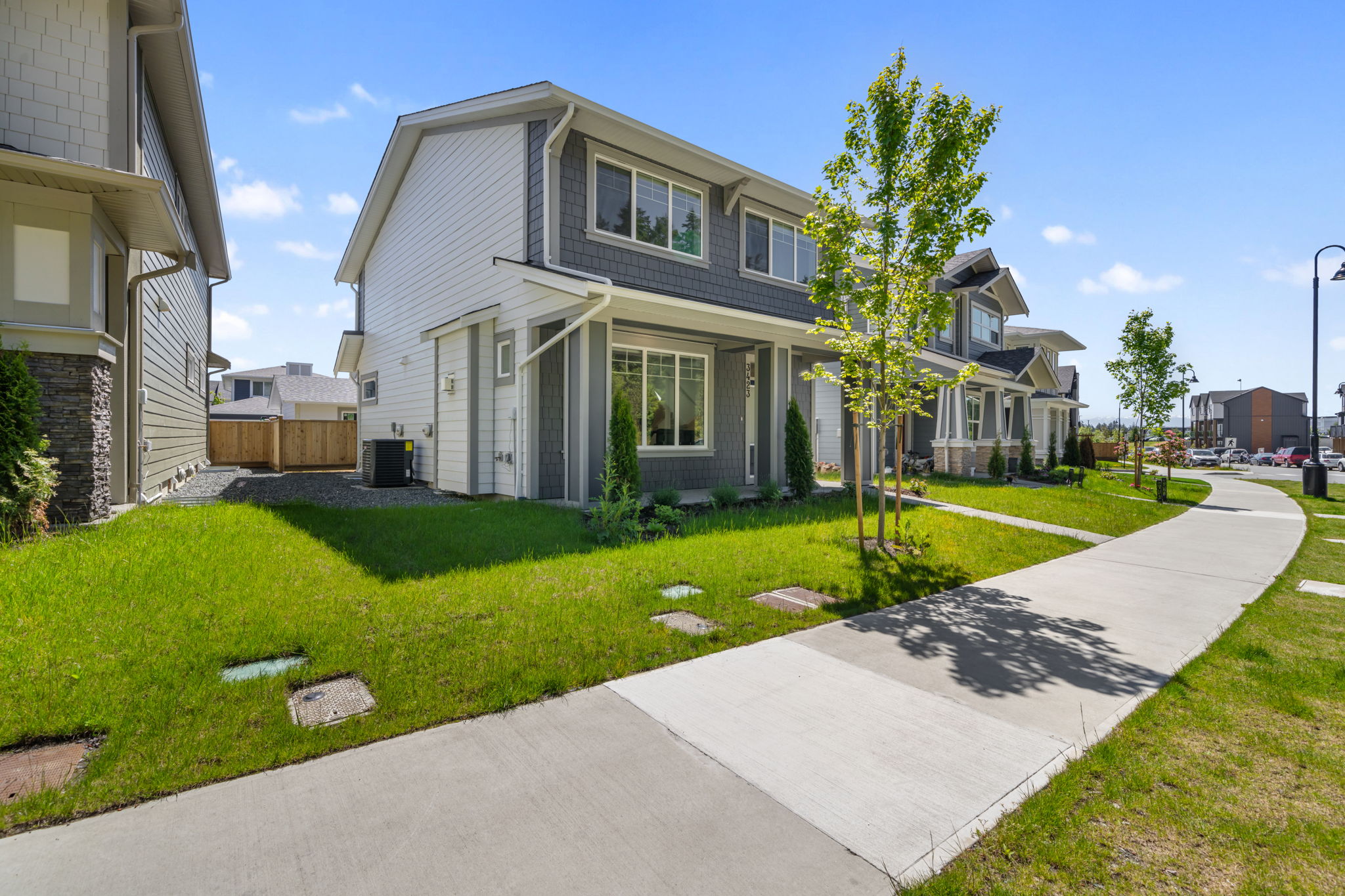
A seller might consider a lower offer when the listing has been on the market longer than expected, has had limited buyer activity, or is priced above recent comparable sales. A seller might consider a lower offer for several reasons, but buyers need to understand the full picture before assuming there is room to negotiate. In real estate, a lower offer is not just about picking a number below asking price. It is about understanding motivation, market conditions, property history, and the seller’s position. The more context you have, the better your offer strategy will be. Days on Market Can Tell a Story One of the first signs to watch is how long the home has been listed. If a property has been on the market longer than similar homes nearby, the seller may become more open to negotiation. This does not always mean they are desperate. It may simply mean the home has not found the right buyer yet. A longer listing period can happen because of: An ambitious asking price Slower buyer demand in that price range Property condition concerns Layout or location limitations Strong competition from nearby listings Limited showing activity However, days on market should never be viewed alone. A luxury home, acreage property, unique character home, or higher-priced listing may naturally take longer to sell than a more typical property. Price Reductions Are a Strong Clue A price reduction often signals that the seller understands the original asking price was not generating enough interest. If a home has already had one or more price adjustments, the seller may be more realistic about where the market sits. That can create an opportunity for buyers, especially if the home is still sitting after the latest adjustment. Still, a price reduction does not automatically mean the seller will accept any offer. Sometimes a price change brings the home closer to market value, and the seller may expect renewed interest before negotiating further. The key question is whether the new price matches recent comparable sales. Comparable Sales Matter More Than Opinion A lower offer should be supported by market evidence. Buyers often say, “I think the home is overpriced,” but sellers respond better to facts than feelings. Recent comparable sales help show whether the asking price lines up with similar homes that have actually sold. Good comparable sales should consider: Property type Neighbourhood Size and layout Lot size Condition Age of major systems Renovations or updates Suite potential Parking Strata details, if applicable If similar homes sold for less, that may support a lower offer. If similar homes sold close to the asking price, the seller may have less reason to move. Competing Listings Can Create Pressure Sellers pay attention to competition. If there are several similar homes available, buyers have more choice. This can give buyers more negotiating power, especially if competing homes offer better condition, better presentation, or stronger value. For example, a seller may be more flexible if another nearby home has: A lower asking price A better floor plan Recent updates A suite More parking Better outdoor space Lower strata fees A stronger location In a market with more choice, buyers compare carefully. Sellers who understand this may be more willing to negotiate if they want to stay competitive. Property Condition Can Affect Negotiation Condition is another important factor. A home that needs visible repairs, older systems, or immediate upgrades may leave more room for negotiation than a move-in ready home. Buyers should look beyond cosmetic finishes and think about the real cost of ownership. Common condition concerns include: Older roof Aging windows Dated electrical Older plumbing Drainage concerns Deferred maintenance Worn flooring Old heating systems Strata repairs or upcoming levies A lower offer may make sense when the purchase price does not reflect these future costs. However, buyers should be careful. Some sellers have already priced condition into the listing. In that case, a very low offer may not be received well. Empty Homes Can Sometimes Signal Flexibility A vacant home may suggest the seller has already moved, is carrying costs, or wants a cleaner timeline. That does not always mean they will accept less. However, ongoing costs such as mortgage payments, taxes, insurance, utilities, and strata fees can add pressure over time. A vacant home may create more room to discuss: Price Completion date Included items Subject terms Deposit timing Possession flexibility Sometimes the best negotiation is not only about price. Terms can matter too. Motivation Is Not Always Visible Buyers often want to know if the seller is motivated. The honest answer is that motivation is not always clear from the listing. Some sellers need to sell quickly. Others are testing the market. Some have already bought another home. Others will only sell if they receive the right price. A good buyer strategy looks for signals, but it does not rely on guesses. Your REALTOR® can ask questions through the listing agent and gather context before you decide how to write the offer. Useful questions may include: Has the seller received any offers? Has there been strong showing activity? Are they flexible on dates? Are there any preferred terms? Has the home been reduced? Is the seller looking for a specific completion timeline? The answers can help shape a smarter offer. A Lower Offer Still Needs to Be Strategic There is a difference between a lower offer and a careless offer. A thoughtful lower offer explains the buyer’s position through price, terms, and supporting market logic. A careless offer can make the seller defensive and reduce the chance of productive negotiation. A strong lower offer may include: A reasonable deposit Clear subject clauses Flexible dates A clean set of terms Comparable sales support Respectful communication A realistic price based on the market The goal is not to “win” by offering as little as possible. The goal is to create a deal that makes sense for both sides. When a Lower Offer May Not Work Not every listing has room to negotiate. A seller may reject a lower offer if the home is new to market, priced well, receiving strong activity, or located in a high-demand segment. Some sellers also have a firm bottom line and may prefer to wait. A lower offer may be less effective when: The home just listed The asking price matches comparable sales There are multiple interested buyers The seller has no urgency The property is rare or hard to replace The offer includes weak terms The price is too far below market value In these cases, buyers may need to decide whether the home is worth competing for or whether another opportunity offers better value. Final Thoughts Knowing when a seller might consider a lower offer comes down to reading the market, not guessing. Days on market, price reductions, comparable sales, competing listings, property condition, and seller flexibility all help tell the story. For buyers, the best approach is to stay prepared, respectful, and strategic. A lower offer can work, but only when it is backed by evidence and written in a way that keeps the conversation moving. If you are thinking about buying in Greater Victoria and want to understand whether a listing has room to negotiate, contact Faber Real Estate Group for local advice, current market insight, and a clear offer strategy. Elel P., 5-Star Review, via Google “Months of looking then a listing came up to our liking. We were out of town so Scott did a virtual viewing for us. We gave an offer even without viewing it personally because of this crazy market we have. Offer got accepted a couple hours after!” Faber Real Estate Group Royal LePage Coast Capital Realty 📞 250-244-3430 📧 [email protected] ℹ️ Scott Faber Personal Real Estate Corporation ℹ️ Cal Faber Personal Real Estate Corporation Vanessa Wood, Zachary Parsons, and Sophie Taylor “Building Lasting Relationships, One Home at a Time.”
Read more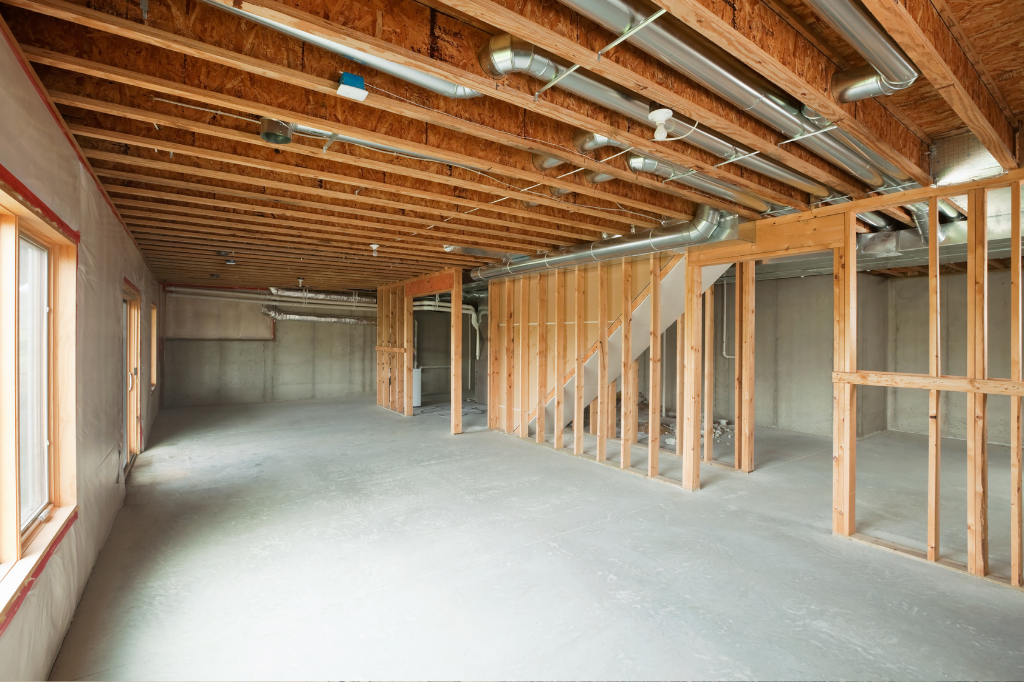
The cheapest home may cost more over time when the lower purchase price hides repairs, poor layout, location compromises, or resale challenges. For many buyers, especially in a high-cost market like Greater Victoria, the lowest price can feel like the safest choice. But the true cost of a home is not only what you pay on completion day. It is what you spend, fix, tolerate, and potentially lose when it is time to sell. A good purchase is not always the cheapest option. It is the home that fits your budget today while protecting your flexibility tomorrow. The Lowest Price Can Hide Bigger Repairs Some homes are priced lower for a reason. They may need a roof, perimeter drain work, windows, electrical updates, plumbing repairs, or heating system improvements. These costs can arrive quickly after possession, especially if the home has been under-maintained. A lower purchase price may still make sense if the buyer understands the work required. The risk comes when buyers stretch to purchase the home, then discover they do not have enough room left in the budget for repairs. Before choosing the cheaper option, buyers should ask: What repairs are urgent? What can wait? What might affect insurance or financing? What will this home likely need over the next five years? A home inspection is not just about finding problems. It helps buyers understand the cost of ownership. Location Trade-Offs Can Add Up A cheaper home may be farther from work, schools, transit, shops, or daily routines. At first, that trade-off can feel manageable. Over time, extra commuting, fuel, parking, and time can change the value equation. In Greater Victoria, small location differences can have a major effect on lifestyle. A home that saves money upfront may cost more if it adds stress to your daily schedule or makes future resale harder. This does not mean every buyer needs to live in a central neighbourhood. It means location should be measured beyond price. Convenience, commute, school catchments, walkability, and access to services all shape long-term value. Layout Problems Are Harder to Fix Than Paint Cosmetic issues are often easier to solve than functional ones. Paint, flooring, lighting, and hardware can change how a home feels. A poor layout is different. A home may be cheaper because it has awkward bedrooms, limited storage, poor natural light, low ceilings, too many stairs, or a kitchen that does not work well for daily life. These issues can affect enjoyment and resale. Buyers sometimes focus on what they can change and overlook what they cannot change easily. Before buying the cheapest home, consider whether the home’s layout supports how people actually live. Monthly Costs Matter More Than Purchase Price Alone The cheapest home may cost more if the ongoing expenses are higher. Older homes can come with higher heating bills, more maintenance, and larger repair needs. Some strata properties may have lower prices but higher monthly fees, upcoming special levies, or deferred maintenance. A smart comparison looks at the full monthly picture: Mortgage payment Property taxes Insurance Strata fees, if applicable Utilities Repairs and maintenance Commuting and parking costs Short-term and long-term improvement needs A slightly more expensive home with better condition, stronger efficiency, and fewer surprise costs may be more affordable over time. Resale Value Should Be Part of the Decision Most buyers do not want to think about selling before they have even moved in. But resale matters. Life changes. Jobs change. Families grow. Timelines shift. A home with limited buyer appeal may be harder to sell later. This can include unusual layouts, difficult access, poor parking, high noise exposure, major deferred maintenance, or a location with a smaller buyer pool. The goal is not to buy only for the next owner. The goal is to avoid buying something that solves today’s budget problem while creating tomorrow’s exit problem. When the Cheapest Home Does Make Sense Sometimes the cheapest home is the right choice. It may be a strong opportunity if the location is good, the inspection is reasonable, the layout works, and the buyer has budget room for improvements. The key is clarity. A lower price should come with a clear plan, not wishful thinking. The cheapest home may cost more when buyers overlook the real reason it is cheaper. But when the risks are understood, priced properly, and matched to the buyer’s goals, a lower-priced home can still be a smart move. The Bottom Line Price is only one part of value. The better question is not “What is the cheapest home I can buy?” It is “Which home gives me the best balance of affordability, condition, location, lifestyle, and resale confidence?” In Greater Victoria, where every neighbourhood and property type can behave differently, that kind of decision deserves careful advice. Before choosing the lowest-priced option, take time to understand the full cost of owning it. For guidance on comparing homes, reviewing trade-offs, or understanding long-term value in the Greater Victoria market, contact Faber Real Estate Group for advice or information. Carmel S., 5-Star Review, via Google “Cal Faber was our realtor for buying our house in Brentwood Bay. Subsequently he was our realtor for buying a business property for us as well along with help from his son Scott Faber. I have had more interaction with Cal and Scott and so I will say with enthusiasm that Cal was excellent in addressing our concerns, finding out details about our properties, he went beyond the call of duty to support us as new owners, both Cal and his son are conscientious, quick to respond with concerns, very kind and thoughtful and wonderful to work with. It would be hard to find more knowledgable and helpful realtors.” Faber Real Estate Group Royal LePage Coast Capital Realty 📞 250-244-3430 📧 [email protected] ℹ️ Scott Faber Personal Real Estate Corporation ℹ️ Cal Faber Personal Real Estate Corporation Vanessa Wood, Zachary Parsons, and Sophie Taylor “Building Lasting Relationships, One Home at a Time.”
Read more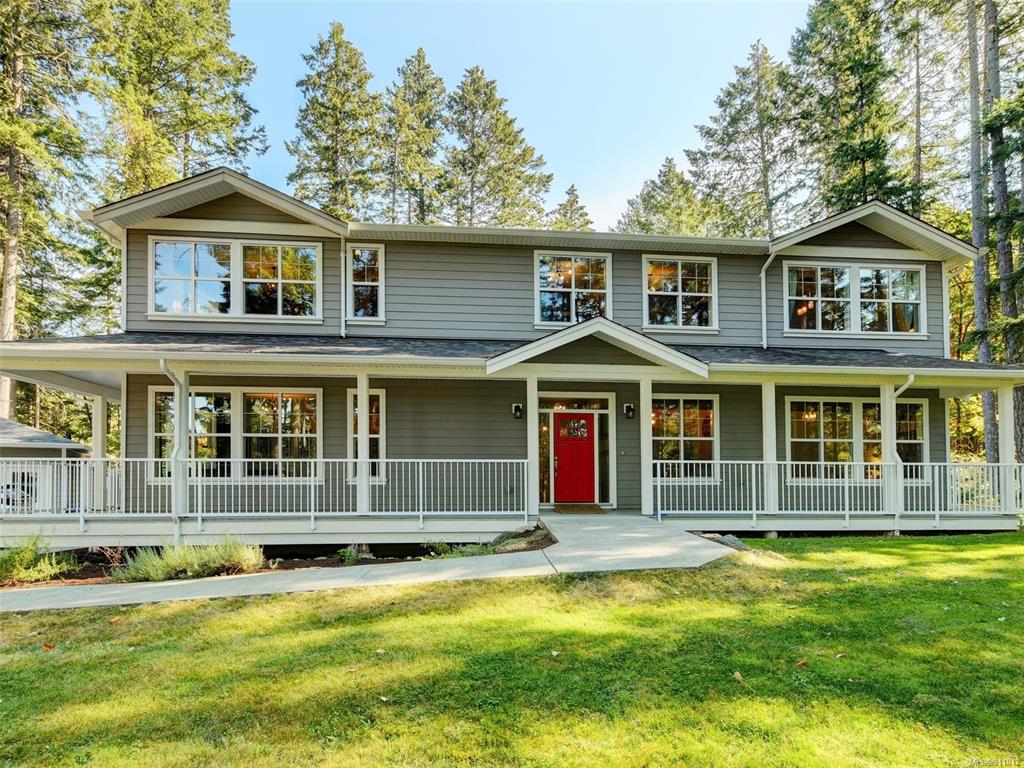
Trying to compare two homes can feel harder than expected when both seem like strong options. One may have the better layout. The other may have the better location. One might feel more emotional, while the other makes more practical sense. That is where buyers can get stuck. The goal is not always to find the “perfect” home. Often, the better goal is to decide which home supports your lifestyle, budget, and long-term plans with the fewest unnecessary compromises. Start With Your Daily Life, Not the Listing Photos A home can show beautifully and still not fit how you actually live. Before comparing finishes, square footage, or staging, ask how each home would affect your normal routine. Think about your commute, school drop-offs, grocery trips, parking, pets, hobbies, guests, work-from-home needs, and weekend lifestyle. A good home should not just impress you during a showing. It should make everyday life easier. Ask yourself: Which home fits our daily routine better? Which location will we appreciate more six months from now? Which home solves the problems we were trying to fix by moving? Which compromises will become annoying over time? Sometimes the better home is not the one that feels more exciting. It is the one that reduces friction in your life. Separate Emotional Value From Market Value Emotion matters in real estate. You are not buying a spreadsheet. You are buying the place where your life will happen. However, emotion should not be the only deciding factor. When you compare two homes, look at each one through three lenses: Personal valueHow well does it fit your lifestyle, needs, and future plans? Market valueDo recent comparable sales support the price? Risk valueAre there repairs, strata concerns, location issues, layout problems, or resale limitations? A home that scores well in all three areas is usually a stronger choice than one that only wins emotionally. Compare the Trade-Offs Clearly Every home has trade-offs. The mistake is pretending they do not exist. One home may offer more space but a longer commute. Another may offer a better neighbourhood but less yard. One may be move-in ready, while the other may need updates but offer better long-term upside. Write the trade-offs down side by side. Compare: Location Price Monthly carrying costs Condition Layout Outdoor space Parking Storage Renovation needs Strata rules, if applicable Future resale appeal Neighbourhood growth or change This helps shift the decision from “Which one do I like more?” to “Which one makes more sense for the life I am trying to build?” Think About Resale Before You Buy Even if you plan to stay for years, resale should still matter. Life changes. Jobs change. Families grow. Priorities shift. A home that works today should also have broad appeal later. When comparing two homes, consider which one future buyers may prefer. Look at location, layout, natural light, parking, school catchments, walkability, noise, strata health, outdoor space, and renovation potential. A quirky feature may feel charming now, but could narrow your buyer pool later. A slightly less exciting home with stronger fundamentals may be easier to sell when the time comes. Do Not Let Small Differences Distract From Big Ones Buyers often get caught comparing details that can be changed, while overlooking things that cannot. Paint colour, light fixtures, cabinet hardware, and landscaping can usually be improved. Location, lot position, natural light, ceiling height, parking, and layout are harder to change. When two homes feel close, separate the fixed features from the flexible ones. Fixed features matter more because they shape long-term value and livability. Use the “Regret Test” This is one of the simplest ways to compare two homes. Ask yourself: “If we bought Home A and Home B sold to someone else, how would we feel?” Then reverse the question. “If we bought Home B and Home A sold to someone else, how would we feel?” Your answer may reveal which home you are more attached to. However, take it one step further. Ask whether that attachment is based on practical fit or short-term emotion. The right choice should feel both exciting and grounded. Know When to Walk Away From Both Sometimes two good options still do not mean either one is the right option. If both homes require you to stretch too far, ignore major concerns, or compromise on your true needs, it may be better to pause. More choice can create pressure, but pressure should not replace good judgement. A disciplined buyer is not just someone who knows when to act. A disciplined buyer also knows when to wait. Final Thoughts When you compare two homes, the best decision usually comes from slowing the process down and looking at lifestyle, value, risk, and resale with clear eyes. The right home should not only feel good during the showing. It should support your life after possession day, protect your budget, and make sense for your long-term plans. If you are deciding between two homes and want a clear second opinion, contact Faber Real Estate Group for advice tailored to your goals, budget, and preferred neighbourhoods. Bokz V., 5-Star Review, via Google “Thank you Cal and Scott for helping us to find our home. Excellent service highly recommended.” Faber Real Estate GroupRoyal LePage Coast Capital Realty📞 250-244-3430📧 [email protected]ℹ️ Scott Faber Personal Real Estate Corporationℹ️ Cal Faber Personal Real Estate CorporationVanessa Wood, Zachary Parsons, and Sophie Taylor “Building Lasting Relationships, One Home at a Time.”
Read more
Buying or selling a home is a major decision, and the person guiding you through it can have a real impact on the outcome. Many people focus first on timing, price, or marketing, but choosing the right real estate agent is one of the most important parts of the process. The right agent does more than unlock doors or post a listing online. They help you understand the market, avoid costly mistakes, build the right strategy, and make better decisions at each stage of the move. Why the choice matters so much A real estate transaction involves more than showing homes or putting a sign on the lawn. There are pricing decisions, negotiation points, timing issues, contract details, due diligence, and communication that all need to be handled well. A strong agent helps bring structure to what can otherwise feel stressful or unclear. A weak fit can lead to missed opportunities, poor communication, and avoidable frustration. That is why choosing an agent should not be treated as a small step. It is a key decision that shapes the whole experience. A good agent helps you set the right strategy Every home and every client situation is different. For sellers, the right agent helps answer questions like: How should the home be priced? What preparation will make the biggest difference? What marketing plan fits this property? How should offers be evaluated? For buyers, the right agent helps answer questions like: Is this property priced fairly? How does this compare to other options? What risks should I be aware of? When should I act and when should I wait? That kind of guidance matters because real estate is rarely just about finding a property or getting it on the market. It is about making the right decisions at the right time. Experience should lead to better judgement Many agents can speak confidently. What matters is whether they can back that up with sound judgement. A good real estate agent should be able to: Explain local market conditions clearly Support pricing with real comparables Spot red flags early Communicate honestly, even when the answer is not what you hoped to hear Adjust strategy when the market response changes This is where experience becomes valuable. Not because experience alone guarantees success, but because it should help the agent guide clients more clearly through real situations. Communication is not a bonus, it is a core part of the job One of the biggest complaints people have in real estate is poor communication. Calls are delayed. Updates are vague. Clients are left wondering what is happening. The right agent keeps you informed. They explain what to expect, update you regularly, and make sure you understand what matters next. That kind of communication builds confidence. It also reduces stress, which is a major part of the client experience. Marketing matters, but strategy matters more A lot of people choose an agent based on promises about marketing. Marketing matters, especially for sellers, but it should not be the only thing you look at. Professional photos, video, social media, and listing exposure all help. But marketing works best when it is supported by the right pricing, preparation, timing, and positioning. A home with strong marketing but weak strategy can still underperform. The right agent understands how those pieces work together. Negotiation is more than pushing for a number Negotiation is often misunderstood. It is not just about being aggressive. It is about reading the situation, understanding leverage, and protecting your interests. For sellers, that may mean knowing when to hold firm, when to counter, and when an offer with a lower price but better terms is actually the better choice. For buyers, it may mean knowing when to push, when to stay clean and simple, and when a property is worth moving quickly on. A strong agent helps you stay grounded and strategic rather than emotional and reactive. Local knowledge can make a real difference Real estate is local. Even within Greater Victoria, conditions can vary by neighbourhood, property type, price point, and buyer pool. The right agent should understand: How one area compares to another What buyers are responding to right now Where pricing is holding strongest What concerns tend to come up in certain property types How local market conditions affect strategy That kind of local perspective helps clients make decisions based on real context, not just general advice. The cheapest option is not always the best value Some people choose an agent based mainly on commission or the promise of savings. Cost matters, but value matters more. A stronger agent may help you: Price more accurately Negotiate more effectively Avoid mistakes in timing or presentation Reduce unnecessary stress Improve the overall outcome That does not mean the most expensive agent is always the best. It means the cheapest option is not always the smartest one either. What to look for when choosing an agent A few signs of a strong fit include: Clear and honest communication Strong knowledge of the local market A practical strategy, not just sales talk Good listening skills A process that feels organised The ability to explain things simply A style that matches how you like to work Trust matters here. You want an agent who gives you confidence, not pressure. Final thought The importance of choosing the right real estate agent is not just about credentials or marketing. It is about finding someone who can guide you with clear advice, strong judgement, and a strategy that fits your goals. If you are planning to buy or sell in Greater Victoria and want a real estate team that values clarity, communication, and practical guidance, contact Faber Real Estate Group to start the conversation. Gary B., 5-Star Review, via Google “We bought a apartment and sold an apartment through Faber Group. It was a pleasure working with them, sold our apartment in one day at full price. No request was too much for them.” Faber Real Estate Group Royal LePage Coast Capital Realty 📞 250-244-3430 📧[email protected] ℹ️ Scott Faber Personal Real Estate Corporation ℹ️ Cal Faber Personal Real Estate Corporation Vanessa Wood, Zachary Parsons, and Sophie Taylor “Building Lasting Relationships, One Home at a Time.”
Read more