
Posts Tagged ‘BC Residential Tenancy Act’
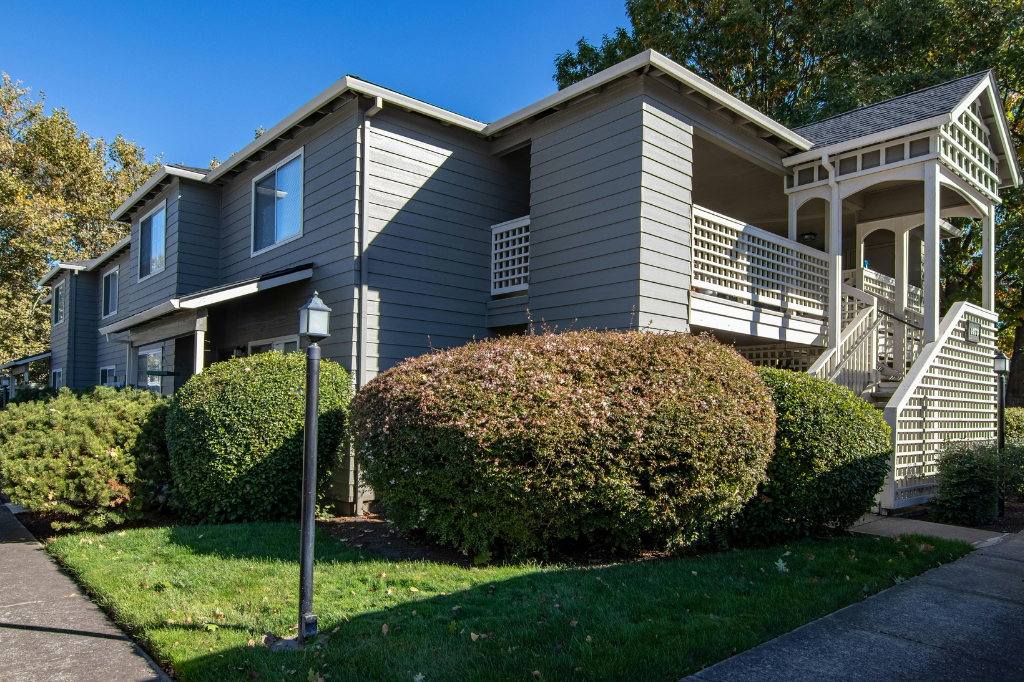
A plex investment property can be appealing because it combines rental income, land value, financing strategy, and long-term resale potential. For investors, a plex investment property usually means a duplex, triplex, or fourplex that is purchased primarily for income, equity growth, or future flexibility. However, buying a plex is not the same as buying a standard condo or single-family rental. Investors need to look beyond the headline rent number and understand the property’s income, expenses, tenancy profile, condition, zoning, financing, and long-term risk. The right plex can be a strong addition to a real estate portfolio. The wrong one can create expensive problems. Why Investors Look at Plexes Plexes are popular with investors because they offer multiple income streams under one title. Instead of relying on one tenant, a duplex, triplex, or fourplex can spread income across several units. That can help reduce the impact of one vacancy, depending on the property and rent structure. Investors may consider a plex because it can offer: Multiple rental units Long-term income potential Better control than a strata rental Land value Future renovation potential Possible suite or unit optimization Portfolio growth More resale appeal to both investors and owner-occupiers For investors who want a buy-and-hold property, a plex can offer a practical middle ground between a single rental suite and a larger apartment building. Start With the Numbers The first question is simple: do the numbers work? A listing may advertise strong rental income, but investors need to look at net income, not just gross rent. The property may bring in rent every month, but that does not mean it produces healthy cash flow. Investors should review: Gross monthly rent Annual rental income Property taxes Insurance Utilities Water and sewer Garbage Maintenance Repairs Vacancy allowance Property management Financing costs Capital reserves A stronger analysis should also include future repairs. A roof, drainage issue, exterior work, or major system upgrade can change the return quickly. Rental Income Needs Verification Investors should not rely only on the listing description. Before making a firm decision, buyers should request documentation that supports the income. This helps confirm whether the rents are current, collectible, and tied to enforceable tenancy agreements. Useful documents may include: Current tenancy agreements Rent roll Security deposit records Utility arrangements Rental payment history Notice of rent increases Lease start dates Fixed-term or month-to-month details Any side agreements with tenants If a unit is rented below market, the income may be stable but limited. If a unit is vacant, there may be upside, but the investor needs to budget for downtime and leasing costs. Tenant Profile Matters A tenant-occupied plex can be attractive because income may start immediately after completion. However, existing tenants also shape the investment. Their lease terms, rent amounts, payment history, and rights all matter. Investors need to understand what they are inheriting. Before buying, investors should ask: Are all units occupied? Are tenants on written agreements? Are rents at market or below market? Are any tenants in arrears? Are there unresolved disputes? Are utilities included in rent? Has the seller provided proper documentation? Are there any notices already issued? Does the buyer plan to keep the tenants long-term? A good tenancy profile can support stable ownership. A poor or unclear tenancy profile can increase risk. Financing Can Change the Return Financing is a major part of the investment decision. The loan structure, down payment, interest rate, amortization, and how rental income is treated by the lender can all affect the numbers. Investors should work with a mortgage broker or lender who understands multi-unit rental properties. Important financing questions include: How will rental income be counted? What down payment is required? Is the property considered residential or commercial by the lender? Does the number of units change the approval process? Will the lender require leases or an appraisal with market rents? How does the rate affect cash flow? Can the investor still qualify with conservative rent assumptions? What happens at renewal if rates change? A property that looks good at one interest rate may look very different at another. Cap Rate Is Useful, But Not Enough Cap rate can help investors compare properties, but it should not be the only measure. A cap rate looks at net operating income compared with purchase price. It can be helpful for comparing similar income properties, but it does not capture financing, future repairs, vacancy risk, appreciation potential, or the investor’s tax position. Investors should also consider: Cash flow Debt service coverage Return on equity Future repair costs Rent growth potential Resale demand Location quality Tenant stability Long-term land value A higher cap rate is not always better. Sometimes it reflects higher risk, weaker location, older systems, or more management work. Condition Can Make or Break the Investment With a plex, property condition matters even more because one problem can affect multiple tenants and multiple income streams. Investors should review the home carefully and, when needed, bring in specialists for further due diligence. Key areas to inspect include: Roof Foundation Drainage Plumbing Electrical Heating systems Hot water tanks Windows Exterior envelope Fire separation Sound transfer Laundry setup Parking Retaining walls Appliances in each unit Deferred maintenance can reduce cash flow, create tenant issues, and limit financing options. A property with lower rent and high repair needs may not be the deal it first appears to be. Zoning and Legal Use Need Careful Review Investors should confirm that the property’s use matches what is being marketed. Some properties have multiple units that are legal. Others may have suites or layouts that need further review. This can affect financing, insurance, future resale, and the investor’s ability to make changes. Due diligence may include reviewing: Zoning Permits Occupancy records Fire safety requirements Suite legality Parking requirements Municipal records Past renovations Future development potential An investor should not assume that every existing unit is fully recognized or permitted. This is especially important with older properties or homes that have been modified over time. Location Still Drives Long-Term Value A good rental property is not only about rent. Location affects tenant demand, vacancy risk, resale value, and long-term stability. In Greater Victoria, investors may compare different submarkets depending on budget, property type, and strategy. A plex in Victoria, Saanich, Esquimalt, View Royal, Langford, or Colwood may all attract different tenants and offer different trade-offs. Investors should consider proximity to: Transit Employment areas Schools Hospitals Post-secondary institutions Shopping Parks and trails Major commuter routes Downtown Victoria The Westshore A strong location can help support long-term rental demand, even when the market changes. Expense Assumptions Should Be Conservative Investors often get into trouble when they assume everything will go perfectly. A better approach is to build in a margin for vacancy, repairs, and unexpected costs. Even a well-maintained plex will need ongoing attention. Conservative planning should include: Vacancy allowance Maintenance reserve Capital repair reserve Insurance increases Property tax increases Utility changes Interest rate changes Turnover costs Legal or accounting costs Property management fees, even if self-managed If the investment only works when every assumption is optimistic, the risk may be too high. Management Style Matters Some investors want to self-manage. Others prefer to hire a property manager. Self-management can save money, but it requires time, organization, and comfort dealing with tenants, repairs, notices, emergencies, and conflict. Property management can reduce the workload, but it affects cash flow. Investors should be honest about their capacity. Questions to ask include: Do I have time to manage tenants? Am I comfortable handling repairs? Do I understand BC tenancy rules? Can I respond quickly to problems? Do I want this to be passive or hands-on? Does the property cash flow after management fees? The right strategy depends on the investor’s goals, experience, and available time. Future Upside Should Be Realistic Many plex listings are marketed with upside. Sometimes that upside is real. Sometimes it depends on assumptions that may not be practical. Possible upside may include: Raising rents over time within legal limits Renovating vacant units Improving layout or functionality Reducing operating costs Adding laundry Improving exterior appeal Creating better tenant storage Long-term redevelopment potential However, investors should be cautious. Upside is not the same as guaranteed income. It may require capital, time, approvals, vacancy, and risk. When a Plex May Be a Good Fit A plex may be a good fit for investors who want a long-term hold and are prepared to manage the details. It may make sense when: The income is well documented The expense assumptions are realistic The condition is understood The location supports rental demand The financing works conservatively The tenancy profile is clear There is enough reserve capital The investor understands landlord responsibilities The resale story makes sense It may not be the right fit if the buyer is relying on aggressive rent assumptions, has limited cash reserves, or does not want the responsibility that comes with rental housing. Final Thoughts Buying a plex investment property can be a strong real estate strategy, but only when the numbers, condition, tenancy profile, and location make sense together. Investors should look beyond the purchase price and ask better questions. What is the true net income? Are the rents supported by documentation? What repairs are coming? Are the units legal and insurable? Does the location support long-term demand? Can the property still work if rates, expenses, or vacancy change? A good plex is not just a property with multiple doors. It is an investment that needs clear due diligence, conservative numbers, and a long-term plan. If you are considering a duplex, triplex, or fourplex in Greater Victoria, contact Faber Real Estate Group for local advice, current market insight, and a clear investment strategy before you make your next move. Marc G., 5-Star Review, via Google “Scott is focused on providing his clients with a long-term positive experience, and he truly acts as a trusted advisor throughout the process. It's important to have someone you can trust for this kind of investment, and Scott has certainly earned my trust. For me, it's important that a realtor fits my values, is always responsive, professional, and goes above and beyond to ensure all my needs are met. I highly recommend Scott and Faber Real Estate for all your real estate needs.” Faber Real Estate Group Royal LePage Coast Capital Realty 📞 250-244-3430 📧 [email protected] ℹ️ Scott Faber Personal Real Estate Corporation ℹ️ Cal Faber Personal Real Estate Corporation Vanessa Wood, Zachary Parsons, and Sophie Taylor “Building Lasting Relationships, One Home at a Time.”
Read more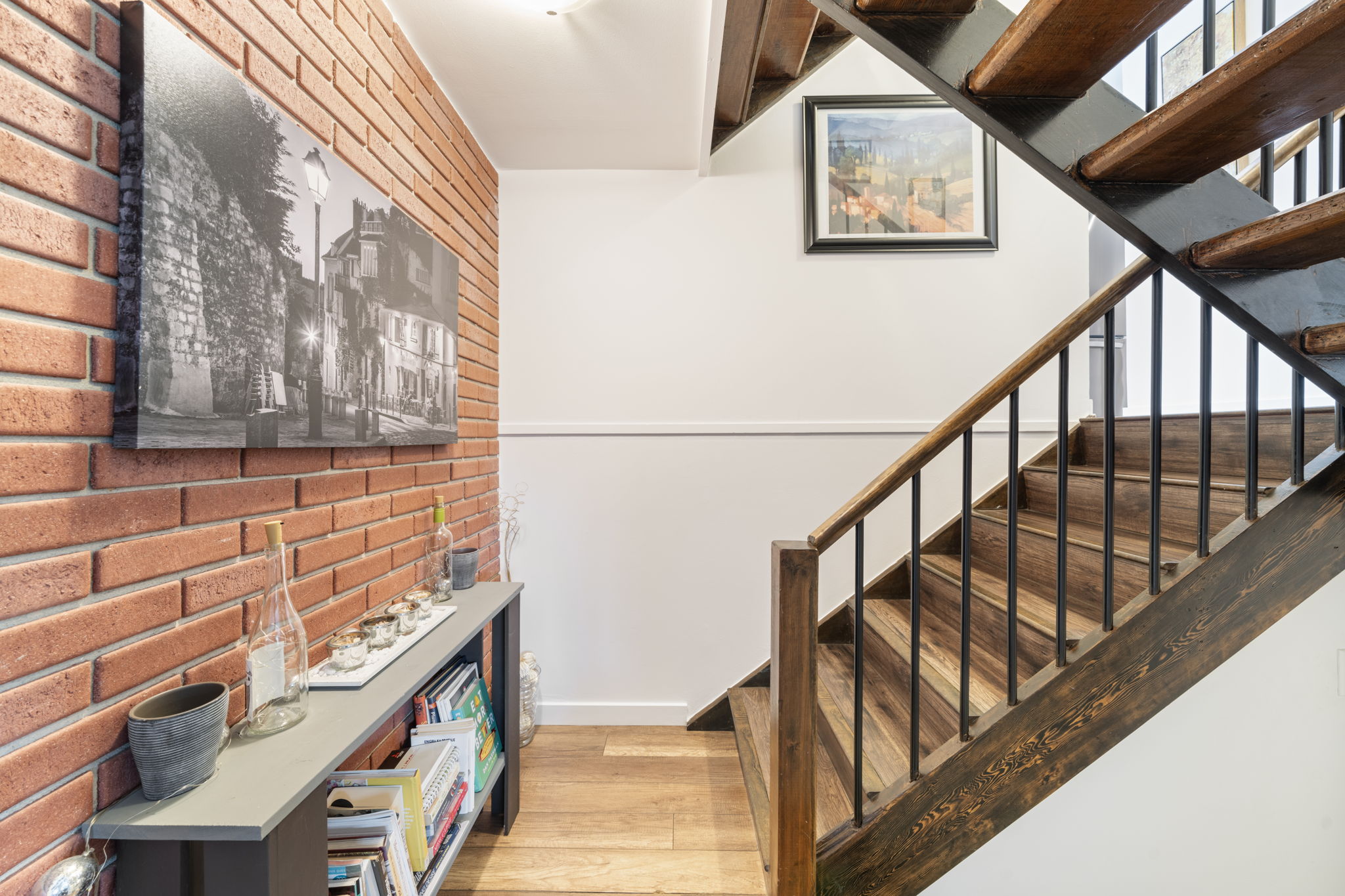
Finding the right tenants is one of the most important factors in protecting your investment property. Strong tenants reduce turnover, limit maintenance issues, and support consistent cash flow. In today’s competitive rental market, careful screening matters more than speed. This guide outlines how to find the right tenants while staying compliant with BC rental regulations. Start With Clear Rental Criteria Before advertising, define what a strong tenant looks like for your property. Consider: Target rent range and income requirements Maximum occupancy based on layout and bylaws Pet policies and strata restrictions Lease length and move-in timing Clear criteria help you filter applicants objectively and consistently. Price the Property Correctly Pricing attracts the type of tenant you want. Overpricing can lead to longer vacancies, while underpricing may increase turnover. Review comparable rentals in your area and adjust for: Location and walkability Parking, storage, and in-suite laundry Utilities included Accurate pricing helps you find the right tenants without unnecessary delays. Write a Strong Listing Description Your listing should set expectations clearly. Include: Lease terms and included utilities Building rules and strata bylaws Required documentation for applications This approach discourages unsuitable applicants and saves time during screening. Screen Tenants Thoroughly Tenant screening is where many landlords take shortcuts. Avoid that mistake. Best practices include: Employment and income verification Credit checks, where permitted Previous landlord references Consistent application questions for all applicants In BC, screening must follow Residential Tenancy Act guidelines and human rights legislation. Meet Tenants in Person Whenever possible, meet prospective tenants. This step helps confirm compatibility and allows you to explain expectations clearly. Discuss: Maintenance responsibilities Rent payment methods and timelines Communication preferences Clear communication at the start reduces misunderstandings later. Use a Proper Lease Agreement Always use a written lease that complies with BC regulations. Ensure it includes: Rent amount and due date Length of tenancy Rules regarding pets, smoking, and subletting A clear lease protects both parties and reinforces professionalism. Consider Professional Property Management If you prefer a hands-off approach, a licensed property manager can help you find the right tenants and manage compliance, especially for multiple properties or out-of-town owners. Final Thoughts Learning how to find the right tenants is essential for long-term investment success. Careful pricing, consistent screening, and clear communication reduce risk and improve returns. Leanne D, 5-Star Review, via Google “I would highly recommend the Faber Group this is the second time we have used them and have been over the top happy with their service. They are an honest group of men who all go above and beyond to make your experience perfect!” Faber Real Estate Group Royal LePage Coast Capital Realty 📞 250-244-3430 📧[email protected] ℹ️ Scott Faber Personal Real Estate Corporation ℹ️ Cal Faber Personal Real Estate Corporation Vanessa Wood, Zachary Parsons, and Sophie Taylor “Building Lasting Relationships, One Home at a Time.”
Read more