
Posts Tagged ‘BC property transfer tax exemption’
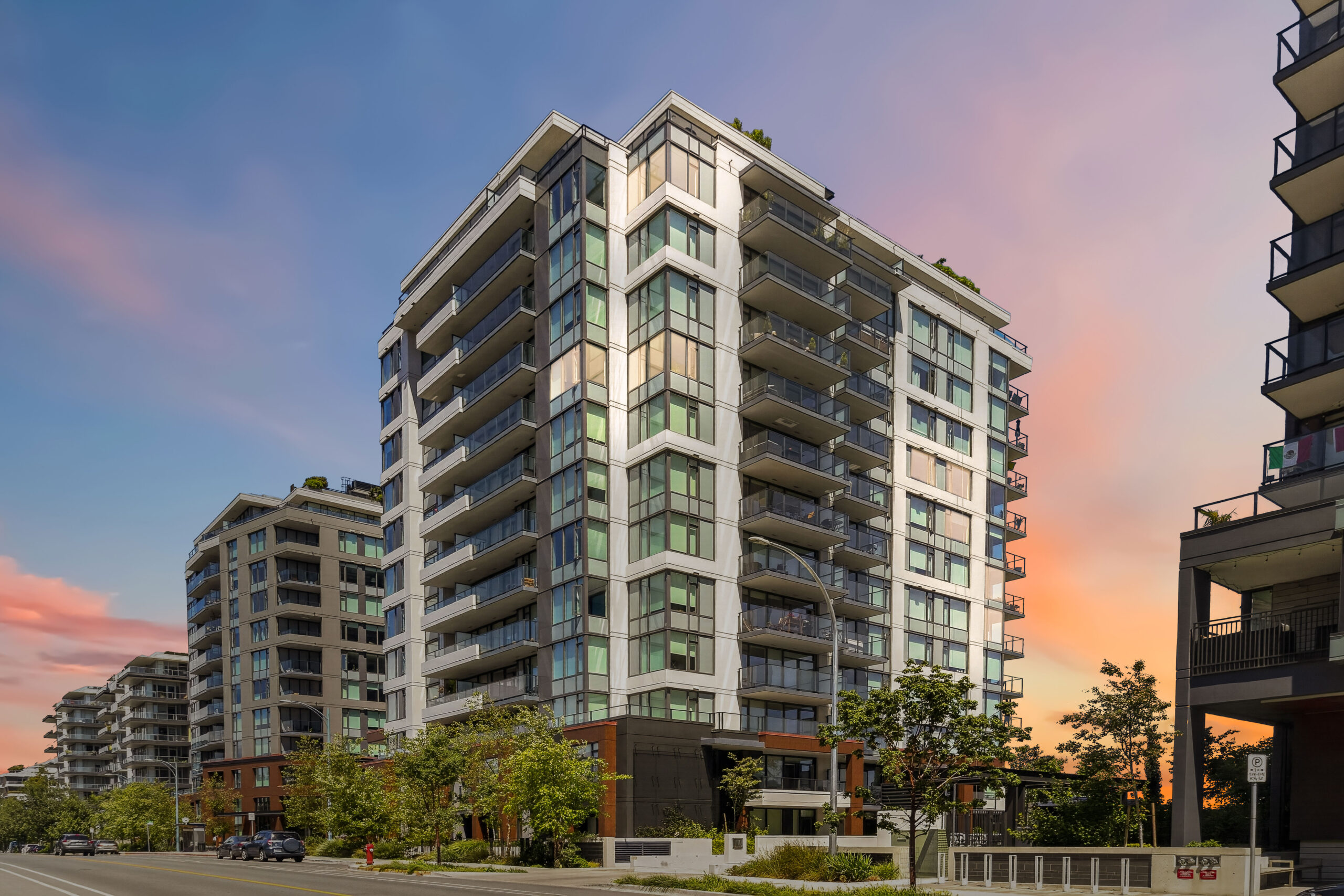
First-Time Home Buyer Victoria: Programs, Rebates, Taxes & Costs Explained (2026) Buying your first home in Victoria, BC, comes with more than just a down payment. Between property transfer taxes, mortgage requirements, legal fees and closing costs, understanding the full financial picture can make a meaningful difference in what you can afford. The good news? Several provincial and federal programs can help first-time buyers reduce their upfront costs, save for a down payment and potentially recover thousands of dollars in taxes. Whether you're considering a condo in downtown Victoria, a townhome in Langford or a new development in Colwood, here's what you need to know before making your first purchase. What programs are available for first-time home buyers in Victoria, BC? First-time home buyers in Victoria may qualify for property transfer tax exemptions, a new-home GST rebate, tax-advantaged savings accounts and federal home-buying incentives. Eligibility depends on the program, your purchase price, ownership history and whether you're buying a new or resale home. Program Potential benefit BC First Time Home Buyers' Program Up to $8,000 off property transfer tax BC Newly Built Home Exemption Full property transfer tax exemption on qualifying new homes up to $1.1 million Federal First-Time Home Buyers' GST Rebate Up to $50,000 in GST relief on qualifying new homes First Home Savings Account (FHSA) $8,000 annual contribution room, $40,000 lifetime limit Home Buyers' Plan (HBP) Withdraw up to $60,000 from an RRSP, subject to repayment rules Home Buyers' Amount Non-refundable federal tax credit worth up to $1,500 These programs have different eligibility requirements. Not every buyer will qualify for every benefit, and some may be used together. 1. BC First Time Home Buyers' Program: How much property transfer tax can you save? British Columbia's First Time Home Buyers' Program helps eligible purchasers reduce the property transfer tax (PTT) payable when buying their first principal residence. In 2026, eligible buyers can receive: A full property transfer tax exemption on homes valued at $500,000 or less. An $8,000 exemption on homes valued above $500,000 and up to $835,000. A reduced exemption on homes valued above $835,000 but below $860,000. At $860,000 or more, the first-time buyer exemption no longer applies. For homes between $500,000 and $835,000, the $8,000 exemption may not eliminate the entire tax bill. How much property transfer tax would a first-time buyer pay in Victoria? Purchase price Regular PTT PTT after first-time buyer exemption $450,000 $7,000 $0 $550,000 $9,000 $1,000 $650,000 $11,000 $3,000 $750,000 $13,000 $5,000 $800,000 $14,000 $6,000 $850,000 $15,000 $11,800 These examples assume the entire property qualifies, the buyer meets all program requirements, and no special property conditions apply. Who qualifies for the BC first-time home buyer exemption? Eligibility generally requires buyers to meet provincial residency or tax-filing conditions, hold Canadian citizenship or permanent resident status, and satisfy the program's previous ownership rules. The property must also become the buyer's principal residence. Additional requirements apply to property size, occupancy timing and continued use of the home. Review the official BC First Time Home Buyers' Program eligibility requirements before relying on the exemption. 2. First-Time Home Buyer GST Rebate: Can you save up to $50,000 on a new home? Yes. Eligible first-time home buyers can receive a rebate of up to $50,000 in federal GST when purchasing a qualifying newly built or substantially renovated home. The 2026 federal program provides: New home purchase price Potential GST rebate Up to $1,000,000 Up to 100% of GST, maximum $50,000 $1,000,001 to $1,499,999 Gradually reduced rebate $1,500,000 or more No first-time buyer GST rebate For example, a qualifying $600,000 newly built condo would ordinarily carry $30,000 in GST at the 5% rate. An eligible first-time buyer may receive a rebate covering the full $30,000. Who qualifies for the new-home GST rebate? For a typical purchase from a builder, important conditions include: The buyer must satisfy the federal first-time buyer definition. The home must be newly constructed or substantially renovated and intended as the buyer's primary residence. The agreement of purchase and sale must generally have been entered into on or after March 20, 2025, and before 2031. Additional construction, occupancy and transfer deadlines must be met. Builders can credit the rebate at closing, or eligible purchasers may apply directly to the Canada Revenue Agency when the builder has not provided the credit. Buyers should confirm whether the advertised purchase price already reflects a rebate. For buyers comparing resale condos with brand-new developments in the Westshore, this can materially change the total purchase cost. Explore new residential developments in Greater Victoria to see how new construction compares with resale opportunities. 3. BC Newly Built Home Exemption: Is property transfer tax waived on new homes? British Columbia also offers a separate property transfer tax exemption for qualifying newly constructed principal residences. Under the BC Newly Built Home Exemption: Qualifying new homes valued up to $1.1 million may receive a full property transfer tax exemption. Homes valued above $1.1 million but below $1.15 million may receive a partial exemption. The exemption phases out at $1.15 million. Unlike the BC First Time Home Buyers' Program, this exemption is not restricted exclusively to first-time purchasers. Can you combine the BC new-home exemption with the federal GST rebate? Yes, a qualifying first-time buyer may benefit from both the provincial newly built home property transfer tax exemption and the federal first-time buyer GST rebate. For example, consider an eligible buyer purchasing a newly built $700,000 condo: Tax or savings Amount Standard BC property transfer tax $12,000 BC newly built home exemption −$12,000 GST at 5% $35,000 Eligible federal first-time buyer GST rebate −$35,000 Combined potential tax savings $47,000 This example assumes full eligibility for both programs. The buyer would still need to cover the down payment and other closing costs. The BC first-time buyer and newly built home PTT exemptions are alternative routes to reducing the same provincial tax, not duplicate refunds of it. 4. First Home Savings Account (FHSA): How can it help you buy in Victoria? The First Home Savings Account is one of the most useful tools available to Canadians preparing to purchase their first home. An FHSA combines two tax advantages: Tax-deductible contributions: Eligible contributions reduce your taxable income. Tax-free qualifying withdrawals: You can withdraw contributions and investment growth tax-free when purchasing a qualifying first home. Under current federal rules, you receive $8,000 of contribution room in the year you open your first FHSA, with a $40,000 lifetime contribution limit. Unused participation room can be carried forward, subject to limits. For example, a first-time buyer contributing $8,000 annually over five years could contribute $40,000 before investment growth. Two eligible partners could potentially contribute a combined $80,000 over that period. Something many buyers overlook: FHSA contribution room begins accumulating only after you open your first account. Opening one early can be beneficial, even if purchasing a home is still a few years away. Learn more through the Canada Revenue Agency's FHSA guide. 5. Home Buyers' Plan: Can you use your RRSP for a down payment? The federal Home Buyers' Plan (HBP) allows eligible buyers to withdraw up to $60,000 from their Registered Retirement Savings Plan (RRSP) to purchase or build a qualifying home. Unlike a qualifying FHSA withdrawal, money withdrawn under the HBP must generally be repaid to your RRSP over 15 years, subject to applicable repayment-start rules. Eligible buyers can also use the Home Buyers' Plan and FHSA for the same home purchase, provided they meet both programs' requirements. For a couple where both buyers qualify, the combined HBP withdrawal limit could be $120,000. This can help bridge the gap between existing savings and the down payment required for a property in Greater Victoria. However, buyers should consider how RRSP withdrawals may affect long-term retirement savings. 6. How much down payment do you need to buy your first home in Victoria? The minimum down payment in Canada depends on the purchase price, not whether you're a first-time buyer. As of 2026, the standard minimum requirements are: Home purchase price Minimum down payment $500,000 or less 5% Above $500,000 but below $1.5 million 5% of the first $500,000, plus 10% of the remainder $1.5 million or more 20% Minimum down payment examples for Victoria buyers Purchase price Minimum down payment $450,000 $22,500 $550,000 $30,000 $650,000 $40,000 $750,000 $50,000 $850,000 $60,000 $1,000,000 $75,000 These are minimum requirements. Mortgage approval also depends on income, existing debt, credit history, qualifying interest rates and lender requirements. Buyers putting down less than 20% typically require mortgage default insurance, which adds to the overall borrowing cost. For a closer look at how your budget may influence location and property type, read our guide to comparing Victoria neighbourhoods at the $800,000 price point. 7. What closing costs should first-time home buyers expect in Victoria? In addition to your down payment, first-time buyers should budget for legal fees, inspections, property transfer tax if applicable, and adjustments on closing. Exact costs depend on the property, financing arrangements and applicable exemptions. Closing expense Typical planning estimate Legal or notary fees and disbursements $1,500–$2,500 Home inspection $500–$900 Property appraisal, if required $300–$600 Property transfer tax Depends on purchase price and exemptions Title insurance, if required Varies by property and lender Property tax and strata adjustments Varies by closing date and property Moving and initial setup Depends on circumstances These are illustrative budgeting ranges rather than quoted service prices. Obtain estimates from the professionals involved before subject removal and closing. For buyers purchasing strata properties in Victoria, Saanich, Langford or Colwood, additional financial considerations include monthly strata fees, insurance deductibles, possible special levies and the building's financial position. Understanding these expenses before writing an offer can help prevent unpleasant surprises later. Our article on what a real estate lawyer does during the home-buying process explains how legal professionals handle transfers, adjustments and closing documentation. 8. First-time buyer example: How much cash do you need for a $600,000 condo in Victoria? Let's compare two buyers purchasing a $600,000 condo: one purchasing a resale property and the other purchasing an eligible newly built home. Both are assumed to qualify for the relevant first-time buyer programs and have the minimum down payment available. Expense Resale condo Eligible new condo Purchase price before GST $600,000 $600,000 Minimum down payment $35,000 $35,000 BC property transfer tax before exemption $10,000 $10,000 Applicable BC PTT exemption −$8,000 −$10,000 PTT payable $2,000 $0 GST before rebate $0 $30,000 Qualifying GST rebate $0 −$30,000 Estimated other closing costs $3,000 $3,000 Estimated cash required $40,000 $38,000 This is an illustrative comparison. It assumes the builder credits the full GST rebate at closing, tax exemptions apply in full, and a $3,000 allowance for other closing costs. Mortgage insurance premiums, applicable taxes on insurance, adjustments and other property-specific expenses are not included. Final down-payment and mortgage calculations must be confirmed with the lender. The takeaway isn't that new construction is always cheaper. It's that purchase price and total purchase cost are not the same thing. A resale property may offer different advantages, such as an established strata corporation, existing amenities or more flexibility around possession. New construction may offer tax savings, warranties and newer building systems. The right decision depends on more than the listing price. 9. Where should first-time buyers consider purchasing in Greater Victoria? Your ideal neighbourhood depends on your budget, commute, lifestyle and the kind of home you want to own. Langford and the Westshore Langford and neighbouring Westshore communities provide a mix of newer condominiums, townhomes and detached houses. Buyers comparing these areas should consider commuting, building age, strata costs and planned growth. Read our guide to hidden-gem neighbourhoods in Langford, Colwood and View Royal. Downtown Victoria and Esquimalt Buyers who prioritize walkability, nearby employment, restaurants and transit may prefer a condominium closer to Victoria's urban core. Compare monthly ownership expenses and building condition alongside the location. Saanich and View Royal These communities offer established residential neighbourhoods, varied housing types and access to different parts of Greater Victoria. Property age, transit access and maintenance requirements can influence overall affordability. You can explore available properties through our Greater Victoria home search. 10. What should you do before buying your first home? Before beginning your property search, take the time to establish your financial position and understand the buying process. Speak with a mortgage professional. Confirm your borrowing capacity, qualifying rate and comfortable monthly payment. Review your eligibility for rebates and exemptions. Consider provincial property transfer tax programs, the federal GST rebate, FHSA and HBP. Establish your complete budget. Include the down payment, closing costs, ongoing expenses and a reserve for unexpected repairs. Compare neighbourhoods and property types. Consider both today's needs and how the home may suit you over the next several years. Understand the conditions in your offer. Financing, inspection and strata document review can play an important role in protecting your interests. For more on what happens after mortgage pre-approval, read The Real Timeline: How Long Does It Take to Buy a Home?. Frequently Asked Questions About Buying Your First Home in Victoria Can you buy a home in Victoria with a 5% down payment? Yes. Eligible buyers purchasing a home for $500,000 or less may qualify with a 5% down payment. Above $500,000 and below $1.5 million, the minimum is 5% on the first $500,000 and 10% on the remainder. Mortgage qualification and insurance requirements still apply. Do first-time home buyers pay property transfer tax in BC? Sometimes. Eligible buyers purchasing a home for $500,000 or less may receive a full exemption. For homes above $500,000 and up to $835,000, the exemption is generally limited to $8,000. A partial exemption is available up to, but not including, $860,000. Do first-time home buyers pay GST on resale homes in Victoria? Generally, no. The sale of a previously occupied residential property is normally exempt from GST. Newly constructed homes are generally subject to GST, although eligible first-time purchasers may qualify for the federal rebate. Can couples combine first-time home buyer programs? Yes, in certain circumstances. Eligible partners may each use their own FHSA contribution room and Home Buyers' Plan withdrawal entitlement. However, provincial property transfer tax exemptions depend on each purchaser's eligibility and ownership interest. Tax credits and rebates also have their own rules. Can you qualify as a first-time home buyer if you previously owned a home? It depends on the program. Some federal programs use a four-calendar-year lookback test, while BC's first-time buyer property transfer tax exemption has different previous ownership requirements. A buyer who qualifies under one program may not qualify under another. How much money should you save before buying a home in Victoria? Your savings should cover the required down payment, closing costs and an emergency reserve. For example, a first-time buyer considering a $600,000 resale condo could need approximately $40,000 in upfront cash under the assumptions outlined earlier. Actual requirements depend on the purchase and financing details. Buying Your First Home in Victoria Starts With a Clear Plan For many first-time buyers, the biggest challenge isn't finding a property. It's understanding how the numbers fit together and knowing which decisions deserve the most attention. A tax exemption might make one property more affordable than another. A new-home GST rebate could change your options. And the right mortgage structure can influence how comfortably you manage ownership costs after moving in. At Faber Real Estate Group, we believe buying your first home should begin with education, not pressure. Whether you're exploring your options or preparing to purchase in the coming months, our team can help you understand the local market, compare properties and build a buying strategy around your goals. Connect with Faber Real Estate Group to discuss buying your first home in Greater Victoria. Scott M.., 5-Star Review, via Google “Scott & Cal and their team were excellent in helping me secure a new condo at the Pavilion- knowledgeable, personable, and great service. Would highly recommend their team if you’re looking for a dynamic realtor in the CRD!” Faber Real Estate Group Royal LePage Coast Capital Realty 📞 250-244-3430 📧 [email protected] ℹ️ Scott Faber PREC ℹ️ Cal Faber PREC Vanessa Wood, Zachary Parsons, Sophie Taylor Building Lasting Relationships, One Home at a Time. Information current to October 8, 2026. Government programs, tax rules and eligibility requirements can change. This article provides general educational information, not personalized tax, legal or mortgage advice. Confirm your eligibility with the relevant government agency and qualified professionals before committing to a purchase.
Read more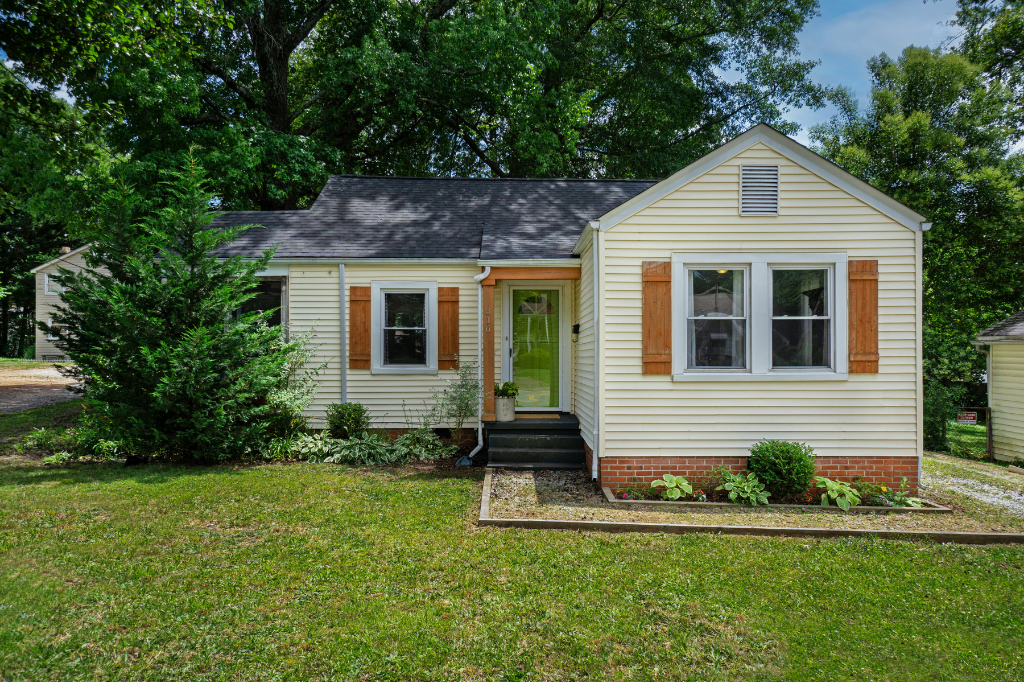
The biggest mistakes first-time buyers make in Victoria usually do not come from one huge decision. They come from several small assumptions that add up. In today’s market, buyers have more room to think than they did in tighter years, but that does not mean mistakes disappear. In March 2026, the Victoria Real Estate Board reported 3,261 active listings, up 7.9 per cent from a year earlier, and noted that current conditions are giving buyers more time for due diligence. That is helpful, but only if buyers use that time well. A lot of first-time buyers assume the hardest part is getting an accepted offer. In reality, many of the biggest mistakes happen before that stage, especially around budgeting, property type, strata review, and understanding the true cost of ownership. Mistake 1: Budgeting Only for the Down Payment This is one of the biggest first-time buyer mistakes in Victoria. Many buyers focus on saving for the down payment but forget about closing costs, adjustments, inspection costs, legal fees, property transfer tax, and moving expenses. In Canada, insured purchases can still start with as little as 5 per cent down, depending on price, but that does not mean the total cash needed is small. CMHC says the minimum down payment is 5 per cent up to $500,000, then 10 per cent on the portion above that, and homes at $1.5 million or more require at least 20 per cent down. In BC, many first-time buyers also misunderstand the Property Transfer Tax exemption. The Province says qualifying first-time buyers may be exempt on the first $500,000 of the purchase price if the fair market value is $835,000 or less, with a partial exemption up to $860,000. The lesson is simple: a purchase budget is not the same as a showing budget. Mistake 2: Shopping by Monthly Payment Alone A lot of buyers begin with, “What can I afford per month?” That is a useful starting point, but it is not enough. In Victoria, ownership costs can vary significantly depending on property type. A condo may have lower purchase price but higher strata fees. A detached home may offer more control but larger maintenance exposure. A townhouse may sit somewhere in between. Buyers who focus only on mortgage payment often miss the full carrying cost picture. The better question is: what is my all-in monthly cost? what level still feels comfortable if rates, insurance, or strata fees change? how much room do I have left after ownership costs? That is where smart first-time buyer planning starts. Mistake 3: Underestimating the Importance of Strata Documents This is a major one in Victoria because condos and townhomes make up such a meaningful part of the entry-level market. Many first-time buyers fall in love with the unit and ignore the corporation behind it. That is risky. Meeting minutes, bylaws, rules, financial statements, depreciation reports, and contingency reserves often reveal things the photos never will. Buyers should be asking: are there upcoming special assessments? are there ongoing building issues? are rentals and pets allowed? are the rules compatible with how I want to live? is the strata proactive or reactive? The wrong strata can turn an affordable purchase into an expensive lesson. Mistake 4: Assuming More Inventory Means Every Buyer Has Huge Leverage Victoria’s current market gives buyers more choice, but that does not mean every property is soft or every seller is desperate. CREA’s Victoria market conditions data for Q1 2026 shows median days on market at 26 for single-family homes, 31 for townhouses, and 30 for condominiums. That means buyers generally have more breathing room than in a frenzy market, but good listings can still attract strong interest. First-time buyers make mistakes when they go too far in either direction: panicking and overpaying because they assume everything will get away from them lowballing every listing because they assume the market is weak across the board A smarter approach is to adjust offer strategy based on the property, the competition, the days on market, and the seller’s position. Mistake 5: Treating the Rescission Period Like a Planning Tool BC’s Home Buyer Rescission Period gives buyers the right to rescind an accepted residential offer within three business days, excluding weekends and holidays. However, BCFSA makes clear that if the buyer rescinds, they must pay a rescission fee of 0.25 per cent of the purchase price to the seller. This is where first-time buyers get confused. The rescission period is not a replacement for preparation. It is a consumer protection tool. Buyers who write offers before understanding financing, reviewing available documents, or speaking with the right professionals are creating stress that often could have been avoided. Mistake 6: Buying for Today Only A first home does not need to be a forever home. However, it should still work for more than six months. Some buyers focus so heavily on “getting in” that they ignore how the property fits their likely next chapter. That can lead to buying a home that becomes too small, too restrictive, too expensive to keep, or too hard to resell. Before buying, first-time buyers should think about: likely time horizon commute and routine storage and parking needs pet or rental restrictions whether the layout will still work in a few years A first purchase should create options, not just solve urgency. Mistake 7: Not Building the Right Team Early This mistake is easy to overlook because it feels less urgent than browsing listings. Still, first-time buyers often wait too long to line up a mortgage broker, real estate lawyer or notary, home inspector, and trusted agent. That delay creates rushed decisions later. A better process is to get the support structure in place before you fall in love with a home. That way, when the right property appears, you can move with confidence instead of scrambling. Mistake 8: Letting Headlines Drive the Entire Decision Buyers often swing between two extremes: “I need to buy now before it gets worse” “I should wait because everything feels uncertain” Neither reaction is a strategy. Victoria’s current market is more balanced than it was in high-pressure periods, but it is not one uniform story. VREB’s March 2026 update showed lower year-over-year sales, higher inventory, and a more measured environment for buyers and sellers. That does not automatically mean “buy now” or “wait.” It means first-time buyers need to make decisions based on their budget, timeline, and property fit, not just emotion. (vreb.org) What First-Time Buyers Should Do Instead The strongest first-time buyers in Victoria usually do five things well: they understand their full budget they compare property types honestly they review strata or property documents carefully they tailor offer strategy to the listing they make decisions based on fit, not panic That does not eliminate uncertainty. It reduces avoidable mistakes. Final Thought The biggest mistakes first-time buyers make in Victoria are usually preventable. They happen when buyers rush the wrong parts, ignore the fine print, or confuse market noise with strategy. If you are planning your first purchase and want grounded advice on budget, property type, and offer strategy, contact Faber Real Estate Group for practical guidance built around the current Victoria market. Wilson, 5-Star Review, via Google “Amazing people there! They will help you through the entire process and will always make you feel like family. For those first time home buyers, don't be intimidated entering the market because they will explain every process and guide you through.” Faber Real Estate Group Royal LePage Coast Capital Realty 📞 250-244-3430 📧[email protected] ℹ️ Scott Faber Personal Real Estate Corporation ℹ️ Cal Faber Personal Real Estate Corporation Vanessa Wood, Zachary Parsons, and Sophie Taylor “Building Lasting Relationships, One Home at a Time.”
Read more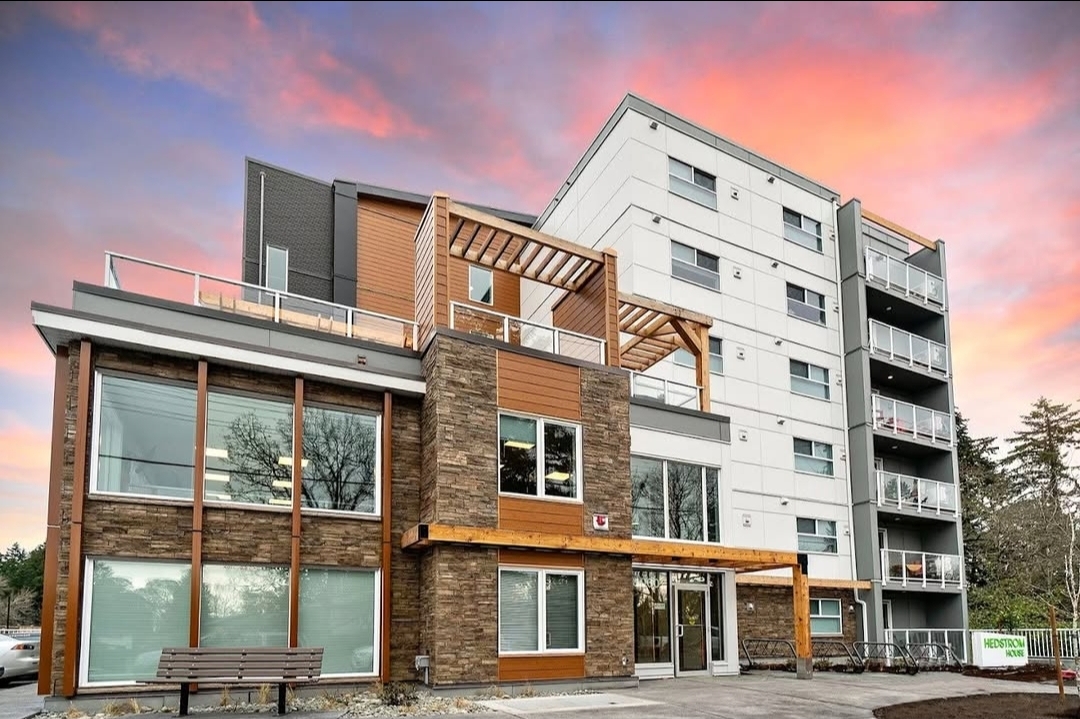
In many cases, the new GST rebate can be combined with other first-time buyer programs. That matters because the new GST rebate is not a replacement for every other affordability tool. It is one piece of a larger first-time buyer strategy. For eligible buyers, the federal rebate may be used alongside savings programs like the FHSA and the Home Buyers’ Plan, while in British Columbia there may also be property transfer tax exemptions to consider. The key is understanding which programs actually stack, which ones do not, and where buyers can accidentally assume they qualify for more than they do. What the New GST Rebate Actually Does The first thing to understand is that the new federal first-time home buyers’ GST/HST rebate is aimed at eligible new homes, not resale homes. CRA says eligible first-time buyers can receive up to $50,000 back on homes valued up to $1 million, with a phased-out rebate between $1 million and $1.5 million. CRA also states that this rebate may apply in addition to the existing GST/HST new housing rebate, acting as a top-up where both apply. Agreements generally must have been entered into on or after March 20, 2025 and before 2031, with construction substantially completed before 2036. Programs That Can Usually Be Combined With the New GST Rebate First Home Savings Account (FHSA) The FHSA is a savings vehicle, not a rebate on the purchase itself. CRA says it lets eligible first-time buyers save toward a qualifying first home on a tax-advantaged basis, with annual participation room starting at $8,000 in the first year an FHSA is opened. Because it is a savings program and the GST rebate is a tax rebate tied to a qualifying new home purchase, these are generally complementary rather than conflicting. Home Buyers’ Plan (HBP) The Home Buyers’ Plan allows eligible buyers to withdraw up to $60,000 from their RRSPs to buy or build a qualifying home, with repayment over up to 15 years. Like the FHSA, this is a funding tool rather than a housing tax rebate, so it can generally be part of the same purchase strategy as the new GST rebate. Existing GST/HST New Housing Rebate This is the most direct example of stacking. CRA explicitly says an eligible first-time buyer may qualify for the new first-time home buyers’ GST/HST rebate in addition to the existing GST/HST new housing rebate, with the new rebate functioning as a top-up where both apply. One Important Federal Program That Is No Longer Part of the Mix Some older articles still mention the First-Time Home Buyer Incentive through CMHC. That program is no longer accepting applications. CMHC states the deadline for new submissions was March 21, 2024, and no new approvals were granted after March 31, 2024. So while you may still see it referenced online, it is not a practical stacking option for new buyers today. What This Looks Like in British Columbia For buyers in BC, the conversation gets more nuanced because federal GST rules and provincial property transfer tax rules are separate. BC First Time Home Buyers’ Program BC’s first-time home buyers’ property transfer tax program can reduce or eliminate property transfer tax on qualifying purchases if the buyer meets the provincial requirements. The province says a qualifying property generally must be used as the buyer’s principal residence and have a fair market value of $835,000 or less, with partial relief below $860,000. BC Newly Built Home Exemption BC also has a separate newly built home exemption that may reduce or eliminate property transfer tax on qualifying newly built principal residences. The province says newly built homes with a fair market value below $1,100,000 may qualify for a full exemption, with proportional relief available below $1,150,000. The BC Catch In BC, buyers cannot claim both the first-time home buyers’ property transfer tax exemption and the newly built home exemption on the same transaction. That is set out in BC law. In other words, a buyer may be able to combine the federal new GST rebate with a provincial property transfer tax exemption, but they still need to choose the correct BC exemption if more than one provincial option appears available. Where Buyers Get Confused The biggest misunderstanding is assuming every first-time buyer program applies to every first home purchase. That is not how it works. Common mistakes assuming the new GST rebate applies to resale homes when it is tied to qualifying new homes assuming a federal rebate automatically replaces the need to apply for provincial tax exemptions assuming all BC exemptions stack together when some do not relying on outdated articles that still discuss the discontinued First-Time Home Buyer Incentive as though it were active A Practical Way to Think About It For most eligible first-time buyers, the smarter question is not just, “Can I combine programs?” It is, “Which combination actually applies to my purchase?” A buyer purchasing a qualifying new home may be able to combine: the new federal GST rebate the FHSA the Home Buyers’ Plan one applicable BC property transfer tax exemption, depending on eligibility and the property type That can create meaningful savings, but only if the home, the contract timing, the purchase price, and the buyer’s eligibility all line up with the current rules. Final Thoughts Yes, the new GST rebate can often be combined with other first-time buyer programs, but it should not be treated as a blanket savings tool that automatically stacks with everything. Federal savings programs like the FHSA and HBP can often work alongside it, and BC buyers may also have provincial property transfer tax relief to explore. The real value comes from understanding the exact mix that fits your purchase instead of assuming every incentive applies. If you are buying your first home in Greater Victoria or the Westshore and want help understanding how the new GST rebate fits with other available programs, contact Faber Real Estate Group for clear, practical guidance before you write an offer. Yen-Shang W., 5-Star Review, via Google “As a first-time homebuyer, I honestly had no idea what to expect. But Zach walked me through everything with patience and clarity. He took care of all the little things I wouldn’t have thought of and made what could have been a stressful process feel surprisingly smooth and easy. I’m really grateful for his guidance and professionalism—and most of all, for helping me find a place I can now call home. Thank you so much, Zach!” Faber Real Estate Group Royal LePage Coast Capital Realty 📞 250-244-3430 📧[email protected] ℹ️ Scott Faber Personal Real Estate Corporation ℹ️ Cal Faber Personal Real Estate Corporation Vanessa Wood, Zachary Parsons, and Sophie Taylor “Building Lasting Relationships, One Home at a Time.”
Read more
Buying a home in British Columbia especially in high-demand areas like Greater Victoria can feel daunting with rising prices and closing costs. The good news? In 2026, a mix of provincial, federal, and even local programs can significantly reduce upfront costs, boost your down payment, or lower ongoing expenses. These incentives are particularly valuable in the current balanced market, where buyers have more leverage. Here's a breakdown of the most impactful ones available right now, focusing on first-time buyers (though some apply more broadly). Always verify eligibility on official sites, as rules can adjust. Provincial Incentives (BC-Specific) First-Time Home Buyers’ Program (Property Transfer Tax Exemption/Refund) This is one of the biggest savers: It reduces or eliminates BC's Property Transfer Tax (PTT) on your purchase. For homes with fair market value $500,000 or less: Full exemption (no PTT at all). For homes $500,001–$835,000: Exemption of $8,000 (equivalent to no tax on the first $500,000). Partial phase-out for $835,001–$860,000. Homes over $860,000 generally don't qualify. Savings can reach up to $8,000+ (or more on lower-priced homes). You must be a first-time buyer (no prior ownership in the last few years), a BC resident, and meet other criteria like using it as your principal residence. Partial exemptions apply if co-buying with a non-qualifying partner. Check details and apply via the BC government site. Newly Built Home Exemption If buying or building a new home/condo: Full PTT exemption for homes up to $1,100,000, with partial for $1,100,001–$1,150,000. Great for new developments in areas like Langford or Colwood. Home Owner Grant Not just for first-timers—this reduces your annual property taxes. Up to $570 in Metro Victoria/Capital Regional District (or $770 elsewhere in BC). Full grant if assessed value ≤ $2,075,000 in 2026. It kicks in after purchase and helps with ongoing costs. Federal Incentives (Nationwide, Including BC) First Home Savings Account (FHSA) A powerful savings tool: Contribute up to $8,000/year (lifetime max $40,000 per person). Contributions are tax-deductible (like RRSP). Growth and qualified withdrawals for a first home are tax-free (like TFSA). Combine with other programs—perfect for building a down payment faster. Home Buyers’ Plan (HBP) Withdraw up to $60,000 tax-free from your RRSP for a down payment (or build). No tax on withdrawal; repay over 15 years (starting after a grace period). Ideal if you have RRSP savings—many first-timers stack this with FHSA. First-Time Home Buyers’ Tax Credit (Home Buyers’ Amount) Claim a non-refundable credit of up to $10,000 on your tax return (worth about $1,500 in savings, depending on your bracket). Applies to the year you buy; covers closing costs indirectly. GST/HST New Housing Rebate (Plus Proposed First-Time Buyer Top-Up) For new builds: Reclaim part of the GST/HST paid. A new federal proposal (with legislation advancing) offers additional relief: Up to 100% rebate (max ~$50,000) on new homes ≤ $1M, phasing out to $1.5M. If passed and applicable, it stacks with the standard rebate—huge for new construction buyers. CMHC Mortgage Insurance (for Low Down Payments) Not a direct grant, but enables 5% down payments on homes up to ~$1M+ (with insurance premium added to mortgage). In a balanced market, this stretches budgets further. Local Spotlight: Langford Attainable Home Ownership Program In the West Shore (Victoria area), the City of Langford offers a unique pilot: Up to 75% down payment assistance for qualifying buyers on select new condos priced $399,000–$499,000. Sliding scale based on income (e.g., max help for households under ~$130,000). Applications are open—great entry point for first-timers in growing Langford. How to Maximize These in 2026 Stack Them: Use FHSA + HBP for down payment, PTT exemption on closing, GST rebate on new builds, and Home Owner Grant ongoing. Get Pre-Approved: Factor these into your budget with a mortgage specialist. Timing Matters: Early 2026 often sees good inventory; act before potential changes. Eligibility Check: Most require Canadian citizenship/PR status, first-time status (some exceptions), and principal residence use. These programs can save thousands to tens of thousands, making homeownership more reachable—especially in the West Shore's relatively affordable pockets. Ready to dive into specifics for your budget or area? Let me know! Doug M., 5-Star Review, via Google “For us, selling our first home of 15 years brought up a lot of emotion and the process felt daunting. We had a challenging tenant and lived off island. In rode these 3 amigos, the Fabers, like knights on white horses! Always there, supporting, guiding every step of the way, connecting with confidence and kindness. Fluid communication and success on every level. Truly a God send, we can’t imagine having done it without them! A pleasure indeed.” Faber Real Estate Group Royal LePage Coast Capital Realty 📞 250-244-3430 📧[email protected] ℹ️ Scott Faber Personal Real Estate Corporation ℹ️ Cal Faber Personal Real Estate Corporation Vanessa Wood, Zachary Parsons, and Sophie Taylor “Building Lasting Relationships, One Home at a Time.”
Read more