
Posts Tagged ‘BC home buyer rescission period’
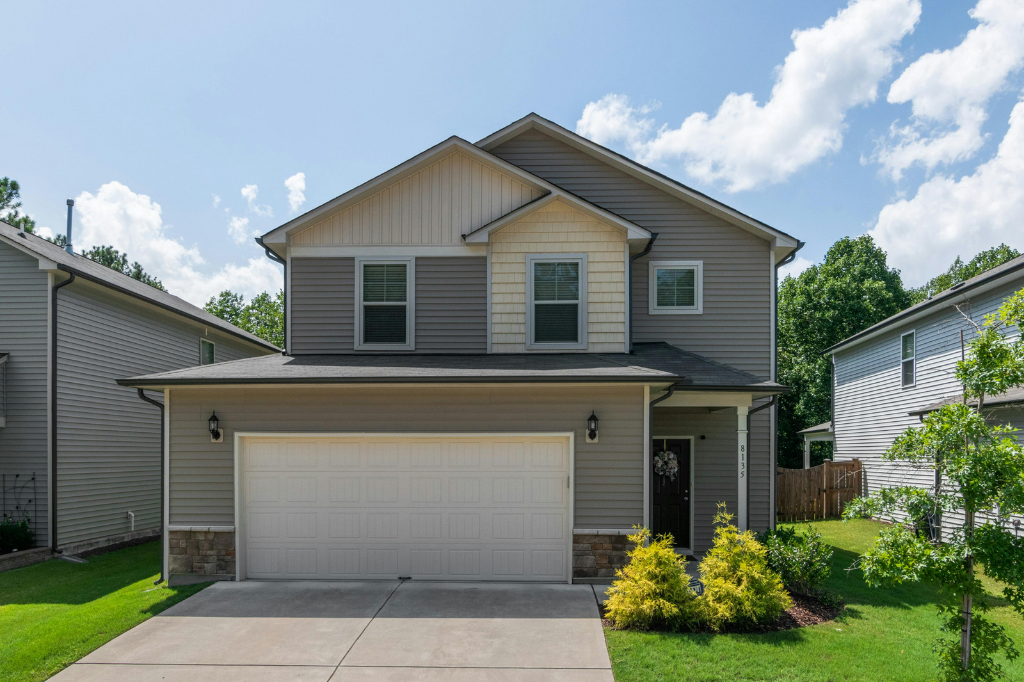
Waiving conditions in real estate can make an offer look stronger, but it can also create serious risk for buyers. In a competitive market, buyers may feel pressure to remove subjects so their offer stands out. That may help win the home, but it can also leave less room to confirm financing, review documents, inspect the property, or walk away safely. A subject-free offer is not always a bad idea. However, it should never be treated casually. The better question is not, “Will waiving conditions help me win?” The better question is, “What risk am I accepting if I remove this protection?” What Does Waiving Conditions Mean? In a real estate offer, conditions are clauses that must be satisfied before the buyer becomes fully committed to completing the purchase. Common buyer conditions include: Financing approval Home inspection Insurance confirmation Strata document review Title review Sale of the buyer’s current home Legal review Property disclosure review Once a buyer waives conditions, or writes an offer with no subjects, the offer becomes firmer from the beginning. That can appeal to a seller because it reduces uncertainty. For the buyer, it may also reduce options if a problem appears later. Why Buyers Waive Conditions Buyers usually waive conditions because of competition. If several buyers want the same property, a seller may prefer a cleaner offer with fewer conditions, even if another offer is close in price. A subject-free offer can feel faster, simpler, and less likely to collapse. Buyers may consider waiving conditions when: The market is competitive There are multiple offers The property is rare Due diligence has already been completed Financing is strong The buyer understands the risk However, pressure is not the same as preparation. A buyer should not waive conditions simply because they are tired of losing offers. The Financing Risk The financing condition is one of the most important protections in an offer. A mortgage pre-approval is helpful, but it is not final approval for a specific property. Lenders still need to review the home, appraisal, borrower details, insurance, and other risk factors. If a buyer waives financing and the lender later declines the file, lowers the approved amount, or raises concerns about the property, the buyer may still be expected to complete the purchase. That can lead to: Losing the deposit Being sued for seller losses Needing emergency financing Paying higher borrowing costs Being unable to complete on time Before waiving a financing condition, buyers should speak with their mortgage broker or lender about the exact property and the full risk. The Inspection Risk A home inspection condition gives buyers time to understand the physical condition of the property. Without that condition, buyers may accept unknown issues. This matters because even well-presented homes can have hidden problems behind walls, below grade, or in older systems. Inspection concerns may include: Roof age Drainage issues Electrical concerns Plumbing problems Moisture or mould Heating system age Oil tank risk Structural issues Unpermitted renovations In Greater Victoria, many homes have been renovated, expanded, or updated over several decades. A home can look beautiful and still carry expensive repair risk. The Strata Document Risk For condos and townhomes, waiving conditions before reviewing strata documents can be risky. Strata documents can reveal issues that a showing cannot, including: Depreciation reports Insurance concerns Special levies Building repairs Bylaws Financial statements Contingency reserve fund levels Litigation or major building concerns Pet, rental, smoking, parking, and storage rules If buyers waive the strata document condition too early, they may later discover issues that affect affordability, lifestyle, or resale value. The Insurance Risk Insurance is easy to overlook, but it matters. Some properties may be harder or more expensive to insure because of age, condition, location, prior claims, building systems, or strata insurance issues. For detached homes, buyers may need to confirm coverage for older wiring, oil tanks, wood stoves, water damage history, roofing condition, or rural and waterfront exposure. For strata properties, buyers should understand both the strata corporation’s insurance and their own unit owner’s policy. If insurance cannot be secured, financing may also be affected. The Title and Legal Risk Title review helps buyers understand whether anything is registered against the property. These may include: Easements Covenants Rights of way Building schemes Encroachments Charges Access issues Some items may be minor. Others can affect future renovations, development plans, property use, or enjoyment of the home. The Home Buyer Rescission Period Is Not a Replacement for Conditions In BC, the Home Buyer Rescission Period gives buyers a limited right to rescind many residential purchase contracts within three business days after acceptance. However, it is not the same as having normal buyer conditions. If a buyer uses the rescission right, they must pay the seller a rescission fee equal to 0.25% of the purchase price. On a $900,000 purchase, that fee would be $2,250. The rescission period may provide limited time to reconsider, but it does not replace proper due diligence. It also may not apply to every type of transaction, so buyers should confirm the rules before relying on it. When Waiving Conditions May Be More Reasonable Waiving conditions may be less risky when the buyer has already completed meaningful preparation. For example: Financing has been reviewed in detail The lender understands the property type A pre-inspection has been completed Strata documents have already been reviewed Insurance has been confirmed Title has been checked The buyer has cash reserves The risks have been clearly discussed Even then, risk remains. The goal is not to eliminate risk completely. The goal is to avoid making a blind decision. When Buyers Should Be Very Cautious Waiving conditions can be especially risky when: The home is older There is visible deferred maintenance The buyer is close to their maximum budget Financing is high-ratio The property has unauthorized work The property is tenanted The home is rural, waterfront, or on septic There may be an oil tank Strata documents are not available The purchase depends on selling another property Winning the property is not the same as making a smart purchase. Strong Offers Do Not Always Mean No Conditions A buyer can still write a strong offer with conditions. Strength can also come from: A fair price A larger deposit Short but realistic condition dates Flexible completion and possession dates Clear communication Pre-approved financing A clean contract Strong supporting documentation Sometimes the best strategy is not to waive everything. It is to keep the right conditions and make the rest of the offer as clean as possible. Questions to Ask Before Waiving Conditions Before writing a subject-free offer, buyers should ask: Have we spoken with our mortgage broker about this exact property? Do we understand the appraisal risk? Have we reviewed the strata documents? Have we confirmed insurance availability? Do we understand the likely repair risks? Have we reviewed title or key documents? Do we have enough cash if something unexpected appears? Can we still complete if financing changes? Are we making this decision because it is smart, or because we feel pressured? If the answer is unclear, the buyer may not be ready to waive conditions. Final Thoughts Waiving conditions in real estate can help a buyer compete, but it should never be treated as a simple offer tactic. Conditions exist for a reason. They give buyers time to confirm that the property, financing, documents, insurance, and legal details are acceptable before becoming fully committed. The goal is not just to win the home. The goal is to win the right home on terms you understand. If you are thinking about waiving conditions or writing a competitive offer in Greater Victoria, contact Faber Real Estate Group for guidance before you take on unnecessary risk. Lena N., 5-Star Review, via Google “I have worked with Scott and Zach on my listing and it has been a pleasure to work with both diligent and professional agents. They have been communicative and friendly. Hope to do more collaboration and deals with you both in the near future!” Faber Real Estate GroupRoyal LePage Coast Capital Realty📞 250-244-3430📧 [email protected]ℹ️ Scott Faber Personal Real Estate Corporationℹ️ Cal Faber Personal Real Estate CorporationVanessa Wood, Zachary Parsons, and Sophie Taylor “Building Lasting Relationships, One Home at a Time.”
Read more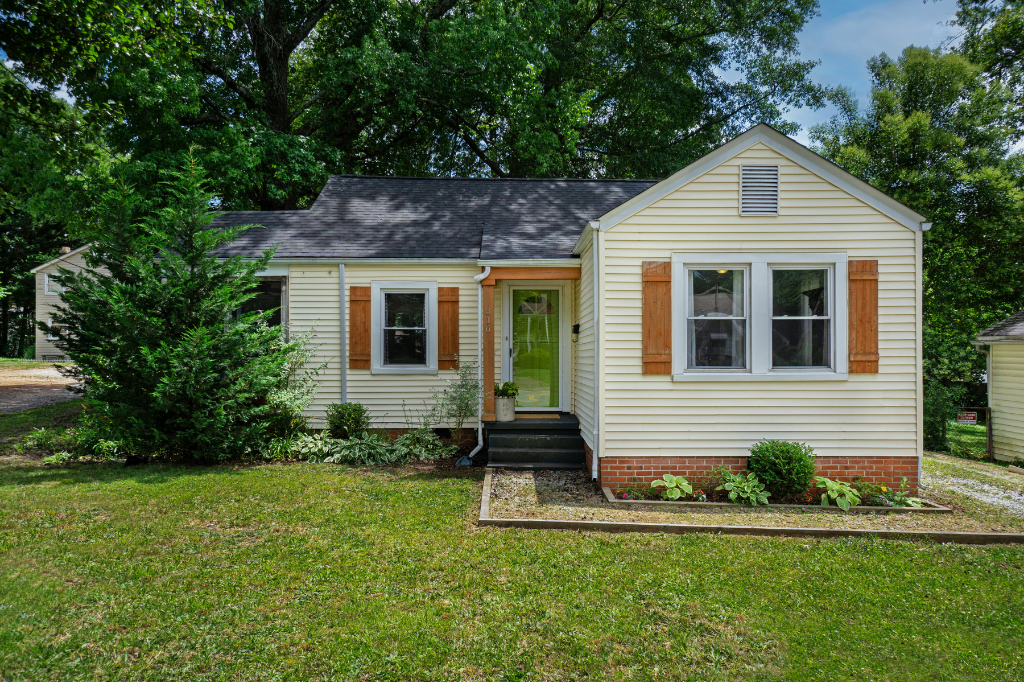
The biggest mistakes first-time buyers make in Victoria usually do not come from one huge decision. They come from several small assumptions that add up. In today’s market, buyers have more room to think than they did in tighter years, but that does not mean mistakes disappear. In March 2026, the Victoria Real Estate Board reported 3,261 active listings, up 7.9 per cent from a year earlier, and noted that current conditions are giving buyers more time for due diligence. That is helpful, but only if buyers use that time well. A lot of first-time buyers assume the hardest part is getting an accepted offer. In reality, many of the biggest mistakes happen before that stage, especially around budgeting, property type, strata review, and understanding the true cost of ownership. Mistake 1: Budgeting Only for the Down Payment This is one of the biggest first-time buyer mistakes in Victoria. Many buyers focus on saving for the down payment but forget about closing costs, adjustments, inspection costs, legal fees, property transfer tax, and moving expenses. In Canada, insured purchases can still start with as little as 5 per cent down, depending on price, but that does not mean the total cash needed is small. CMHC says the minimum down payment is 5 per cent up to $500,000, then 10 per cent on the portion above that, and homes at $1.5 million or more require at least 20 per cent down. In BC, many first-time buyers also misunderstand the Property Transfer Tax exemption. The Province says qualifying first-time buyers may be exempt on the first $500,000 of the purchase price if the fair market value is $835,000 or less, with a partial exemption up to $860,000. The lesson is simple: a purchase budget is not the same as a showing budget. Mistake 2: Shopping by Monthly Payment Alone A lot of buyers begin with, “What can I afford per month?” That is a useful starting point, but it is not enough. In Victoria, ownership costs can vary significantly depending on property type. A condo may have lower purchase price but higher strata fees. A detached home may offer more control but larger maintenance exposure. A townhouse may sit somewhere in between. Buyers who focus only on mortgage payment often miss the full carrying cost picture. The better question is: what is my all-in monthly cost? what level still feels comfortable if rates, insurance, or strata fees change? how much room do I have left after ownership costs? That is where smart first-time buyer planning starts. Mistake 3: Underestimating the Importance of Strata Documents This is a major one in Victoria because condos and townhomes make up such a meaningful part of the entry-level market. Many first-time buyers fall in love with the unit and ignore the corporation behind it. That is risky. Meeting minutes, bylaws, rules, financial statements, depreciation reports, and contingency reserves often reveal things the photos never will. Buyers should be asking: are there upcoming special assessments? are there ongoing building issues? are rentals and pets allowed? are the rules compatible with how I want to live? is the strata proactive or reactive? The wrong strata can turn an affordable purchase into an expensive lesson. Mistake 4: Assuming More Inventory Means Every Buyer Has Huge Leverage Victoria’s current market gives buyers more choice, but that does not mean every property is soft or every seller is desperate. CREA’s Victoria market conditions data for Q1 2026 shows median days on market at 26 for single-family homes, 31 for townhouses, and 30 for condominiums. That means buyers generally have more breathing room than in a frenzy market, but good listings can still attract strong interest. First-time buyers make mistakes when they go too far in either direction: panicking and overpaying because they assume everything will get away from them lowballing every listing because they assume the market is weak across the board A smarter approach is to adjust offer strategy based on the property, the competition, the days on market, and the seller’s position. Mistake 5: Treating the Rescission Period Like a Planning Tool BC’s Home Buyer Rescission Period gives buyers the right to rescind an accepted residential offer within three business days, excluding weekends and holidays. However, BCFSA makes clear that if the buyer rescinds, they must pay a rescission fee of 0.25 per cent of the purchase price to the seller. This is where first-time buyers get confused. The rescission period is not a replacement for preparation. It is a consumer protection tool. Buyers who write offers before understanding financing, reviewing available documents, or speaking with the right professionals are creating stress that often could have been avoided. Mistake 6: Buying for Today Only A first home does not need to be a forever home. However, it should still work for more than six months. Some buyers focus so heavily on “getting in” that they ignore how the property fits their likely next chapter. That can lead to buying a home that becomes too small, too restrictive, too expensive to keep, or too hard to resell. Before buying, first-time buyers should think about: likely time horizon commute and routine storage and parking needs pet or rental restrictions whether the layout will still work in a few years A first purchase should create options, not just solve urgency. Mistake 7: Not Building the Right Team Early This mistake is easy to overlook because it feels less urgent than browsing listings. Still, first-time buyers often wait too long to line up a mortgage broker, real estate lawyer or notary, home inspector, and trusted agent. That delay creates rushed decisions later. A better process is to get the support structure in place before you fall in love with a home. That way, when the right property appears, you can move with confidence instead of scrambling. Mistake 8: Letting Headlines Drive the Entire Decision Buyers often swing between two extremes: “I need to buy now before it gets worse” “I should wait because everything feels uncertain” Neither reaction is a strategy. Victoria’s current market is more balanced than it was in high-pressure periods, but it is not one uniform story. VREB’s March 2026 update showed lower year-over-year sales, higher inventory, and a more measured environment for buyers and sellers. That does not automatically mean “buy now” or “wait.” It means first-time buyers need to make decisions based on their budget, timeline, and property fit, not just emotion. (vreb.org) What First-Time Buyers Should Do Instead The strongest first-time buyers in Victoria usually do five things well: they understand their full budget they compare property types honestly they review strata or property documents carefully they tailor offer strategy to the listing they make decisions based on fit, not panic That does not eliminate uncertainty. It reduces avoidable mistakes. Final Thought The biggest mistakes first-time buyers make in Victoria are usually preventable. They happen when buyers rush the wrong parts, ignore the fine print, or confuse market noise with strategy. If you are planning your first purchase and want grounded advice on budget, property type, and offer strategy, contact Faber Real Estate Group for practical guidance built around the current Victoria market. Wilson, 5-Star Review, via Google “Amazing people there! They will help you through the entire process and will always make you feel like family. For those first time home buyers, don't be intimidated entering the market because they will explain every process and guide you through.” Faber Real Estate Group Royal LePage Coast Capital Realty 📞 250-244-3430 📧[email protected] ℹ️ Scott Faber Personal Real Estate Corporation ℹ️ Cal Faber Personal Real Estate Corporation Vanessa Wood, Zachary Parsons, and Sophie Taylor “Building Lasting Relationships, One Home at a Time.”
Read more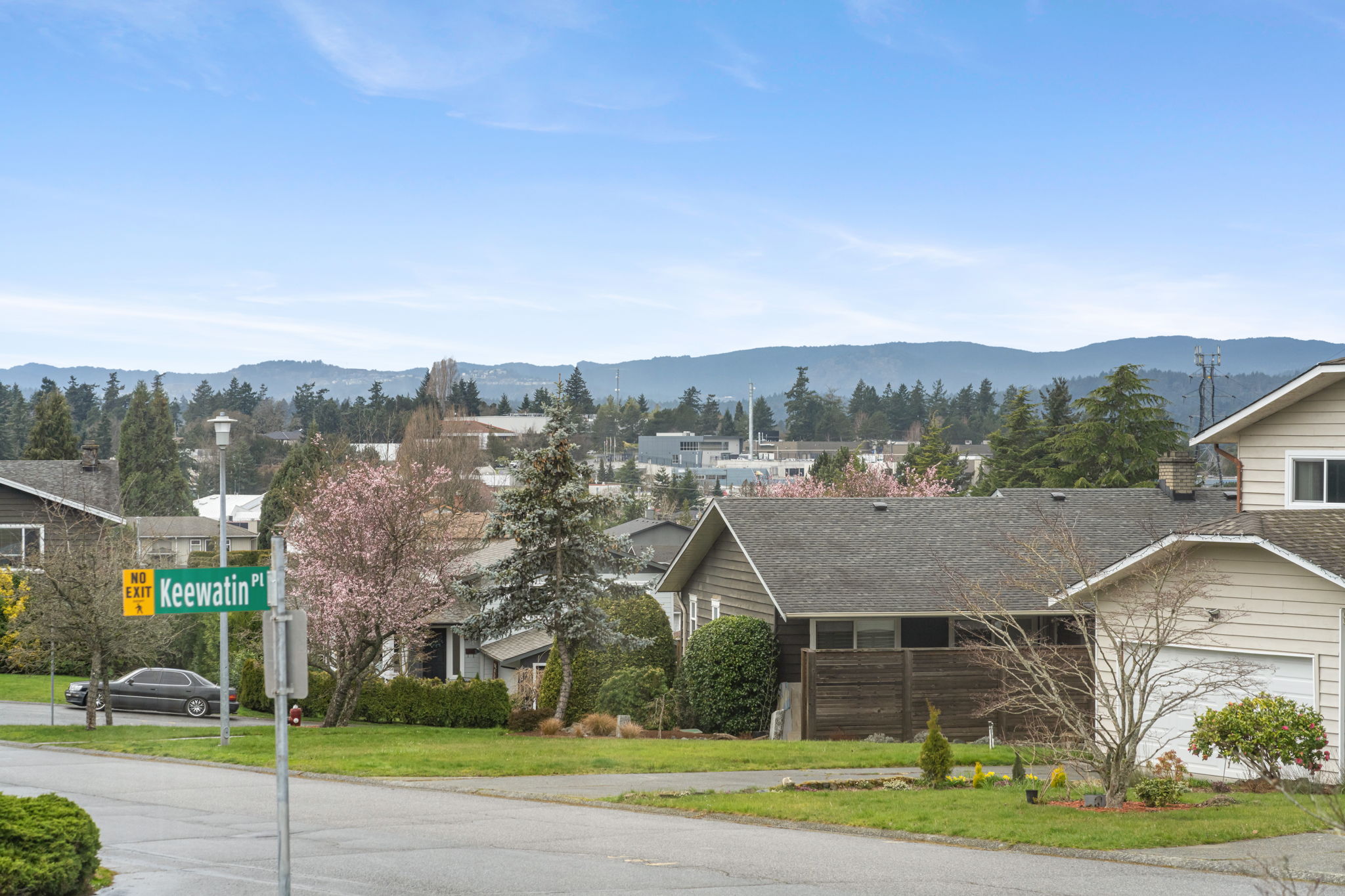
For Saanich house buyers, the biggest story is not one single rule. It is the combination of planning changes, density rules, buyer tax thresholds, and transit-focused growth that could change what is available, where new housing appears, and how buyers think about value in 2026. Saanich is already working under an updated Official Community Plan adopted on May 7, 2024, and the municipality is now moving through more detailed housing and growth implementation steps. The practical takeaway is simple: if you are planning to buy a detached home in Saanich, you now need to think about more than the house itself. You also need to think about the lot, the zoning, proximity to major transit, redevelopment potential nearby, and whether your purchase still fits within current tax exemption thresholds. Those details can affect both your competition today and your resale position later. Why This Matters More in 2026 Saanich has been given a provincial housing target of 4,610 net new completed homes over five years, and the municipality says that target includes tripling permit volume over that period. At the same time, Saanich’s Housing Strategy now runs with a 10-year framework, and its 2026-2028 Priorities Plan lays out the next phase of actions to improve housing outcomes. That means buyers should expect continued pressure for more housing supply, faster approvals, and more change in established neighbourhoods than they may have seen in the past. For buyers, that does not automatically mean lower prices. What it often means first is more variation. One street may still feel mostly unchanged, while another nearby could see townhomes, houseplexes, or higher-density projects become part of the long-term picture. 1) Small-Scale Multi-Unit Housing Is Changing What a “House Lot” Means One of the biggest shifts is B.C.’s small-scale multi-unit housing framework. The Province requires local governments to allow at least: 3 units on parcels 280 m2 or smaller 4 units on parcels larger than 280 m2 6 units on qualifying larger lots near frequent bus service These requirements apply in single-family and duplex zones unless the zone already allows three or more units. For Saanich house buyers, this matters in a few ways: Some detached homes will become more attractive because of future infill potential Nearby lots may hold redevelopment value even if the current home looks modest Buyers may start paying more attention to frontage, lot size, servicing, access, and transit proximity Traditional “single-family feel” may change over time in some areas This does not mean every Saanich block is suddenly turning into a townhouse corridor. It does mean the value of land and the value of a house are separating more clearly in certain pockets. A buyer who understands that distinction can make a much stronger decision than one who shops on cosmetics alone. 2) Transit-Oriented Areas Could Reshape Some Saanich Locations Faster Saanich’s Transit-Oriented Area rules are already in effect. The municipality identifies four provincial transit-oriented areas in Saanich: Uptown exchange, Royal Oak exchange, UVic exchange, and VGH exchange. Within these areas, provincial legislation governs density, height, and residential parking rules. The key details are important: Lands within 200 m and 400 m of prescribed transit stations must be designated as TOAs Within these TOAs, the Province sets minimum density and height requirements Within 400 m, local governments cannot require minimum off-street residential parking, except accessible parking In Saanich, zoning bylaw amendments reflecting these parking changes were adopted on June 10, 2024 For buyers, this could affect value in two opposite ways. First, homes near these areas may benefit from stronger long-term land value and improved convenience. Second, buyers who want a quieter, lower-density setting may need to be more selective about where they buy and how close they are to a transit exchange. A detached house near a major transit node may become more desirable to one buyer and less desirable to another. That is why location analysis in Saanich is becoming more nuanced, not less. 3) The Shelbourne Valley Plan Could Change Buyer Expectations in That Corridor One of the most active planning conversations right now is the Shelbourne Valley Plan. On March 2, 2026, Saanich confirmed that the proposed updated plan is moving to a public hearing later this year. Council moved it forward with three amendments: changing the “Shelbourne Valley Centre” designation to Shelbourne Valley Village reducing the maximum building height in that area from 12 storeys to 6 storeys extending the northern boundary to designate selected properties as Urban Townhomes between Shelbourne Street and Lambrick Park Secondary School strengthening watershed-related guidance and measurable outcomes For buyers looking in or near Shelbourne, Cedar Hill, or UVic-adjacent pockets, this matters because it speaks to where future growth may go and what form that growth may take. In plain terms, the corridor is still moving toward more housing, but the shape of that growth is being refined. Buyers who want to be ahead of change should watch this area closely, especially if they care about future walkability, transit access, redevelopment potential, or neighbourhood character. 4) First-Time Buyer Tax Rules Still Matter, Especially in Saanich Price Ranges Many buyers focus heavily on mortgage rates and monthly payments, but the property transfer tax still matters. In B.C., the first-time home buyers’ exemption currently works like this: if the fair market value is $500,000 or less, an eligible buyer can claim a full exemption equal to the full amount of property transfer tax from over $500,000 to $835,000, the exemption amount is $8,000 from over $835,000 to under $860,000, the exemption is reduced proportionally That matters in Saanich because many detached homes trade well above those thresholds. For some buyers, that means the first-time buyer tax break may be more realistic on a condo, townhome, or smaller entry-level property than on a detached house. In other words, government thresholds can quietly shape what “smart entry point” means. There is also a separate newly built home exemption in B.C. with a full exemption up to $1,100,000 and a phase-out to $1,150,000 for qualifying purchasers. That can make certain new-build options more competitive than buyers assume at first glance. 5) The Home Buyer Rescission Period Still Changes Offer Strategy The Home Buyer Rescission Period is not new in 2026, but it remains an important part of how buyers should approach offers in Saanich and across B.C. BCFSA states that buyers have up to three business days after acceptance to rescind an offer on a home, excluding weekends and holidays. If they rescind, they must pay the seller a fee. This affects buyer behaviour because it changes the psychology of writing an offer. Some buyers feel more protected. Others underestimate the financial consequence of changing course. A rushed decision can still be expensive. In a market where inventory has improved and buyers often have more choice than they did a few years ago, disciplined due diligence still matters more than impulse. 6) Saanich’s Broader Housing Push Could Affect Competition and Opportunity Saanich’s housing work is not just about rezoning. The municipality has also tied its strategy to implementation tools such as the Housing Accelerator Fund. Saanich says it received nearly $15 million over four years through the federal Housing Accelerator Fund and is aiming to permit 1,727 new homes through the program period. That matters because faster approvals and more housing forms can gradually create more choice. For buyers, more choice can mean: less pressure to overreact better ability to compare neighbourhoods and product types more alternatives between condo and detached more emphasis on long-term suitability instead of short-term panic At the same time, added supply rarely arrives all at once. The likely reality is uneven change: some buyers will find better options, while others will still face competition for well-priced detached homes in established Saanich neighbourhoods. 7) Investors and Second-Home Buyers Should Also Watch Tax Changes For investors or buyers considering underused property, the speculation and vacancy tax is another factor to watch. The Province states that for 2026 and subsequent years, the rate is 3% for foreign owners and untaxed worldwide earners, and 1% for Canadian citizens or permanent residents who are not untaxed worldwide earners, where the tax applies. This will not affect every Saanich house buyer. But it can affect some ownership decisions, especially for buyers thinking about part-time use, empty homes, or more complex ownership structures. That matters because rules aimed at unused housing can influence both carrying costs and investment behaviour. What Saanich House Buyers Should Do Now The biggest mistake buyers can make is treating all of Saanich as if it is moving in one direction. It is not. Some pockets are more affected by transit-oriented growth. Some are more exposed to infill change. Others may remain relatively stable in character while still benefiting from broader supply improvements. A stronger approach is to ask five better questions before you buy: Is this property mainly a home value play, a land value play, or both? Is it near a transit-oriented area or frequent bus service that could change future density? Would nearby redevelopment improve convenience or change the feel of the street in ways that matter to me? Am I relying on a tax exemption that may not apply to the property type or price range I want? If I buy here, will this location still make sense for me in five to ten years as Saanich continues to grow? That is the real shift in 2026. Buyers are no longer just choosing between house A and house B. They are choosing between different planning contexts, different long-term neighbourhood trajectories, and different financial trade-offs. Final Thoughts For Saanich house buyers, the upcoming changes are less about one dramatic moment and more about a steady reset in how housing, land, and neighbourhood value will be understood. Provincial density rules, transit-area growth, evolving local plans, and tax thresholds are all shaping the next version of Saanich. Buyers who understand those layers will be in a much better position to buy with confidence instead of reacting late. Hilary M., 5-Star Review, via Google “Scott and the rest of the team at the Faber Real Estate Group are fantastic! Scott went above and beyond to find us the perfect property that checked all the boxes. He was extremely attentive and professional and made the entire process very enjoyable. His extensive experience in the real estate industry helped us to choose a property that suited us and he was able to give us lots of helpful insight throughout our experience. Highly recommend to anyone in need of a trustworthy, knowledgeable real estate agent.” Faber Real Estate Group Royal LePage Coast Capital Realty 📞 250-244-3430 📧[email protected] ℹ️ Scott Faber Personal Real Estate Corporation ℹ️ Cal Faber Personal Real Estate Corporation Vanessa Wood, Zachary Parsons, and Sophie Taylor “Building Lasting Relationships, One Home at a Time.”
Read more