
Posts Tagged ‘affordable homes Victoria BC’
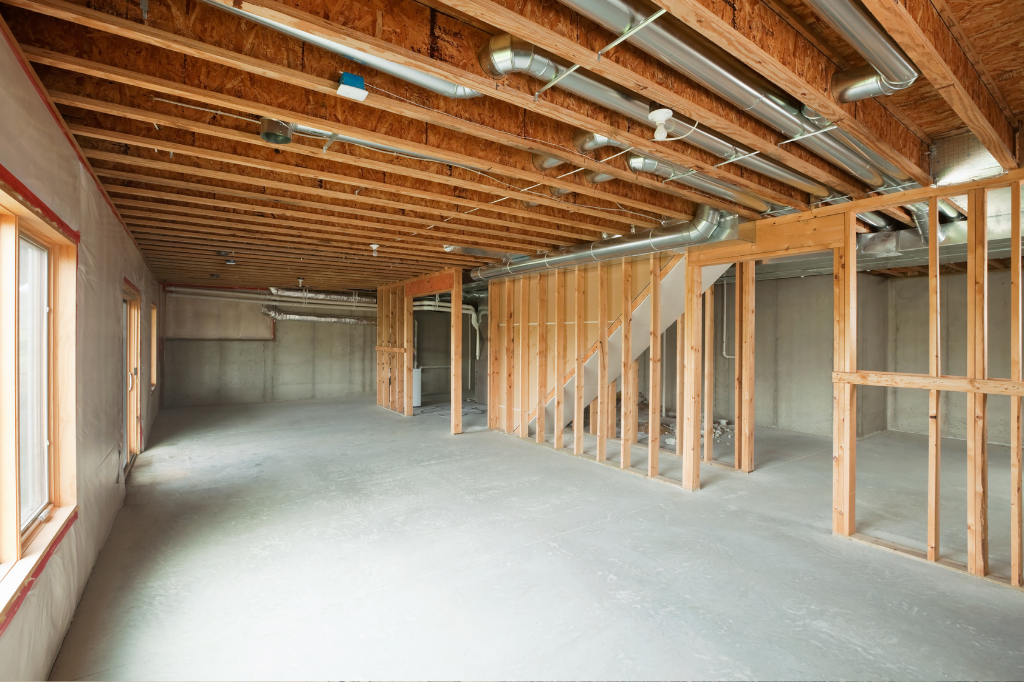
The cheapest home may cost more over time when the lower purchase price hides repairs, poor layout, location compromises, or resale challenges. For many buyers, especially in a high-cost market like Greater Victoria, the lowest price can feel like the safest choice. But the true cost of a home is not only what you pay on completion day. It is what you spend, fix, tolerate, and potentially lose when it is time to sell. A good purchase is not always the cheapest option. It is the home that fits your budget today while protecting your flexibility tomorrow. The Lowest Price Can Hide Bigger Repairs Some homes are priced lower for a reason. They may need a roof, perimeter drain work, windows, electrical updates, plumbing repairs, or heating system improvements. These costs can arrive quickly after possession, especially if the home has been under-maintained. A lower purchase price may still make sense if the buyer understands the work required. The risk comes when buyers stretch to purchase the home, then discover they do not have enough room left in the budget for repairs. Before choosing the cheaper option, buyers should ask: What repairs are urgent? What can wait? What might affect insurance or financing? What will this home likely need over the next five years? A home inspection is not just about finding problems. It helps buyers understand the cost of ownership. Location Trade-Offs Can Add Up A cheaper home may be farther from work, schools, transit, shops, or daily routines. At first, that trade-off can feel manageable. Over time, extra commuting, fuel, parking, and time can change the value equation. In Greater Victoria, small location differences can have a major effect on lifestyle. A home that saves money upfront may cost more if it adds stress to your daily schedule or makes future resale harder. This does not mean every buyer needs to live in a central neighbourhood. It means location should be measured beyond price. Convenience, commute, school catchments, walkability, and access to services all shape long-term value. Layout Problems Are Harder to Fix Than Paint Cosmetic issues are often easier to solve than functional ones. Paint, flooring, lighting, and hardware can change how a home feels. A poor layout is different. A home may be cheaper because it has awkward bedrooms, limited storage, poor natural light, low ceilings, too many stairs, or a kitchen that does not work well for daily life. These issues can affect enjoyment and resale. Buyers sometimes focus on what they can change and overlook what they cannot change easily. Before buying the cheapest home, consider whether the home’s layout supports how people actually live. Monthly Costs Matter More Than Purchase Price Alone The cheapest home may cost more if the ongoing expenses are higher. Older homes can come with higher heating bills, more maintenance, and larger repair needs. Some strata properties may have lower prices but higher monthly fees, upcoming special levies, or deferred maintenance. A smart comparison looks at the full monthly picture: Mortgage payment Property taxes Insurance Strata fees, if applicable Utilities Repairs and maintenance Commuting and parking costs Short-term and long-term improvement needs A slightly more expensive home with better condition, stronger efficiency, and fewer surprise costs may be more affordable over time. Resale Value Should Be Part of the Decision Most buyers do not want to think about selling before they have even moved in. But resale matters. Life changes. Jobs change. Families grow. Timelines shift. A home with limited buyer appeal may be harder to sell later. This can include unusual layouts, difficult access, poor parking, high noise exposure, major deferred maintenance, or a location with a smaller buyer pool. The goal is not to buy only for the next owner. The goal is to avoid buying something that solves today’s budget problem while creating tomorrow’s exit problem. When the Cheapest Home Does Make Sense Sometimes the cheapest home is the right choice. It may be a strong opportunity if the location is good, the inspection is reasonable, the layout works, and the buyer has budget room for improvements. The key is clarity. A lower price should come with a clear plan, not wishful thinking. The cheapest home may cost more when buyers overlook the real reason it is cheaper. But when the risks are understood, priced properly, and matched to the buyer’s goals, a lower-priced home can still be a smart move. The Bottom Line Price is only one part of value. The better question is not “What is the cheapest home I can buy?” It is “Which home gives me the best balance of affordability, condition, location, lifestyle, and resale confidence?” In Greater Victoria, where every neighbourhood and property type can behave differently, that kind of decision deserves careful advice. Before choosing the lowest-priced option, take time to understand the full cost of owning it. For guidance on comparing homes, reviewing trade-offs, or understanding long-term value in the Greater Victoria market, contact Faber Real Estate Group for advice or information. Carmel S., 5-Star Review, via Google “Cal Faber was our realtor for buying our house in Brentwood Bay. Subsequently he was our realtor for buying a business property for us as well along with help from his son Scott Faber. I have had more interaction with Cal and Scott and so I will say with enthusiasm that Cal was excellent in addressing our concerns, finding out details about our properties, he went beyond the call of duty to support us as new owners, both Cal and his son are conscientious, quick to respond with concerns, very kind and thoughtful and wonderful to work with. It would be hard to find more knowledgable and helpful realtors.” Faber Real Estate Group Royal LePage Coast Capital Realty 📞 250-244-3430 📧 [email protected] ℹ️ Scott Faber Personal Real Estate Corporation ℹ️ Cal Faber Personal Real Estate Corporation Vanessa Wood, Zachary Parsons, and Sophie Taylor “Building Lasting Relationships, One Home at a Time.”
Read more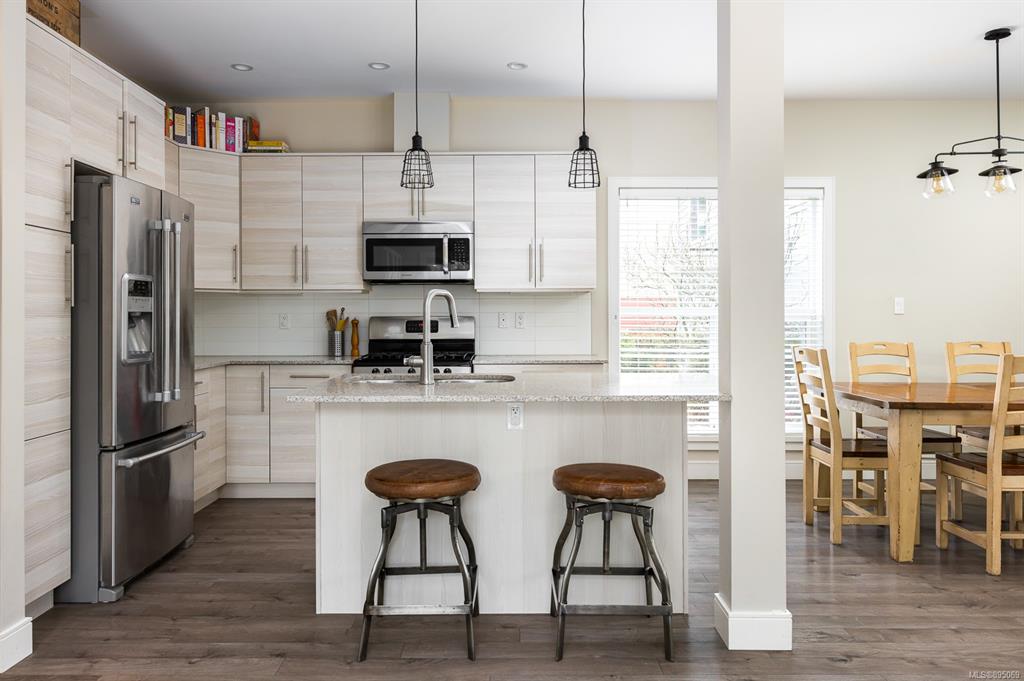
The $800K to $1M range feels competitive in Greater Victoria because it attracts several buyer groups at once. First-time buyers stretching their budget, move-up buyers looking for more space, downsizers wanting comfort, and investors watching long-term value can all end up looking at similar properties. That does not mean every home in this price range receives multiple offers. It means the best homes often attract focused attention quickly, especially when they are well priced, well located, and easy to move into. Why This Price Range Matters In Greater Victoria, the $800K to $1M range can represent very different options depending on the neighbourhood. In some areas, it may mean a larger condo or townhome. In others, it may open the door to an older detached home, a smaller family home, or a property that needs updates. This is why buyers in this price range often feel like they are comparing very different trade-offs. They may be asking: Do we choose location or more space? Do we buy newer and smaller, or older with more potential? Should we stay closer to Victoria, or look further into the Westshore? Is it better to accept renovation work, or pay more for move-in-ready condition? Those questions create competition because many buyers are trying to solve the same affordability problem in different ways. More Inventory Does Not Mean Every Home Is Easy to Buy Greater Victoria has offered buyers more choice recently, but that does not remove competition from every segment. A balanced market can still feel competitive when many buyers focus on the same price band. This is especially true for homes that check the most common boxes. Buyers tend to respond quickly when a home offers a good layout, practical parking, manageable maintenance, strong location, outdoor space, and a price that feels fair compared to recent sales. That type of property is easier to understand. It also feels easier to justify. The Best Homes Still Stand Out Buyers today are more selective, but they are not inactive. When a home feels fairly priced and does not require a long list of compromises, it can still move quickly. In the $800K to $1M range, competition often comes down to quality. A home with good presentation, a functional floor plan, and fewer obvious future costs can stand out against properties that feel dated, awkward, or overpriced. This explains why some listings sit while others receive strong interest right away. The market is not treating every property the same. Detached Homes Create Extra Pressure For many buyers, this price range is where detached home ownership may still feel possible in parts of Greater Victoria. That makes the segment more emotional and more competitive. A buyer may not be comparing one detached home to another. They may be comparing several different lifestyles at once. Common options include: A detached home farther from town A townhome in a more central location A larger condo with lower maintenance An older home with renovation potential A newer home with less outdoor space When detached inventory appears in this price range, buyers often look closely. There may not be many options that fit both their budget and lifestyle goals. Townhomes Can Be Just as Competitive Townhomes in this range often appeal to a wide group of buyers. They can offer more space than a condo, less upkeep than a detached home, and a layout that works for families, downsizers, and professionals. That broad appeal creates demand. A well-located townhome with parking, storage, outdoor space, and reasonable strata fees can attract buyers from several directions. Some may be priced out of detached homes. Others may prefer lower maintenance without giving up too much space. This overlap is one reason the $800K to $1M range can feel tighter than the overall market suggests. Buyers Are Competing on Certainty, Not Just Price In a competitive segment, the highest offer does not always win by price alone. Sellers also look at confidence, timing, conditions, deposit strength, and how clean the offer is. That does not mean buyers should waive important protections without understanding the risk. It means preparation matters. Before writing an offer, buyers should be clear on: Financing comfort Deposit availability Inspection strategy Subject removal timeline Recent comparable sales The property’s likely resale appeal What they are willing to compromise on Strong preparation helps buyers move with confidence instead of reacting under pressure. Sellers Still Need to Be Careful For sellers, the $800K to $1M range can be a strong segment, but success is not automatic. Buyers have more information, more listings to compare, and less patience for ambitious pricing. A seller who assumes competition will solve everything can miss the mark. Presentation, pricing, and condition still matter. The strongest results often come from making the home easy to understand, easy to view, and easy to compare against recent sales. When buyers can quickly see the value, they are more likely to act. The Bottom Line The $800K to $1M range feels competitive because it captures many of the most practical buyer needs in Greater Victoria. It is where lifestyle, affordability, space, and long-term value often meet. For buyers, the key is preparation. For sellers, the key is positioning. In both cases, success comes from understanding the micro-market, not relying on broad headlines. If you are buying or selling in this price range, contact Faber Real Estate Group for advice on pricing, strategy, and how to make confident decisions in the Greater Victoria market. Justine D., 5-Star Review, via Google “Cal and Scott treated us like family. We had only 5 days to find a home and Cal cleared his schedule to make himself available to us. Cal guided us in the purchase of our home, as if we were a member of his family asking for advice. I knew we could trust Cal. His service to us did not stop with the purchase of our home…he helped us find trades people and provided information about rental incomes in the area. We were new to the Island and I honestly felt that Cal adopted us and has made sure we had everything we needed. We did not just gain a realtor, but a friend. If you are looking for a realtor you can TRUST, and will look out for YOUR interests— then Cal and Scott are IT!!! I would recommend them to anyone looking to buy a home on the Island. I should also mention that Cal negotiated an amazing price on the purchase of our home and made sure if something was not right when we took possession that it would be taken care of. Cal and Scott and realtors with integrity and kindness..” Faber Real Estate Group Royal LePage Coast Capital Realty 📞 250-244-3430 📧 [email protected] ℹ️ Scott Faber Personal Real Estate Corporation ℹ️ Cal Faber Personal Real Estate Corporation Vanessa Wood, Zachary Parsons, and Sophie Taylor “Building Lasting Relationships, One Home at a Time.”
Read more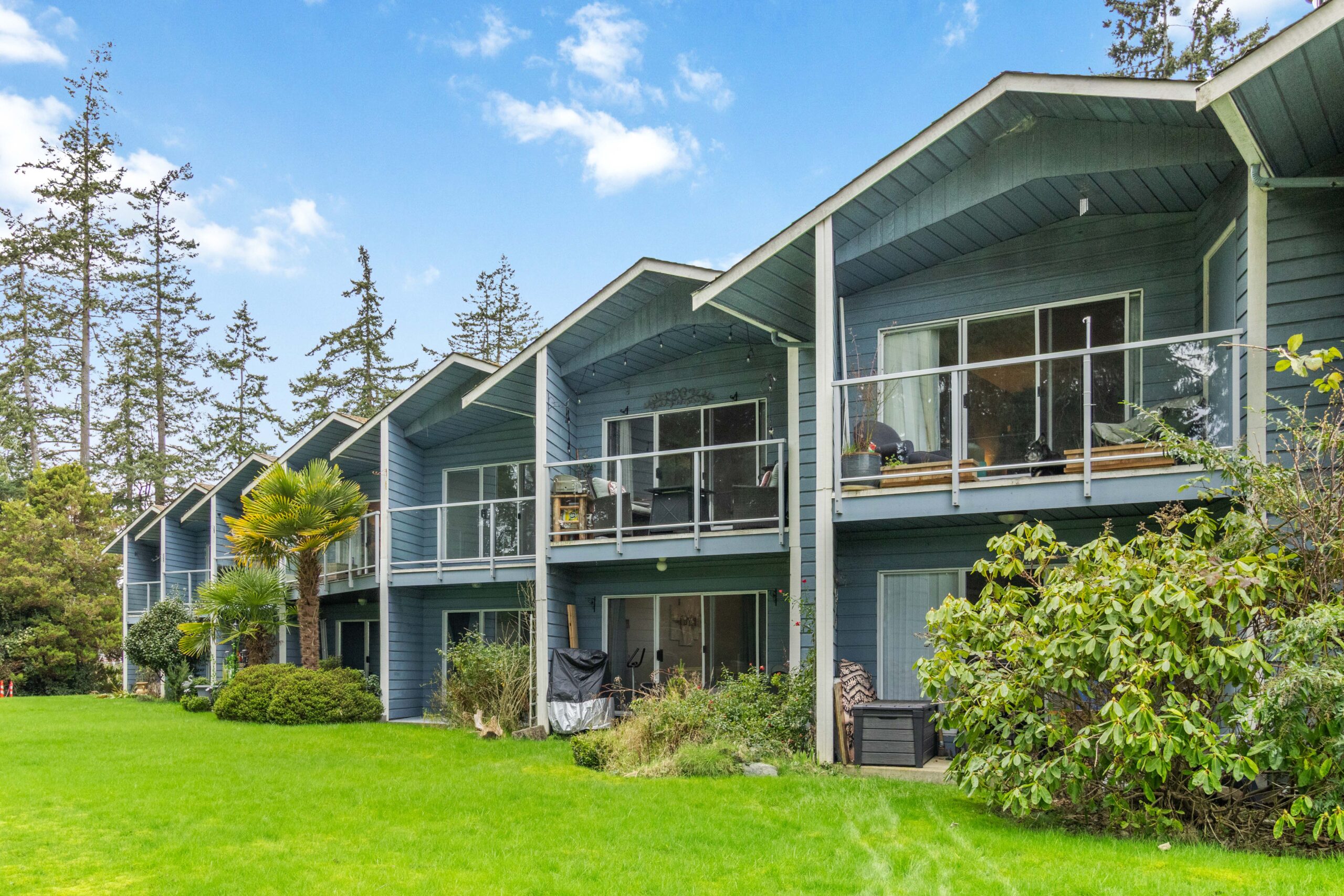
A good deal vs cheap house can look similar at first. Both may have a lower price, attract attention, and feel like an opportunity. However, in real estate, the cheapest home is not always the smartest buy. For buyers in Greater Victoria, this difference matters. A lower price can help with affordability, but it can also hide risk. Before you move forward, you need to understand the full picture. The goal is not to buy the cheapest home. The goal is to buy the right home at the right price. A Cheap House Starts With Price A cheap house usually stands out because it costs less than similar homes. That may happen because of: Major repairs An awkward layout A weaker location Deferred maintenance Limited parking Financing concerns Insurance concerns Low buyer demand Sometimes, a cheap house is a real opportunity. Other times, the price simply reflects the risk. So, before assuming it is a bargain, ask why the property is cheaper. A Good Deal Starts With Value A good deal is different. A good deal means the home offers strong value for the price and risk involved. It may not be perfect, but the trade-offs should be clear and manageable. A good deal may include: A fair or below-market price A strong location Manageable repairs Good resale appeal A practical layout Solid building fundamentals Less buyer competition This is where the good deal vs cheap house distinction becomes important. A low price gets attention. Strong value protects you. Cheap Can Become Expensive A lower purchase price can feel like a win. However, major repairs can quickly change the numbers. Buyers should look closely at: Roof age Drainage Plumbing Electrical systems Foundation concerns Oil tank risk Water ingress Strata documents Upcoming special levies For example, saving money on the purchase price may not help if the home needs expensive repairs right away. This is especially true with older homes in Greater Victoria. Some have been well maintained. Others may need more work than buyers expect. Location Still Matters A cheaper home in the wrong location may not be the better deal. Location affects: Resale demand Walkability Commute times School access Noise Rental appeal Future buyer interest You can update flooring, paint, and cabinets. You cannot move a home away from a busy road, poor exposure, or limited access. As a result, a well-priced home in a stronger location can be a better long-term decision than a cheaper home with location challenges. Potential Is Not the Same as Value Many buyers see a dated home and think, “This has potential.” Sometimes, that is true. Cosmetic issues can create an opportunity if the home has good bones. However, cosmetic work is very different from serious risk. Be careful with homes that may have: Structural issues Moisture problems Poor renovations Old wiring Plumbing concerns Permit issues Building envelope problems A good deal has problems you can understand and price properly. A cheap house often has problems buyers underestimate. The Home Still Needs to Fit Your Life A home can be affordable and still be the wrong fit. Before buying, ask: Will the commute work? Does the layout fit your lifestyle? Can you afford the repairs? Do you have time for renovations? Will the home still work in five years? Are you choosing it because it is right, or because it is cheaper? A cheap house can become stressful if it forces too many compromises. Therefore, the right deal should support your life, not just your budget. Inspections Help Clarify Risk A home inspection does not make a property good or bad. Instead, it helps you understand what you are buying. After inspection, separate issues into three groups: Normal maintenance Negotiation items Serious risks Normal maintenance may include small repairs or aging finishes. Negotiation items may affect price or terms. Serious risks may involve safety, financing, insurance, structure, or moisture. If the issues are manageable, the home may still be a good deal. If the repair list grows quickly, the cheap price may not tell the full story. Strata Buyers Need Extra Caution For condos and townhomes, price can be misleading. A lower-priced strata property may come with: High strata fees Weak contingency planning Upcoming special levies Insurance concerns Rental restrictions Pet restrictions Deferred maintenance Poor resale appeal Because of this, a cheap condo is not automatically a good entry point into the market. A strong condo deal should include a fair price, sound building management, reasonable fees, a practical floor plan, and healthy resale demand. Final Thoughts The difference between a good deal and a cheap house is simple. A cheap house has a low price. A good deal has strong value. Before writing an offer, look beyond the list price. Consider the location, condition, repair costs, financing, lifestyle fit, and resale potential. That is how buyers make better decisions in Greater Victoria’s real estate market. If you are trying to decide whether a home is a true opportunity or just a cheaper property with hidden problems, contact Faber Real Estate Group for advice before you write an offer. Michael B., 5-Star Review, via Google “Excellent experience with Faber group! Zach is an amazing young professional, he is very knowledgeable and explained everything to me (a first time buyer) very well. Towards the end I got to work with Cal as well who was also very kind and professional. I would certainly recommend Faber group.” Faber Real Estate GroupRoyal LePage Coast Capital Realty📞 250-244-3430📧 [email protected]ℹ️ Scott Faber Personal Real Estate Corporationℹ️ Cal Faber Personal Real Estate CorporationVanessa Wood, Zachary Parsons, and Sophie Taylor“Building Lasting Relationships, One Home at a Time.”
Read more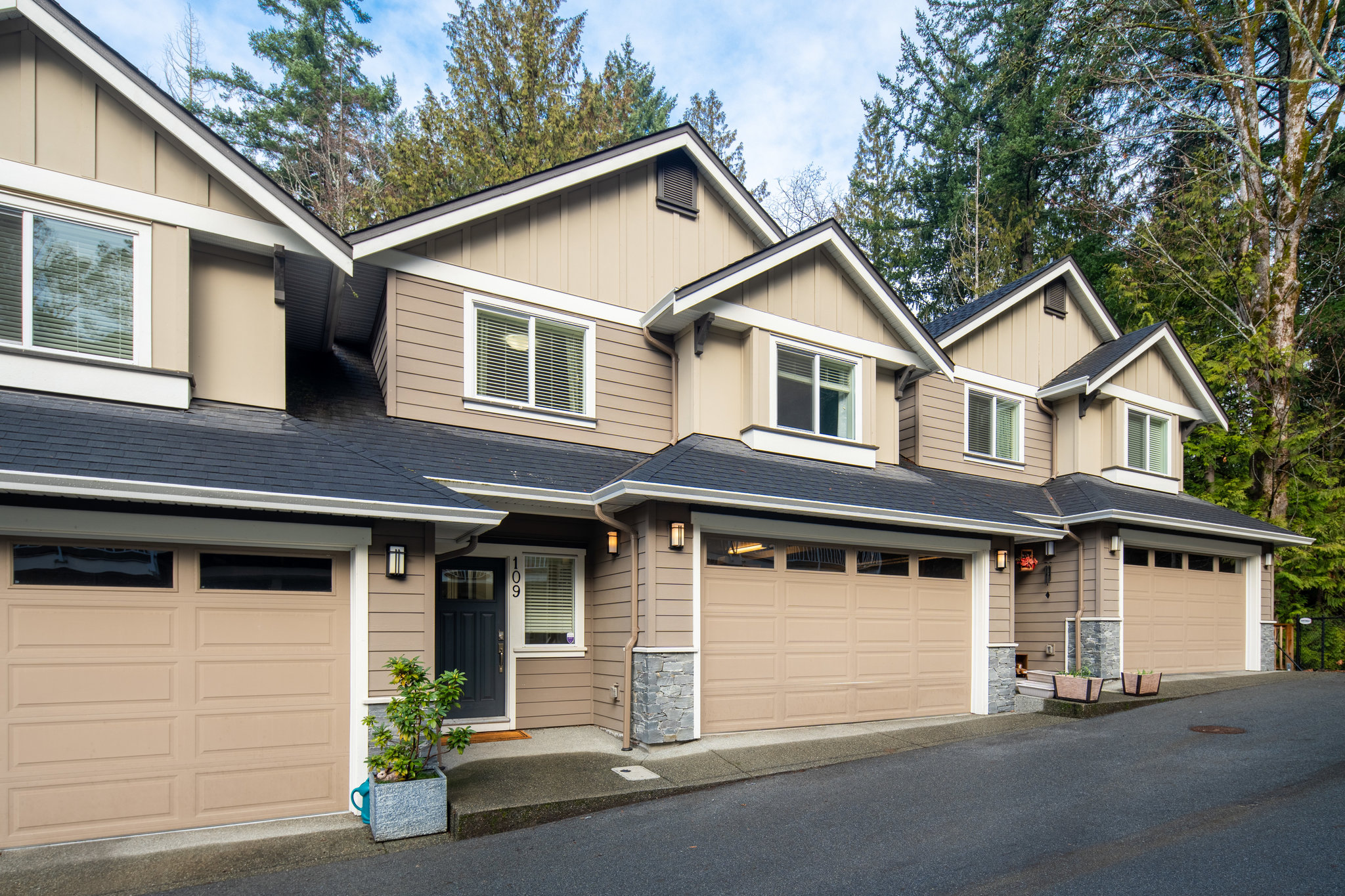
For buyers considering Langford, Colwood, or View Royal, one question comes up again and again: is the Westshore commute worth it? The Westshore continues to attract buyers with more attainable pricing, larger homes, and access to nature. In a balanced 2026 market with higher inventory and stable prices, many buyers are weighing commute time against lifestyle benefits. The answer depends largely on how you work, travel, and spend your time. Traffic Reality in 2026 For those commuting by car, traffic remains the biggest drawback. Highway 1 is the main route into downtown Victoria, and congestion during peak hours can significantly extend drive times. What should be a short commute can stretch to 45 minutes or more on busy mornings. Growth in the Westshore has outpaced infrastructure, creating bottlenecks that are still being addressed. While improvements such as bridge upgrades and dedicated bus lanes have helped, traffic remains inconsistent. Buyers who drive daily need to factor this into their routine, especially if they work standard office hours. That said, proximity matters. Homes closer to Highway 1 or transit corridors in Colwood and View Royal can offer slightly more predictable travel times. Public Transit as an Alternative For buyers looking to avoid driving, public transit continues to improve. BC Transit’s Blink RapidBus provides frequent service between the Westshore and downtown, using dedicated lanes to reduce delays. During peak hours, buses arrive often enough to support daily commuting. Transit works especially well for students, downtown workers, and households with flexible schedules. However, some routes can still feel crowded, and transit times may not suit everyone. While transit is a viable option, it works best when paired with realistic expectations. Remote and Hybrid Work Changes the Equation Work-from-home and hybrid schedules have reshaped the Westshore commute conversation. In 2026, many buyers no longer travel five days a week. Even commuting two or three days instead of five significantly reduces the impact of traffic. This shift has made the Westshore more appealing for professionals in tech, government, and remote-friendly roles. For buyers with flexible work arrangements, the commute often becomes a manageable trade-off rather than a daily frustration. Space, Value, and Lifestyle Benefits What the Westshore lacks in proximity to downtown, it makes up for in space and value. Buyers typically get larger homes, newer construction, and better value per square foot compared to Victoria’s core neighbourhoods. Communities like Westhills and Bear Mountain offer planned developments with parks, trails, and amenities built in. Access to nature is a major draw, with nearby options like the Galloping Goose Trail, Goldstream Park, and Florence Lake supporting an active lifestyle year-round. For families and outdoor-focused buyers, these lifestyle benefits often outweigh longer travel times. Pros and Cons at a Glance Pros More affordable homes with larger layouts Strong access to parks, trails, and outdoor recreation Improved transit options and remote work flexibility High inventory and buyer leverage in 2026 Cons Traffic congestion during peak hours Longer drives to downtown amenities Ongoing infrastructure pressure as the area grows Bottom Line So, is the Westshore commute worth it? For buyers prioritizing space, affordability, and lifestyle, the answer is often yes, especially with hybrid or remote work. For those who value short commutes and walkable urban living, the trade-offs may feel more significant. In a 2026 market that favours buyers, the Westshore offers real value if the commute fits your routine. If you are considering Langford or Colwood, understanding how these factors align with your lifestyle is key to making the right move. Ready to explore options in Langford or Colwood? Contact us to discuss how these factors play into your home search. Don S., 5-Star Review, via Google “I would recommend them to anyone buying real estate on the Vancouver Island. The team is very knowledgeable, courteous and professional, adding a personal touch to building a strong relationship.” Faber Real Estate Group Royal LePage Coast Capital Realty 📞 250-244-3430 📧[email protected] ℹ️ Scott Faber Personal Real Estate Corporation ℹ️ Cal Faber Personal Real Estate Corporation Vanessa Wood, Zachary Parsons, and Sophie Taylor “Building Lasting Relationships, One Home at a Time.”
Read more
For many buyers entering the market in 2026, the first-time buyer West Shore market continues to stand out. Langford and Colwood offer more attainable price points than many core Victoria neighbourhoods, while still providing strong amenities, transit access, and long-term growth potential. These communities attract first-time buyers who want value without sacrificing lifestyle or resale prospects. Langford: Entry-Level Options With Urban Convenience Langford remains one of the most accessible markets for first-time buyers on the South Island. What buyers can expect: Condominiums and newer townhomes often priced below comparable properties in Victoria proper Walkable pockets near Westshore Town Centre, Belmont Market, and major employers Consistent new construction, which helps maintain supply and choice For a first-time buyer West Shore strategy, Langford offers flexibility. Buyers can often choose between established resale condos or newer builds with modern layouts and warranties. Colwood: Stability, Community, and Long-Term Value Colwood tends to appeal to buyers who prioritize neighbourhood feel and long-term ownership. Key advantages include: Townhomes and older single-family homes that remain more attainable than core Victoria Proximity to schools, parks, and the Esquimalt Lagoon Slower turnover, which supports stable values over time While inventory can be tighter than Langford, Colwood rewards patience, especially for buyers seeking more space at an entry-level price point. Typical Affordable Entry Points in 2026 While market conditions continue to shift, first-time buyers in the West Shore commonly focus on: One- and two-bedroom condos Stacked or traditional townhomes Older single-family homes requiring cosmetic updates Understanding strata fees, future maintenance costs, and neighbourhood development plans is essential when evaluating affordability. Key Tips for First-Time Buyers Get pre-approved early to move quickly when the right property appears Compare total monthly costs, not just purchase price Consider resale potential alongside affordability A thoughtful approach helps first-time buyers balance short-term budget comfort with long-term equity growth. Final Thoughts For buyers entering the market in 2026, the first-time buyer West Shore opportunity remains strong. Langford offers choice and convenience, while Colwood provides community and stability. With the right guidance and preparation, both areas can serve as smart entry points into Greater Victoria real estate. Shauna S., 5-Star Review, via Google “Both Scott and Cal assisted us in selling and purchasing. It was a big move for us but they both assisted us in getting more than we initially expected and getting us into a really great property. They helped us work through some issues on both ends and were very professional and helpful! We recommend them to our friends and family who need an agent.” Faber Real Estate Group Royal LePage Coast Capital Realty 📞 250-244-3430 📧[email protected] ℹ️ Scott Faber Personal Real Estate Corporation ℹ️ Cal Faber Personal Real Estate Corporation Vanessa Wood, Zachary Parsons, and Sophie Taylor “Building Lasting Relationships, One Home at a Time.”
Read more
The Tillicum and Gorge area continues to attract buyers looking for affordability without sacrificing location. In 2026, balanced market conditions have increased buyer choice, making this area especially appealing for first-time buyers, downsizers, and value-focused investors. Tillicum and Gorge real estate benefits from strong transit links, central positioning, and pricing that remains more attainable than many core Victoria neighbourhoods. Why Buyers Look to Tillicum and Gorge This area sits just minutes from downtown Victoria, Uptown, and the Trans-Canada Highway. Key advantages include: Easy access to major employment hubs Strong public transit and cycling routes Proximity to parks, the Gorge Waterway, and shopping For buyers who want convenience without downtown pricing, the location remains a major draw. Affordability Compared to Core Neighbourhoods Tillicum and Gorge continue to offer some of the most accessible price points within the urban core. Buyers typically find: Condos priced below downtown and Fairfield averages Townhomes that appeal to first-time buyers Older single-family homes with renovation potential In 2026, longer days on market have improved negotiating conditions, particularly for condos. Condo Market and Entry-Level Options The condo segment dominates much of the housing stock. Many buildings offer: Larger floor plans compared to newer developments More reasonable strata fees Strong rental appeal due to central location For buyers entering the market, Tillicum and Gorge real estate often provides a practical first step into ownership. Accessibility and Daily Convenience Accessibility remains one of the area’s strongest features. Residents benefit from: Direct transit routes to downtown and UVic Walkable access to Tillicum Centre and Uptown Quick connections to the West Shore and Peninsula This connectivity supports both owner-occupiers and long-term rental demand. What Buyers Should Watch in 2026 While affordability remains a strength, buyers should still review: Strata documentation and contingency funds Upcoming maintenance in older buildings Zoning and redevelopment potential along key corridors Well-priced properties continue to sell, while overpriced listings often sit longer. Final Thoughts Tillicum and Gorge real estate offers a compelling mix of affordability and accessibility in 2026. For buyers who value central location, transit access, and realistic pricing, this area remains one of Greater Victoria’s most practical options. Gary B., 5-Star Review, via Google “We bought a apartment and sold an apartment through Faber Group. It was a pleasure working with them, sold our apartment in one day at full price. No request was too much for them.” Faber Real Estate Group Royal LePage Coast Capital Realty 📞 250-244-3430 📧[email protected] ℹ️ Scott Faber Personal Real Estate Corporation ℹ️ Cal Faber Personal Real Estate Corporation Vanessa Wood, Zachary Parsons, and Sophie Taylor “Building Lasting Relationships, One Home at a Time.”
Read more