
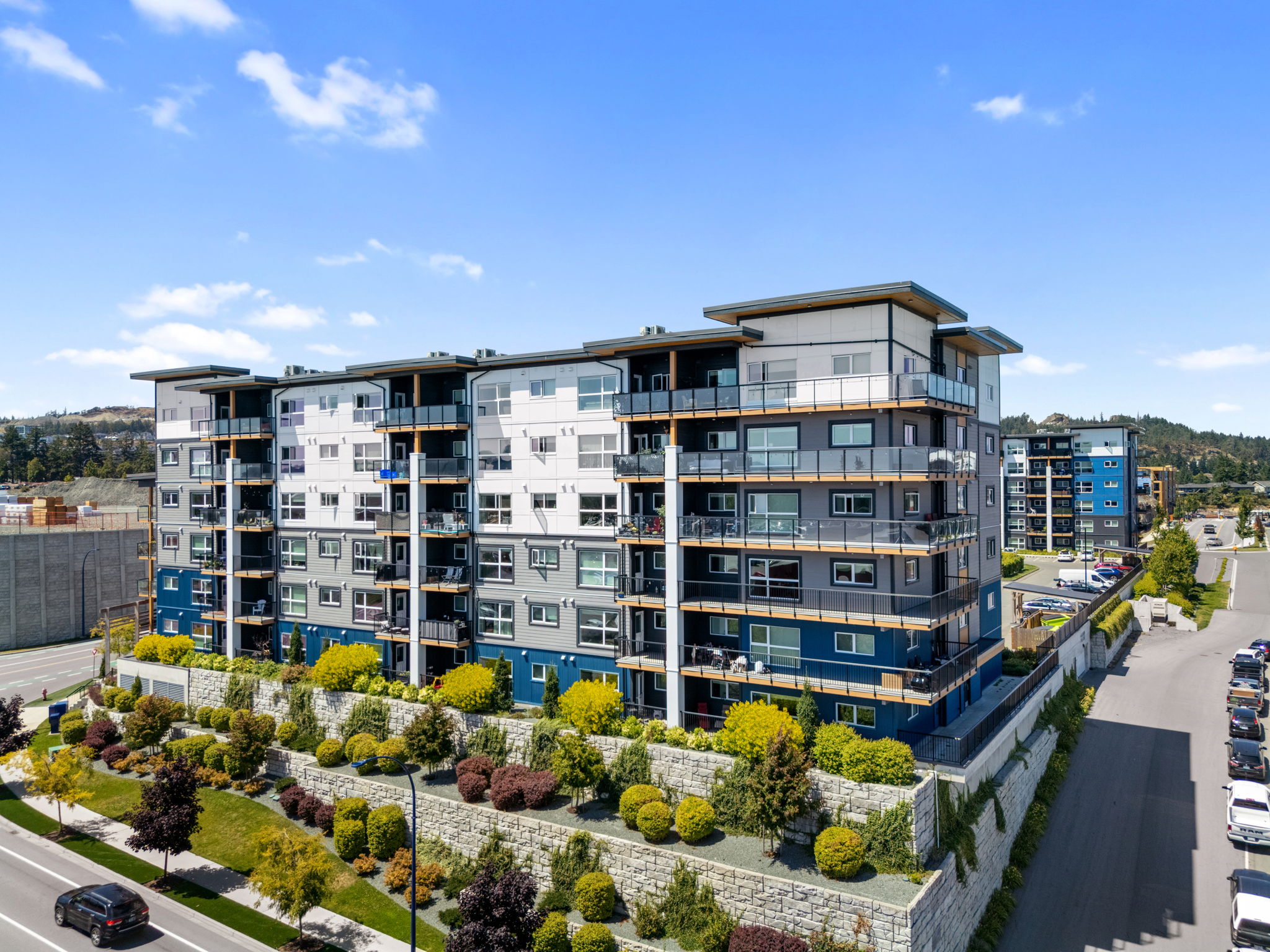
Is Buying a Home in Victoria Better Than Renting? A 2026 Cost Comparison
Is it better to rent or buy a home in Victoria, BC? It’s a question many residents face, particularly as housing prices, mortgage rates and rental costs continue to change.
For some, purchasing a home represents an opportunity to build equity and establish long-term stability. For others, renting provides flexibility, lower upfront expenses and greater financial freedom.
The short answer: Buying a home in Victoria may be the better long-term decision if you have stable finances, sufficient savings and plan to stay for several years. Renting may be more practical if you value flexibility, have limited savings or would face significantly higher monthly expenses as a homeowner.
But the answer isn’t simply about comparing rent with mortgage payments.
The real question is which option puts you in a stronger financial position while supporting the lifestyle you want.
Let’s break down the numbers, advantages and trade-offs of renting versus buying in Greater Victoria in 2026.
Is It Cheaper to Rent or Buy in Victoria, BC?
Renting is often cheaper on a monthly cash-flow basis in Victoria, particularly when comparing an apartment rental with purchasing a similar condominium. However, buying allows part of your mortgage payment to reduce your debt and increase your ownership equity.
The difference becomes clearer when we look at local housing costs.
According to the Victoria Real Estate Board’s September 2026 market report, the benchmark price for a condominium in the Victoria Core was $547,800.
Meanwhile, the Canada Mortgage and Housing Corporation’s 2025 Rental Market Report reported an average monthly rent of $2,120 for a two-bedroom purpose-built rental apartment in Greater Victoria.
These figures measure different geographic areas and housing segments, so they aren’t direct equivalents. However, they provide useful context for understanding local housing expenses.
Renting vs. Buying in Victoria: Key Differences
| Factor | Renting | Buying |
|---|---|---|
| Upfront costs | Generally lower | Down payment and closing costs |
| Monthly expenses | Rent and applicable utilities | Mortgage, taxes, insurance, maintenance and possible strata fees |
| Equity building | No direct ownership equity | Mortgage principal repayment builds equity |
| Maintenance | Landlord generally responsible for major repairs | Owner responsible for maintenance and repairs |
| Flexibility | Generally easier to relocate | Selling involves time and transaction costs |
| Housing stability | Subject to tenancy laws and lawful termination | Greater control, subject to mortgage obligations and other ownership rules |
| Financial risk | Rent increases and relocation expenses | Property value changes, interest rates and repair costs |
Neither option is automatically better. The financial advantage depends on how long you stay, what you buy and how much ownership costs relative to renting.
1. How Much Does It Cost to Rent in Victoria?
Rental costs in Greater Victoria vary depending on location, property size, building age and amenities.
Apartments in downtown Victoria, James Bay and Fairfield often appeal to residents prioritizing walkability and proximity to employment.
Meanwhile, communities such as Langford, Colwood and Esquimalt offer a mix of newer apartment buildings, condominium rentals and townhomes.
According to CMHC, Greater Victoria’s average two-bedroom rent in purpose-built rental housing was $2,120 in 2025.
Importantly, this includes existing tenancies. Someone searching for a new rental today may encounter different asking prices.
Rental expenses may also include utilities, tenant insurance, parking and internet.
One financial advantage of renting is that major building repairs and property taxes are generally the landlord’s responsibility.
This can make monthly expenses more predictable, especially for households that prefer not to take on the maintenance obligations of homeownership.
2. How Much Does It Cost to Buy a Condo in Victoria?
Let’s consider a hypothetical buyer purchasing a $550,000 resale condo in Victoria with a 20% down payment.
The initial down payment would be $110,000, leaving a mortgage of $440,000.
Using an illustrative mortgage interest rate of 4.5% and a 25-year amortization, the monthly principal and interest payment would be approximately $2,435.
Example: Monthly Costs of Owning a $550,000 Condo
| Monthly expense | Estimated cost |
|---|---|
| Mortgage payment | $2,435 |
| Strata fees | $400 |
| Property taxes | $200 |
| Condo insurance | $50 |
| Utilities | $100 |
| Maintenance allowance | $100 |
| Total monthly housing cost | $3,285 |
Illustrative example only. The 4.5% mortgage rate is an assumption, not a current lender quote. Actual expenses will vary by property, financing, insurance and strata corporation.
Now compare that with renting a two-bedroom apartment for $2,120 per month.
In this example, the homeowner spends approximately $1,165 more each month in housing cash flow.
However, there is an important distinction.
Part of the mortgage payment reduces the outstanding loan balance, rather than being an expense like interest or property taxes.
This means the homeowner is gradually building equity through principal repayment.
For renters, the difference between their monthly housing cost and the cost of owning may instead be available for savings, investments or other financial priorities.
That opportunity matters when comparing the long-term results of both options.
3. Does Buying a Home Help You Build More Wealth Than Renting?
Homeownership can contribute to long-term wealth through mortgage principal repayment and changes in property value.
But buying a home does not guarantee a better investment outcome than renting.
There are three important factors to consider.
Mortgage Principal Repayment
Every regular mortgage payment contains two components: principal and interest.
Interest is the cost of borrowing money. Principal repayment reduces your mortgage balance.
As your mortgage balance decreases, your ownership equity generally increases, assuming the property’s market value remains unchanged.
Over many years, this can become a significant financial benefit.
Property Appreciation
If a property’s value increases over time, the homeowner may benefit from that appreciation.
For example, a home purchased for $600,000 that later increases in value to $660,000 has gained $60,000 in market value before selling expenses and other costs.
However, property prices can also decline.
Greater Victoria’s real estate market is not uniform. Condos, townhomes and detached houses can perform differently across neighbourhoods.
The Opportunity Cost of Your Down Payment
When buying a home, your down payment becomes part of your property equity.
When renting, those same savings may remain invested in other assets.
Consider a buyer who puts $110,000 down on a condo.
A renter who keeps that $110,000 invested and consistently invests the monthly difference between renting and owning may also build substantial long-term wealth.
The outcome depends on investment returns, property appreciation, ownership costs, taxes and personal financial discipline.
Building equity is an advantage of ownership, but it doesn’t automatically make buying the better financial investment.
4. What Are the Hidden Costs of Buying a Home in Victoria?
The mortgage payment is often the number buyers focus on first, but it doesn’t represent the complete cost of owning a property.
Homeowners also need to consider:
- Property transfer tax and legal fees when purchasing.
- Annual municipal property taxes.
- Home or condominium insurance.
- Repairs, maintenance and eventual replacement of major components.
- Strata fees and potential special levies for condominium and townhouse owners.
- Mortgage renewal costs and possible interest-rate increases.
- Real estate selling expenses when moving.
These costs vary significantly based on the property’s location, age, condition and ownership structure.
For example, purchasing an older condominium with relatively low strata fees may appear attractive initially. However, upcoming building repairs or a poorly funded contingency reserve can create unexpected expenses.
Likewise, a detached home without strata fees may require greater personal spending on roofing, drainage, exterior maintenance and heating systems.
Understanding these obligations is particularly important for buyers comparing older homes in Oak Bay or Saanich with newer construction throughout the Westshore.
For a complete explanation of upfront expenses, explore our Greater Victoria real estate articles and read our guide to municipal property taxes.
5. Is It Better to Rent or Buy If You Plan to Move Within Five Years?
Renting is often worth considering when you expect to move within the next three to five years because buying and selling a home involves significant transaction costs.
When purchasing a home, buyers may pay property transfer tax, legal fees, inspections and other closing expenses.
When selling, homeowners may incur real estate remuneration, legal fees, mortgage discharge charges and, in certain circumstances, mortgage prepayment penalties.
For someone expecting to relocate within two years, these expenses may outweigh the benefits of principal repayment or modest property appreciation.
However, five years is not a guaranteed break-even point.
A buyer who purchases below market value, makes a substantial down payment or benefits from favourable market conditions may have a different outcome from someone purchasing with minimum savings.
Similarly, a renter with below-market rent and a strong investment strategy may benefit financially from continuing to rent.
The best decision comes from evaluating your likely timeline rather than assuming ownership is always the next step.
6. Is 2026 a Good Time to Buy a Home in Victoria?
Greater Victoria’s housing market has changed considerably from the competitive conditions experienced in previous years.
According to the Victoria Real Estate Board, September 2026 recorded:
| Market indicator | September 2026 |
|---|---|
| Total residential property sales | 463 |
| Active MLS® listings | 3,811 |
| Victoria Core detached home benchmark | $1,280,100 |
| Victoria Core condo benchmark | $547,800 |
Property sales were down 16.4% compared with September 2025, while available inventory was up 3.2%.
The Board described September’s conditions as entering buyer’s market territory, while cautioning that one month does not establish a long-term trend.
What Does a Buyer’s Market Mean for Someone Currently Renting?
For qualified buyers, greater inventory may provide more opportunities to compare properties without the same competitive pressure seen during stronger seller’s markets.
Depending on the individual listing, buyers may encounter more flexibility around pricing, conditions and possession dates.
However, greater negotiating power doesn’t automatically mean buying is financially appropriate.
A purchase should still make sense based on your income, savings, financing and expected ownership costs.
For renters who have been preparing to buy, a market with more available listings may be worth exploring. For those who are not financially ready, continuing to save could be the better decision.
7. Does Location Change Whether Renting or Buying Makes Sense?
Absolutely. Housing costs vary considerably throughout Greater Victoria.
A downtown Victoria condo, Langford townhome and detached home in Saanich represent very different financial commitments.
Downtown Victoria and James Bay
These neighbourhoods appeal to people who prioritize walkability, restaurants, nearby employment and access to the waterfront.
Renting may provide an opportunity to enjoy these locations without committing to the full cost of purchasing.
Buyers considering condominiums should evaluate strata fees, building condition, insurance and long-term maintenance requirements.
Langford and Colwood
Westshore communities offer a broad selection of condominiums, townhomes and detached properties.
For households looking for more living space, these areas may offer different purchasing options than Victoria’s central neighbourhoods.
Transportation is an important consideration, particularly if your employment requires a regular commute into downtown Victoria.
Read our guide to hidden-gem neighbourhoods in Langford, Colwood and View Royal for additional local insight.
Saanich and View Royal
These areas provide a mix of established residential neighbourhoods, condominiums and family-oriented housing.
Buyers should evaluate property condition, transportation and ongoing ownership expenses alongside the purchase price.
For a better understanding of how budgets compare across the region, explore Comparing Victoria Neighbourhoods at the $800K Price Point.
8. When Does Buying a Home Make More Sense Than Renting?
Buying may be worth considering when you have sufficient savings, stable income and a realistic long-term plan.
Here are several indicators that homeownership may fit your circumstances.
You plan to stay for several years. A longer ownership period provides more time to spread out transaction costs and reduce your mortgage balance.
You have savings beyond your down payment. Maintaining an emergency fund helps protect your finances when unexpected repairs or expenses arise.
Your monthly housing expenses are manageable. Mortgage approval is not the same as financial comfort. Buyers should leave room for savings, recreation and unexpected expenses.
You want greater control over your home. Ownership can provide more freedom to renovate, personalize and establish long-term roots, subject to applicable bylaws and regulations.
You understand the risks. Property values fluctuate, interest rates can change and maintenance costs are unavoidable.
The right time to purchase is generally when the decision makes sense for your household, not simply when market conditions appear favourable.
9. When Does Renting Make More Sense Than Buying?
Renting can be a sound financial decision, particularly when flexibility and available cash are priorities.
It may make more sense when you’re uncertain about how long you’ll stay in Victoria, expect significant career or lifestyle changes, or would need to stretch your finances to purchase.
Renting can also provide time to build a larger down payment, reduce debt and explore different neighbourhoods before committing to a property.
For someone relocating to Victoria for the first time, renting for six or twelve months may help them better understand commuting patterns, local amenities and which communities suit their needs.
Most importantly, renting doesn’t have to mean postponing financial progress.
A renter who regularly invests, manages debt and saves toward future goals can still build long-term financial security.
10. How Do You Decide Whether to Rent or Buy in Victoria?
Rather than starting with the question of whether buying is better, consider these five questions:
- How long do I expect to stay? Your anticipated ownership timeline has a major influence on the financial comparison.
- How much cash will I have after closing? Your down payment shouldn’t leave you without an emergency reserve.
- What is the true monthly ownership cost? Include the mortgage, property taxes, insurance, strata fees and maintenance.
- What could I do with the money if I continue renting? Consider potential savings, investment returns and financial flexibility.
- Which option better supports my lifestyle? Stability, location, maintenance responsibilities and future plans matter alongside the numbers.
For prospective buyers ready to explore their options, our home-buying guide provides information about purchasing in Greater Victoria.
You can also search available homes throughout Greater Victoria to compare property types and neighbourhoods.
Frequently Asked Questions About Renting vs. Buying in Victoria
Is it financially better to rent or buy in Victoria, BC?
Renting often has lower upfront expenses and monthly housing costs, while buying builds equity through mortgage principal repayment and may benefit from property appreciation. The better financial choice depends on the purchase price, rent, interest rate, ownership expenses and how long you stay.
How much income do you need to buy a home in Victoria?
The required income depends on the purchase price, down payment, interest rate and existing debts. Lenders also use mortgage qualification rules to assess affordability. A mortgage professional can calculate a purchasing budget based on your individual circumstances.
Is buying a condo in Victoria a good investment?
A condo can be a suitable long-term purchase, but returns are not guaranteed. Property value changes, mortgage interest, strata fees, special levies and selling costs affect the financial outcome. Buyers should evaluate the specific building as carefully as the neighbourhood.
Is it cheaper to rent or buy in Langford?
Renting in Langford may have lower immediate monthly costs than buying a comparable property. However, actual costs depend on the type of home, down payment, mortgage terms and rent. Comparing similar properties is the best way to evaluate the difference.
How long should you live in a home before selling?
There is no universal minimum ownership period. Buyers should consider purchasing and selling costs, mortgage terms, market conditions and financial goals. A longer holding period generally gives more time to spread out transaction costs, but it does not guarantee a profit.
Should I wait for house prices to drop before buying in Victoria?
Waiting may make sense if purchasing today would stretch your finances. However, future price movements and interest rates are uncertain. Rather than trying to predict the market, focus on whether a suitable property meets your needs at a price you can comfortably afford.
Renting vs. Buying in Victoria: Which Is Right for You?
The decision to rent or buy isn’t simply a question of which option costs less today.
Renting provides flexibility, lower upfront commitments and the opportunity to invest your savings elsewhere.
Buying offers greater control over your living space, the ability to build equity through mortgage repayment and the potential benefits of long-term property ownership.
Both approaches involve financial trade-offs.
For some Greater Victoria residents, purchasing a condo or townhome may be a practical next step. For others, continuing to rent while building savings and exploring neighbourhoods may be the more responsible choice.
The goal isn’t to become a homeowner as quickly as possible. It’s to make a housing decision that supports your financial stability and long-term plans.
At Faber Real Estate Group, we believe good real estate advice begins with understanding your circumstances, not pushing you toward a transaction.
Whether you’re currently renting and considering your first purchase or simply trying to understand what ownership would cost, our team can help you compare the numbers and explore your options throughout Greater Victoria.
Connect with Faber Real Estate Group to discuss whether buying makes sense for you.
Randy Shah, 5-Star Review, via Google
“Working with Cal is an absolute pleasure! His communication is very clear and proactive. Cal is very patient and understanding and very knowledgeable with his work. He is also a skilled negotiator! Cal and his team are very professional, honest, and will go the extra mile to meet all your needs! If you are looking to buy or sell your home, I would without hesitation recommend the Faber Group!”
Faber Real Estate Group
Royal LePage Coast Capital Realty
📞 250-244-3430
📧 [email protected]
ℹ️ Scott Faber PREC
ℹ️ Cal Faber PREC
Vanessa Wood, Zachary Parsons, Sophie Taylor
Building Lasting Relationships, One Home at a Time.
Information updated October 8, 2026. Housing statistics are sourced from the Victoria Real Estate Board and Canada Mortgage and Housing Corporation. Mortgage rates, expense allowances and ownership examples are illustrative, not individual financial advice. Actual costs and investment outcomes will vary.