
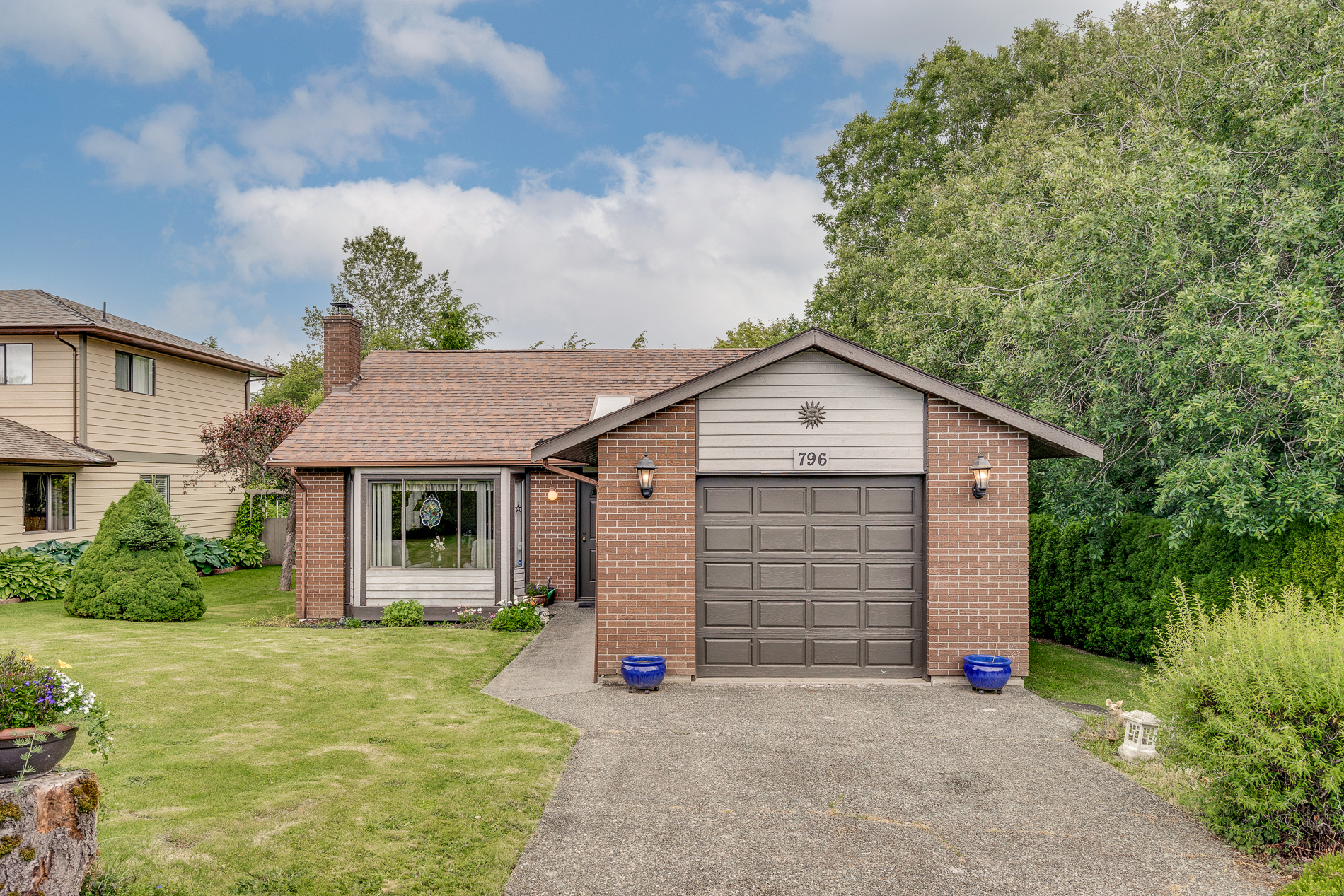
When you’re evaluating where to buy in the Greater Victoria, Saanich, or Westshore markets, understanding municipal property tax differences is an often-overlooked but highly relevant financial factor. Two homes with identical assessed values can lead to noticeably different tax bills year-to-year depending on the municipality — so knowing how rates stack up can influence both your upfront cost estimates and your long-term ownership costs.
How Property Taxes Work in BC
In British Columbia, municipal property taxes are calculated by multiplying the assessed value of your home by the municipal tax rate (mill rate). The assessment comes from BC Assessment and reflects market value as of July 1 prior to the tax year.
Your total tax bill isn’t just the municipal share — it also includes levies collected for:
-
Provincial school tax
-
Capital Regional District (CRD) services
-
Hospital district
-
Transit
-
Other local bodies
Municipal budget decisions — such as infrastructure spending or service levels — directly influence the mill rate required to generate revenue. If assessments rise faster than the municipal budget, mill rates can stay stable or even decrease; if budgets grow faster than total assessed value, mill rates must increase. A municipality’s tax strategy often reflects local priorities and spending choices.
Greater Victoria Municipal Property Tax Rates: A Snapshot
Not all municipalities in Greater Victoria tax at the same rate. Based on available comparative data:
Tax Rate Rankings (2022–2024 era)
-
Lower tax rate municipalities:
-
North Saanich generally sits near the lower end of regional property tax rates.
-
View Royal often has lower mill rates compared with urban centres.
-
-
Mid-range:
-
Colwood and Langford in the Westshore tend to have moderate local municipal tax rates, but totals depend on other levies and assessment levels.
-
-
Higher tax rate municipalities:
-
Victoria and Central Saanich have among the higher municipal property tax rates within the region.
-
Saanich typically shows a comparatively high effective tax burden.
-
Differences matter: in a sample compiled by a brokerage, a $1 million home in Victoria would yield roughly $174 more in taxes than the same value home in Saanich, and a home in Colwood would pay about $645 more than in View Royal — purely based on rate spreads.
(Note: precise current rates change annually with budgets and assessments. Always check municipal tax rate bylaws or use online tax calculators for exact figures for a given year.)
Recent Trends: Rate Increases & Budget Pressures
Municipalities across Greater Victoria have grappled with tax increases over recent years, driven by rising costs for core services, infrastructure renewals, and public safety:
-
Saanich approved property tax increases near 8% in 2025, adding hundreds of dollars to the average homeowner bill.
-
Langford has proposed significant tax hikes in multi-year financial plans to support rapid growth and expanding service demand.
-
Regional increases by the Capital Regional District (CRD) also factor into total bills, with projected increases varying across municipalities depending on the services used (e.g., 4.1% for Victoria vs 7.7% for Langford for CRD requisitions in 2025).
These upward pressures mean that even if a municipality historically had a lower tax rate, the year-to-year changes can shift relative burden across communities.
Why These Differences Matter for Buyers
1. Annual Carrying Cost
If you’re budgeting for homeownership, property taxes are a predictable recurring cost tied directly to your assessment and municipal priorities. A difference of a few hundred to a few thousand dollars annually can impact:
-
Mortgage affordability
-
Monthly cash flow
-
Long-term cost projections for investment or retirement planning
2. Comparing Similar Homes Across Municipalities
Two homes with equal market value — one in Saanich and one in Langford or Colwood — could result in:
-
Different quarterly tax bills
-
Different services received for that tax dollar (e.g., recreation, policing, parks)
This can be a tiebreaker for buyers evaluating multiple locations in the region.
3. Growth and Future Tax Outlook
Municipalities at different stages of development (e.g., fast-growing Langford vs more established Saanich or Victoria) may adopt differing strategies on whether to keep taxes low for growth incentives or invest in services and infrastructure.
Howard P., 5-Star Review, via Google
“Cal and Scott Faber are authentic and trustworthy and give it to you straight up. They take the time and the attention to learn about your needs and then find the home that fits them. Our experience with Cal and Scott Faber was exceptional. They didn’t just provide great service, they demonstrated a genuine concern for our best interests, making us feel truly valued. They will do their best to find the home that fits your lifestyle and needs.
I heartily recommend Cal and Scott.”
Faber Real Estate Group
Royal LePage Coast Capital Realty
📞 250-244-3430
📧[email protected]
ℹ️ Scott Faber Personal Real Estate Corporation
ℹ️ Cal Faber Personal Real Estate Corporation
Vanessa Wood, Zachary Parsons, and Sophie Taylor
“Building Lasting Relationships, One Home at a Time.”