


The GST rebate on new homes can make a meaningful difference for eligible first-time buyers, especially when comparing new condos, townhomes, and detached homes in Greater Victoria. The key is not just whether a property qualifies. It is where the rebate has the greatest practical impact on affordability, monthly comfort, and long-term fit. For eligible first-time buyers, the First-Time Home Buyers’ GST/HST Rebate can remove the federal GST on qualifying new homes valued up to $1 million, with a reduced rebate available between $1 million and $1.5 million. The maximum potential federal GST savings is $50,000. Canada’s Bill C-4 received Royal Assent on March 12, 2026, and the CRA notes that qualifying purchase agreements generally need to be entered into with the builder on or after March 20, 2025, and before 2031. Why the Rebate Changes the New Construction Conversation Buying new construction often feels different from buying resale. The price may include GST, the completion timeline may be months away, and buyers need to understand deposits, strata fees, warranty coverage, and what is included in the purchase price. The GST rebate on new homes matters because it can reduce one of the biggest added costs of buying new. For some buyers, that may improve the budget enough to stay in a preferred location. For others, it may help them choose a better floorplan, add parking, or keep more cash available after completion. Still, the rebate should not be the only reason to buy. A lower tax cost helps, but the right property still needs to fit your lifestyle, budget, and resale outlook. Where It Helps Most: New Condos For many first-time buyers in Greater Victoria, new condos may see the clearest benefit from the GST rebate. That is because condos are more likely to fall within the price range where the full rebate can apply. In a market where many buyers are trying to balance affordability with location, the rebate may help make a new condo more competitive against a resale option. New condos may be especially appealing when buyers want: Lower maintenance responsibilities A more walkable location Newer building systems Warranty protection Predictable finishes and modern layouts Access to entry-level ownership without taking on a larger detached home budget The trade-off is space. A condo may offer the strongest tax benefit, but buyers still need to think carefully about storage, parking, strata fees, rental bylaws, pet rules, and long-term livability. Where It Helps Differently: New Townhomes Townhomes often sit in the middle of the conversation. They may offer more space than a condo, but still avoid some of the cost and upkeep of a detached home. This is where the rebate can be useful, but buyers need to watch the price point closely. In some Greater Victoria neighbourhoods, new townhomes may fall under the $1 million mark. In others, they may move into the phase-out range, where the rebate becomes smaller. A new townhome may be a strong fit for buyers who want: More bedrooms or flexible work-from-home space Direct outdoor space A family-friendly layout Less maintenance than a detached home A longer ownership runway For many buyers, this is where the GST rebate can support a better lifestyle choice. The rebate may not always be as clean or complete as it is on a lower-priced condo, but it can still help reduce the gap between “we can afford it” and “this actually works for our next stage of life.” Where It Helps Least: New Detached Homes New detached homes can still benefit from the GST rebate, but this is often where the math becomes more limited. In Greater Victoria, new detached homes are more likely to exceed the $1 million threshold. Once the price moves between $1 million and $1.5 million, the rebate starts to phase out. At $1.5 million and above, the First-Time Home Buyers’ GST/HST Rebate no longer applies. That does not mean new detached homes are the wrong choice. It simply means the rebate may have less influence on the decision. A new detached home may still make sense for buyers who value: More land More privacy Long-term family space Suite potential, where permitted Fewer shared property decisions A longer-term ownership plan The key is to avoid overvaluing the rebate. If the home is already above the strongest rebate range, the decision should lean more on location, carrying costs, future flexibility, and resale strength. A Simple Way to Compare the Three Options The rebate helps most when the home price stays within the strongest eligibility range and the property still meets the buyer’s real needs. In practical terms: New condos may offer the clearest affordability boost. New townhomes may offer the best balance of space and savings. New detached homes may offer the most lifestyle flexibility, but often receive less rebate benefit due to higher pricing. That makes the “best” choice less about property type and more about fit. A condo with the full GST rebate may still be the wrong purchase if it feels too small within two years. A townhome with a partial rebate may be the smarter long-term move if it prevents an early resale. A detached home with little or no rebate may still be the right choice if the buyer has the budget and wants long-term stability. What Buyers Should Confirm Before Relying on the Rebate Before making a decision, buyers should confirm the details carefully with the builder, accountant, mortgage broker, and legal advisor where appropriate. Important questions include: Is GST included in the advertised purchase price? Will the rebate be credited by the builder or claimed after completion? Does the buyer meet the first-time buyer eligibility rules? Is the home intended as a primary residence? Does the agreement date qualify? Is the price within the full rebate, partial rebate, or no rebate range? How does the rebate affect the deposit, mortgage approval, and completion funds? The CRA notes that the rebate can apply in addition to the existing GST/HST new housing rebate where both apply, with the First-Time Home Buyers’ GST/HST Rebate acting as a top-up. The Bigger Picture for Greater Victoria Buyers The GST rebate on new homes can be valuable, but it should support the buying decision, not lead it. For first-time buyers in Greater Victoria, the bigger question is usually this: Does the home still make sense without the rebate? If the answer is yes, the rebate can be a helpful bonus. If the answer is no, the savings may be covering up a poor fit. Buyers still need to think about monthly payments, strata fees, closing costs, commute patterns, lifestyle needs, and how long the home is likely to work for them. The strongest purchase is not always the one with the biggest rebate. It is the one that balances savings, suitability, and long-term confidence. For buyers comparing new condos, townhomes, or detached homes in Greater Victoria, Faber Real Estate Group can help you understand where the GST rebate may help, how each property type compares, and what questions to ask before committing to a new construction purchase. Christina A., 5-Star Review, via Google “We had such a great experience working with Scott Faber during our recent home buying! From the start, Scott made everything super easy and was always there to answer our questions. Scott really listened to what we wanted and helped us find the perfect place. What we appreciated most was how down-to-earth and approachable he was. No matter what came up, Scott was on top of it and kept us in the loop the whole time. We felt like we were in great hands the entire process.” Faber Real Estate Group Royal LePage Coast Capital Realty 📞 250-244-3430 📧 [email protected] ℹ️ Scott Faber Personal Real Estate Corporation ℹ️ Cal Faber Personal Real Estate Corporation Vanessa Wood, Zachary Parsons, and Sophie Taylor “Building Lasting Relationships, One Home at a Time.”
Read more
Esquimalt real estate is getting more attention from buyers who want a location close to downtown Victoria, but with a stronger sense of community, waterfront access, parks, and often more value compared to some neighbouring core areas. For many buyers, Esquimalt feels like one of those places that is no longer being overlooked. That does not mean Esquimalt is the right fit for everyone. However, it does mean buyers are starting to look at it with a different lens. Instead of seeing it as simply “close to Victoria,” they are seeing it as a complete community with its own identity, services, and long-term appeal. Esquimalt Offers a Strong Location Without Feeling Like Downtown One of Esquimalt’s biggest advantages is location. Buyers can be close to downtown Victoria, Vic West, the Inner Harbour, CFB Esquimalt, and major employment areas without necessarily feeling like they are living in the middle of the city. That balance appeals to people who want convenience, but still value quieter residential streets, parks, and access to the water. For many buyers, that creates a practical daily-life advantage: Shorter commute options Easier access to downtown Victoria Nearby parks and waterfront paths A mix of condo, townhome, and detached options A more established neighbourhood feel In a region where affordability and commute time both matter, Esquimalt can be a very logical place to look. Buyers Are Looking for Better Value in the Core Greater Victoria buyers have become more selective. With more inventory available across the region, buyers are comparing neighbourhoods more carefully instead of focusing only on the most familiar names. The Victoria Real Estate Board reported 643 sales in April 2026, nearly flat compared with April 2025, while active listings rose 8.3% year-over-year to 3,710 at month-end. That gives buyers more room to compare locations, property types, and long-term value. This matters for Esquimalt because buyers who may have started their search in Victoria, Saanich, Fairfield, James Bay, or Oak Bay may begin asking a practical question: what else can my budget buy nearby? Esquimalt often enters that conversation because it offers core-area access while still presenting different price points and property styles. The Waterfront and Parks Add Real Lifestyle Value Esquimalt has a lifestyle advantage that buyers are noticing more often. The community offers access to waterfront areas, parks, recreation, trails, and local amenities that make daily life feel more connected to the outdoors. For buyers moving from busier urban areas, that mix can be appealing. This is especially important for: Downsizers who still want walkability and outdoor access First-time buyers looking for a practical entry point near Victoria Young professionals who want proximity to work and lifestyle Buyers who value parks, dog walks, cycling, and waterfront routes Investors watching areas with growing local interest A home’s value is not only about the property itself. It is also about what daily life feels like once you step outside. Esquimalt Has More of a Community Feel Than Some Buyers Expect Some buyers are surprised by how established Esquimalt feels once they spend time there. There are local shops, recreation facilities, schools, parks, residential streets, and waterfront pockets that give the area more identity than buyers may assume from a quick map search. The Township is also reviewing long-term recreation needs through a Recreation Strategic Plan designed to guide services and facilities over the next 15 years as the community grows. That kind of planning matters because buyers are not only purchasing a home. They are buying into a community that will continue to change over time. Growth and Planning Are Changing the Conversation Esquimalt is not standing still. The Township has been updating its Official Community Plan to meet provincial housing requirements and account for 20 years of housing needs. It also maintains a development tracker for current and recently approved development applications, which gives buyers a clearer way to understand what may be changing nearby. For buyers, this creates both opportunity and due diligence. Growth can bring more housing, improved services, better amenities, and stronger long-term neighbourhood awareness. However, it can also mean future construction, changing density, traffic considerations, and different neighbourhood character over time. The key is not to avoid change. The key is to understand it before buying. Property Variety Helps Different Buyer Groups Esquimalt attracts attention because it offers a mix of housing types. Depending on budget and location, buyers may find condos, townhomes, older detached homes, character properties, strata options, and homes with suite potential. That variety creates more entry points than some higher-priced core neighbourhoods. This is useful for buyers who want: A first home close to Victoria A lower-maintenance condo or townhome A detached home without moving too far from the core A property with renovation potential A neighbourhood that may continue gaining attention over time No property type is automatically the right choice. However, Esquimalt gives buyers more ways to match lifestyle, budget, and long-term plans. What Buyers Should Watch Before Buying in Esquimalt Esquimalt has a lot to offer, but buyers should still slow down and look carefully. Before purchasing, consider: Street-by-street differences in noise, views, and traffic Proximity to future development Parking availability Building age and maintenance history Strata documents for condos and townhomes Commute patterns at different times of day Walkability to the specific amenities you care about Long-term resale appeal This is where local guidance matters. Two homes in Esquimalt can offer very different ownership experiences depending on location, building condition, exposure, and future surrounding changes. Esquimalt Is Getting Attention for Practical Reasons Esquimalt real estate is not gaining attention because of one single trend. It is gaining attention because several buyer priorities are meeting in one place. Buyers want proximity, value, lifestyle, community, and long-term potential. Esquimalt checks many of those boxes while still feeling distinct from downtown Victoria and other core neighbourhoods. For the right buyer, Esquimalt can offer a strong mix of convenience and livability. The important part is knowing which streets, buildings, and property types match your goals before making a move. For help deciding whether Esquimalt is the right fit for your next home purchase, contact Faber Real Estate Group for practical, local guidance before you start comparing properties. Dawson H., 5-Star Review, via Google “Working with Scott and Zach made the entire condo purchase process incredibly smooth, even while I was traveling in another country. Their communication was clear, timely, and efficient, which made it easy to navigate every step without feeling stressed or overwhelmed. They handled details behind the scenes with confidence, giving me peace of mind knowing everything was in good hands.” Faber Real Estate GroupRoyal LePage Coast Capital Realty📞 250-244-3430📧 [email protected]ℹ️ Scott Faber Personal Real Estate Corporationℹ️ Cal Faber Personal Real Estate CorporationVanessa Wood, Zachary Parsons, and Sophie Taylor“Building Lasting Relationships, One Home at a Time.”
Read more
Purpose-built rentals in Langford are becoming a bigger part of the local housing story. As the city continues to grow, larger rental communities are adding more housing options for people who want flexibility, newer buildings, and professionally managed rental homes. A recent example is The District in Langford. The first two buildings, The Gallery and The Exchange, added 256 purpose-built rental homes, with the full project expected to include 597 suites across four residential buildings once complete. The development includes studio, one-bedroom, and two-bedroom homes, with amenities such as fitness areas, co-working spaces, lounges, and rooftop terraces planned for the larger community. That kind of project raises an important local question. How does more rental supply affect buyers, investors, and the overall real estate market in Langford? What Is a Purpose-Built Rental? A purpose-built rental is a building designed and operated as rental housing from the beginning. That makes it different from a rented condo, basement suite, or secondary suite. In a purpose-built rental building, the homes are usually owned by one company or group and managed as long-term rental housing. For renters, this can mean: More predictable professional management Newer building systems and amenities More rental choice in one location Less risk of an individual owner selling the unit For the broader market, it can also shift how people think about renting, buying, and investing. Why Langford Is Seeing More Rental Growth Langford has been one of Greater Victoria’s major growth areas for years. It offers more land availability than many core municipalities, strong access to shopping and services, newer housing stock, and a growing employment and lifestyle base. The City of Langford is also actively working on housing planning, including a housing strategy and updates related to how development contributes to affordable housing and community amenities. This does not mean every new project solves affordability on its own. However, it does show that rental housing is now part of Langford’s long-term growth pattern, not just a short-term response to demand. How More Rental Supply Can Affect Renters For renters, more purpose-built rental supply can create more choice. That matters because choice changes behaviour. When renters have limited options, they often move quickly, compromise more, and accept higher prices because alternatives are scarce. When more supply enters the market, renters may have more room to compare buildings, layouts, locations, parking options, pet policies, amenities, and overall value. Greater Victoria’s rental market has already shown signs of easing. The Province cited CMHC’s 2025 Rental Market Report, noting that Greater Victoria’s vacancy rate rose to 3.3%, its highest level since 1999. That does not mean renting has suddenly become easy or inexpensive. It simply means new supply can help reduce some of the pressure that has built up over many years. How This Could Affect First-Time Buyers More rental supply may also influence first-time buyer behaviour. When renters have better housing options, some may feel less pressure to buy quickly. Instead of purchasing because they are frustrated with the rental market, they may take more time to save, compare neighbourhoods, and wait for the right property. That can be healthy. A rushed buyer often focuses on getting into the market. A prepared buyer focuses on whether the home actually fits their life. In Langford, this could mean some renters choose to stay in newer rental communities longer before buying. Others may use the rental period as a stepping stone while they monitor prices, interest rates, and inventory. For buyers, the key is simple: renting and buying are not always opposite decisions. Sometimes, renting a little longer can support a better purchase later. What It Means for Investors Purpose-built rentals in Langford may also change investor expectations. Small-scale investors who own condos, townhomes, or suites may face more competition from newer rental buildings. A private rental unit still has advantages, especially if it offers more space, parking, outdoor areas, or a desirable location. However, tenants may compare those units against professionally managed buildings with modern amenities. That means investors may need to think more carefully about: Monthly rent expectations Unit condition Parking and storage Pet flexibility Location quality Tenant experience Long-term operating costs A newer rental building can set a higher standard for presentation and convenience. Investors who rely only on low vacancy and rising rents may need to adjust their strategy as the rental market becomes more competitive. What It Means for Buyers Looking at Condos New purpose-built rentals can also affect how buyers view condos. Some buyers may still prefer ownership because they want stability, equity growth, and control over their home. Others may compare the monthly cost of owning a condo against renting in a newer building with amenities. This is especially relevant in a market where buyers have more options. In April 2026, the Victoria Real Estate Board reported 3,710 active listings at month-end, up 8.3% from April 2025 and 13.8% from March 2026. More resale inventory and more rental choice can make buyers more selective. A condo that competes against both other listings and high-quality rentals may need to show clear value through price, layout, strata health, location, or long-term upside. Could More Rentals Help the Ownership Market? In some ways, yes. More rental supply can support a healthier housing system because not every household is ready or able to buy at the same time. A stronger rental market can give people more flexibility during life transitions, job changes, separations, downsizing decisions, or periods of financial planning. For sellers, it may also create a more informed buyer pool. Buyers who are not under extreme rental pressure may take more time to evaluate value. That can make pricing, presentation, and condition even more important. For Langford, this could support a more balanced housing mix over time, with options for renters, first-time buyers, downsizers, investors, and families. The Bigger Langford Story Langford’s growth is no longer just about detached homes and townhomes. It is increasingly about density, rental communities, mixed-use areas, and more urban-style living. The District project, located at the McCallum lands, is one example of that shift. Project information describes four six-storey purpose-built rental buildings with 597 suites and nearly 10,000 square feet of retail and commercial space planned as part of the first phase. That matters because rental projects of this scale do more than add units. They can help create new neighbourhood patterns, support nearby businesses, increase demand for walkable amenities, and change how people use an area day to day. What Buyers Should Watch If you are buying in Langford, rental growth should not scare you. But it should make you more aware. Watch for: New rental projects near the property Future density plans Parking and traffic changes Transit improvements Commercial space and amenities Competition between resale condos and new rentals Long-term neighbourhood identity A growing rental market can be positive, but the impact will depend on the exact location, property type, and buyer goals. The Bottom Line Purpose-built rentals in Langford are part of a larger shift in how the Westshore is growing. More rental supply may give tenants better options, encourage first-time buyers to plan more carefully, and push investors to think more strategically. It may also make resale condos and townhomes compete harder on value, condition, and lifestyle fit. For buyers, the main lesson is not that renting is better than buying or that buying is better than renting. The lesson is that housing choices are becoming more layered. The best decision depends on your timeline, financial position, lifestyle, and long-term plan. If you are buying, selling, or investing in Langford and want to understand how new rental supply could affect your next move, contact Faber Real Estate Group for local advice before making your decision. Shane B., 5-Star Review, via Google “Scott was patient and helpful throughout the entire process of searching for houses, and went above and beyond to help us finally land an accepted offer on the perfect home. Thank you Scott and the Faber Real Estate Team!” Faber Real Estate GroupRoyal LePage Coast Capital Realty📞 250-244-3430📧 [email protected]ℹ️ Scott Faber Personal Real Estate Corporationℹ️ Cal Faber Personal Real Estate CorporationVanessa Wood, Zachary Parsons, and Sophie Taylor“Building Lasting Relationships, One Home at a Time.”
Read more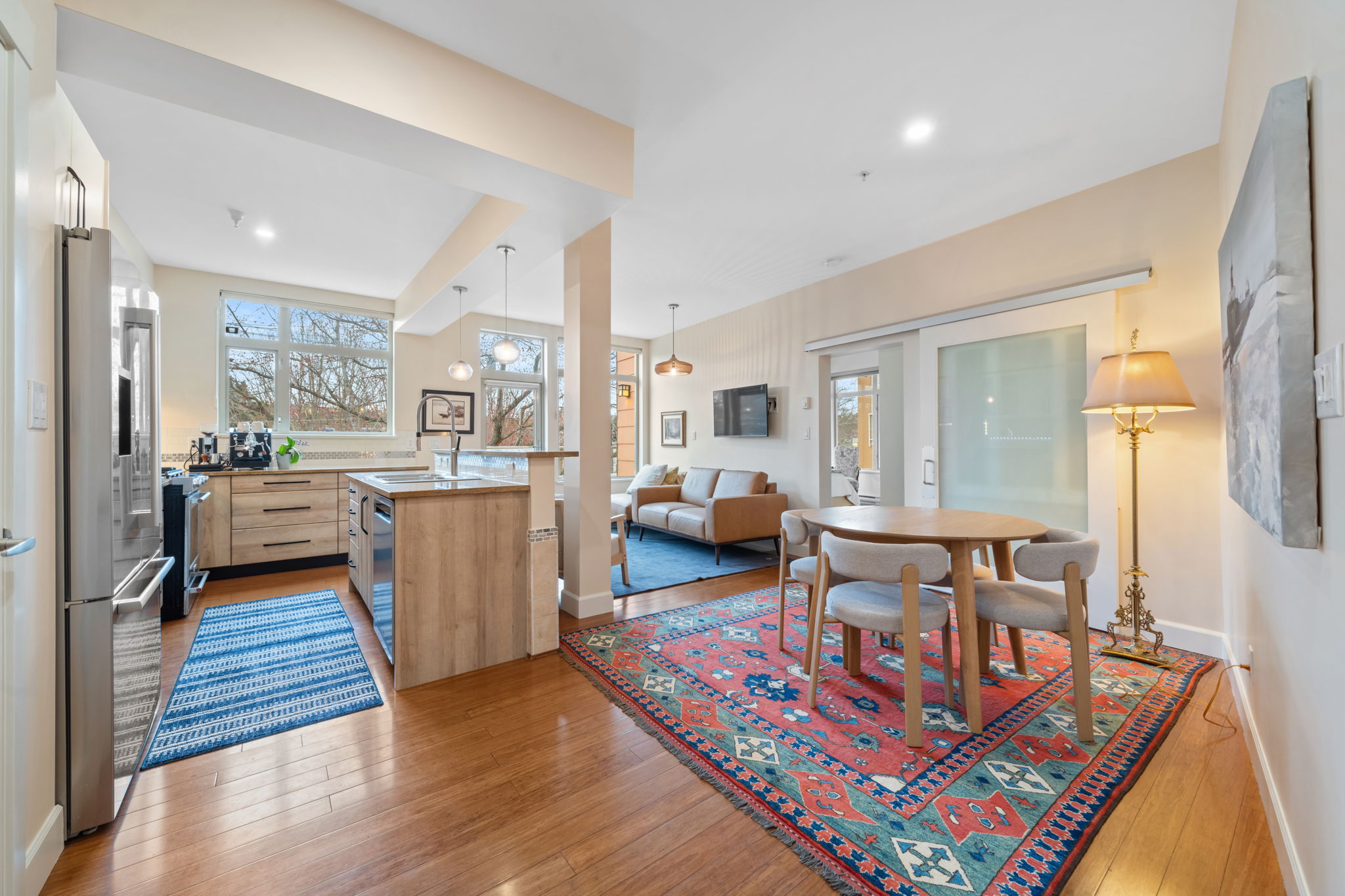
Staging vs decluttering is an important distinction for sellers preparing a home for the market. Both can help a property show better, but they serve different purposes. Decluttering removes distractions. Staging creates direction. Decluttering helps buyers see the space more clearly. Staging helps buyers understand how the space can feel, function, and support their lifestyle. A clean, organized home is a great start. However, a decluttered room can still feel empty, awkward, cold, or forgettable. Staging adds intention so each space feels useful, balanced, and easy to connect with. What Decluttering Really Does Decluttering is the process of removing excess items from a home before photos, showings, and open houses. This may include: Clearing countertops Reducing personal items Removing extra furniture Organizing closets Tidying storage areas Packing away seasonal decor Simplifying shelves and surfaces Creating cleaner sightlines The goal is to reduce visual noise. When there is too much to look at, buyers can struggle to focus on the home itself. Instead of noticing natural light, layout, storage, and room size, they may focus on personal belongings or crowded furniture. Decluttering gives the home room to breathe. What Staging Really Does Staging goes a step further. It is not only about taking things away. It is about deciding what should remain, what should be added, and how each room should be presented. Good staging helps answer key buyer questions: Where would the sofa go? Can this bedroom fit a queen bed? Is this dining area usable? Could this den work as a home office? Does the home feel bright and welcoming? Does the layout make sense? Staging helps buyers imagine how they would live in the home. It creates emotional clarity, not just visual cleanliness. Decluttering Is About Less. Staging Is About Better. This is the simplest way to understand the difference. Decluttering asks, “What should we remove?” Staging asks, “What story should this room tell?” For example, a spare room might be decluttered by removing boxes and extra furniture. But if the room is left empty, buyers may still wonder how useful it is. Staging might turn that same room into a home office, guest room, nursery, or reading space. Suddenly, buyers understand the value of the room. That is the difference. Decluttering clears space. Staging gives it purpose. Why Decluttering Alone May Not Be Enough Decluttering is helpful, but it does not always solve presentation issues. A home can be very clean and still feel: Too sparse Too dark Poorly arranged Dated Unbalanced Hard to photograph Emotionally flat For example, removing too much furniture from a living room can make it feel cold or oddly shaped. Clearing a bedroom too aggressively can make it difficult for buyers to understand scale. Empty rooms often look smaller in photos than people expect. This is where staging can make a difference. It brings structure back into the space. Why Staging Is Especially Useful in Photos Most buyers see a home online before they ever visit in person. That means photos matter. Decluttering helps photos look cleaner. Staging helps photos feel more compelling. A staged room can guide the eye, highlight natural light, show scale, and create a stronger first impression. In a competitive listing environment, that first impression can influence whether a buyer decides to book a showing. This does not mean every home needs full professional staging. Sometimes light styling, furniture rearrangement, fresh linens, improved lighting, and small decor changes can make a major difference. When Decluttering Is the Priority Some homes do not need much staging. They simply need to be edited. Decluttering may be the main priority when: The home is already well furnished Rooms have clear purpose Furniture fits the space Decor is neutral and current The layout photographs well Storage areas are tidy The home already feels warm and inviting In these cases, the best move may be to remove distractions and let the home speak for itself. A good listing preparation plan does not add work for the sake of it. It focuses on what will actually improve the buyer experience. When Staging Becomes More Important Staging becomes more important when buyers may struggle to understand the home. This can happen when: The home is vacant Rooms are unusually shaped Furniture is too large or too small The layout feels unclear The home feels dark The decor is very personal Rooms lack a clear purpose The property needs stronger emotional appeal Staging can also help when the target buyer is different from the current owner. For example, a family home, downsizer-friendly condo, or investment property may need to be presented in a way that matches the most likely buyer profile. Staging Does Not Have to Mean Overdecorating One common misconception is that staging makes a home feel fake or overly styled. Good staging should do the opposite. The best staging feels natural, simple, and supportive. It should help buyers notice the home, not the furniture. The goal is not to create a magazine spread. The goal is to make the property feel clear, comfortable, and easy to understand. A well-staged home often feels: Bright Balanced Functional Calm Warm Spacious Easy to move through That feeling matters because buying a home is both practical and emotional. Small Staging Adjustments Can Have a Big Effect Staging does not always require renting furniture or redesigning the entire home. Sometimes the most effective changes are simple: Repositioning furniture Removing heavy window coverings Adding brighter bulbs Updating bedding Using fresh towels Simplifying artwork Adding a mirror Creating a clear office area Improving patio furniture placement Setting up a small dining space These details help buyers understand how each area can be used. In Greater Victoria, outdoor spaces also deserve attention. A clean patio with a small seating area can help buyers see lifestyle value, even if the space is modest. How Sellers Should Think About Both The strongest listing preparation often uses both decluttering and staging. A good process usually looks like this: First, declutter to remove distractions Then, clean and repair obvious issues Next, assess layout and furniture placement Then, stage or style key areas Finally, prepare the home for photos and showings Decluttering creates the foundation. Staging creates the impression. Together, they help buyers focus on the best parts of the property. Final Thoughts Staging vs decluttering is not about choosing one or the other. It is about understanding what each one does. Decluttering helps buyers see the home clearly. Staging helps them understand how it lives. One removes distraction. The other creates connection. For sellers, the right approach depends on the property, the target buyer, and the condition of the home. Some homes only need a thoughtful edit. Others need more strategic presentation to help buyers see the full potential. If you are preparing to sell in Greater Victoria and want advice on what your home needs before listing, contact Faber Real Estate Group for practical guidance and a clear preparation plan. Faber Real Estate GroupRoyal LePage Coast Capital Realty📞 250-244-3430📧 [email protected]ℹ️ Scott Faber Personal Real Estate Corporationℹ️ Cal Faber Personal Real Estate CorporationVanessa Wood, Zachary Parsons, and Sophie Taylor“Building Lasting Relationships, One Home at a Time.”
Read more
A good deal vs cheap house can look similar at first. Both may have a lower price, attract attention, and feel like an opportunity. However, in real estate, the cheapest home is not always the smartest buy. For buyers in Greater Victoria, this difference matters. A lower price can help with affordability, but it can also hide risk. Before you move forward, you need to understand the full picture. The goal is not to buy the cheapest home. The goal is to buy the right home at the right price. A Cheap House Starts With Price A cheap house usually stands out because it costs less than similar homes. That may happen because of: Major repairs An awkward layout A weaker location Deferred maintenance Limited parking Financing concerns Insurance concerns Low buyer demand Sometimes, a cheap house is a real opportunity. Other times, the price simply reflects the risk. So, before assuming it is a bargain, ask why the property is cheaper. A Good Deal Starts With Value A good deal is different. A good deal means the home offers strong value for the price and risk involved. It may not be perfect, but the trade-offs should be clear and manageable. A good deal may include: A fair or below-market price A strong location Manageable repairs Good resale appeal A practical layout Solid building fundamentals Less buyer competition This is where the good deal vs cheap house distinction becomes important. A low price gets attention. Strong value protects you. Cheap Can Become Expensive A lower purchase price can feel like a win. However, major repairs can quickly change the numbers. Buyers should look closely at: Roof age Drainage Plumbing Electrical systems Foundation concerns Oil tank risk Water ingress Strata documents Upcoming special levies For example, saving money on the purchase price may not help if the home needs expensive repairs right away. This is especially true with older homes in Greater Victoria. Some have been well maintained. Others may need more work than buyers expect. Location Still Matters A cheaper home in the wrong location may not be the better deal. Location affects: Resale demand Walkability Commute times School access Noise Rental appeal Future buyer interest You can update flooring, paint, and cabinets. You cannot move a home away from a busy road, poor exposure, or limited access. As a result, a well-priced home in a stronger location can be a better long-term decision than a cheaper home with location challenges. Potential Is Not the Same as Value Many buyers see a dated home and think, “This has potential.” Sometimes, that is true. Cosmetic issues can create an opportunity if the home has good bones. However, cosmetic work is very different from serious risk. Be careful with homes that may have: Structural issues Moisture problems Poor renovations Old wiring Plumbing concerns Permit issues Building envelope problems A good deal has problems you can understand and price properly. A cheap house often has problems buyers underestimate. The Home Still Needs to Fit Your Life A home can be affordable and still be the wrong fit. Before buying, ask: Will the commute work? Does the layout fit your lifestyle? Can you afford the repairs? Do you have time for renovations? Will the home still work in five years? Are you choosing it because it is right, or because it is cheaper? A cheap house can become stressful if it forces too many compromises. Therefore, the right deal should support your life, not just your budget. Inspections Help Clarify Risk A home inspection does not make a property good or bad. Instead, it helps you understand what you are buying. After inspection, separate issues into three groups: Normal maintenance Negotiation items Serious risks Normal maintenance may include small repairs or aging finishes. Negotiation items may affect price or terms. Serious risks may involve safety, financing, insurance, structure, or moisture. If the issues are manageable, the home may still be a good deal. If the repair list grows quickly, the cheap price may not tell the full story. Strata Buyers Need Extra Caution For condos and townhomes, price can be misleading. A lower-priced strata property may come with: High strata fees Weak contingency planning Upcoming special levies Insurance concerns Rental restrictions Pet restrictions Deferred maintenance Poor resale appeal Because of this, a cheap condo is not automatically a good entry point into the market. A strong condo deal should include a fair price, sound building management, reasonable fees, a practical floor plan, and healthy resale demand. Final Thoughts The difference between a good deal and a cheap house is simple. A cheap house has a low price. A good deal has strong value. Before writing an offer, look beyond the list price. Consider the location, condition, repair costs, financing, lifestyle fit, and resale potential. That is how buyers make better decisions in Greater Victoria’s real estate market. If you are trying to decide whether a home is a true opportunity or just a cheaper property with hidden problems, contact Faber Real Estate Group for advice before you write an offer. Michael B., 5-Star Review, via Google “Excellent experience with Faber group! Zach is an amazing young professional, he is very knowledgeable and explained everything to me (a first time buyer) very well. Towards the end I got to work with Cal as well who was also very kind and professional. I would certainly recommend Faber group.” Faber Real Estate GroupRoyal LePage Coast Capital Realty📞 250-244-3430📧 [email protected]ℹ️ Scott Faber Personal Real Estate Corporationℹ️ Cal Faber Personal Real Estate CorporationVanessa Wood, Zachary Parsons, and Sophie Taylor“Building Lasting Relationships, One Home at a Time.”
Read more
The biggest mistakes first-time buyers make in Victoria usually do not come from one huge decision. They come from several small assumptions that add up. In today’s market, buyers have more room to think than they did in tighter years, but that does not mean mistakes disappear. In March 2026, the Victoria Real Estate Board reported 3,261 active listings, up 7.9 per cent from a year earlier, and noted that current conditions are giving buyers more time for due diligence. That is helpful, but only if buyers use that time well. A lot of first-time buyers assume the hardest part is getting an accepted offer. In reality, many of the biggest mistakes happen before that stage, especially around budgeting, property type, strata review, and understanding the true cost of ownership. Mistake 1: Budgeting Only for the Down Payment This is one of the biggest first-time buyer mistakes in Victoria. Many buyers focus on saving for the down payment but forget about closing costs, adjustments, inspection costs, legal fees, property transfer tax, and moving expenses. In Canada, insured purchases can still start with as little as 5 per cent down, depending on price, but that does not mean the total cash needed is small. CMHC says the minimum down payment is 5 per cent up to $500,000, then 10 per cent on the portion above that, and homes at $1.5 million or more require at least 20 per cent down. In BC, many first-time buyers also misunderstand the Property Transfer Tax exemption. The Province says qualifying first-time buyers may be exempt on the first $500,000 of the purchase price if the fair market value is $835,000 or less, with a partial exemption up to $860,000. The lesson is simple: a purchase budget is not the same as a showing budget. Mistake 2: Shopping by Monthly Payment Alone A lot of buyers begin with, “What can I afford per month?” That is a useful starting point, but it is not enough. In Victoria, ownership costs can vary significantly depending on property type. A condo may have lower purchase price but higher strata fees. A detached home may offer more control but larger maintenance exposure. A townhouse may sit somewhere in between. Buyers who focus only on mortgage payment often miss the full carrying cost picture. The better question is: what is my all-in monthly cost? what level still feels comfortable if rates, insurance, or strata fees change? how much room do I have left after ownership costs? That is where smart first-time buyer planning starts. Mistake 3: Underestimating the Importance of Strata Documents This is a major one in Victoria because condos and townhomes make up such a meaningful part of the entry-level market. Many first-time buyers fall in love with the unit and ignore the corporation behind it. That is risky. Meeting minutes, bylaws, rules, financial statements, depreciation reports, and contingency reserves often reveal things the photos never will. Buyers should be asking: are there upcoming special assessments? are there ongoing building issues? are rentals and pets allowed? are the rules compatible with how I want to live? is the strata proactive or reactive? The wrong strata can turn an affordable purchase into an expensive lesson. Mistake 4: Assuming More Inventory Means Every Buyer Has Huge Leverage Victoria’s current market gives buyers more choice, but that does not mean every property is soft or every seller is desperate. CREA’s Victoria market conditions data for Q1 2026 shows median days on market at 26 for single-family homes, 31 for townhouses, and 30 for condominiums. That means buyers generally have more breathing room than in a frenzy market, but good listings can still attract strong interest. First-time buyers make mistakes when they go too far in either direction: panicking and overpaying because they assume everything will get away from them lowballing every listing because they assume the market is weak across the board A smarter approach is to adjust offer strategy based on the property, the competition, the days on market, and the seller’s position. Mistake 5: Treating the Rescission Period Like a Planning Tool BC’s Home Buyer Rescission Period gives buyers the right to rescind an accepted residential offer within three business days, excluding weekends and holidays. However, BCFSA makes clear that if the buyer rescinds, they must pay a rescission fee of 0.25 per cent of the purchase price to the seller. This is where first-time buyers get confused. The rescission period is not a replacement for preparation. It is a consumer protection tool. Buyers who write offers before understanding financing, reviewing available documents, or speaking with the right professionals are creating stress that often could have been avoided. Mistake 6: Buying for Today Only A first home does not need to be a forever home. However, it should still work for more than six months. Some buyers focus so heavily on “getting in” that they ignore how the property fits their likely next chapter. That can lead to buying a home that becomes too small, too restrictive, too expensive to keep, or too hard to resell. Before buying, first-time buyers should think about: likely time horizon commute and routine storage and parking needs pet or rental restrictions whether the layout will still work in a few years A first purchase should create options, not just solve urgency. Mistake 7: Not Building the Right Team Early This mistake is easy to overlook because it feels less urgent than browsing listings. Still, first-time buyers often wait too long to line up a mortgage broker, real estate lawyer or notary, home inspector, and trusted agent. That delay creates rushed decisions later. A better process is to get the support structure in place before you fall in love with a home. That way, when the right property appears, you can move with confidence instead of scrambling. Mistake 8: Letting Headlines Drive the Entire Decision Buyers often swing between two extremes: “I need to buy now before it gets worse” “I should wait because everything feels uncertain” Neither reaction is a strategy. Victoria’s current market is more balanced than it was in high-pressure periods, but it is not one uniform story. VREB’s March 2026 update showed lower year-over-year sales, higher inventory, and a more measured environment for buyers and sellers. That does not automatically mean “buy now” or “wait.” It means first-time buyers need to make decisions based on their budget, timeline, and property fit, not just emotion. (vreb.org) What First-Time Buyers Should Do Instead The strongest first-time buyers in Victoria usually do five things well: they understand their full budget they compare property types honestly they review strata or property documents carefully they tailor offer strategy to the listing they make decisions based on fit, not panic That does not eliminate uncertainty. It reduces avoidable mistakes. Final Thought The biggest mistakes first-time buyers make in Victoria are usually preventable. They happen when buyers rush the wrong parts, ignore the fine print, or confuse market noise with strategy. If you are planning your first purchase and want grounded advice on budget, property type, and offer strategy, contact Faber Real Estate Group for practical guidance built around the current Victoria market. Wilson, 5-Star Review, via Google “Amazing people there! They will help you through the entire process and will always make you feel like family. For those first time home buyers, don't be intimidated entering the market because they will explain every process and guide you through.” Faber Real Estate Group Royal LePage Coast Capital Realty 📞 250-244-3430 📧[email protected] ℹ️ Scott Faber Personal Real Estate Corporation ℹ️ Cal Faber Personal Real Estate Corporation Vanessa Wood, Zachary Parsons, and Sophie Taylor “Building Lasting Relationships, One Home at a Time.”
Read more
The psychology of home buying plays a bigger role than many people realize. Buyers may talk about price, bedrooms, location, and square footage, but their final decision is often shaped by emotion, perception, and confidence. Understanding the psychology of home buying helps both buyers and sellers make better decisions. A home purchase is not just a financial transaction. It is also a decision tied to identity, lifestyle, comfort, stress, and future plans. That is why two homes with similar features can create very different reactions. Buyers Start with Logic, Then Decide with Emotion Most buyers begin their search with a practical checklist. They might want three bedrooms, a yard, a certain school catchment, or a shorter commute. That is the logical side of the search. Then something else happens. A buyer walks into one home and immediately feels comfortable. Another home may check more boxes on paper, but it feels cold, awkward, or harder to picture living in. This is where emotion starts to guide the decision. Common emotional drivers include: Feeling safe in the neighbourhood Imagining family life in the space Pride of ownership Comfort and calm Excitement about the future Fear of missing out on a good opportunity The emotional response is often what turns interest into action. First Impressions Carry More Weight Than People Think Buyers make fast judgments. Before they have fully analyzed the layout or the price, they are already forming an opinion based on how the home feels. This includes: Street appeal Cleanliness Smell Natural light Noise levels Layout flow Overall sense of care A home that feels bright, clean, and easy to understand often creates more confidence. A home that feels cluttered, dark, or poorly maintained can make buyers hesitate, even if the issues are minor. This is why presentation matters so much. Buyers are not only evaluating the property. They are also evaluating the risk of choosing it. Buyers Want Confidence More Than Perfection Many sellers assume buyers are looking for a perfect home. In reality, most buyers understand that every property has trade-offs. What they really want is confidence. They want to feel that: The home has been cared for The asking price makes sense The layout works for their life The negatives are manageable They are not missing something important When buyers feel uncertain, they slow down. When they feel clear, they move faster. This is one reason why transparent marketing, clean presentation, and a well-prepared listing can have such a strong effect. The goal is not to make a home look flawless. The goal is to reduce friction and increase trust. Fear Shapes Buyer Behaviour Home buying is exciting, but it is also stressful. Buyers are often managing a mix of hope and fear at the same time. Some of the biggest fears include: Overpaying Buying the wrong location Missing hidden problems Acting too quickly Waiting too long and losing the home Feeling regret after the purchase These fears can lead to very different behaviours. Some buyers rush because they are afraid of losing out. Others delay because they are afraid of making a mistake. This is why strong guidance matters. Good real estate advice does more than open doors. It helps buyers interpret what they are feeling and make decisions with more clarity. Lifestyle Vision Is Often the Real Decision Maker A home is rarely bought just for what it is today. Buyers are usually buying into a picture of the life they want next. They may be thinking about: Hosting family dinners Walking the kids to school Having space for a dog Working from home more comfortably Reducing maintenance Feeling settled in a certain neighbourhood In other words, buyers are often purchasing a future version of their life. That is why homes that help people imagine their next chapter often perform better than homes that simply present features. Features matter, but lifestyle connection is often what makes a listing memorable. Scarcity and Competition Can Change Everything Buyer psychology shifts when there is competition. When inventory feels limited or a home is especially well-positioned, buyers can become more emotionally invested very quickly. Urgency increases. So does the fear of regret. A buyer who was unsure on day one may become far more decisive once they know other people are interested. This does not mean buyers should be pressured. It means market context matters. The same buyer may behave very differently depending on supply, pricing, and how unique the property feels. For sellers, this is a reminder that pricing and presentation influence more than traffic. They influence buyer emotion. The right strategy can make a home feel like an opportunity rather than just another option. The Best Decisions Happen When Emotion and Strategy Work Together Emotion is not the enemy in real estate. It is part of the process. Problems usually happen when emotion takes over without enough structure. The strongest buying decisions usually happen when buyers: Know their budget clearly Understand their non-negotiables Recognize emotional reactions without being controlled by them Compare homes against long-term goals Get advice grounded in market reality A buyer should love the home. They should also understand why it makes sense. That balance is where confidence comes from. What Sellers Can Learn from Buyer Psychology If you are selling, buyer psychology should shape how you prepare and market your home. A few important takeaways: Buyers notice feeling before details Clean, bright, well-organized homes often feel safer to purchase Clear pricing helps reduce hesitation Small signs of neglect can create bigger concerns in a buyer’s mind Marketing should help buyers picture a lifestyle, not just read a feature list The question is not only, “What does this home have?” It is also, “How does this home make a buyer feel?” That question often has a bigger impact on the final result than many sellers expect. Final Thoughts The psychology of home buying is a mix of logic, emotion, fear, confidence, and future vision. Buyers may justify a purchase with numbers, but the decision is often shaped by how a home feels and how clearly they can picture their life in it. Whether you are buying or selling, understanding these patterns can help you make more thoughtful choices and avoid decisions driven only by pressure or impulse. If you want guidance on how buyer psychology could affect your next move in Greater Victoria, contact Faber Real Estate Group for clear advice tailored to your goals. Kushant J.., 5-Star Review, via Google “I have dealt with many real estate agents in the past years but Scott really stood out to me. He pays attention to your personal requirements, is a fountain of knowledge, and overall just an amazing person to communicate with. We have young children and Scott knows exactly how to work with us when it comes to open houses and viewings (very difficult with young children). I will be working with Scott for all of my future real estate needs!” Faber Real Estate Group Royal LePage Coast Capital Realty 📞 250-244-3430 📧[email protected] ℹ️ Scott Faber Personal Real Estate Corporation ℹ️ Cal Faber Personal Real Estate Corporation Vanessa Wood, Zachary Parsons, and Sophie Taylor “Building Lasting Relationships, One Home at a Time.”
Read more
When someone says a deal “collapsed,” that phrase can mean very different things in BC real estate. Sometimes a transaction ends because subjects were never removed. Sometimes one party cannot perform on a firm deal. Sometimes the problem is misrepresentation, mistake, or a frustrating event that makes completion impossible. BC real estate guidance groups collapsed deals into three broad categories: default or breach of contract, misrepresentation or mistake, and frustration. That distinction matters, because what happens next depends on why the deal fell apart and when it happened. First, Understand the Stage of the Deal Before completion, there are usually two very different scenarios: The contract never went firm because subjects were not removed in time The contract was firm, but one side failed or refused to complete Those are not treated the same way in practice or in law. BCREA notes that in the standard Contract of Purchase and Sale, if written notice removing subjects is not delivered by the subject removal deadline, the contract terminates. It also notes that the party benefiting from a subject clause must generally make good faith, reasonable efforts to remove it. So if a buyer has financing or inspection subjects and does not remove them properly by the deadline, the deal may simply die at the subject stage rather than become a true breach-on-closing problem. If the Deal Dies Before Subject Removal This is often the least dramatic type of collapse. If subjects are not removed by the deadline, the contract usually terminates under the standard BC form. However, many buyers assume that means the deposit automatically comes back right away. That is not always true. BCFSA states that if a contract contains subject clauses in the buyer’s favour and those clauses are not removed, the buyer does not automatically get the deposit back. Both parties generally need to sign a separate release, unless the buyer is exercising a statutory rescission right. That is an important operational point. Even when a deal ends cleanly, the deposit may still sit in trust until both sides sign release instructions or a court orders its release. BCFSA’s deposit guidance expressly says its rules cover how deposits can be released and what to do when deposits need to be returned. If the Deal Was Firm and Then One Side Cannot Complete This is where the consequences get more serious. BCREA says a default or breach commonly arises when: the seller no longer wishes to sell or cannot sell in accordance with the contract the buyer cannot complete, often due to financing or down payment issues the buyer no longer wants to complete one party breaches a contractual obligation, such as paying the deposit on time or delivering vacant possession where required BCREA also notes that a breach can be an actual breach or an anticipatory breach, where one side indicates by words or conduct that they do not intend to complete. That means a deal can effectively collapse before the closing date even arrives if one party clearly signals they will not perform. The Deposit Is Often the First Big Issue For most consumers, the first question is simple: Who gets the deposit? In BC, where a buyer breaches a firm real estate contract, the seller is often entitled to keep the deposit, and in some cases can even sue for an unpaid deposit amount. BCREA’s review of the BC Court of Appeal decision in Argo Ventures v. Choi says: a seller is entitled to retain the deposit when the buyer breaches even if the seller has no provable damages, the deposit can still be forfeitable a seller can sue for an unpaid deposit even after accepting the buyer’s repudiation of the contract BCREA also explains that remedies for default or breach may include entitlement to the deposit, damages, and occasionally specific performance. So in plain language, if a buyer walks away from a firm contract, the deposit is often not just “at risk.” It is often the seller’s starting remedy. The Deposit May Not Be the End of the Problem A collapsed firm deal can cost more than the deposit. BCREA states that in addition to retaining or claiming the deposit, a seller may also sue for damages that exceed the deposit. That can include losses such as: a lower resale price if the property later sells for less carrying costs during the delay extra strata fees, taxes, utilities, or financing costs other measurable losses caused by the breach The exact damages are always fact-specific, but the key point is this: losing the deposit does not necessarily cap the breaching party’s exposure. That is why a failed firm deal is much more serious than a subject-stage termination. Sellers Can Breach Too Most people picture the buyer as the one who fails to close, but sellers can be in breach as well. BCREA identifies seller-side default scenarios too, including where the seller cannot sell in accordance with the contract, such as not having enough proceeds to clear title, or failing to deliver required vacant possession. If the seller is the party in breach, the buyer may have claims as the innocent party. BCREA notes that remedies for breach can include the deposit, damages, and in some cases specific performance. Specific performance is not automatic, but it remains a possible remedy in some real estate disputes. Completion, Possession, and Risk Are Not the Same Thing One reason collapsed deals create confusion in BC is that the dates do not all mean the same thing. BCREA explains that in BC, possession is usually one to three days after completion, and that risk transfers at 12:01 a.m. on the completion date, even though closing itself usually happens later in the day. That means there can be awkward edge cases where damage occurs on the completion date before the transaction has actually closed. BCREA’s guidance says the answer depends on the facts and law, and best practice is for buyers to have insurance starting at 12:01 a.m. on completion while sellers keep coverage until after possession. For consumers, the practical takeaway is that a “collapse before completion” can intersect with title, insurance, risk, and possession in ways that are more technical than they first appear. Not Every Collapsed Deal Is a Simple Breach Case BCREA also highlights two other categories: misrepresentation or mistake and frustration. That matters because some deals do not collapse because someone simply changed their mind. A transaction may fall apart because: one side relied on a material misrepresentation both parties were mistaken about a fundamental term an unexpected event made performance impossible or legally pointless The legal result in those situations can be very different from a straightforward buyer default. What Homeowners Should Do Immediately If a Deal Starts Falling Apart If a deal looks shaky before completion, the most important steps are usually practical, fast, and documented. 1. Find out whether the deal is still conditional or already firm That changes almost everything, especially around remedies and deposit risk. 2. Review the exact contract dates and obligations BCREA notes that BC contracts treat dates seriously, and standard contract dates like subject removal, deposit due date, completion, possession, and adjustments all matter. 3. Do not assume the deposit will be released automatically BCFSA says deposit release often requires signed instructions from both parties unless a statutory exception applies or a court orders release. 4. Get legal advice quickly BCREA repeatedly emphasizes that collapsing deals are fact-specific and parties should seek independent legal advice. 5. Avoid informal side agreements If dates, obligations, or timing need to change, they should be properly documented. BCREA notes that amendments to dates like deposit, subject removal, completion, or possession can create real legal consequences. What This Means in Plain English If a real estate deal collapses before completion in BC, the result depends on whether: the deal was still conditional the deal was firm and one side breached the issue involves misrepresentation, mistake, or frustration the deposit has been paid and how it is being held either side suffered measurable losses Sometimes the outcome is relatively clean: the deal dies on subjects and both parties sign a release. Sometimes it becomes a full legal dispute over the deposit, resale losses, or failure to perform. Final Thoughts When a deal collapses before completion,yhe biggest mistake is assuming every failed transaction is the same. In BC, a conditional deal that never firms up is very different from a firm contract that one side breaches. Deposits may not be released automatically, and a firm-deal collapse can expose the breaching party to both deposit loss and additional damages. If you are dealing with a sale or purchase in Greater Victoria that looks like it may not complete, contact Faber Real Estate Group for clear guidance on next steps and when to bring in legal advice right away. Matt, 5-Star Review, via Google Professional, knowledgeable and just stand up guys. Would recommend for all your real estate needs! Faber Real Estate Group Royal LePage Coast Capital Realty 📞 250-244-3430 📧[email protected] ℹ️ Scott Faber Personal Real Estate Corporation ℹ️ Cal Faber Personal Real Estate Corporation Vanessa Wood, Zachary Parsons, and Sophie Taylor “Building Lasting Relationships, One Home at a Time.”
Read more
A strong long-term value property Victoria buyers should look for is not always the newest or most polished listing. More often, it is the property that will remain useful, desirable, and financially defensible as your life changes and the market shifts. That matters in today’s market because buyers have more inventory to compare than they did in the tighter conditions of recent years. At the end of February 2026, the Victoria Real Estate Board reported 2,903 active listings, up 10.4 per cent from February 2025. The Victoria Core benchmark was $1,307,400 for a single-family home and $545,600 for a condo. When buyers focus only on finishes, they can miss the deeper question: will this property still make sense years from now? That is where long-term value lives. Start with location, not just the listing itself A beautiful home in a weak location can become harder to defend over time. A simpler home in a consistently desirable area often holds up better. In Victoria, long-term value is usually supported by locations that stay practical through changing market conditions. That often means proximity to employment areas, schools, daily services, parks, and transit. These are the features buyers tend to keep paying for, even when the market becomes more selective. A good question to ask is not just, “Do I like this neighbourhood today?” It is, “Will buyers still want this area when I eventually sell?” Look for a layout that can adapt Long-term value improves when a property can serve more than one stage of life. That could mean: a bedroom and bathroom on the main floor space for a home office a lower level with suite potential a layout that works for a couple, a family, or downsizers enough storage and functional living space for daily life The most resilient homes are often the ones that can adjust with changing needs. A property that only works for one very specific buyer profile may still sell, but it often has a smaller resale pool. Pay attention to flexibility and future utility One of the clearest signs of long-term value is flexibility. In Victoria, that can include a legal suite, a layout that could support secondary accommodation, or land and zoning context that gives the property more than one use case. The City of Victoria’s Missing Middle and residential infill framework allows forms such as houseplexes, corner townhouses, and heritage-conserving infill in applicable areas, and the city notes that other forms of residential infill are now permitted in most areas. That does not mean every property should be valued as a redevelopment play, but it does mean flexibility has become a more important part of how buyers assess value. A property can have stronger long-term value if it offers: legal income potential multigenerational living options adaptable finished space lot characteristics that widen future use value even without relying on speculative redevelopment Separate cosmetic issues from functional problems Some homes look dated but still make excellent long-term purchases. Others look updated but have underlying problems that can weaken value later. Cosmetic issues are usually easier to manage, such as: old paint colours tired flooring dated fixtures older but functional kitchens and bathrooms Functional issues are more important to weigh carefully, such as: awkward layouts poor natural light very limited storage expensive deferred maintenance aging roofs, windows, or building systems weak strata planning in a condo building A smart buyer learns to tell the difference. Cosmetic flaws can create opportunity. Functional obsolescence can create drag. Think about resale before you own it A property with long-term value should have a believable resale story. That usually means: a sensible floor plan enough parking for the area and property type outdoor space that feels usable broad lifestyle appeal a price point supported by steady demand a location and design that do not require too much explanation If you already know you will need to “sell the buyer” on the home’s weaknesses, that is worth noticing. Long-term value is often tied to how easy the property will be to understand and appreciate later. In today’s market, buyers can afford to be more selective This is one reason long-term thinking matters right now. Victoria buyers are no longer making decisions in the same ultra-tight environment that defined some recent years. More active listings mean more comparison, and that usually puts pressure on homes with weaker fundamentals. BCREA has also reported that provincial inventory is running near its highest level in over a decade, while its 2026 first-quarter forecast update says markets are expected to remain balanced in 2026 with price growth tempered by supply. That does not mean value disappears. It means buyers have a better chance to choose carefully. What long-term value can look like by property type Detached homes Detached homes often hold long-term value through a combination of land, flexibility, and family appeal. Homes with suites, usable yards, and adaptable layouts tend to offer broader demand over time. Condos For condos, long-term value often comes down to the building as much as the unit. A practical floor plan, good light, strong location, and responsible strata management usually matter more than trendy finishes. Townhomes Townhomes can offer strong long-term value when they balance space, livability, and manageable ownership costs. Functional layouts and family-friendly design tend to age well. A better question to ask before buying Instead of asking, “Will this property go up quickly?” ask: “Will this home still make sense if I own it for 7 to 10 years?” That question tends to reveal the things that actually matter: location durability layout flexibility maintenance risk resale depth income or suite potential overall usability That is how buyers move from short-term excitement to long-term strategy. Final thoughts A strong long-term value property Victoria buyers should prioritize is rarely just the best-staged listing or the one with the newest finish package. It is usually the property with lasting utility, flexible appeal, manageable risk, and a location buyers are likely to keep valuing. If you want help evaluating which homes offer real long-term value in Victoria, contact Faber Real Estate Group for practical guidance tailored to your goals, budget, and timeframe. Gerry L., 5-Star Review, via Google “It was a true pleasure working with Cal. We could not have asked more from Cal in how he looked after us from showing to closing. He made the whole process as easy as possible for us, and it was obvious that he cares about his clients and looking after them. The communication from both Cal and Scott was clear, fast and professional. We would absolutely recommend the Faber Real Estate Group!” Faber Real Estate Group Royal LePage Coast Capital Realty 📞 250-244-3430 📧[email protected] ℹ️ Scott Faber Personal Real Estate Corporation ℹ️ Cal Faber Personal Real Estate Corporation Vanessa Wood, Zachary Parsons, and Sophie Taylor “Building Lasting Relationships, One Home at a Time.”
Read more
Greater Victoria historical home appreciation shows clear patterns across different neighbourhoods and housing types. Over the past decade, Westshore communities such as Langford and Colwood have led many recent price gains, while established luxury markets such as Oak Bay and North Saanich have maintained strong premium status. Understanding these trends helps buyers and sellers evaluate both growth potential and long-term stability when choosing where to invest or live. Westshore Growth: Langford Leading Expansion Langford has consistently ranked among the fastest growing municipalities in Greater Victoria. Over the past 15 to 20 years, population growth, infrastructure development, and new housing construction have helped drive strong appreciation. Many buyers have been drawn to Langford because of comparatively attainable pricing, newer housing stock, and access to recreation amenities. The combination of new schools, retail development, and transportation improvements has supported steady buyer demand. As more families and professionals moved into the Westshore, home values increased alongside community expansion. Langford’s appreciation has often been driven by growth and accessibility rather than luxury positioning. This has allowed the area to attract first-time buyers, move-up buyers, and investors seeking long-term equity potential. Colwood’s Rising Demand and Waterfront Appeal Colwood has followed a similar growth trajectory while offering additional lifestyle benefits through waterfront access and established neighbourhood charm. As development expanded westward, Colwood became increasingly attractive to buyers seeking balance between affordability and proximity to central Victoria. Recent appreciation trends in Colwood have been supported by new master-planned communities, infrastructure investment, and continued interest from families relocating from more expensive core neighbourhoods. The municipality continues to benefit from spillover demand from Langford and downtown Victoria buyers searching for larger homes and improved lifestyle options. Oak Bay’s Long-Term Premium Stability Oak Bay has historically maintained one of the highest average home values in Greater Victoria. Unlike high-growth municipalities, Oak Bay’s appreciation pattern has been shaped by limited housing supply, established neighbourhood prestige, and consistent luxury buyer demand. Waterfront properties, heritage homes, and walkable village centres continue to support Oak Bay’s premium status. Price growth in Oak Bay tends to occur gradually, with less volatility compared to emerging markets. Buyers often view Oak Bay as a long-term lifestyle investment rather than a rapid appreciation opportunity. North Saanich and Estate-Level Market Strength North Saanich has also maintained strong historical value due to larger estate properties, oceanfront homes, and rural lifestyle appeal. The municipality attracts buyers seeking privacy, acreage, and luxury waterfront living. Limited developable land and strict zoning contribute to constrained inventory, which helps preserve property values over time. While sales activity can fluctuate based on luxury market cycles, long-term pricing trends continue to reflect strong demand for unique properties and coastal living. Growth Markets vs Established Premium Markets Greater Victoria historical home appreciation highlights two common real estate patterns. Growth markets such as Langford and Colwood often experience stronger percentage-based gains during expansion periods. Premium markets such as Oak Bay and North Saanich typically demonstrate slower but highly stable appreciation. Both market types offer value depending on buyer goals. Growth areas may provide stronger entry-level appreciation opportunities, while premium neighbourhoods often deliver long-term value retention and lifestyle benefits. What Buyers and Sellers Can Learn From Historical Trends Historical appreciation patterns can help guide real estate decisions, but they should not be used as guarantees of future performance. Economic conditions, interest rates, population trends, and housing supply all influence pricing cycles across Greater Victoria. Buyers should evaluate neighbourhoods based on lifestyle needs, long-term goals, and financial comfort rather than relying solely on past appreciation rates. Sellers can benefit from understanding how their neighbourhood fits into broader regional trends when pricing and marketing their homes. Greater Victoria historical home appreciation demonstrates the diversity of housing opportunities across the region. Whether buyers prioritize growth potential or premium stability, understanding neighbourhood trends can support more confident decision-making. If you are considering buying or selling in Langford, Colwood, Oak Bay, North Saanich, or anywhere in Greater Victoria, reach out to our team to discuss your options and create a strategy that fits your long-term real estate goals. Courtenay C., 5-Star Review, via Google “Scott and the team are exceptional to work with! They are knowledgeable, professional, and go above and beyond for their clients :) Scott made our move easy all around. Highly recommend!” Faber Real Estate Group Royal LePage Coast Capital Realty 📞 250-244-3430 📧[email protected] ℹ️ Scott Faber Personal Real Estate Corporation ℹ️ Cal Faber Personal Real Estate Corporation Vanessa Wood, Zachary Parsons, and Sophie Taylor “Building Lasting Relationships, One Home at a Time.”
Read more- 1
- 2