

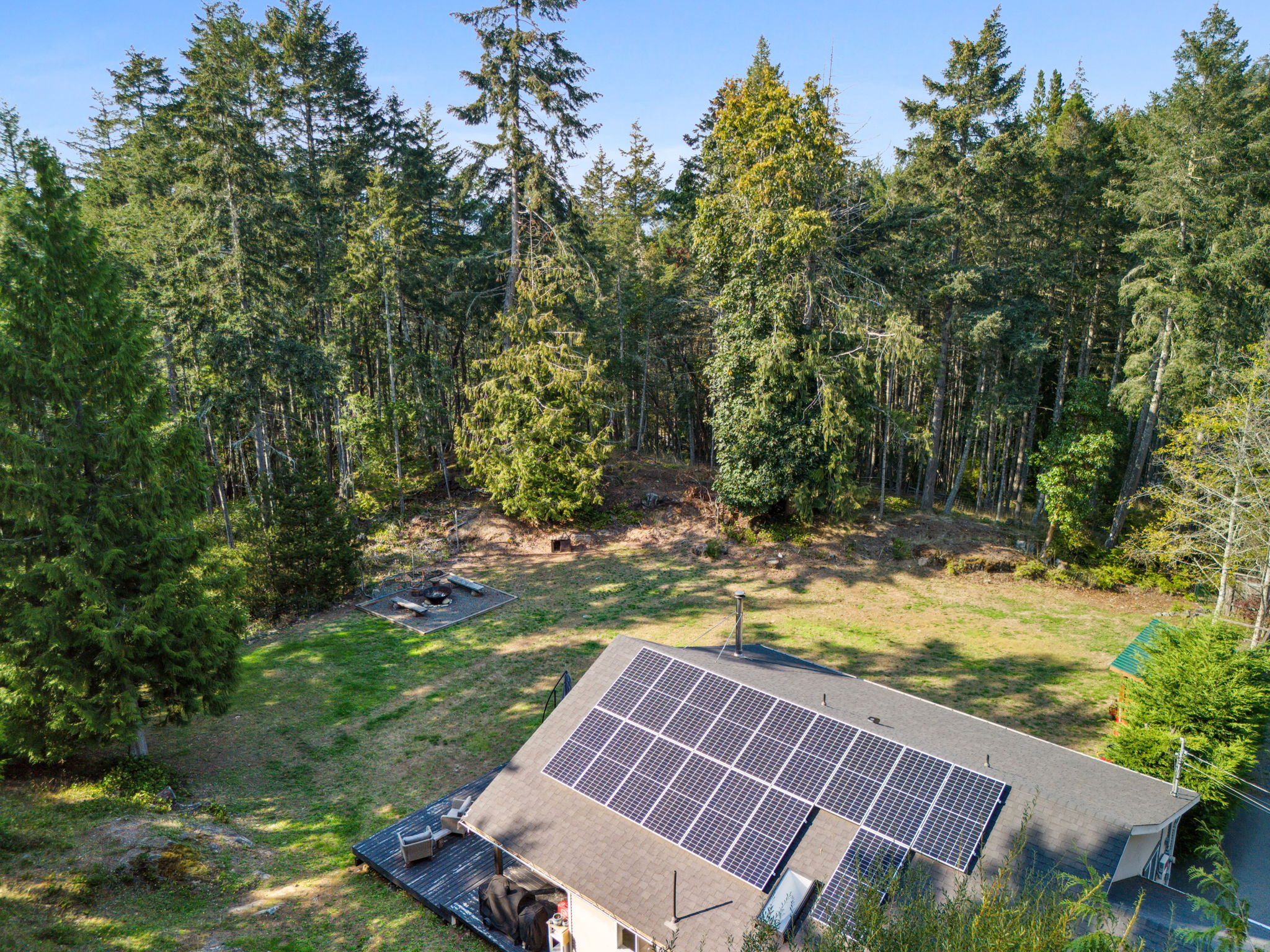
More space without leaving Greater Victoria is one of the most common goals for buyers whose current home no longer fits. That may mean an extra bedroom, a larger yard, a garage, a home office, suite potential, or simply a layout that feels easier to live in. For many buyers, the challenge is not wanting to leave the region. They still want access to work, schools, family, recreation, and the lifestyle that makes Greater Victoria such a desirable place to call home. The good news is that there are still practical options. The key is understanding where your budget goes further, what trade-offs each area involves, and what type of space actually matters most to your lifestyle. Why Buyers Start Looking for More Space Most people do not wake up one day and suddenly decide they need a bigger home. Usually, the need builds slowly. A condo starts to feel tight. A townhouse no longer has enough storage. A growing family needs another bedroom. Remote work makes a proper office more important. Pets, kids, hobbies, tools, bikes, guests, or extended family can all change how a home functions. At that point, the question becomes less about wanting more square footage and more about wanting a home that supports daily life better. That is where a thoughtful move-up strategy matters. The First Question Is Not Size. It Is Trade-Off. When buyers start searching for more space, they often focus on square footage first. That makes sense, but it is not the only thing that matters. In Greater Victoria, more space usually comes from one of three trade-offs: Moving farther from the downtown core Choosing an older home with more potential Prioritizing land, layout, or suite flexibility over newer finishes A newer home in Langford may offer more bedrooms, a garage, and a functional family layout. An older home in Saanich West may offer a larger lot, renovation potential, and a more central location. A property in Sooke may offer land, privacy, and outdoor space that would be difficult to find closer to town. None of these options are automatically better. The right choice depends on what problem you are trying to solve. Langford Langford is often one of the first areas buyers consider when they want more space without leaving Greater Victoria. The appeal is practical. Buyers can often find newer single-family homes, townhomes, duplexes, and family-oriented communities with more interior space than they may find in Victoria, Oak Bay, or central Saanich at a similar price point. Langford also offers strong everyday convenience. Shopping, restaurants, recreation, schools, trails, lakes, and transit connections have made it one of the most active move-up markets in the region. For many buyers, Langford offers a useful balance between space, amenities, and long-term livability. Colwood Colwood can be a strong option for buyers who want more space with a quieter residential feel. Areas around Royal Bay, Olympic View, Wishart, and Lagoon offer a mix of newer homes, established neighbourhoods, schools, parks, and access to the ocean. Buyers who value outdoor space, community planning, and proximity to beaches may find Colwood especially appealing. Compared with some core neighbourhoods, Colwood may offer more flexibility for families looking for an extra bedroom, a garage, a yard, or a more functional layout. View Royal View Royal is worth considering for buyers who want more space but do not want to feel too far removed from Victoria. Its location between the core and the Westshore makes it a strong middle-ground option. Buyers have access to Thetis Lake, the Galloping Goose Trail, Victoria General Hospital, shopping, schools, and major commuter routes. View Royal includes a mix of older single-family homes, townhomes, strata communities, and larger properties depending on the neighbourhood. For buyers who want both space and convenience, it can be a smart area to watch. Saanich West Saanich West is often overlooked by buyers who are focused on either central Victoria or the Westshore. That can create opportunity. Neighbourhoods around Tillicum, Glanford, Strawberry Vale, Royal Oak, Interurban, and Carey may offer single-family homes, larger lots, established streets, parks, and convenient access to town. Some homes may need updating, but that can be part of the long-term value. For buyers who are open to improving a home over time, Saanich West can offer more flexibility than trying to buy a fully renovated property in a more expensive neighbourhood. Sooke Sooke is a strong option for buyers who want more land, more privacy, or more access to nature. The trade-off is usually commute time. For buyers working in downtown Victoria, Saanich, or even parts of Langford, that can be a major consideration. But for those who work remotely, have flexible schedules, or value lifestyle space more than central convenience, Sooke can be a practical fit. Buyers may find larger lots, newer homes, suite options, ocean views, rural settings, and access to trails and beaches. For the right person, Sooke offers a kind of space that is difficult to replicate closer to town. Metchosin and the Highlands Metchosin and the Highlands offer a different version of space. These areas appeal to buyers looking for privacy, acreage, workshops, gardens, rural character, or a quieter lifestyle. They are not always the easiest fit for every buyer because larger properties can come with more maintenance, wells, septic systems, and unique home styles. For buyers who want land and separation, these communities can offer something rare within Greater Victoria. The key is to look beyond the appeal of acreage and understand the responsibility that comes with it. More land can be an incredible lifestyle choice, but it should be matched with the right budget, time, and expectations. The Peninsula Central Saanich, North Saanich, and Sidney can also be worth exploring for buyers who want more space without leaving Greater Victoria. Central Saanich and North Saanich may appeal to buyers looking for larger lots, rural surroundings, established homes, and a calmer pace. Sidney offers more walkability, services, restaurants, shops, and waterfront access, although larger detached homes can come at a premium. The Peninsula works well for buyers who want to stay connected to Greater Victoria but prefer a quieter setting outside the busier urban core. Older Homes Can Be a Smart Path to More Space More space does not always mean buying the newest home. In many established neighbourhoods, older homes may offer larger lots, better renovation potential, suite possibilities, mature landscaping, and more flexible layouts. They may also come with maintenance needs, so it is important to understand the roof, windows, perimeter drains, electrical, plumbing, heating, and overall condition. For buyers with a longer-term mindset, an older home in the right location can be a strategic move. You may not get every finish you want on day one, but you may gain land, layout, and future flexibility. Layout Matters More Than Square Footage A bigger home is not always a better home. A well-designed 1,900 square foot home can feel more functional than a poorly laid out 2,400 square foot home. Before focusing only on size, it helps to define what kind of space you actually need. Ask yourself: Do you need more bedrooms? Do you need a second living room? Do you need a proper office? Do you need storage? Do you need a garage or workshop? Do you need a yard for kids or pets? Do you need suite potential? Do you need separation for teenagers, guests, or extended family? The clearer you are on the real need, the easier it becomes to compare homes properly. A large home with the wrong layout may not solve your problem. A slightly smaller home with the right layout might. Do Not Forget the Cost of the Move When moving up, the purchase price is only one part of the decision. Buyers should also consider: Property transfer tax Legal fees Moving costs Renovations or repairs Utility costs Insurance Commuting costs Strata fees, if applicable Long-term maintenance A home that looks more affordable on paper may become less affordable if it requires major work. On the other hand, a slightly more expensive home with better systems, layout, and condition may be easier to manage over time. This is where strategy matters. The goal is not just to buy more space. The goal is to buy more usable space without creating unnecessary financial pressure. Final Thoughts Finding more space without leaving Greater Victoria is possible, but it often requires a flexible mindset. For some buyers, the right move may be Langford, Colwood, View Royal, or Sooke. For others, it may be Saanich West, the Peninsula, Metchosin, the Highlands, or an older home with more potential. The best choice is not always the biggest home or the newest home. It is the home that gives you the right balance of space, location, lifestyle, budget, and long-term value. If your current home no longer fits, it may be time to look at your options with a clear plan. A thoughtful move-up strategy can help you understand where your budget goes further, which areas fit your lifestyle, and what trade-offs are actually worth making. Devon M., 5-Star Review, via Google “Scott was very patient with us as we started our family and took about a year to decide on place we thought would be fit for our home. He went above and beyond and still continues to this day to keep in touch and periodically checks in to see how we are doing. I highly recommend him to anyone looking for a realtor to either sell or buy their home.” Faber Real Estate Group Royal LePage Coast Capital Realty 📞 250-244-3430 📧 [email protected] ℹ️ Scott Faber Personal Real Estate Corporation ℹ️ Cal Faber Personal Real Estate Corporation Vanessa Wood, Zachary Parsons, and Sophie Taylor “Building Lasting Relationships, One Home at a Time.”
Read more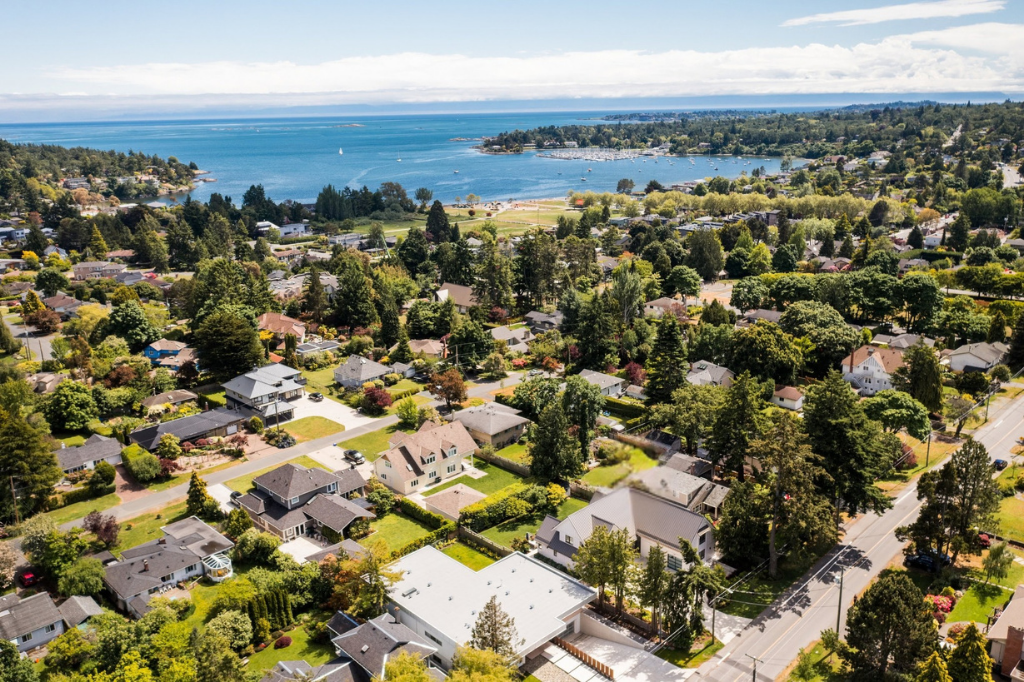
Greater Victoria real estate micro-markets can feel confusing because the region does not move as one single market. A condo in downtown Victoria, a family home in Gordon Head, a townhome in Langford, and a character home in Oak Bay can all respond differently to the same interest rate environment, inventory level, or buyer mood. That is why broad market headlines can only tell part of the story. According to the Victoria Real Estate Board, there were 3,710 active listings on the MLS® at the end of April 2026, up 8.3% from April 2025. The Board also described the overall market as balanced, while noting that buyer and seller experiences can vary depending on property type and location. That last point matters most. A Balanced Market Does Not Mean Every Area Feels Balanced When people hear that the market is balanced, they often assume every neighbourhood is moving at the same pace. That is rarely true. One area may have strong demand for detached homes because families want school access, yard space, and long-term livability. Another area may have slower condo activity because buyers have more choice, higher strata scrutiny, or stronger price sensitivity. A balanced regional market can still contain: Competitive pockets Slower-moving property types Price-sensitive segments High-demand neighbourhoods Listings that need sharper pricing to stand out This is why Greater Victoria real estate micro-markets require more than a regional average. Property Type Changes Everything A detached home, townhouse, condo, acreage property, and new-build unit can all behave differently. For example, buyers comparing condos may focus on strata fees, depreciation reports, insurance, amenities, parking, and building age. Buyers looking at detached homes may care more about lot size, renovation history, suite potential, roof condition, schools, and outdoor space. Even within the same neighbourhood, two property types can have very different buyer pools. A well-priced townhouse in a walkable area may attract strong interest, while a nearby condo with high strata fees may move more slowly. A dated detached home may sit if it needs major work, while a well-maintained home nearby may sell quickly because buyers value certainty. Neighbourhood Lifestyle Drives Buyer Demand Greater Victoria is not just a collection of price points. It is a collection of lifestyles. Buyers are often choosing between very different versions of daily life: Walkability in Fairfield, James Bay, Cook Street Village, or Fernwood Space and newer homes in Langford, Colwood, or View Royal Quiet residential streets in Gordon Head, Cordova Bay, or Oak Bay Waterfront access in Sidney, Saanich Peninsula, or Esquimalt Rural privacy in Metchosin, Central Saanich, or parts of Highlands These choices are emotional as much as financial. A buyer who wants cafés, transit, and walkability may accept less square footage. A buyer who wants a garage, yard, and newer construction may look further from the core. A downsizer may prioritize elevator access, storage, and a quiet building over a larger floor plan. That is why two homes at the same price can feel completely different in value. Price Brackets Create Their Own Markets Price point is another reason local real estate behaves differently. A home listed around a first-time buyer budget may attract a very different buyer group than a home listed above $1.5 million. Financing, affordability, insurance, strata fees, renovation costs, and property transfer tax considerations can all influence how active buyers feel at each level. In some price ranges, buyers may move quickly because quality options are limited. In others, they may compare more carefully because there are more listings to choose from. For sellers, this means pricing cannot rely only on what the neighbour sold for. It needs to consider: The current competition Buyer affordability at that price point Days on market for similar homes Recent comparable sales Property condition How much choice buyers have today The right pricing strategy depends on the specific buyer pool, not just the address. Condition Matters More When Buyers Have Choice When inventory rises, buyers tend to become more selective. In April 2026, Greater Victoria had more active listings than the previous year, giving buyers more options across many parts of the region. That does not mean every buyer has endless choice, but it does mean sellers need to understand how their home compares in real time. In a market with more selection, buyers often look closely at: Roof age Windows Heating systems Strata documents Depreciation reports Drainage Electrical updates Renovation quality Storage and parking Long-term maintenance costs A home does not need to be perfect. It needs to be clearly positioned. A well-maintained home gives buyers confidence. A home with unclear maintenance history may create hesitation, even if the price seems reasonable. Buyers and Sellers Need Local Context, Not Just Market Averages Averages can help explain the direction of the market. They do not tell you what to offer on one specific home or how to price one specific listing. For buyers, local context helps answer better questions: Is this home priced fairly for this neighbourhood? How much competition is there for this property type? Are buyers moving quickly here or taking their time? Is this location likely to support long-term resale demand? What trade-offs are normal at this price point? For sellers, local context helps avoid two common mistakes: Overpricing based on old market momentum Underestimating buyer demand in a strong pocket Good strategy starts with the micro-market, not the headline. What This Means If You Are Buying When buying in Greater Victoria, it helps to compare homes by lifestyle, property type, and long-term fit rather than price alone. A condo in the core may offer walkability and convenience. A townhouse in the Westshore may offer more space and newer construction. A detached home in Saanich may offer long-term flexibility, but may also come with higher maintenance needs. The better question is not simply, “Is this a good deal?” A better question is, “Is this the right trade-off for the way I want to live, the budget I have, and the resale value I want to protect?” What This Means If You Are Selling When selling, the goal is not to price for the entire region. The goal is to price for the buyers most likely to choose your home. That means looking closely at: Your neighbourhood Your property type Your condition level Your competition Your timing Your likely buyer profile A strong listing strategy should explain why your home makes sense in its specific market. That may mean highlighting walkability, updates, outdoor space, suite potential, strata strength, school proximity, or lifestyle convenience. The more specific the positioning, the easier it is for the right buyer to understand the value. The Bottom Line Greater Victoria real estate micro-markets matter because buyers are not shopping the region in one uniform way. They are comparing neighbourhoods, lifestyles, building types, costs, risks, and long-term fit. That is why the best advice is rarely generic. Whether you are buying or selling, the real value comes from understanding the specific market you are in, not just the market everyone is talking about. For advice on how your neighbourhood, property type, or price range is performing in today’s Greater Victoria real estate market, contact Faber Real Estate Group. Darren L., 5-Star Review, via Google “Fabulous job from Cal, Scott and Vanessa. They were professional, have strong negotiating skills and had a proactive strategy as the house sold very quickly (within a day the offer was accepted) and for the asking price. We were at ease with Cal and the team once we decided to go with them after interviewing other realty groups. It was definitely a smooth experience to say the least. Highly recommending the Faber Group if you’re buy or selling. Truly a group that is there to put the client first and foremost.” Faber Real Estate Group Royal LePage Coast Capital Realty 📞 250-244-3430 📧 [email protected] ℹ️ Scott Faber Personal Real Estate Corporation ℹ️ Cal Faber Personal Real Estate Corporation Vanessa Wood, Zachary Parsons, and Sophie Taylor “Building Lasting Relationships, One Home at a Time.”
Read more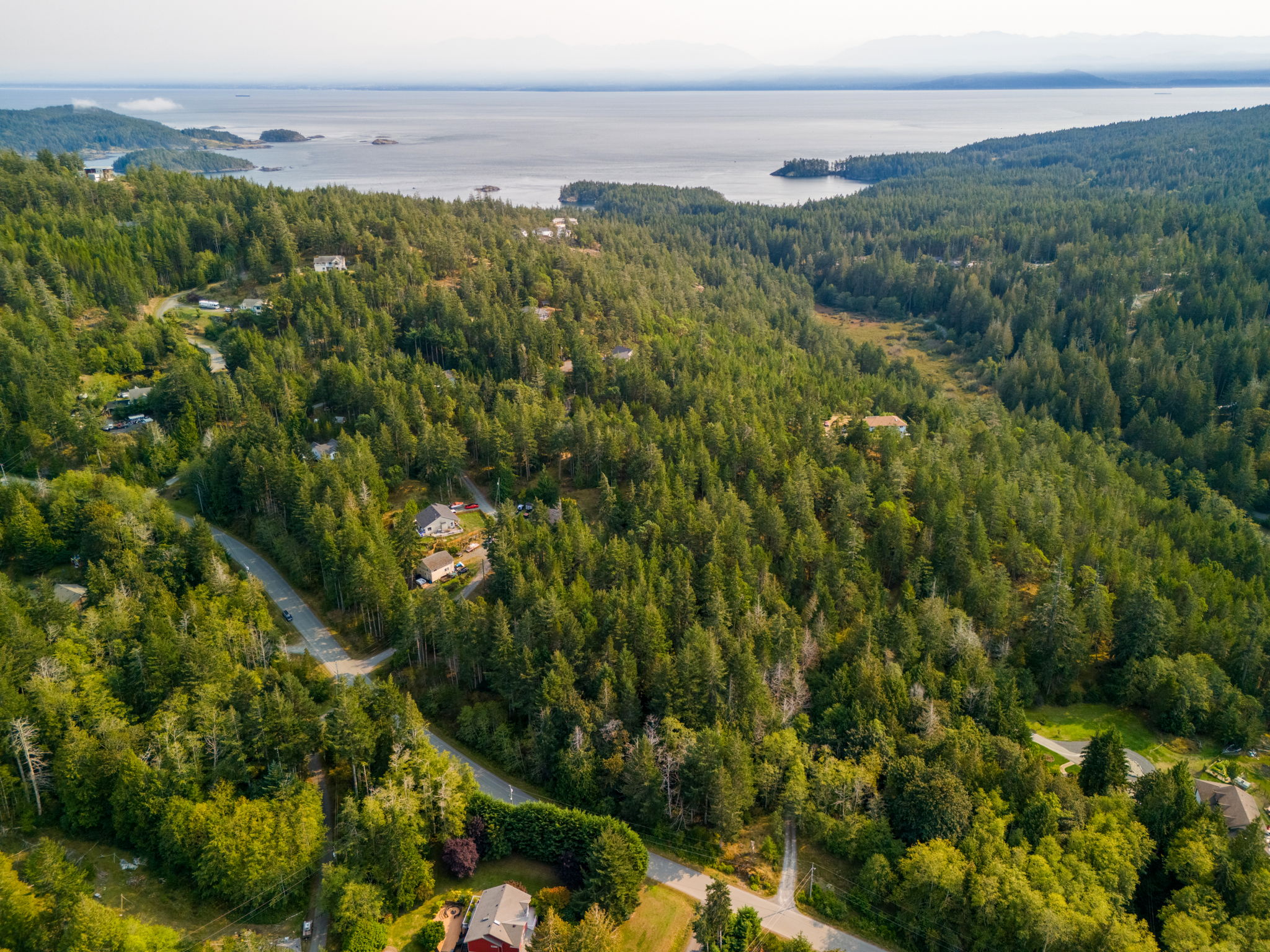
Septic systems for rural homebuyers can feel unfamiliar at first, especially for buyers who have only owned homes connected to municipal sewer. In many rural and semi-rural areas, a home may rely on an onsite sewage system instead of a city sewer connection. That does not need to be a deal breaker. However, it does need to be understood before you buy. A septic system is one of the most important parts of a rural property. It affects how the home functions, how the land can be used, what future improvements may be possible, and what maintenance responsibilities come with ownership. What Is a Septic System? A septic system treats wastewater from the home on the property itself. That includes water from toilets, sinks, showers, laundry, dishwashers, and other plumbing fixtures. A typical system includes: A septic tank Pipes from the home A distribution box or treatment component A drain field or dispersal field Soil that helps filter and treat wastewater The basic process is fairly simple. Wastewater leaves the home and enters the septic tank. Solids settle in the tank, while liquid wastewater flows into the drain field. From there, the soil helps treat and disperse the wastewater safely. When the system is working properly, most homeowners rarely think about it. When it fails, repairs can be expensive, disruptive, and stressful. Why Septic Systems Matter When Buying Rural Property A rural property may offer privacy, land, views, trees, gardens, workshops, or space that is harder to find in urban neighbourhoods. But that extra space often comes with more responsibility. In addition to the home itself, buyers may need to understand wells, drainage, access, outbuildings, zoning, trees, fire risk, and septic systems. The septic system matters because it can affect: Whether the home can be safely occupied How many people the system can support Whether future renovations are possible Whether a suite or additional bedroom makes sense Long-term maintenance costs Buyer confidence Insurance and financing questions Future resale value For rural homebuyers, septic due diligence should be treated as part of the buying process, not as an afterthought. The Septic System Should Match the Home One of the most important details is whether the septic system matches the current use of the property. For example, a home may have been built as a three-bedroom property, but later owners may have finished additional rooms, added accommodation, or changed how the home is used. If the septic system was not designed for that level of occupancy, buyers need to know that before moving forward. This can matter if you are planning to: Add bedrooms Create a secondary suite Build an addition Increase household size Use the property for multi-generational living Add a guest space or rental component Renovate unfinished areas A property may look flexible, but the septic system may set practical limits. What Buyers Should Ask Before Buying Before removing subjects on a rural property, buyers should try to gather as much septic information as possible. Important questions include: Where is the septic tank located? Where is the drain field located? When was the system installed? Was it installed with proper permits or filings? What type of system is it? When was it last pumped? When was it last inspected? Are maintenance records available? Is the system designed for the current number of bedrooms? Has the home been expanded since the system was installed? Have there been backups, odours, slow drains, or repairs? Has anyone parked, built, paved, or landscaped over the drain field? Good answers reduce uncertainty. Missing answers do not always mean there is a problem, but they do mean the buyer should proceed carefully. Why a Septic Inspection Matters A standard home inspection does not usually provide a full septic review. Septic systems need specific knowledge, equipment, and experience. A septic inspection may include: Locating the tank and field Opening and inspecting the tank Checking sludge and scum levels Reviewing visible components Looking for signs of failure Checking drainage or wet areas Reviewing maintenance history Recommending pumping, repairs, or further investigation For buyers, this inspection can provide important peace of mind. It may also uncover issues that affect price, terms, or whether the buyer moves forward at all. Warning Signs Buyers Should Watch For Some septic problems are obvious. Others are not. During showings and inspections, buyers should pay attention to the home, the yard, and any information the seller provides. Possible red flags include: Sewage odours inside or outside the home Slow drains or gurgling plumbing Toilets that flush poorly Wet or soggy areas near the drain field Unusually green grass over the field Standing water around the system area Lack of maintenance records Unknown system location Older system with no recent inspection Recent landscaping that may hide problems Extra finished space without septic confirmation A single concern does not always mean the system is failing. However, it should trigger more questions. Maintenance Is Part of Rural Ownership A septic system needs regular care. It is not something buyers should ignore until there is a problem. Good septic maintenance includes: Pumping the tank as recommended Keeping service records Conserving water where practical Fixing leaks quickly Avoiding grease, wipes, chemicals, and non-flushable items Keeping vehicles and heavy equipment off the drain field Avoiding structures, patios, or major landscaping over the field Understanding where the system components are located This is part of the responsibility of owning a rural property. Just like maintaining a roof, well, driveway, or drainage system, septic care protects the property and helps avoid larger costs later. How Septic Systems Affect Renovation Plans Many rural buyers are drawn to properties because of the possibilities. They may want more space, more privacy, more flexibility, or room to grow. Before assuming what can be done, buyers should understand whether the septic system can support the plan. A septic system may affect: Adding another bedroom Building an addition Creating a suite Converting a garage or outbuilding Adding guest accommodation Changing the occupancy level Future subdivision or development plans This does not mean a buyer cannot improve the property. It means the septic system should be reviewed before making plans. How Septic Systems Can Affect Resale A well-maintained septic system can support buyer confidence. A poorly documented or failing system can create hesitation, negotiation pressure, or future disclosure issues. When it comes time to sell, buyers will usually feel more comfortable if the owner can provide: Pumping records Inspection records System location details Installation or filing information Repair history Clear disclosure about known issues Good records can make a rural property easier to sell. They show that the system has not been ignored. Septic Systems Are Not a Reason to Avoid Rural Homes Some buyers become nervous when they hear a property has septic. That is understandable, but it should not automatically scare anyone away. Many rural homes rely on septic systems and function very well for decades when properly designed, used, and maintained. The key is not to avoid septic systems. The key is to understand them. A smart rural buying strategy includes: Asking for records early Including proper conditions in the offer Hiring the right inspector Confirming system capacity Reviewing future renovation goals Budgeting for maintenance Understanding what you are responsible for after completion Final Thoughts Septic systems for rural homebuyers should be taken seriously, but they do not need to be intimidating. They are simply part of understanding the full property. When buyers review the system properly, ask the right questions, and complete the right inspections, they can make a more confident decision. Rural living often offers space, privacy, and lifestyle advantages that are hard to find in urban areas. The best experience comes from knowing what supports the home beneath the surface. If you are considering a rural property in Greater Victoria or on Vancouver Island, contact Faber Real Estate Group for guidance on septic considerations, rural due diligence, and what to ask before writing an offer. David M., 5-Star Review, via Google “Scott was a fantastic realtor—hardworking, knowledgeable, and truly dedicated to his clients. His expertise and great connections made the entire process smooth and stress-free. He went above and beyond to ensure everything was taken care of, and I couldn’t be happier with the results. I highly recommend Scott to anyone looking for a realtor.” Faber Real Estate GroupRoyal LePage Coast Capital Realty📞 250-244-3430📧 [email protected]ℹ️ Scott Faber Personal Real Estate Corporationℹ️ Cal Faber Personal Real Estate CorporationVanessa Wood, Zachary Parsons, and Sophie Taylor“Building Lasting Relationships, One Home at a Time.”.
Read more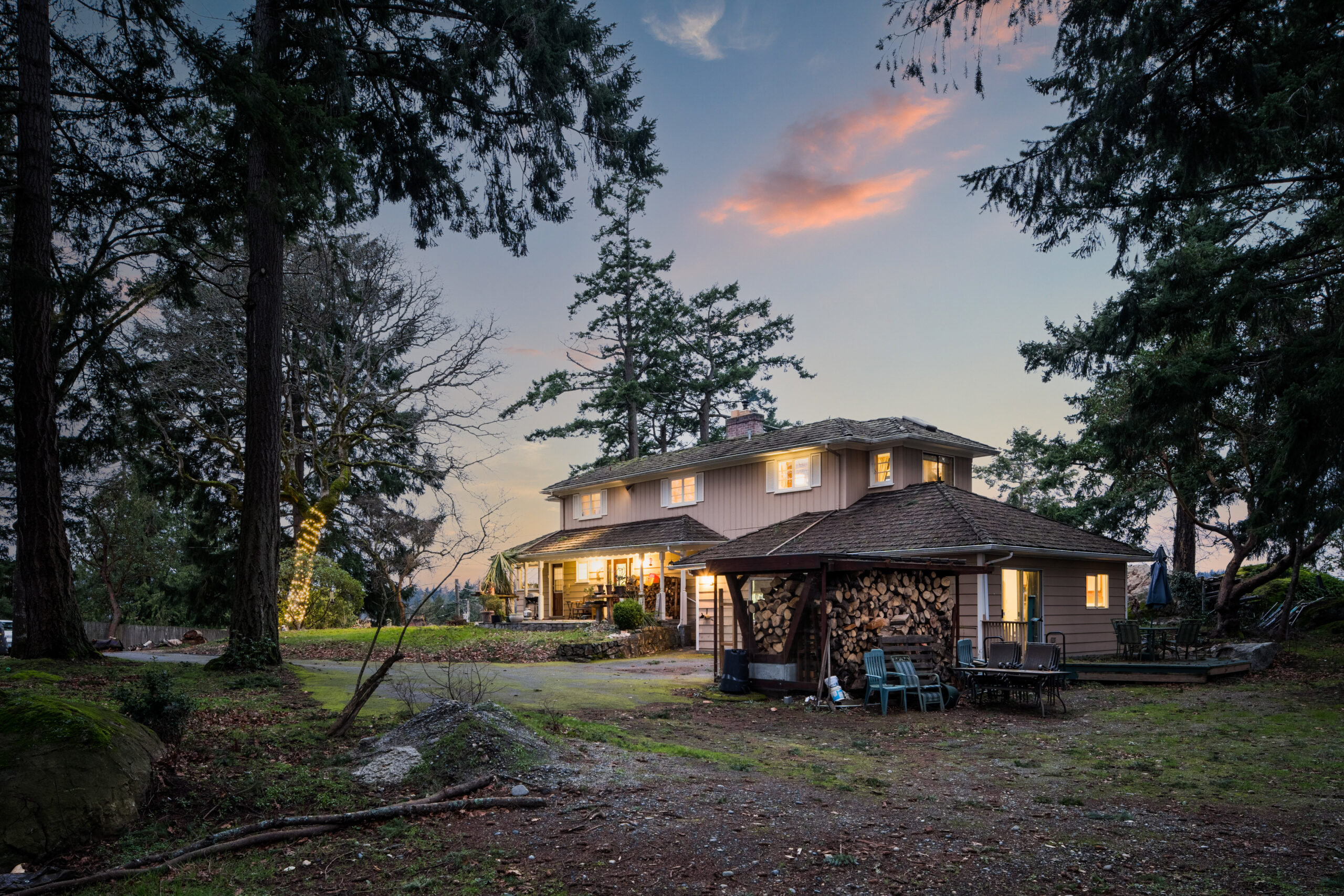
For many buyers, living outside of town can feel like the practical answer. Prices may be lower, homes may be larger, and the pace can feel calmer. However, the pros and cons of living outside of town deserve a closer look before making the move. A home is not only a purchase price. It is also a daily lifestyle choice. The Pros of Living Outside of Town 1. More Space for the Money Buyers often look farther from the core because they can find more home, more yard, or a newer property within the same budget. This can be especially appealing for families, pet owners, remote workers, or anyone who wants extra room to grow. 2. A Quieter Lifestyle Outside-town living can offer more privacy, less traffic noise, and a slower pace. For some buyers, that peace is worth more than being close to downtown. 3. Better Access to Nature Many communities outside the urban core offer easier access to trails, lakes, beaches, parks, and outdoor recreation. That lifestyle can be a major reason people choose areas like the Westshore, Sooke, Metchosin, or the Peninsula. 4. Strong Long-Term Appeal As Greater Victoria grows, some outside-town areas continue to attract buyers who want space and relative affordability. If infrastructure, amenities, and transportation improve, long-term demand can strengthen. The Cons of Living Outside of Town 1. Longer Commutes The biggest trade-off is usually time. A longer drive can affect mornings, evenings, childcare, school routines, and overall flexibility. Even if the commute seems manageable during showings, it may feel different after several months. 2. Higher Transportation Costs Living farther out can increase fuel costs, vehicle wear and tear, insurance use, parking needs, or the need for a second vehicle. A lower mortgage payment may not feel as low once transportation costs are included. 3. Fewer Nearby Amenities Some areas have fewer restaurants, shops, medical services, recreation options, or transit routes nearby. That does not matter to every buyer, but it can affect day-to-day convenience. 4. Resale Can Depend on Market Conditions When the market is active, buyers may stretch farther for space. When the market slows, some buyers refocus on convenience, walkability, and commute time. That means resale demand can vary more by location, property type, and local amenities. The Smart Way to Decide Before buying outside of town, compare the full lifestyle cost, not just the purchase price. Ask yourself: How often will I commute? Will we need another vehicle? How close are schools, parks, stores, and services? Will this location still work in five years? How broad will the resale buyer pool be? Final Thought The pros and cons of living outside of town come down to trade-offs. You may gain space, privacy, and value, but you may give up time, convenience, and some resale flexibility. The right choice is not about town versus outside town. It is about which location supports your life, budget, and long-term plans best. If you are comparing neighbourhoods across Greater Victoria and want help weighing lifestyle, commute, and resale value, contact Faber Real Estate Group for local guidance. Doug F., 5-Star Review, via Google “The way the sale/transaction/personal service of this Firm is 100%. They returned calls promptly, got me information when asked and even helped me move heavy furniture with a smile.” Faber Real Estate GroupRoyal LePage Coast Capital Realty📞 250-244-3430📧 [email protected]ℹ️ Scott Faber Personal Real Estate Corporationℹ️ Cal Faber Personal Real Estate CorporationVanessa Wood, Zachary Parsons, and Sophie Taylor“Building Lasting Relationships, One Home at a Time.”
Read more
Many buyers choose to live in Greater Victoria communities because of the region’s year-round access to nature, trails, beaches, and parks. Buyers who prioritize active living often focus their home search on neighbourhoods that provide immediate access to hiking, biking, waterfront activities, and green space. Several communities stand out for offering exceptional outdoor lifestyles alongside strong real estate appeal. Langford – Trail Networks and Lakeside Living Langford continues to attract buyers who want convenient access to hiking trails, lakes, and recreation facilities. The area offers quick connections to Mount Finlayson, Goldstream Provincial Park, and numerous biking routes throughout the Westshore. Popular neighbourhoods such as Westhills and Bear Mountain appeal to buyers who value outdoor recreation. Westhills offers walkable community planning with access to parks and lakes, while Bear Mountain provides golf, trail systems, and resort-style amenities. These features make Langford one of the most popular Greater Victoria outdoor recreation communities for families and active professionals. Sooke – Oceanfront and Rugged Nature Access Sooke attracts buyers looking for direct access to Vancouver Island’s rugged coastline and wilderness. Residents enjoy kayaking, fishing, hiking, and beach exploration, with popular destinations like East Sooke Regional Park and the Sooke Potholes nearby. Sooke appeals to buyers seeking a quieter lifestyle surrounded by nature. Detached homes and waterfront properties remain common, which attracts outdoor enthusiasts who prioritise space and natural surroundings. Sidney – Walkable Waterfront Recreation Sidney offers a unique balance of seaside living and walkable convenience. Residents enjoy waterfront trails, cycling routes, marinas, and easy beach access throughout the community. The town attracts downsizers, retirees, and buyers seeking a slower pace of life while maintaining strong outdoor recreation opportunities. Sidney’s flat terrain and compact layout make it especially appealing to residents who enjoy walking and cycling daily. Saanich – Diverse Parks and Regional Trail Access Saanich provides some of the most diverse outdoor recreation opportunities in the region. Residents benefit from quick access to Mount Douglas Park, Elk and Beaver Lake Regional Park, and extensive cycling routes. Neighbourhoods in Saanich often appeal to buyers who want suburban living with immediate access to green space. The variety of housing styles also attracts a wide range of buyers, from young families to long-term homeowners. Oak Bay – Coastal Recreation and Scenic Shorelines Oak Bay is known for its coastal walking paths, waterfront parks, and ocean recreation. Residents enjoy kayaking, paddleboarding, and scenic shoreline trails, including popular destinations like Willows Beach and the Oak Bay Marina area. Oak Bay attracts buyers looking for established neighbourhood charm combined with premium access to waterfront outdoor activities. The area often appeals to buyers prioritizing long-term property value and lifestyle quality. Choosing the Right Outdoor-Focused Community Buyers comparing Greater Victoria outdoor recreation communities should consider daily lifestyle priorities, commute needs, and housing preferences. Some areas offer rugged wilderness access, while others focus on waterfront living or family-friendly trail systems. Communities such as Langford and Sooke often appeal to buyers seeking hiking and adventure-focused recreation. Sidney and Oak Bay typically attract buyers prioritizing ocean access and walkable outdoor activities. Saanich offers a balanced option with diverse park systems and suburban convenience. Outdoor Lifestyle and Long-Term Real Estate Appeal Access to recreation continues to influence buyer demand across Greater Victoria. Communities with strong outdoor amenities often maintain steady resale value because lifestyle-driven buyers remain highly active in the market. While past performance does not guarantee future results, outdoor-focused neighbourhoods consistently attract long-term interest. If you are exploring Greater Victoria outdoor recreation communities, contact our team to discuss neighbourhood options and find a home that matches your lifestyle goals. Marieke J., 5-Star Review, via Google “We had a fantastic experience with Cal and Scott. From the first meeting via Zoom until the moment we received the keys to our new home. They are very kind and warm people, and made us feel at home and welcome right away. Scott is very knowledgeable, easy to work with, professional, honest and quick to respond to questions. We felt in good hands and comfortable having him at our side in our buying process. When looking for a great realtor in the Victoria area, I would highly recommend Cal and Scott from Faber Real Estate Group..” Faber Real Estate Group Royal LePage Coast Capital Realty 📞 250-244-3430 📧[email protected] ℹ️ Scott Faber Personal Real Estate Corporation ℹ️ Cal Faber Personal Real Estate Corporation Vanessa Wood, Zachary Parsons, and Sophie Taylor “Building Lasting Relationships, One Home at a Time.”
Read more
Investment properties in Sooke continue to attract buyers looking for rental income, lifestyle value, and long-term appreciation potential. As Sooke grows as an extension of the Westshore housing market, investors are taking notice of its comparatively attainable pricing and strong lifestyle appeal. While opportunities exist, understanding both rental potential and investment risks remains essential when evaluating this evolving coastal market. Why Sooke Is Gaining Attention from Investors Sooke has experienced steady growth over the past decade as buyers expand their search beyond Langford, Colwood, and View Royal. The community offers ocean views, outdoor recreation, and larger properties at price points that often remain more accessible than central Greater Victoria. Infrastructure improvements, expanded retail services, and increased school capacity continue to support population growth. As more full-time residents move into the area, demand for both ownership and rental housing has strengthened, helping support the appeal of investment properties in Sooke. Long-Term Rental Demand Continues to Grow Long-term rental demand in Sooke remains strong, particularly among families, remote workers, and trades professionals who prioritize space and affordability. Many renters choose Sooke for its larger homes, proximity to nature, and quieter lifestyle compared to urban Victoria. Detached homes with legal secondary suites are especially attractive for investors. These properties can provide stable rental income while allowing owners to maintain flexibility for future personal use. Townhomes and newer developments also appeal to tenants seeking modern features and lower maintenance living. Investors should carefully evaluate zoning, municipal regulations, and operating costs when planning long-term rental strategies. Market cycles and interest rate changes can influence carrying costs, which makes conservative financial planning important. Vacation Homes and Short-Term Rental Appeal Sooke’s tourism and recreation opportunities create demand for vacation properties. Waterfront homes, cottages, and properties near regional parks often attract visitors year-round. Activities such as fishing, hiking, whale watching, and storm viewing help maintain strong tourism interest. Some investors pursue vacation rentals to generate seasonal income while enjoying personal use of the property. However, buyers must review current short-term rental regulations and municipal requirements, which can affect income projections and property usage. Operating expenses, management costs, and seasonal vacancy rates should also be factored into investment planning. Market Stability Supports Long-Term Investment Strategies Investment properties in Sooke often appeal to buyers focused on long-term holding strategies rather than short-term speculation. Population growth and ongoing Westshore expansion continue to support housing demand. As services and infrastructure improve, Sooke may see further buyer interest and gradual property value growth. Although Sooke has demonstrated stable demand, real estate markets naturally shift over time. Investors should remain aware of interest rate trends, housing supply increases, and broader economic conditions when evaluating long-term performance. Risks Investors Should Consider While Sooke offers attractive opportunities, buyers should understand potential challenges. Commute times to central Victoria can impact tenant demand for some renters. Seasonal fluctuations may influence short-term rental occupancy. In addition, increased housing development in neighbouring Westshore communities can create temporary competition. Coastal property ownership can also involve higher maintenance and insurance costs. Investors who conduct detailed due diligence and maintain realistic financial expectations often position themselves more successfully. Balancing Opportunity and Long-Term Planning Investment properties in Sooke can provide strong lifestyle and income potential when approached strategically. Buyers who focus on quality construction, flexible rental options, and desirable locations often create more resilient investment portfolios. Sooke continues to develop as part of the broader Westshore housing landscape, making thoughtful property selection increasingly important. If you are considering investment or personal properties in Sooke, reach out to our team to discuss current opportunities and determine the best strategy for your real estate goals. Michael F., 5-Star Review, via Google “Cal and Scott exceeded our expectations in every way. They were always available to answer our questions and address any concerns immediately, providing exceptional support throughout the entire process. Their dedication and expertise made the selling and buying experience seamless and stress-free.” Faber Real Estate Group Royal LePage Coast Capital Realty 📞 250-244-3430 📧[email protected] ℹ️ Scott Faber Personal Real Estate Corporation ℹ️ Cal Faber Personal Real Estate Corporation Vanessa Wood, Zachary Parsons, and Sophie Taylor “Building Lasting Relationships, One Home at a Time.”
Read more