


Victoria, BC home maintenance and value are closely linked. In a market where buyers expect well-kept homes, ongoing upkeep is not just about comfort. It plays a direct role in protecting resale value and long-term equity. From James Bay character homes to newer properties in Langford, maintenance signals how a home has been cared for over time. Buyers and appraisers notice. What Counts as Home Maintenance Home maintenance includes routine tasks and planned repairs that prevent deterioration. This covers roof upkeep, plumbing and electrical updates, HVAC servicing, exterior paint, and drainage management. When maintenance is deferred, small issues often turn into expensive problems. This can reduce appraised value and limit buyer interest, especially in competitive Victoria neighbourhoods. How Maintenance Supports Long-Term Value Well-maintained homes tend to sell faster and closer to asking price. They also appraise more consistently. Key value drivers include: Curb appeal Clean exteriors, tidy landscaping, and fresh paint improve first impressions. In Victoria, a neglected exterior often raises concerns about moisture or structural issues. Prevention of major repairs Fixing minor problems early helps avoid larger failures. This matters in Victoria’s wet climate, where roof leaks, poor drainage, and moisture intrusion are common red flags. Energy efficiency Updated windows, insulation, and electrical systems appeal to buyers and reduce operating costs. Energy-efficient homes also align with current buyer expectations in BC. Structural condition Roofing, foundations, and plumbing directly affect value. Older homes in Victoria require consistent attention to avoid depreciation tied to outdated systems. Victoria BC home maintenance and value trends show that condition often matters more than cosmetic upgrades alone. Victoria-Specific Maintenance Considerations Coastal exposure increases wear from moisture and salt air. Annual maintenance budgets often fall around 1 percent of building value, not including land. In established areas like Oak Bay and Fairfield, buyers expect turnkey condition. Deferred maintenance can reduce buyer confidence and negotiation strength. Over-improving can also backfire. Upgrades should match neighbourhood expectations and buyer demand. Practical Maintenance Tips for Homeowners Create an annual maintenance checklist focused on roofs, drainage, and ventilation Prioritize kitchens, bathrooms, and exterior condition Budget 1 to 2 percent of home value annually for upkeep Schedule professional inspections, especially for older homes Keep records of repairs and upgrades for resale and appraisals For sellers, documented maintenance supports pricing. For buyers, well-maintained homes reduce future costs. Bottom Line Victoria BC home maintenance and value go hand in hand. Proactive upkeep protects equity, supports resale pricing, and reduces surprises. In a stable but selective market, condition remains one of the strongest drivers of long-term home value. This content is for educational purposes only. Always consult local professionals and municipal guidelines for property-specific advice. Matt C., 5-Star Review, via Google “I would highly recommend not only the Faber group however specifically Scott. He treated us with the utmost respect and looked out for our best interests. Our selling and buying process were seemless with little stress due to Scott handling everything behind the scenes. Furthermore not only did Scott show us exactly what we were looking for he knew what location would best suit our lives.” Faber Real Estate Group Royal LePage Coast Capital Realty 📞 250-244-3430 📧[email protected] ℹ️ Scott Faber Personal Real Estate Corporation ℹ️ Cal Faber Personal Real Estate Corporation Vanessa Wood, Zachary Parsons, and Sophie Taylor “Building Lasting Relationships, One Home at a Time.”
Read more
Winter in Greater Victoria brings shorter days, cooler temperatures, and higher energy usage. Homeowners can improve comfort, reduce energy bills, and even increase property value by investing in energy efficiency upgrades. Buyers are increasingly looking for homes that are not only stylish but also cost-effective to run and environmentally responsible. Upgrade Insulation and Weatherproofing Adding insulation to attics, walls, and crawl spaces helps maintain indoor warmth during winter. Sealing drafts around doors, windows, and vents can prevent heat loss, reduce energy bills, and improve indoor comfort. Homes with well-maintained insulation are more attractive to buyers who value efficiency. Replace Windows and Doors Energy-efficient windows and doors prevent heat loss and reduce condensation. Upgrading to double or triple-glazed windows can significantly improve comfort and decrease heating costs, which adds perceived and actual value to your home. Modern Heating Systems High-efficiency furnaces, boilers, or heat pumps are strong selling points in winter. Modern systems not only provide consistent warmth but also use less energy, which appeals to cost-conscious buyers. Regular maintenance of existing systems also boosts efficiency and ensures reliable operation. Smart Home and Thermostat Upgrades Smart thermostats allow homeowners to control heating remotely and schedule energy use efficiently. Buyers increasingly value these upgrades for convenience and savings. Pairing smart thermostats with zoned heating systems can further enhance comfort and efficiency. Water Heating Efficiency Tankless or high-efficiency water heaters save energy and space. Insulating older water heaters and pipes can also reduce heat loss, making the home more efficient and lowering utility costs. Solar Panels and Renewable Options Although less common in Greater Victoria homes, solar panels or solar water heating systems can attract buyers interested in sustainability. Even partial solar adoption can boost market appeal and long-term savings. Lighting and Appliances Upgrading to LED lighting and energy-efficient appliances reduces electricity usage and improves your home’s eco-friendly credentials. Buyers are often willing to pay a premium for homes with modern, efficient appliances. The Value Proposition Energy-efficient upgrades not only make winter living more comfortable but also increase resale value. Homes that are cost-effective, environmentally responsible, and easy to maintain appeal to a broader range of buyers, making them stand out in Greater Victoria’s competitive market. Professional Help If you’re considering upgrades but aren’t sure where to start, reaching out to trusted local professionals can make a big difference. Energy auditors, HVAC specialists, and certified contractors can assess your home and recommend cost-effective improvements that add the most value. Please reach out to us if you need any referrals. Michael F., 5-Star Review, via Google “Cal and Scott exceeded our expectations in every way. They were always available to answer our questions and address any concerns immediately, providing exceptional support throughout the entire process. Their dedication and expertise made the selling and buying experience seamless and stress-free. ” Faber Real Estate Group Royal LePage Coast Capital Realty 📞 250-244-3430 📧[email protected] ℹ️ Scott Faber Personal Real Estate Corporation ℹ️ Cal Faber Personal Real Estate Corporation Vanessa Wood, Zachary Parsons, and Sophie Taylor “Building Lasting Relationships, One Home at a Time.”
Read more
The BC luxury real estate market 2026 is showing resilience, even as broader economic conditions continue to adjust. In Vancouver, premium properties are not immune to change, but they often behave differently than entry-level homes. Why Luxury Homes React Differently High-end buyers tend to rely less on financing and more on long-term asset strategies. As a result, luxury segments usually see fewer forced sales. Instead, activity slows through longer listing times and more selective buyers, not sharp price drops. Vancouver’s Premium Neighbourhoods Hold Value Established luxury areas continue to attract demand due to limited supply, strong international interest, and lifestyle appeal. Waterfront homes, architect-designed properties, and homes in legacy neighbourhoods remain especially sought after, even during market transitions. Pricing Adjustments, Not Pullbacks In 2026, sellers in the luxury space are pricing more strategically. Overpricing is corrected faster, while well-positioned homes still command attention. Buyers expect quality, privacy, and turnkey condition, which places pressure on sellers to prepare homes carefully. What This Means for Buyers and Sellers For buyers, economic shifts can create opportunities through improved selection and negotiation room. For sellers, success depends on accurate pricing, presentation, and patience. Timing matters, but preparation matters more. Bottom Line The BC luxury real estate market 2026 remains stable rather than speculative. While activity may feel quieter, Vancouver’s high-end homes continue to act as long-term value assets during periods of economic transition. Nilo M., 5-Star Review, via Google “This group has a high level of commitment to help and to put their client’s need ahead of their personal gain. They deal and engage with integrity and wisdom on how it will work for both the seller and the clients. I experienced it first hand in this crazy and difficult season. We just bought a home at Glanford area, and they are always there for us, every step of the way. They are real and can be trusted.” Faber Real Estate Group Royal LePage Coast Capital Realty 📞 250-244-3430 📧[email protected] ℹ️ Scott Faber Personal Real Estate Corporation ℹ️ Cal Faber Personal Real Estate Corporation Vanessa Wood, Zachary Parsons, and Sophie Taylor “Building Lasting Relationships, One Home at a Time.”
Read more
The Bank of Canada has held the overnight rate steady. For homeowners with fixed or variable mortgages, this means there is no immediate change to monthly payments. However, the decision itself offers important insight into where interest rates may be headed in 2026. In a balanced market like Greater Victoria, understanding the signal behind the pause matters just as much as the rate itself. What This Announcement Really Signals Holding rates suggests the Bank believes current policy is restrictive enough to cool inflation without further tightening. Instead of reacting aggressively, the Bank is choosing to wait and assess how past rate hikes continue to work through the economy. For buyers and homeowners, this points to a shift from rate shock to rate stability. Why Inflation Is No Longer Forcing the Bank’s Hand Inflation has eased from its peak and is moving closer to the Bank’s target range. While prices are still elevated in some areas, broad inflation pressures are no longer accelerating. Because of this, the Bank does not need to raise rates further to regain control. That does not guarantee cuts are imminent, but it reduces the risk of sudden increases. What Could Actually Move Rates This Year Future rate changes will likely depend on a few key factors: Sustained declines in inflation Slower economic growth or rising unemployment Weak consumer spending and housing activity If inflation continues to cool without a rebound in demand, gradual rate cuts later in 2026 become more likely. On the other hand, renewed inflation pressure or economic surprises could delay that timeline. How Buyers and Homeowners Should Think About Risk For current homeowners, stability offers a chance to review renewal timelines, stress test household budgets, and avoid overextending in anticipation of rapid rate cuts. For buyers, this environment supports careful planning. Rate holds reduce urgency, but affordability still matters. Buyers should focus on long-term payment comfort rather than timing short-term rate moves. In markets like Victoria, where inventory remains higher and prices are stable, patience and flexibility continue to be advantages. Bottom Line The Bank of Canada holding rates steady does not change payments today, but it signals a more measured phase of monetary policy. Inflation is no longer driving aggressive action, and future moves will depend on how the economy evolves through 2026. If you are weighing your options as a buyer or homeowner, now is a good time to review your strategy and understand how interest rate risk fits into your plans. Ready to talk through your next move? Contact us to discuss how today’s rate environment impacts your home search or long-term goals. Dione S., 5-Star Review, via Google “We made a MAJOR purchase and his expertise gave us the confidence to make OUR own decision in this crazy market! We are HAPPY ! Would not change a thing! Thank you Faber team!!” Faber Real Estate Group Royal LePage Coast Capital Realty 📞 250-244-3430 📧[email protected] ℹ️ Scott Faber Personal Real Estate Corporation ℹ️ Cal Faber Personal Real Estate Corporation Vanessa Wood, Zachary Parsons, and Sophie Taylor “Building Lasting Relationships, One Home at a Time.”
Read more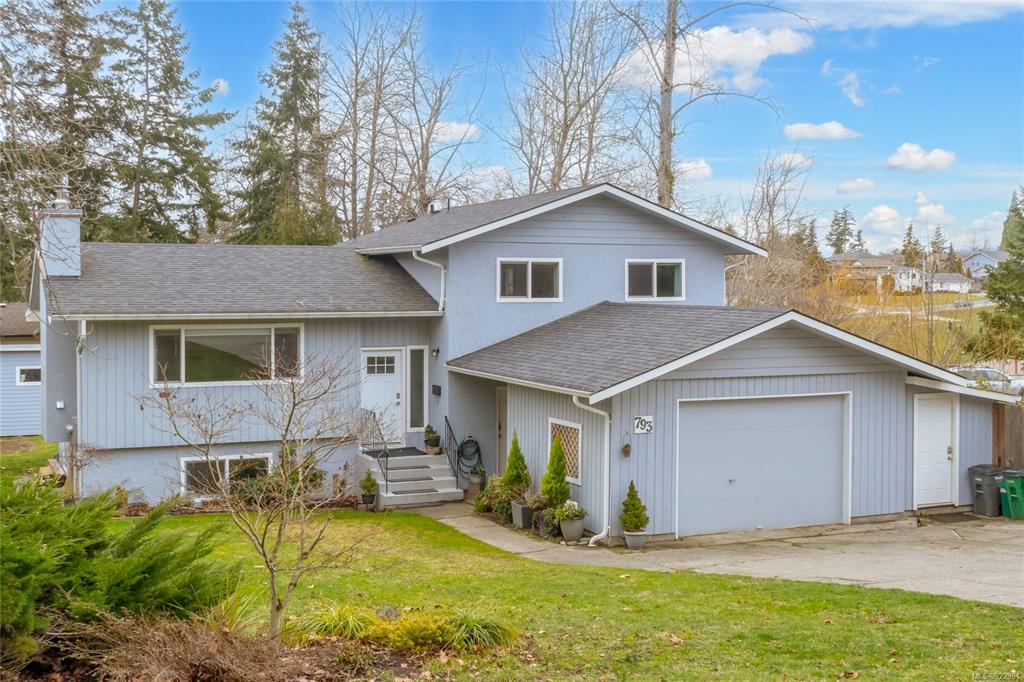
Home equity is the difference between your home’s market value and what you still owe on your mortgage. Understanding home equity is essential for buyers and homeowners because it plays a major role in long-term financial planning and wealth building. Simply put, the more of your home you own outright, the more equity you have. How Home Equity Builds Over Time Home equity typically grows in two ways: Paying down your mortgage with each monthly payment Property value increases over time due to market conditions or improvements For example, if your home is worth $800,000 and your mortgage balance is $500,000, you have $300,000 in home equity. Why Home Equity Matters Home equity provides flexibility and financial leverage. It can be used to: Help fund renovations or upgrades Support future home purchases Assist with major life expenses Increase long-term net worth In markets like Greater Victoria, where home prices have historically trended upward over the long term, equity can become a significant asset. Equity vs. Renting Rent payments build no equity. Once the payment is made, the money is gone. With homeownership, a portion of each mortgage payment contributes to building equity, even during stable or slower markets. This difference is one of the key reasons many buyers choose to purchase when they plan to stay put for several years. How Much Equity Do You Need? There is no universal benchmark, but more equity generally means: Better refinancing options Lower borrowing risk Greater financial security That said, equity takes time to build. It works best as a long-term strategy rather than a short-term gain. Final Thoughts Home equity is not just a number on paper. It represents ownership, stability, and long-term value. Whether you are a first-time buyer or a long-time homeowner, understanding how equity works can help you make more informed real estate decisions in Victoria’s market. If you are curious how much equity you may be able to build, reviewing your options early can make a meaningful difference. Dom L., 5-Star Review, via Google “After months of searching and giving us their honest advice, we finally bought a place while out of town. We only had a virtual tour of the site, but we felt very comfortable making an offer because they understood what we were looking for. I would recommend going to Faber group as they are knowledgeable, professional and resourceful.” Faber Real Estate Group Royal LePage Coast Capital Realty 📞 250-244-3430 📧[email protected] ℹ️ Scott Faber Personal Real Estate Corporation ℹ️ Cal Faber Personal Real Estate Corporation Vanessa Wood, Zachary Parsons, and Sophie Taylor “Building Lasting Relationships, One Home at a Time.”
Read more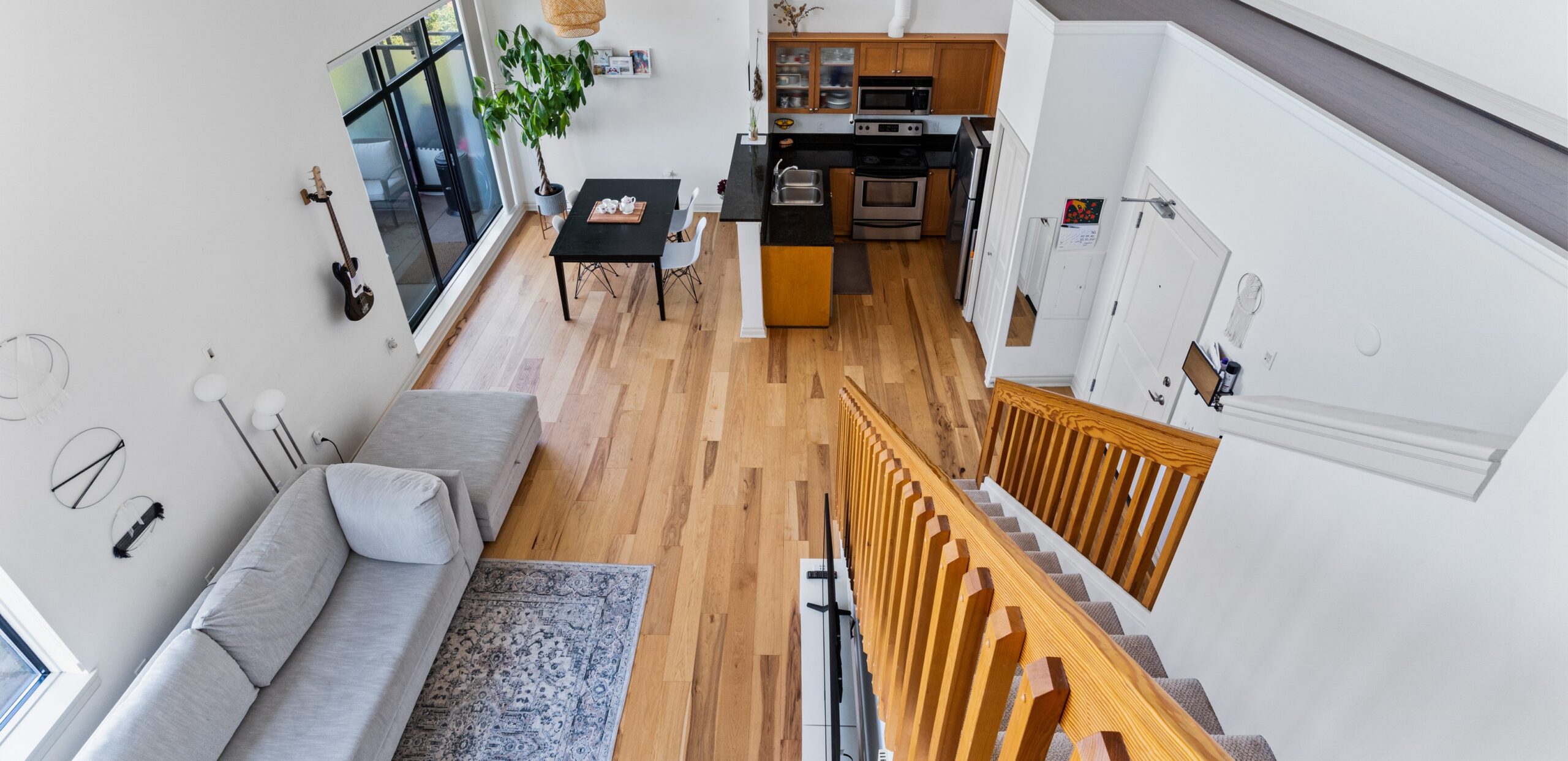
Downsizing is not just about moving into a smaller home. For many homeowners, it represents a shift toward simplicity, flexibility, and a lifestyle that better matches current needs. Knowing when the timing is right can make the transition smoother and more rewarding. Here are some clear cues that it may be time to consider downsizing. Your Home No Longer Fits Your Lifestyle If certain rooms go unused or stairs and maintenance feel more burdensome than beneficial, your home may no longer align with how you live day to day. A space that once felt perfect can start to feel inefficient as needs change. Maintenance and Upkeep Feel Overwhelming Larger homes often come with higher maintenance demands, from yard work to repairs and ongoing upkeep. If managing the home takes more time, energy, or money than you would like, downsizing can reduce stress and free up resources. You Want to Free Up Equity Downsizing can unlock home equity that can be redirected toward travel, retirement planning, investments, or helping family. In many cases, a smaller home or condo allows homeowners to maintain comfort while improving financial flexibility. Your Priorities Have Shifted As lifestyles evolve, priorities often change. Proximity to amenities, healthcare, social activities, or walkable neighbourhoods may become more important than square footage. Downsizing can allow you to move closer to what matters most. You Are Thinking Ahead Planning ahead is one of the strongest reasons to downsize. Moving while you have the time and flexibility to choose the right home and location can prevent rushed decisions later. Many homeowners prefer to downsize on their own terms rather than out of necessity. Market Conditions Support a Move Favourable market conditions, strong demand for your current home, or increased options in smaller properties can make downsizing more appealing. Understanding how current trends affect both selling and buying is essential when evaluating timing. You Want a Simpler Day-to-Day Routine Downsizing often leads to a more manageable lifestyle, with less cleaning, lower utility costs, and fewer responsibilities. For many, this simplicity translates into more time for hobbies, travel, and personal interests. Is Now the Right Time to Downsize The right time to downsize depends on your personal goals, financial situation, and lifestyle preferences. There is no one-size-fits-all answer. A thoughtful approach, supported by local market knowledge, can help ensure the move aligns with both short-term and long-term plans. If you are considering downsizing, understanding your options and timing can make all the difference in creating a smooth and confident transition. James C., 5-Star Review, via Google “Scott made the process of finding a good condo in Victoria as simple and straightforward as it can be. He was always very helpful, and quick to respond throughout the process from start to finish. Being new to BC I think the ordeal would have been pretty overwhelming otherwise. I'd definitely recommend Scott and his team to others in the future.” Faber Real Estate Group Royal LePage Coast Capital Realty 📞 250-244-3430 📧[email protected] ℹ️ Scott Faber Personal Real Estate Corporation ℹ️ Cal Faber Personal Real Estate Corporation Vanessa Wood, Zachary Parsons, and Sophie Taylor “Building Lasting Relationships, One Home at a Time.”
Read more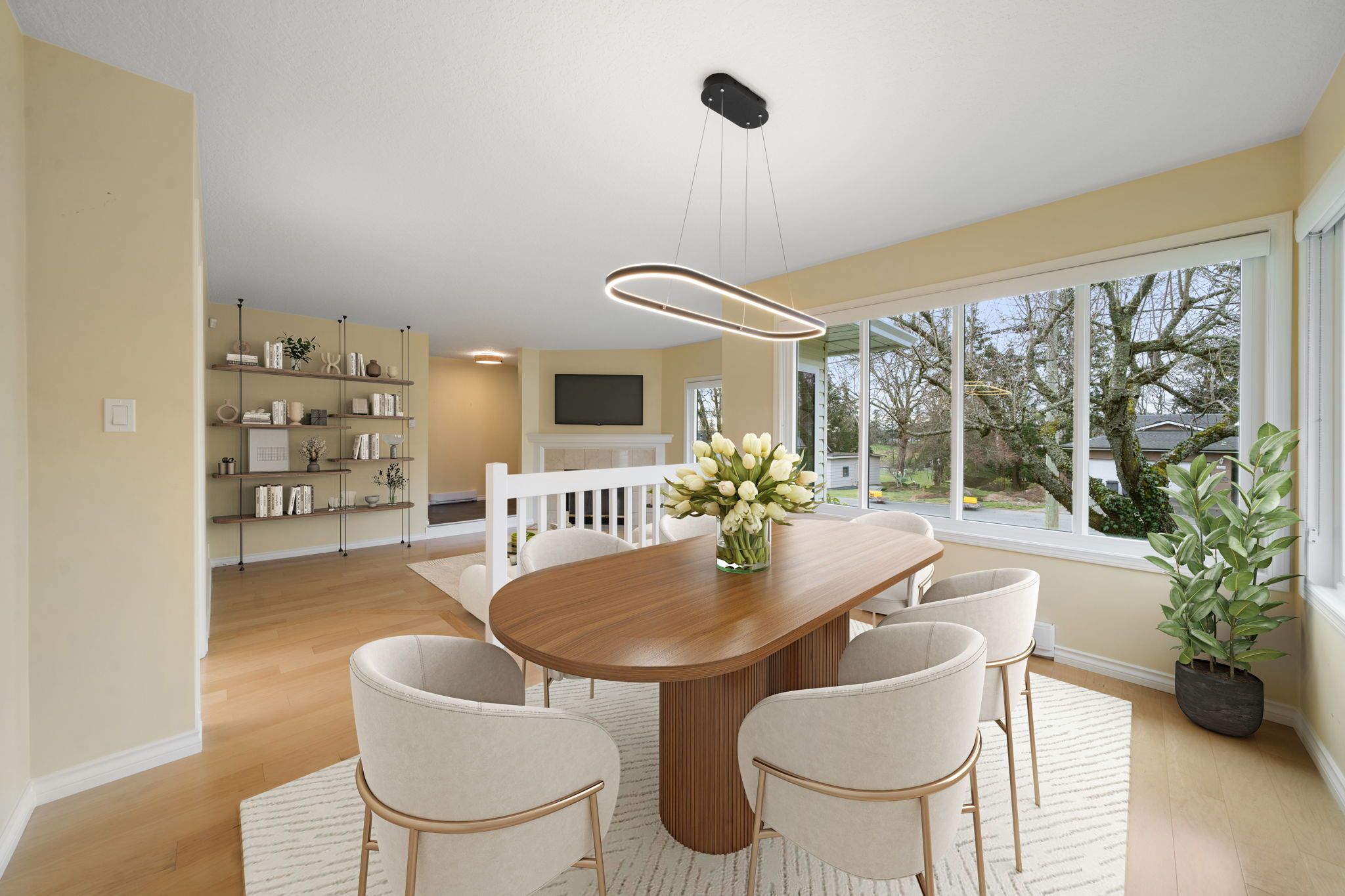
Selling a home in Victoria is about more than just listing it online. Buyers often decide within seconds whether a property feels right, and strong presentation plays a major role in that decision. Virtual staging has become an effective tool for showcasing a home’s potential, helping buyers visualize the space and move forward with confidence. What Is Virtual Staging Virtual staging uses digital design to add furniture, decor, and finishes to listing photos of empty or minimally furnished homes. The goal is to highlight scale, layout, and functionality without physically staging the property. When done well, it helps buyers imagine how they could live in the space. Why Virtual Staging Works for Victoria Homes Many Victoria homes, especially condos, townhomes, and new builds, are listed vacant or partially furnished. Empty rooms can feel cold or smaller than they are. Virtual staging helps define each space, making it easier for buyers to understand room purpose and flow, which is especially important in compact or unique layouts common throughout the region. First Impressions Matter Online Most buyers first encounter a property online. Visually appealing photos stand out, attract more clicks, and encourage buyers to book showings. Virtual staging can dramatically improve listing photos, helping a home compete more effectively in Victoria’s market where presentation influences buyer behaviour. Cost-Effective Compared to Traditional Staging Traditional staging can be costly and logistically challenging. Virtual staging offers a more affordable alternative while still delivering strong visual impact. It allows sellers to highlight a home’s strengths without moving furniture or coordinating staging timelines. Helps Buyers Visualize Lifestyle and Scale Virtual staging helps buyers see how furniture fits within a space and how rooms can be used. This is especially helpful for open-concept layouts, smaller bedrooms, or awkward spaces that may be difficult to visualize when empty. Supports Faster, More Confident Decisions When buyers can easily picture themselves living in a home, hesitation is reduced. Virtual staging removes uncertainty, helping buyers focus on the potential rather than the lack of furnishings. This can lead to quicker showings, stronger interest, and a faster sale. Transparency Is Key It is important that virtual staging is clearly disclosed and used responsibly. Accurate representations help maintain buyer trust and avoid disappointment during in-person showings. When used correctly, virtual staging enhances marketing without misleading buyers. Is Virtual Staging Right for Your Home Virtual staging is particularly effective for vacant homes, new construction, and properties where furniture does not reflect the target buyer. Every listing is different, and the right marketing approach depends on the property and current market conditions. If you are considering selling your Victoria home, understanding how tools like virtual staging can improve presentation may help you achieve better results in less time. Lisa Shortt, 5-Star Review, via Google “Scott went above and beyond for us in both finding our dream home and selling our condo. He listened to us and provided professional advice for each circumstance. Would highly recommend!” Faber Real Estate Group Royal LePage Coast Capital Realty 📞 250-244-3430 📧[email protected] ℹ️ Scott Faber Personal Real Estate Corporation ℹ️ Cal Faber Personal Real Estate Corporation Vanessa Wood, Zachary Parsons, and Sophie Taylor “Building Lasting Relationships, One Home at a Time.”
Read more
Spring is one of the busiest and most competitive times of year in the real estate market. Buyers are active, inventory increases, and well-prepared homes tend to stand out. If you are thinking about selling this spring, taking the right steps early can make a meaningful difference in both timing and final sale results. Here are the key steps to take if you want to sell your home this spring. Start Planning Early Preparation is critical for a successful spring sale. Begin planning several months in advance to allow time for repairs, cleaning, and professional guidance. Early planning helps avoid rushed decisions and ensures your home is ready when buyer activity peaks. Get a Professional Market Evaluation Understanding your home’s current market value is essential. A professional evaluation provides insight into pricing, recent comparable sales, and local demand. Pricing accurately from the start can attract more interest and reduce the risk of extended time on market. Declutter and Depersonalize Buyers want to envision themselves living in the space. Decluttering creates a sense of openness, while depersonalizing helps buyers focus on the home rather than the current owner. This includes clearing countertops, reducing furniture, and organizing storage areas. Complete Minor Repairs and Updates Small issues can leave a lasting impression on buyers. Addressing minor repairs such as leaky faucets, chipped paint, loose fixtures, and worn caulking can improve overall presentation. Simple updates often deliver a strong return by making the home feel well cared for. Focus on Curb Appeal First impressions start before buyers walk through the door. Refresh landscaping, clean walkways, and ensure the exterior looks tidy and inviting. Spring buyers are especially attentive to outdoor spaces, so highlighting these areas is important. Prepare for Professional Photography and Marketing High-quality photography and marketing are essential in today’s market. A clean, well-lit, and staged home photographs better and attracts more online interest. Strategic marketing ensures your home reaches the right buyers at the right time. Plan Your Timing Strategically The timing of your listing can impact exposure and competition. Understanding local market trends and seasonal patterns can help determine the best moment to list. Strategic timing can lead to stronger interest and smoother negotiations. Be Ready for Showings Once your home is listed, flexibility is key. Keeping the home show-ready and accommodating viewing requests increases the chances of attracting serious buyers. A well-prepared home that is easy to show often sells more efficiently. Work With a Trusted Real Estate Professional Navigating a spring sale requires local market knowledge, strong negotiation skills, and effective marketing. Working with an experienced real estate professional helps ensure every step is handled strategically, from preparation to closing. Selling your home in the spring can be a rewarding experience when approached with the right plan. Preparation, presentation, and professional guidance all play a role in achieving the best possible outcome. Don Wong. 5-Star Review, via Google “I would recommend them to anyone buying real estate on the Vancouver Island. The team is very knowledgeable, courteous and professional, adding a personal touch to building a strong relationship. ” Faber Real Estate Group Royal LePage Coast Capital Realty 📞 250-244-3430 📧[email protected] ℹ️ Scott Faber Personal Real Estate Corporation ℹ️ Cal Faber Personal Real Estate Corporation Vanessa Wood, Zachary Parsons, and Sophie Taylor “Building Lasting Relationships, One Home at a Time.”
Read more
January can be an advantageous time for buyers in Victoria. The market often slows slightly after the holiday season, meaning there may be fewer competing offers. This can give buyers more negotiating power, especially on homes that have been on the market for several months. Inventory can be limited in some segments, but serious sellers who list in January are often motivated to move quickly, which can create opportunities for savvy buyers. Selling in January can also work, but it has pros and cons. On the positive side, homes listed early in the year can capture buyers who are ready to move quickly and want to start the year settled. There is less competition from other sellers compared to spring and summer, which can help your home stand out. On the downside, buyer traffic can be slower due to winter weather and holiday recovery, so timing and pricing strategy are important. Seasonal Considerations in Victoria Victoria’s coastal climate is milder than much of Canada, so winter weather is generally less of a barrier for showings and open houses. That said, shorter daylight hours and rainy days can impact curb appeal, so ensuring your home is well-lit and presentable is crucial. Key Takeaway January can be a strategic month for both buyers and sellers in Victoria, especially when working with a knowledgeable real estate professional who understands local market trends. Buyers may find less competition and motivated sellers, while sellers who price correctly can attract serious buyers even in the slower winter season. Debbie N., 5-Star Review, via Google “From start to finish, Scott and Cal were amazing to work with. I hadn't moved in nearly 22 years and going from a house to a condo was a very difficult decision, but they were amazingly patient and responsive to my needs. This team doesn't just say that they care, they actually do. I couldn't have done this without them. I would recommend them to anyone. You will be in the best hands. Thank you Faber Group!!!. ” Faber Real Estate Group Royal LePage Coast Capital Realty 📞 250-244-3430 📧[email protected] ℹ️ Scott Faber Personal Real Estate Corporation ℹ️ Cal Faber Personal Real Estate Corporation Vanessa Wood, Zachary Parsons, and Sophie Taylor “Building Lasting Relationships, One Home at a Time.”
Read more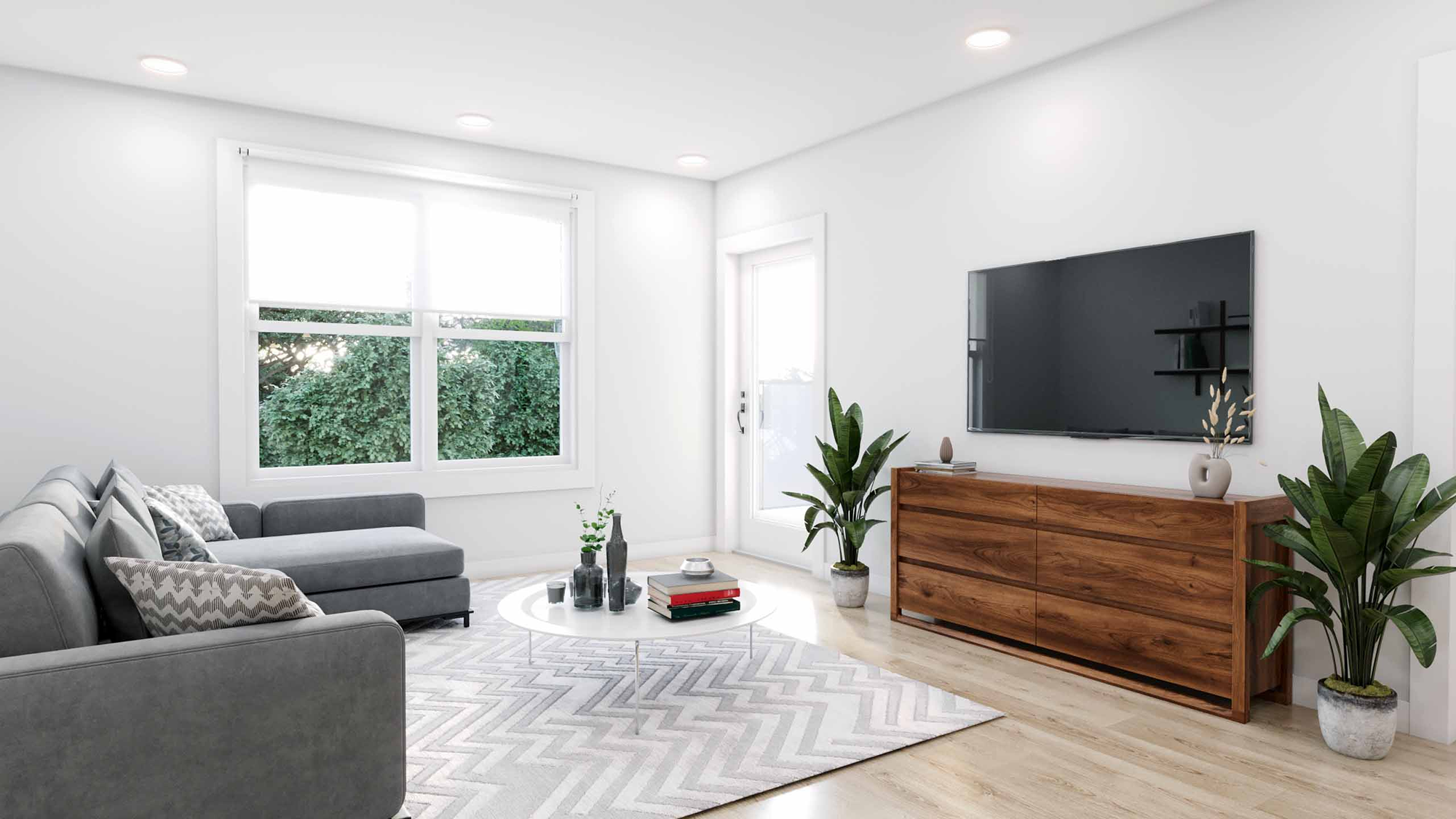
When buyers step into a home for the first time, impressions are formed within seconds. Long before they review floor plans or ask about upgrades, buyers are subconsciously evaluating how the home feels. Understanding what stands out immediately can help sellers prepare more effectively, and buyers recognize what influences their own decision-making. Curb Appeal Sets the Tone The first impression begins before buyers even reach the front door. Exterior appearance, landscaping, driveway condition, and overall upkeep send an immediate signal about how well the home has been maintained. A tidy entry, clean walkways, and a welcoming front door create a positive starting point. Natural Light and Overall Brightness Buyers quickly notice how light a home feels. Open curtains, clean windows, and well-placed lighting can dramatically change perception. Dark or dim spaces may feel smaller and less inviting, while bright rooms often feel more open and functional. Cleanliness and Smell Cleanliness is one of the most immediate and powerful signals buyers pick up on. Floors, kitchens, bathrooms, and baseboards are scrutinized quickly. Smell matters just as much. Lingering pet, smoke, or cooking odours can overshadow even well-designed spaces and become a lasting negative impression. Layout and Flow Within minutes, buyers begin assessing how the home functions. They look at room connections, hallway widths, and whether the layout suits their lifestyle. Awkward transitions, tight spaces, or unclear room purposes can create hesitation early in the tour. Kitchen and Bathroom Condition These spaces carry significant weight in buyer perception. Buyers immediately notice cabinet condition, countertops, fixtures, and overall upkeep. While full renovations are not always necessary, dated or poorly maintained kitchens and bathrooms can impact perceived value. Signs of Maintenance or Deferred Care Buyers are quick to spot small details that suggest neglect, such as chipped paint, worn flooring, cracked caulking, or loose fixtures. Even minor issues can raise concerns about larger, unseen problems and future maintenance costs. Noise Levels and Surroundings Buyers are often paying attention to outside noise, nearby traffic, and neighbourhood activity. Open windows or doors can either highlight a peaceful setting or expose distractions that affect the overall experience. Storage and Closet Space Storage is noticed quickly, especially in entryways, kitchens, and primary bedrooms. Overstuffed closets and cluttered storage areas can make spaces feel smaller and less practical. How the Home Feels Overall Beyond individual features, buyers assess whether the home feels comfortable, welcoming, and livable. Temperature, air quality, and overall atmosphere all play a role in this emotional response. Why First Impressions Matter Most buying decisions are emotional first and logical second. Homes that make a strong initial impression tend to stay top of mind and generate stronger interest, often leading to better offers and smoother negotiations. Preparing your home with these buyer perceptions in mind can significantly influence how it is received from the moment someone walks through the door. Bentley G., 5-Star Review, via Google “Seamless. That’s how we would describe our recent real estate dealings with the Faber Group. From beginning to end, the process of selling our family home, downsizing and purchasing a condominium has been seamless with this team.” Faber Real Estate Group Royal LePage Coast Capital Realty 📞 250-244-3430 📧[email protected] ℹ️ Scott Faber Personal Real Estate Corporation ℹ️ Cal Faber Personal Real Estate Corporation Vanessa Wood & Zachary Parsons “Building Lasting Relationships, One Home at a Time.”
Read more- 1
- 2