

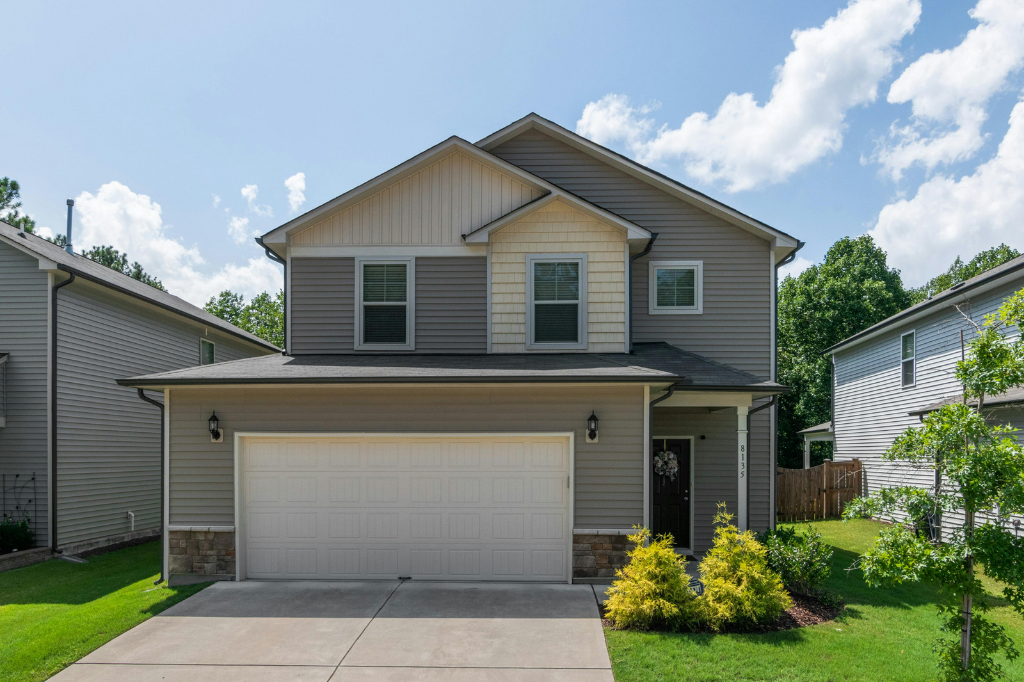
The best neighbourhoods in Greater Victoria for families depend on what matters most to your household. Some families prioritize schools and established streets, while others want newer homes, more space, shorter commutes, parks, or walkable amenities. Greater Victoria gives buyers plenty of options, but each community comes with different trade-offs. Here are six areas worth putting on your shortlist. Which Greater Victoria Neighbourhoods Are Best for Families? Some of the strongest options for families include: Gordon Head Oak Bay Royal Oak and Broadmead Westhills Royal Bay View Royal There is no single neighbourhood that is best for every family. Your budget, commute, preferred housing type, school needs, and lifestyle should ultimately determine where you focus your search. 1. Gordon Head: Established and Close to Everything Gordon Head in Saanich is one of Greater Victoria's most established family-oriented areas. The neighbourhood offers primarily detached homes, mature residential streets, parks, beaches, and convenient access to the University of Victoria and surrounding amenities. Families are often drawn to the combination of residential streets and nearby recreation, while older homes can provide larger lots and renovation opportunities. Our Gordon Head Neighbourhood Guide for Families and Investors takes a closer look at housing, schools, recreation, and the local real estate market. Best for: Families wanting an established Saanich neighbourhood with parks, schools, and access to UVic. 2. Oak Bay: Walkability and Established Neighbourhoods Oak Bay appeals to families who value walkability, character, recreation, and proximity to the ocean. Many areas offer tree-lined streets, established homes, parks, beaches, village shopping, and relatively easy access to downtown Victoria. The trade-off is price. Buyers may need to compromise on home size or condition compared with what the same budget could purchase farther from the core. Best for: Families prioritizing location, walkability, established surroundings, and proximity to central Victoria. 3. Royal Oak and Broadmead: Central Saanich Living Royal Oak and Broadmead can offer a useful middle ground for families who want to remain relatively central without living directly in the Victoria core. Royal Oak provides convenient access to shopping, recreation, schools, transit, and major routes through Saanich. Broadmead has a quieter residential feel with larger properties, mature landscaping, and extensive green space. Housing options and price points differ considerably between the two, but both can work well for families wanting access to Saanich amenities. Best for: Families looking for a central location with convenient access to both Victoria and the Saanich Peninsula. 4. Westhills: Newer Homes and Family-Focused Amenities Westhills in Langford has become a popular option for families who prefer newer construction and access to recreation. The community includes a mix of detached homes, townhomes, and condos, with parks, trails, schools, recreation facilities, and Langford Lake nearby. For some buyers, moving farther west can also mean getting a newer or more functional home for their budget than they could find closer to downtown. If you are comparing family homes in the Westshore, our guide to Family Home Features to Look for in Westshore Listings can help you decide what deserves priority. Best for: Families wanting newer housing, recreation, and a growing community. 5. Royal Bay: Newer Homes and Coastal Living Royal Bay in Colwood has grown into one of the Westshore's most recognizable newer communities. Families can find detached homes, townhomes, condos, parks, schools, trails, and growing commercial amenities within the area. Its location near the coastline also gives the community a different feel from many other newer developments. Royal Bay may appeal particularly to families who want modern housing and community planning without giving up access to outdoor space. You can explore Royal Bay and other overlooked Westshore communities in our Hidden Gem Neighbourhoods in Langford, Colwood, and View Royal guide. Best for: Families wanting newer construction, community amenities, and access to the coast. 6. View Royal: Between Victoria and the Westshore View Royal is easy to overlook because it sits between Victoria and Langford, but that location is exactly what makes it appealing. Families can access Thetis Lake, trails, shopping, schools, Victoria General Hospital, and major commuter routes while remaining closer to Victoria than many Westshore neighbourhoods. Housing includes older detached properties, townhomes, condos, and newer developments, giving buyers more variety than they might expect. Our Greater Victoria Areas That Offer More Space article explains why View Royal can be a useful middle-ground option for buyers who need additional room. Best for: Families trying to balance space, outdoor access, and commuting. What Should Families Look for Beyond the Neighbourhood? Choosing the community is only the first step. For a family home, think about how the property will function five or ten years from now. Consider: Bedroom sizes and locations Storage Yard space Parks and recreation School catchment Commute times Sidewalks and walkability Nearby childcare Flexible office or play space Future resale appeal A larger home is not automatically more practical. Our article on Why Floor Plan Matters More Than Square Footage explains why layout can matter just as much as the total number of square feet. Always Confirm the School Catchment If a particular school is an important part of your buying decision, confirm the catchment using the home's exact address before writing an offer. School boundaries can vary from one street to another and may change over time. The Greater Victoria School District School Locator and Sooke School District school information are useful starting points depending on where you are looking. Do not rely solely on a listing description stating that a property is "close to" or "near" a particular school. Which Family Neighbourhood Is Right for You? The best neighbourhoods in Greater Victoria for families solve different problems. Gordon Head may make sense if you want an established Saanich neighbourhood. Oak Bay may suit a family willing to pay more for location and walkability. Westhills or Royal Bay may be more appealing if newer construction and additional space are priorities. View Royal can offer a practical compromise between the core and Westshore. Before choosing an area, decide which two or three factors matter most to your household. That usually makes the right neighbourhood much easier to identify. You can also browse our Greater Victoria Neighbourhood Guide or search homes throughout Greater Victoria to compare communities and housing options. Looking for the Right Family Home in Greater Victoria? If you are trying to decide between Saanich, Oak Bay, View Royal, Langford, Colwood, or another Greater Victoria community, our team can help you compare the trade-offs based on your budget, commute, space requirements, and long-term plans. Instead of searching everywhere, we can help you build a shortlist of neighbourhoods and homes that actually fit the way your family lives. Darren L. 5-Star Review, via Google “Fabulous job from Cal, Scott and Vanessa. They were professional, have strong negotiating skills and had a proactive strategy as the house sold very quickly (within a day the offer was accepted) and for the asking price. We were at ease with Cal and the team once we decided to go with them after interviewing other realty groups. It was definitely a smooth experience to say the least. Highly recommending the Faber Group if you’re buy or selling. Truly a group that is there to put the client first and foremost.” Faber Real Estate Group Royal LePage Coast Capital Realty 📞 250-244-3430 📧 [email protected] ℹ️ Scott Faber Personal Real Estate Corporation ℹ️ Cal Faber Personal Real Estate Corporation Vanessa Wood, Zachary Parsons, and Sophie Taylor “Building Lasting Relationships, One Home at a Time.”
Read more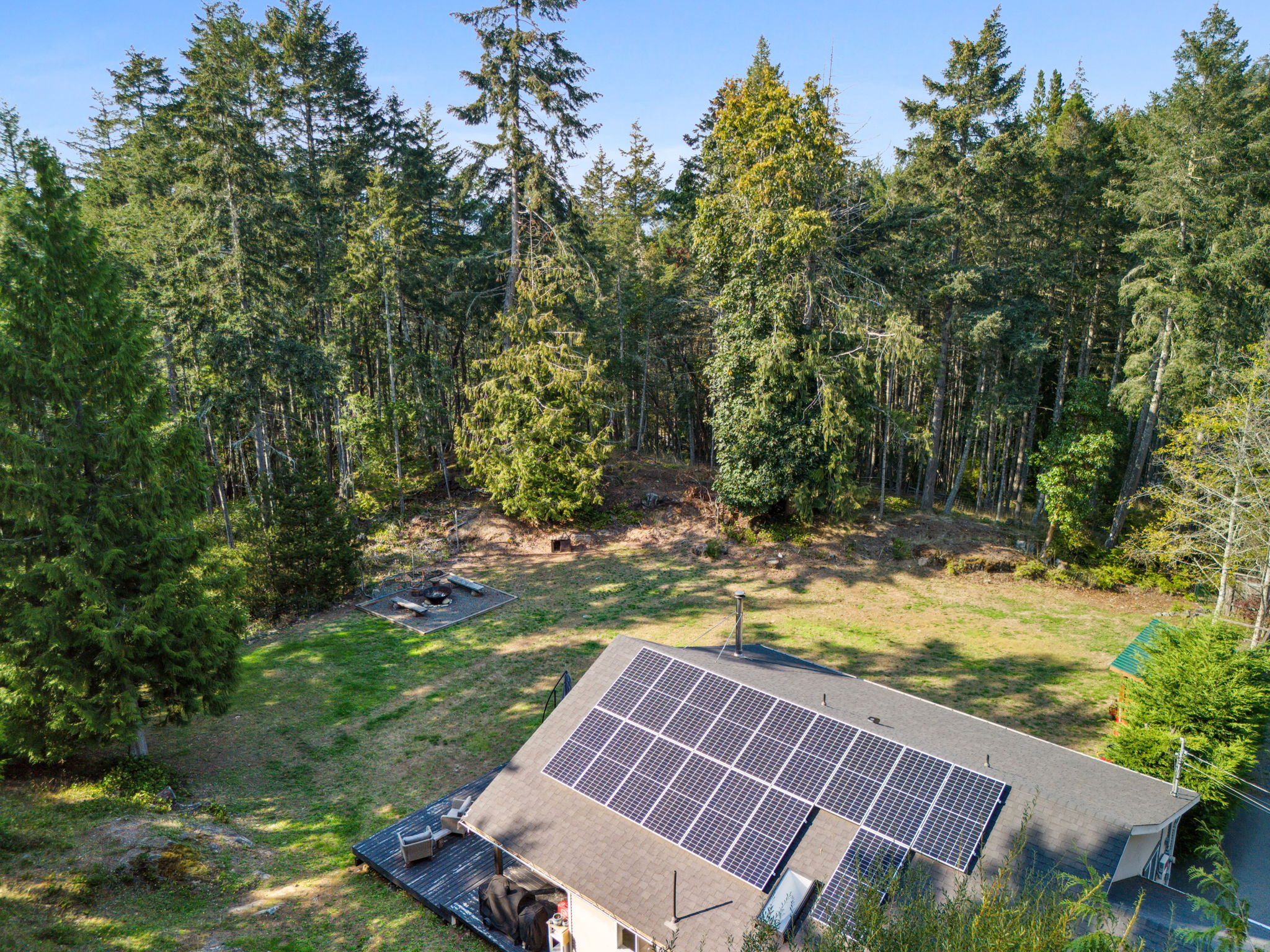
More space without leaving Greater Victoria is one of the most common goals for buyers whose current home no longer fits. That may mean an extra bedroom, a larger yard, a garage, a home office, suite potential, or simply a layout that feels easier to live in. For many buyers, the challenge is not wanting to leave the region. They still want access to work, schools, family, recreation, and the lifestyle that makes Greater Victoria such a desirable place to call home. The good news is that there are still practical options. The key is understanding where your budget goes further, what trade-offs each area involves, and what type of space actually matters most to your lifestyle. Why Buyers Start Looking for More Space Most people do not wake up one day and suddenly decide they need a bigger home. Usually, the need builds slowly. A condo starts to feel tight. A townhouse no longer has enough storage. A growing family needs another bedroom. Remote work makes a proper office more important. Pets, kids, hobbies, tools, bikes, guests, or extended family can all change how a home functions. At that point, the question becomes less about wanting more square footage and more about wanting a home that supports daily life better. That is where a thoughtful move-up strategy matters. The First Question Is Not Size. It Is Trade-Off. When buyers start searching for more space, they often focus on square footage first. That makes sense, but it is not the only thing that matters. In Greater Victoria, more space usually comes from one of three trade-offs: Moving farther from the downtown core Choosing an older home with more potential Prioritizing land, layout, or suite flexibility over newer finishes A newer home in Langford may offer more bedrooms, a garage, and a functional family layout. An older home in Saanich West may offer a larger lot, renovation potential, and a more central location. A property in Sooke may offer land, privacy, and outdoor space that would be difficult to find closer to town. None of these options are automatically better. The right choice depends on what problem you are trying to solve. Langford Langford is often one of the first areas buyers consider when they want more space without leaving Greater Victoria. The appeal is practical. Buyers can often find newer single-family homes, townhomes, duplexes, and family-oriented communities with more interior space than they may find in Victoria, Oak Bay, or central Saanich at a similar price point. Langford also offers strong everyday convenience. Shopping, restaurants, recreation, schools, trails, lakes, and transit connections have made it one of the most active move-up markets in the region. For many buyers, Langford offers a useful balance between space, amenities, and long-term livability. Colwood Colwood can be a strong option for buyers who want more space with a quieter residential feel. Areas around Royal Bay, Olympic View, Wishart, and Lagoon offer a mix of newer homes, established neighbourhoods, schools, parks, and access to the ocean. Buyers who value outdoor space, community planning, and proximity to beaches may find Colwood especially appealing. Compared with some core neighbourhoods, Colwood may offer more flexibility for families looking for an extra bedroom, a garage, a yard, or a more functional layout. View Royal View Royal is worth considering for buyers who want more space but do not want to feel too far removed from Victoria. Its location between the core and the Westshore makes it a strong middle-ground option. Buyers have access to Thetis Lake, the Galloping Goose Trail, Victoria General Hospital, shopping, schools, and major commuter routes. View Royal includes a mix of older single-family homes, townhomes, strata communities, and larger properties depending on the neighbourhood. For buyers who want both space and convenience, it can be a smart area to watch. Saanich West Saanich West is often overlooked by buyers who are focused on either central Victoria or the Westshore. That can create opportunity. Neighbourhoods around Tillicum, Glanford, Strawberry Vale, Royal Oak, Interurban, and Carey may offer single-family homes, larger lots, established streets, parks, and convenient access to town. Some homes may need updating, but that can be part of the long-term value. For buyers who are open to improving a home over time, Saanich West can offer more flexibility than trying to buy a fully renovated property in a more expensive neighbourhood. Sooke Sooke is a strong option for buyers who want more land, more privacy, or more access to nature. The trade-off is usually commute time. For buyers working in downtown Victoria, Saanich, or even parts of Langford, that can be a major consideration. But for those who work remotely, have flexible schedules, or value lifestyle space more than central convenience, Sooke can be a practical fit. Buyers may find larger lots, newer homes, suite options, ocean views, rural settings, and access to trails and beaches. For the right person, Sooke offers a kind of space that is difficult to replicate closer to town. Metchosin and the Highlands Metchosin and the Highlands offer a different version of space. These areas appeal to buyers looking for privacy, acreage, workshops, gardens, rural character, or a quieter lifestyle. They are not always the easiest fit for every buyer because larger properties can come with more maintenance, wells, septic systems, and unique home styles. For buyers who want land and separation, these communities can offer something rare within Greater Victoria. The key is to look beyond the appeal of acreage and understand the responsibility that comes with it. More land can be an incredible lifestyle choice, but it should be matched with the right budget, time, and expectations. The Peninsula Central Saanich, North Saanich, and Sidney can also be worth exploring for buyers who want more space without leaving Greater Victoria. Central Saanich and North Saanich may appeal to buyers looking for larger lots, rural surroundings, established homes, and a calmer pace. Sidney offers more walkability, services, restaurants, shops, and waterfront access, although larger detached homes can come at a premium. The Peninsula works well for buyers who want to stay connected to Greater Victoria but prefer a quieter setting outside the busier urban core. Older Homes Can Be a Smart Path to More Space More space does not always mean buying the newest home. In many established neighbourhoods, older homes may offer larger lots, better renovation potential, suite possibilities, mature landscaping, and more flexible layouts. They may also come with maintenance needs, so it is important to understand the roof, windows, perimeter drains, electrical, plumbing, heating, and overall condition. For buyers with a longer-term mindset, an older home in the right location can be a strategic move. You may not get every finish you want on day one, but you may gain land, layout, and future flexibility. Layout Matters More Than Square Footage A bigger home is not always a better home. A well-designed 1,900 square foot home can feel more functional than a poorly laid out 2,400 square foot home. Before focusing only on size, it helps to define what kind of space you actually need. Ask yourself: Do you need more bedrooms? Do you need a second living room? Do you need a proper office? Do you need storage? Do you need a garage or workshop? Do you need a yard for kids or pets? Do you need suite potential? Do you need separation for teenagers, guests, or extended family? The clearer you are on the real need, the easier it becomes to compare homes properly. A large home with the wrong layout may not solve your problem. A slightly smaller home with the right layout might. Do Not Forget the Cost of the Move When moving up, the purchase price is only one part of the decision. Buyers should also consider: Property transfer tax Legal fees Moving costs Renovations or repairs Utility costs Insurance Commuting costs Strata fees, if applicable Long-term maintenance A home that looks more affordable on paper may become less affordable if it requires major work. On the other hand, a slightly more expensive home with better systems, layout, and condition may be easier to manage over time. This is where strategy matters. The goal is not just to buy more space. The goal is to buy more usable space without creating unnecessary financial pressure. Final Thoughts Finding more space without leaving Greater Victoria is possible, but it often requires a flexible mindset. For some buyers, the right move may be Langford, Colwood, View Royal, or Sooke. For others, it may be Saanich West, the Peninsula, Metchosin, the Highlands, or an older home with more potential. The best choice is not always the biggest home or the newest home. It is the home that gives you the right balance of space, location, lifestyle, budget, and long-term value. If your current home no longer fits, it may be time to look at your options with a clear plan. A thoughtful move-up strategy can help you understand where your budget goes further, which areas fit your lifestyle, and what trade-offs are actually worth making. Devon M., 5-Star Review, via Google “Scott was very patient with us as we started our family and took about a year to decide on place we thought would be fit for our home. He went above and beyond and still continues to this day to keep in touch and periodically checks in to see how we are doing. I highly recommend him to anyone looking for a realtor to either sell or buy their home.” Faber Real Estate Group Royal LePage Coast Capital Realty 📞 250-244-3430 📧 [email protected] ℹ️ Scott Faber Personal Real Estate Corporation ℹ️ Cal Faber Personal Real Estate Corporation Vanessa Wood, Zachary Parsons, and Sophie Taylor “Building Lasting Relationships, One Home at a Time.”
Read more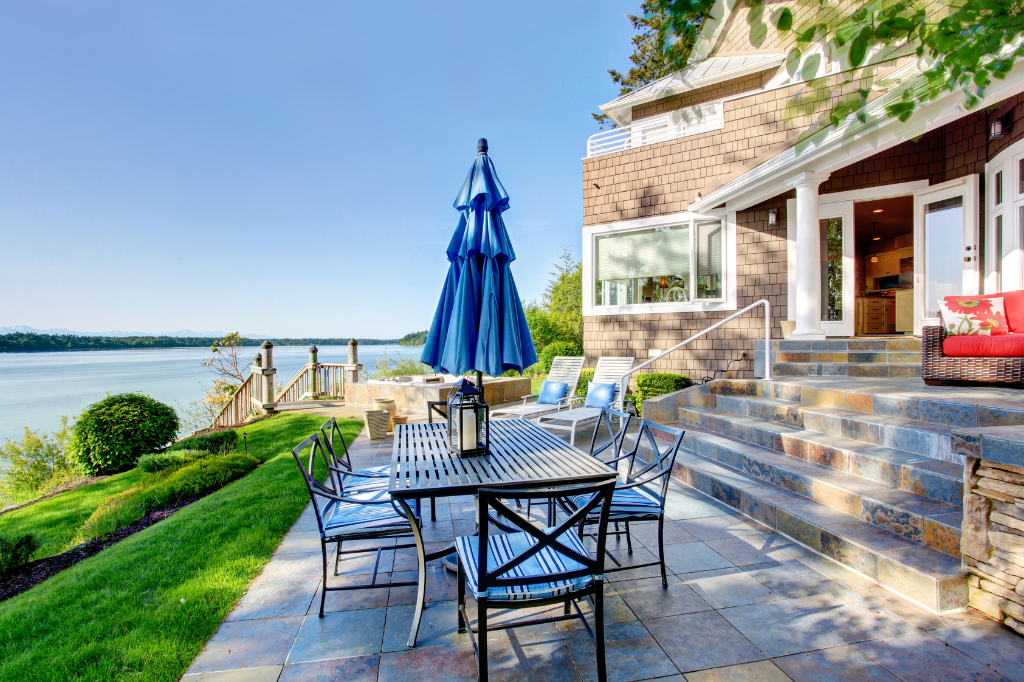
For many Saanich real estate buyers, the appeal is not about one single feature. It is the combination of location, housing variety, amenities, schools, parks, and long-term livability. Saanich may not always feel as trendy as some smaller neighbourhood pockets in Greater Victoria, but that is part of its strength. It works for a wide range of buyers because it offers practical options for different stages of life. Saanich is one of those areas where buyers can often solve more than one problem at once. A family may want space, school access, and parks nearby. A downsizer may want a quieter setting without feeling cut off from services. A professional may want a reasonable commute to downtown Victoria, UVic, Camosun, Royal Oak, Uptown, or the hospital area. That flexibility is a major reason Saanich continues to hold buyer interest. Saanich Offers More Than One Type of Lifestyle One of the biggest advantages of Saanich is that it does not feel like one single market. Some areas feel suburban and family-oriented. Others feel more established, quiet, or semi-rural. In certain pockets, buyers can be close to beaches, trails, shopping, recreation, or major commuter routes. That variety gives Saanich real estate buyers more room to compare lifestyle, budget, and long-term needs. For example, Gordon Head may appeal to buyers who want schools, UVic access, and established residential streets. Broadmead often attracts buyers looking for larger homes, privacy, and a quieter setting. Royal Oak offers strong convenience with shopping, transit, and access to both the Peninsula and downtown Victoria. Cordova Bay brings a coastal feel, while Lakehill, Glanford, and the Quadra area can offer practical central access. The key is that Saanich gives buyers choices without forcing them into one narrow lifestyle category. Location Is a Major Practical Advantage Saanich sits in a useful position within Greater Victoria. Depending on the neighbourhood, buyers can be close to downtown Victoria, UVic, Camosun College, Royal Oak, Uptown, Mount Douglas, Cadboro Bay, Swan Lake, or the Pat Bay Highway. That matters because daily life often has more influence on satisfaction than square footage alone. A home may look great on paper, but buyers also need to think about: Commute patterns School and daycare access Grocery and pharmacy options Transit routes Recreation centres Trail and park access Future resale appeal Saanich performs well because many neighbourhoods balance residential comfort with daily convenience. That balance can make ownership feel easier over time. Parks and Outdoor Access Add Everyday Value Saanich has more than 170 parks, more than 100 kilometres of trails, over 8.25 square kilometres of parkland, 62 sports fields, 56 playgrounds, and 37 beach accesses, according to the District of Saanich. That is not just a lifestyle bonus. It affects how people live day to day. For families, parks and playgrounds can make a neighbourhood feel more usable. For pet owners, nearby trails can be a major factor. For downsizers, walkable green space can help support a more active, connected lifestyle. For long-term owners, proximity to parks and recreation can also support resale appeal. PKOLS, also known as Mount Douglas Park, is one of Saanich’s strongest examples. The District of Saanich notes that the park covers 188 hectares and includes more than 21 kilometres of trails. That kind of access is hard to recreate in newer, more densely built areas. Housing Variety Gives Buyers More Ways to Enter the Market Saanich includes detached homes, townhomes, condos, duplexes, older character homes, renovated family homes, larger lots, and strata options. This matters because not every buyer wants the same ownership experience. Some buyers are looking for a long-term family home. Others want lower maintenance. Some want suite potential. Others want a condo close to services. Saanich can often support several of those goals within the same municipality, although price points and availability vary significantly by neighbourhood. In the current Greater Victoria market, choice matters. The Victoria Real Estate Board reported 3,710 active listings at the end of April 2026, up 8.3% from April 2025. More inventory gives buyers more room to compare options, but it also makes local guidance more important. Saanich is not one market. A detached home in Cordova Bay is not competing with the same buyer as a condo near Uptown or a family home in Glanford. Buyers need to understand the micro-market before deciding what value really means. Practical Does Not Mean Boring Sometimes buyers overlook practical areas because they are searching for a certain feeling. They may want charm, walkability, views, a larger yard, or a newer finish. Those things matter. However, practical value often shows up after move-in. It appears when the commute is manageable. It appears when errands are close. It appears when the home still works after a family grows, work changes, or retirement plans shift. It appears when a buyer realizes the location gives them options instead of limitations. That is where Saanich continues to stand out. It may not always be the flashiest choice, but it can be one of the most durable choices. What Buyers Should Watch Before Choosing a Saanich Home Saanich offers strong long-term appeal, but buyers still need to compare homes carefully. Neighbourhood, condition, zoning, strata rules, drainage, sun exposure, parking, suite potential, and future maintenance can all affect value. Before buying in Saanich, it is worth asking: Does this location fit your daily routine? Is the home priced fairly for its specific neighbourhood? Are there upcoming repairs or upgrades to consider? Does the floor plan support your next five to ten years? How does this property compare to similar homes nearby? Will the location still appeal to future buyers? A practical purchase is not just about buying in a strong municipality. It is about choosing the right home within the right pocket of that municipality. Final Thoughts Saanich remains a practical choice for many buyers because it offers a rare mix of convenience, outdoor access, housing variety, and long-term livability. It gives buyers options without pushing them too far from the core of Greater Victoria. For Saanich real estate buyers, the best decision is not always the biggest home, the newest finish, or the lowest price. The better question is whether the home supports real life over time. In many cases, Saanich continues to do exactly that. If you are thinking about buying in Saanich or comparing neighbourhoods across Greater Victoria, contact Faber Real Estate Group for local advice, current market insight, and a clear strategy before you make your next move. Shannon R., 5-Star Review, via Google It was a pleasure to work with Scott Faber and Faber Real Estate Group. When I started looking for my first home in August 2021, I had some pretty specific requirements. Scott is a really knowledgeable Agent who also took the time to understand what I was looking for. I never felt pressured into making a decision that wasn't my own, but always valued his honest opinion and guidance when needed. It took close to 9 months, but we found a great place that checked all the boxes, that I'm excited to call home. I appreciate the whole team's effort, support and patience throughout this journey and as a first time home buyer I could not be happier with my experience with Faber Real Estate Group.” Faber Real Estate GroupRoyal LePage Coast Capital Realty📞 250-244-3430📧 [email protected]ℹ️ Scott Faber Personal Real Estate Corporationℹ️ Cal Faber Personal Real Estate CorporationVanessa Wood, Zachary Parsons, and Sophie Taylor“Building Lasting Relationships, One Home at a Time.”
Read more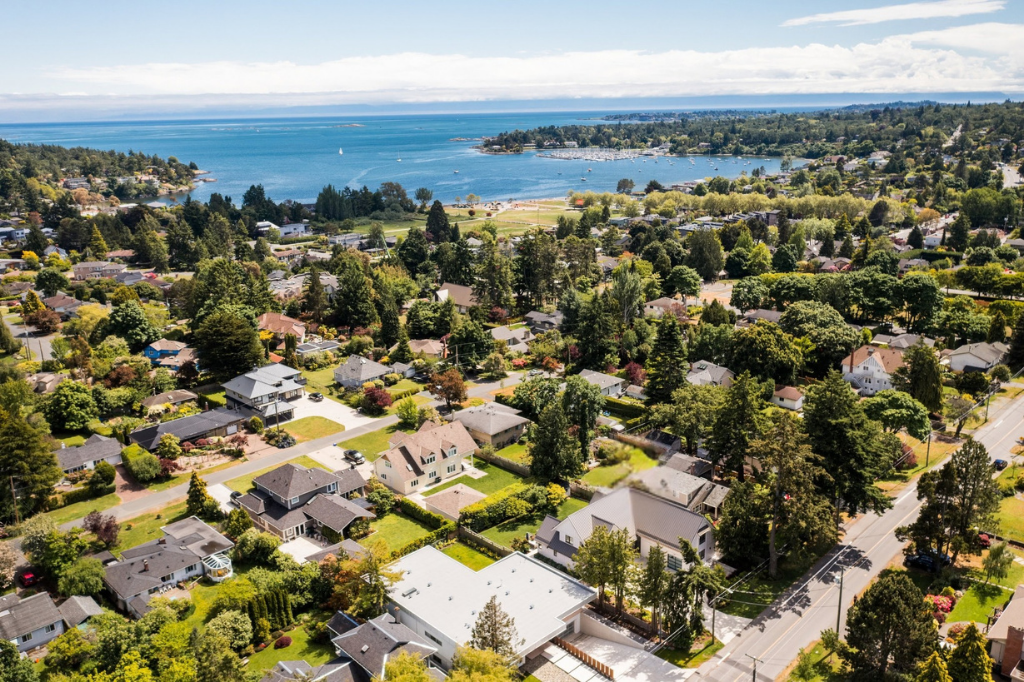
Greater Victoria real estate micro-markets can feel confusing because the region does not move as one single market. A condo in downtown Victoria, a family home in Gordon Head, a townhome in Langford, and a character home in Oak Bay can all respond differently to the same interest rate environment, inventory level, or buyer mood. That is why broad market headlines can only tell part of the story. According to the Victoria Real Estate Board, there were 3,710 active listings on the MLS® at the end of April 2026, up 8.3% from April 2025. The Board also described the overall market as balanced, while noting that buyer and seller experiences can vary depending on property type and location. That last point matters most. A Balanced Market Does Not Mean Every Area Feels Balanced When people hear that the market is balanced, they often assume every neighbourhood is moving at the same pace. That is rarely true. One area may have strong demand for detached homes because families want school access, yard space, and long-term livability. Another area may have slower condo activity because buyers have more choice, higher strata scrutiny, or stronger price sensitivity. A balanced regional market can still contain: Competitive pockets Slower-moving property types Price-sensitive segments High-demand neighbourhoods Listings that need sharper pricing to stand out This is why Greater Victoria real estate micro-markets require more than a regional average. Property Type Changes Everything A detached home, townhouse, condo, acreage property, and new-build unit can all behave differently. For example, buyers comparing condos may focus on strata fees, depreciation reports, insurance, amenities, parking, and building age. Buyers looking at detached homes may care more about lot size, renovation history, suite potential, roof condition, schools, and outdoor space. Even within the same neighbourhood, two property types can have very different buyer pools. A well-priced townhouse in a walkable area may attract strong interest, while a nearby condo with high strata fees may move more slowly. A dated detached home may sit if it needs major work, while a well-maintained home nearby may sell quickly because buyers value certainty. Neighbourhood Lifestyle Drives Buyer Demand Greater Victoria is not just a collection of price points. It is a collection of lifestyles. Buyers are often choosing between very different versions of daily life: Walkability in Fairfield, James Bay, Cook Street Village, or Fernwood Space and newer homes in Langford, Colwood, or View Royal Quiet residential streets in Gordon Head, Cordova Bay, or Oak Bay Waterfront access in Sidney, Saanich Peninsula, or Esquimalt Rural privacy in Metchosin, Central Saanich, or parts of Highlands These choices are emotional as much as financial. A buyer who wants cafés, transit, and walkability may accept less square footage. A buyer who wants a garage, yard, and newer construction may look further from the core. A downsizer may prioritize elevator access, storage, and a quiet building over a larger floor plan. That is why two homes at the same price can feel completely different in value. Price Brackets Create Their Own Markets Price point is another reason local real estate behaves differently. A home listed around a first-time buyer budget may attract a very different buyer group than a home listed above $1.5 million. Financing, affordability, insurance, strata fees, renovation costs, and property transfer tax considerations can all influence how active buyers feel at each level. In some price ranges, buyers may move quickly because quality options are limited. In others, they may compare more carefully because there are more listings to choose from. For sellers, this means pricing cannot rely only on what the neighbour sold for. It needs to consider: The current competition Buyer affordability at that price point Days on market for similar homes Recent comparable sales Property condition How much choice buyers have today The right pricing strategy depends on the specific buyer pool, not just the address. Condition Matters More When Buyers Have Choice When inventory rises, buyers tend to become more selective. In April 2026, Greater Victoria had more active listings than the previous year, giving buyers more options across many parts of the region. That does not mean every buyer has endless choice, but it does mean sellers need to understand how their home compares in real time. In a market with more selection, buyers often look closely at: Roof age Windows Heating systems Strata documents Depreciation reports Drainage Electrical updates Renovation quality Storage and parking Long-term maintenance costs A home does not need to be perfect. It needs to be clearly positioned. A well-maintained home gives buyers confidence. A home with unclear maintenance history may create hesitation, even if the price seems reasonable. Buyers and Sellers Need Local Context, Not Just Market Averages Averages can help explain the direction of the market. They do not tell you what to offer on one specific home or how to price one specific listing. For buyers, local context helps answer better questions: Is this home priced fairly for this neighbourhood? How much competition is there for this property type? Are buyers moving quickly here or taking their time? Is this location likely to support long-term resale demand? What trade-offs are normal at this price point? For sellers, local context helps avoid two common mistakes: Overpricing based on old market momentum Underestimating buyer demand in a strong pocket Good strategy starts with the micro-market, not the headline. What This Means If You Are Buying When buying in Greater Victoria, it helps to compare homes by lifestyle, property type, and long-term fit rather than price alone. A condo in the core may offer walkability and convenience. A townhouse in the Westshore may offer more space and newer construction. A detached home in Saanich may offer long-term flexibility, but may also come with higher maintenance needs. The better question is not simply, “Is this a good deal?” A better question is, “Is this the right trade-off for the way I want to live, the budget I have, and the resale value I want to protect?” What This Means If You Are Selling When selling, the goal is not to price for the entire region. The goal is to price for the buyers most likely to choose your home. That means looking closely at: Your neighbourhood Your property type Your condition level Your competition Your timing Your likely buyer profile A strong listing strategy should explain why your home makes sense in its specific market. That may mean highlighting walkability, updates, outdoor space, suite potential, strata strength, school proximity, or lifestyle convenience. The more specific the positioning, the easier it is for the right buyer to understand the value. The Bottom Line Greater Victoria real estate micro-markets matter because buyers are not shopping the region in one uniform way. They are comparing neighbourhoods, lifestyles, building types, costs, risks, and long-term fit. That is why the best advice is rarely generic. Whether you are buying or selling, the real value comes from understanding the specific market you are in, not just the market everyone is talking about. For advice on how your neighbourhood, property type, or price range is performing in today’s Greater Victoria real estate market, contact Faber Real Estate Group. Darren L., 5-Star Review, via Google “Fabulous job from Cal, Scott and Vanessa. They were professional, have strong negotiating skills and had a proactive strategy as the house sold very quickly (within a day the offer was accepted) and for the asking price. We were at ease with Cal and the team once we decided to go with them after interviewing other realty groups. It was definitely a smooth experience to say the least. Highly recommending the Faber Group if you’re buy or selling. Truly a group that is there to put the client first and foremost.” Faber Real Estate Group Royal LePage Coast Capital Realty 📞 250-244-3430 📧 [email protected] ℹ️ Scott Faber Personal Real Estate Corporation ℹ️ Cal Faber Personal Real Estate Corporation Vanessa Wood, Zachary Parsons, and Sophie Taylor “Building Lasting Relationships, One Home at a Time.”
Read more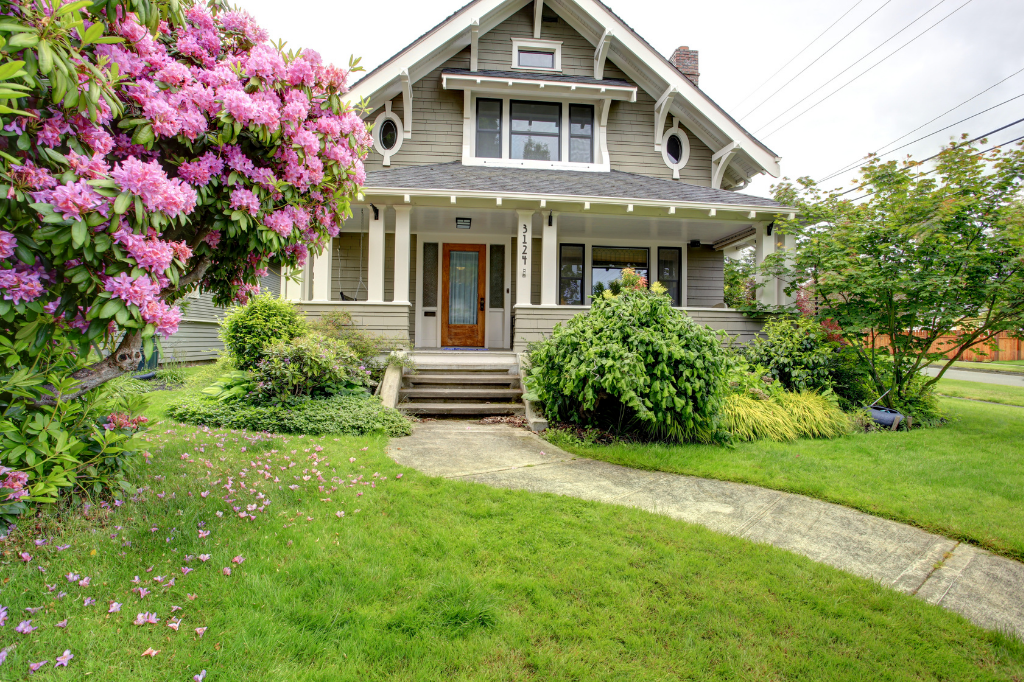
Victoria character homes have a special pull. From front porches and original hardwood floors to mature gardens and tree-lined streets, they often offer the kind of warmth that newer homes struggle to recreate. For many buyers, Victoria character homes feel less like a product and more like a place with history. However, charm is only one part of the decision. A home also needs to work for everyday life. That means layout, parking, storage, insulation, heating, maintenance, accessibility, and the amount of time you are willing to spend on upkeep. The right home is not always the one with the most personality. It is the one where the character still fits your lifestyle. Why Character Homes Are So Appealing Many of Victoria’s older homes are found in established neighbourhoods close to shops, schools, parks, transit, and downtown amenities. Areas such as Fairfield, Fernwood, James Bay, Vic West, Oak Bay, and parts of Saanich often attract buyers who want more than square footage. They want: A home with architectural charm A mature neighbourhood feel Walkability and nearby amenities Larger trees and established gardens Unique details that newer builds may not offer A stronger sense of place These homes can feel emotional from the first showing. The challenge is making sure that emotional connection does not overshadow the practical questions. The Convenience Side of the Equation Convenience does not always mean new construction. It means the home supports your day-to-day life with less friction. A more convenient home may offer: A practical floor plan Better storage Off-street parking Modern electrical and plumbing updates Improved insulation and windows Lower maintenance exterior materials A heat pump or efficient heating system Fewer immediate repair concerns Easier access for aging in place For some buyers, these details matter more than original trim, stained glass, or period charm. That does not mean they lack appreciation for character. It means they are thinking about how the home will feel five years from now, not just five minutes after walking in. The Maintenance Reality of Older Homes Character homes often come with older systems, and that can affect both cost and comfort. Buyers should pay close attention to: Roof age Drainage and perimeter drains Foundation condition Oil tanks or past oil tank removal Knob-and-tube or outdated wiring Older plumbing Window condition Insulation levels Chimneys and fireplaces Siding and exterior maintenance Basement moisture None of these issues automatically make a home a bad purchase. In fact, many older homes have been carefully updated over time. The key is understanding what has been done, what still needs attention, and whether the cost fits your long-term plan. Layout Can Matter More Than Charm Some older Victoria homes were built for a different style of living. Smaller kitchens, limited closets, steeper stairs, fewer bathrooms, and compartmentalized rooms can affect how functional the home feels. Before buying, ask yourself: Does the layout work for how we actually live? Is there enough storage? Can the kitchen handle daily use? Are the bedrooms practical? Is there room for guests, work, hobbies, or children? Will stairs become an issue later? Can the home adapt as our needs change? A charming home can still be the right choice. But if the layout creates daily frustration, the romance may wear off quickly. Why Location Often Keeps Character Homes Competitive One major advantage of Victoria character homes is location. Many sit in walkable, established areas where land is limited and neighbourhood appeal stays strong. That location can help support long-term value, especially when the home has been well maintained. Buyers may accept smaller closets, older layouts, or ongoing upkeep if the neighbourhood offers lifestyle benefits that are hard to replace. This is where the trade-off becomes personal. A newer home may offer comfort and efficiency. An older home may offer a more connected, walkable lifestyle. Neither is automatically better. The better choice depends on what you want your daily life to look like. When Character May Be Worth the Trade-Off A character home may be a strong fit if you: Value location and neighbourhood feel Appreciate unique architecture Are comfortable with ongoing maintenance Have budget room for future updates Prefer charm over perfect efficiency Want a home that feels distinct Are willing to improve the home over time For the right buyer, a character home is not just a house. It is a long-term project, a lifestyle choice, and a place with personality. When Convenience May Be the Smarter Choice A more convenient home may be the better fit if you: Want lower maintenance Prefer modern systems and finishes Need functional storage and parking Have a busy lifestyle Want better energy efficiency Are concerned about surprise repair costs Need a more accessible layout Prefer move-in-ready comfort This does not mean settling. It means choosing a home that reduces stress instead of adding projects. The Best Choice Balances Emotion and Practicality The strongest buying decisions usually come from balancing what you love with what you can live with. Before committing to a character home, look beyond the first impression. Review the inspection carefully. Ask about maintenance history. Understand upcoming costs. Compare the home to newer or more updated options in the same price range. A beautiful home still needs to function. A convenient home still needs to feel good. The goal is not to choose charm or practicality in isolation. The goal is to find the point where they work together. Final Thoughts Victoria character homes can offer warmth, history, and neighbourhood appeal that many buyers love. However, convenience has real value too. A home that saves time, reduces stress, and supports your lifestyle can be just as meaningful as one with original details and architectural charm. The right decision comes from knowing what you are truly willing to trade. If you can separate emotional appeal from everyday function, you will be in a much better position to choose a home that feels right now and continues to work well over time. For guidance on comparing Victoria character homes with newer or more convenient options, contact Faber Real Estate Group for local advice before you make your next move. Darcie R., 5-Star Review, via Google “We had the best experience with Scott and the Faber Group team helping us buy our first house! From start to finish it was a positive experience, & Scott went the extra mile every chance he could. Based on our search parameters, we didn’t even come across this house, but using his expertise, he was able to find us our dream home that matched all of our criteria! We are so beyond happy and would absolutely recommend reaching out to Scott if you are looking to buy an amazing home.” Faber Real Estate GroupRoyal LePage Coast Capital Realty📞 250-244-3430📧 [email protected]ℹ️ Scott Faber Personal Real Estate Corporationℹ️ Cal Faber Personal Real Estate CorporationVanessa Wood, Zachary Parsons, and Sophie Taylor“Building Lasting Relationships, One Home at a Time.”
Read more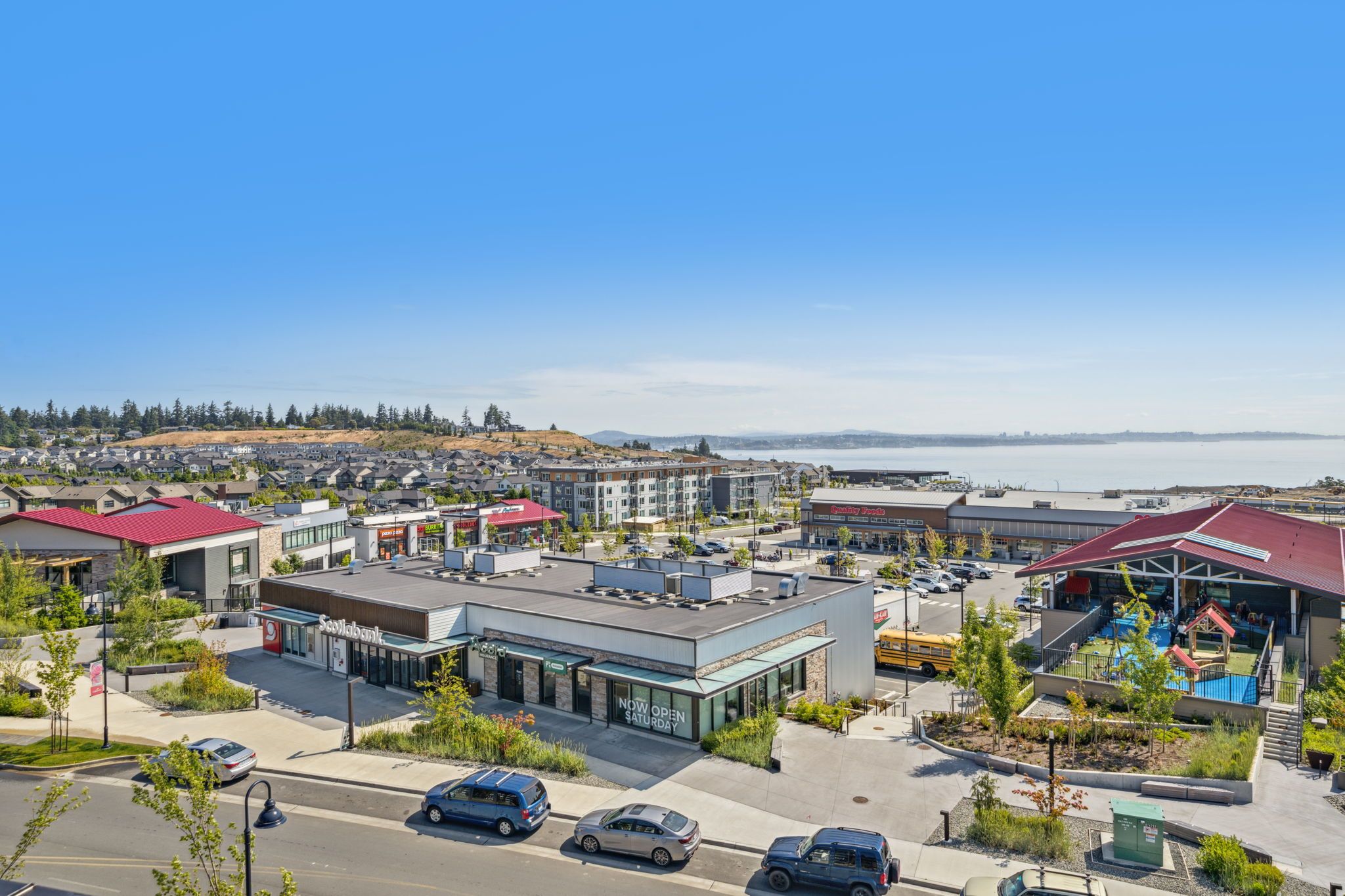
Walkability in Greater Victoria real estate no longer means one thing. For some buyers, it means walking to coffee, groceries, and restaurants. For others, it means being close to the ocean, parks, schools, transit, or a true village centre. That is why two neighbourhoods can both be “walkable” but feel completely different to live in. A home near Cook Street Village, a condo in Sidney, a townhouse near Royal Oak, and a newer home close to Langford’s core may all offer walkable convenience. However, the lifestyle, pace, housing style, and daily routine can vary significantly. Walkability Is More Than a Score Many buyers start with a simple question: can I walk to things? That question matters, but it does not go far enough. A more useful question is: what kind of life can I walk to? Walkability may include: Daily errands Coffee shops and restaurants Parks and beaches Schools Transit Community events Medical services Recreation centres Grocery stores Local shops Bike routes and trails The strongest walkable neighbourhood is not always the one with the most businesses nearby. It is the one that best matches how someone wants to live day to day. Cook Street Village: Walkable, Social, and Close to the Ocean Cook Street Village is one of Greater Victoria’s classic walkable neighbourhoods. It offers a strong mix of local businesses, cafes, restaurants, services, Beacon Hill Park, and access toward Dallas Road and the waterfront. The Cook Street Village Business Association describes the area as a thriving small business hub, which speaks to its village-style appeal. For buyers, the appeal is often lifestyle-driven. You can walk for coffee, meet friends, pick up essentials, and enjoy nearby green space without needing the car for every small task. The tradeoff is that this type of walkability often comes with higher demand, older housing stock, smaller spaces, and more competition for well-located properties. Best fit for: Buyers who want a strong village feel Downsizers who still want energy and convenience People who value parks, coffee, and ocean access Buyers comfortable with older homes, condos, or character conversions Fernwood: Walkable With Character and Community Fernwood offers a different version of walkability. It is less polished than some neighbourhoods, but that is part of its appeal. Fernwood Village is walking distance from many homes in the area and offers community gathering places, local businesses, and a distinct neighbourhood identity. For many buyers, Fernwood feels creative, social, and local. It is not simply about errands. It is about community energy. The tradeoff is that homes can vary widely in age, condition, parking, layout, and renovation needs. Buyers who love Fernwood often accept those differences because the area has personality. Best fit for: Buyers who want character and community People who like local cafes, events, and independent businesses Buyers who want proximity to downtown without living downtown Those comfortable with older homes and varied property conditions Sidney: Walkable, Calm, and Coastal Sidney offers one of the clearest examples of walkability serving a specific lifestyle. Its downtown core is centred around Beacon Avenue, local shops, services, restaurants, and the waterfront. The Sidney BIA describes the downtown district as the heart of the Saanich Peninsula, with locally owned storefronts, coffee shops, eateries, and year-round activity. This version of walkability feels calmer and more coastal. It appeals to buyers who want convenience without the busier pace of Victoria’s core. For downsizers, retirees, and buyers who want a smaller-town feel, Sidney can be very attractive. The tradeoff is distance from downtown Victoria and, in some cases, less variety in housing options depending on budget. Best fit for: Downsizers Retirees Buyers who want a quieter coastal lifestyle People who value shops, services, and waterfront walks nearby Royal Oak: Practical Walkability Royal Oak offers a more practical form of walkability. It may not have the same village atmosphere as Cook Street or Sidney, but it can be very functional. For many buyers, Royal Oak works because of access to shopping, transit, schools, parks, trails, and commuter routes. Saanich also highlights trail networks that connect neighbourhoods, parks, creeks, and commuter routes, which matters for buyers who value walking and cycling beyond a village centre. This type of walkability is less about strolling past cafes and more about making daily life easier. Best fit for: Families Downsizers who want services nearby Buyers who value shopping, transit, and accessibility People who want Saanich convenience without being downtown Langford’s Core: Walkability in Transition Langford’s core is one of the more interesting walkability stories in Greater Victoria. Historically, Langford was more car-oriented than Victoria’s older neighbourhoods. However, growth, density, new housing, and city centre planning continue to change how people live in and around the core. The City of Langford adopted a new Official Community Plan in 2025 designed to support a growing population and create a more sustainable, livable community. That matters because walkability in Langford is still evolving. For buyers, Langford’s core can offer access to restaurants, shopping, services, recreation, new construction, and transit connections. The tradeoff is that the pedestrian experience can vary by street, location, and distance from the core. Best fit for: Buyers who want newer housing options First-time buyers looking for more space or value People who want amenities and growth Buyers comfortable with a neighbourhood that is still changing Esquimalt: Urban Convenience With Waterfront Access Esquimalt has become more appealing to buyers who want access to downtown Victoria, parks, recreation, and waterfront areas without necessarily living in the downtown core. Its walkability depends heavily on the specific pocket. Some areas offer strong access to services, transit, schools, parks, and recreation. Other areas may feel more residential and require a car more often. For buyers, Esquimalt often offers a practical balance: close to downtown, close to the water, and still distinct from Victoria’s busier neighbourhoods. Best fit for: Buyers who want an urban feel outside downtown People who value transit and shorter commutes Buyers who like parks, waterfront access, and recreation Those comparing value between Victoria and nearby municipalities Cadboro Bay: Village Walkability With a Beach Lifestyle Cadboro Bay offers a very different version of walkability. It is not dense in the same way as Cook Street Village or downtown Sidney, but its village centre, beach access, and community feel create a strong lifestyle pull. Cadboro Bay Village describes the area as a seaside community with locally owned shops, restaurants, and services at its core. This is walkability for buyers who want a slower, coastal pace. It often appeals to families, UVic-connected buyers, and those who want a beach-oriented lifestyle without being far from the city. The tradeoff is price. Cadboro Bay is a desirable area, and homes close to the village or water can command a premium. Best fit for: Families Beach lifestyle buyers UVic-connected households Buyers who want village charm in Saanich East The Key Question Buyers Should Ask Instead of asking, “Is this neighbourhood walkable?” buyers should ask: “What will I actually walk to every week?” That answer will reveal more than a Walk Score ever could. A buyer who wants coffee, restaurants, and social energy may prefer Cook Street Village or Fernwood. A buyer who wants a quieter coastal routine may prefer Sidney or Cadboro Bay. A buyer who wants practical daily convenience may find Royal Oak or Langford’s core more suitable. A buyer who wants proximity to downtown with a slightly different pace may look closely at Esquimalt. The Bottom Line Walkability in Greater Victoria real estate is not one-size-fits-all. It depends on lifestyle, age, budget, commute, property type, and what “convenience” actually means to each buyer. For sellers, this also matters. A listing should not simply say “walkable location.” It should explain what kind of walkable lifestyle the home offers. For buyers, the right neighbourhood is not always the most walkable on paper. It is the one that supports the life you want to live once the moving boxes are unpacked. If you are comparing walkable neighbourhoods in Greater Victoria, contact Faber Real Estate Group for local guidance on which areas may best match your lifestyle, budget, and long-term plans. Hilary M., 5-Star Review, via Google “Scott and the rest of the team at the Faber Real Estate Group are fantastic! Scott went above and beyond to find us the perfect property that checked all the boxes. He was extremely attentive and professional and made the entire process very enjoyable. His extensive experience in the real estate industry helped us to choose a property that suited us and he was able to give us lots of helpful insight throughout our experience. Highly recommend to anyone in need of a trustworthy, knowledgeable real estate agent.” Faber Real Estate GroupRoyal LePage Coast Capital Realty📞 250-244-3430📧 [email protected]ℹ️ Scott Faber Personal Real Estate Corporationℹ️ Cal Faber Personal Real Estate CorporationVanessa Wood, Zachary Parsons, and Sophie Taylor“Building Lasting Relationships, One Home at a Time.”
Read more
The UVic influence on Cadboro Bay property is significant. Proximity to the University of Victoria affects rental demand, property values, redevelopment potential, and long-term investment strategy. In short, being near UVic increases both rental desirability and long-term appreciation stability in Cadboro Bay. Where UVic Sits in Relation to Cadboro Bay University of Victoria is located directly adjacent to Cadboro Bay, making the neighbourhood one of the closest residential areas to campus. Cadboro Bay offers: Walking distance access to UVic Direct transit connections Beaches and village-style amenities Established residential streets This unique combination creates steady demand from students, faculty, and professional families. Rental Demand Driven by UVic UVic consistently brings thousands of domestic and international students to Greater Victoria each year. As a result, housing demand in nearby neighbourhoods remains strong. In Cadboro Bay, this often translates to: High demand for shared rental homes Stable occupancy rates Premium rents for proximity Strong demand for basement suites Properties with legal suites or flexible layouts tend to attract investor interest. However, buyers must understand local tenancy regulations and occupancy rules before purchasing for rental purposes. Impact on Property Values The UVic influence on Cadboro Bay property values is generally positive. University-adjacent neighbourhoods often experience: Consistent buyer interest Resilience during market slowdowns Appeal to both investors and end-users In addition, Cadboro Bay’s waterfront and village appeal differentiate it from purely student-driven areas. Many buyers are professional families seeking long-term stability rather than short-term rental yield. Investor Opportunities and Risks Cadboro Bay can work well for investors, but the strategy matters. Potential advantages: Strong rental pool Multi-bedroom home demand Potential suite income Long-term appreciation Risks to consider: Student turnover Wear and tear on larger rental homes Financing constraints if relying heavily on rental income Zoning and occupancy restrictions Investors should analyze not only rental income but also exit strategy and resale appeal to non-investor buyers. Family Demand vs Student Demand One misconception is that Cadboro Bay is “only” a student neighbourhood. In reality, it remains one of the more desirable family areas in Saanich. Families are drawn to: Beach access Established detached homes Quiet streets Strong school catchments This dual demand base provides a floor of stability for property values. Zoning Considerations Cadboro Bay falls within Saanich municipal jurisdiction. Zoning rules determine: Whether suites are permitted Maximum occupancy limits Subdivision potential Redevelopment flexibility With small scale multi unit housing policies evolving across the region, some properties may see increased long-term redevelopment potential. However, site-specific verification is essential. Long-Term Appreciation Outlook University-adjacent properties tend to perform well over long periods due to consistent demand drivers. The UVic influence on Cadboro Bay property creates: A built-in tenant base Faculty and staff buyer demand International student housing needs Ongoing infrastructure support Combined with waterfront proximity, this supports strong long-term desirability. Frequently Asked Questions Does being near UVic increase home value? Generally, yes. Proximity to major institutions often stabilizes demand and supports resale liquidity. Is Cadboro Bay good for student rentals? It can be, especially for multi-bedroom homes. However, investors must follow tenancy laws and zoning regulations. Do families avoid UVic-adjacent areas? Not in Cadboro Bay. The neighbourhood attracts both families and academic professionals. Is cash flow strong in Cadboro Bay? Cash flow depends on purchase price and financing structure. Many investors prioritize appreciation over high cap rates. Final Thoughts The UVic influence on Cadboro Bay property is a powerful market driver. Proximity to the University of Victoria supports rental demand, stabilizes values, and enhances long-term investment potential. However, successful buying in Cadboro Bay requires balancing rental strategy, lifestyle appeal, and zoning awareness. Whether you are investing or purchasing for family use, understanding the university’s impact helps you make a more informed decision. Devon M., 5-Star Review, via Google “Scott was very patient with us as we started our family and took about a year to decide on place we thought would be fit for our home. He went above and beyond and still continues to this day to keep in touch and periodically checks in to see how we are doing. I highly recommend him to anyone looking for a realtor to either sell or buy their home.” Faber Real Estate Group Royal LePage Coast Capital Realty 📞 250-244-3430 📧[email protected] ℹ️ Scott Faber Personal Real Estate Corporation ℹ️ Cal Faber Personal Real Estate Corporation Vanessa Wood, Zachary Parsons, and Sophie Taylor “Building Lasting Relationships, One Home at a Time.”
Read more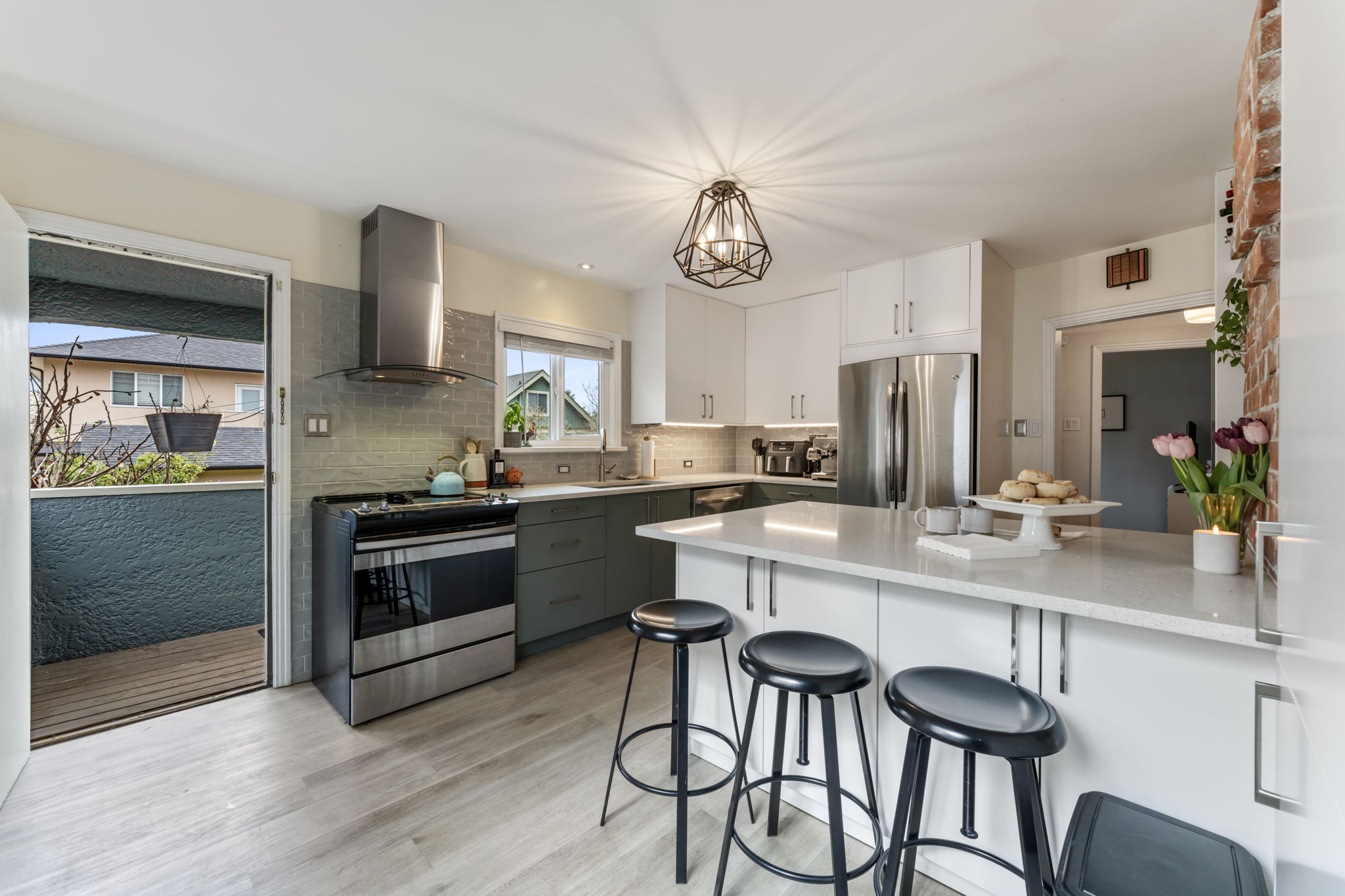
Student rentals in Gordon Head remain one of the most discussed investment strategies in Greater Victoria. Located next to the University of Victoria, Gordon Head attracts consistent rental demand from students, faculty, and young professionals. In simple terms, strong rental demand exists. However, investors must understand zoning rules, tenancy laws, financing realities, and long-term exit strategy before purchasing. Why Gordon Head Attracts Student Renters Gordon Head sits directly adjacent to University of Victoria. Because of this proximity, many properties offer: Walking or biking access to campus Reliable year-over-year student demand Larger homes with multiple bedrooms Established rental patterns When university enrolment remains stable, rental demand typically follows. Rental Income Potential Student rentals in Gordon Head often perform best when structured as room-by-room rentals rather than single-family leases. For example: 6-bedroom home $1,000 per room $6,000 gross monthly income However, gross rent must be balanced against: Higher maintenance Increased turnover Property management needs Vacancy risk during summer Always verify realistic market rents through comparable listings rather than relying on optimistic projections. Zoning and Occupancy Rules Gordon Head falls under the jurisdiction of Saanich. Zoning regulations determine: Legal suite permissions Maximum unrelated occupants Parking requirements Secondary dwelling eligibility Over-occupancy can lead to enforcement issues. Therefore, investors must confirm zoning compliance before structuring a rental model. Financing Considerations Lenders often evaluate student rentals conservatively. Key factors include: Owner-occupied vs non-owner-occupied Rental income qualification Down payment requirements Appraised value vs purchase price Some lenders may not recognize room-by-room income at full value, which affects debt servicing ratios. Investors should consult a mortgage broker early in the process. Maintenance and Management Reality Student rentals require active oversight. Common challenges include: Higher wear and tear Frequent tenant turnover Noise complaints Shared utility disputes Professional property management can reduce stress, but it also reduces net income. An investor must factor realistic maintenance reserves into projections. Exit Strategy Matters Not all buyers want a student rental property. When selling, your buyer pool may include: Other investors Parents buying for children Families converting the home back to owner-occupancy Homes that are well-maintained and legally compliant will have stronger resale liquidity. Properties that were heavily modified or poorly maintained may narrow your buyer pool. Appreciation vs Cash Flow In many cases, student rentals in Gordon Head generate moderate to strong gross income but limited cash flow once financing is applied. Investors often rely on: Long-term appreciation Mortgage principal paydown Strong resale demand Victoria’s constrained land supply historically supports long-term value. However, cash flow projections must remain conservative. Risks to Consider Before investing, evaluate: BC tenancy laws Rent increase restrictions Notice requirements Property tax levels Future zoning changes Student-focused properties can perform well, but they are not passive investments. Frequently Asked Questions Is Gordon Head a good area for student rentals? Yes. Proximity to the University of Victoria creates consistent tenant demand. Are student rentals legal in Gordon Head? They can be, but zoning and occupancy rules must be followed carefully. Do student rentals cash flow in Victoria? It depends on purchase price, financing structure, and rental model. Many rely on appreciation rather than high yield. Is summer vacancy a problem? It can be. Some investors structure 12-month leases to reduce turnover risk. Final Thoughts Student rentals in Gordon Head can offer strong demand stability due to university proximity. However, investors must approach this strategy with realistic numbers, legal compliance, and long-term planning. The opportunity is not simply about gross rent. It is about managing risk, understanding zoning, and protecting resale value. With disciplined analysis and proper oversight, Gordon Head remains one of the more consistent student-driven rental markets in Greater Victoria. Hendri E., 5-Star Review, via Google “We had a fantastic experience working with Cal and Scott. They provided a truly personalized service, taking the time to understand exactly what our needs were and guiding us through every step of the process. What really stood out was how they went above and beyond—we felt fully supported from start to finish. Highly recommended!” Faber Real Estate Group Royal LePage Coast Capital Realty 📞 250-244-3430 📧[email protected] ℹ️ Scott Faber Personal Real Estate Corporation ℹ️ Cal Faber Personal Real Estate Corporation Vanessa Wood, Zachary Parsons, and Sophie Taylor “Building Lasting Relationships, One Home at a Time.”
Read more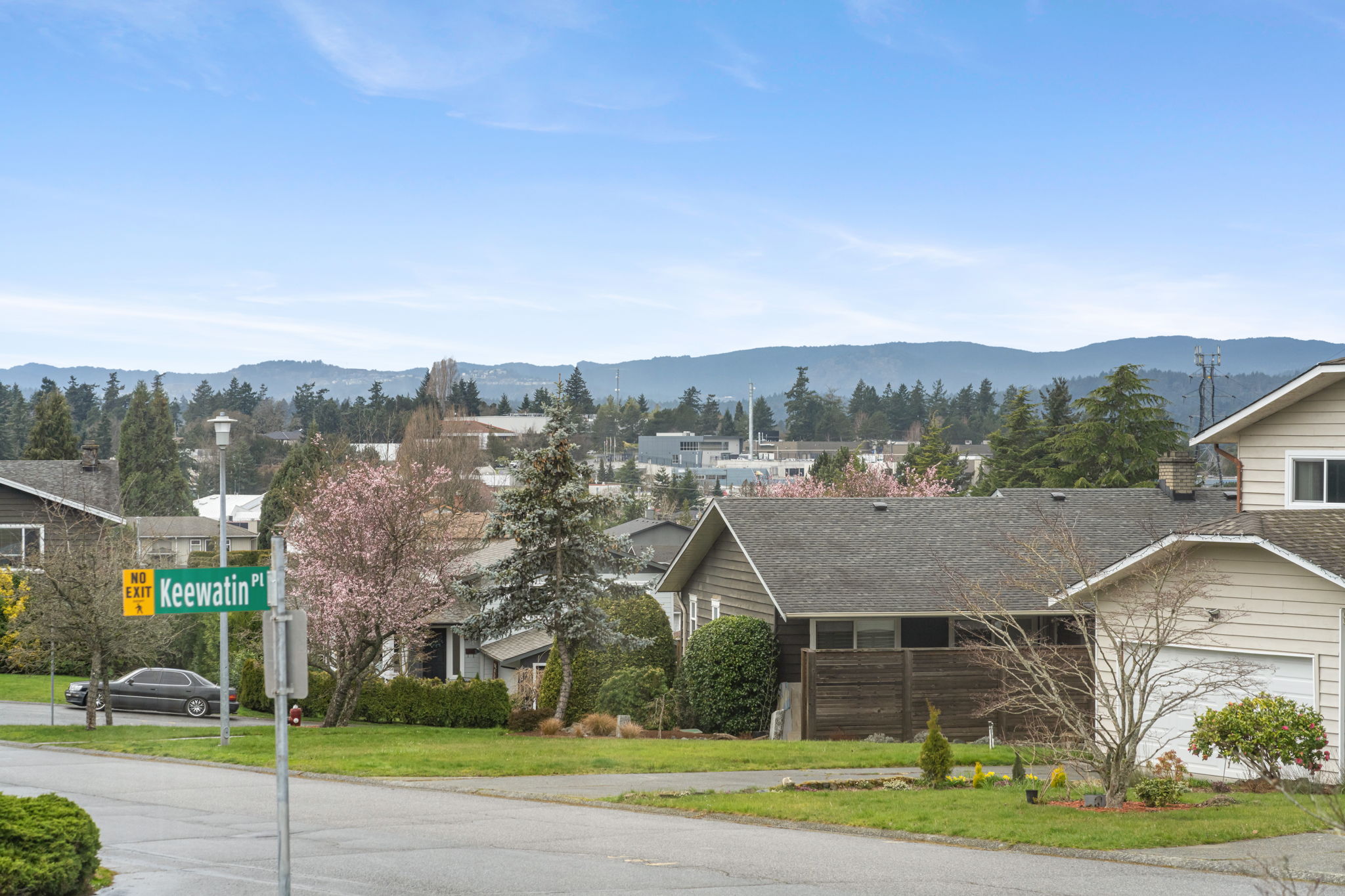
For Saanich house buyers, the biggest story is not one single rule. It is the combination of planning changes, density rules, buyer tax thresholds, and transit-focused growth that could change what is available, where new housing appears, and how buyers think about value in 2026. Saanich is already working under an updated Official Community Plan adopted on May 7, 2024, and the municipality is now moving through more detailed housing and growth implementation steps. The practical takeaway is simple: if you are planning to buy a detached home in Saanich, you now need to think about more than the house itself. You also need to think about the lot, the zoning, proximity to major transit, redevelopment potential nearby, and whether your purchase still fits within current tax exemption thresholds. Those details can affect both your competition today and your resale position later. Why This Matters More in 2026 Saanich has been given a provincial housing target of 4,610 net new completed homes over five years, and the municipality says that target includes tripling permit volume over that period. At the same time, Saanich’s Housing Strategy now runs with a 10-year framework, and its 2026-2028 Priorities Plan lays out the next phase of actions to improve housing outcomes. That means buyers should expect continued pressure for more housing supply, faster approvals, and more change in established neighbourhoods than they may have seen in the past. For buyers, that does not automatically mean lower prices. What it often means first is more variation. One street may still feel mostly unchanged, while another nearby could see townhomes, houseplexes, or higher-density projects become part of the long-term picture. 1) Small-Scale Multi-Unit Housing Is Changing What a “House Lot” Means One of the biggest shifts is B.C.’s small-scale multi-unit housing framework. The Province requires local governments to allow at least: 3 units on parcels 280 m2 or smaller 4 units on parcels larger than 280 m2 6 units on qualifying larger lots near frequent bus service These requirements apply in single-family and duplex zones unless the zone already allows three or more units. For Saanich house buyers, this matters in a few ways: Some detached homes will become more attractive because of future infill potential Nearby lots may hold redevelopment value even if the current home looks modest Buyers may start paying more attention to frontage, lot size, servicing, access, and transit proximity Traditional “single-family feel” may change over time in some areas This does not mean every Saanich block is suddenly turning into a townhouse corridor. It does mean the value of land and the value of a house are separating more clearly in certain pockets. A buyer who understands that distinction can make a much stronger decision than one who shops on cosmetics alone. 2) Transit-Oriented Areas Could Reshape Some Saanich Locations Faster Saanich’s Transit-Oriented Area rules are already in effect. The municipality identifies four provincial transit-oriented areas in Saanich: Uptown exchange, Royal Oak exchange, UVic exchange, and VGH exchange. Within these areas, provincial legislation governs density, height, and residential parking rules. The key details are important: Lands within 200 m and 400 m of prescribed transit stations must be designated as TOAs Within these TOAs, the Province sets minimum density and height requirements Within 400 m, local governments cannot require minimum off-street residential parking, except accessible parking In Saanich, zoning bylaw amendments reflecting these parking changes were adopted on June 10, 2024 For buyers, this could affect value in two opposite ways. First, homes near these areas may benefit from stronger long-term land value and improved convenience. Second, buyers who want a quieter, lower-density setting may need to be more selective about where they buy and how close they are to a transit exchange. A detached house near a major transit node may become more desirable to one buyer and less desirable to another. That is why location analysis in Saanich is becoming more nuanced, not less. 3) The Shelbourne Valley Plan Could Change Buyer Expectations in That Corridor One of the most active planning conversations right now is the Shelbourne Valley Plan. On March 2, 2026, Saanich confirmed that the proposed updated plan is moving to a public hearing later this year. Council moved it forward with three amendments: changing the “Shelbourne Valley Centre” designation to Shelbourne Valley Village reducing the maximum building height in that area from 12 storeys to 6 storeys extending the northern boundary to designate selected properties as Urban Townhomes between Shelbourne Street and Lambrick Park Secondary School strengthening watershed-related guidance and measurable outcomes For buyers looking in or near Shelbourne, Cedar Hill, or UVic-adjacent pockets, this matters because it speaks to where future growth may go and what form that growth may take. In plain terms, the corridor is still moving toward more housing, but the shape of that growth is being refined. Buyers who want to be ahead of change should watch this area closely, especially if they care about future walkability, transit access, redevelopment potential, or neighbourhood character. 4) First-Time Buyer Tax Rules Still Matter, Especially in Saanich Price Ranges Many buyers focus heavily on mortgage rates and monthly payments, but the property transfer tax still matters. In B.C., the first-time home buyers’ exemption currently works like this: if the fair market value is $500,000 or less, an eligible buyer can claim a full exemption equal to the full amount of property transfer tax from over $500,000 to $835,000, the exemption amount is $8,000 from over $835,000 to under $860,000, the exemption is reduced proportionally That matters in Saanich because many detached homes trade well above those thresholds. For some buyers, that means the first-time buyer tax break may be more realistic on a condo, townhome, or smaller entry-level property than on a detached house. In other words, government thresholds can quietly shape what “smart entry point” means. There is also a separate newly built home exemption in B.C. with a full exemption up to $1,100,000 and a phase-out to $1,150,000 for qualifying purchasers. That can make certain new-build options more competitive than buyers assume at first glance. 5) The Home Buyer Rescission Period Still Changes Offer Strategy The Home Buyer Rescission Period is not new in 2026, but it remains an important part of how buyers should approach offers in Saanich and across B.C. BCFSA states that buyers have up to three business days after acceptance to rescind an offer on a home, excluding weekends and holidays. If they rescind, they must pay the seller a fee. This affects buyer behaviour because it changes the psychology of writing an offer. Some buyers feel more protected. Others underestimate the financial consequence of changing course. A rushed decision can still be expensive. In a market where inventory has improved and buyers often have more choice than they did a few years ago, disciplined due diligence still matters more than impulse. 6) Saanich’s Broader Housing Push Could Affect Competition and Opportunity Saanich’s housing work is not just about rezoning. The municipality has also tied its strategy to implementation tools such as the Housing Accelerator Fund. Saanich says it received nearly $15 million over four years through the federal Housing Accelerator Fund and is aiming to permit 1,727 new homes through the program period. That matters because faster approvals and more housing forms can gradually create more choice. For buyers, more choice can mean: less pressure to overreact better ability to compare neighbourhoods and product types more alternatives between condo and detached more emphasis on long-term suitability instead of short-term panic At the same time, added supply rarely arrives all at once. The likely reality is uneven change: some buyers will find better options, while others will still face competition for well-priced detached homes in established Saanich neighbourhoods. 7) Investors and Second-Home Buyers Should Also Watch Tax Changes For investors or buyers considering underused property, the speculation and vacancy tax is another factor to watch. The Province states that for 2026 and subsequent years, the rate is 3% for foreign owners and untaxed worldwide earners, and 1% for Canadian citizens or permanent residents who are not untaxed worldwide earners, where the tax applies. This will not affect every Saanich house buyer. But it can affect some ownership decisions, especially for buyers thinking about part-time use, empty homes, or more complex ownership structures. That matters because rules aimed at unused housing can influence both carrying costs and investment behaviour. What Saanich House Buyers Should Do Now The biggest mistake buyers can make is treating all of Saanich as if it is moving in one direction. It is not. Some pockets are more affected by transit-oriented growth. Some are more exposed to infill change. Others may remain relatively stable in character while still benefiting from broader supply improvements. A stronger approach is to ask five better questions before you buy: Is this property mainly a home value play, a land value play, or both? Is it near a transit-oriented area or frequent bus service that could change future density? Would nearby redevelopment improve convenience or change the feel of the street in ways that matter to me? Am I relying on a tax exemption that may not apply to the property type or price range I want? If I buy here, will this location still make sense for me in five to ten years as Saanich continues to grow? That is the real shift in 2026. Buyers are no longer just choosing between house A and house B. They are choosing between different planning contexts, different long-term neighbourhood trajectories, and different financial trade-offs. Final Thoughts For Saanich house buyers, the upcoming changes are less about one dramatic moment and more about a steady reset in how housing, land, and neighbourhood value will be understood. Provincial density rules, transit-area growth, evolving local plans, and tax thresholds are all shaping the next version of Saanich. Buyers who understand those layers will be in a much better position to buy with confidence instead of reacting late. Hilary M., 5-Star Review, via Google “Scott and the rest of the team at the Faber Real Estate Group are fantastic! Scott went above and beyond to find us the perfect property that checked all the boxes. He was extremely attentive and professional and made the entire process very enjoyable. His extensive experience in the real estate industry helped us to choose a property that suited us and he was able to give us lots of helpful insight throughout our experience. Highly recommend to anyone in need of a trustworthy, knowledgeable real estate agent.” Faber Real Estate Group Royal LePage Coast Capital Realty 📞 250-244-3430 📧[email protected] ℹ️ Scott Faber Personal Real Estate Corporation ℹ️ Cal Faber Personal Real Estate Corporation Vanessa Wood, Zachary Parsons, and Sophie Taylor “Building Lasting Relationships, One Home at a Time.”
Read more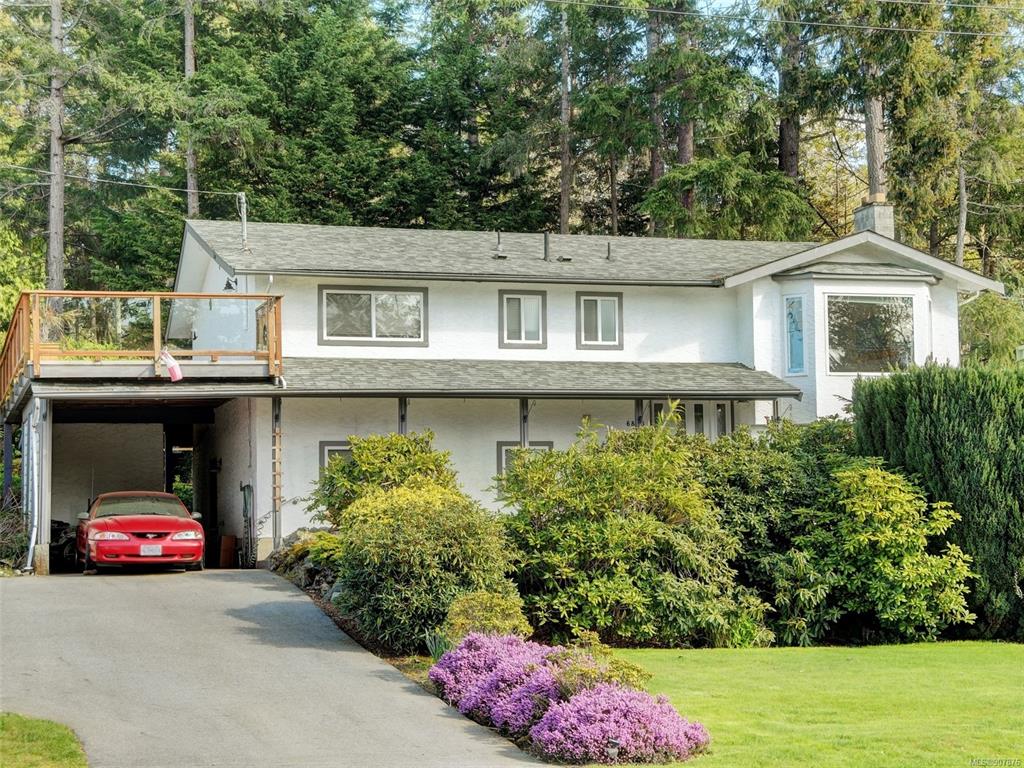
If you are considering Gordon Head real estate, this neighbourhood guide will help you evaluate whether it fits your goals. Located in Victoria, Gordon Head offers strong appeal for families and steady fundamentals for investors. With excellent schools, proximity to the university, and access to beaches and parks, Gordon Head real estate continues to attract long-term demand. Where Is Gordon Head? Gordon Head sits northeast of downtown Victoria, bordered by oceanfront parks and established residential streets. It is minutes from University of Victoria, which significantly shapes the local housing market. The neighbourhood features primarily detached homes, along with townhomes and secondary suites. Many properties sit on larger lots, and some offer ocean views. Why Families Choose Gordon Head Gordon Head has long been a top choice for families. Here is why: 1. Strong Schools The area includes well-regarded public schools such as: Gordon Head Middle School Lambrick Park Secondary School Access to quality education remains a key driver of Gordon Head real estate demand. 2. Parks and Outdoor Access Families benefit from nearby green space and waterfront access, including: Mount Douglas Park Cadboro-Gyro Park These amenities support an active lifestyle and add long-term value to properties in the area. 3. Safe, Established Streets Gordon Head is primarily residential, with quiet roads and mature landscaping. Many homes were built between the 1960s and 1990s, offering functional layouts and renovation potential. Why Investors Target Gordon Head From an investment standpoint, Gordon Head real estate offers several advantages. 1. University-Driven Rental Demand Proximity to the University of Victoria creates consistent demand for rental housing. Investors often purchase homes with suites or convert existing space to maximize rental income. 2. Stable Property Values Gordon Head has historically demonstrated resilient pricing compared to more volatile condo-heavy areas. Detached homes on larger lots tend to hold value well during market shifts. 3. Redevelopment and Upside Potential As housing demand increases across Greater Victoria, larger lots in established neighbourhoods become more attractive. Buyers seeking long-term appreciation often prioritize areas like Gordon Head for this reason. Housing Types and Price Considerations Most of the housing stock consists of: Detached single-family homes Homes with secondary suites Townhouses near main corridors Entry price points are typically higher than condo-focused neighbourhoods, but rental potential and lot value often justify the investment. For families, this means space and long-term stability. For investors, it means diversified income opportunities. Is Gordon Head Right for You? If you are seeking strong schools, outdoor amenities, and long-term property stability, Gordon Head real estate deserves serious consideration. Families benefit from community infrastructure, while investors gain access to reliable rental demand tied to the university. If you would like to explore current Gordon Head real estate opportunities or discuss whether this neighbourhood aligns with your goals, reach out to start the conversation. Michael F., 5-Star Review, via Google “We recently had the pleasure of working with Cal and Scott Faber, a remarkable father-son real estate team, to sell our premium family home and purchase a smaller, downsized property in an awesome neighbourhood. Their experience and guidance were invaluable in both pricing and strategizing the timing of our sale. The professionalism of their photography and marketing video team was unparalleled, making us feel like celebrities on an episode of MTV Cribs, they showcased our home in the best possible light at different times of the day. This attention to detail truly highlighted the features we loved about our home and revealed the value to our buyers..” Faber Real Estate Group Royal LePage Coast Capital Realty 📞 250-244-3430 📧[email protected] ℹ️ Scott Faber Personal Real Estate Corporation ℹ️ Cal Faber Personal Real Estate Corporation Vanessa Wood, Zachary Parsons, and Sophie Taylor “Building Lasting Relationships, One Home at a Time.”
Read more