

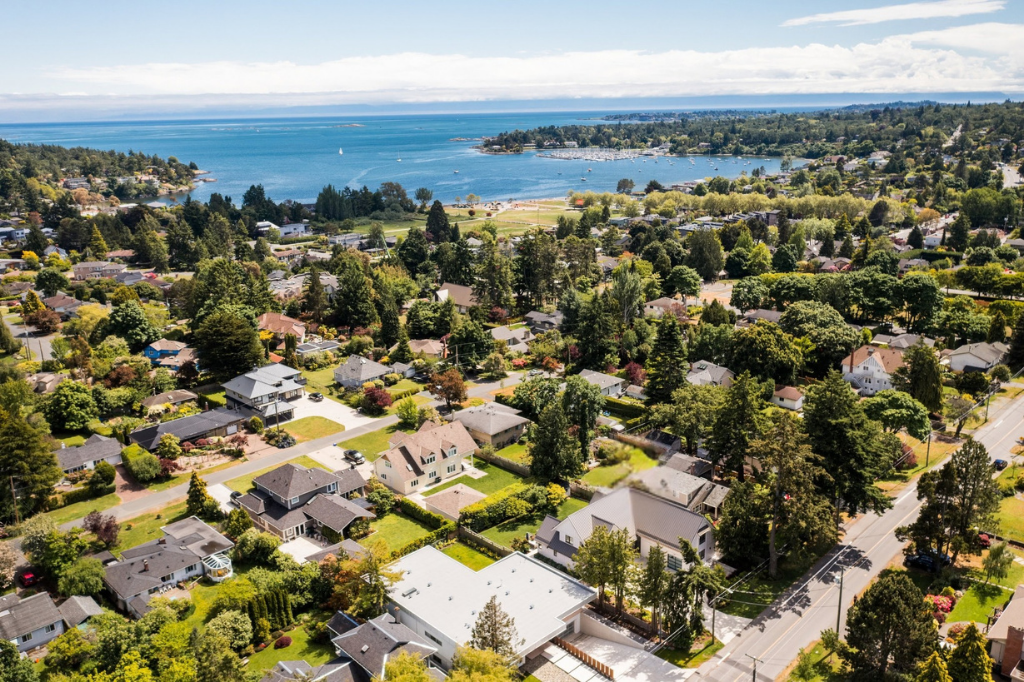
Greater Victoria real estate micro-markets can feel confusing because the region does not move as one single market. A condo in downtown Victoria, a family home in Gordon Head, a townhome in Langford, and a character home in Oak Bay can all respond differently to the same interest rate environment, inventory level, or buyer mood. That is why broad market headlines can only tell part of the story. According to the Victoria Real Estate Board, there were 3,710 active listings on the MLS® at the end of April 2026, up 8.3% from April 2025. The Board also described the overall market as balanced, while noting that buyer and seller experiences can vary depending on property type and location. That last point matters most. A Balanced Market Does Not Mean Every Area Feels Balanced When people hear that the market is balanced, they often assume every neighbourhood is moving at the same pace. That is rarely true. One area may have strong demand for detached homes because families want school access, yard space, and long-term livability. Another area may have slower condo activity because buyers have more choice, higher strata scrutiny, or stronger price sensitivity. A balanced regional market can still contain: Competitive pockets Slower-moving property types Price-sensitive segments High-demand neighbourhoods Listings that need sharper pricing to stand out This is why Greater Victoria real estate micro-markets require more than a regional average. Property Type Changes Everything A detached home, townhouse, condo, acreage property, and new-build unit can all behave differently. For example, buyers comparing condos may focus on strata fees, depreciation reports, insurance, amenities, parking, and building age. Buyers looking at detached homes may care more about lot size, renovation history, suite potential, roof condition, schools, and outdoor space. Even within the same neighbourhood, two property types can have very different buyer pools. A well-priced townhouse in a walkable area may attract strong interest, while a nearby condo with high strata fees may move more slowly. A dated detached home may sit if it needs major work, while a well-maintained home nearby may sell quickly because buyers value certainty. Neighbourhood Lifestyle Drives Buyer Demand Greater Victoria is not just a collection of price points. It is a collection of lifestyles. Buyers are often choosing between very different versions of daily life: Walkability in Fairfield, James Bay, Cook Street Village, or Fernwood Space and newer homes in Langford, Colwood, or View Royal Quiet residential streets in Gordon Head, Cordova Bay, or Oak Bay Waterfront access in Sidney, Saanich Peninsula, or Esquimalt Rural privacy in Metchosin, Central Saanich, or parts of Highlands These choices are emotional as much as financial. A buyer who wants cafés, transit, and walkability may accept less square footage. A buyer who wants a garage, yard, and newer construction may look further from the core. A downsizer may prioritize elevator access, storage, and a quiet building over a larger floor plan. That is why two homes at the same price can feel completely different in value. Price Brackets Create Their Own Markets Price point is another reason local real estate behaves differently. A home listed around a first-time buyer budget may attract a very different buyer group than a home listed above $1.5 million. Financing, affordability, insurance, strata fees, renovation costs, and property transfer tax considerations can all influence how active buyers feel at each level. In some price ranges, buyers may move quickly because quality options are limited. In others, they may compare more carefully because there are more listings to choose from. For sellers, this means pricing cannot rely only on what the neighbour sold for. It needs to consider: The current competition Buyer affordability at that price point Days on market for similar homes Recent comparable sales Property condition How much choice buyers have today The right pricing strategy depends on the specific buyer pool, not just the address. Condition Matters More When Buyers Have Choice When inventory rises, buyers tend to become more selective. In April 2026, Greater Victoria had more active listings than the previous year, giving buyers more options across many parts of the region. That does not mean every buyer has endless choice, but it does mean sellers need to understand how their home compares in real time. In a market with more selection, buyers often look closely at: Roof age Windows Heating systems Strata documents Depreciation reports Drainage Electrical updates Renovation quality Storage and parking Long-term maintenance costs A home does not need to be perfect. It needs to be clearly positioned. A well-maintained home gives buyers confidence. A home with unclear maintenance history may create hesitation, even if the price seems reasonable. Buyers and Sellers Need Local Context, Not Just Market Averages Averages can help explain the direction of the market. They do not tell you what to offer on one specific home or how to price one specific listing. For buyers, local context helps answer better questions: Is this home priced fairly for this neighbourhood? How much competition is there for this property type? Are buyers moving quickly here or taking their time? Is this location likely to support long-term resale demand? What trade-offs are normal at this price point? For sellers, local context helps avoid two common mistakes: Overpricing based on old market momentum Underestimating buyer demand in a strong pocket Good strategy starts with the micro-market, not the headline. What This Means If You Are Buying When buying in Greater Victoria, it helps to compare homes by lifestyle, property type, and long-term fit rather than price alone. A condo in the core may offer walkability and convenience. A townhouse in the Westshore may offer more space and newer construction. A detached home in Saanich may offer long-term flexibility, but may also come with higher maintenance needs. The better question is not simply, “Is this a good deal?” A better question is, “Is this the right trade-off for the way I want to live, the budget I have, and the resale value I want to protect?” What This Means If You Are Selling When selling, the goal is not to price for the entire region. The goal is to price for the buyers most likely to choose your home. That means looking closely at: Your neighbourhood Your property type Your condition level Your competition Your timing Your likely buyer profile A strong listing strategy should explain why your home makes sense in its specific market. That may mean highlighting walkability, updates, outdoor space, suite potential, strata strength, school proximity, or lifestyle convenience. The more specific the positioning, the easier it is for the right buyer to understand the value. The Bottom Line Greater Victoria real estate micro-markets matter because buyers are not shopping the region in one uniform way. They are comparing neighbourhoods, lifestyles, building types, costs, risks, and long-term fit. That is why the best advice is rarely generic. Whether you are buying or selling, the real value comes from understanding the specific market you are in, not just the market everyone is talking about. For advice on how your neighbourhood, property type, or price range is performing in today’s Greater Victoria real estate market, contact Faber Real Estate Group. Darren L., 5-Star Review, via Google “Fabulous job from Cal, Scott and Vanessa. They were professional, have strong negotiating skills and had a proactive strategy as the house sold very quickly (within a day the offer was accepted) and for the asking price. We were at ease with Cal and the team once we decided to go with them after interviewing other realty groups. It was definitely a smooth experience to say the least. Highly recommending the Faber Group if you’re buy or selling. Truly a group that is there to put the client first and foremost.” Faber Real Estate Group Royal LePage Coast Capital Realty 📞 250-244-3430 📧 [email protected] ℹ️ Scott Faber Personal Real Estate Corporation ℹ️ Cal Faber Personal Real Estate Corporation Vanessa Wood, Zachary Parsons, and Sophie Taylor “Building Lasting Relationships, One Home at a Time.”
Read more
Victoria housing needs will likely shape far more than new construction. They will influence buyer expectations, seller strategy, neighbourhood growth, affordability pressure, and the types of homes that become more common across the region. The City of Victoria’s 2024 Interim Housing Needs Report estimates the city will need about 8,254 new homes over the next 20 years, while Langford has projected a 20-year need of about 17,000 new homes as it plans for major population growth. That means the next decade will not only be about building more homes. It will be about building the right mix of homes in the right locations. Housing Demand Is No Longer One Simple Problem For years, the conversation around housing was often reduced to one idea: Victoria needs more homes. That is still true. However, the next phase is more complex. Greater Victoria needs more rental housing, more family-sized options, more attainable ownership opportunities, more downsizer-friendly homes, more accessible housing, and more homes close to transit, services, and employment. This matters because different buyers need different solutions. A first-time buyer may need a well-priced condo near transit. A growing family may need a townhouse with storage and outdoor space. A downsizer may want a low-maintenance strata home close to shops and medical services. A senior may need accessible living without leaving their community. If the region does not add enough variety, buyers will continue competing for the same limited options. More Density Will Likely Become Normal Over the next 10 years, many Victoria neighbourhoods may see more townhomes, multiplexes, small apartment buildings, infill housing, and purpose-built rentals. This does not mean every street will change overnight. However, the direction is clear. Provincial housing targets are pushing municipalities to increase supply, and Saanich has been given a mandated five-year target of 4,610 net new completed homes. For homeowners, this creates both opportunity and uncertainty. More density may bring: New housing choices More rental options Better support for local businesses Stronger demand near transit and amenities Changes to neighbourhood character More construction activity New questions around parking, infrastructure, and public space For buyers, it means location research will become even more important. A quiet street today may look different in five or 10 years depending on zoning, transportation planning, and nearby redevelopment potential. Affordability Will Keep Driving Buyer Behaviour Even if more homes are built, affordability will likely remain one of Victoria’s biggest challenges. Higher construction costs, land values, interest rates, municipal fees, and limited land supply all affect what gets built and what buyers can afford. More supply can help, but it does not automatically make every home affordable. This is why buyers may continue to make trade-offs between: Size and location Age and efficiency Outdoor space and walkability Condo convenience and detached-home privacy Core neighbourhoods and Westshore affordability Move-in-ready homes and renovation potential The next decade may reward buyers who are flexible. Instead of searching for the perfect home, many will need to focus on the best long-term fit. Purpose-Built Rentals Could Change the Ownership Market Victoria has already seen more attention on purpose-built rental housing. The City of Victoria reported that purpose-built rentals had exceeded its 1,900-unit target as part of its housing strategy milestones, contributing to the city’s highest vacancy rate in more than a decade. This could affect the ownership market in several ways. More rental supply may give some renters more time before buying. It may also reduce pressure on some entry-level ownership options if renters have more stable choices. However, if ownership remains expensive, many households may rent longer than previous generations did. For investors, this could mean stronger competition from newer rental buildings. Older rental-style condos or secondary suites may need to stand out through location, condition, layout, or pricing. Sellers Will Need to Think More Strategically In a market with more housing choice, sellers cannot assume that limited supply will do all the work. As inventory grows, buyers compare more carefully. In April 2026, the Victoria Real Estate Board reported 3,710 active listings at month-end, up 8.3% from April 2025 and up 13.8% from March 2026. That kind of choice changes seller strategy. Sellers may need to focus more on: Accurate pricing Strong presentation Maintenance records Energy efficiency Flexible showing access Clear strata documents Neighbourhood positioning Transparent upgrade history If more new or newer homes come to market over time, older homes will need to compete on more than location alone. Condition, layout, livability, and future costs will matter. Neighbourhood Identity May Shift Housing needs will not affect every area equally. Langford may continue to absorb a large share of regional growth because of land availability, development patterns, and infrastructure planning. The City of Langford has stated it is planning for a population of 100,000 residents, nearly double its current population of about 58,000. Meanwhile, Victoria, Saanich, Esquimalt, View Royal, Colwood, Sidney, and Oak Bay will each face different pressures. Some neighbourhoods may become more walkable. Others may become denser around transit corridors. Some may see more infill. Others may hold value because they offer larger lots, established streets, or limited redevelopment potential. For buyers, this means the question is not just, “Do I like this neighbourhood today?” The better question is, “How might this neighbourhood change over the next 10 years?” What Buyers Should Watch Buyers should pay attention to more than current listings and recent sales. Over the next decade, smart buying decisions may depend on: Local zoning changes Transit access Nearby development applications School capacity Infrastructure upgrades Walkability Strata fees and building age Energy efficiency Long-term maintenance costs Resale demand by property type A home can be a good fit today and still face future trade-offs. The more buyers understand those trade-offs early, the more confident their decisions become. What Sellers Should Watch Sellers should think about how future housing supply may affect their property’s position in the market. A well-maintained detached home in a walkable area may continue to attract strong interest. A dated condo may face more competition if newer rental or condo supply gives buyers better alternatives. A townhouse with family-friendly space may stand out if demand grows for homes between condos and detached houses. Sellers should ask: What makes this home hard to replace? What buyer problem does it solve? How does it compare to newer options? What future costs might buyers notice? Which improvements would matter most before listing? In a changing market, the best listings will make the value clear. The Bigger Picture Victoria’s housing needs will shape the next 10 years through density, affordability, infrastructure, rental supply, and changing lifestyle expectations. For buyers, the opportunity is to think beyond today’s price and focus on long-term livability. For sellers, the opportunity is to understand where their home fits as more choice enters the market. Housing growth will not remove every challenge. However, it will change the way people compare homes, evaluate neighbourhoods, and plan their next move. For local guidance on how Victoria housing needs could affect your buying or selling strategy, contact Faber Real Estate Group for advice before making your next real estate decision. Demetrios T., 5-Star Review, via Google “Scott and Cal Faber were exceptional to work with. They were professional, patient, and incredibly informative throughout the entire process. They took the time to walk me through every step, which made the typically stressful experience of moving so much easier. Their knowledge of real estate is second to none, and their guidance gave me complete confidence in my decisions. I highly recommend both Scott and Cal to anyone looking for trusted, knowledgeable, and supportive realtors.” Faber Real Estate GroupRoyal LePage Coast Capital Realty📞 250-244-3430📧 [email protected]ℹ️ Scott Faber Personal Real Estate Corporationℹ️ Cal Faber Personal Real Estate CorporationVanessa Wood, Zachary Parsons, and Sophie Taylor“Building Lasting Relationships, One Home at a Time.”
Read more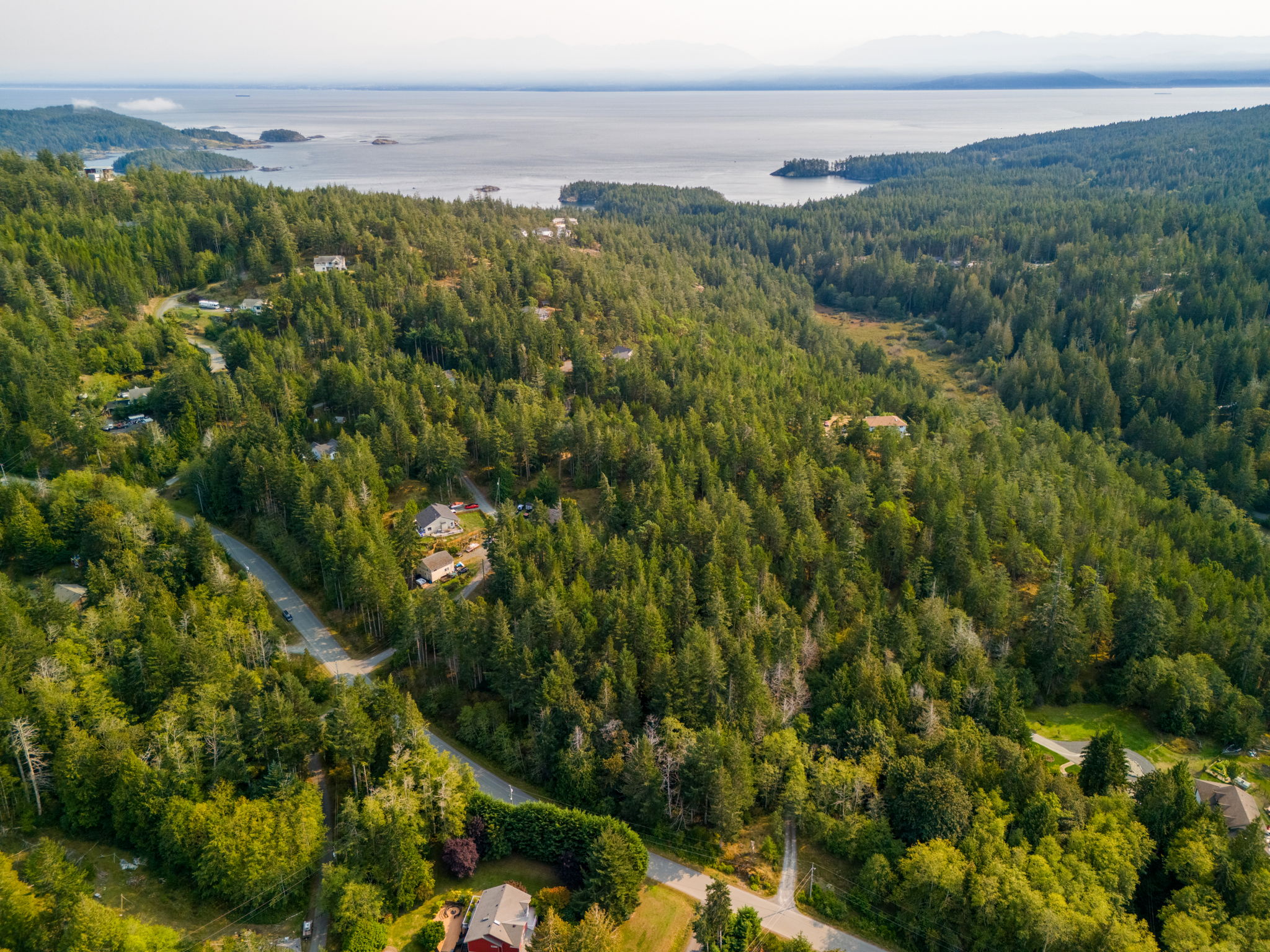
Septic systems for rural homebuyers can feel unfamiliar at first, especially for buyers who have only owned homes connected to municipal sewer. In many rural and semi-rural areas, a home may rely on an onsite sewage system instead of a city sewer connection. That does not need to be a deal breaker. However, it does need to be understood before you buy. A septic system is one of the most important parts of a rural property. It affects how the home functions, how the land can be used, what future improvements may be possible, and what maintenance responsibilities come with ownership. What Is a Septic System? A septic system treats wastewater from the home on the property itself. That includes water from toilets, sinks, showers, laundry, dishwashers, and other plumbing fixtures. A typical system includes: A septic tank Pipes from the home A distribution box or treatment component A drain field or dispersal field Soil that helps filter and treat wastewater The basic process is fairly simple. Wastewater leaves the home and enters the septic tank. Solids settle in the tank, while liquid wastewater flows into the drain field. From there, the soil helps treat and disperse the wastewater safely. When the system is working properly, most homeowners rarely think about it. When it fails, repairs can be expensive, disruptive, and stressful. Why Septic Systems Matter When Buying Rural Property A rural property may offer privacy, land, views, trees, gardens, workshops, or space that is harder to find in urban neighbourhoods. But that extra space often comes with more responsibility. In addition to the home itself, buyers may need to understand wells, drainage, access, outbuildings, zoning, trees, fire risk, and septic systems. The septic system matters because it can affect: Whether the home can be safely occupied How many people the system can support Whether future renovations are possible Whether a suite or additional bedroom makes sense Long-term maintenance costs Buyer confidence Insurance and financing questions Future resale value For rural homebuyers, septic due diligence should be treated as part of the buying process, not as an afterthought. The Septic System Should Match the Home One of the most important details is whether the septic system matches the current use of the property. For example, a home may have been built as a three-bedroom property, but later owners may have finished additional rooms, added accommodation, or changed how the home is used. If the septic system was not designed for that level of occupancy, buyers need to know that before moving forward. This can matter if you are planning to: Add bedrooms Create a secondary suite Build an addition Increase household size Use the property for multi-generational living Add a guest space or rental component Renovate unfinished areas A property may look flexible, but the septic system may set practical limits. What Buyers Should Ask Before Buying Before removing subjects on a rural property, buyers should try to gather as much septic information as possible. Important questions include: Where is the septic tank located? Where is the drain field located? When was the system installed? Was it installed with proper permits or filings? What type of system is it? When was it last pumped? When was it last inspected? Are maintenance records available? Is the system designed for the current number of bedrooms? Has the home been expanded since the system was installed? Have there been backups, odours, slow drains, or repairs? Has anyone parked, built, paved, or landscaped over the drain field? Good answers reduce uncertainty. Missing answers do not always mean there is a problem, but they do mean the buyer should proceed carefully. Why a Septic Inspection Matters A standard home inspection does not usually provide a full septic review. Septic systems need specific knowledge, equipment, and experience. A septic inspection may include: Locating the tank and field Opening and inspecting the tank Checking sludge and scum levels Reviewing visible components Looking for signs of failure Checking drainage or wet areas Reviewing maintenance history Recommending pumping, repairs, or further investigation For buyers, this inspection can provide important peace of mind. It may also uncover issues that affect price, terms, or whether the buyer moves forward at all. Warning Signs Buyers Should Watch For Some septic problems are obvious. Others are not. During showings and inspections, buyers should pay attention to the home, the yard, and any information the seller provides. Possible red flags include: Sewage odours inside or outside the home Slow drains or gurgling plumbing Toilets that flush poorly Wet or soggy areas near the drain field Unusually green grass over the field Standing water around the system area Lack of maintenance records Unknown system location Older system with no recent inspection Recent landscaping that may hide problems Extra finished space without septic confirmation A single concern does not always mean the system is failing. However, it should trigger more questions. Maintenance Is Part of Rural Ownership A septic system needs regular care. It is not something buyers should ignore until there is a problem. Good septic maintenance includes: Pumping the tank as recommended Keeping service records Conserving water where practical Fixing leaks quickly Avoiding grease, wipes, chemicals, and non-flushable items Keeping vehicles and heavy equipment off the drain field Avoiding structures, patios, or major landscaping over the field Understanding where the system components are located This is part of the responsibility of owning a rural property. Just like maintaining a roof, well, driveway, or drainage system, septic care protects the property and helps avoid larger costs later. How Septic Systems Affect Renovation Plans Many rural buyers are drawn to properties because of the possibilities. They may want more space, more privacy, more flexibility, or room to grow. Before assuming what can be done, buyers should understand whether the septic system can support the plan. A septic system may affect: Adding another bedroom Building an addition Creating a suite Converting a garage or outbuilding Adding guest accommodation Changing the occupancy level Future subdivision or development plans This does not mean a buyer cannot improve the property. It means the septic system should be reviewed before making plans. How Septic Systems Can Affect Resale A well-maintained septic system can support buyer confidence. A poorly documented or failing system can create hesitation, negotiation pressure, or future disclosure issues. When it comes time to sell, buyers will usually feel more comfortable if the owner can provide: Pumping records Inspection records System location details Installation or filing information Repair history Clear disclosure about known issues Good records can make a rural property easier to sell. They show that the system has not been ignored. Septic Systems Are Not a Reason to Avoid Rural Homes Some buyers become nervous when they hear a property has septic. That is understandable, but it should not automatically scare anyone away. Many rural homes rely on septic systems and function very well for decades when properly designed, used, and maintained. The key is not to avoid septic systems. The key is to understand them. A smart rural buying strategy includes: Asking for records early Including proper conditions in the offer Hiring the right inspector Confirming system capacity Reviewing future renovation goals Budgeting for maintenance Understanding what you are responsible for after completion Final Thoughts Septic systems for rural homebuyers should be taken seriously, but they do not need to be intimidating. They are simply part of understanding the full property. When buyers review the system properly, ask the right questions, and complete the right inspections, they can make a more confident decision. Rural living often offers space, privacy, and lifestyle advantages that are hard to find in urban areas. The best experience comes from knowing what supports the home beneath the surface. If you are considering a rural property in Greater Victoria or on Vancouver Island, contact Faber Real Estate Group for guidance on septic considerations, rural due diligence, and what to ask before writing an offer. David M., 5-Star Review, via Google “Scott was a fantastic realtor—hardworking, knowledgeable, and truly dedicated to his clients. His expertise and great connections made the entire process smooth and stress-free. He went above and beyond to ensure everything was taken care of, and I couldn’t be happier with the results. I highly recommend Scott to anyone looking for a realtor.” Faber Real Estate GroupRoyal LePage Coast Capital Realty📞 250-244-3430📧 [email protected]ℹ️ Scott Faber Personal Real Estate Corporationℹ️ Cal Faber Personal Real Estate CorporationVanessa Wood, Zachary Parsons, and Sophie Taylor“Building Lasting Relationships, One Home at a Time.”.
Read more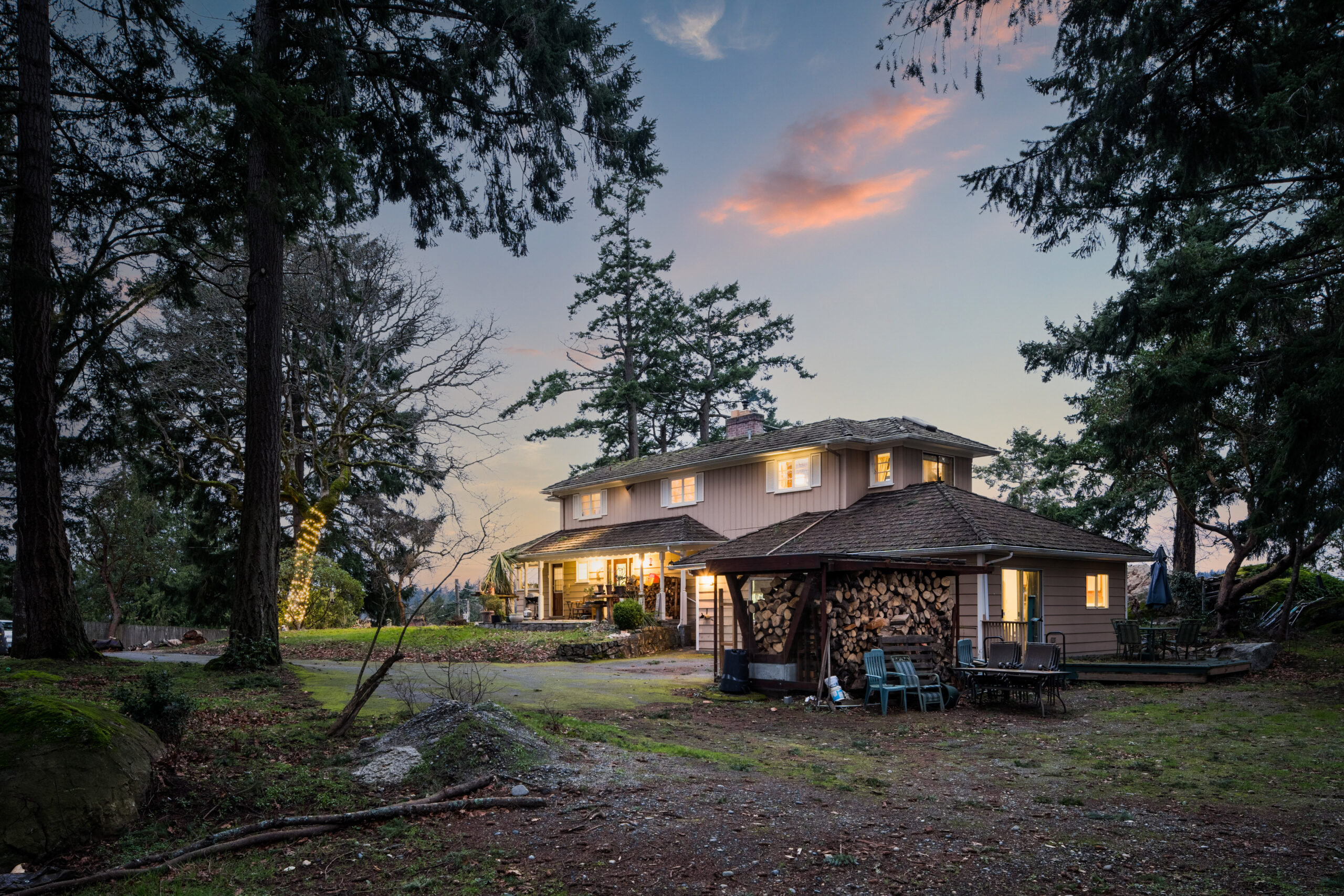
For many buyers, living outside of town can feel like the practical answer. Prices may be lower, homes may be larger, and the pace can feel calmer. However, the pros and cons of living outside of town deserve a closer look before making the move. A home is not only a purchase price. It is also a daily lifestyle choice. The Pros of Living Outside of Town 1. More Space for the Money Buyers often look farther from the core because they can find more home, more yard, or a newer property within the same budget. This can be especially appealing for families, pet owners, remote workers, or anyone who wants extra room to grow. 2. A Quieter Lifestyle Outside-town living can offer more privacy, less traffic noise, and a slower pace. For some buyers, that peace is worth more than being close to downtown. 3. Better Access to Nature Many communities outside the urban core offer easier access to trails, lakes, beaches, parks, and outdoor recreation. That lifestyle can be a major reason people choose areas like the Westshore, Sooke, Metchosin, or the Peninsula. 4. Strong Long-Term Appeal As Greater Victoria grows, some outside-town areas continue to attract buyers who want space and relative affordability. If infrastructure, amenities, and transportation improve, long-term demand can strengthen. The Cons of Living Outside of Town 1. Longer Commutes The biggest trade-off is usually time. A longer drive can affect mornings, evenings, childcare, school routines, and overall flexibility. Even if the commute seems manageable during showings, it may feel different after several months. 2. Higher Transportation Costs Living farther out can increase fuel costs, vehicle wear and tear, insurance use, parking needs, or the need for a second vehicle. A lower mortgage payment may not feel as low once transportation costs are included. 3. Fewer Nearby Amenities Some areas have fewer restaurants, shops, medical services, recreation options, or transit routes nearby. That does not matter to every buyer, but it can affect day-to-day convenience. 4. Resale Can Depend on Market Conditions When the market is active, buyers may stretch farther for space. When the market slows, some buyers refocus on convenience, walkability, and commute time. That means resale demand can vary more by location, property type, and local amenities. The Smart Way to Decide Before buying outside of town, compare the full lifestyle cost, not just the purchase price. Ask yourself: How often will I commute? Will we need another vehicle? How close are schools, parks, stores, and services? Will this location still work in five years? How broad will the resale buyer pool be? Final Thought The pros and cons of living outside of town come down to trade-offs. You may gain space, privacy, and value, but you may give up time, convenience, and some resale flexibility. The right choice is not about town versus outside town. It is about which location supports your life, budget, and long-term plans best. If you are comparing neighbourhoods across Greater Victoria and want help weighing lifestyle, commute, and resale value, contact Faber Real Estate Group for local guidance. Doug F., 5-Star Review, via Google “The way the sale/transaction/personal service of this Firm is 100%. They returned calls promptly, got me information when asked and even helped me move heavy furniture with a smile.” Faber Real Estate GroupRoyal LePage Coast Capital Realty📞 250-244-3430📧 [email protected]ℹ️ Scott Faber Personal Real Estate Corporationℹ️ Cal Faber Personal Real Estate CorporationVanessa Wood, Zachary Parsons, and Sophie Taylor“Building Lasting Relationships, One Home at a Time.”
Read more
Living in Shawnigan Lake BC appeals to buyers who want a quieter lifestyle, more space, and stronger connection to nature without being completely cut off from Victoria or the Cowichan Valley. Living in Shawnigan Lake BC can be a strong fit for people who value recreation, privacy, and a more relaxed pace, but it is not the right match for every buyer. That is the key with Shawnigan Lake. It is easy to be drawn in by the lake lifestyle and wooded setting, but the best purchase usually comes from understanding how the area functions day to day, not just how it looks on a sunny weekend. The Lifestyle Is a Big Part of the Draw Shawnigan Lake is known for outdoor living. West Shawnigan Lake Park offers beach access, swimming, picnic areas, trails, and other day-use amenities, while the broader lake area is known for boating, paddling, and family recreation. The Shawnigan Lake Community Centre also adds local programming, childcare, events, and recreation space that help support year-round community life. For many buyers, that lifestyle is the reason to look there in the first place. The area tends to suit people who want: more land and privacy than many urban neighbourhoods offer access to outdoor recreation close to home a less dense, more rural-feeling setting a community-oriented environment rather than a fully urban one That said, buyers should look beyond the lifestyle branding and ask what their weekly routine would actually feel like in Shawnigan Lake during workdays, school days, and winter months. It Offers a Different Kind of Convenience Shawnigan Lake is not designed around the same kind of convenience as central Victoria, Langford, or even some parts of the Westshore. Buyers often trade quick access to a larger retail and service base for space, setting, and lifestyle. That is not a flaw. It is simply a different value proposition. For some households, that trade-off feels worth it immediately. For others, the commute, driving time, and day-to-day logistics can become more noticeable after the move. Buyers should think carefully about: how often they need to commute south toward Greater Victoria how often they rely on nearby shopping and services whether they are comfortable with a more car-dependent routine how important immediate access to schools, activities, and appointments is for their household Schools and Family Planning Matter Families considering Shawnigan Lake should verify school catchments directly, but public school options in the Cowichan Valley School District include Discovery Elementary in Shawnigan Lake and Frances Kelsey Secondary in nearby Mill Bay, with the district providing a school locator and registration tools. This matters because many buyers focus first on the home and only later on how school routes, extracurriculars, and pick-up logistics will work in practice. In more semi-rural communities, those details can shape daily life more than buyers expect. Property Types Can Vary More Than Buyers Assume One of Shawnigan Lake’s strengths is variety. Depending on budget and location, buyers may find modest cottages, family homes on larger lots, rural properties, and lake-area homes with very different levels of privacy, access, and utility servicing. That variety is attractive, but it also means buyers need to compare carefully. Two homes in the same broad area can feel very different in terms of: road access slope and usability of land privacy and sun exposure water access or lake proximity septic, well, or servicing considerations renovation needs and long-term maintenance In areas like Shawnigan Lake, the land is often part of the purchase decision, not just the house itself. Planning and Land Use Should Be Part of Due Diligence The Cowichan Valley Regional District adopted its Official Community Plan for the electoral areas in late 2025, and local area planning continues to shape how growth, land use, and community character are managed in places like Shawnigan Lake. For buyers, that means it is smart to look beyond the listing brochure and understand: current zoning permitted uses any development or subdivision limitations environmental or servicing constraints how future planning may affect the area This is especially important for buyers who are hoping for suite potential, future expansion, hobby use, or longer-term redevelopment options. Buyers Should Not Confuse Assessments With Market Value BC Assessment’s 2026 update said Vancouver Island property values were generally flatter this year, and assessments reflect value as of July 1, 2025, for tax purposes. That can be useful context, but it is not the same thing as current market value for a specific home in Shawnigan Lake. This matters because buyers sometimes use assessed value as a shortcut. In a location like Shawnigan Lake, that can be misleading. Waterfront influence, lot usability, home updates, privacy, and outbuilding value can all create meaningful differences between assessment figures and real market appeal. The Broader Island Market Is Giving Buyers More Time Than Before The Vancouver Island Real Estate Board reported 388 unit sales across all property types in January 2026, down 10 per cent year over year, while active listings were up six per cent. That points to a market with more choice and somewhat less urgency than the tightest periods buyers experienced in prior years. For Shawnigan Lake buyers, that can be helpful. It can create more room to: inspect carefully compare properties more thoroughly assess long-term fit instead of rushing negotiate where pricing or presentation is off That does not mean every good property will sit. It means buyers have a better chance to be thoughtful, which is especially important in a location where property characteristics can vary so widely. Who Shawnigan Lake Often Fits Best Shawnigan Lake often suits buyers who want a property that supports lifestyle first and convenience second. That could include: families wanting more indoor and outdoor space buyers leaving denser urban areas remote or hybrid workers households prioritizing recreation and privacy buyers comfortable with a more rural rhythm It may be less ideal for buyers who want walkability, short errand times, or fast access to a full range of urban amenities every day. Final Thoughts Living in Shawnigan Lake BC can be a great choice for buyers who want space, recreation, and a community with a more relaxed pace. The lifestyle is a real advantage, but the best decisions usually come from balancing that appeal with practical due diligence around commute, schools, land use, servicing, and long-term fit. If you are thinking about living in Shawnigan Lake BC and want help comparing properties, understanding the trade-offs, or narrowing down the right fit for your goals, contact Faber Real Estate Group for clear local guidance tailored to your next move. Shauna S., 5-Star Review, via Google “Both Scott and Cal assisted us in selling and purchasing. It was a big move for us but they both assisted us in getting more than we initially expected and getting us into a really great property. They helped us work through some issues on both ends and were very professional and helpful! We recommend them to our friends and family who need an agent.” Faber Real Estate Group Royal LePage Coast Capital Realty 📞 250-244-3430 📧[email protected] ℹ️ Scott Faber Personal Real Estate Corporation ℹ️ Cal Faber Personal Real Estate Corporation Vanessa Wood, Zachary Parsons, and Sophie Taylor “Building Lasting Relationships, One Home at a Time.”
Read more