

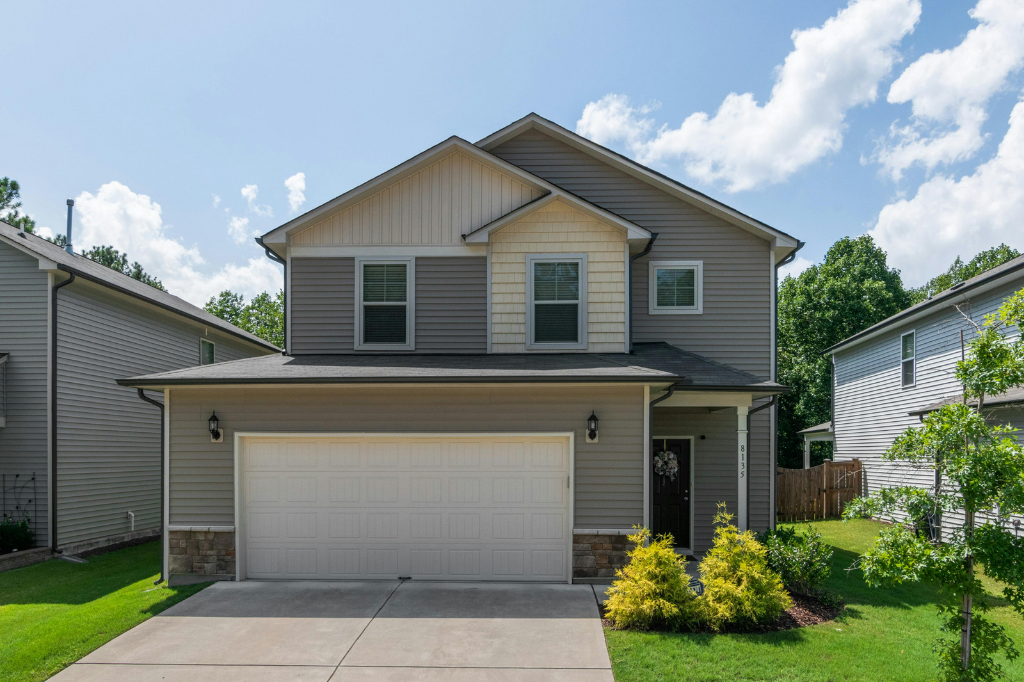
The best neighbourhoods in Greater Victoria for families depend on what matters most to your household. Some families prioritize schools and established streets, while others want newer homes, more space, shorter commutes, parks, or walkable amenities. Greater Victoria gives buyers plenty of options, but each community comes with different trade-offs. Here are six areas worth putting on your shortlist. Which Greater Victoria Neighbourhoods Are Best for Families? Some of the strongest options for families include: Gordon Head Oak Bay Royal Oak and Broadmead Westhills Royal Bay View Royal There is no single neighbourhood that is best for every family. Your budget, commute, preferred housing type, school needs, and lifestyle should ultimately determine where you focus your search. 1. Gordon Head: Established and Close to Everything Gordon Head in Saanich is one of Greater Victoria's most established family-oriented areas. The neighbourhood offers primarily detached homes, mature residential streets, parks, beaches, and convenient access to the University of Victoria and surrounding amenities. Families are often drawn to the combination of residential streets and nearby recreation, while older homes can provide larger lots and renovation opportunities. Our Gordon Head Neighbourhood Guide for Families and Investors takes a closer look at housing, schools, recreation, and the local real estate market. Best for: Families wanting an established Saanich neighbourhood with parks, schools, and access to UVic. 2. Oak Bay: Walkability and Established Neighbourhoods Oak Bay appeals to families who value walkability, character, recreation, and proximity to the ocean. Many areas offer tree-lined streets, established homes, parks, beaches, village shopping, and relatively easy access to downtown Victoria. The trade-off is price. Buyers may need to compromise on home size or condition compared with what the same budget could purchase farther from the core. Best for: Families prioritizing location, walkability, established surroundings, and proximity to central Victoria. 3. Royal Oak and Broadmead: Central Saanich Living Royal Oak and Broadmead can offer a useful middle ground for families who want to remain relatively central without living directly in the Victoria core. Royal Oak provides convenient access to shopping, recreation, schools, transit, and major routes through Saanich. Broadmead has a quieter residential feel with larger properties, mature landscaping, and extensive green space. Housing options and price points differ considerably between the two, but both can work well for families wanting access to Saanich amenities. Best for: Families looking for a central location with convenient access to both Victoria and the Saanich Peninsula. 4. Westhills: Newer Homes and Family-Focused Amenities Westhills in Langford has become a popular option for families who prefer newer construction and access to recreation. The community includes a mix of detached homes, townhomes, and condos, with parks, trails, schools, recreation facilities, and Langford Lake nearby. For some buyers, moving farther west can also mean getting a newer or more functional home for their budget than they could find closer to downtown. If you are comparing family homes in the Westshore, our guide to Family Home Features to Look for in Westshore Listings can help you decide what deserves priority. Best for: Families wanting newer housing, recreation, and a growing community. 5. Royal Bay: Newer Homes and Coastal Living Royal Bay in Colwood has grown into one of the Westshore's most recognizable newer communities. Families can find detached homes, townhomes, condos, parks, schools, trails, and growing commercial amenities within the area. Its location near the coastline also gives the community a different feel from many other newer developments. Royal Bay may appeal particularly to families who want modern housing and community planning without giving up access to outdoor space. You can explore Royal Bay and other overlooked Westshore communities in our Hidden Gem Neighbourhoods in Langford, Colwood, and View Royal guide. Best for: Families wanting newer construction, community amenities, and access to the coast. 6. View Royal: Between Victoria and the Westshore View Royal is easy to overlook because it sits between Victoria and Langford, but that location is exactly what makes it appealing. Families can access Thetis Lake, trails, shopping, schools, Victoria General Hospital, and major commuter routes while remaining closer to Victoria than many Westshore neighbourhoods. Housing includes older detached properties, townhomes, condos, and newer developments, giving buyers more variety than they might expect. Our Greater Victoria Areas That Offer More Space article explains why View Royal can be a useful middle-ground option for buyers who need additional room. Best for: Families trying to balance space, outdoor access, and commuting. What Should Families Look for Beyond the Neighbourhood? Choosing the community is only the first step. For a family home, think about how the property will function five or ten years from now. Consider: Bedroom sizes and locations Storage Yard space Parks and recreation School catchment Commute times Sidewalks and walkability Nearby childcare Flexible office or play space Future resale appeal A larger home is not automatically more practical. Our article on Why Floor Plan Matters More Than Square Footage explains why layout can matter just as much as the total number of square feet. Always Confirm the School Catchment If a particular school is an important part of your buying decision, confirm the catchment using the home's exact address before writing an offer. School boundaries can vary from one street to another and may change over time. The Greater Victoria School District School Locator and Sooke School District school information are useful starting points depending on where you are looking. Do not rely solely on a listing description stating that a property is "close to" or "near" a particular school. Which Family Neighbourhood Is Right for You? The best neighbourhoods in Greater Victoria for families solve different problems. Gordon Head may make sense if you want an established Saanich neighbourhood. Oak Bay may suit a family willing to pay more for location and walkability. Westhills or Royal Bay may be more appealing if newer construction and additional space are priorities. View Royal can offer a practical compromise between the core and Westshore. Before choosing an area, decide which two or three factors matter most to your household. That usually makes the right neighbourhood much easier to identify. You can also browse our Greater Victoria Neighbourhood Guide or search homes throughout Greater Victoria to compare communities and housing options. Looking for the Right Family Home in Greater Victoria? If you are trying to decide between Saanich, Oak Bay, View Royal, Langford, Colwood, or another Greater Victoria community, our team can help you compare the trade-offs based on your budget, commute, space requirements, and long-term plans. Instead of searching everywhere, we can help you build a shortlist of neighbourhoods and homes that actually fit the way your family lives. Darren L. 5-Star Review, via Google “Fabulous job from Cal, Scott and Vanessa. They were professional, have strong negotiating skills and had a proactive strategy as the house sold very quickly (within a day the offer was accepted) and for the asking price. We were at ease with Cal and the team once we decided to go with them after interviewing other realty groups. It was definitely a smooth experience to say the least. Highly recommending the Faber Group if you’re buy or selling. Truly a group that is there to put the client first and foremost.” Faber Real Estate Group Royal LePage Coast Capital Realty 📞 250-244-3430 📧 [email protected] ℹ️ Scott Faber Personal Real Estate Corporation ℹ️ Cal Faber Personal Real Estate Corporation Vanessa Wood, Zachary Parsons, and Sophie Taylor “Building Lasting Relationships, One Home at a Time.”
Read more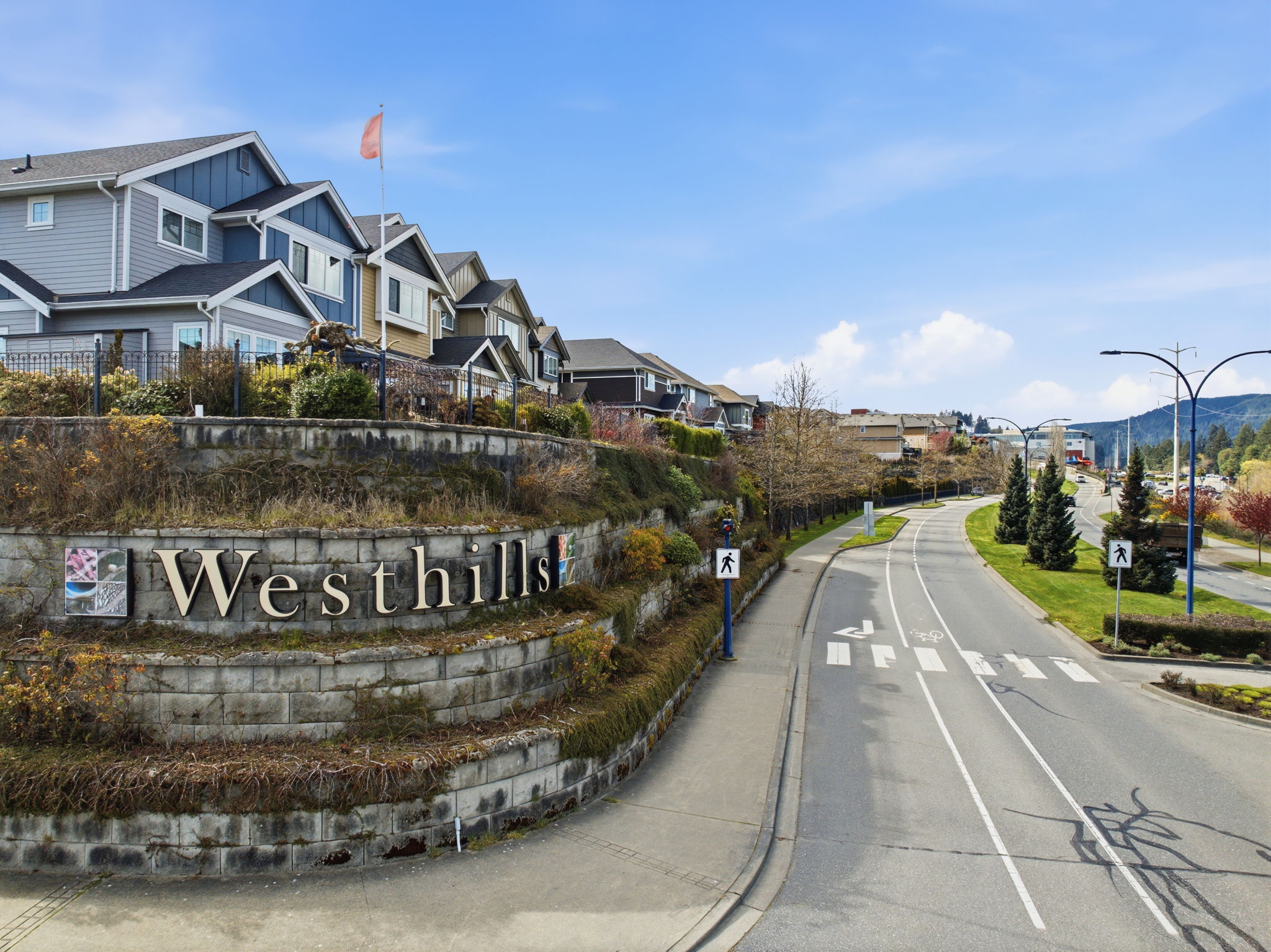
When buyers compare Westhills vs Bear Mountain, the decision usually comes down to lifestyle rather than which neighbourhood is simply "better." Westhills tends to appeal to buyers who want schools, recreation, newer housing and everyday amenities integrated into the community. Bear Mountain offers a more elevated, resort-style setting built around golf, tennis, trails and recreation. Both are popular Langford communities, but they provide distinctly different versions of Westshore living. Westhills vs Bear Mountain: The Quick Comparison Westhills Bear Mountain Overall feel Modern, community-focused Resort-style, elevated Housing Condos, townhomes, duplexes, single-family homes Condos, townhomes, single-family and luxury homes Schools Three schools located within the community Schools generally located off the mountain Outdoor lifestyle Langford Lake, parks, walking and biking trails Golf, tennis, hiking and mountain biking Amenities Recreation, schools, restaurants and central Langford amenities nearby Resort amenities with Millstream shopping nearby Often suits Families, first-time buyers, professionals and downsizers Recreation-focused buyers, professionals, retirees and luxury buyers What Is It Like Living in Westhills? Westhills is a large master-planned community built beside Langford Lake. One of its biggest strengths is how many parts of everyday life are located within or immediately around the neighbourhood. PEXSISEṈ Elementary, Centre Mountain Lellum Middle School and Belmont Secondary School are all located within walking distance according to Westhills. Residents also have access to recreation such as the YMCA/YWCA, Starlight Stadium, Jordie Lunn Bike Park and an extensive network of walking and biking trails. For buyers who value being near the water, Langford Lake is another major difference. The neighbourhood connects to lake access and the Ed Nixon Trail, which runs along the shoreline. What Types of Homes Are in Westhills? Housing is varied. Current and past development within Westhills includes: Condominiums Townhomes Duplexes Single-family homes That variety gives buyers several ways to enter or move within the community as their housing needs change. Westhills continues to develop new housing as well. What Is It Like Living on Bear Mountain? Bear Mountain feels noticeably different. Rather than being centred around schools and a lake, the community is built around an elevated recreational setting. Bear Mountain is home to 36 holes of Nicklaus Design golf, an indoor and outdoor red clay tennis facility, and a large hiking and mountain biking trail network. The City of Langford describes Bear Mountain as one of the city's more luxurious neighbourhoods, with a mix of single-family homes, townhouses and condominiums. For buyers who want their neighbourhood to feel connected to recreation and a resort environment, that can be a significant draw. Which Has Better Outdoor Recreation: Westhills or Bear Mountain? This is one category where both communities perform exceptionally well. Westhills offers easier access to Langford Lake, lakeside trails, parks and biking, while Bear Mountain puts greater emphasis on golf, tennis, hiking and mountain biking. Interestingly, the City of Langford's Parks, Trails and Recreation Needs Assessment identified both Bear Mountain and Westhills among the Langford neighbourhoods with the greatest access to trails. So the better question is not which community has more access to the outdoors. It is how you prefer to spend your time outdoors. Is Westhills or Bear Mountain Better for Families? For many families, Westhills may have the advantage for everyday convenience. Having elementary, middle and secondary schools within the community can simplify routines. Parks, recreation facilities and Langford Lake also provide plenty of options close to home. Bear Mountain is certainly family-friendly too. The City of Langford notes that the neighbourhood includes playgrounds and extensive wilderness trails. However, elementary and middle schools are generally located south of the mountain rather than directly within the community. For some families, that distinction matters more than the home itself. Is Westhills or Bear Mountain More Affordable? There is no single answer because pricing changes based on property type, age, size, view, lot and current inventory. Generally, Westhills provides a broad range of housing options, including newer condos and townhomes alongside larger properties. Bear Mountain also offers condos and townhomes, but its real estate market includes a significant selection of premium homes, golf-course properties, view properties and luxury residences. Rather than comparing neighbourhood-wide averages, buyers should compare similar property types at the same budget. A $750,000 townhome buyer may come to a very different conclusion than someone shopping for a $1.5 million detached home. Which Neighbourhood Is More Convenient? Westhills generally feels more connected to central Langford's everyday amenities. Schools, recreation, restaurants and services are integrated into or immediately surrounding the community. Bear Mountain has amenities of its own, while Millstream Village provides additional restaurants, shops and services off the mountain. For buyers comparing Westhills vs Bear Mountain, it is worth driving both neighbourhoods at the times you would normally commute, shop, take children to school or head to recreation. A neighbourhood can look perfect on a map and feel completely different once you test your normal routine. Who Should Consider Westhills? Westhills may be the stronger fit if you prioritize: Schools within walking distance Newer housing options Langford Lake access Family recreation Walkable trails Proximity to central Langford amenities A planned community environment Who Should Consider Bear Mountain? Bear Mountain may be the stronger fit if you prioritize: Golf and tennis Hiking and mountain biking An elevated setting Resort-style surroundings Premium and luxury housing options Privacy and views Recreation as part of your everyday lifestyle So, Is Westhills or Bear Mountain Better? Neither neighbourhood is objectively better. They solve different lifestyle priorities. Choose Westhills if your ideal neighbourhood revolves around schools, lake access, recreation and everyday convenience. Choose Bear Mountain if golf, trails, recreation, views and a resort-style environment carry more weight in your decision. More importantly, compare the specific homes available within your budget. The neighbourhood you initially prefer may change once you see what your money actually buys in each area. For more Westshore comparisons, read our Best Westshore Neighbourhoods for Different Lifestyles guide and our guide to Greater Victoria communities with the best access to outdoor recreation. Comparing Homes in Westhills and Bear Mountain? If you are deciding between these two Langford communities, we can make the comparison more practical. Instead of relying on neighbourhood averages, we can compare current listings and recent sales in Westhills vs Bear Mountain at your specific price point, including home size, strata fees, age, lot, views and other factors that affect value. That can quickly show you which community gives you the better fit for your budget and lifestyle. Matt C., 5-Star Review, via Google “I would highly recommend not only the Faber group however specifically Scott. He treated us with the utmost respect and looked out for our best interests. Our selling and buying process were seemless with little stress due to Scott handling everything behind the scenes. Furthermore not only did Scott show us exactly what we were looking for he knew what location would best suit our lives.” Faber Real Estate Group Royal LePage Coast Capital Realty 📞 250-244-3430 📧 [email protected] ℹ️ Scott Faber Personal Real Estate Corporation ℹ️ Cal Faber Personal Real Estate Corporation Vanessa Wood, Zachary Parsons, and Sophie Taylor “Building Lasting Relationships, One Home at a Time.”
Read more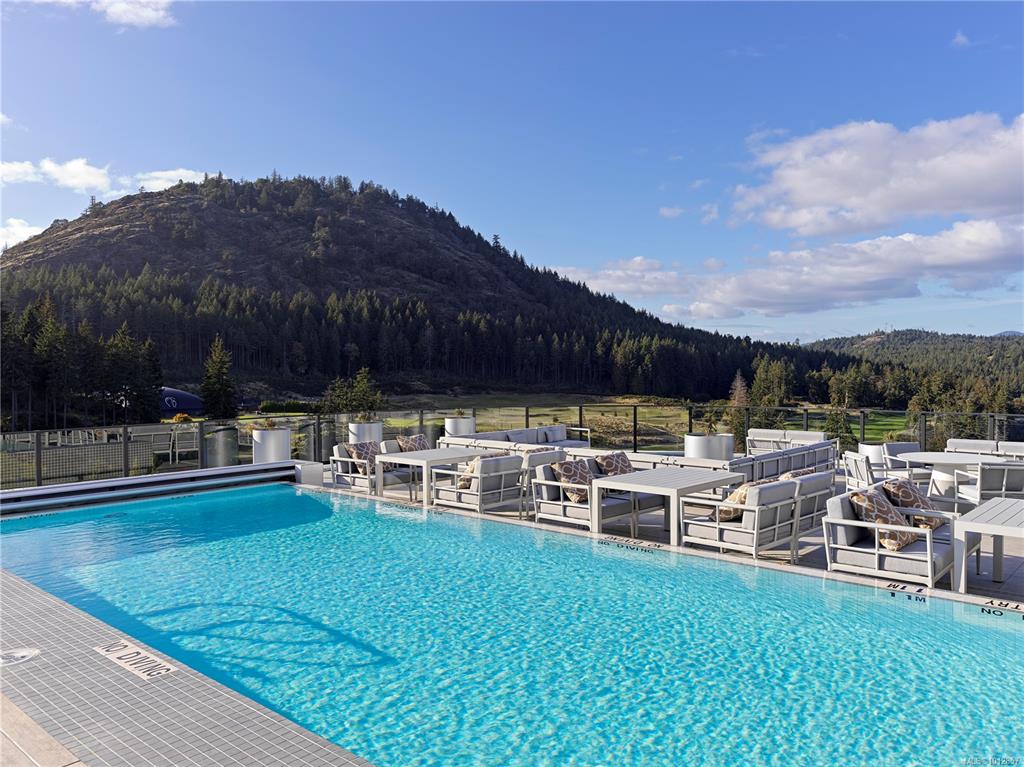
If a great outdoor space is high on your condo wish list, you may be surprised by how many Langford condos with rooftop patios there are to choose from. Some offer a simple place to sit outside and enjoy the view. Others take rooftop living much further with swimming pools, lounge areas, BBQ spaces, running tracks and panoramic views across the Westshore. The right rooftop can give you some of the benefits of a backyard without the maintenance that comes with owning one. Here are six Langford condo buildings that stand out to me, and what makes each one worth knowing about. 1. One Bear Mountain | 2000 Hannington Road If you want the luxury option, One Bear Mountain is in a category of its own. Located at 2000 Hannington Road on Bear Mountain, this concrete high-rise offers one of the most impressive collections of condo amenities in Greater Victoria. The highlight is the 15th-floor heated outdoor pool and terrace, with expansive views toward Mount Finlayson and Goldstream Provincial Park. Residents also have access to the 16th-floor Grenoble SkyLounge and outdoor terrace. Why I Like It Heated rooftop swimming pool Rooftop sun deck and seating areas Grenoble SkyLounge and terrace Fitness centre and yoga studio Business centre Concierge Concrete construction Bear Mountain setting This is definitely the premium option on the list. Buyers looking at One Bear Mountain should expect pricing and strata fees that reflect the building's extensive amenity package. However, if you want something that feels closer to resort living than a traditional condo building, this one is hard to overlook. 2. SkyGate | 2461, 2465 and 2469 Gateway Road SkyGate is a strong option for buyers who want a newer condo with plenty of shared amenities. Built around 2022, the development includes a rooftop patio alongside several spaces designed for fitness, pets and community living. Building Amenities Shared rooftop patio Fitness centre Resident social lounge Community gardens Dog run Bike storage EV charging Secure underground parking The location is also convenient for Costco, Millstream Village, restaurants, parks and major transportation routes. Why I Like It SkyGate offers a good balance. You get the rooftop space, but you are also getting amenities that can be useful throughout the year. For buyers with a dog, an electric vehicle or an active lifestyle, those extras may matter just as much as the rooftop itself. 3. Lakepoint One | 1311 Lakepoint Way For the view, Lakepoint One may be one of my favourites on this list. Located at 1311 Lakepoint Way in Westhills, the building has a shared rooftop patio overlooking Langford Lake, with seating, loungers and a shared BBQ area. Building Amenities Common rooftop patio Langford Lake views Shared BBQ Rooftop seating and loungers Kayak and paddleboard storage Car wash Dog wash Secure parking The kayak and paddleboard storage is an especially nice touch given the location. Why I Like It This rooftop feels connected to the surrounding neighbourhood. Instead of simply looking across other buildings, you get views over Langford Lake toward the surrounding hills and Bear Mountain. If access to trails, recreation and the lake matters to you, Lakepoint One is worth putting on your list. 4. McConnell Place West | 663 Goldstream Avenue Not every building needs a swimming pool or elaborate amenity package to offer a useful rooftop space. McConnell Place West, at 663 Goldstream Avenue, has a common rooftop patio along with several additional shared amenities. Building Amenities Common rooftop patio Exercise room Resident common room Japanese-inspired courtyard Underground parking Storage Bicycle room Built in 2007, McConnell Place West is an older option compared with buildings such as SkyGate or One Bear Mountain. That is not necessarily a disadvantage. Why I Like It Buyers sometimes get so focused on new construction that they overlook established buildings with good layouts, central locations and useful amenities. McConnell Place West is also close to Goldstream Avenue, restaurants, shopping, parks and the Galloping Goose Trail. For buyers who value location and practicality, it deserves a look. 5. The Strathmore | 866 Goldstream Avenue If you want to be right in Downtown Langford, The Strathmore at 866 Goldstream Avenue offers an excellent location combined with a common rooftop area. Residents have access to a shared rooftop patio with wide views toward the surrounding mountains. Current listings in the building continue to confirm that the rooftop is a common resident amenity. Why I Like It Common rooftop patio Mountain views Central Downtown Langford location Secure underground parking Covered guest parking Walkable access to shops and restaurants The location is the big advantage here. You can live close to the shops, restaurants, services and amenities along Goldstream Avenue while still having an elevated outdoor space to enjoy at home. Some individual homes in the building have also been marketed with private rooftop patios, so buyers should make sure they understand which outdoor spaces belong to a particular strata lot and which are shared common property. 6. Reflections | 2745 Veterans Memorial Parkway Reflections has one of the most unusual rooftop amenity packages in Langford. Located at 2745 Veterans Memorial Parkway, this steel and concrete building includes a rooftop swimming pool, running track, lounge and patio areas. Rooftop Amenities Outdoor swimming pool Rooftop running track Lounge and sitting areas Rooftop patio space Mountain and city views The building also offers secure underground parking, storage, bike storage and a car wash area. Why I Like It A running track on top of your condo building is not something you see every day. Pair that with an outdoor pool and lounge space, and Reflections offers a rooftop that residents can actually use in several different ways. It is also centrally located near Downtown Langford, Westshore Town Centre, Costco, restaurants, recreation and major transportation routes. Which Langford Condo Has the Best Rooftop Patio? There is no single winner because each building offers something different. If I were narrowing them down by lifestyle, I would look at them this way: For luxury: One Bear Mountain For a rooftop pool: One Bear Mountain or Reflections For lake views: Lakepoint One For newer amenities: SkyGate For Downtown Langford living: The Strathmore For an established building in a central location: McConnell Place West This is why I always recommend looking beyond the individual condo when comparing properties. Two condos with similar floor plans and prices can offer completely different lifestyles once you factor in the building, amenities, neighbourhood and strata. If you are comparing condo options, you may also find our guide to Why Condos Are Gaining Momentum in Greater Victoria helpful. What Should You Check Before Buying a Condo With a Rooftop Patio? A rooftop patio is a great feature, but it should not be the only thing influencing your decision. Before purchasing, review: Whether the rooftop is common property, limited common property or part of an individual strata lot Rooftop hours and strata bylaws BBQ restrictions Pet rules Guest policies Strata fees Depreciation reports Contingency reserve fund balances Upcoming maintenance Insurance History of roof or membrane repairs Pools and other large amenities can also increase operating and maintenance costs. That does not make them bad amenities. It simply means buyers should understand what they are paying for and whether they are likely to use it. You can learn more about our approach to helping Greater Victoria buyers on our Buy With Us page. Frequently Asked Questions About Langford Condos With Rooftop Patios Which Langford condos have rooftop patios? Some of the Langford condo buildings with shared rooftop amenities include One Bear Mountain at 2000 Hannington Road, SkyGate on Gateway Road, Lakepoint One at 1311 Lakepoint Way, McConnell Place West at 663 Goldstream Avenue, The Strathmore at 866 Goldstream Avenue and Reflections at 2745 Veterans Memorial Parkway. This is not necessarily a complete list, and amenities can vary between buildings and strata corporations. Which Langford condos have rooftop pools? One Bear Mountain and Reflections both offer outdoor rooftop pool amenities. One Bear Mountain has a heated pool on the 15th floor, while Reflections combines its rooftop pool with a running track and lounge areas. Which Langford condo has a rooftop overlooking Langford Lake? Lakepoint One at 1311 Lakepoint Way has a shared rooftop patio with views across Langford Lake. Are rooftop patios included in the strata fees? Shared rooftop spaces are generally maintained as part of the strata corporation's common property, but every strata is different. Buyers should review the strata documents, financial statements, bylaws and depreciation report to understand how an amenity is maintained and funded. Is a condo with more amenities always better? Not necessarily. A pool, gym, rooftop patio or resident lounge can add lifestyle value, but those amenities also require maintenance. The better question is whether you will use the amenities enough to justify the costs associated with them. Looking for a Condo in Langford? Langford has a wide variety of condo options, and the building can matter just as much as the individual unit. If you are looking for a Langford condo with a rooftop patio, pool, lake access, pet-friendly amenities or another specific feature, we can help narrow down the buildings that actually fit the way you want to live. Rather than searching through hundreds of listings one at a time, we can help you compare the buildings, strata documents, amenities, recent sales and available homes before you make a decision. Andy M., 5-Star Review, via Google “Thank you so much to Faber group for their amazing customer service. Cal and Scott were there for us every step of the way and we couldn’t be more pleased with our sale and purchase.” Faber Real Estate Group Royal LePage Coast Capital Realty 📞 250-244-3430 📧 [email protected] ℹ️ Scott Faber PREC ℹ️ Cal Faber PREC Vanessa Wood, Zachary Parsons, Sophie Taylor Building Lasting Relationships, One Home at a Time.
Read more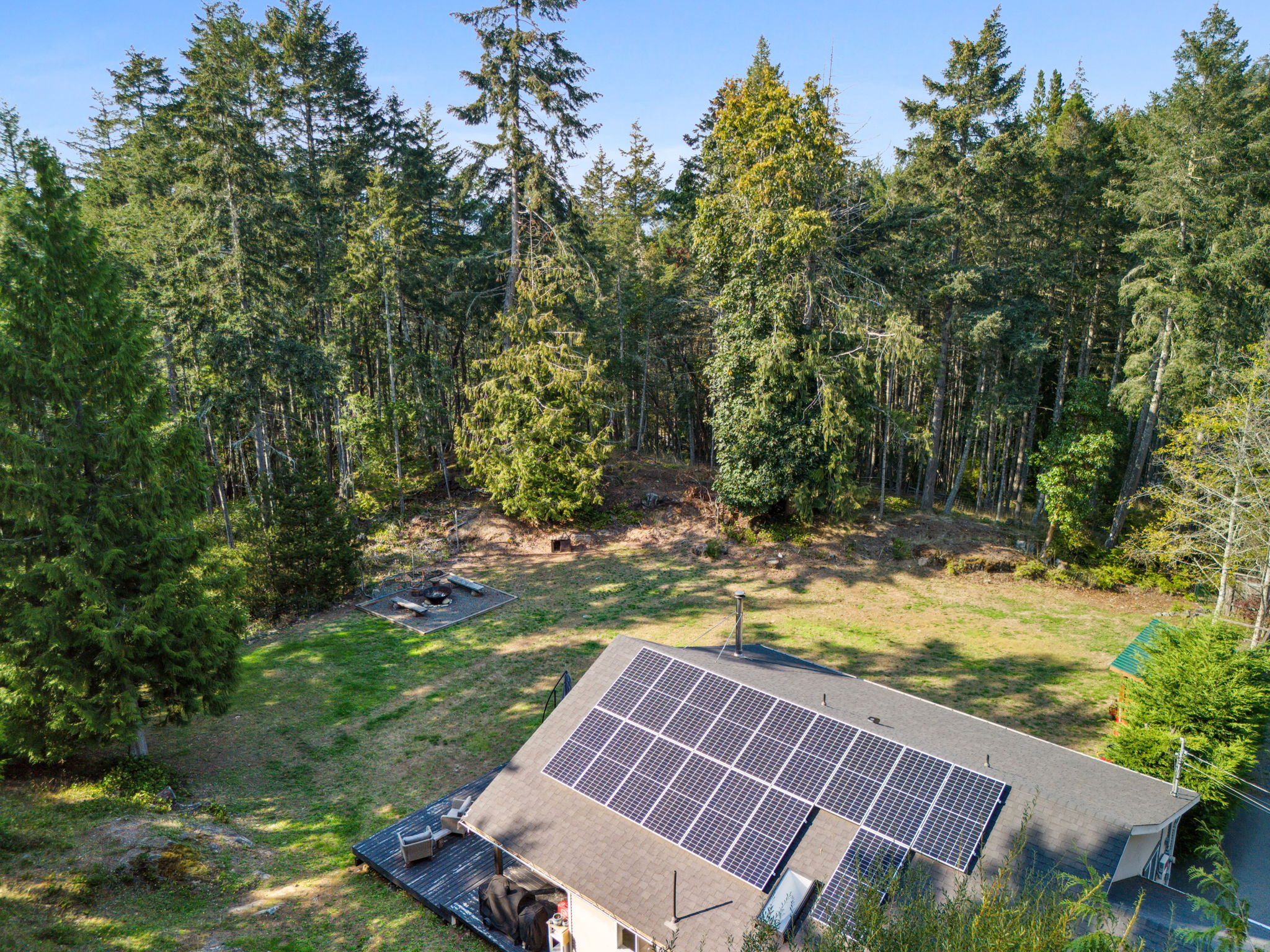
More space without leaving Greater Victoria is one of the most common goals for buyers whose current home no longer fits. That may mean an extra bedroom, a larger yard, a garage, a home office, suite potential, or simply a layout that feels easier to live in. For many buyers, the challenge is not wanting to leave the region. They still want access to work, schools, family, recreation, and the lifestyle that makes Greater Victoria such a desirable place to call home. The good news is that there are still practical options. The key is understanding where your budget goes further, what trade-offs each area involves, and what type of space actually matters most to your lifestyle. Why Buyers Start Looking for More Space Most people do not wake up one day and suddenly decide they need a bigger home. Usually, the need builds slowly. A condo starts to feel tight. A townhouse no longer has enough storage. A growing family needs another bedroom. Remote work makes a proper office more important. Pets, kids, hobbies, tools, bikes, guests, or extended family can all change how a home functions. At that point, the question becomes less about wanting more square footage and more about wanting a home that supports daily life better. That is where a thoughtful move-up strategy matters. The First Question Is Not Size. It Is Trade-Off. When buyers start searching for more space, they often focus on square footage first. That makes sense, but it is not the only thing that matters. In Greater Victoria, more space usually comes from one of three trade-offs: Moving farther from the downtown core Choosing an older home with more potential Prioritizing land, layout, or suite flexibility over newer finishes A newer home in Langford may offer more bedrooms, a garage, and a functional family layout. An older home in Saanich West may offer a larger lot, renovation potential, and a more central location. A property in Sooke may offer land, privacy, and outdoor space that would be difficult to find closer to town. None of these options are automatically better. The right choice depends on what problem you are trying to solve. Langford Langford is often one of the first areas buyers consider when they want more space without leaving Greater Victoria. The appeal is practical. Buyers can often find newer single-family homes, townhomes, duplexes, and family-oriented communities with more interior space than they may find in Victoria, Oak Bay, or central Saanich at a similar price point. Langford also offers strong everyday convenience. Shopping, restaurants, recreation, schools, trails, lakes, and transit connections have made it one of the most active move-up markets in the region. For many buyers, Langford offers a useful balance between space, amenities, and long-term livability. Colwood Colwood can be a strong option for buyers who want more space with a quieter residential feel. Areas around Royal Bay, Olympic View, Wishart, and Lagoon offer a mix of newer homes, established neighbourhoods, schools, parks, and access to the ocean. Buyers who value outdoor space, community planning, and proximity to beaches may find Colwood especially appealing. Compared with some core neighbourhoods, Colwood may offer more flexibility for families looking for an extra bedroom, a garage, a yard, or a more functional layout. View Royal View Royal is worth considering for buyers who want more space but do not want to feel too far removed from Victoria. Its location between the core and the Westshore makes it a strong middle-ground option. Buyers have access to Thetis Lake, the Galloping Goose Trail, Victoria General Hospital, shopping, schools, and major commuter routes. View Royal includes a mix of older single-family homes, townhomes, strata communities, and larger properties depending on the neighbourhood. For buyers who want both space and convenience, it can be a smart area to watch. Saanich West Saanich West is often overlooked by buyers who are focused on either central Victoria or the Westshore. That can create opportunity. Neighbourhoods around Tillicum, Glanford, Strawberry Vale, Royal Oak, Interurban, and Carey may offer single-family homes, larger lots, established streets, parks, and convenient access to town. Some homes may need updating, but that can be part of the long-term value. For buyers who are open to improving a home over time, Saanich West can offer more flexibility than trying to buy a fully renovated property in a more expensive neighbourhood. Sooke Sooke is a strong option for buyers who want more land, more privacy, or more access to nature. The trade-off is usually commute time. For buyers working in downtown Victoria, Saanich, or even parts of Langford, that can be a major consideration. But for those who work remotely, have flexible schedules, or value lifestyle space more than central convenience, Sooke can be a practical fit. Buyers may find larger lots, newer homes, suite options, ocean views, rural settings, and access to trails and beaches. For the right person, Sooke offers a kind of space that is difficult to replicate closer to town. Metchosin and the Highlands Metchosin and the Highlands offer a different version of space. These areas appeal to buyers looking for privacy, acreage, workshops, gardens, rural character, or a quieter lifestyle. They are not always the easiest fit for every buyer because larger properties can come with more maintenance, wells, septic systems, and unique home styles. For buyers who want land and separation, these communities can offer something rare within Greater Victoria. The key is to look beyond the appeal of acreage and understand the responsibility that comes with it. More land can be an incredible lifestyle choice, but it should be matched with the right budget, time, and expectations. The Peninsula Central Saanich, North Saanich, and Sidney can also be worth exploring for buyers who want more space without leaving Greater Victoria. Central Saanich and North Saanich may appeal to buyers looking for larger lots, rural surroundings, established homes, and a calmer pace. Sidney offers more walkability, services, restaurants, shops, and waterfront access, although larger detached homes can come at a premium. The Peninsula works well for buyers who want to stay connected to Greater Victoria but prefer a quieter setting outside the busier urban core. Older Homes Can Be a Smart Path to More Space More space does not always mean buying the newest home. In many established neighbourhoods, older homes may offer larger lots, better renovation potential, suite possibilities, mature landscaping, and more flexible layouts. They may also come with maintenance needs, so it is important to understand the roof, windows, perimeter drains, electrical, plumbing, heating, and overall condition. For buyers with a longer-term mindset, an older home in the right location can be a strategic move. You may not get every finish you want on day one, but you may gain land, layout, and future flexibility. Layout Matters More Than Square Footage A bigger home is not always a better home. A well-designed 1,900 square foot home can feel more functional than a poorly laid out 2,400 square foot home. Before focusing only on size, it helps to define what kind of space you actually need. Ask yourself: Do you need more bedrooms? Do you need a second living room? Do you need a proper office? Do you need storage? Do you need a garage or workshop? Do you need a yard for kids or pets? Do you need suite potential? Do you need separation for teenagers, guests, or extended family? The clearer you are on the real need, the easier it becomes to compare homes properly. A large home with the wrong layout may not solve your problem. A slightly smaller home with the right layout might. Do Not Forget the Cost of the Move When moving up, the purchase price is only one part of the decision. Buyers should also consider: Property transfer tax Legal fees Moving costs Renovations or repairs Utility costs Insurance Commuting costs Strata fees, if applicable Long-term maintenance A home that looks more affordable on paper may become less affordable if it requires major work. On the other hand, a slightly more expensive home with better systems, layout, and condition may be easier to manage over time. This is where strategy matters. The goal is not just to buy more space. The goal is to buy more usable space without creating unnecessary financial pressure. Final Thoughts Finding more space without leaving Greater Victoria is possible, but it often requires a flexible mindset. For some buyers, the right move may be Langford, Colwood, View Royal, or Sooke. For others, it may be Saanich West, the Peninsula, Metchosin, the Highlands, or an older home with more potential. The best choice is not always the biggest home or the newest home. It is the home that gives you the right balance of space, location, lifestyle, budget, and long-term value. If your current home no longer fits, it may be time to look at your options with a clear plan. A thoughtful move-up strategy can help you understand where your budget goes further, which areas fit your lifestyle, and what trade-offs are actually worth making. Devon M., 5-Star Review, via Google “Scott was very patient with us as we started our family and took about a year to decide on place we thought would be fit for our home. He went above and beyond and still continues to this day to keep in touch and periodically checks in to see how we are doing. I highly recommend him to anyone looking for a realtor to either sell or buy their home.” Faber Real Estate Group Royal LePage Coast Capital Realty 📞 250-244-3430 📧 [email protected] ℹ️ Scott Faber Personal Real Estate Corporation ℹ️ Cal Faber Personal Real Estate Corporation Vanessa Wood, Zachary Parsons, and Sophie Taylor “Building Lasting Relationships, One Home at a Time.”
Read more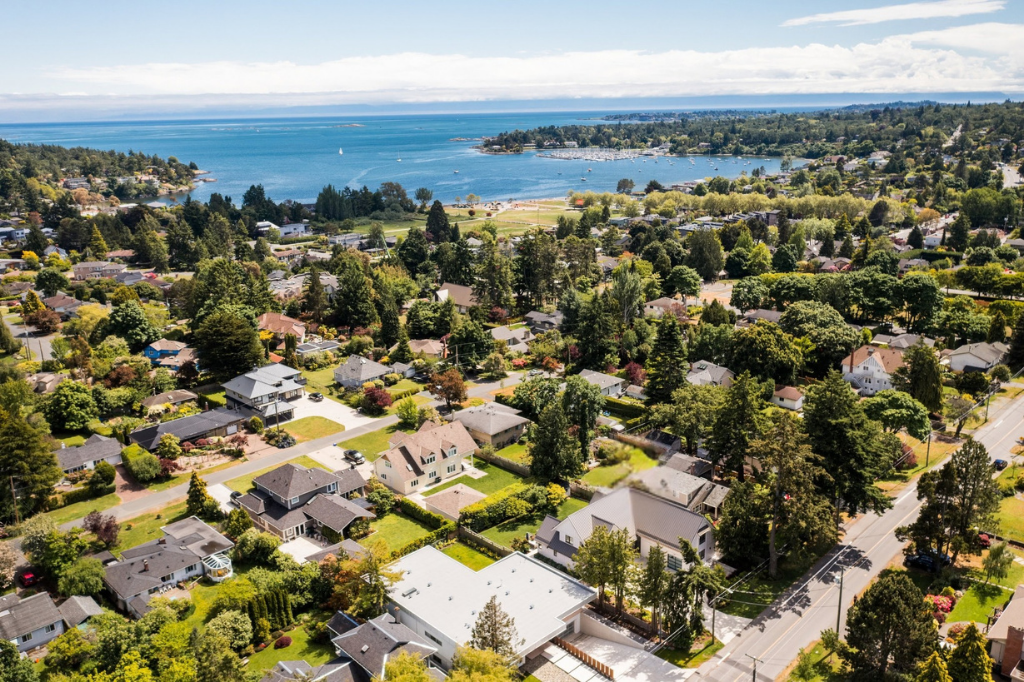
Greater Victoria real estate micro-markets can feel confusing because the region does not move as one single market. A condo in downtown Victoria, a family home in Gordon Head, a townhome in Langford, and a character home in Oak Bay can all respond differently to the same interest rate environment, inventory level, or buyer mood. That is why broad market headlines can only tell part of the story. According to the Victoria Real Estate Board, there were 3,710 active listings on the MLS® at the end of April 2026, up 8.3% from April 2025. The Board also described the overall market as balanced, while noting that buyer and seller experiences can vary depending on property type and location. That last point matters most. A Balanced Market Does Not Mean Every Area Feels Balanced When people hear that the market is balanced, they often assume every neighbourhood is moving at the same pace. That is rarely true. One area may have strong demand for detached homes because families want school access, yard space, and long-term livability. Another area may have slower condo activity because buyers have more choice, higher strata scrutiny, or stronger price sensitivity. A balanced regional market can still contain: Competitive pockets Slower-moving property types Price-sensitive segments High-demand neighbourhoods Listings that need sharper pricing to stand out This is why Greater Victoria real estate micro-markets require more than a regional average. Property Type Changes Everything A detached home, townhouse, condo, acreage property, and new-build unit can all behave differently. For example, buyers comparing condos may focus on strata fees, depreciation reports, insurance, amenities, parking, and building age. Buyers looking at detached homes may care more about lot size, renovation history, suite potential, roof condition, schools, and outdoor space. Even within the same neighbourhood, two property types can have very different buyer pools. A well-priced townhouse in a walkable area may attract strong interest, while a nearby condo with high strata fees may move more slowly. A dated detached home may sit if it needs major work, while a well-maintained home nearby may sell quickly because buyers value certainty. Neighbourhood Lifestyle Drives Buyer Demand Greater Victoria is not just a collection of price points. It is a collection of lifestyles. Buyers are often choosing between very different versions of daily life: Walkability in Fairfield, James Bay, Cook Street Village, or Fernwood Space and newer homes in Langford, Colwood, or View Royal Quiet residential streets in Gordon Head, Cordova Bay, or Oak Bay Waterfront access in Sidney, Saanich Peninsula, or Esquimalt Rural privacy in Metchosin, Central Saanich, or parts of Highlands These choices are emotional as much as financial. A buyer who wants cafés, transit, and walkability may accept less square footage. A buyer who wants a garage, yard, and newer construction may look further from the core. A downsizer may prioritize elevator access, storage, and a quiet building over a larger floor plan. That is why two homes at the same price can feel completely different in value. Price Brackets Create Their Own Markets Price point is another reason local real estate behaves differently. A home listed around a first-time buyer budget may attract a very different buyer group than a home listed above $1.5 million. Financing, affordability, insurance, strata fees, renovation costs, and property transfer tax considerations can all influence how active buyers feel at each level. In some price ranges, buyers may move quickly because quality options are limited. In others, they may compare more carefully because there are more listings to choose from. For sellers, this means pricing cannot rely only on what the neighbour sold for. It needs to consider: The current competition Buyer affordability at that price point Days on market for similar homes Recent comparable sales Property condition How much choice buyers have today The right pricing strategy depends on the specific buyer pool, not just the address. Condition Matters More When Buyers Have Choice When inventory rises, buyers tend to become more selective. In April 2026, Greater Victoria had more active listings than the previous year, giving buyers more options across many parts of the region. That does not mean every buyer has endless choice, but it does mean sellers need to understand how their home compares in real time. In a market with more selection, buyers often look closely at: Roof age Windows Heating systems Strata documents Depreciation reports Drainage Electrical updates Renovation quality Storage and parking Long-term maintenance costs A home does not need to be perfect. It needs to be clearly positioned. A well-maintained home gives buyers confidence. A home with unclear maintenance history may create hesitation, even if the price seems reasonable. Buyers and Sellers Need Local Context, Not Just Market Averages Averages can help explain the direction of the market. They do not tell you what to offer on one specific home or how to price one specific listing. For buyers, local context helps answer better questions: Is this home priced fairly for this neighbourhood? How much competition is there for this property type? Are buyers moving quickly here or taking their time? Is this location likely to support long-term resale demand? What trade-offs are normal at this price point? For sellers, local context helps avoid two common mistakes: Overpricing based on old market momentum Underestimating buyer demand in a strong pocket Good strategy starts with the micro-market, not the headline. What This Means If You Are Buying When buying in Greater Victoria, it helps to compare homes by lifestyle, property type, and long-term fit rather than price alone. A condo in the core may offer walkability and convenience. A townhouse in the Westshore may offer more space and newer construction. A detached home in Saanich may offer long-term flexibility, but may also come with higher maintenance needs. The better question is not simply, “Is this a good deal?” A better question is, “Is this the right trade-off for the way I want to live, the budget I have, and the resale value I want to protect?” What This Means If You Are Selling When selling, the goal is not to price for the entire region. The goal is to price for the buyers most likely to choose your home. That means looking closely at: Your neighbourhood Your property type Your condition level Your competition Your timing Your likely buyer profile A strong listing strategy should explain why your home makes sense in its specific market. That may mean highlighting walkability, updates, outdoor space, suite potential, strata strength, school proximity, or lifestyle convenience. The more specific the positioning, the easier it is for the right buyer to understand the value. The Bottom Line Greater Victoria real estate micro-markets matter because buyers are not shopping the region in one uniform way. They are comparing neighbourhoods, lifestyles, building types, costs, risks, and long-term fit. That is why the best advice is rarely generic. Whether you are buying or selling, the real value comes from understanding the specific market you are in, not just the market everyone is talking about. For advice on how your neighbourhood, property type, or price range is performing in today’s Greater Victoria real estate market, contact Faber Real Estate Group. Darren L., 5-Star Review, via Google “Fabulous job from Cal, Scott and Vanessa. They were professional, have strong negotiating skills and had a proactive strategy as the house sold very quickly (within a day the offer was accepted) and for the asking price. We were at ease with Cal and the team once we decided to go with them after interviewing other realty groups. It was definitely a smooth experience to say the least. Highly recommending the Faber Group if you’re buy or selling. Truly a group that is there to put the client first and foremost.” Faber Real Estate Group Royal LePage Coast Capital Realty 📞 250-244-3430 📧 [email protected] ℹ️ Scott Faber Personal Real Estate Corporation ℹ️ Cal Faber Personal Real Estate Corporation Vanessa Wood, Zachary Parsons, and Sophie Taylor “Building Lasting Relationships, One Home at a Time.”
Read more
Victoria housing needs will likely shape far more than new construction. They will influence buyer expectations, seller strategy, neighbourhood growth, affordability pressure, and the types of homes that become more common across the region. The City of Victoria’s 2024 Interim Housing Needs Report estimates the city will need about 8,254 new homes over the next 20 years, while Langford has projected a 20-year need of about 17,000 new homes as it plans for major population growth. That means the next decade will not only be about building more homes. It will be about building the right mix of homes in the right locations. Housing Demand Is No Longer One Simple Problem For years, the conversation around housing was often reduced to one idea: Victoria needs more homes. That is still true. However, the next phase is more complex. Greater Victoria needs more rental housing, more family-sized options, more attainable ownership opportunities, more downsizer-friendly homes, more accessible housing, and more homes close to transit, services, and employment. This matters because different buyers need different solutions. A first-time buyer may need a well-priced condo near transit. A growing family may need a townhouse with storage and outdoor space. A downsizer may want a low-maintenance strata home close to shops and medical services. A senior may need accessible living without leaving their community. If the region does not add enough variety, buyers will continue competing for the same limited options. More Density Will Likely Become Normal Over the next 10 years, many Victoria neighbourhoods may see more townhomes, multiplexes, small apartment buildings, infill housing, and purpose-built rentals. This does not mean every street will change overnight. However, the direction is clear. Provincial housing targets are pushing municipalities to increase supply, and Saanich has been given a mandated five-year target of 4,610 net new completed homes. For homeowners, this creates both opportunity and uncertainty. More density may bring: New housing choices More rental options Better support for local businesses Stronger demand near transit and amenities Changes to neighbourhood character More construction activity New questions around parking, infrastructure, and public space For buyers, it means location research will become even more important. A quiet street today may look different in five or 10 years depending on zoning, transportation planning, and nearby redevelopment potential. Affordability Will Keep Driving Buyer Behaviour Even if more homes are built, affordability will likely remain one of Victoria’s biggest challenges. Higher construction costs, land values, interest rates, municipal fees, and limited land supply all affect what gets built and what buyers can afford. More supply can help, but it does not automatically make every home affordable. This is why buyers may continue to make trade-offs between: Size and location Age and efficiency Outdoor space and walkability Condo convenience and detached-home privacy Core neighbourhoods and Westshore affordability Move-in-ready homes and renovation potential The next decade may reward buyers who are flexible. Instead of searching for the perfect home, many will need to focus on the best long-term fit. Purpose-Built Rentals Could Change the Ownership Market Victoria has already seen more attention on purpose-built rental housing. The City of Victoria reported that purpose-built rentals had exceeded its 1,900-unit target as part of its housing strategy milestones, contributing to the city’s highest vacancy rate in more than a decade. This could affect the ownership market in several ways. More rental supply may give some renters more time before buying. It may also reduce pressure on some entry-level ownership options if renters have more stable choices. However, if ownership remains expensive, many households may rent longer than previous generations did. For investors, this could mean stronger competition from newer rental buildings. Older rental-style condos or secondary suites may need to stand out through location, condition, layout, or pricing. Sellers Will Need to Think More Strategically In a market with more housing choice, sellers cannot assume that limited supply will do all the work. As inventory grows, buyers compare more carefully. In April 2026, the Victoria Real Estate Board reported 3,710 active listings at month-end, up 8.3% from April 2025 and up 13.8% from March 2026. That kind of choice changes seller strategy. Sellers may need to focus more on: Accurate pricing Strong presentation Maintenance records Energy efficiency Flexible showing access Clear strata documents Neighbourhood positioning Transparent upgrade history If more new or newer homes come to market over time, older homes will need to compete on more than location alone. Condition, layout, livability, and future costs will matter. Neighbourhood Identity May Shift Housing needs will not affect every area equally. Langford may continue to absorb a large share of regional growth because of land availability, development patterns, and infrastructure planning. The City of Langford has stated it is planning for a population of 100,000 residents, nearly double its current population of about 58,000. Meanwhile, Victoria, Saanich, Esquimalt, View Royal, Colwood, Sidney, and Oak Bay will each face different pressures. Some neighbourhoods may become more walkable. Others may become denser around transit corridors. Some may see more infill. Others may hold value because they offer larger lots, established streets, or limited redevelopment potential. For buyers, this means the question is not just, “Do I like this neighbourhood today?” The better question is, “How might this neighbourhood change over the next 10 years?” What Buyers Should Watch Buyers should pay attention to more than current listings and recent sales. Over the next decade, smart buying decisions may depend on: Local zoning changes Transit access Nearby development applications School capacity Infrastructure upgrades Walkability Strata fees and building age Energy efficiency Long-term maintenance costs Resale demand by property type A home can be a good fit today and still face future trade-offs. The more buyers understand those trade-offs early, the more confident their decisions become. What Sellers Should Watch Sellers should think about how future housing supply may affect their property’s position in the market. A well-maintained detached home in a walkable area may continue to attract strong interest. A dated condo may face more competition if newer rental or condo supply gives buyers better alternatives. A townhouse with family-friendly space may stand out if demand grows for homes between condos and detached houses. Sellers should ask: What makes this home hard to replace? What buyer problem does it solve? How does it compare to newer options? What future costs might buyers notice? Which improvements would matter most before listing? In a changing market, the best listings will make the value clear. The Bigger Picture Victoria’s housing needs will shape the next 10 years through density, affordability, infrastructure, rental supply, and changing lifestyle expectations. For buyers, the opportunity is to think beyond today’s price and focus on long-term livability. For sellers, the opportunity is to understand where their home fits as more choice enters the market. Housing growth will not remove every challenge. However, it will change the way people compare homes, evaluate neighbourhoods, and plan their next move. For local guidance on how Victoria housing needs could affect your buying or selling strategy, contact Faber Real Estate Group for advice before making your next real estate decision. Demetrios T., 5-Star Review, via Google “Scott and Cal Faber were exceptional to work with. They were professional, patient, and incredibly informative throughout the entire process. They took the time to walk me through every step, which made the typically stressful experience of moving so much easier. Their knowledge of real estate is second to none, and their guidance gave me complete confidence in my decisions. I highly recommend both Scott and Cal to anyone looking for trusted, knowledgeable, and supportive realtors.” Faber Real Estate GroupRoyal LePage Coast Capital Realty📞 250-244-3430📧 [email protected]ℹ️ Scott Faber Personal Real Estate Corporationℹ️ Cal Faber Personal Real Estate CorporationVanessa Wood, Zachary Parsons, and Sophie Taylor“Building Lasting Relationships, One Home at a Time.”
Read more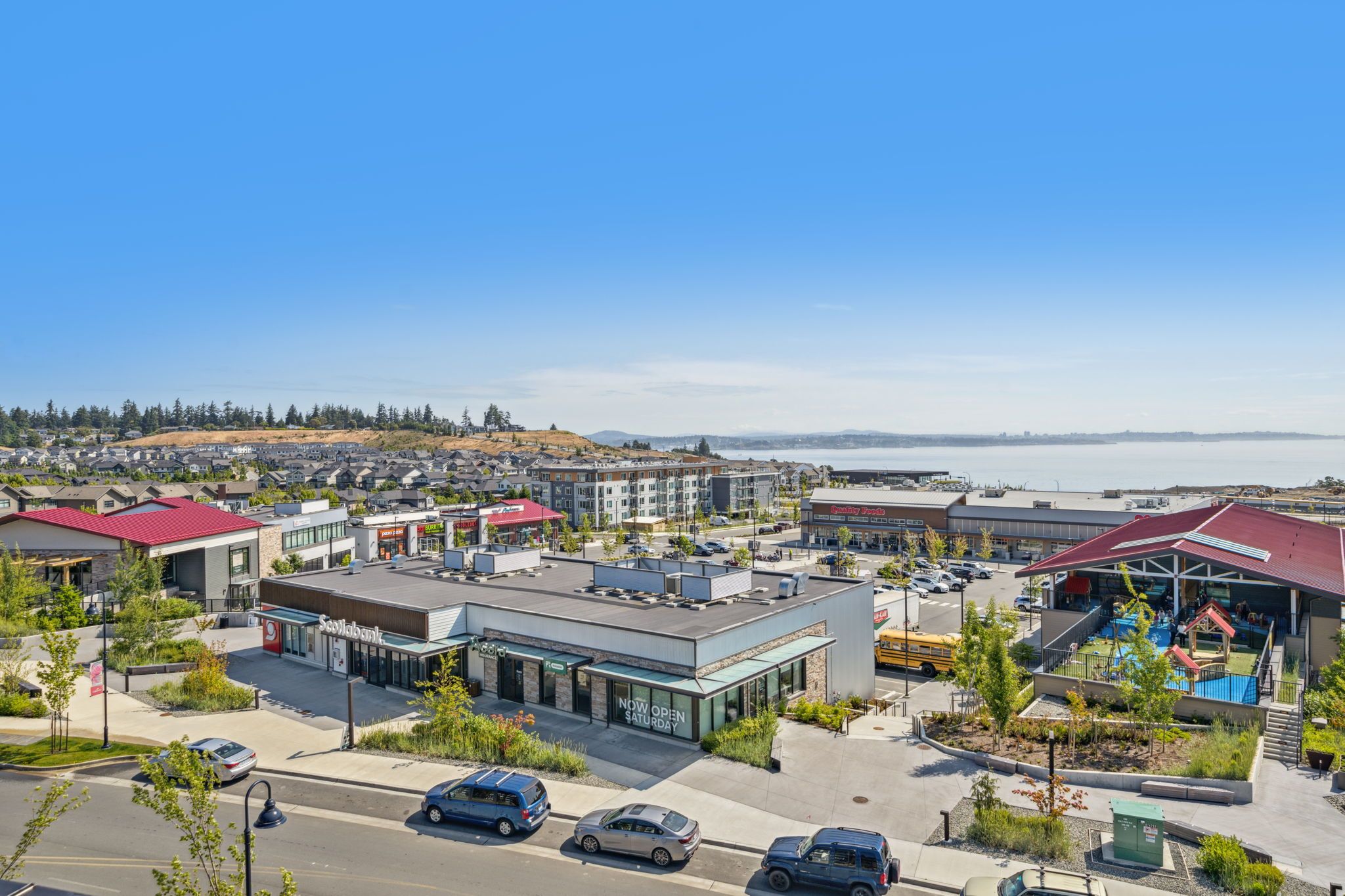
Walkability in Greater Victoria real estate no longer means one thing. For some buyers, it means walking to coffee, groceries, and restaurants. For others, it means being close to the ocean, parks, schools, transit, or a true village centre. That is why two neighbourhoods can both be “walkable” but feel completely different to live in. A home near Cook Street Village, a condo in Sidney, a townhouse near Royal Oak, and a newer home close to Langford’s core may all offer walkable convenience. However, the lifestyle, pace, housing style, and daily routine can vary significantly. Walkability Is More Than a Score Many buyers start with a simple question: can I walk to things? That question matters, but it does not go far enough. A more useful question is: what kind of life can I walk to? Walkability may include: Daily errands Coffee shops and restaurants Parks and beaches Schools Transit Community events Medical services Recreation centres Grocery stores Local shops Bike routes and trails The strongest walkable neighbourhood is not always the one with the most businesses nearby. It is the one that best matches how someone wants to live day to day. Cook Street Village: Walkable, Social, and Close to the Ocean Cook Street Village is one of Greater Victoria’s classic walkable neighbourhoods. It offers a strong mix of local businesses, cafes, restaurants, services, Beacon Hill Park, and access toward Dallas Road and the waterfront. The Cook Street Village Business Association describes the area as a thriving small business hub, which speaks to its village-style appeal. For buyers, the appeal is often lifestyle-driven. You can walk for coffee, meet friends, pick up essentials, and enjoy nearby green space without needing the car for every small task. The tradeoff is that this type of walkability often comes with higher demand, older housing stock, smaller spaces, and more competition for well-located properties. Best fit for: Buyers who want a strong village feel Downsizers who still want energy and convenience People who value parks, coffee, and ocean access Buyers comfortable with older homes, condos, or character conversions Fernwood: Walkable With Character and Community Fernwood offers a different version of walkability. It is less polished than some neighbourhoods, but that is part of its appeal. Fernwood Village is walking distance from many homes in the area and offers community gathering places, local businesses, and a distinct neighbourhood identity. For many buyers, Fernwood feels creative, social, and local. It is not simply about errands. It is about community energy. The tradeoff is that homes can vary widely in age, condition, parking, layout, and renovation needs. Buyers who love Fernwood often accept those differences because the area has personality. Best fit for: Buyers who want character and community People who like local cafes, events, and independent businesses Buyers who want proximity to downtown without living downtown Those comfortable with older homes and varied property conditions Sidney: Walkable, Calm, and Coastal Sidney offers one of the clearest examples of walkability serving a specific lifestyle. Its downtown core is centred around Beacon Avenue, local shops, services, restaurants, and the waterfront. The Sidney BIA describes the downtown district as the heart of the Saanich Peninsula, with locally owned storefronts, coffee shops, eateries, and year-round activity. This version of walkability feels calmer and more coastal. It appeals to buyers who want convenience without the busier pace of Victoria’s core. For downsizers, retirees, and buyers who want a smaller-town feel, Sidney can be very attractive. The tradeoff is distance from downtown Victoria and, in some cases, less variety in housing options depending on budget. Best fit for: Downsizers Retirees Buyers who want a quieter coastal lifestyle People who value shops, services, and waterfront walks nearby Royal Oak: Practical Walkability Royal Oak offers a more practical form of walkability. It may not have the same village atmosphere as Cook Street or Sidney, but it can be very functional. For many buyers, Royal Oak works because of access to shopping, transit, schools, parks, trails, and commuter routes. Saanich also highlights trail networks that connect neighbourhoods, parks, creeks, and commuter routes, which matters for buyers who value walking and cycling beyond a village centre. This type of walkability is less about strolling past cafes and more about making daily life easier. Best fit for: Families Downsizers who want services nearby Buyers who value shopping, transit, and accessibility People who want Saanich convenience without being downtown Langford’s Core: Walkability in Transition Langford’s core is one of the more interesting walkability stories in Greater Victoria. Historically, Langford was more car-oriented than Victoria’s older neighbourhoods. However, growth, density, new housing, and city centre planning continue to change how people live in and around the core. The City of Langford adopted a new Official Community Plan in 2025 designed to support a growing population and create a more sustainable, livable community. That matters because walkability in Langford is still evolving. For buyers, Langford’s core can offer access to restaurants, shopping, services, recreation, new construction, and transit connections. The tradeoff is that the pedestrian experience can vary by street, location, and distance from the core. Best fit for: Buyers who want newer housing options First-time buyers looking for more space or value People who want amenities and growth Buyers comfortable with a neighbourhood that is still changing Esquimalt: Urban Convenience With Waterfront Access Esquimalt has become more appealing to buyers who want access to downtown Victoria, parks, recreation, and waterfront areas without necessarily living in the downtown core. Its walkability depends heavily on the specific pocket. Some areas offer strong access to services, transit, schools, parks, and recreation. Other areas may feel more residential and require a car more often. For buyers, Esquimalt often offers a practical balance: close to downtown, close to the water, and still distinct from Victoria’s busier neighbourhoods. Best fit for: Buyers who want an urban feel outside downtown People who value transit and shorter commutes Buyers who like parks, waterfront access, and recreation Those comparing value between Victoria and nearby municipalities Cadboro Bay: Village Walkability With a Beach Lifestyle Cadboro Bay offers a very different version of walkability. It is not dense in the same way as Cook Street Village or downtown Sidney, but its village centre, beach access, and community feel create a strong lifestyle pull. Cadboro Bay Village describes the area as a seaside community with locally owned shops, restaurants, and services at its core. This is walkability for buyers who want a slower, coastal pace. It often appeals to families, UVic-connected buyers, and those who want a beach-oriented lifestyle without being far from the city. The tradeoff is price. Cadboro Bay is a desirable area, and homes close to the village or water can command a premium. Best fit for: Families Beach lifestyle buyers UVic-connected households Buyers who want village charm in Saanich East The Key Question Buyers Should Ask Instead of asking, “Is this neighbourhood walkable?” buyers should ask: “What will I actually walk to every week?” That answer will reveal more than a Walk Score ever could. A buyer who wants coffee, restaurants, and social energy may prefer Cook Street Village or Fernwood. A buyer who wants a quieter coastal routine may prefer Sidney or Cadboro Bay. A buyer who wants practical daily convenience may find Royal Oak or Langford’s core more suitable. A buyer who wants proximity to downtown with a slightly different pace may look closely at Esquimalt. The Bottom Line Walkability in Greater Victoria real estate is not one-size-fits-all. It depends on lifestyle, age, budget, commute, property type, and what “convenience” actually means to each buyer. For sellers, this also matters. A listing should not simply say “walkable location.” It should explain what kind of walkable lifestyle the home offers. For buyers, the right neighbourhood is not always the most walkable on paper. It is the one that supports the life you want to live once the moving boxes are unpacked. If you are comparing walkable neighbourhoods in Greater Victoria, contact Faber Real Estate Group for local guidance on which areas may best match your lifestyle, budget, and long-term plans. Hilary M., 5-Star Review, via Google “Scott and the rest of the team at the Faber Real Estate Group are fantastic! Scott went above and beyond to find us the perfect property that checked all the boxes. He was extremely attentive and professional and made the entire process very enjoyable. His extensive experience in the real estate industry helped us to choose a property that suited us and he was able to give us lots of helpful insight throughout our experience. Highly recommend to anyone in need of a trustworthy, knowledgeable real estate agent.” Faber Real Estate GroupRoyal LePage Coast Capital Realty📞 250-244-3430📧 [email protected]ℹ️ Scott Faber Personal Real Estate Corporationℹ️ Cal Faber Personal Real Estate CorporationVanessa Wood, Zachary Parsons, and Sophie Taylor“Building Lasting Relationships, One Home at a Time.”
Read more
Langford density has become one of the biggest real estate conversations on the Westshore. For some people, the growth feels exciting. More housing, more restaurants, more services, and more energy. For others, it feels like the city is changing faster than the roads, schools, parks, and infrastructure can keep up. The real answer is not simply yes or no. Langford is becoming denser. The better question is whether that density is being added in the right places, with enough planning to protect livability. That is the part buyers, sellers, and long-term homeowners should pay attention to. Langford Has Been Growing Quickly Langford has been one of the fastest-growing communities in British Columbia. Statistics Canada reported that Langford’s population reached 46,584 in the 2021 Census, up 31.8% from 2016. That made Langford the fastest-growing municipality in BC and one of the fastest-growing communities in Canada at the time. That level of growth changes a city. It affects traffic, schools, parks, parking, neighbourhood feel, housing types, and buyer expectations. A city that was once viewed mainly as a more affordable alternative to Victoria is now becoming a major urban centre in its own right. That shift creates opportunity, but it also creates tension. Why Density Is Happening Density is not happening by accident. Langford is responding to the same pressures seen across Greater Victoria: housing affordability, population growth, limited land, infrastructure costs, climate planning, and changing provincial housing policy. The City’s Official Community Plan refresh was designed around planning for a future population of 100,000 residents, while addressing affordability, housing, climate change, social equity, rising infrastructure costs, and transportation options. In simple terms, Langford is trying to grow up rather than only grow out. That means more condos, townhomes, mixed-use buildings, urban centres, and housing near services and transit routes. For buyers, this creates more options. For existing homeowners, it can feel like the character of certain areas is changing quickly. Both reactions are valid. Is More Density Automatically Bad? No. Good density can make a community stronger. It can support: More housing choice Better restaurants and local businesses More walkable areas Improved transit demand More efficient land use Greater housing affordability compared with large-lot-only development More options for first-time buyers, downsizers, and investors A city made only of detached homes can become difficult for many people to afford. It can also spread growth over a wider area, which often increases car dependence and infrastructure costs. Density, when planned well, can help create a more complete community. The issue is not density itself. The issue is poorly planned density. What Residents Are Worried About Many concerns around Langford density are practical, not political. People are asking fair questions: Can the roads handle more residents? Are schools keeping up? Is there enough parking? Are parks and public spaces growing with the population? Will traffic continue to get worse? Are neighbourhoods losing their character? Is new construction adding affordability or just more expensive units? Will infrastructure costs show up in property taxes? The City’s OCP engagement process acknowledged that some residents raised concerns about overcrowding, traffic congestion, limited green space, affordability, and financial impacts such as potential property tax increases. The City says those concerns were considered alongside technical analysis and expert recommendations. That is important because the debate should not be framed as growth versus no growth. The real issue is whether growth feels supported. Where Density Makes the Most Sense Density usually works best when it is placed near services, transit, shopping, employment areas, and existing infrastructure. Langford’s updated planning direction focuses growth toward the City Centre, Corridors, and Urban Centres, where infrastructure, transit, walking, rolling, and cycling options are considered more viable. That approach makes sense in theory. Higher density is easier to justify near: Downtown Langford Transit routes Shopping areas Schools and recreation Employment centres Areas already planned for mixed-use growth It becomes more controversial when density feels disconnected from infrastructure, parking, road capacity, or neighbourhood context. A six-storey building may make sense in one location and feel completely out of place in another. What the New Official Community Plan Signals Langford adopted a new Official Community Plan in June 2025, marking the first major update since 2008. The City described the new plan as a more predictable approach to growth, building height, and density. It also noted that while tall buildings remain possible in select strategic locations, the plan emphasizes more mid-rise and ground-oriented housing choices. That is a meaningful shift. It suggests Langford is trying to move away from a more reactive growth model and toward clearer rules about where density belongs. For homeowners and buyers, this matters because future value will depend partly on how well each neighbourhood absorbs growth. Some areas may benefit from new amenities and services. Others may feel pressure if growth arrives before infrastructure improves. How Density Affects Buyers For buyers, Langford density creates more choice. A buyer who may not be able to afford a detached home in Victoria or Saanich may find more options in Langford through condos, townhomes, duplexes, and newer communities. That can be positive. But buyers should still think carefully about location within Langford. Not all density is equal, and not every building or neighbourhood will perform the same over time. Buyers should ask: Is the home close to services or still car-dependent? Is the surrounding area still changing? Are there future development sites nearby? How much construction is planned around the property? Is parking adequate? Is the building well managed? Is the area becoming more walkable or simply busier? Will future supply compete with this property at resale? The right Langford property can be a smart purchase. But buyers should not assume all growth automatically means all properties benefit equally. How Density Affects Sellers For sellers, density can be both a benefit and a challenge. On one hand, growth can bring more buyer attention, more amenities, and stronger long-term demand. If your property is in a well-located area, increased density may support future value. On the other hand, more supply can create more competition. If a seller owns a condo or townhome in an area with many similar new units coming to market, buyers may have more choice. That means presentation, pricing, strata health, parking, layout, and building quality become even more important. For detached homeowners, density may create different questions: Is there redevelopment potential? Could zoning changes affect future value? Is the lot more valuable because of location? Are buyers paying for the home, the land, or future flexibility? Will nearby development affect privacy, traffic, or appeal? Sellers should not rely on broad Langford growth headlines. They need neighbourhood-specific pricing advice. The Difference Between Density and Livability A dense community can still be very livable. The best examples usually include: Good sidewalks Safe crossings Parks and trails Useful transit Local shops Schools and childcare Public gathering spaces Thoughtful building design Enough parking where needed A mix of housing types Density becomes frustrating when people experience more buildings without better daily life. If residents see more traffic but not better transit, more people but not more parks, or more construction but not more affordability, they understandably question the direction of growth. That is why Langford’s next chapter will be judged less by how many homes are built and more by whether the city feels easier or harder to live in. Is Langford Losing Its Character? This depends on the neighbourhood. Langford is not one single market. Bear Mountain, Happy Valley, Westhills, downtown Langford, Florence Lake, Thetis Heights, and South Langford all feel different. Some areas are designed around newer, denser growth. Others still have a more suburban or semi-rural feel. As density increases, buyers will become more selective about which version of Langford they want. Some will want walkability and newer buildings close to amenities. Others will want space, privacy, trails, and a quieter residential feel. That split may actually make Langford more segmented over time, with different neighbourhoods appealing to different lifestyles. What This Means for Long-Term Value Density can support long-term value when it creates a stronger, more convenient community. It can hurt perceived value when it creates congestion, uncertainty, or too much similar supply at once. For real estate, the strongest areas are often those that balance growth with livability. That means: Good access Strong amenities Thoughtful planning Housing variety Parks and recreation Reliable infrastructure A clear sense of neighbourhood identity Langford has many of these ingredients. The question is execution. If growth is well managed, Langford can continue to mature into a more complete urban centre. If growth feels faster than infrastructure, some buyers may become more cautious. So, Is Langford Becoming Too Dense? Langford is becoming denser, but that does not automatically mean it is becoming too dense. A better answer is this: some parts of Langford are absorbing density better than others. Density near services, transit, shops, schools, and recreation can make sense. Density that feels disconnected from infrastructure can create frustration. For buyers, the opportunity is to choose carefully. For sellers, the priority is to understand how your specific property fits into Langford’s changing market. The future of Langford will not be defined only by how many homes are built. It will be defined by whether those homes help create a community that still feels practical, connected, and livable. Final Thoughts Langford’s growth is not slowing down in the bigger picture. The city is planning for more people, more housing, and a more urban future. That creates real opportunity, especially for buyers who want newer homes, Westshore amenities, and relative value compared with Victoria’s core. But it also requires more thoughtful decision-making. If you are buying or selling in Langford, do not look at density as simply good or bad. Look at where it is happening, what infrastructure supports it, and how it affects the specific property you are considering. For advice on buying, selling, or understanding how Langford’s growth may affect your property value, contact Faber Real Estate Group for local guidance tailored to your goals. Thiago D., 5-Star Review, via Google “Their ready availability, communication, and support were key to getting our new place. I cannot recommend Scott and his team more.” Faber Real Estate GroupRoyal LePage Coast Capital Realty📞 250-244-3430📧 [email protected]ℹ️ Scott Faber Personal Real Estate Corporationℹ️ Cal Faber Personal Real Estate CorporationVanessa Wood, Zachary Parsons, and Sophie Taylor “Building Lasting Relationships, One Home at a Time.”
Read more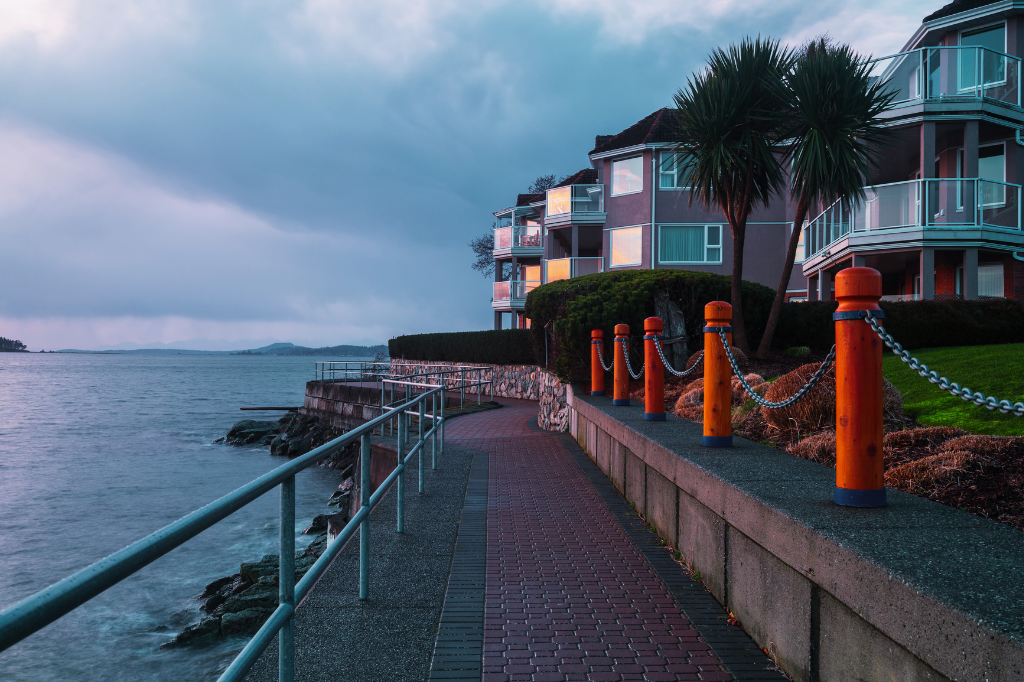
Sidney vs Westshore for downsizers is not just a price conversation. It is a lifestyle decision. Both areas can make sense, but they serve very different versions of retirement, semi-retirement, or low-maintenance living. Sidney offers a compact, pedestrian-friendly coastal setting with quick access to the airport and ferry terminal, while the Westshore offers newer housing, major recreation options, and a more growth-oriented pace. If you are downsizing, the better question is not “Which one is better?” It is “Which one fits the way I want to live over the next 5 to 15 years?” Sidney Feels More Walkable and Self-Contained For many downsizers, Sidney’s biggest advantage is simplicity. The Town of Sidney describes itself as a pedestrian-friendly community with a vibrant downtown, and its waterfront walkway runs about 2.5 kilometres along the shore. It is the kind of place where daily life can feel more compact and manageable, especially for people who want shops, cafés, services, and the waterfront closer together. That changes more than convenience. It changes routine. In Sidney, downsizers often gain: easier day-to-day walking a calmer pace a more small-town feel quick access to local shops and services less dependence on long cross-town driving for basic errands For someone leaving a larger family home and wanting life to feel lighter, that matters. Westshore Feels More Active, Expansive, and Growth-Oriented The Westshore offers a different kind of downsizing move. Instead of a compact seaside town feel, it tends to appeal to downsizers who still want newer housing, bigger amenity hubs, more recreation, and a stronger sense of growth. West Shore Parks & Recreation offers major facilities including pools, fitness, ice rinks, golf, tennis, lawn bowling, and more, while Langford continues to invest in parks and outdoor recreation. That can be a better fit if your version of downsizing still includes: regular recreation and fitness hosting family easier access to newer developments feeling connected to a faster-growing part of the region keeping a bit more space without staying in a full-size detached home So while Sidney often feels quieter and more settled, Westshore can feel more dynamic and flexible. Your Driving Pattern Usually Changes This is one of the most overlooked parts of the decision. Sidney is especially attractive for people who value proximity to travel connections. The Town says it is about a 30-minute drive from downtown Victoria and just minutes from both Victoria International Airport and the Swartz Bay ferry terminal. That can make a big difference if you: visit family on the mainland often travel regularly want an easier in-and-out location like the idea of living near major transportation links without living in the city core Westshore, by contrast, may suit people whose life is more rooted in Greater Victoria and the local recreation network. Transit has improved as well, with BC Transit’s Blink RapidBus connecting the West Shore and downtown Victoria at roughly 7.5-minute peak service and 10 to 15 minutes off-peak. So the question becomes less about commute alone and more about where your life flows most often. The Housing Style Often Changes Too Even before price, the housing stock tends to push buyers in different directions. Sidney often appeals to downsizers looking for: condos close to shops and the waterfront lower-maintenance living in an established setting homes that support a lock-and-leave lifestyle Westshore often appeals to downsizers looking for: newer condos and townhomes more modern layouts easier access to parking, storage, and larger-format developments a transition that still feels spacious This matters because not every downsizer wants the same kind of “smaller.” Some want less square footage. Others want less maintenance but still want room for hobbies, guests, or grandkids. Community Feel Is Very Different This is where the decision often becomes emotional rather than financial. Sidney tends to feel more mature, coastal, and settled. Tourism Victoria describes it through waterfront strolls, boutique shops, and local cafés, which lines up with how many people experience the town day to day. Westshore tends to feel more energetic, recreational, and evolving. It has the advantage of broader recreation infrastructure and ongoing growth, but for some downsizers that same growth can feel busier than what they want at this stage. Neither is wrong. They simply answer different lifestyle goals. Future Fit Matters More Than Current Fit A lot of downsizers choose based on what feels good today. The better move is to ask what will still work well later. Think about: how much walking you want built into daily life whether you want to rely less on a car how often family visits whether travel access matters how important health, support, and convenience services may become over time whether you want quiet and compact, or active and evolving For example, Sidney has care-related services and seniors support options within the peninsula area, including Island Health services at the Peninsula Health Unit and residential care in Sidney. That does not automatically make it the better choice, but it may matter more later than buyers realize at the start. What Downsizers Usually Gain in Each Area Sidney more walkability easier ferry and airport access a calmer pace a stronger small-town coastal feel a more self-contained daily routine Westshore more recreation infrastructure more newer housing options a more active and expanding community feel improving transit to downtown more flexibility for buyers who still want a bit more space or newer construction The Best Choice Depends on What You Want More Of If downsizing means simplifying, walking more, travelling easily, and feeling close to the water, Sidney often rises to the top. If downsizing means reducing maintenance while staying active, keeping newer features, and living in a more amenity-rich growth area, Westshore may be the better fit. That is why this comparison should not stop at price. Final Thought Sidney vs Westshore for downsizers really comes down to how you want everyday life to feel after the move. The right answer is usually the one that supports your routine, your mobility, and your long-term comfort, not just your budget. If you are weighing both areas and want help comparing the lifestyle and housing options that fit your next chapter, contact Faber Real Estate Group for tailored guidance. Andy M., 5-Star Review, via Google “Thank you so much to Faber group for their amazing customer service. Cal and Scott were there for us every step of the way and we couldn’t be more pleased with our sale and purchase.” Faber Real Estate Group Royal LePage Coast Capital Realty 📞 250-244-3430 📧[email protected] ℹ️ Scott Faber Personal Real Estate Corporation ℹ️ Cal Faber Personal Real Estate Corporation Vanessa Wood, Zachary Parsons, and Sophie Taylor “Building Lasting Relationships, One Home at a Time.”
Read more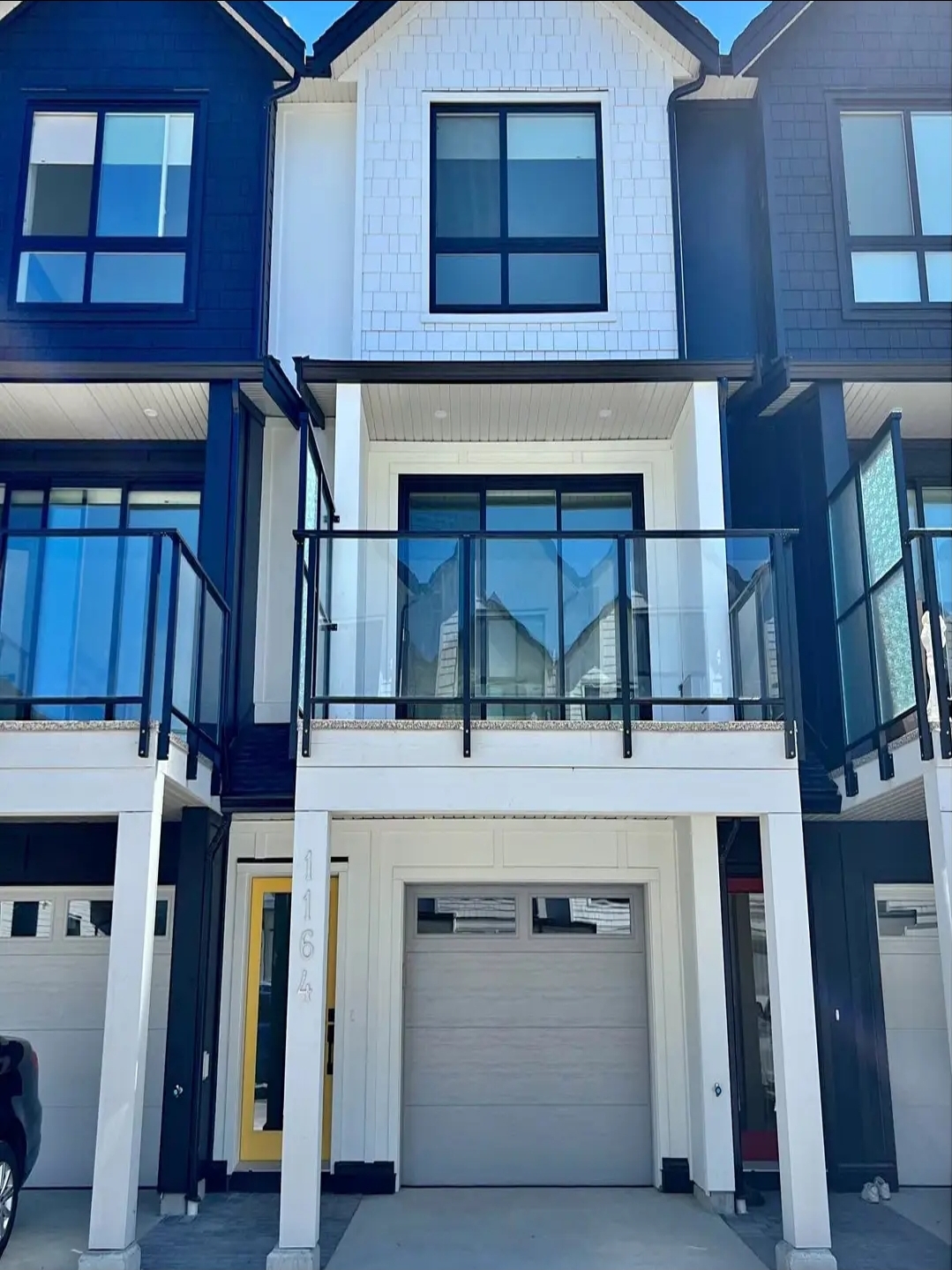
For many buyers, the search for the right home is no longer just about square footage or postal code. It is about finding a property that fits real life. That is one reason Westshore townhomes continue to attract more attention from first-time buyers, move-up buyers, downsizers, and even investors. Westshore townhomes offer a practical middle ground between a condo and a detached house, and that balance is becoming more appealing as affordability, lifestyle, and long-term flexibility all matter more. In the Westshore, this trend is especially noticeable because the area continues to grow, evolve, and attract buyers looking for more value than they may find closer to Victoria’s urban core. Why Townhomes Are Hitting a Sweet Spot Townhomes often appeal to buyers who feel caught between two imperfect options. A condo may offer affordability, but it can feel limiting in size, privacy, or storage. A detached home may offer more freedom, but the price, upkeep, and land costs can push it out of reach. Townhomes sit in the middle. What makes that middle ground attractive More space than many condosBuyers often get multiple levels, more bedrooms, attached garages, small yards, or extra storage. Lower maintenance than detached homesExterior maintenance, roofing, and some common-area responsibilities are often shared through strata. Better affordability than many detached housesFor buyers wanting more room without stretching into a detached-home budget, townhomes can open the door. A lifestyle fit for busy householdsBuyers who want functional living without taking on constant yard work often see townhomes as a strong compromise. This combination is especially relevant in the Westshore, where many buyers are trying to stay practical without giving up comfort. Why the Westshore Makes Sense for Townhome Demand The Westshore has grown from being viewed as simply a more affordable alternative into a region with its own strong identity, amenities, and buyer demand. Communities such as Langford, Colwood, and View Royal continue to attract households who want access to schools, shopping, recreation, and commuter routes while still keeping value in mind. Why buyers are looking there growing infrastructure newer housing stock in many developments access to trails, parks, lakes, and recreation family-oriented communities more attainable entry points compared to many detached homes in core municipalities For many buyers, the appeal is not just price. It is the ability to find a home that feels modern, practical, and connected to daily needs. A Strong Option for First-Time Buyers First-time buyers are often drawn to townhomes because they offer a more realistic path into ownership without some of the compromises that come with smaller condo living. Why first-time buyers often like townhomes more bedrooms for future planning room for a home office or guest space easier transition for couples or growing families more privacy than a typical apartment-style unit a product type that can feel more like a “house” without detached-home pricing This matters because many first-time buyers are thinking beyond today. They are not only asking what they can afford now. They are asking what will still work in three to five years. Appealing to Families and Move-Up Buyers Townhomes are not just a starter-home category. In many Westshore neighbourhoods, they have become a serious option for families who want space, functionality, and access to community amenities. Features that support family life multiple bedrooms on one level attached garages for storage and convenience nearby schools and parks safer-feeling internal streets in some developments less upkeep than a detached property while managing work and family schedules For move-up buyers, townhomes can also serve as a strategic next step. Instead of jumping straight from a condo into a detached home, some households choose a townhome that offers better day-to-day living while keeping monthly costs more manageable. Downsizers Are Paying Attention Too Not every townhome buyer is moving up. Some are simplifying. Downsizers who no longer want the maintenance of a detached house are often surprised by how well certain townhome layouts fit their needs. A well-designed townhome can offer enough living space, separation for guests, and reduced exterior work, all without moving into a smaller condo tower. Why townhomes can work for downsizers lower-maintenance living less yard work more privacy than apartment-style living room for visiting family potential for primary bedroom layouts that support longer-term living For this group, the appeal is often less about affordability and more about control, convenience, and ease of ownership. The Trade-Offs Buyers Should Understand Townhomes are appealing, but they are not automatically the right fit for everyone. Common considerations Strata rules and feesBuyers need to understand what is allowed, what is restricted, and what monthly fees actually cover. Shared wallsPrivacy and sound transfer can vary significantly depending on construction and layout. Parking and storageSome complexes offer great functionality, while others feel tight for larger households. Outdoor spaceBuyers who want a large private yard may still feel limited. This is why comparing townhomes requires more than just price per square foot. Layout, strata health, parking, visitor access, pet rules, and overall livability all matter. Newer Product, Newer Expectations One reason townhomes continue to gain traction in the Westshore is that many developments reflect how people live today. Buyers are often looking for open-concept kitchens, flexible rooms, attached garages, and practical storage. In newer or recently built townhome communities, these features are more common than in older housing stock. That can make the product feel more aligned with current expectations, especially for buyers who do not want to take on major renovations immediately after moving in. Resale Matters Too Townhomes can also hold broad appeal when it comes time to sell. They often attract multiple buyer groups at once, including: first-time buyers young families downsizers investors buyers relocating from more expensive markets That range can be helpful in resale because demand is not tied to only one narrow type of purchaser. A well-located, functional townhome in the Westshore can speak to a wide audience. Final Thoughts The growing appeal of townhomes in the Westshore is not happening by accident. Buyers are responding to a product type that offers more balance: more space than many condos, less maintenance than many detached homes, and a price point that can still feel achievable in a challenging market. For many households, that combination is exactly what makes townhome living worth a closer look. If you are considering Westshore townhomes and want help comparing communities, strata setups, and the best fit for your lifestyle and budget, contact Faber Real Estate Group for clear guidance and local insight. Ana V., 5-Star Review, via Google “Working with Scott to find a home has been a positive experience. He took the time to understand what I was looking for and was always patient and responsive navigating through the process. He was always available to answer questions, provide honest insights, and guide me through every step. I highly recommend Scott to anyone looking for a dedicated and reliable realtor.” Faber Real Estate Group Royal LePage Coast Capital Realty 📞 250-244-3430 📧[email protected] ℹ️ Scott Faber Personal Real Estate Corporation ℹ️ Cal Faber Personal Real Estate Corporation Vanessa Wood, Zachary Parsons, and Sophie Taylor “Building Lasting Relationships, One Home at a Time.”
Read more