

Latest News
Stay up to date with the latest and most exclusive insights from our blog on the Victoria real estate market. Each week, Faber Real Estate Group with Royal LePage Coast Capital Realty shares fresh tips and emerging trends for buyers, sellers, and investors across Greater Victoria. From expert advice on preparing your home for sale to timely snapshots of local market conditions, this is your go-to source for everything happening in Victoria, BC real estate.

When people compare Sidney vs Oak Bay for downsizers, price is usually the first thing they look at. However, price is only part of the decision. The bigger question is how each community supports the next stage of daily life. For many downsizers, the goal is not simply to buy a smaller home. It is to reduce maintenance, simplify routines, stay connected, and choose a neighbourhood that feels comfortable long-term. Sidney and Oak Bay can both work well, but they offer very different versions of that lifestyle. Sidney Offers a Slower, More Practical Pace Sidney often appeals to downsizers who want convenience, ocean access, and a quieter pace without feeling isolated. The town centre is compact, walkable, and easy to understand. Groceries, cafés, pharmacies, restaurants, medical offices, the waterfront, and local shops are often close together. That can make day-to-day living feel simple. For downsizers, this matters because the right location can reduce dependence on driving and make errands easier. Sidney may appeal to buyers who want: A more relaxed small-town feel Walkable access to shops and services A strong waterfront lifestyle Easier day-to-day routines Condos, townhomes, and lower-maintenance options Proximity to the airport and BC Ferries A quieter setting outside Victoria’s core For many people, Sidney feels manageable. That can be a major advantage when the purpose of downsizing is to simplify life. Oak Bay Offers Character, Prestige, and Established Neighbourhoods Oak Bay often appeals to downsizers who want charm, mature streets, strong neighbourhood identity, and close proximity to Victoria. The area has a very different feel from Sidney. It is known for established homes, tree-lined streets, coastal pockets, village centres, golf, beaches, schools, and long-standing neighbourhood character. For downsizers coming from larger detached homes, Oak Bay can feel familiar. It often offers continuity rather than a major lifestyle shift. Oak Bay may appeal to buyers who want: Classic neighbourhood character A prestigious Greater Victoria address Mature landscaping and established streets Proximity to downtown Victoria Walkable village areas Oceanfront and near-ocean locations A strong sense of community history However, Oak Bay may not always reduce maintenance as much as some downsizers expect. Many homes are older, lots can require upkeep, and strata-style options may be more limited depending on the buyer’s needs. Housing Options Feel Different One of the biggest differences between Sidney and Oak Bay is housing style. Sidney often provides more obvious downsizing options. Buyers may find condos, townhomes, patio-style homes, and smaller properties that suit a lower-maintenance lifestyle. Oak Bay has more character homes, larger lots, and established properties. While there are condos and townhomes in some areas, many buyers are drawn to Oak Bay because of its traditional housing stock. That creates a key question for downsizers: Do you want a smaller version of a familiar lifestyle, or a more noticeable shift into easier living? Sidney may make the transition into lower maintenance feel more direct. Oak Bay may offer more emotional familiarity, but sometimes with more upkeep. Walkability Depends on the Exact Location Both Sidney and Oak Bay can be walkable, but the experience is different. In Sidney, walkability is often centred around Beacon Avenue, the waterfront, grocery stores, cafés, and everyday services. The town layout can feel practical and compact. In Oak Bay, walkability often depends on proximity to areas like Oak Bay Village, Estevan Village, or nearby coastal routes. It can be beautiful and enjoyable, but the convenience may vary more from street to street. For downsizers, walkability should be tested in real life. Consider: Can you walk to groceries? Can you walk to a pharmacy? Is the route flat and comfortable? Are sidewalks consistent? Would you still enjoy the walk in winter? How far are medical services? Can you manage daily errands without always using a car? A neighbourhood may look walkable on a map, but feel different in daily use. Sidney Can Feel Easier for Travel and Access Sidney has a practical advantage for buyers who travel often or want easy access off Vancouver Island. Its proximity to Victoria International Airport and BC Ferries can be a major benefit. For downsizers with family on the mainland, frequent travel plans, or seasonal getaways, that convenience may matter more than expected. Oak Bay, by contrast, offers closer access to downtown Victoria, cultural amenities, hospitals, restaurants, and the broader urban core. So the question becomes: Do you want easier access to travel routes, or closer access to Victoria’s central amenities? There is no universal answer. The right choice depends on how you actually spend your time. Maintenance Expectations Can Be Very Different Downsizing is often about reducing responsibility. This is where Sidney and Oak Bay can feel quite different. In Sidney, many downsizers are drawn to strata properties, newer buildings, smaller lots, and lock-and-leave options. These can reduce yard work and exterior maintenance. In Oak Bay, some buyers still choose detached homes because they love the neighbourhood character. However, older homes may require more attention, including roofs, drainage, windows, heating systems, landscaping, and ongoing repairs. That does not make Oak Bay a poor downsizing choice. It simply means buyers should be honest about what they want to maintain. A beautiful character home can still feel like work. Community Feel Matters Sidney and Oak Bay both offer strong community appeal, but the feeling is different. Sidney often feels like a self-contained seaside town. It can suit buyers who want a slower pace, familiar routines, and a more compact lifestyle. Oak Bay feels more like an established residential community connected to the broader Victoria area. It can suit buyers who want charm, history, and proximity to the city while still living in a quieter neighbourhood. For downsizers, the emotional side matters. You are not just choosing a property. You are choosing the rhythm of your days. Which Is Better for Downsizers? Sidney may be the better fit if you want: Lower-maintenance housing options A walkable town centre Easy access to the airport and ferries A quieter seaside lifestyle Simpler daily routines A practical move into condo or townhome living Oak Bay may be the better fit if you want: Established neighbourhood character Proximity to downtown Victoria Mature streets and classic homes Prestige and long-term community identity Village-style living within the city area A familiar residential feel The best choice depends less on which area is “better” and more on which area supports the life you want next. Final Thoughts Sidney vs Oak Bay for downsizers is not just a price comparison. It is a lifestyle comparison. Sidney often offers simplicity, convenience, and an easier move into lower-maintenance living. Oak Bay offers character, history, prestige, and proximity to Victoria’s core. Both can be excellent choices, but they serve different priorities. Before deciding, downsizers should think carefully about maintenance, walkability, transportation, housing type, healthcare access, community feel, and how they want daily life to look five or ten years from now. If you are comparing Sidney vs Oak Bay for downsizing in Greater Victoria, contact Faber Real Estate Group for local guidance on neighbourhood fit, housing options, and timing your next move with confidence. David M., 5-Star Review, via Google “Scott was a fantastic realtor—hardworking, knowledgeable, and truly dedicated to his clients. His expertise and great connections made the entire process smooth and stress-free. He went above and beyond to ensure everything was taken care of, and I couldn’t be happier with the results. I highly recommend Scott to anyone looking for a realtor.” Faber Real Estate GroupRoyal LePage Coast Capital Realty📞 250-244-3430📧 [email protected]ℹ️ Scott Faber Personal Real Estate Corporationℹ️ Cal Faber Personal Real Estate CorporationVanessa Wood, Zachary Parsons, and Sophie Taylor “Building Lasting Relationships, One Home at a Time.”
Read more
Outdoor space in Greater Victoria homes carries real value because it affects how people live, not just how a property looks. In a region where mild weather, gardens, ocean air, trails, and neighbourhood walkability are part of daily life, a usable outdoor area can make a home feel larger, calmer, and more complete. For buyers, outdoor space is often more than a bonus. It can become the place where kids play, pets roam, friends gather, vegetables grow, and quiet mornings begin. For sellers, that means outdoor areas should not be treated as an afterthought. Outdoor Space Extends the Home One reason outdoor space matters so much is simple: it adds usable living area. A patio, deck, balcony, garden, or fenced yard can make a home feel larger without changing the square footage. This is especially important in Greater Victoria, where many buyers compare smaller homes, townhomes, and condos against higher price points. A well-designed outdoor area can offer: A second dining space A quiet reading area A place for pets Room for children to play Garden space Entertaining space A stronger connection to nature Even a smaller patio can add value if it feels private, sunny, and functional. Greater Victoria Buyers Care About Lifestyle Buyers in Greater Victoria often choose the area for lifestyle as much as location. They may be drawn to the climate, parks, beaches, trails, gardens, and slower pace compared with larger urban centres. Because of that, outdoor space often supports the reason they want to live here in the first place. A buyer may not just see a backyard. They may imagine summer dinners, morning coffee, raised garden beds, family time, or a quiet place to unwind after work. That emotional connection can make a property more memorable. Privacy Matters More Than Size Outdoor space does not need to be large to be valuable. In many cases, privacy matters more than size. A small, well-screened patio can feel more appealing than a larger yard that feels exposed. Mature hedges, fencing, trees, thoughtful landscaping, and good orientation can all make an outdoor area feel more comfortable. Buyers often respond well to outdoor spaces that feel: Private Easy to maintain Sunny or well-positioned Quiet Safe for pets or children Connected to the main living area A usable space usually beats a large space that feels awkward or neglected. Outdoor Space Helps Different Buyer Groups Outdoor space appeals to buyers for different reasons. For families, a fenced yard can be a major priority. Parents often want space for children, pets, play equipment, gardening, or family gatherings. For downsizers, a smaller patio or garden can offer the enjoyment of outdoor living without the burden of maintaining a large property. For condo buyers, a balcony or ground-level patio can make a unit feel less confined, especially if it has light, privacy, and room for seating. For investors, outdoor space may help a rental stand out, particularly when tenants value fresh air, pets, and flexible living areas. The value depends on the buyer, but the appeal is broad. Low-Maintenance Outdoor Space Is Often More Attractive Not every buyer wants a large yard. In fact, some buyers see a high-maintenance property as a burden. This is especially true for busy professionals, retirees, and downsizers. They may want outdoor space, but they do not necessarily want constant upkeep. That is why simple, practical outdoor design can be so effective. Features that often appeal include: Easy-care landscaping Defined patio areas Durable decking Raised garden beds Irrigation Storage for tools or bikes Clean fencing Clear pathways Native or drought-tolerant plants The best outdoor spaces feel enjoyable, not overwhelming. Orientation and Light Can Change Everything In Greater Victoria, light and exposure can make a major difference. A south-facing patio, sunny garden, or bright balcony can carry strong appeal. Buyers often notice how natural light moves through both the home and the outdoor space. However, full sun is not always the only advantage. Some buyers may prefer partial shade, especially for outdoor dining or gardening comfort. What matters most is whether the space feels usable throughout the year. Sellers should help buyers understand: Where the sun lands during the day Which areas are best for seating How the garden changes seasonally Whether the space works for entertaining, pets, or quiet use Small details can help buyers picture themselves living there. Outdoor Space Can Support Resale Value Outdoor space in Greater Victoria homes can also support long-term resale appeal. A home with a functional yard, private patio, usable balcony, or garden area may attract a wider range of future buyers. This can matter when it is time to sell. That does not mean every outdoor upgrade creates equal return. A highly personal design may not appeal to everyone. However, clean, flexible, and well-maintained outdoor areas usually help a property show better. Good resale-friendly improvements may include: Improving privacy Cleaning up overgrown landscaping Creating a defined seating area Repairing decks or railings Adding simple lighting Improving drainage Making the yard safer and easier to use The goal is not to overbuild. The goal is to make the space feel easy to enjoy. Sellers Should Stage Outdoor Areas Too Many sellers focus on the inside of the home and forget the exterior. That can be a missed opportunity. Outdoor areas should be prepared with the same care as kitchens, living rooms, and entryways. Before listing, sellers should consider: Power washing patios and walkways Cleaning outdoor furniture Trimming hedges and shrubs Removing clutter Refreshing planters Mowing and edging lawns Repairing loose boards or railings Adding simple seating where appropriate Buyers should not have to work hard to understand how the space can be used. Final Thoughts Outdoor space in Greater Victoria homes carries value because it supports the way people want to live here. It offers more than extra room. It creates privacy, flexibility, comfort, and connection to the natural setting that makes this region so appealing. For buyers, the key is to look beyond size and consider usability, privacy, light, upkeep, and long-term fit. For sellers, the opportunity is to make outdoor space feel intentional, cared for, and easy to imagine using. If you are buying or selling a home in Greater Victoria and want advice on how outdoor space affects value, contact Faber Real Estate Group for local guidance. Annie R., 5-Star Review, via Google “Vanessa Wood is the best realtor I've ever worked with. We had an excellent accepted offer within 11 days of listing! Vanessa is a great communicator and salesperson, organized and very hard working. She's also warm and was incredibly helpful as I was selling the house in Victoria while living on the Sunshine Coast. She and the Faber Group team went the extra mile on more than one occasion! I highly recommend Vanessa and her team.” Faber Real Estate GroupRoyal LePage Coast Capital Realty📞 250-244-3430📧 [email protected]ℹ️ Scott Faber Personal Real Estate Corporationℹ️ Cal Faber Personal Real Estate CorporationVanessa Wood, Zachary Parsons, and Sophie Taylor “Building Lasting Relationships, One Home at a Time.”
Read more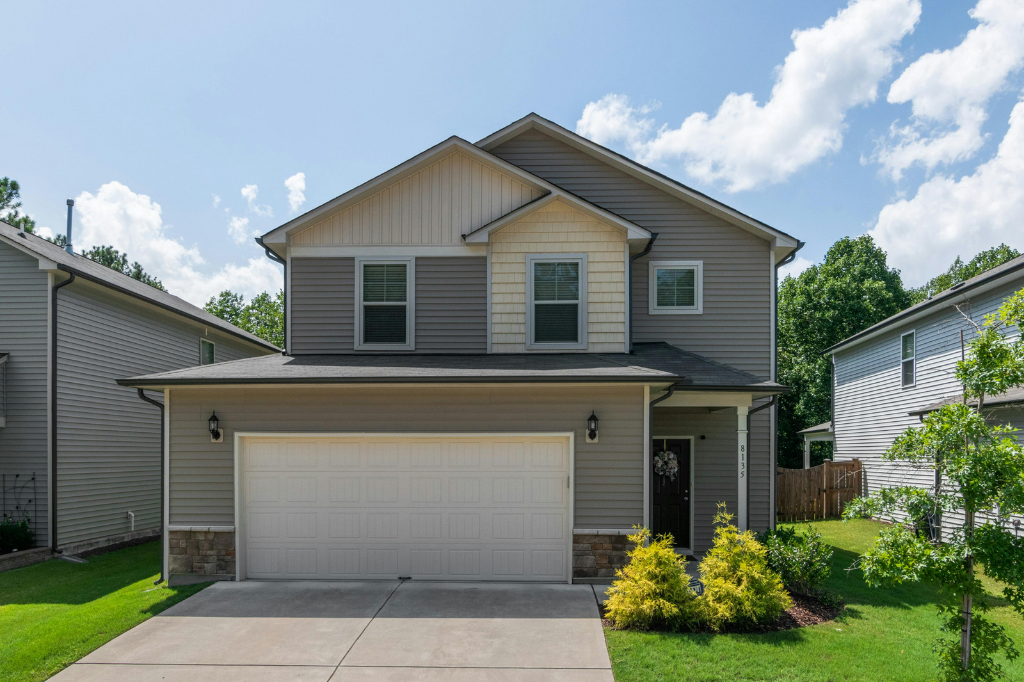
Waiving conditions in real estate can make an offer look stronger, but it can also create serious risk for buyers. In a competitive market, buyers may feel pressure to remove subjects so their offer stands out. That may help win the home, but it can also leave less room to confirm financing, review documents, inspect the property, or walk away safely. A subject-free offer is not always a bad idea. However, it should never be treated casually. The better question is not, “Will waiving conditions help me win?” The better question is, “What risk am I accepting if I remove this protection?” What Does Waiving Conditions Mean? In a real estate offer, conditions are clauses that must be satisfied before the buyer becomes fully committed to completing the purchase. Common buyer conditions include: Financing approval Home inspection Insurance confirmation Strata document review Title review Sale of the buyer’s current home Legal review Property disclosure review Once a buyer waives conditions, or writes an offer with no subjects, the offer becomes firmer from the beginning. That can appeal to a seller because it reduces uncertainty. For the buyer, it may also reduce options if a problem appears later. Why Buyers Waive Conditions Buyers usually waive conditions because of competition. If several buyers want the same property, a seller may prefer a cleaner offer with fewer conditions, even if another offer is close in price. A subject-free offer can feel faster, simpler, and less likely to collapse. Buyers may consider waiving conditions when: The market is competitive There are multiple offers The property is rare Due diligence has already been completed Financing is strong The buyer understands the risk However, pressure is not the same as preparation. A buyer should not waive conditions simply because they are tired of losing offers. The Financing Risk The financing condition is one of the most important protections in an offer. A mortgage pre-approval is helpful, but it is not final approval for a specific property. Lenders still need to review the home, appraisal, borrower details, insurance, and other risk factors. If a buyer waives financing and the lender later declines the file, lowers the approved amount, or raises concerns about the property, the buyer may still be expected to complete the purchase. That can lead to: Losing the deposit Being sued for seller losses Needing emergency financing Paying higher borrowing costs Being unable to complete on time Before waiving a financing condition, buyers should speak with their mortgage broker or lender about the exact property and the full risk. The Inspection Risk A home inspection condition gives buyers time to understand the physical condition of the property. Without that condition, buyers may accept unknown issues. This matters because even well-presented homes can have hidden problems behind walls, below grade, or in older systems. Inspection concerns may include: Roof age Drainage issues Electrical concerns Plumbing problems Moisture or mould Heating system age Oil tank risk Structural issues Unpermitted renovations In Greater Victoria, many homes have been renovated, expanded, or updated over several decades. A home can look beautiful and still carry expensive repair risk. The Strata Document Risk For condos and townhomes, waiving conditions before reviewing strata documents can be risky. Strata documents can reveal issues that a showing cannot, including: Depreciation reports Insurance concerns Special levies Building repairs Bylaws Financial statements Contingency reserve fund levels Litigation or major building concerns Pet, rental, smoking, parking, and storage rules If buyers waive the strata document condition too early, they may later discover issues that affect affordability, lifestyle, or resale value. The Insurance Risk Insurance is easy to overlook, but it matters. Some properties may be harder or more expensive to insure because of age, condition, location, prior claims, building systems, or strata insurance issues. For detached homes, buyers may need to confirm coverage for older wiring, oil tanks, wood stoves, water damage history, roofing condition, or rural and waterfront exposure. For strata properties, buyers should understand both the strata corporation’s insurance and their own unit owner’s policy. If insurance cannot be secured, financing may also be affected. The Title and Legal Risk Title review helps buyers understand whether anything is registered against the property. These may include: Easements Covenants Rights of way Building schemes Encroachments Charges Access issues Some items may be minor. Others can affect future renovations, development plans, property use, or enjoyment of the home. The Home Buyer Rescission Period Is Not a Replacement for Conditions In BC, the Home Buyer Rescission Period gives buyers a limited right to rescind many residential purchase contracts within three business days after acceptance. However, it is not the same as having normal buyer conditions. If a buyer uses the rescission right, they must pay the seller a rescission fee equal to 0.25% of the purchase price. On a $900,000 purchase, that fee would be $2,250. The rescission period may provide limited time to reconsider, but it does not replace proper due diligence. It also may not apply to every type of transaction, so buyers should confirm the rules before relying on it. When Waiving Conditions May Be More Reasonable Waiving conditions may be less risky when the buyer has already completed meaningful preparation. For example: Financing has been reviewed in detail The lender understands the property type A pre-inspection has been completed Strata documents have already been reviewed Insurance has been confirmed Title has been checked The buyer has cash reserves The risks have been clearly discussed Even then, risk remains. The goal is not to eliminate risk completely. The goal is to avoid making a blind decision. When Buyers Should Be Very Cautious Waiving conditions can be especially risky when: The home is older There is visible deferred maintenance The buyer is close to their maximum budget Financing is high-ratio The property has unauthorized work The property is tenanted The home is rural, waterfront, or on septic There may be an oil tank Strata documents are not available The purchase depends on selling another property Winning the property is not the same as making a smart purchase. Strong Offers Do Not Always Mean No Conditions A buyer can still write a strong offer with conditions. Strength can also come from: A fair price A larger deposit Short but realistic condition dates Flexible completion and possession dates Clear communication Pre-approved financing A clean contract Strong supporting documentation Sometimes the best strategy is not to waive everything. It is to keep the right conditions and make the rest of the offer as clean as possible. Questions to Ask Before Waiving Conditions Before writing a subject-free offer, buyers should ask: Have we spoken with our mortgage broker about this exact property? Do we understand the appraisal risk? Have we reviewed the strata documents? Have we confirmed insurance availability? Do we understand the likely repair risks? Have we reviewed title or key documents? Do we have enough cash if something unexpected appears? Can we still complete if financing changes? Are we making this decision because it is smart, or because we feel pressured? If the answer is unclear, the buyer may not be ready to waive conditions. Final Thoughts Waiving conditions in real estate can help a buyer compete, but it should never be treated as a simple offer tactic. Conditions exist for a reason. They give buyers time to confirm that the property, financing, documents, insurance, and legal details are acceptable before becoming fully committed. The goal is not just to win the home. The goal is to win the right home on terms you understand. If you are thinking about waiving conditions or writing a competitive offer in Greater Victoria, contact Faber Real Estate Group for guidance before you take on unnecessary risk. Lena N., 5-Star Review, via Google “I have worked with Scott and Zach on my listing and it has been a pleasure to work with both diligent and professional agents. They have been communicative and friendly. Hope to do more collaboration and deals with you both in the near future!” Faber Real Estate GroupRoyal LePage Coast Capital Realty📞 250-244-3430📧 [email protected]ℹ️ Scott Faber Personal Real Estate Corporationℹ️ Cal Faber Personal Real Estate CorporationVanessa Wood, Zachary Parsons, and Sophie Taylor “Building Lasting Relationships, One Home at a Time.”
Read more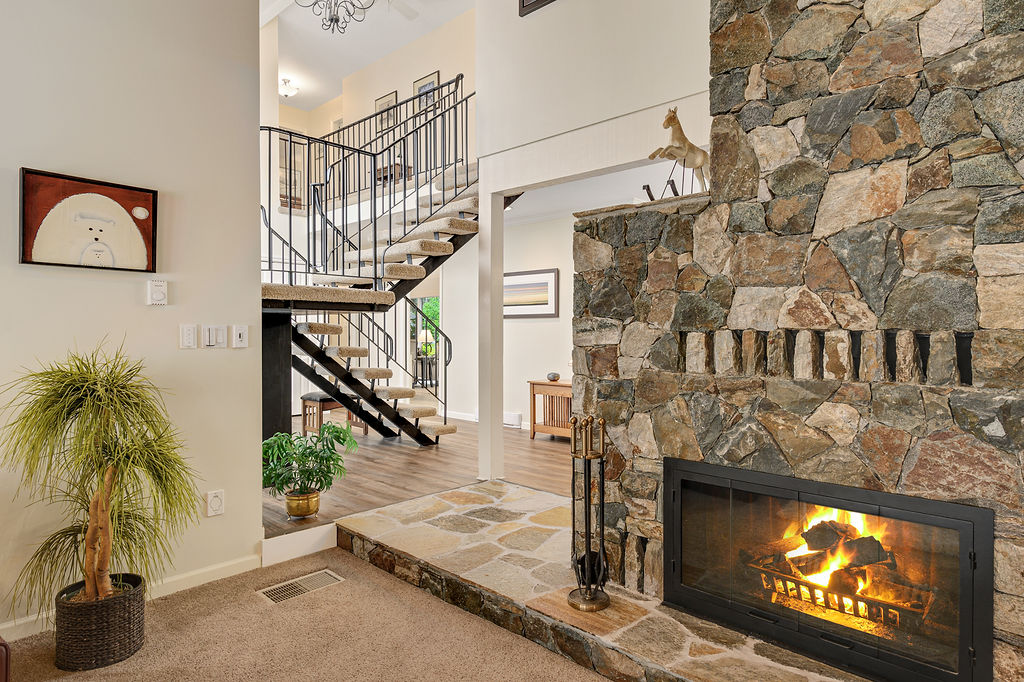
Comparable sales in real estate are one of the most common tools used to estimate value. Buyers use them to decide what to offer. Sellers use them to decide how to price. Appraisers, lenders, and REALTORS® also rely on them to understand what similar homes have recently sold for. However, comparable sales in real estate can also be misleading when they are used too quickly or without enough context. A sold price tells you what one buyer was willing to pay for one property at one moment in time. It does not automatically tell you what your home is worth, what another buyer should offer, or how today’s market will respond to a new listing. That is where the real analysis begins. Not Every Similar Home Is Truly Comparable At first glance, two homes may seem almost identical. They may be in the same neighbourhood, have similar square footage, and offer the same number of bedrooms. But small differences can create very different values. Important differences may include: Lot size and usable yard space Sun exposure and privacy Renovation quality Deferred maintenance Layout and flow Suite potential Parking Street noise Views Strata condition Age of major systems Proximity to schools, parks, or busy roads A home on a quiet cul-de-sac may sell differently than a similar home on a busier street. A renovated kitchen may help, but if the roof, perimeter drains, or windows need attention, buyers may still discount the price. The details matter because buyers do not purchase square footage alone. They buy the full experience of the property. Sold Prices Reflect the Market Conditions at That Time Comparable sales are historical data. That means they are useful, but they are always looking backward. A sale from three months ago may not reflect today’s buyer activity, inventory levels, interest rate environment, or local competition. In a fast-moving market, even a sale from a few weeks ago can lose some relevance. This matters for both buyers and sellers. For sellers, relying too heavily on older high sales can lead to overpricing. For buyers, relying too heavily on older lower sales can lead to offers that do not compete. The better question is not simply, “What did similar homes sell for?” It is, “What has changed since those homes sold?” Condition Can Change the Entire Conversation Condition is one of the biggest reasons comparable sales can mislead people. Two homes may look similar online, but one may be move-in ready while the other needs major updates. Photos can hide a lot. A home may photograph beautifully but still have concerns with moisture, electrical, plumbing, roofing, windows, or overall maintenance. On the other hand, a home that looks dated may be extremely well cared for and structurally strong. This is why condition needs to be reviewed carefully, not assumed from listing photos. Buyers should avoid thinking, “That home sold for less, so this one should too,” without asking why. Sellers should avoid thinking, “My neighbour got that price, so I should too,” without comparing condition honestly. The Best Comparable May Not Be the Closest One Many people assume the best comparable sale is the one closest to the property. Sometimes it is. But proximity alone does not make a sale useful. In Greater Victoria, small location differences can change buyer demand quickly. A few blocks can affect walkability, school catchments, views, noise, lot usability, and overall appeal. A better comparable might be farther away but more similar in style, size, condition, and buyer profile. For example, a well-maintained 1970s family home in one part of Saanich may compare better with a similar home in another nearby pocket than with a brand-new build down the street. The goal is not to find the nearest sale. The goal is to find the most relevant sale. List Price and Sold Price Tell Different Stories A sold price matters, but the story behind it matters too. A home may sell over asking because it was intentionally priced low to attract multiple offers. Another home may sell under asking because it started too high and sat on the market. A third home may sell quickly at full price because it was priced accurately from the start. Without context, the numbers can create the wrong impression. Buyers may think every home is overpriced because they see price reductions. Sellers may think every home should attract competing offers because they saw one sale go over asking. Both can be wrong. The better analysis looks at: Original list price Final list price Sold price Days on market Price reductions Number of competing listings Property condition Buyer activity Offer terms The price is only one part of the story. Unique Properties Are Harder to Compare Some homes are easier to price than others. A standard condo in a large building with several recent sales may have clear comparable data. A custom home, acreage, waterfront property, view property, character home, or rural property is much harder to compare. Unique properties require more interpretation because there may not be a perfect match. In these cases, value often depends on buyer depth. How many buyers are looking for that specific type of property? How often do similar homes become available? How much are buyers willing to pay for rare features? This is why unusual homes need a more careful pricing strategy. The wrong comparable can create the wrong expectation. Buyers Can Use Comparables Too Aggressively Buyers sometimes use comparable sales as a negotiation weapon. They may find the lowest recent sale and treat it as the only number that matters. But if that sale had poor condition, an awkward layout, a motivated seller, or a less desirable location, it may not support a lower offer on a better property. A strong buyer strategy is not about forcing every home to fit the cheapest comparable. It is about understanding fair value, then deciding what the property is worth to you based on condition, competition, and long-term fit. The best buyers stay disciplined without ignoring context. Sellers Can Use Comparables Too Optimistically Sellers can make the opposite mistake. They may focus on the highest sale in the area and assume their home should match or exceed it. But the highest sale may have had better renovations, better timing, stronger presentation, a larger lot, or more motivated buyers. This can lead to a pricing problem. When a home starts too high, it can lose early momentum. Buyers may compare it to better-priced alternatives and move on. Over time, the listing may need a price adjustment, and the final result may be weaker than if it had launched with a sharper strategy. A good pricing conversation should include both the best-case sale and the realistic competition. Active Listings Matter Too Comparable sales show what has already happened. Active listings show what buyers can choose from right now. This is especially important in a market where buyers have more selection. A seller may feel confident because a similar home sold well last month, but if several competing homes are now available, buyers may have more leverage. For buyers, active listings help explain why one home may still attract strong interest. If the property is the best option in its price range, older comparable sales may not fully capture current demand. Pricing should consider both past sales and present competition. The Most Useful Comparables Need Adjustment A comparable sale is rarely perfect. That is why adjustments matter. A REALTOR® may look at a comparable and adjust for differences such as: Larger or smaller lot Better or worse condition Renovations Basement suite Garage or parking View Location Strata fees Building condition Outdoor space Timing of the sale The goal is not to make the numbers look exact. The goal is to understand the range of reasonable value. Real estate pricing is part data, part interpretation, and part buyer psychology. What Buyers Should Ask Before relying on a comparable sale, buyers should ask: How similar is the property really? Was the condition better or worse? Did it sell in a different market environment? Was it priced low to create competition? How many similar homes are available now? Would today’s buyers view this home as better or worse? These questions help buyers avoid overpaying or losing a good property because they relied on the wrong sale. What Sellers Should Ask Before using a comparable to set a price, sellers should ask: Is my home honestly in similar condition? Does my home have the same buyer appeal? Was the other sale an outlier? What competition will buyers compare us against? Are we pricing for attention or testing the market? What happens if we do not receive strong activity in the first two weeks? These questions help sellers build a pricing strategy instead of chasing a number. Final Thoughts Comparable sales in real estate are useful, but they are not automatic answers. They need context, adjustment, and honest interpretation. For buyers, comparables can help you understand value and avoid emotional overpaying. For sellers, they can help you price with confidence and avoid unrealistic expectations. But in both cases, the best results come from looking beyond the sold price and understanding the full story behind the sale. If you are buying or selling in Greater Victoria and want help understanding what comparable sales really mean for your next move, contact Faber Real Estate Group for clear, local advice. Tatiana S., 5-Star Review, via Google “Absolutely phenomenal service from start to finish! Scott took the time to really get to know us and understand our likes and dislikes, what were dealbreakers and what really sold us in finding our perfect first home! Being first time homebuyers, he was extremely patient with all of our questions and very thorough when it came down to the finer details. Without a doubt, I would recommend him to everyone!” Faber Real Estate GroupRoyal LePage Coast Capital Realty📞 250-244-3430📧 [email protected]ℹ️ Scott Faber Personal Real Estate Corporationℹ️ Cal Faber Personal Real Estate CorporationVanessa Wood, Zachary Parsons, and Sophie Taylor “Building Lasting Relationships, One Home at a Time.”
Read more
Spring in Greater Victoria has a way of changing what buyers notice. The longer days, blooming gardens, and brighter natural light all bring certain features to the front. This year, Greater Victoria home trends are less about flashy upgrades and more about comfort, function, and spaces that make everyday life feel easier. Buyers are still paying attention to finishes, layout, and location. However, many are also looking closely at how a home supports real life. They want useful storage, flexible rooms, outdoor space, efficient systems, and homes that feel calm rather than overdone. Outdoor Living Is Still a Major Selling Feature In Greater Victoria, outdoor space carries real emotional weight. A patio, balcony, deck, garden, or sunny sitting area can help a home feel larger and more livable. Buyers are not always looking for a huge yard. In many cases, they want outdoor space that feels easy to use and simple to maintain. Some of the outdoor features buyers are noticing this spring include: Private patios or decks South-facing outdoor areas Low-maintenance landscaping Space for a BBQ or outdoor dining Raised garden beds Fenced yards for pets or children Covered areas that work in more than one season The key is usability. A small, well-planned patio can often feel more valuable than a large yard that looks like a lot of work. Flexible Rooms Are More Important Than Formal Rooms Many buyers are thinking beyond traditional layouts. A formal dining room may still appeal to some people, but flexible space often gets more attention now. Buyers want rooms that can change with their lifestyle. A den, spare bedroom, finished lower level, or loft area can serve different needs over time. A flexible space may work as: A home office A guest room A workout area A nursery A media room A hobby space Storage for seasonal items This trend is especially noticeable with first-time buyers, families, downsizers, and people who work from home part-time. The more adaptable a home feels, the easier it is for buyers to imagine staying there longer. Natural Light Is a Quiet Deal-Maker Spring makes natural light hard to ignore. Buyers often respond quickly to homes that feel bright, warm, and open. Large windows, skylights, light paint colours, and clean window coverings can all help a home feel more inviting. This does not mean every home needs to be fully renovated. Sometimes simple changes make the biggest difference. Cleaning windows, trimming overgrown landscaping, replacing heavy curtains, and using softer interior colours can help light move through the space more naturally. A bright home often feels better before a buyer can explain why. Low-Maintenance Living Is Gaining Appeal More buyers are paying attention to the work a home will require after possession. This is especially true for busy professionals, downsizers, and buyers moving from condos into detached homes. They may love the idea of more space, but they are also thinking carefully about upkeep. Low-maintenance features that can stand out include: Updated windows Durable flooring Clean exterior siding Simple landscaping Newer roofing Efficient heating and cooling Well-organized storage Updated appliances A home does not need to be brand new to feel low-maintenance. It simply needs to feel cared for, practical, and easy to manage. Warm, Natural Finishes Are Replacing Cold Minimalism Buyers are still drawn to clean design, but overly cold spaces can feel less inviting. In many Greater Victoria homes, warmer finishes are becoming more appealing. Wood tones, soft neutrals, textured fabrics, natural stone, and layered lighting can make a space feel comfortable without feeling dated. The current look is less about perfection and more about livability. Think: Soft white or warm neutral walls Natural wood accents Matte finishes Simple cabinetry Comfortable lighting Calm, uncluttered rooms Organic materials where possible This works especially well in Victoria, where homes often blend indoor comfort with West Coast surroundings. Energy Efficiency Is Becoming Part of the Conversation Energy efficiency is no longer only a bonus feature. More buyers are asking practical questions about comfort and operating costs. They may want to know about heating systems, insulation, windows, hot water tanks, heat pumps, and utility bills. Even if a buyer does not lead with energy efficiency, it can influence how confident they feel about the home. Features that may help include: Heat pumps Updated insulation Energy-efficient windows Smart thermostats Modern appliances Electric vehicle charging Well-maintained heating systems For sellers, this means documentation matters. If you have completed upgrades, keeping receipts, permits, manuals, and warranty information organized can help buyers understand the value. Storage Is Getting More Attention Storage is one of those features buyers notice quickly when it is missing. In condos, townhomes, and character homes, smart storage can make a major difference. Buyers want places for bikes, paddleboards, tools, holiday decor, sports equipment, pantry items, and everyday clutter. Helpful storage features include: Built-in shelving Garage storage Pantry space Mudrooms Organized closets Crawlspace storage Bike rooms or secure lockers Laundry room cabinetry A home that feels organized often feels larger, even if the square footage has not changed. Buyers Are Looking for Homes That Feel Ready, Not Perfect One of the clearest Greater Victoria home trends this spring is the shift toward practical readiness. Buyers do not necessarily expect every home to be fully renovated. However, they are paying close attention to whether the home feels clean, maintained, and easy to move into. Before listing, sellers should focus on the details that shape first impressions: Fresh paint where needed Clean windows Tidy landscaping Repaired trim or doors Updated light bulbs Decluttered rooms Clean patios, decks, and balconies Clear maintenance records Small improvements can help buyers focus on the home instead of the to-do list. What This Means for Sellers For sellers, spring is a good time to think about how your home feels, not just how it looks. A buyer may forget the exact countertop material, but they will remember how the kitchen felt in the morning light. They may not need a perfect backyard, but they will notice whether the outdoor space feels peaceful and usable. The best preparation often comes down to three questions: Does the home feel bright? Does it feel easy to live in? Does it feel well cared for? If the answer is yes, buyers are more likely to connect with the property. What This Means for Buyers For buyers, trends can be helpful, but they should not replace good judgment. A stylish home is appealing, but function matters more over time. Before getting caught up in finishes, look closely at layout, storage, maintenance, natural light, outdoor space, and long-term usability. The best home is not always the trendiest one. It is the one that fits your life now and gives you room to grow. Final Thoughts Spring home trends in Greater Victoria are pointing toward comfort, flexibility, outdoor living, and lower-maintenance ownership. Buyers are looking for homes that feel calm, practical, and ready for real life. For sellers, that means preparation should focus on clarity, cleanliness, light, and livability. For buyers, it means looking beyond surface finishes and thinking carefully about how a home will support your day-to-day life. If you are preparing to buy or sell this spring, contact Faber Real Estate Group for local guidance, practical advice, and a clear plan for your next move. Courtenay C., 5-Star Review, via Google “Scott and the team are exceptional to work with! They are knowledgeable, professional, and go above and beyond for their clients :) Scott made our move easy all around. Highly recommend!” Faber Real Estate GroupRoyal LePage Coast Capital Realty📞 250-244-3430📧 [email protected]ℹ️ Scott Faber Personal Real Estate Corporationℹ️ Cal Faber Personal Real Estate CorporationVanessa Wood, Zachary Parsons, and Sophie Taylor “Building Lasting Relationships, One Home at a Time.”
Read more
Septic systems for rural homebuyers can feel unfamiliar at first, especially for buyers who have only owned homes connected to municipal sewer. In many rural and semi-rural areas, a home may rely on an onsite sewage system instead of a city sewer connection. That does not need to be a deal breaker. However, it does need to be understood before you buy. A septic system is one of the most important parts of a rural property. It affects how the home functions, how the land can be used, what future improvements may be possible, and what maintenance responsibilities come with ownership. What Is a Septic System? A septic system treats wastewater from the home on the property itself. That includes water from toilets, sinks, showers, laundry, dishwashers, and other plumbing fixtures. A typical system includes: A septic tank Pipes from the home A distribution box or treatment component A drain field or dispersal field Soil that helps filter and treat wastewater The basic process is fairly simple. Wastewater leaves the home and enters the septic tank. Solids settle in the tank, while liquid wastewater flows into the drain field. From there, the soil helps treat and disperse the wastewater safely. When the system is working properly, most homeowners rarely think about it. When it fails, repairs can be expensive, disruptive, and stressful. Why Septic Systems Matter When Buying Rural Property A rural property may offer privacy, land, views, trees, gardens, workshops, or space that is harder to find in urban neighbourhoods. But that extra space often comes with more responsibility. In addition to the home itself, buyers may need to understand wells, drainage, access, outbuildings, zoning, trees, fire risk, and septic systems. The septic system matters because it can affect: Whether the home can be safely occupied How many people the system can support Whether future renovations are possible Whether a suite or additional bedroom makes sense Long-term maintenance costs Buyer confidence Insurance and financing questions Future resale value For rural homebuyers, septic due diligence should be treated as part of the buying process, not as an afterthought. The Septic System Should Match the Home One of the most important details is whether the septic system matches the current use of the property. For example, a home may have been built as a three-bedroom property, but later owners may have finished additional rooms, added accommodation, or changed how the home is used. If the septic system was not designed for that level of occupancy, buyers need to know that before moving forward. This can matter if you are planning to: Add bedrooms Create a secondary suite Build an addition Increase household size Use the property for multi-generational living Add a guest space or rental component Renovate unfinished areas A property may look flexible, but the septic system may set practical limits. What Buyers Should Ask Before Buying Before removing subjects on a rural property, buyers should try to gather as much septic information as possible. Important questions include: Where is the septic tank located? Where is the drain field located? When was the system installed? Was it installed with proper permits or filings? What type of system is it? When was it last pumped? When was it last inspected? Are maintenance records available? Is the system designed for the current number of bedrooms? Has the home been expanded since the system was installed? Have there been backups, odours, slow drains, or repairs? Has anyone parked, built, paved, or landscaped over the drain field? Good answers reduce uncertainty. Missing answers do not always mean there is a problem, but they do mean the buyer should proceed carefully. Why a Septic Inspection Matters A standard home inspection does not usually provide a full septic review. Septic systems need specific knowledge, equipment, and experience. A septic inspection may include: Locating the tank and field Opening and inspecting the tank Checking sludge and scum levels Reviewing visible components Looking for signs of failure Checking drainage or wet areas Reviewing maintenance history Recommending pumping, repairs, or further investigation For buyers, this inspection can provide important peace of mind. It may also uncover issues that affect price, terms, or whether the buyer moves forward at all. Warning Signs Buyers Should Watch For Some septic problems are obvious. Others are not. During showings and inspections, buyers should pay attention to the home, the yard, and any information the seller provides. Possible red flags include: Sewage odours inside or outside the home Slow drains or gurgling plumbing Toilets that flush poorly Wet or soggy areas near the drain field Unusually green grass over the field Standing water around the system area Lack of maintenance records Unknown system location Older system with no recent inspection Recent landscaping that may hide problems Extra finished space without septic confirmation A single concern does not always mean the system is failing. However, it should trigger more questions. Maintenance Is Part of Rural Ownership A septic system needs regular care. It is not something buyers should ignore until there is a problem. Good septic maintenance includes: Pumping the tank as recommended Keeping service records Conserving water where practical Fixing leaks quickly Avoiding grease, wipes, chemicals, and non-flushable items Keeping vehicles and heavy equipment off the drain field Avoiding structures, patios, or major landscaping over the field Understanding where the system components are located This is part of the responsibility of owning a rural property. Just like maintaining a roof, well, driveway, or drainage system, septic care protects the property and helps avoid larger costs later. How Septic Systems Affect Renovation Plans Many rural buyers are drawn to properties because of the possibilities. They may want more space, more privacy, more flexibility, or room to grow. Before assuming what can be done, buyers should understand whether the septic system can support the plan. A septic system may affect: Adding another bedroom Building an addition Creating a suite Converting a garage or outbuilding Adding guest accommodation Changing the occupancy level Future subdivision or development plans This does not mean a buyer cannot improve the property. It means the septic system should be reviewed before making plans. How Septic Systems Can Affect Resale A well-maintained septic system can support buyer confidence. A poorly documented or failing system can create hesitation, negotiation pressure, or future disclosure issues. When it comes time to sell, buyers will usually feel more comfortable if the owner can provide: Pumping records Inspection records System location details Installation or filing information Repair history Clear disclosure about known issues Good records can make a rural property easier to sell. They show that the system has not been ignored. Septic Systems Are Not a Reason to Avoid Rural Homes Some buyers become nervous when they hear a property has septic. That is understandable, but it should not automatically scare anyone away. Many rural homes rely on septic systems and function very well for decades when properly designed, used, and maintained. The key is not to avoid septic systems. The key is to understand them. A smart rural buying strategy includes: Asking for records early Including proper conditions in the offer Hiring the right inspector Confirming system capacity Reviewing future renovation goals Budgeting for maintenance Understanding what you are responsible for after completion Final Thoughts Septic systems for rural homebuyers should be taken seriously, but they do not need to be intimidating. They are simply part of understanding the full property. When buyers review the system properly, ask the right questions, and complete the right inspections, they can make a more confident decision. Rural living often offers space, privacy, and lifestyle advantages that are hard to find in urban areas. The best experience comes from knowing what supports the home beneath the surface. If you are considering a rural property in Greater Victoria or on Vancouver Island, contact Faber Real Estate Group for guidance on septic considerations, rural due diligence, and what to ask before writing an offer. David M., 5-Star Review, via Google “Scott was a fantastic realtor—hardworking, knowledgeable, and truly dedicated to his clients. His expertise and great connections made the entire process smooth and stress-free. He went above and beyond to ensure everything was taken care of, and I couldn’t be happier with the results. I highly recommend Scott to anyone looking for a realtor.” Faber Real Estate GroupRoyal LePage Coast Capital Realty📞 250-244-3430📧 [email protected]ℹ️ Scott Faber Personal Real Estate Corporationℹ️ Cal Faber Personal Real Estate CorporationVanessa Wood, Zachary Parsons, and Sophie Taylor“Building Lasting Relationships, One Home at a Time.”.
Read more
Trying to sell a home with unpermitted work can feel uncomfortable, especially if the renovation was completed years ago or by a previous owner. In many cases, sellers are not trying to hide anything. They simply discover during the listing process that a finished basement, bathroom, deck, suite, wall removal, or electrical upgrade may not have the proper permits. The good news is that unpermitted work does not automatically mean a home cannot be sold. However, it does mean the sale needs to be handled carefully, honestly, and strategically. What Is Unpermitted Work? Unpermitted work refers to renovations, additions, or alterations that may have required approval from the local municipality but were completed without the proper permit. Common examples include: Basement finishing Secondary suites Bathroom additions Decks or additions Structural wall changes Electrical or plumbing upgrades Garage conversions Enclosed patios Major kitchen renovations involving plumbing, gas, or electrical changes Not every improvement requires a permit. Painting, flooring, cabinets, counters, and many cosmetic updates usually do not create the same concern. The issue usually comes up when work affects safety, structure, plumbing, electrical systems, occupancy, zoning, or insurance. Why Unpermitted Work Matters to Buyers Buyers care about unpermitted work because it creates uncertainty. Even if the renovation looks good, buyers may wonder whether the work was completed safely, whether it meets current standards, and whether the municipality could require changes later. It can also affect: Financing confidence Insurance questions Appraisal concerns Buyer due diligence Renovation plans after completion Future resale value A buyer may still proceed, but they will usually want more information. The more prepared the seller is, the easier it becomes to keep the conversation calm and practical. Disclosure Matters In BC, sellers have duties around disclosure, especially when an issue may qualify as a material latent defect. BCFSA explains that a material latent defect is a defect that cannot be discovered through a reasonable inspection and may make the property dangerous, unfit for habitation, or unfit for the buyer’s intended purpose. BCFSA also states that once a real estate professional becomes aware of a material latent defect that must be disclosed, it must be disclosed in writing before an agreement to purchase is entered into. This does not mean every permit issue is automatically a material latent defect. However, it does mean sellers should avoid guessing, minimizing, or hiding known issues. When in doubt, it is best to get proper advice before listing. Step One: Find Out What Exists on Record Before going to market, sellers should try to understand what permits exist. This may involve checking municipal records or asking the local municipality about the property history. BCREA notes that best practice is to pull building permits before listing so any work completed without required permits is known and can be addressed properly. This step can help answer key questions: Was the work actually unpermitted? Was a permit opened but never closed? Was final inspection completed? Does the municipality show approved plans? Is there a record of the suite, deck, addition, or renovation? Could the work be legalized retroactively? Sometimes sellers assume there is a problem when there is not. Other times, permit history reveals issues that should be addressed before buyers find them during due diligence. Step Two: Decide Whether to Fix, Permit, or Disclose Once the facts are clearer, sellers usually have three broad options. Option 1: Legalize the Work Before Listing This may involve hiring qualified professionals, applying for retroactive permits, opening walls or ceilings for inspection, upgrading work to current code, or correcting deficiencies. This can be the strongest option when the work affects safety, structure, electrical, plumbing, or a secondary suite. It may reduce buyer hesitation and support a cleaner sale. However, it can also take time and money. In some cases, legalizing older work may require more upgrades than expected. Option 2: Sell As-Is With Clear Disclosure Some sellers choose to disclose the unpermitted work and let buyers decide whether they are comfortable proceeding. This may make sense if: The work is minor The seller does not have time to complete repairs The cost to legalize is too high The property is being sold for land value, redevelopment, or renovation potential Buyers in that segment are likely to renovate anyway The key is clarity. Buyers do not need every answer, but they do need honest information. Option 3: Adjust the Pricing Strategy Unpermitted work can affect perceived value. If buyers see risk, they may factor that risk into their offer. This does not always mean a major price reduction. It means the pricing strategy should reflect the property as it actually exists, not as it might appear in photos. For example, an unauthorized suite may look like a strong income feature. However, if it is not legal or permitted, it should be marketed carefully and priced with that reality in mind. Be Careful With Marketing Language This is one of the biggest mistakes sellers can make. If a basement suite is not legal, it should not be marketed as though it is a fully authorized suite. If finished space was completed without permits, the listing should avoid language that overstates certainty. A better approach is to be accurate and measured. For example: “Lower-level accommodation” “Additional finished space” “Buyer to verify intended use with the municipality” “Permit history available upon request” “Seller discloses that certain improvements may have been completed without permits” The goal is not to scare buyers away. The goal is to avoid creating confusion or liability. What Buyers May Ask For When unpermitted work is disclosed, buyers may respond in several ways. They may ask for: Permit records Contractor invoices Inspection reports Electrical or plumbing review Engineering letters Price adjustment Seller repairs before completion Holdbacks Longer subject conditions Confirmation from the municipality Insurance review Not every request is reasonable, but sellers should be prepared. A strong listing strategy anticipates these questions before the first offer arrives. Should You Get a Pre-Listing Inspection? A pre-listing inspection can be helpful, especially if the home has older renovations or if the seller is unsure what buyers may flag. It can help identify visible concerns before the home goes live. It may also give the seller time to fix smaller issues so buyers do not assume every imperfection is connected to the unpermitted work. However, a home inspection does not replace permits, engineering review, or municipal approval. It is one tool, not a full solution. How Unpermitted Work Can Affect Negotiations Unpermitted work changes the negotiation from emotion to risk. A buyer may love the home but worry about what they are inheriting. A seller may feel the work has added value, while the buyer may see future cost. This is where preparation matters. Sellers who can provide clear records, contractor details, inspection reports, and accurate disclosure are usually in a stronger position than sellers who say, “We do not know.” The less uncertainty a buyer feels, the less likely they are to use the issue as leverage. The Best Strategy Is Honesty Before Pressure Unpermitted work becomes more stressful when it is discovered late. If a buyer uncovers it after writing an offer, it can create distrust. If they discover it after inspection, they may renegotiate aggressively. If it comes out near subject removal, the deal may fall apart. When the issue is handled early, the seller controls more of the conversation. A clear plan may include: Reviewing municipal permit history before listing Speaking with qualified trades if needed Confirming whether work can be legalized Preparing written disclosure Pricing with the issue in mind Using careful listing language Keeping supporting documents ready for buyers Final Thoughts You can sell a home with unpermitted work, but it should not be treated like a small detail. The right strategy depends on the type of work, the condition of the home, the municipality, the buyer pool, and how the issue affects safety, use, insurance, or future resale. For some sellers, the best move is to correct the issue before listing. For others, clear disclosure and smart pricing may be enough. Either way, the goal is the same: reduce surprises, protect the sale, and help buyers make an informed decision. If you are preparing to sell a home with unpermitted work in Greater Victoria, contact Faber Real Estate Group for guidance on disclosure, pricing, and the best listing strategy for your situation. Gerry L., 5-Star Review, via Google “It was a true pleasure working with Cal. We could not have asked more from Cal in how he looked after us from showing to closing. He made the whole process as easy as possible for us, and it was obvious that he cares about his clients and looking after them. The communication from both Cal and Scott was clear, fast and professional. We would absolutely recommend the Faber Real Estate Group!” Faber Real Estate GroupRoyal LePage Coast Capital Realty📞 250-244-3430📧 [email protected]ℹ️ Scott Faber Personal Real Estate Corporationℹ️ Cal Faber Personal Real Estate CorporationVanessa Wood, Zachary Parsons, and Sophie Taylor“Building Lasting Relationships, One Home at a Time.”
Read more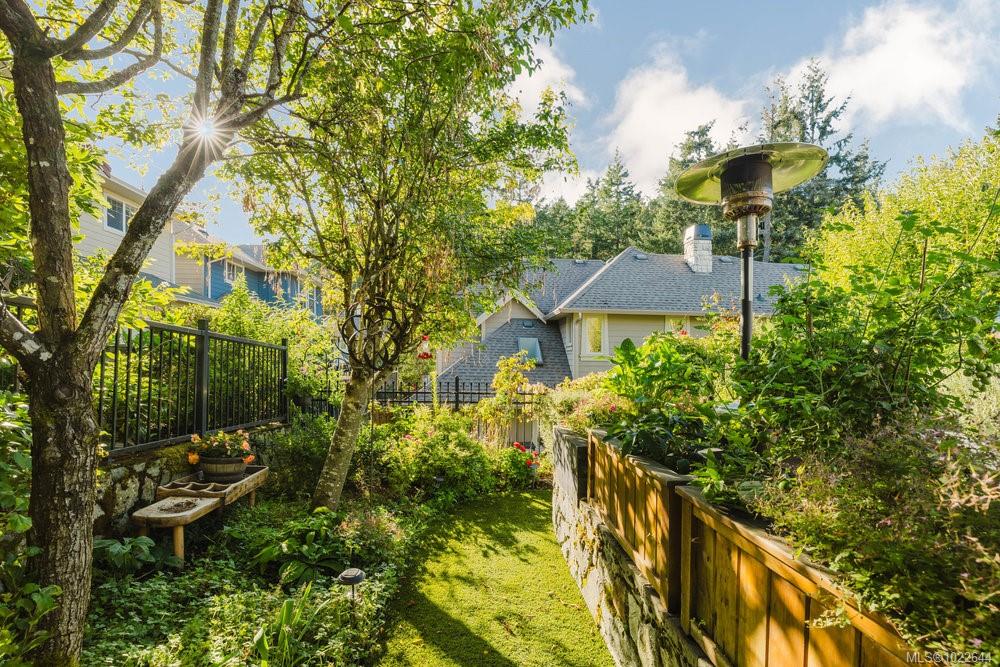
Moving from Vancouver to Victoria often starts as a lifestyle decision, but it quickly becomes a real estate decision. Buyers may come for the slower pace, ocean access, shorter commutes, and community feel, yet the first few home tours usually reveal a more practical truth: Victoria is not simply a smaller version of Vancouver. The housing stock feels different. The neighbourhoods behave differently. The pace is calmer in some ways, but the market still rewards buyers who understand value, location, and timing. The Pace Feels Different One of the first things Vancouver buyers notice is the pace of daily life. Victoria still has traffic, busy corridors, and competitive neighbourhoods, but the rhythm feels more manageable. For many buyers, this is the emotional draw. The idea of reclaiming time matters. A shorter commute, easier access to parks, and the ability to cross town without planning your entire day around traffic can change how a home feels. However, slower does not mean simple. Victoria has many small micro-markets. A home in Fairfield, Oak Bay, Saanich, Langford, Sidney, or View Royal may attract a very different buyer pool. That is why local context matters so much when comparing options. Detached Homes May Feel More Within Reach Many buyers moving from Vancouver to Victoria notice the price difference first. Victoria is still an expensive market, but compared with Metro Vancouver, some buyers find more realistic detached, townhome, or larger condo options. For example, Greater Vancouver REALTORS® reported a March 2026 detached benchmark price of $1,854,800, while the Victoria Real Estate Board reported an April 2026 Victoria Core single family benchmark value of $1,339,100. Condo values also differ, with Metro Vancouver apartments at $706,700 in March 2026 compared with Victoria Core condominiums at $558,300 in April 2026. That difference does not mean every Victoria home is a deal. Instead, it means buyers may have different tradeoffs. Some can shift from a condo search to a townhome search. Others can move from a busy urban setting to a quieter residential street. The key is understanding what the price difference actually buys. The Homes Often Have More Character Victoria’s housing stock can feel very different from Vancouver’s. Buyers often notice older homes, unique layouts, mature gardens, smaller character properties, and neighbourhoods with a less uniform feel. That can be a strength, but it also requires a careful eye. Character homes may come with older plumbing, electrical updates, oil tanks, perimeter drain considerations, or renovation history that needs proper review. For buyers used to newer condo towers or denser urban development, Victoria homes may feel warmer and more personal. They may also require more due diligence. Neighbourhood Choice Matters More Than Expected Vancouver buyers often arrive with a clear idea of price and property type. Then they start touring and realize lifestyle can matter just as much as square footage. A buyer looking for walkability may prefer Fairfield, James Bay, Fernwood, Oak Bay, or parts of Saanich. A buyer focused on space and newer construction may look closer at Langford, Colwood, View Royal, or Sooke. A buyer planning for retirement or a quieter coastal lifestyle may consider Sidney, North Saanich, or Central Saanich. Victoria rewards buyers who compare neighbourhoods by lifestyle, not just price. The right area depends on how you want to live day to day. Condos and Strata Documents Need Attention Many Vancouver buyers already understand strata living, but Victoria’s condo and townhome market still needs careful review. Strata fees, depreciation reports, insurance, bylaws, rental rules, pet rules, parking, storage, and upcoming projects can affect long-term value. This is especially important for buyers moving from a larger city who may assume all strata buildings operate in a similar way. They do not. A well-run strata can offer comfort and predictability. A poorly planned one can create stress, special levies, and resale challenges. The Market Can Feel Balanced, But Local Conditions Still Vary Victoria’s spring 2026 market has offered buyers more choice. VREB reported 3,710 active listings at the end of April 2026, up 8.3% from April 2025, while describing the overall market as balanced. That balance gives buyers room to think, compare, and complete due diligence. Still, strong properties in desirable areas can move quickly. Buyers should not assume more inventory means every seller will negotiate heavily. The better approach is to understand each listing on its own terms: price, condition, location, competition, days on market, and seller motivation. The Lifestyle Shift Is Real For many buyers, moving from Vancouver to Victoria is not just about the home. It is about weekends, work-life balance, outdoor access, and a different relationship with the city. Victoria offers oceanfront walks, established neighbourhoods, local shops, cycling routes, parks, beaches, marinas, schools, and community hubs within a relatively compact region. That can make daily life feel more connected. The tradeoff is that Victoria is still a smaller city. Buyers should think carefully about employment, ferry travel, airport access, specialized amenities, and family logistics before choosing a neighbourhood. What Buyers Should Do Before Making the Move Before moving from Vancouver to Victoria, buyers should spend time comparing areas in person. Online research helps, but it cannot replace walking the neighbourhood, driving the commute, visiting local shops, and seeing how different areas feel at different times of day. A smart plan includes: Comparing lifestyle first, then price Reviewing local market data by area and property type Understanding strata documents before removing conditions Budgeting for moving costs, property transfer tax, insurance, and maintenance Working with a local real estate team that understands Greater Victoria’s micro-markets Moving from Vancouver to Victoria can be an excellent step, but the best decisions come from clarity. When buyers understand the differences early, they can move with more confidence and fewer surprises. For guidance on neighbourhoods, property types, and what your Vancouver budget may look like in Greater Victoria, contact Faber Real Estate Group for advice before you start your search. Darlene S., 5-Star Review, via Google “Great team! Scott and Cal were extremely helpful in navigating a difficult sale. Their knowledge and strategies brought a quick offer to the table. I truly appreciated their on-going communications and generosity. Have already recommended them to friends and neighbours.” Faber Real Estate GroupRoyal LePage Coast Capital Realty📞 250-244-3430📧 [email protected]ℹ️ Scott Faber Personal Real Estate Corporationℹ️ Cal Faber Personal Real Estate CorporationVanessa Wood, Zachary Parsons, and Sophie Taylor “Building Lasting Relationships, One Home at a Time.”
Read more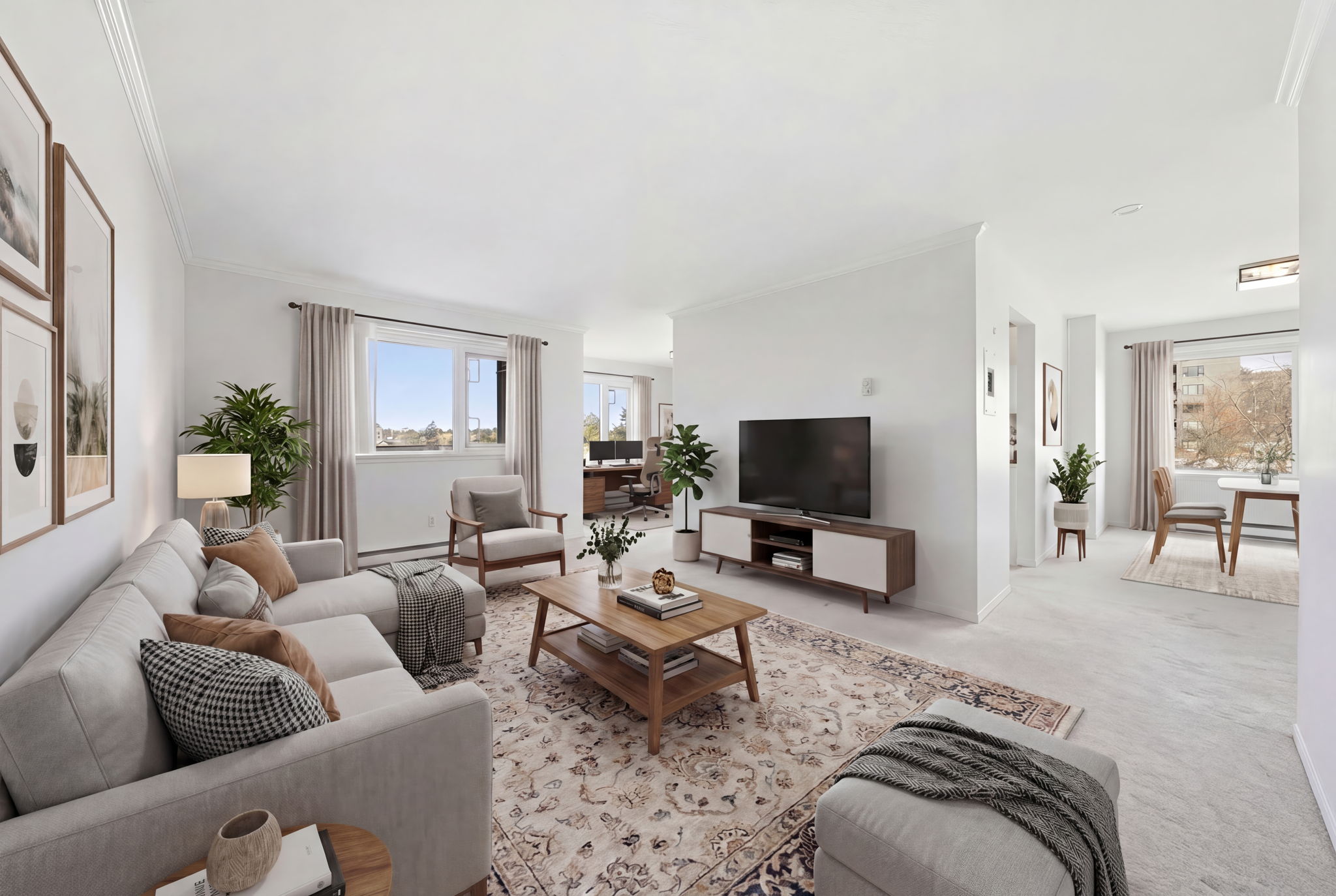
The May 2026 Victoria real estate market is likely to feel active, balanced, and competitive in selective pockets. April gave us a useful preview: sales improved from March, inventory continued to rise, and prices remained relatively steady. That combination usually creates a market where buyers have more choice, but sellers still have opportunity if they are priced properly from day one. According to the Victoria Real Estate Board, 643 properties sold in April 2026, which was 0.2% higher than April 2025 and 11.1% higher than March 2026. Active listings reached 3,710 at the end of April, up 13.8% from March and 8.3% from April 2025. In plain terms, more homes are available, but buyers are still participating. May Should Continue to Give Buyers More Choice May is typically one of the more active months of the spring market. Based on April’s increase in active listings, buyers should expect more selection across many property types and price points. That does not mean every listing will be a deal. It means buyers may have more room to compare homes, review options, and make decisions with less pressure than they would in a tight seller’s market. For buyers, May may bring: More new listings coming to market More ability to compare similar homes Less urgency on some properties Continued competition for well-priced homes in desirable locations More negotiating room on listings that are overpriced, dated, or sitting longer The key is not simply finding the lowest price. The better strategy is finding the right combination of location, condition, price, and long-term fit. Sellers Should Expect More Competition For sellers, May will likely be less forgiving than past spring markets where limited inventory did much of the work. With more active listings available, buyers have options. That means sellers need to be realistic about pricing, presentation, and timing. A home can still sell well in this type of market, but it needs a clear strategy. In May, sellers should pay close attention to: How many competing listings are active nearby How quickly similar homes are selling Whether buyers are booking showings early Feedback after the first week on market Price adjustments from competing sellers The first two weeks matter. If a listing launches too high, buyers may wait, compare, or move on to a better-positioned property. Prices Are Likely to Stay Relatively Stable The April benchmark numbers suggest stability rather than a sharp move in either direction. The Victoria Core single family benchmark price was $1,339,100 in April 2026, down 1.2% from April 2025 but up from March. The Victoria Core condo benchmark was $558,300, down 0.8% year over year but also up from March. That pattern matters. Prices are not surging, but they are also not falling dramatically across the board. May will likely continue that trend, with stronger pricing for homes that show well and more pressure on listings that feel overpriced compared with the rest of the market. The Market Will Feel Different by Neighbourhood May will not feel the same everywhere in Greater Victoria. A well-priced family home in Saanich may attract strong attention, while a dated condo with high strata fees may move more slowly. A townhome in the Westshore may compete differently than a character home in Fairfield or a new construction condo in Langford. This is why broad market headlines can be misleading. The real story in May will come down to micro-markets. Buyers and sellers should look closely at: Property type Neighbourhood Price range Days on market Condition Strata health, if applicable Recent comparable sales The overall market may be balanced, but each segment can behave differently. What Buyers Should Do in May Buyers should use May’s inventory carefully. More choice is helpful, but it can also create second-guessing. A practical approach is to separate homes into three categories: Strong fit: good location, fair price, solid condition Possible fit: good potential, but with tradeoffs Poor fit: too much compromise for the price This helps buyers stay focused. It also makes it easier to act when the right home appears. Buyers should also be ready before viewing homes. That means having financing reviewed, understanding closing costs, and knowing which conditions matter most before writing an offer. What Sellers Should Do in May Sellers should treat May as a strategy market, not a guessing market. The best results will likely come from homes that are: Priced against current competition Clean, prepared, and easy to show Marketed with strong photos and clear positioning Adjusted quickly if feedback shows resistance Presented with confidence, but not overconfidence In a market with more inventory, buyers notice the details. Small issues can create hesitation, especially when they have other homes to compare. The Bottom Line The May 2026 Victoria real estate market should remain balanced, active, and choice-driven. Buyers may have more room to think, but strong properties will still move. Sellers may still achieve good results, but only if their pricing and presentation match current market conditions. May will reward preparation on both sides. Buyers should be ready to act when value appears. Sellers should be ready to compete from the first day on market. If you are planning to buy or sell in Greater Victoria this spring, reach out to Faber Real Estate Group for advice based on your neighbourhood, property type, and timing. Debbie N., 5-Star Review, via Google “From start to finish, Scott and Cal were amazing to work with. I hadn't moved in nearly 22 years and going from a house to a condo was a very difficult decision, but they were amazingly patient and responsive to my needs. This team doesn't just say that they care, they actually do. I couldn't have done this without them. I would recommend them to anyone. You will be in the best hands. Thank you Faber Group!!!” Faber Real Estate GroupRoyal LePage Coast Capital Realty📞 250-244-3430📧 [email protected]ℹ️ Scott Faber Personal Real Estate Corporationℹ️ Cal Faber Personal Real Estate CorporationVanessa Wood, Zachary Parsons, and Sophie Taylor“Building Lasting Relationships, One Home at a Time.”
Read more
The April 2026 Victoria real estate market gave both buyers and sellers a clearer look at what a balanced spring market can feel like. Sales activity improved from March, inventory continued to build, and prices remained fairly steady across key property types. In other words, the market is active, but it is not running away from either side. According to the Victoria Real Estate Board, 643 properties sold across the region in April 2026. That was almost unchanged from April 2025, when 642 properties sold, and up 11.1% from March 2026. Condo sales rose 5.9% year over year, with 198 units sold, while single family home sales decreased 1.2% year over year, with 331 homes sold. Inventory Is the Main Story The biggest number to watch right now is inventory. At the end of April, there were 3,710 active listings on the Victoria Real Estate Board MLS®. That was up 13.8% from March and up 8.3% compared with the end of April 2025. For buyers, this means more selection and less pressure than we saw in the strongest seller-driven markets. However, more choice does not always make the process easier. Buyers still need to compare value carefully, especially because not every listing is priced equally well. For sellers, this means competition matters. A home can still sell well, but pricing, presentation, condition, and launch strategy need to be aligned from the start. In a market with more inventory, buyers have options. If a listing misses the mark early, it may take longer to regain momentum. Prices Remained Relatively Stable The Victoria Core single family home benchmark price was $1,339,100 in April 2026. That was down 1.2% from April 2025, but up from $1,330,200 in March 2026. For condos in the Victoria Core, the benchmark price was $558,300 in April 2026. That was down 0.8% from April 2025, but also up from $553,800 in March 2026. These numbers point to a market that is not collapsing and not overheating. Instead, we are seeing a more measured environment where buyers have room to think, but well-positioned properties can still attract attention. What This Means for Buyers The April 2026 Victoria real estate market gives buyers something they have not always had in recent years: breathing room. That does not mean every buyer should wait, and it does not mean every property is negotiable. It means buyers have a better chance to compare options, review strata documents, understand neighbourhood differences, and avoid rushing into a decision simply because inventory is tight. Buyers should focus on: Comparing recent comparable sales, not just asking prices Understanding how long a property has been on the market Looking closely at condition, maintenance, and future costs Staying realistic about good homes in strong locations Using subjects and due diligence wisely where possible The best opportunities are often not the cheapest listings. They are the homes where price, condition, location, and long-term fit line up. What This Means for Sellers For sellers, April’s numbers point to a market that rewards preparation. With more active listings available, buyers are less likely to overlook issues. They are comparing finishes, floor plans, maintenance, location, pricing, and overall presentation. A home that is priced too aggressively may help competing listings look more attractive. Sellers should focus on: Pricing based on current competition, not last year’s expectations Preparing the home before photos and showings Addressing obvious maintenance concerns where practical Reviewing feedback quickly after showings Adjusting strategy early if activity is weaker than expected This is not a market where every seller needs to panic. However, it is a market where sellers need to be honest about buyer behaviour. The homes that stand out tend to have a clear strategy behind them. A Balanced Market Still Has Micro-Markets One of the most important points from April is that Greater Victoria is not one single market. A condo downtown, a family home in Saanich, a townhome in Langford, and a waterfront property in Sooke can all behave differently. Price point, property type, location, condition, and buyer demand all matter. That is why broad headlines can be misleading. A balanced market overall may still feel competitive in certain neighbourhoods, while other areas may give buyers more negotiating room. The Bottom Line The April 2026 Victoria real estate market is best described as balanced, active, and more choice-driven. Buyers have more options than they did in tighter markets, while sellers still have opportunity if they price and prepare properly. For buyers, this is a good time to be thoughtful. For sellers, this is a good time to be strategic. The market is not rewarding guesswork right now. It is rewarding clarity. If you are thinking about buying or selling in Greater Victoria, reach out to Faber Real Estate Group for local advice, current market insight, and a clear plan for your next move. Jeff C., 5-Star Review, via Google Cal and Scott are tremendous, made our home buying and selling experience a stress free engagement.. some of the key highlights from our experience with them are: - quick to communicate, lightning fast.. within minutes! - deep expertise in the greater Victoria real estate.. from neighborhood information, developer history, even carpentry/finishing … DEEP knowledge - super friendly and encouraging They were able to deliver in very tight circumstances and we are so thankful to have worked with them. Best ones in Greater Victoria for sure” Faber Real Estate GroupRoyal LePage Coast Capital Realty📞 250-244-3430📧 [email protected]ℹ️ Scott Faber Personal Real Estate Corporationℹ️ Cal Faber Personal Real Estate CorporationVanessa Wood, Zachary Parsons, and Sophie Taylor“Building Lasting Relationships, One Home at a Time.”
Read more