

Latest News
Stay up to date with the latest and most exclusive insights from our blog on the Victoria real estate market. Each week, Faber Real Estate Group with Royal LePage Coast Capital Realty shares fresh tips and emerging trends for buyers, sellers, and investors across Greater Victoria. From expert advice on preparing your home for sale to timely snapshots of local market conditions, this is your go-to source for everything happening in Victoria, BC real estate.
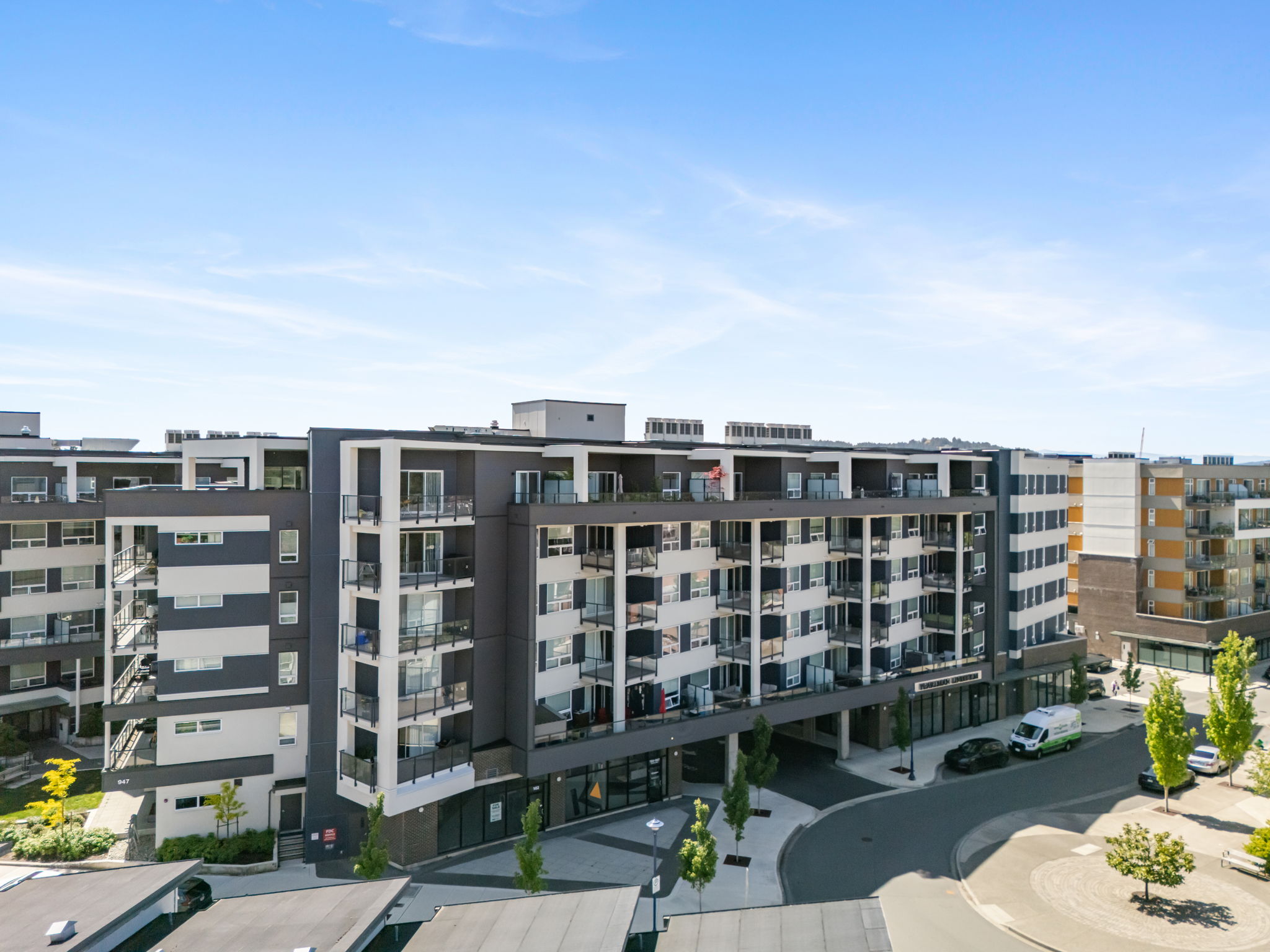
A safer condo building is not always the newest, flashiest, or most expensive option. Often, a safer condo building is one that feels well-managed, financially prepared, and clear about future maintenance. For buyers, that sense of safety comes from confidence. You want to know the building has been cared for, the strata has a plan, and there are fewer surprises hiding behind the monthly fee. Good Strata Documents Tell a Clear Story When buying a condo, the strata documents matter as much as the unit itself. Minutes, financial statements, bylaws, insurance documents, the Form B, and the depreciation report can reveal how the building is being managed. They can also show whether owners are dealing with recurring issues, upcoming repairs, or financial pressure. A well-run building usually has documents that feel organized and consistent. The records do not need to be perfect, but they should help buyers understand what has happened, what is being discussed, and what may be coming next. A Healthy Contingency Reserve Fund Builds Confidence The contingency reserve fund, often called the CRF, is one of the key areas buyers should review. This fund helps pay for larger common expenses, repairs, and future building needs. A stronger reserve can give buyers more confidence that the strata has prepared for long-term costs. A low reserve does not automatically mean a building is a bad purchase. However, it may mean buyers need to ask better questions. Has the strata recently completed major work? Are owners keeping fees low at the expense of future planning? Are special levies likely? The answer matters more than the number alone. A Depreciation Report Helps Buyers See Ahead A depreciation report is useful because it looks beyond today. It helps identify major building components, estimated repair timelines, and long-term funding needs. This may include items such as the roof, windows, balconies, plumbing, exterior finishes, parkade areas, elevators, or mechanical systems. For buyers, the depreciation report can help answer one of the most important condo questions: What could this building need in the next few years? A building feels safer when the strata has a clear report, takes it seriously, and appears to plan around it. Consistent Maintenance Is Better Than Deferred Problems A condo building does not need to be flawless to be a good buy. In fact, every building needs maintenance over time. What matters is how the strata responds. Buyers should look for signs that repairs are being handled thoughtfully. Regular maintenance, timely follow-up, and clear communication can be more reassuring than a building that appears problem-free but has little documentation. Deferred maintenance can create uncertainty. When small issues pile up, they can become larger costs later. Insurance Should Not Be Ignored Insurance has become an important part of condo buying. Buyers should review the strata’s insurance coverage, deductible amounts, and any notes related to claims history. High deductibles or repeated claims may affect how buyers think about risk and ownership costs. This does not mean buyers should avoid a building automatically. It means insurance should be part of the full review, not an afterthought. Clear Bylaws Reduce Future Friction A condo can feel safer when the rules are easy to understand. Bylaws can affect pets, rentals, smoking, renovations, parking, storage, short-term accommodation, and use of common areas. These rules shape day-to-day living and future resale appeal. Buyers should make sure the building’s bylaws fit their lifestyle before removing conditions. A great unit in the wrong building can still become a frustrating purchase. Strong Communication Shows Good Governance A well-managed strata usually communicates clearly. Council minutes should show thoughtful discussion, not constant conflict. Owners may disagree from time to time, but repeated tension, unresolved complaints, or unclear decision-making can be warning signs. Good governance does not mean everyone agrees. It means the building has a process, keeps records, and makes decisions in a way buyers can understand. The Monthly Fee Should Make Sense Some buyers focus only on keeping strata fees low. That can be a mistake. A lower fee is not always better if the building is underfunded or delaying repairs. A higher fee is not always bad if it supports good maintenance, insurance, amenities, and long-term planning. The better question is: Does the monthly fee match what the building needs? A safer condo building usually has fees that feel realistic, not artificially low. Resale Confidence Matters Too A condo purchase is not only about living there today. It is also about how future buyers may view the building. Buildings with clear documents, steady maintenance, reasonable fees, strong insurance, and good governance often feel easier to explain when it is time to sell. That matters because future buyers will review many of the same documents you are reviewing now. The Bottom Line A condo building feels safer to buy when the risk is easier to understand. Buyers should look beyond the unit and review how the building is managed, funded, maintained, and governed. A beautiful condo can lose appeal if the building creates uncertainty. A simpler unit in a well-run building may offer stronger long-term confidence. The goal is not to find a perfect building. The goal is to understand the building clearly before making a decision. For advice on buying a condo or reviewing strata documents in Greater Victoria, contact Faber Real Estate Group for local guidance before you move forward. Dione S., 5-Star Review, via Google “We made a MAJOR purchase and his expertise gave us the confidence to make OUR own decision in this crazy market! We are HAPPY ! Would not change a thing! Thank you Faber team!!” Faber Real Estate Group Royal LePage Coast Capital Realty 📞 250-244-3430 📧 [email protected] ℹ️ Scott Faber Personal Real Estate Corporation ℹ️ Cal Faber Personal Real Estate Corporation Vanessa Wood, Zachary Parsons, and Sophie Taylor “Building Lasting Relationships, One Home at a Time.”
Read more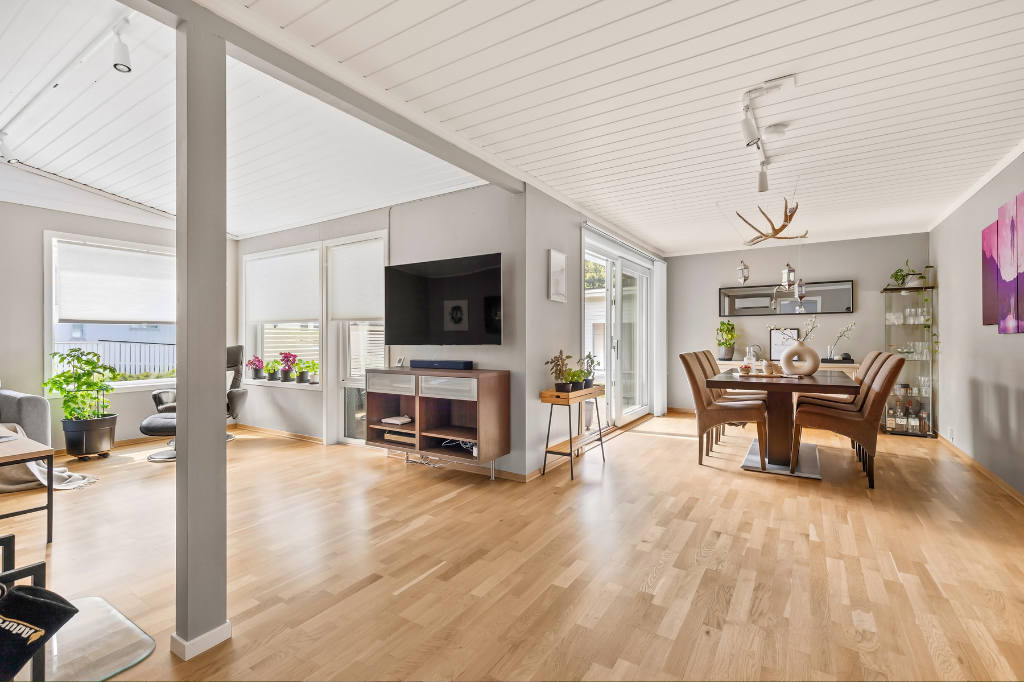
When selling a home, competing listings can tell you almost as much as recent sales. Sold properties show what buyers have already accepted. Active listings show what buyers are comparing your home against right now. That distinction matters. A seller may have a strong property, a fair price, and good marketing. However, if nearby homes offer more space, better presentation, stronger updates, or a sharper price, buyers will notice. They may not say it out loud, but they are comparing options in real time. Buyers Do Not View Your Home in Isolation Most buyers are not looking at one home. They are looking at a group of homes within a price range, neighbourhood, property type, and lifestyle need. That means your home is judged against: Similar homes currently for sale Recent price reductions Properties with better presentation Homes with stronger layouts or updates Listings that appear to offer better value Even if your home is priced based on past sales, competing listings can change how buyers respond today. Active Listings Show Current Buyer Choice Recent comparable sales are useful, but they are historical. They tell you what happened under a specific set of conditions. Active listings show the current choice buyers have. If there are only a few similar homes available, your property may stand out more easily. If there are many similar homes on the market, buyers may take longer, compare more carefully, and negotiate harder. This does not always mean a seller needs to lower the price. It does mean the listing strategy needs to be realistic. Presentation Can Shift the Comparison Competing listings are not only about price. Presentation plays a major role. A home that is clean, bright, well photographed, and easy to understand online can often create more interest than a similar home that feels cluttered or poorly presented. Buyers compare photos before they book a showing. They compare layouts before they walk through the door. They compare condition, finishes, outdoor space, storage, parking, and maintenance concerns. Small improvements can help your listing compete more strongly, especially when buyers have options. Price Adjustments Often Start With Competition When a listing is not getting enough showings or interest, sellers often look first at the price. That is fair, but the better question is: What else can buyers choose instead? If a nearby property is priced lower, recently reduced, better staged, or offering more useful space, that listing becomes part of the decision. Your home may still be worth the asking price, but buyers need to clearly understand why. This is where strategy matters. Sometimes the answer is a price adjustment. Sometimes it is improved photos, better wording, stronger feature emphasis, or a clearer explanation of the home’s value. Competing Listings Help Sellers Stay Objective Selling a home can feel personal. For many homeowners, the property carries years of memories, improvements, and emotional value. Buyers see it differently. They are trying to decide which home gives them the best fit, value, and confidence. Looking honestly at competing listings helps sellers step outside their own attachment and see the home through a buyer’s eyes. That perspective can make the difference between waiting and adjusting with purpose. What Sellers Should Review Before Listing Before going live, sellers should review the current competition with their real estate team. Key questions include: How many similar homes are currently for sale? Which listings are getting attention? Which homes have reduced their price? How does our presentation compare? What does our home offer that others do not? Where might buyers hesitate? Is our pricing strategy clear and defensible? These questions help shape a stronger launch. The Bottom Line Competing listings are not something sellers should fear. They are information. They help sellers understand buyer choice, pricing pressure, presentation standards, and market positioning. The goal is not to copy the competition. The goal is to know where your home fits, where it stands out, and where strategy may need to change. In a market where buyers compare carefully, sellers who understand competing listings are better prepared to price, present, and adjust with confidence. For advice on how your home compares to competing listings in Greater Victoria, contact Faber Real Estate Group for a clear, local selling strategy. Doug M., 5-Star Review, via Google “For us, selling our first home of 15 years brought up a lot of emotion and the process felt daunting. We had a challenging tenant and lived off island. In rode the Fabers, like knights on white horses! Always there, supporting, guiding every step of the way, connecting with confidence and kindness. Fluid communication and success on every level. Truly a God send, we can’t imagine having done it without them! A pleasure indeed.” Faber Real Estate Group Royal LePage Coast Capital Realty 📞 250-244-3430 📧 [email protected] ℹ️ Scott Faber Personal Real Estate Corporation ℹ️ Cal Faber Personal Real Estate Corporation Vanessa Wood, Zachary Parsons, and Sophie Taylor “Building Lasting Relationships, One Home at a Time.”
Read more
Drainage and moisture in Victoria homes should be part of every buyer’s due diligence. A home may look warm, updated, and well-kept during a showing, but water management tells a deeper story about how the property performs through the wet season. Victoria is known for a milder climate, but rain still matters. The City of Victoria explains that stormwater systems collect runoff from hard surfaces like roads and roofs and move it away from homes and businesses to help prevent flooding. That simple idea applies at the property level too: water needs somewhere reliable to go. (victoria.ca) Why Drainage Matters So Much Water is one of the most important things to understand before buying a home. Poor drainage can affect: Foundations Basements Crawlspaces Siding Decks and balconies Landscaping Retaining walls Driveways Interior air quality Long-term maintenance costs A home does not need to be perfect, but buyers should understand how water moves around the property. The goal is to know whether the home is managing moisture well or whether there are signs of future risk. Victoria Homes Can Have Unique Moisture Considerations Greater Victoria has a wide range of housing types and land conditions. Buyers may be comparing older character homes, hillside properties, strata complexes, rural homes, low-lying lots, newer builds, and homes with crawlspaces or basement suites. Each type can carry different drainage questions. For example: Older homes may have aging perimeter drains Homes on slopes may receive water from uphill properties Low-lying lots may hold water longer after rain Crawlspaces may show signs of dampness or poor ventilation Basement suites may be more vulnerable if drainage is weak Retaining walls may suggest grading or water-pressure issues Strata properties may rely on shared drainage systems and maintenance planning This is why two homes in the same price range can carry very different long-term risk. Start Outside the Home Good drainage usually begins outside. During a showing, buyers should look at how the land slopes, where downspouts discharge, and whether water appears to be directed away from the foundation. Practical things to look for include: Gutters that are clean and properly connected Downspouts that discharge away from the home Soil or hardscaping sloped away from the foundation Low spots where water may pool Moss or staining near exterior walls Cracks in walkways or patios Retaining walls that lean or show staining Soft or soggy areas in the yard Drain grates, catch basins, or sump systems Evidence of past drainage work A buyer does not need to diagnose the issue during the showing. They just need to notice what deserves further review. Check Basements and Crawlspaces Carefully Basements and crawlspaces often reveal moisture concerns before the main living areas do. Buyers should pay attention to: Musty smells Staining on concrete or framing Efflorescence on foundation walls Standing water Damp insulation Rust on metal components Soft subfloor areas Dehumidifiers running constantly Fresh paint that may be covering old staining Stored items lifted off the floor Some moisture signs may be minor or manageable. Others may point to larger drainage, ventilation, or foundation concerns. A home inspection is especially important when a property has a crawlspace, basement suite, below-grade living area, or signs of past water entry. Roofs, Gutters, and Downspouts Matter Drainage is not only about the ground. Roof water can create major problems if it is not managed properly. Buyers should look at: Roof age and condition Missing or damaged shingles Clogged gutters Leaking gutter joints Short downspout extensions Water dumping near the foundation Overflow marks on siding Fascia or soffit staining Moss buildup Poor roof drainage on flat or low-slope sections A functioning roof and gutter system helps move water away from the home before it becomes a foundation or interior moisture issue. Moisture Can Affect More Than Repairs Drainage and moisture problems are not just about repair bills. They can affect how a home feels and functions. Moisture may contribute to: Odours Mold concerns Poor indoor air quality Damage to finishes Rot in structural components Pest issues Insurance questions Resale hesitation Future renovation limits Even when a buyer is comfortable taking on some work, they should understand the size and urgency of the issue before removing conditions. Ask the Right Questions When drainage or moisture concerns appear, buyers should ask direct questions. Useful questions include: Have the perimeter drains been replaced or repaired? When were the gutters and roof last maintained? Has there ever been water entry? Are there receipts or records for drainage work? Is there a sump pump, and how often does it run? Has the basement or crawlspace been professionally assessed? Does water pool anywhere on the property after heavy rain? Are there known issues with neighbouring runoff? Have any insurance claims been made for water damage? Are there strata minutes discussing drainage, leaks, or building-envelope concerns? For strata properties, drainage and moisture concerns may appear in meeting minutes, engineering reports, depreciation reports, or insurance documentation. Use the Inspection Period Wisely A general home inspection can identify visible signs of moisture, but buyers may need further review if something raises concern. Depending on the property, that may include: Drainage contractor review Perimeter drain scope Roof inspection Foundation assessment Sewer or storm line inspection Building envelope review Mold or indoor air quality assessment Strata document review Engineering advice for retaining walls or slopes The right level of due diligence depends on the age, condition, and complexity of the property. Do Not Panic Over Every Moisture Sign Moisture concerns should be taken seriously, but they should not automatically end the purchase. Some issues are routine maintenance. Others are manageable with proper repairs. A clogged gutter is different from chronic basement water entry. Poor downspout placement is different from foundation movement. The key is to separate small maintenance items from larger risk. Buyers should focus on: Cause Cost Urgency Repair history Professional advice Impact on future resale Whether the issue fits their budget and comfort level Clarity matters more than fear. The Bottom Line for Buyers Drainage and moisture in Victoria homes matter because water issues can affect comfort, maintenance, insurance, resale, and long-term ownership costs. A home may look excellent on the surface, but buyers should understand how it handles rain, runoff, and seasonal moisture. Before buying, look outside, check lower levels carefully, ask about past water issues, review documents, and use the inspection period to get the right professional advice. For buyers in Greater Victoria, strong due diligence is not about finding a perfect home. It is about understanding the home clearly before making a long-term decision. For advice on buying a home in Greater Victoria and reviewing property condition before subject removal, contact Faber Real Estate Group for clear, local guidance before making your next move. Lou N., 5-Star Review, via Google “Scott is a knowledgeable, professional, dedicated and thorough expert in his field. Excellent at what he does and we couldn't have found a better realtor to guide us through one of the most important decisions in our lives.” Faber Real Estate Group Royal LePage Coast Capital Realty 📞 250-244-3430 📧 [email protected] ℹ️ Scott Faber Personal Real Estate Corporation ℹ️ Cal Faber Personal Real Estate Corporation Vanessa Wood, Zachary Parsons, and Sophie Taylor “Building Lasting Relationships, One Home at a Time.”
Read more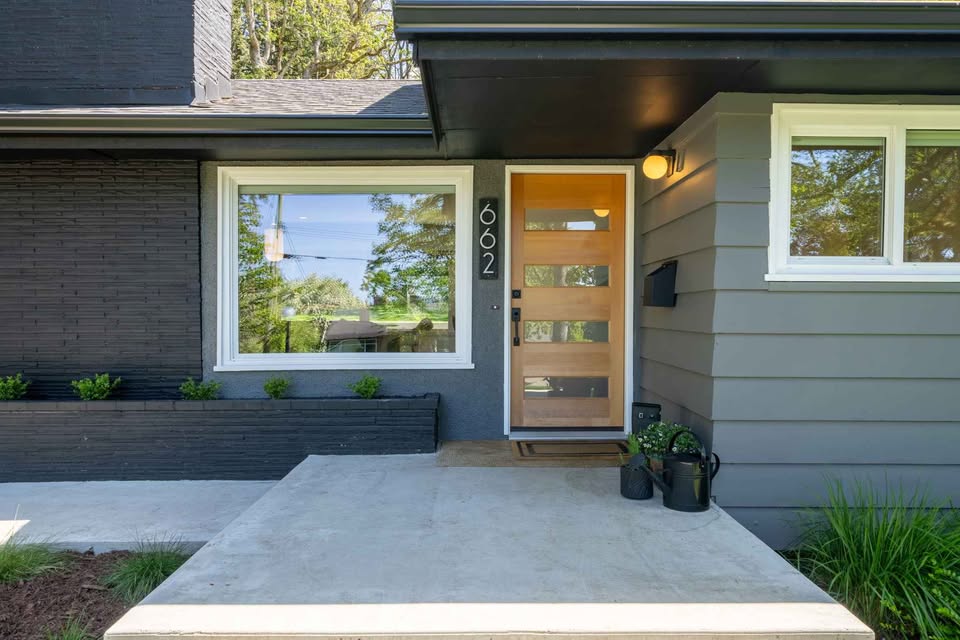
Active listings in Greater Victoria are an important number to watch, but they do not tell the whole story on their own. Active listings in Greater Victoria show how much choice buyers have at a specific point in time, but they do not explain how quickly homes are selling, which price ranges are moving, or how different neighbourhoods are behaving. That matters because real estate headlines often focus on one number. Inventory is up. Sales are down. Prices are steady. Buyers have more choice. Sellers have more competition. Each statement may be true, but none of them gives the full picture by itself. More Listings Do Not Always Mean a Weak Market At the end of April 2026, the Victoria Real Estate Board reported 3,710 active listings for sale on the MLS, up 13.8% from March and 8.3% from April 2025. VREB also reported 643 property sales in April 2026, almost unchanged from April 2025 and up 11.1% from March. That combination matters. More listings can mean buyers have more choice. It can also mean sellers feel more competition. However, if sales remain steady, the market may still be balanced rather than weak. This is why inventory needs context. A market with more listings and weak demand feels very different from a market with more listings and steady buyer activity. The Type of Inventory Matters Not all listings compete with each other. A downtown condo is not competing with a Saanich family home in the same way. A Langford townhome may attract a different buyer than a waterfront property in Cordova Bay. A renovated home priced well may receive strong interest, while a similar property with deferred maintenance may sit longer. Buyers and sellers need to look beyond the total inventory number and ask: What type of homes are available? Which price ranges have the most competition? How much of the inventory is well-priced? How much of it needs major updates? Are buyers active in this specific segment? Are similar homes selling, or just sitting? A higher number of listings does not automatically mean buyers have more good options. Sometimes it means they have more to sort through. Sales Activity Tells You Whether Buyers Are Responding Active listings show supply. Sales show demand. When inventory rises but sales also remain active, it often points to a more balanced market. Buyers have more time to compare, but strong properties can still sell. Sellers may need to be more careful with pricing and presentation, but they are not necessarily in a distressed position. VREB described the April 2026 Greater Victoria market as balanced, with strong inventory and a wide range of properties at different price points. VREB also noted that market experience can vary depending on location and property type because Greater Victoria is made up of many micro-markets. That last point is key. The overall market may be balanced, while one neighbourhood feels competitive and another feels slower. Price Does Not Move the Same Way Everywhere Inventory levels can influence prices, but they do not control prices on their own. In April 2026, the MLS Home Price Index benchmark value for a single-family home in the Victoria Core was $1,339,100, down 1.2% from April 2025 but up from March 2026. The condo benchmark value in the Victoria Core was $558,300, down 0.8% from April 2025 but also up from March. This shows why simple market narratives can mislead people. A buyer may hear that inventory is up and expect major discounts. A seller may hear that prices are stable and assume their home can be priced aggressively. Both can be wrong. Pricing depends on condition, location, property type, buyer demand, competing listings, and recent comparable sales. Days on Market and Price Reductions Add More Clarity Active listings tell you what is available today. They do not show the full behaviour behind the market. To understand what is really happening, buyers and sellers should also look at: Days on market Recent sale prices List-to-sale price ratios Price reductions New listings coming on Expired or cancelled listings Competing inventory by neighbourhood Showing activity Offer activity These details help explain whether listings are building because homes are overpriced, because more sellers are entering the market, or because buyers are taking longer to decide. That distinction matters. What This Means for Buyers For buyers, more active listings can create better choice and less pressure. It may also create more confusion. When there are more options, it becomes easier to compare homes but harder to decide. Buyers may hesitate, hoping something better will appear. That can be reasonable in some segments, but risky in others. A strong buyer strategy should focus on: Knowing which neighbourhoods fit your lifestyle Comparing property condition carefully Watching how long similar homes are taking to sell Understanding whether the list price reflects current market reality Staying ready when a well-priced home appears More inventory gives buyers breathing room, but it does not remove the need for preparation. What This Means for Sellers For sellers, more active listings usually means presentation and pricing matter more. When buyers have more choice, they compare more carefully. They notice condition, layout, updates, maintenance, location, and price. A listing that may have stood out in a lower-inventory market may need stronger positioning when similar homes are available. Sellers should pay close attention to: How their home compares to active competition Whether recent sales support the asking price How buyers are responding after showings Whether the first two weeks generate enough interest Which improvements may improve buyer confidence Whether the marketing clearly explains the home’s value In a balanced market, sellers can still do well. They just need to compete on value, not assumption. The Better Question Is Not Just “How Many Listings Are There?” The better question is: what do the listings mean? Active listings are useful, but they are only one part of the market story. The number becomes more meaningful when paired with sales activity, buyer demand, pricing trends, property type, condition, and neighbourhood-level competition. For buyers, the goal is not just to find more homes. It is to find the right home at the right value. For sellers, the goal is not just to list in a market with activity. It is to position the home clearly within the choices buyers already have. If you are trying to understand what today’s inventory means for your next move, contact Faber Real Estate Group for local advice, current market insight, and a strategy based on your specific neighbourhood, price range, and goals. Michael F., 5-Star Review, via Google “If you want the best in town, stop your search – you've found them here in Cal and Scott Faber. We couldn't be happier with the results and highly recommend them to anyone in need of top-notch real estate services. Professional, patient, and caring results guaranteed.” Faber Real Estate GroupRoyal LePage Coast Capital Realty📞 250-244-3430📧 [email protected]ℹ️ Scott Faber Personal Real Estate Corporationℹ️ Cal Faber Personal Real Estate CorporationVanessa Wood, Zachary Parsons, and Sophie Taylor“Building Lasting Relationships, One Home at a Time.”
Read more
For many Saanich real estate buyers, the appeal is not about one single feature. It is the combination of location, housing variety, amenities, schools, parks, and long-term livability. Saanich may not always feel as trendy as some smaller neighbourhood pockets in Greater Victoria, but that is part of its strength. It works for a wide range of buyers because it offers practical options for different stages of life. Saanich is one of those areas where buyers can often solve more than one problem at once. A family may want space, school access, and parks nearby. A downsizer may want a quieter setting without feeling cut off from services. A professional may want a reasonable commute to downtown Victoria, UVic, Camosun, Royal Oak, Uptown, or the hospital area. That flexibility is a major reason Saanich continues to hold buyer interest. Saanich Offers More Than One Type of Lifestyle One of the biggest advantages of Saanich is that it does not feel like one single market. Some areas feel suburban and family-oriented. Others feel more established, quiet, or semi-rural. In certain pockets, buyers can be close to beaches, trails, shopping, recreation, or major commuter routes. That variety gives Saanich real estate buyers more room to compare lifestyle, budget, and long-term needs. For example, Gordon Head may appeal to buyers who want schools, UVic access, and established residential streets. Broadmead often attracts buyers looking for larger homes, privacy, and a quieter setting. Royal Oak offers strong convenience with shopping, transit, and access to both the Peninsula and downtown Victoria. Cordova Bay brings a coastal feel, while Lakehill, Glanford, and the Quadra area can offer practical central access. The key is that Saanich gives buyers choices without forcing them into one narrow lifestyle category. Location Is a Major Practical Advantage Saanich sits in a useful position within Greater Victoria. Depending on the neighbourhood, buyers can be close to downtown Victoria, UVic, Camosun College, Royal Oak, Uptown, Mount Douglas, Cadboro Bay, Swan Lake, or the Pat Bay Highway. That matters because daily life often has more influence on satisfaction than square footage alone. A home may look great on paper, but buyers also need to think about: Commute patterns School and daycare access Grocery and pharmacy options Transit routes Recreation centres Trail and park access Future resale appeal Saanich performs well because many neighbourhoods balance residential comfort with daily convenience. That balance can make ownership feel easier over time. Parks and Outdoor Access Add Everyday Value Saanich has more than 170 parks, more than 100 kilometres of trails, over 8.25 square kilometres of parkland, 62 sports fields, 56 playgrounds, and 37 beach accesses, according to the District of Saanich. That is not just a lifestyle bonus. It affects how people live day to day. For families, parks and playgrounds can make a neighbourhood feel more usable. For pet owners, nearby trails can be a major factor. For downsizers, walkable green space can help support a more active, connected lifestyle. For long-term owners, proximity to parks and recreation can also support resale appeal. PKOLS, also known as Mount Douglas Park, is one of Saanich’s strongest examples. The District of Saanich notes that the park covers 188 hectares and includes more than 21 kilometres of trails. That kind of access is hard to recreate in newer, more densely built areas. Housing Variety Gives Buyers More Ways to Enter the Market Saanich includes detached homes, townhomes, condos, duplexes, older character homes, renovated family homes, larger lots, and strata options. This matters because not every buyer wants the same ownership experience. Some buyers are looking for a long-term family home. Others want lower maintenance. Some want suite potential. Others want a condo close to services. Saanich can often support several of those goals within the same municipality, although price points and availability vary significantly by neighbourhood. In the current Greater Victoria market, choice matters. The Victoria Real Estate Board reported 3,710 active listings at the end of April 2026, up 8.3% from April 2025. More inventory gives buyers more room to compare options, but it also makes local guidance more important. Saanich is not one market. A detached home in Cordova Bay is not competing with the same buyer as a condo near Uptown or a family home in Glanford. Buyers need to understand the micro-market before deciding what value really means. Practical Does Not Mean Boring Sometimes buyers overlook practical areas because they are searching for a certain feeling. They may want charm, walkability, views, a larger yard, or a newer finish. Those things matter. However, practical value often shows up after move-in. It appears when the commute is manageable. It appears when errands are close. It appears when the home still works after a family grows, work changes, or retirement plans shift. It appears when a buyer realizes the location gives them options instead of limitations. That is where Saanich continues to stand out. It may not always be the flashiest choice, but it can be one of the most durable choices. What Buyers Should Watch Before Choosing a Saanich Home Saanich offers strong long-term appeal, but buyers still need to compare homes carefully. Neighbourhood, condition, zoning, strata rules, drainage, sun exposure, parking, suite potential, and future maintenance can all affect value. Before buying in Saanich, it is worth asking: Does this location fit your daily routine? Is the home priced fairly for its specific neighbourhood? Are there upcoming repairs or upgrades to consider? Does the floor plan support your next five to ten years? How does this property compare to similar homes nearby? Will the location still appeal to future buyers? A practical purchase is not just about buying in a strong municipality. It is about choosing the right home within the right pocket of that municipality. Final Thoughts Saanich remains a practical choice for many buyers because it offers a rare mix of convenience, outdoor access, housing variety, and long-term livability. It gives buyers options without pushing them too far from the core of Greater Victoria. For Saanich real estate buyers, the best decision is not always the biggest home, the newest finish, or the lowest price. The better question is whether the home supports real life over time. In many cases, Saanich continues to do exactly that. If you are thinking about buying in Saanich or comparing neighbourhoods across Greater Victoria, contact Faber Real Estate Group for local advice, current market insight, and a clear strategy before you make your next move. Shannon R., 5-Star Review, via Google It was a pleasure to work with Scott Faber and Faber Real Estate Group. When I started looking for my first home in August 2021, I had some pretty specific requirements. Scott is a really knowledgeable Agent who also took the time to understand what I was looking for. I never felt pressured into making a decision that wasn't my own, but always valued his honest opinion and guidance when needed. It took close to 9 months, but we found a great place that checked all the boxes, that I'm excited to call home. I appreciate the whole team's effort, support and patience throughout this journey and as a first time home buyer I could not be happier with my experience with Faber Real Estate Group.” Faber Real Estate GroupRoyal LePage Coast Capital Realty📞 250-244-3430📧 [email protected]ℹ️ Scott Faber Personal Real Estate Corporationℹ️ Cal Faber Personal Real Estate CorporationVanessa Wood, Zachary Parsons, and Sophie Taylor“Building Lasting Relationships, One Home at a Time.”
Read more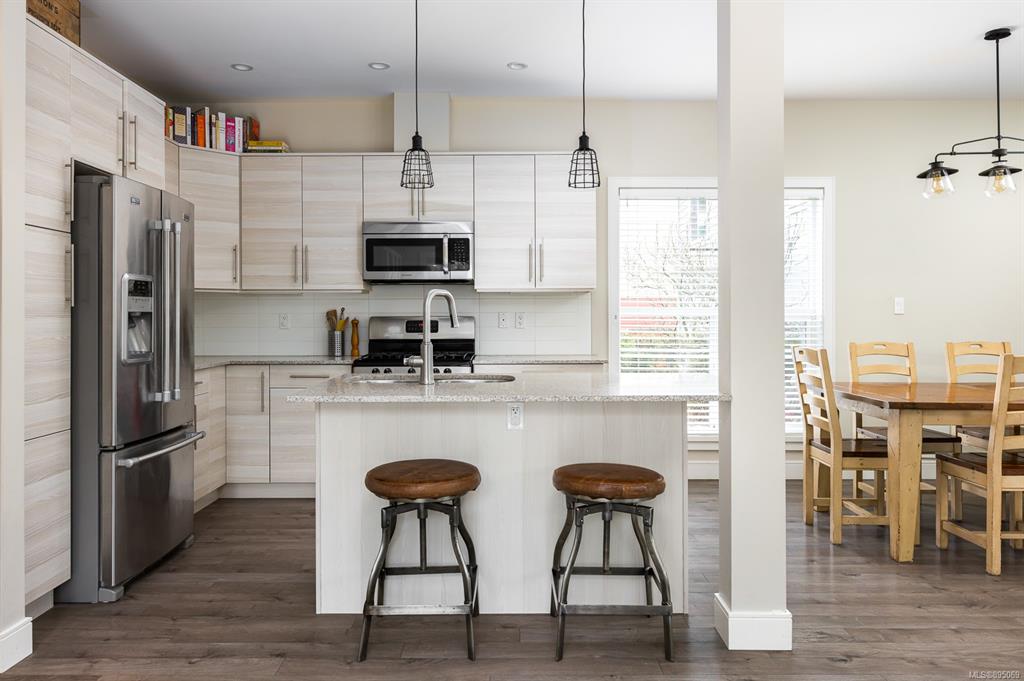
The $800K to $1M range feels competitive in Greater Victoria because it attracts several buyer groups at once. First-time buyers stretching their budget, move-up buyers looking for more space, downsizers wanting comfort, and investors watching long-term value can all end up looking at similar properties. That does not mean every home in this price range receives multiple offers. It means the best homes often attract focused attention quickly, especially when they are well priced, well located, and easy to move into. Why This Price Range Matters In Greater Victoria, the $800K to $1M range can represent very different options depending on the neighbourhood. In some areas, it may mean a larger condo or townhome. In others, it may open the door to an older detached home, a smaller family home, or a property that needs updates. This is why buyers in this price range often feel like they are comparing very different trade-offs. They may be asking: Do we choose location or more space? Do we buy newer and smaller, or older with more potential? Should we stay closer to Victoria, or look further into the Westshore? Is it better to accept renovation work, or pay more for move-in-ready condition? Those questions create competition because many buyers are trying to solve the same affordability problem in different ways. More Inventory Does Not Mean Every Home Is Easy to Buy Greater Victoria has offered buyers more choice recently, but that does not remove competition from every segment. A balanced market can still feel competitive when many buyers focus on the same price band. This is especially true for homes that check the most common boxes. Buyers tend to respond quickly when a home offers a good layout, practical parking, manageable maintenance, strong location, outdoor space, and a price that feels fair compared to recent sales. That type of property is easier to understand. It also feels easier to justify. The Best Homes Still Stand Out Buyers today are more selective, but they are not inactive. When a home feels fairly priced and does not require a long list of compromises, it can still move quickly. In the $800K to $1M range, competition often comes down to quality. A home with good presentation, a functional floor plan, and fewer obvious future costs can stand out against properties that feel dated, awkward, or overpriced. This explains why some listings sit while others receive strong interest right away. The market is not treating every property the same. Detached Homes Create Extra Pressure For many buyers, this price range is where detached home ownership may still feel possible in parts of Greater Victoria. That makes the segment more emotional and more competitive. A buyer may not be comparing one detached home to another. They may be comparing several different lifestyles at once. Common options include: A detached home farther from town A townhome in a more central location A larger condo with lower maintenance An older home with renovation potential A newer home with less outdoor space When detached inventory appears in this price range, buyers often look closely. There may not be many options that fit both their budget and lifestyle goals. Townhomes Can Be Just as Competitive Townhomes in this range often appeal to a wide group of buyers. They can offer more space than a condo, less upkeep than a detached home, and a layout that works for families, downsizers, and professionals. That broad appeal creates demand. A well-located townhome with parking, storage, outdoor space, and reasonable strata fees can attract buyers from several directions. Some may be priced out of detached homes. Others may prefer lower maintenance without giving up too much space. This overlap is one reason the $800K to $1M range can feel tighter than the overall market suggests. Buyers Are Competing on Certainty, Not Just Price In a competitive segment, the highest offer does not always win by price alone. Sellers also look at confidence, timing, conditions, deposit strength, and how clean the offer is. That does not mean buyers should waive important protections without understanding the risk. It means preparation matters. Before writing an offer, buyers should be clear on: Financing comfort Deposit availability Inspection strategy Subject removal timeline Recent comparable sales The property’s likely resale appeal What they are willing to compromise on Strong preparation helps buyers move with confidence instead of reacting under pressure. Sellers Still Need to Be Careful For sellers, the $800K to $1M range can be a strong segment, but success is not automatic. Buyers have more information, more listings to compare, and less patience for ambitious pricing. A seller who assumes competition will solve everything can miss the mark. Presentation, pricing, and condition still matter. The strongest results often come from making the home easy to understand, easy to view, and easy to compare against recent sales. When buyers can quickly see the value, they are more likely to act. The Bottom Line The $800K to $1M range feels competitive because it captures many of the most practical buyer needs in Greater Victoria. It is where lifestyle, affordability, space, and long-term value often meet. For buyers, the key is preparation. For sellers, the key is positioning. In both cases, success comes from understanding the micro-market, not relying on broad headlines. If you are buying or selling in this price range, contact Faber Real Estate Group for advice on pricing, strategy, and how to make confident decisions in the Greater Victoria market. Justine D., 5-Star Review, via Google “Cal and Scott treated us like family. We had only 5 days to find a home and Cal cleared his schedule to make himself available to us. Cal guided us in the purchase of our home, as if we were a member of his family asking for advice. I knew we could trust Cal. His service to us did not stop with the purchase of our home…he helped us find trades people and provided information about rental incomes in the area. We were new to the Island and I honestly felt that Cal adopted us and has made sure we had everything we needed. We did not just gain a realtor, but a friend. If you are looking for a realtor you can TRUST, and will look out for YOUR interests— then Cal and Scott are IT!!! I would recommend them to anyone looking to buy a home on the Island. I should also mention that Cal negotiated an amazing price on the purchase of our home and made sure if something was not right when we took possession that it would be taken care of. Cal and Scott and realtors with integrity and kindness..” Faber Real Estate Group Royal LePage Coast Capital Realty 📞 250-244-3430 📧 [email protected] ℹ️ Scott Faber Personal Real Estate Corporation ℹ️ Cal Faber Personal Real Estate Corporation Vanessa Wood, Zachary Parsons, and Sophie Taylor “Building Lasting Relationships, One Home at a Time.”
Read more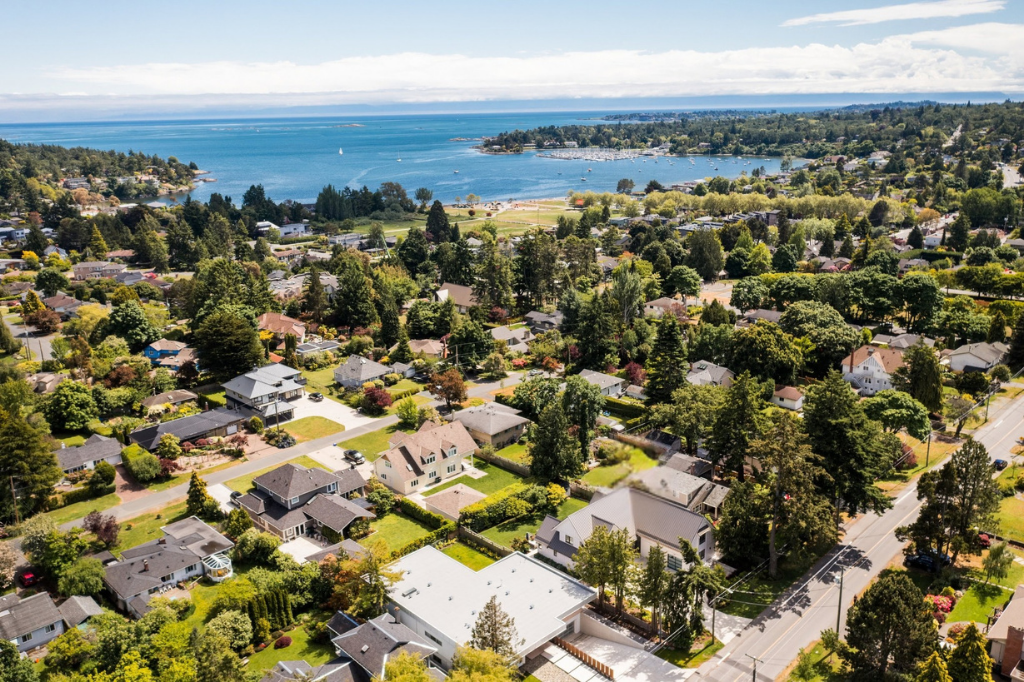
Greater Victoria real estate micro-markets can feel confusing because the region does not move as one single market. A condo in downtown Victoria, a family home in Gordon Head, a townhome in Langford, and a character home in Oak Bay can all respond differently to the same interest rate environment, inventory level, or buyer mood. That is why broad market headlines can only tell part of the story. According to the Victoria Real Estate Board, there were 3,710 active listings on the MLS® at the end of April 2026, up 8.3% from April 2025. The Board also described the overall market as balanced, while noting that buyer and seller experiences can vary depending on property type and location. That last point matters most. A Balanced Market Does Not Mean Every Area Feels Balanced When people hear that the market is balanced, they often assume every neighbourhood is moving at the same pace. That is rarely true. One area may have strong demand for detached homes because families want school access, yard space, and long-term livability. Another area may have slower condo activity because buyers have more choice, higher strata scrutiny, or stronger price sensitivity. A balanced regional market can still contain: Competitive pockets Slower-moving property types Price-sensitive segments High-demand neighbourhoods Listings that need sharper pricing to stand out This is why Greater Victoria real estate micro-markets require more than a regional average. Property Type Changes Everything A detached home, townhouse, condo, acreage property, and new-build unit can all behave differently. For example, buyers comparing condos may focus on strata fees, depreciation reports, insurance, amenities, parking, and building age. Buyers looking at detached homes may care more about lot size, renovation history, suite potential, roof condition, schools, and outdoor space. Even within the same neighbourhood, two property types can have very different buyer pools. A well-priced townhouse in a walkable area may attract strong interest, while a nearby condo with high strata fees may move more slowly. A dated detached home may sit if it needs major work, while a well-maintained home nearby may sell quickly because buyers value certainty. Neighbourhood Lifestyle Drives Buyer Demand Greater Victoria is not just a collection of price points. It is a collection of lifestyles. Buyers are often choosing between very different versions of daily life: Walkability in Fairfield, James Bay, Cook Street Village, or Fernwood Space and newer homes in Langford, Colwood, or View Royal Quiet residential streets in Gordon Head, Cordova Bay, or Oak Bay Waterfront access in Sidney, Saanich Peninsula, or Esquimalt Rural privacy in Metchosin, Central Saanich, or parts of Highlands These choices are emotional as much as financial. A buyer who wants cafés, transit, and walkability may accept less square footage. A buyer who wants a garage, yard, and newer construction may look further from the core. A downsizer may prioritize elevator access, storage, and a quiet building over a larger floor plan. That is why two homes at the same price can feel completely different in value. Price Brackets Create Their Own Markets Price point is another reason local real estate behaves differently. A home listed around a first-time buyer budget may attract a very different buyer group than a home listed above $1.5 million. Financing, affordability, insurance, strata fees, renovation costs, and property transfer tax considerations can all influence how active buyers feel at each level. In some price ranges, buyers may move quickly because quality options are limited. In others, they may compare more carefully because there are more listings to choose from. For sellers, this means pricing cannot rely only on what the neighbour sold for. It needs to consider: The current competition Buyer affordability at that price point Days on market for similar homes Recent comparable sales Property condition How much choice buyers have today The right pricing strategy depends on the specific buyer pool, not just the address. Condition Matters More When Buyers Have Choice When inventory rises, buyers tend to become more selective. In April 2026, Greater Victoria had more active listings than the previous year, giving buyers more options across many parts of the region. That does not mean every buyer has endless choice, but it does mean sellers need to understand how their home compares in real time. In a market with more selection, buyers often look closely at: Roof age Windows Heating systems Strata documents Depreciation reports Drainage Electrical updates Renovation quality Storage and parking Long-term maintenance costs A home does not need to be perfect. It needs to be clearly positioned. A well-maintained home gives buyers confidence. A home with unclear maintenance history may create hesitation, even if the price seems reasonable. Buyers and Sellers Need Local Context, Not Just Market Averages Averages can help explain the direction of the market. They do not tell you what to offer on one specific home or how to price one specific listing. For buyers, local context helps answer better questions: Is this home priced fairly for this neighbourhood? How much competition is there for this property type? Are buyers moving quickly here or taking their time? Is this location likely to support long-term resale demand? What trade-offs are normal at this price point? For sellers, local context helps avoid two common mistakes: Overpricing based on old market momentum Underestimating buyer demand in a strong pocket Good strategy starts with the micro-market, not the headline. What This Means If You Are Buying When buying in Greater Victoria, it helps to compare homes by lifestyle, property type, and long-term fit rather than price alone. A condo in the core may offer walkability and convenience. A townhouse in the Westshore may offer more space and newer construction. A detached home in Saanich may offer long-term flexibility, but may also come with higher maintenance needs. The better question is not simply, “Is this a good deal?” A better question is, “Is this the right trade-off for the way I want to live, the budget I have, and the resale value I want to protect?” What This Means If You Are Selling When selling, the goal is not to price for the entire region. The goal is to price for the buyers most likely to choose your home. That means looking closely at: Your neighbourhood Your property type Your condition level Your competition Your timing Your likely buyer profile A strong listing strategy should explain why your home makes sense in its specific market. That may mean highlighting walkability, updates, outdoor space, suite potential, strata strength, school proximity, or lifestyle convenience. The more specific the positioning, the easier it is for the right buyer to understand the value. The Bottom Line Greater Victoria real estate micro-markets matter because buyers are not shopping the region in one uniform way. They are comparing neighbourhoods, lifestyles, building types, costs, risks, and long-term fit. That is why the best advice is rarely generic. Whether you are buying or selling, the real value comes from understanding the specific market you are in, not just the market everyone is talking about. For advice on how your neighbourhood, property type, or price range is performing in today’s Greater Victoria real estate market, contact Faber Real Estate Group. Darren L., 5-Star Review, via Google “Fabulous job from Cal, Scott and Vanessa. They were professional, have strong negotiating skills and had a proactive strategy as the house sold very quickly (within a day the offer was accepted) and for the asking price. We were at ease with Cal and the team once we decided to go with them after interviewing other realty groups. It was definitely a smooth experience to say the least. Highly recommending the Faber Group if you’re buy or selling. Truly a group that is there to put the client first and foremost.” Faber Real Estate Group Royal LePage Coast Capital Realty 📞 250-244-3430 📧 [email protected] ℹ️ Scott Faber Personal Real Estate Corporation ℹ️ Cal Faber Personal Real Estate Corporation Vanessa Wood, Zachary Parsons, and Sophie Taylor “Building Lasting Relationships, One Home at a Time.”
Read more
The Spring 2026 Greater Victoria real estate market is teaching buyers and sellers the same lesson from different angles: more choice does not remove the need for strategy. Buyers have more room to compare. Sellers have more competition. But the market has not become simple. Good homes still attract attention, overpriced listings still struggle, and broad headlines still miss the details that matter most. In April 2026, the Victoria Real Estate Board reported 643 property sales, almost unchanged from 642 sales in April 2025, and up 11.1% from March 2026. Active listings reached 3,710 at month-end, up 13.8% from March and 8.3% from April 2025. More Listings Are Giving Buyers Breathing Room The biggest shift this spring is choice. Buyers are seeing more homes come to market, which can reduce some of the pressure that comes with rushed decisions. Instead of feeling forced to act on every suitable listing, buyers can compare more carefully. That extra choice can help buyers: Review condition more thoughtfully Compare neighbourhoods more clearly Ask better questions Include appropriate conditions Think through long-term costs Avoid panic-based decisions This does not mean every buyer has strong negotiating power. It means buyers have more room to make informed decisions, especially in property segments with more available inventory. Stable Demand Still Matters More listings do not automatically mean prices fall quickly. Spring 2026 has shown that buyer demand is still present. Sales increased from March to April, and April sales were almost identical to the same month last year. That suggests buyers have not disappeared. They are simply being more selective. This is important for both sides. Buyers should not assume every seller will accept a major discount. Sellers should not assume that demand alone will carry an overpriced listing. The market is active, but more careful. Prices Are Moving Differently by Segment The Spring 2026 Greater Victoria real estate market also shows why local details matter. In the Victoria Core, the single-family benchmark price was $1,339,100 in April 2026, down 1.2% from April 2025 but up from March 2026. The condo benchmark was $558,300, down 0.8% year-over-year. Those are not dramatic year-over-year changes. They point to a market where pricing has softened in some areas, but not collapsed. This is why buyers and sellers should be careful with broad statements like “prices are dropping” or “the market is strong.” Both can be true in different pockets. Buyers Are Learning to Be Patient, Not Passive Spring 2026 is teaching buyers that patience can be useful, but passivity can be costly. A buyer who waits thoughtfully may avoid overpaying or choosing the wrong home. But a buyer who assumes better options will always appear may miss a property that fits their budget, lifestyle, and long-term needs. The better approach is to be prepared. Buyers should know: Their financing range Their ideal neighbourhoods Their non-negotiables Their flexible items Their comfort level with repairs Their monthly carrying costs Their offer strategy before the right home appears More choice helps most when buyers already know what they are looking for. Sellers Are Learning That Presentation Matters When buyers have more options, listing presentation becomes more important. A home that is clean, well-prepared, properly priced, and easy to understand has a better chance of standing out. A home with poor photos, unclear value, deferred maintenance, or an ambitious price may sit longer. Spring 2026 is reminding sellers that the launch matters. Before listing, sellers should think carefully about: Pricing strategy Competing listings Showing condition Repairs and touch-ups Professional photography Listing copy Floor plans Storage and decluttering Curb appeal Buyer objections Presentation is not about pretending a home is perfect. It is about reducing buyer hesitation. Sellers Are Also Learning to Listen Faster In a market with more listings, feedback becomes more valuable. If showings are low, the market may be rejecting the price, presentation, or marketing. If showings are strong but offers are not coming, buyers may like the home but see risk, condition issues, or better value elsewhere. Sellers do not need to react emotionally to every comment. But they should look for patterns. Useful questions include: Are buyers comparing this home to stronger options? Is the price aligned with current competition? Are the photos creating enough interest? Are showings producing consistent objections? Is the home easy to access? Does the property feel move-in ready for the price? The faster sellers understand the feedback, the easier it is to adjust strategically. Micro-Markets Still Matter Most Greater Victoria is not one market. A condo in downtown Victoria, a family home in Saanich, a townhouse in Langford, a downsizer property in Sidney, and a character home near Cook Street Village can all behave differently in the same season. Spring 2026 is reinforcing that buyers and sellers need property-specific advice, not just market headlines. The right strategy depends on: Municipality Neighbourhood Property type Price range Condition Strata health Lot size Walkability School catchment Buyer pool This is where broad statistics become a starting point, not the final answer. What Buyers Should Take From Spring 2026 For buyers, the lesson is simple: use the extra choice well. That means slowing down enough to compare, but staying ready enough to act when the right home appears. A strong buyer strategy includes: Reviewing new listings regularly Understanding fair market value Comparing total monthly costs Reading strata and title details carefully Keeping financing up to date Avoiding emotional overreaction Writing offers that match the property and market The best buyers this spring are not necessarily the most aggressive. They are the most prepared. What Sellers Should Take From Spring 2026 For sellers, the lesson is equally clear: the market will reward clarity. A listing needs to make sense from the first online impression through the showing and negotiation process. A strong seller strategy includes: Pricing with current competition in mind Preparing the home before launch Removing unnecessary buyer objections Marketing the property clearly Tracking showing activity Responding to feedback Adjusting before the listing feels stale Sellers can still do well in this market. But strategy matters more when buyers have options. The Bottom Line The Spring 2026 Greater Victoria real estate market is balanced, active, and more selective. Buyers have more choice, but not unlimited leverage. Sellers still have opportunity, but they need stronger pricing, preparation, and presentation. This spring is not teaching buyers and sellers to wait on the sidelines. It is teaching them to make better decisions. For advice on buying or selling in Greater Victoria’s current market, contact Faber Real Estate Group for clear, local guidance before making your next move. Gigi S., 5-Star Review, via Google Scott and his team are a highly professional group . Scott is a very friendly person , cares for needs and requirements of his client . He makes sure that the property you are buying is your dream place and where you would like to see yourself staying forever. I'm glad that we found such a great realtor. Faber Real Estate Group Royal LePage Coast Capital Realty 📞 250-244-3430 📧 [email protected] ℹ️ Scott Faber Personal Real Estate Corporation ℹ️ Cal Faber Personal Real Estate Corporation Vanessa Wood, Zachary Parsons, and Sophie Taylor “Building Lasting Relationships, One Home at a Time.”
Read more
Rockland Victoria real estate has a different feeling from many other neighbourhoods in the city. It is close to downtown, Cook Street Village, Fairfield, Oak Bay, and the Inner Harbour, yet it often feels quieter, older, and more established than its central location suggests. For buyers, Rockland offers character, mature streetscapes, heritage architecture, and a strong sense of place. For sellers, it offers something equally important: scarcity. There are many neighbourhoods in Victoria with convenience, but fewer with Rockland’s combination of history, privacy, scale, and location. Where Is Rockland? Rockland sits just east of downtown Victoria and north of Fairfield, with Oak Bay nearby to the east. It is one of the city’s most historic residential areas and is closely associated with landmarks such as Government House and Craigdarroch Castle. Government House is located in the heart of Rockland and serves as the office and official residence of British Columbia’s Lieutenant Governor. Craigdarroch Castle, a National Historic Site, is another defining landmark in the area and remains one of Victoria’s best-known heritage properties. That setting gives Rockland a distinct identity. It is not simply a place to live near downtown. It is a neighbourhood shaped by architecture, gardens, history, and long-standing residential character. What Makes Rockland Appealing? Rockland appeals to buyers who value atmosphere as much as square footage. Many streets feel established and quiet, with mature trees, larger lots, stone walls, heritage details, and homes that reflect different chapters of Victoria’s growth. The Rockland Neighbourhood Association describes the area’s walking tour as passing through stately mansions, Garry oak parkland, Government House, Craigdarroch Castle, and the Art Gallery of Greater Victoria. That mix of residential charm, green space, and cultural landmarks is a major part of the neighbourhood’s lasting appeal. For many buyers, Rockland works because it offers: A central Victoria location without a dense downtown feel Character homes and heritage properties Mature landscaping and established streets Proximity to Fairfield, Oak Bay, downtown, and Cook Street Village A quieter residential feel close to major amenities Strong long-term lifestyle appeal It is not the right fit for every buyer, but for those who value history, location, and architectural character, Rockland can be hard to replace. The Housing Style in Rockland Rockland is best known for heritage homes, character properties, elegant older residences, and distinctive architecture. Some homes are grand and historic, while others are smaller character properties, strata conversions, townhomes, or condominium residences tucked into the area. This variety matters. Buyers sometimes assume Rockland is only for large estate-style homes, but the neighbourhood can offer more range than expected. That said, the supply of homes is limited compared with larger areas of Greater Victoria, and unique properties may not come up often. Because many homes are older, buyers should look carefully at: Building age and past updates Electrical, plumbing, roof, and perimeter drainage Heritage designation or character-related restrictions Renovation history and permits Energy efficiency and heating systems Long-term maintenance expectations Lot slope, retaining walls, and landscaping needs A beautiful character home can be a strong long-term purchase, but it needs proper due diligence. In Rockland Victoria real estate, charm should be balanced with a clear understanding of upkeep, renovation limits, and future resale considerations. Why Buyers Are Drawn to Rockland Rockland tends to attract buyers who are not only comparing bedrooms, bathrooms, and price per square foot. They are often comparing lifestyle. They may want to be close to downtown without living in a busier urban setting. They may want a home with history rather than a newer subdivision feel. They may want walkability, privacy, mature gardens, and proximity to schools, parks, restaurants, and cultural amenities. That emotional appeal is powerful. Rockland feels established because it is established. Buyers who connect with the area often do so quickly because the neighbourhood has a clear identity. However, that emotional response should still be paired with practical questions: Does the home fit your daily routine? Are the maintenance expectations realistic? Is the layout functional for your stage of life? Are future renovations possible? How does the property compare with nearby Fairfield, Oak Bay, Fernwood, and downtown options? Are you paying for location, architecture, land value, or all three? The best Rockland purchase is not just the most beautiful home. It is the one that fits your lifestyle, budget, and long-term ownership plan. What Sellers Should Know About Rockland Selling in Rockland requires a different strategy than selling a more typical suburban home. Buyers are often responding to story, setting, architecture, and scarcity. That means presentation matters. A strong Rockland listing should explain more than the number of rooms. It should help buyers understand the home’s character, the setting, the street, the updates, and the lifestyle. For sellers, the most important strategy points are: Highlight architectural features without overstating them Be clear about updates, maintenance, and improvements Use professional photography that captures light, gardens, and setting Prepare documentation for renovations, permits, and major systems Price based on comparable value, not just neighbourhood prestige Make the home feel cared for, not just historic In a neighbourhood like Rockland, buyers may forgive age, but they are less likely to forgive uncertainty. Clear information can reduce hesitation and help serious buyers move forward with more confidence. How Rockland Fits the Current Victoria Market Greater Victoria continues to be a market where neighbourhood conditions matter. The Victoria Real Estate Board reported 643 total property sales in April 2026, nearly unchanged from April 2025, while overall market activity increased from March 2026. This reflects a spring market with activity, but also one where buyers continue to compare options carefully. That matters in Rockland because buyers are selective at higher price points and with older homes. They are not only asking whether they like the property. They are asking whether the price, condition, location, and long-term costs all make sense. For buyers, this means preparation matters. For sellers, it means the listing needs to compete on clarity, value, and presentation. Is Rockland Right for You? Rockland may be a strong fit if you value character, centrality, mature streets, and a quieter residential setting close to Victoria’s core. It may not be the best fit if you want newer construction, large modern floor plans, lower-maintenance housing, or a more suburban layout. The key is to compare Rockland honestly against nearby alternatives. Fairfield may offer stronger access to the ocean and village lifestyle. Oak Bay may offer a different school and community feel. Fernwood may offer a more eclectic energy. Downtown may offer more condo convenience. Rockland’s strength is its balance. It offers history, location, privacy, and beauty in a way that few Victoria neighbourhoods can match. Final Thoughts Rockland Victoria real estate stands apart because it offers more than housing. It offers a sense of permanence, character, and connection to Victoria’s history. For buyers, that can make the neighbourhood deeply appealing. For sellers, it creates a valuable opportunity when the property is positioned properly. The best decisions in Rockland come from balancing emotion with due diligence. A home may feel timeless, but the strategy behind buying or selling it still needs to be current, careful, and grounded in local market knowledge. If you are thinking about buying or selling in Rockland, Faber Real Estate Group can help you understand the neighbourhood, compare your options, and make a confident decision based on your goals. Shannon R., 5-Star Review, via Google It was a pleasure to work with Scott Faber and Faber Real Estate Group. When I started looking for my first home in August 2021, I had some pretty specific requirements. Scott is a really knowledgeable Agent who also took the time to understand what I was looking for. I never felt pressured into making a decision that wasn't my own, but always valued his honest opinion and guidance when needed. It took close to 9 months, but we found a great place that checked all the boxes, that I'm excited to call home.I appreciate the whole team's effort, support and patience throughout this journey and as a first time home buyer I could not be happier with my experience with Faber Real Estate Group.” Faber Real Estate GroupRoyal LePage Coast Capital Realty📞 250-244-3430📧 [email protected]ℹ️ Scott Faber Personal Real Estate Corporationℹ️ Cal Faber Personal Real Estate CorporationVanessa Wood, Zachary Parsons, and Sophie Taylor“Building Lasting Relationships, One Home at a Time.”
Read more
More Housing Choice in Victoria is becoming a bigger part of the local real estate conversation. For buyers, it may create more options between a condo and a detached house. For sellers, it may change how some properties are viewed, especially when the land, location, and zoning support future flexibility. The idea is simple. Instead of only having detached homes on one end and larger apartment buildings on the other, more housing choice allows for smaller-scale homes in between. This can include duplexes, townhomes, houseplexes, garden suites, secondary suites, and other forms of small-scale multi-unit housing. In a city where affordability, location, and lifestyle all matter, that middle ground is becoming more important. Why More Housing Choice Matters For many Victoria buyers, the jump from a condo to a detached house has become difficult. Prices, maintenance costs, insurance, property taxes, and renovation expenses all shape what feels realistic. More housing choice gives buyers another path. Instead of choosing only between a condo or a full detached home, buyers may be able to consider homes that offer: More space than a typical condo Less maintenance than a detached house A private entrance Some outdoor space A family-friendly layout A location in an established neighbourhood Better access to parks, schools, transit, and shops This does not mean every option will be affordable. But it can create more variety in neighbourhoods where housing choice has been limited. What This Means for Buyers For buyers, more housing choice can open up neighbourhoods that may have felt out of reach. A buyer who cannot afford a detached home in a central area may still be able to consider a townhome, duplex, or houseplex-style property nearby. A downsizer may be able to stay close to the community they know without carrying the work of a full-size house. A young family may find a layout that works better than a condo but costs less than a traditional detached home. The main benefit is flexibility. Buyers should think about how a home supports everyday life, not just what property category it fits into. A well-designed smaller-scale home can sometimes offer a better lifestyle than a larger home in a less practical location. What Buyers Should Watch For More housing choice does not automatically mean better value. Buyers still need to look closely at the details. Important questions include: Is the layout practical? Is there enough storage? How does parking work? Is there useful outdoor space? Are there strata fees or shared maintenance costs? How private does the home feel? Is noise transfer a concern? What are the long-term maintenance responsibilities? How easy will the home be to resell? These details matter because smaller-scale housing often depends on smart design. A good floor plan, functional storage, natural light, and private outdoor space can make a big difference. What This Means for Sellers For sellers, more housing choice may influence how a property is valued. Some buyers will look at the existing home. Others may look at the future potential of the land. This is especially true for properties with strong location, larger lots, corner exposure, lane access, or proximity to transit, parks, schools, and village centres. That said, sellers should be careful not to assume that zoning flexibility always creates a major price premium. A property may have future potential, but the numbers still need to work. Construction costs, design rules, site constraints, servicing, financing, trees, parking, and resale values all affect what a builder or buyer may be willing to pay. Potential does not always equal profit. Zoning Flexibility Is Only One Part of Value This is where many homeowners can get caught off guard. A property may allow more housing options on paper, but that does not mean redevelopment is simple or financially attractive. Buyers who are considering future use will usually ask: What can actually be built? How much would it cost? How long would approvals take? Are there servicing or site constraints? Are there tree, parking, or design limitations? What would the finished homes sell for? Is there enough margin to justify the risk? If those answers are unclear, the market may value the home more traditionally. For sellers, the best approach is to understand both the current value and the possible future value before deciding how to price or market the property. How It Could Affect Neighbourhoods More housing choice may gradually change parts of Victoria and Greater Victoria, especially in areas close to amenities. Over time, buyers may see more: Duplexes Townhomes Houseplex-style homes Garden suites Secondary suites Small strata developments Newer homes in established neighbourhoods This change will likely be gradual. Not every homeowner will redevelop. Not every lot will make sense. Many people will continue to live in and maintain their homes as they are. The bigger shift is that neighbourhoods may offer more variety. That can help different types of buyers live in areas where the options used to be more limited. What It Means for Detached Homes Detached homes will likely remain highly desirable in many Victoria neighbourhoods. In fact, some detached properties may become even more interesting if they offer both current livability and long-term flexibility. A well-kept character home may appeal to lifestyle buyers. A tired home on a strong lot may appeal to renovators or builders. A property with suite potential may attract buyers looking for income support or multi-generational living. The key is understanding which buyer group is most likely to see value. Possible buyer groups include: Families Downsizers Builders Investors Renovators Multi-generational households Buyers looking for suite potential Buyers who want land flexibility Each group will look at the same property differently. What It Means for Condos and Townhomes More housing choice may also change how buyers compare property types. Some buyers who once focused only on condos may consider a small-scale home if it offers better separation, outdoor space, or a more residential feel. Others may still prefer condos because they want lower maintenance, elevators, secure parking, or a lower price point. Townhomes and smaller multi-unit homes may become especially appealing for buyers who want a balance between space, location, and manageable upkeep. This is where lifestyle matters just as much as price. The Opportunity for Sellers For sellers, the opportunity is to tell a clearer property story. If a home has future flexibility, strong land value, or location advantages, that should be communicated carefully. The listing should not overpromise, but it should help buyers understand the possibilities. A strong marketing strategy may highlight: Current livability Lot size and configuration Walkability Suite potential Lane or corner access Proximity to services Future flexibility Appeal to multiple buyer groups The goal is not to label every property as a redevelopment opportunity. The goal is to identify what makes the property valuable to the right buyer. The Opportunity for Buyers For buyers, more housing choice means it may be worth expanding the search. Instead of asking, “Can I afford a detached house in this neighbourhood?” a better question may be, “What type of home gives me the best balance of location, space, cost, and lifestyle?” That shift can open up better options. A smaller home in a better location may offer more long-term satisfaction than a larger home that creates a difficult commute or higher carrying costs. A duplex or townhome may provide enough space without the full responsibility of a detached property. A house with a suite may help support affordability. The right choice depends on the buyer’s priorities. More Housing Choice Is About Flexibility More Housing Choice Victoria will not solve every housing challenge, and it will not make every property affordable. It also will not turn every lot into a development site. But it does change the way buyers and sellers should think. For buyers, it may create more ways to live in desirable neighbourhoods. For sellers, it may add another layer to how certain properties are valued. For communities, it may create more variety in areas where housing options have been limited. The most important thing is to separate possibility from certainty. Zoning, land use, design, market demand, construction costs, and property condition all work together. Good advice helps make sense of those pieces before making a decision. If you are buying or selling in Greater Victoria and want to understand how more housing choice may affect your property, neighbourhood, or search, Faber Real Estate Group can help you look at the details with clarity and strategy. Cameron H., 5-Star Review, via Google “Friendly, knowledgeable, reliable and experienced. Cal and his team helped make our search and purchase of a new home both interesting and fun. It was a fantastic experience and we are happy to give them our full endorsement! Thank you team Faber” Faber Real Estate Group Royal LePage Coast Capital Realty 📞 250-244-3430 📧 [email protected] ℹ️ Scott Faber Personal Real Estate Corporation ℹ️ Cal Faber Personal Real Estate Corporation Vanessa Wood, Zachary Parsons, and Sophie Taylor “Building Lasting Relationships, One Home at a Time.”
Read more